Mercedes Benz 300 Sc Roadster

Highlights
Data & Facts
This Automobile
According to the data card, this Mercedes 300 Sc Roadster was completed at the factory in March 1956 and subsequently shipped to the USA. The original colour scheme was white-grey (colour code 158) with a leather interior in green (1078) and white-grey (1083), as well as a black soft top.
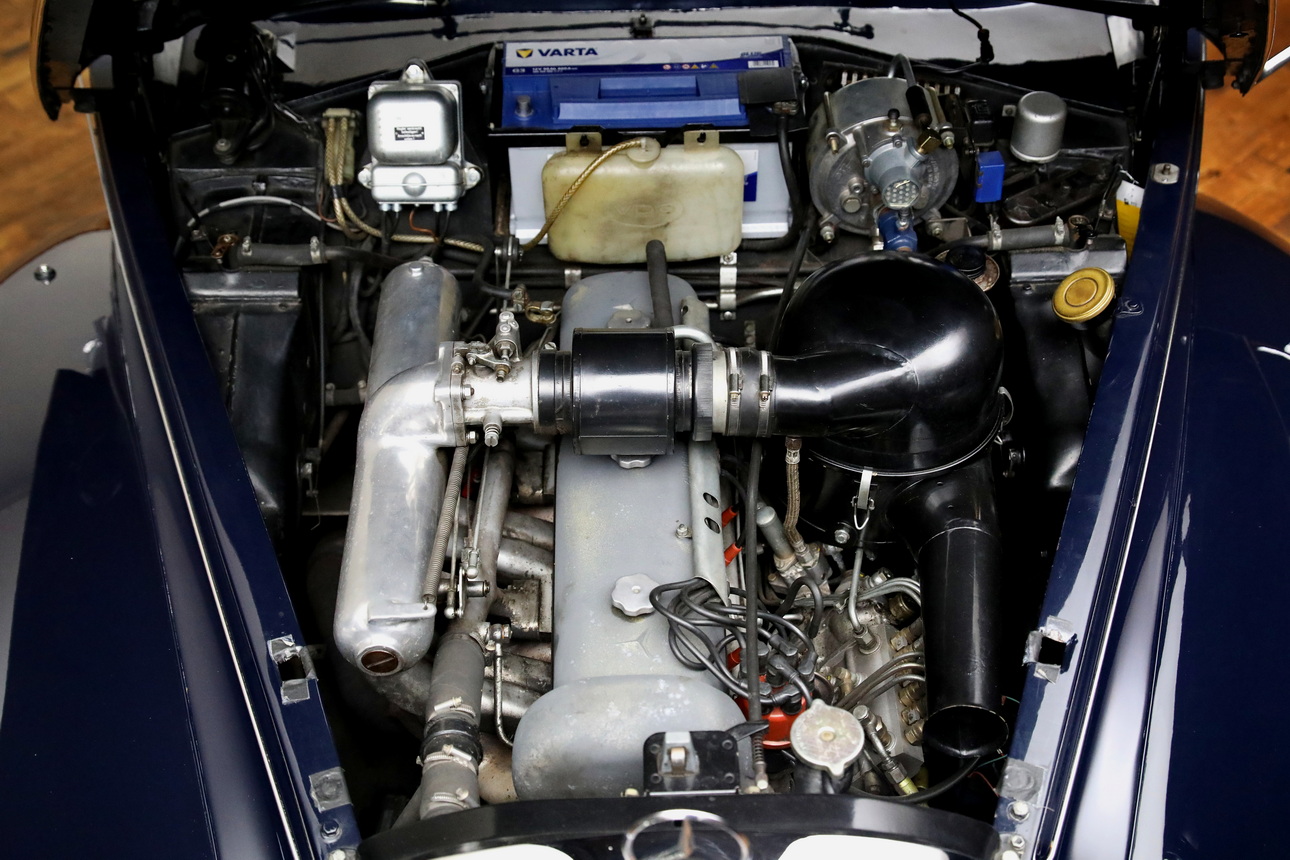
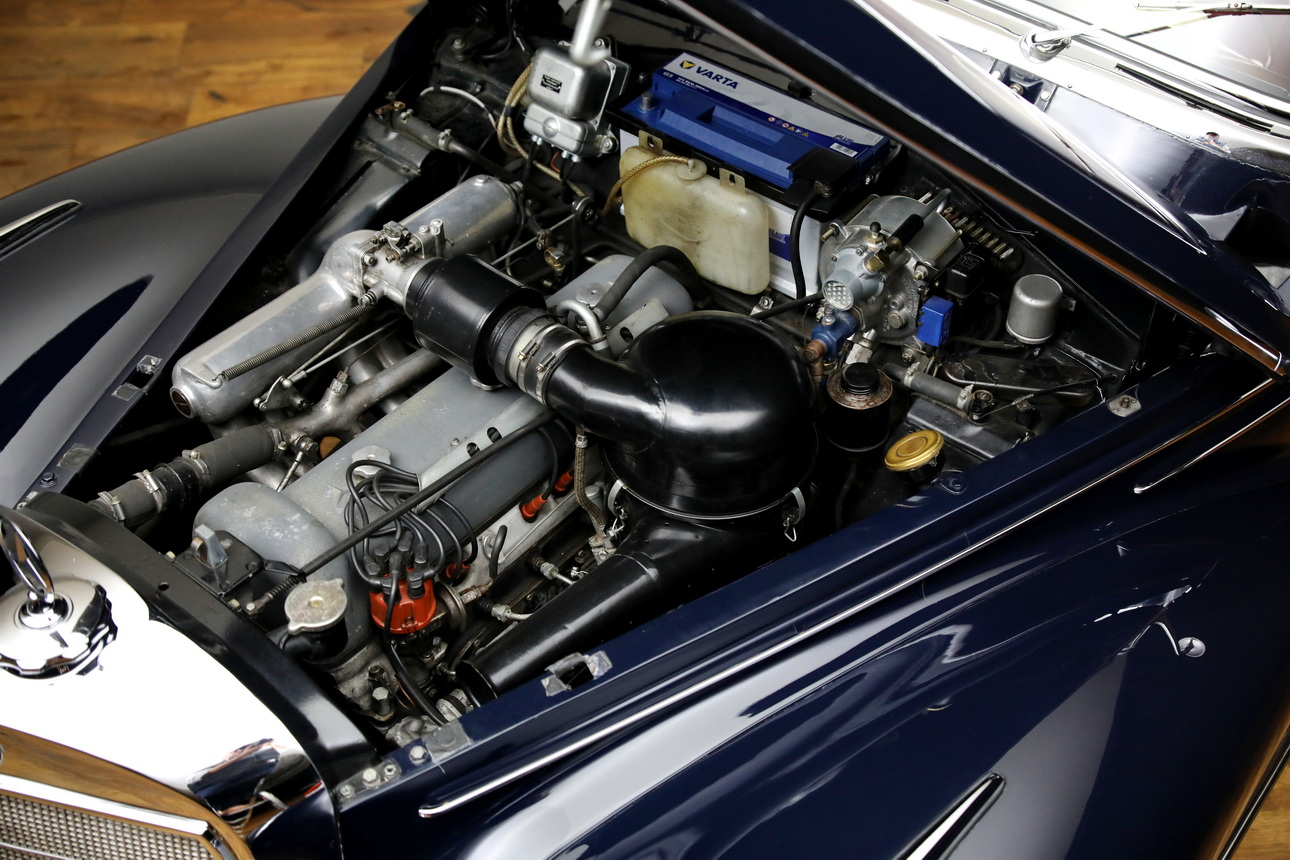
In the mid-1980s, the exclusive roadster returned to Germany to an owner in the Rotenburg/Wümme area, who remained loyal to the car for a full 35 years (!). In 1987, he had many components overhauled or replaced at a Mercedes-Benz authorised dealer in Hamburg. A detailed invoice for 62,000 DM is available for this work, which was a considerable sum for such a project at the time. Among other things, the engine (the original unit with ‘matching numbers’) was repaired, parts of the chassis were overhauled, and various bodywork and trim components, as well as panels, were refurbished.
The vehicle was also repainted. In 2022, the 300 Sc passed to its final owner in the Bonn area.
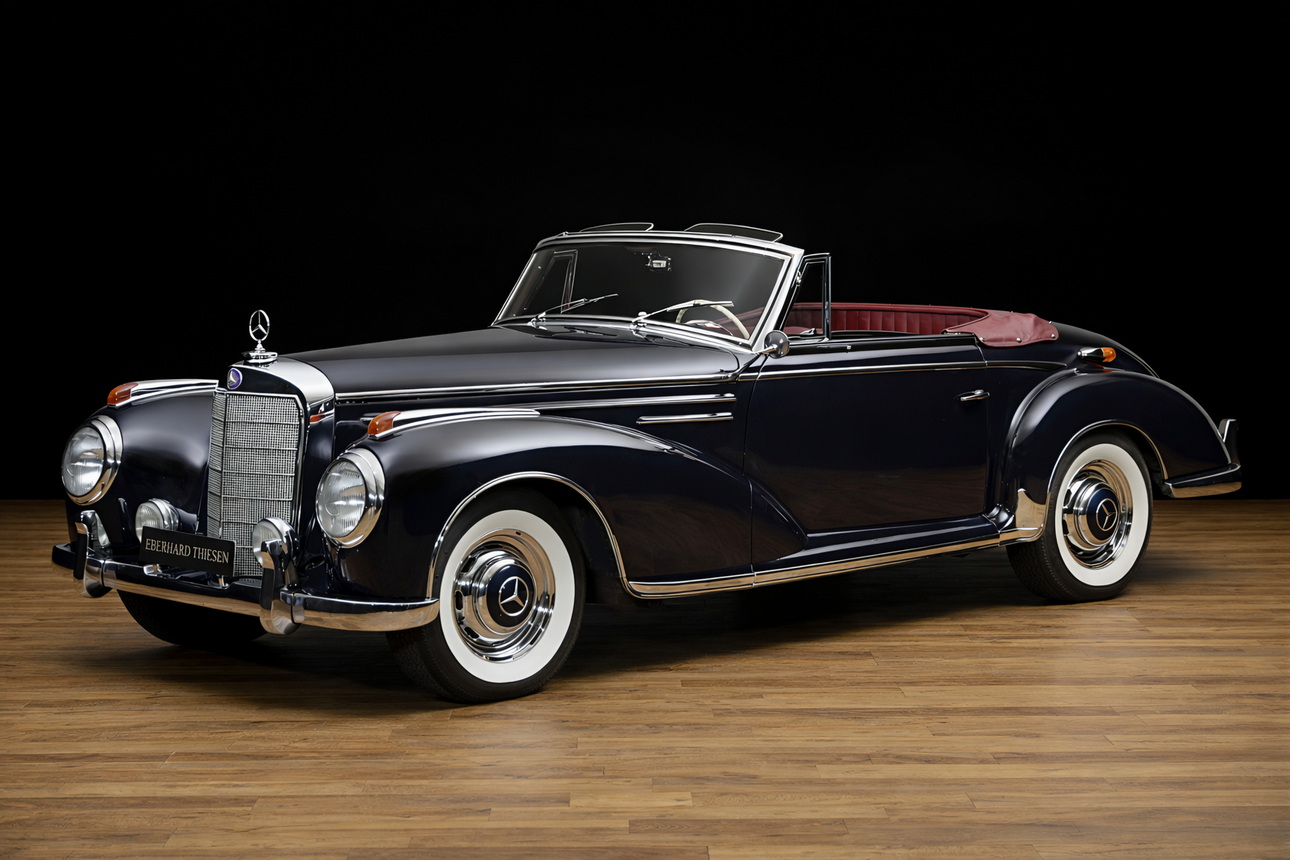
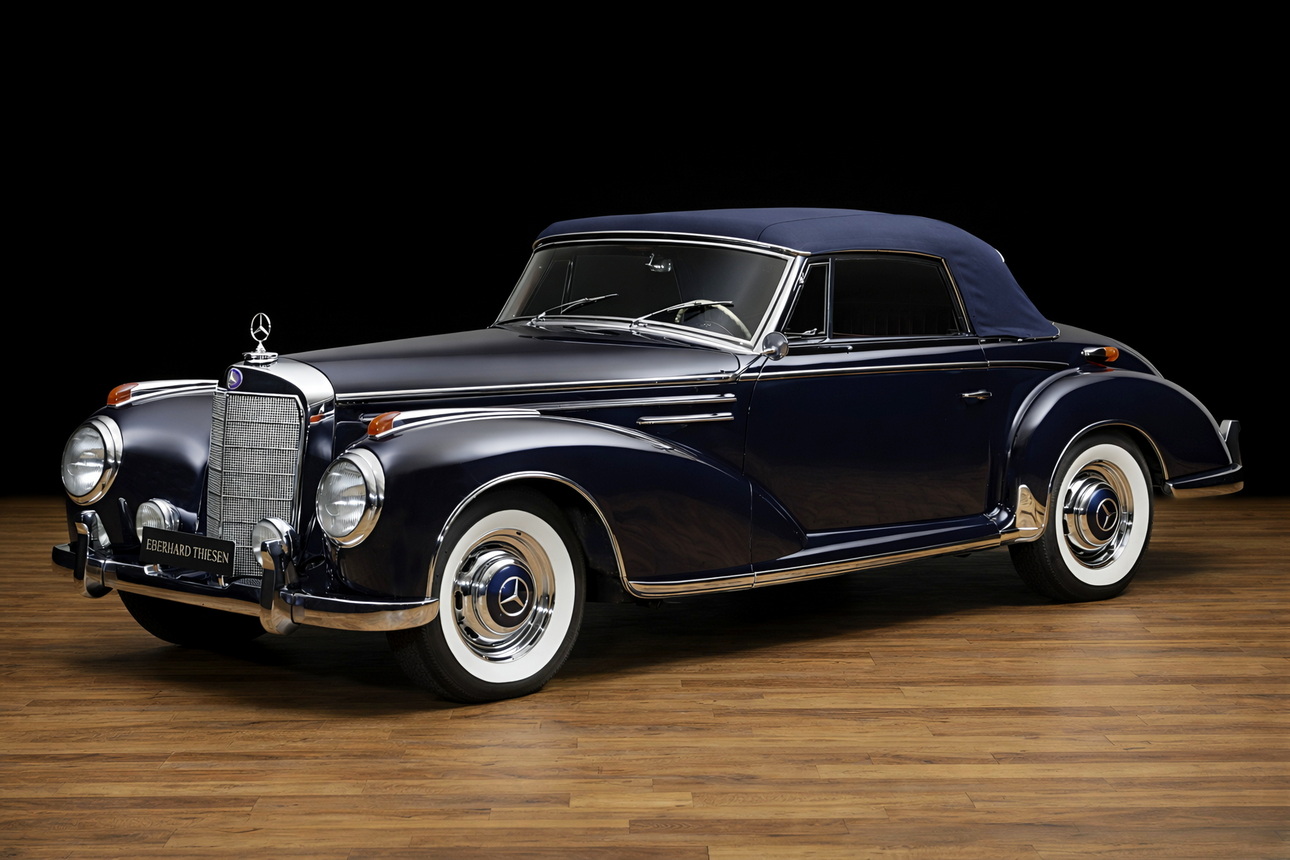
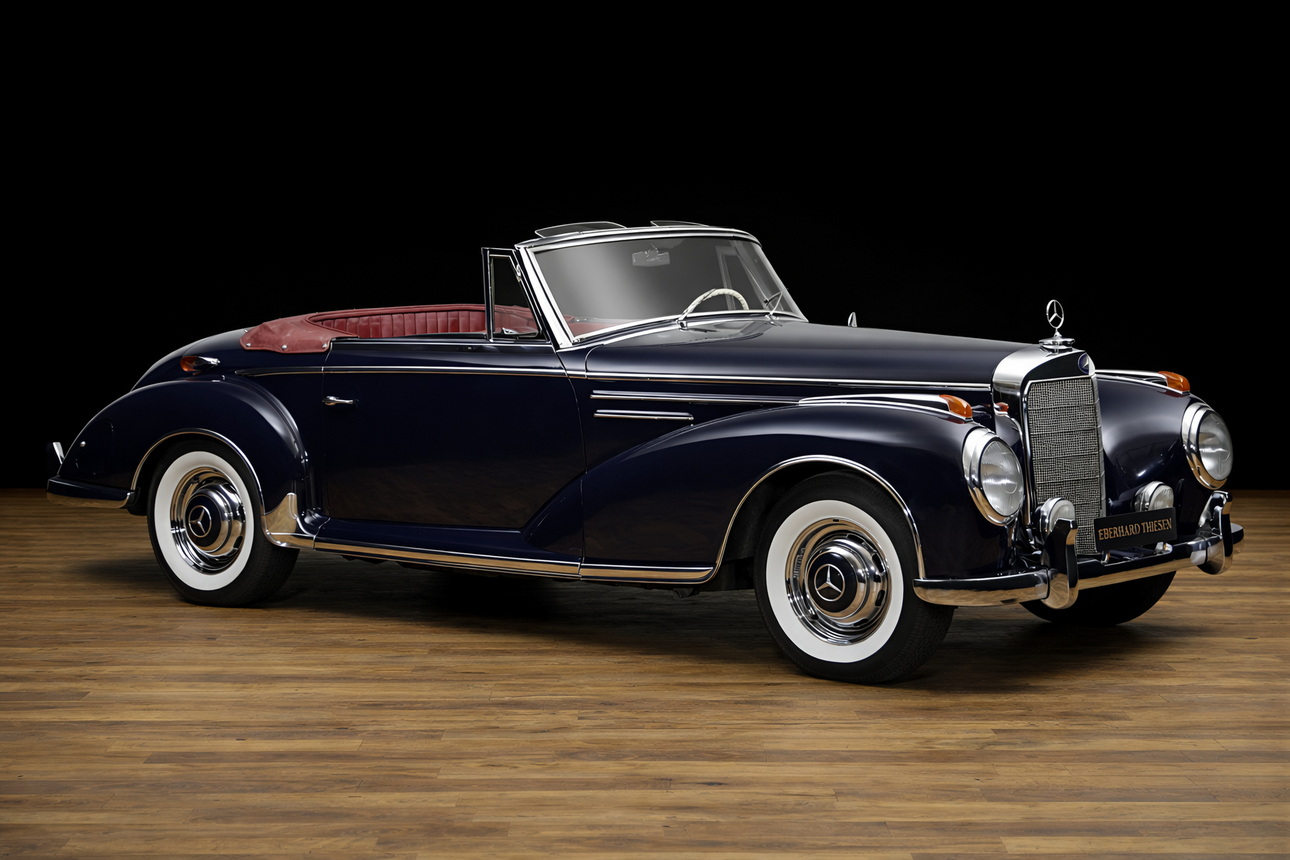
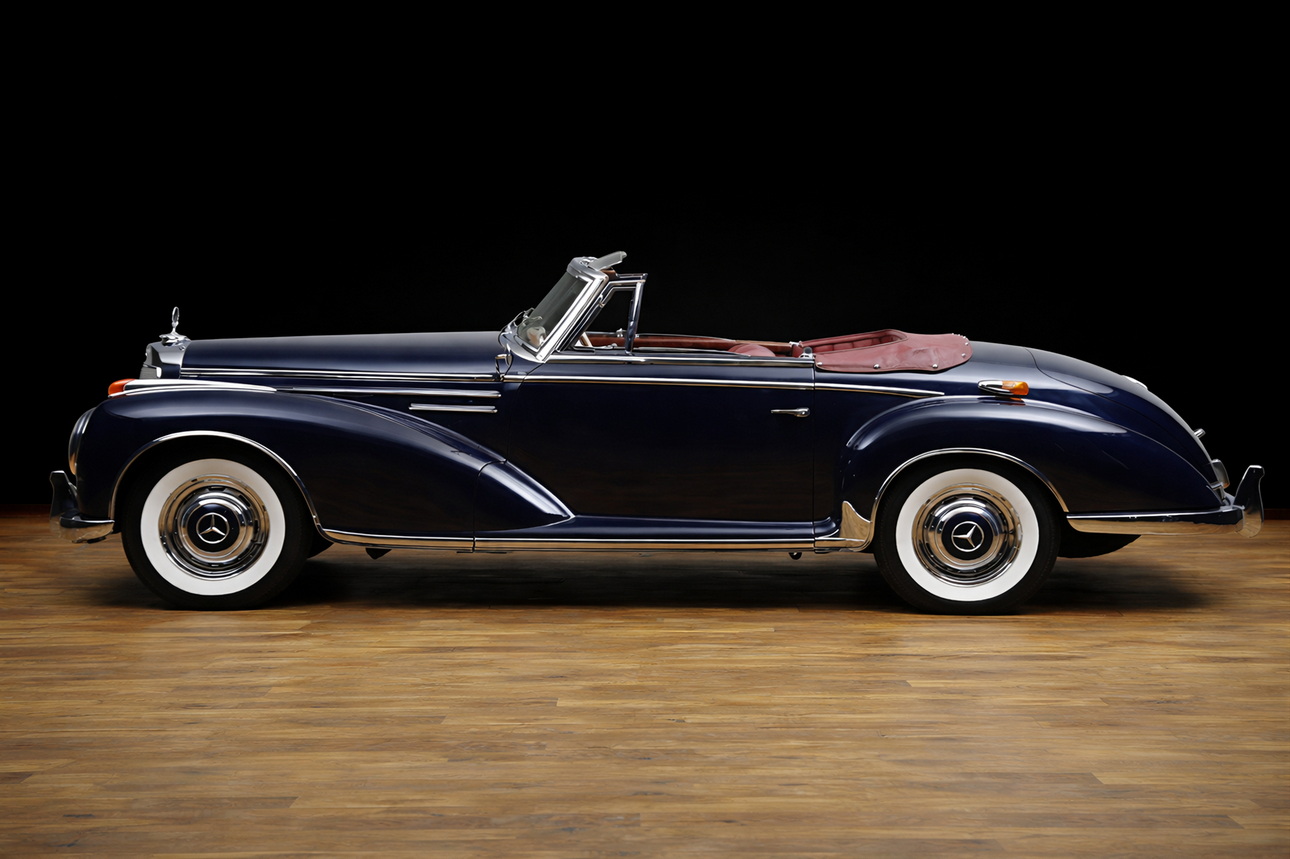
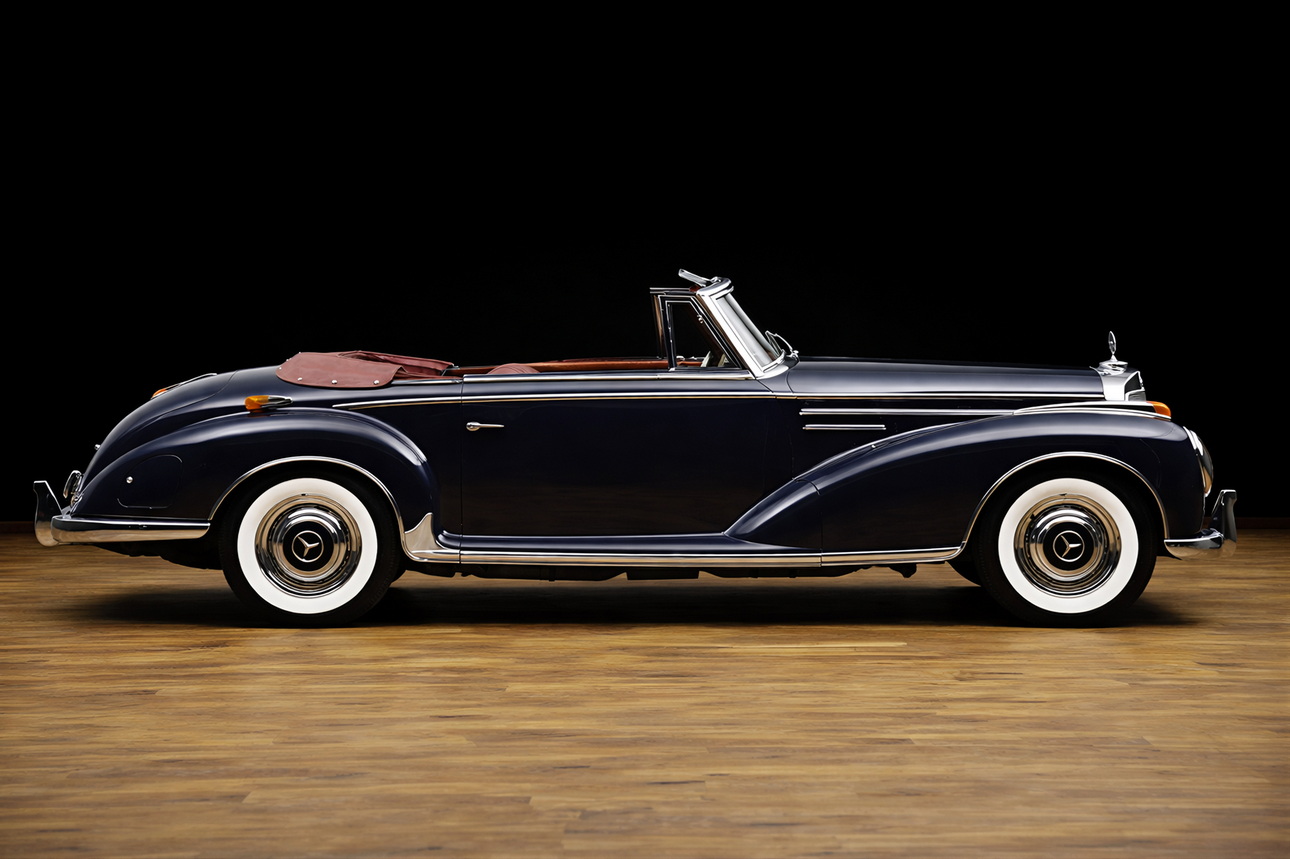
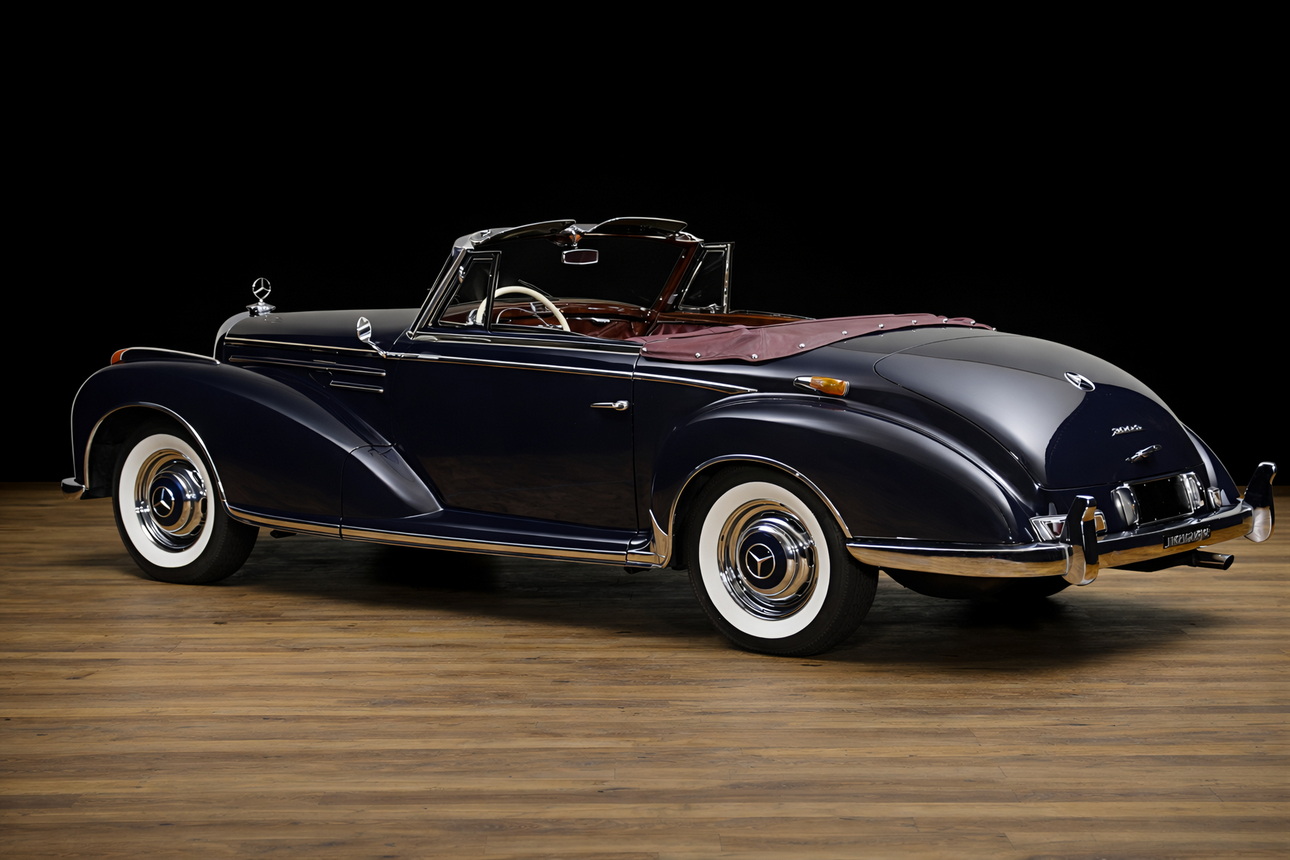
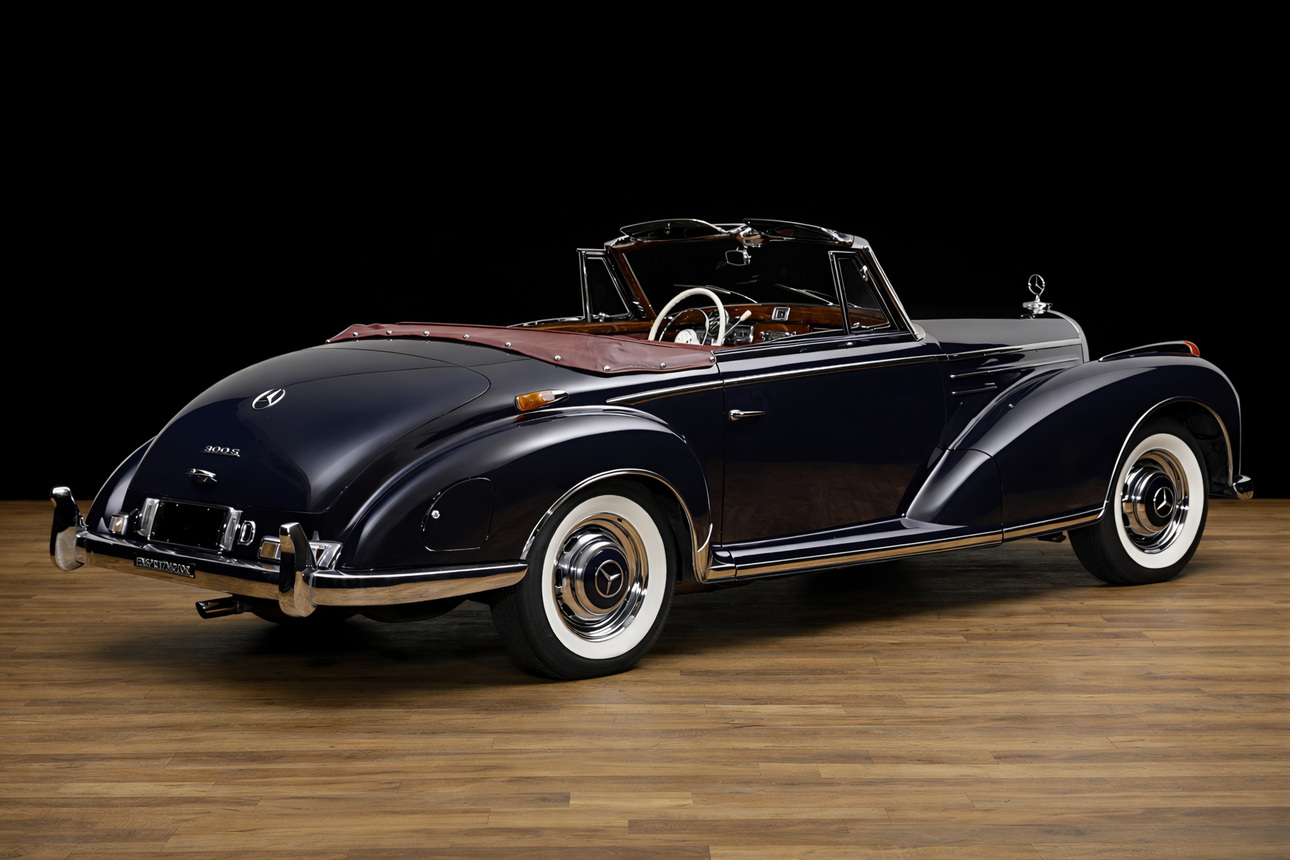
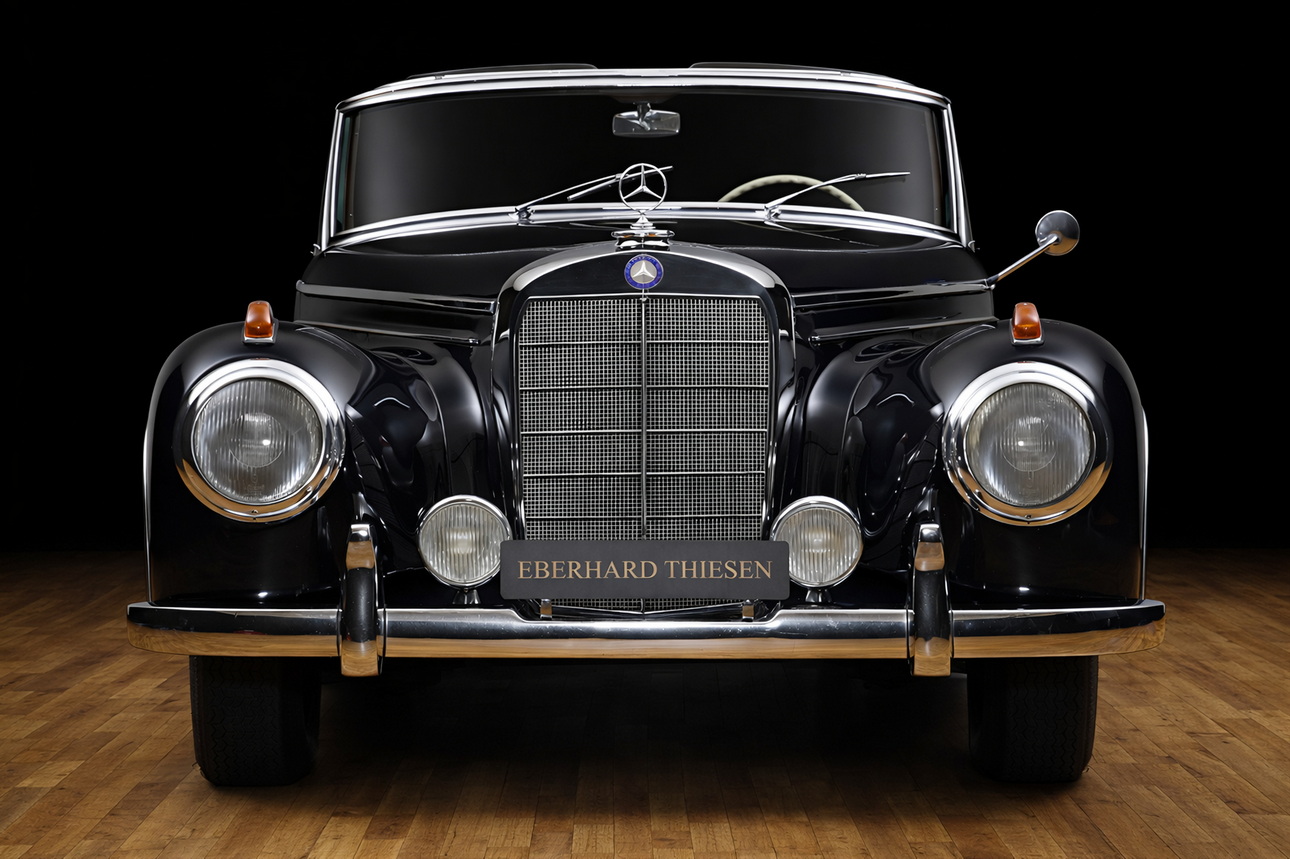
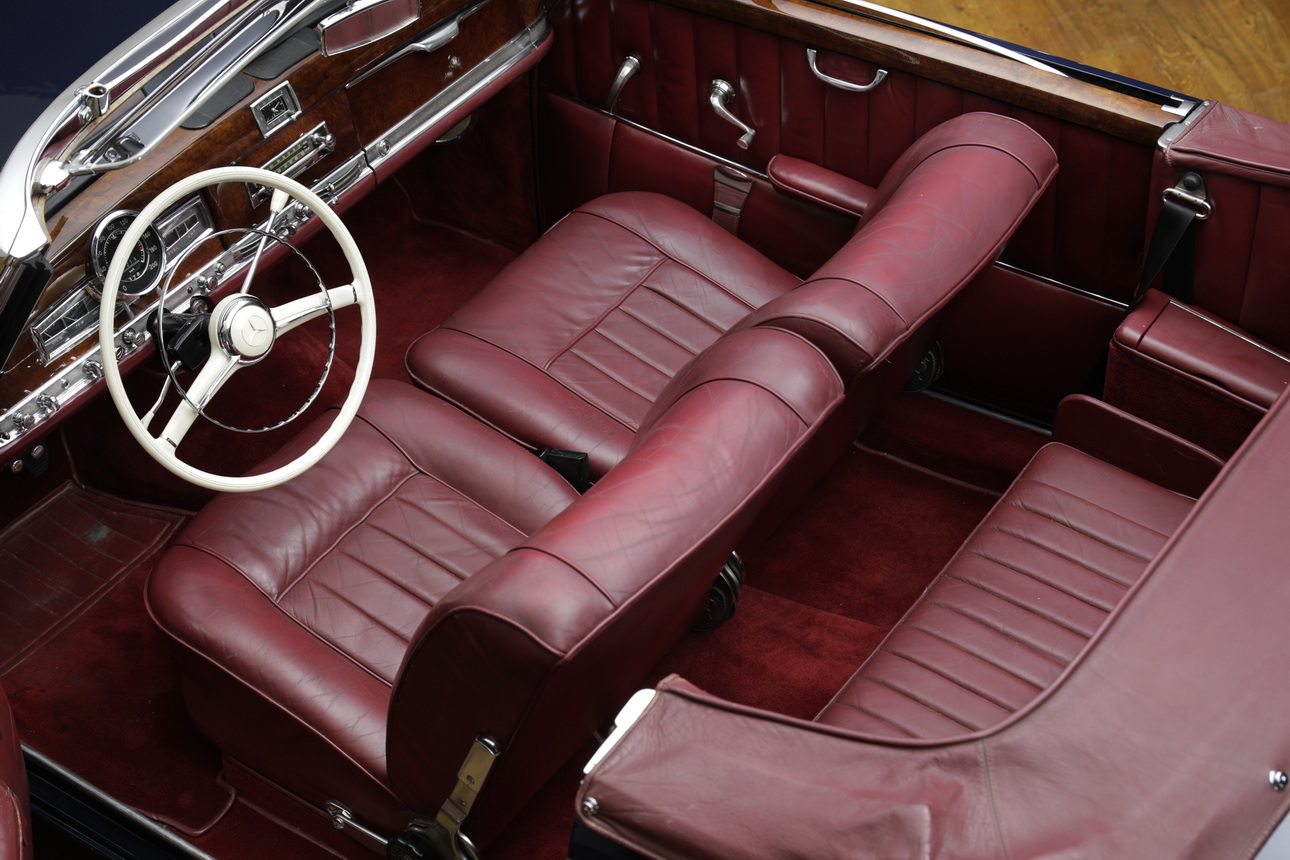
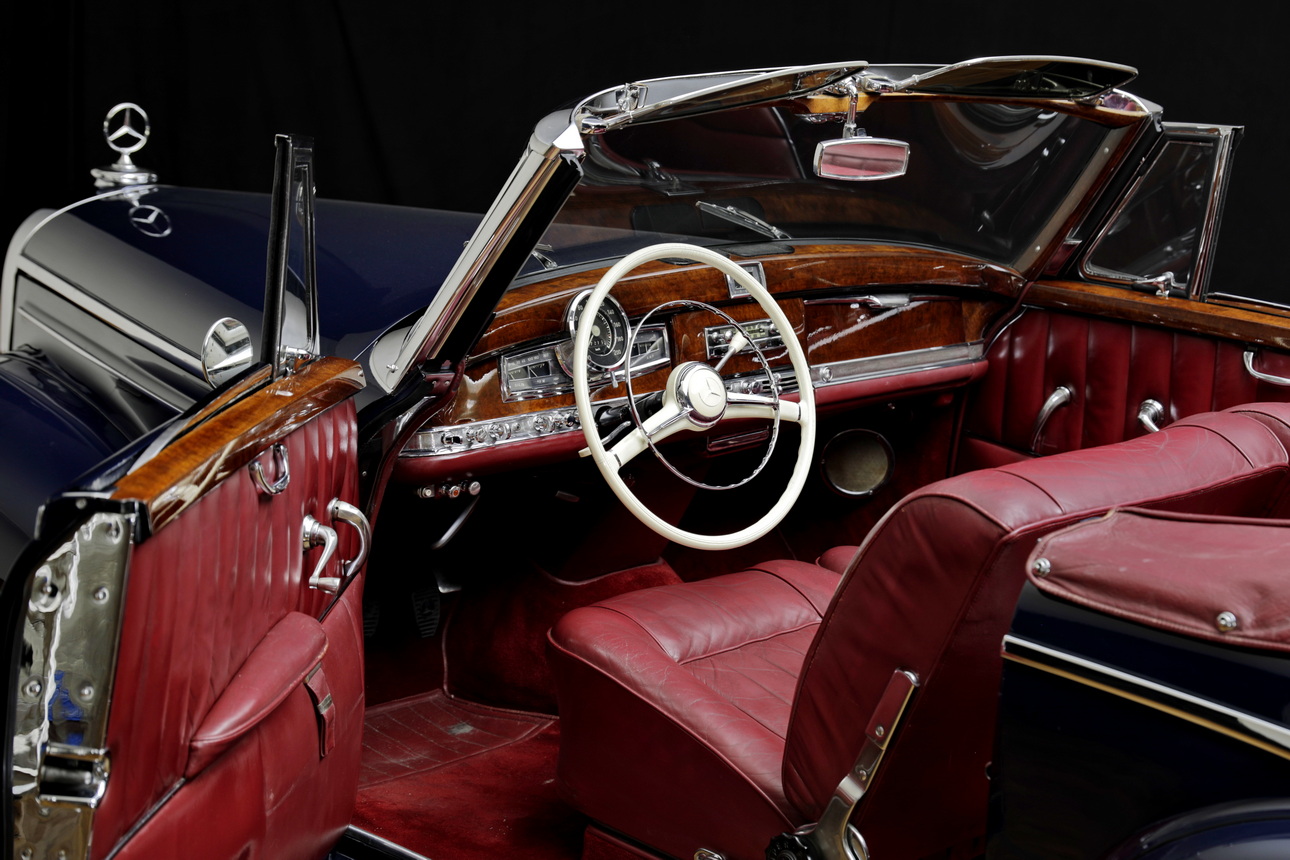
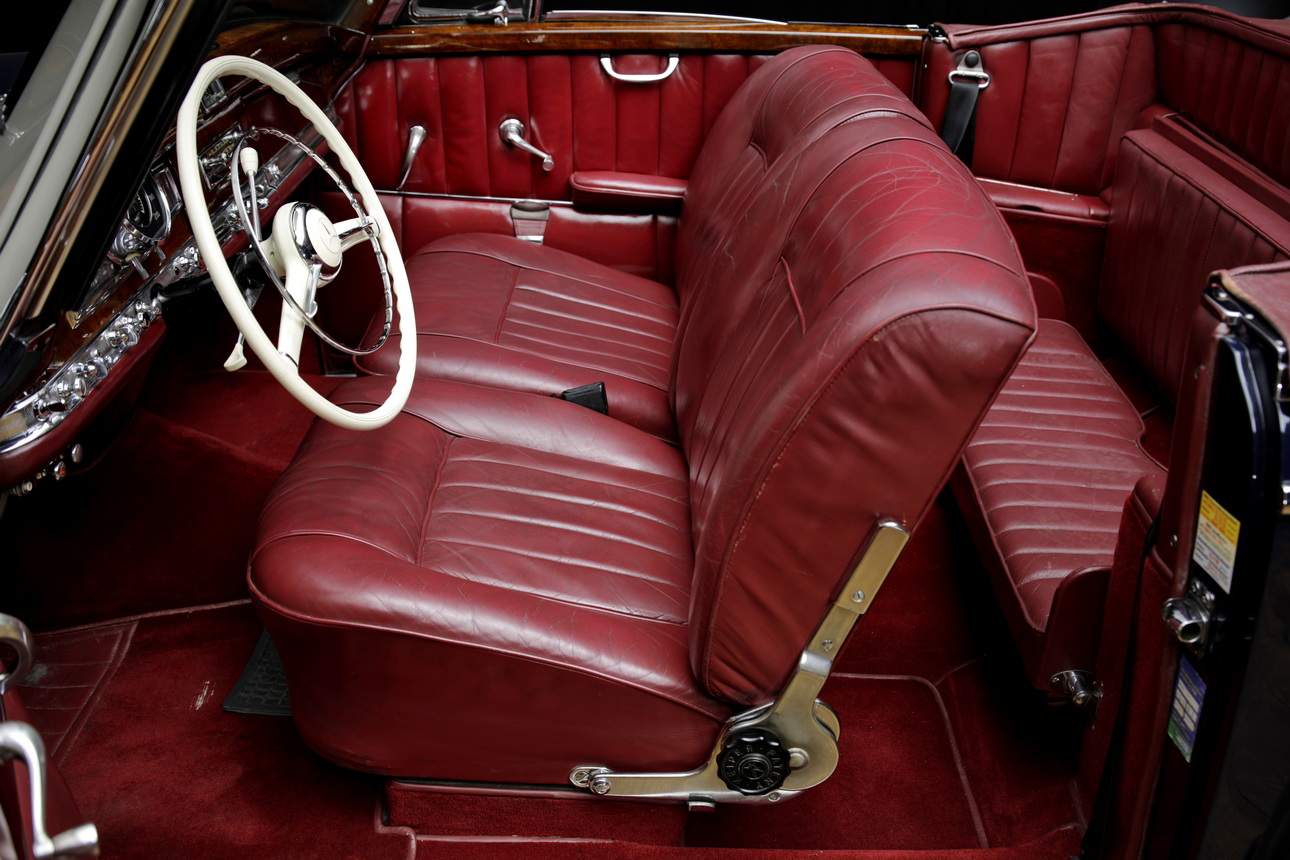
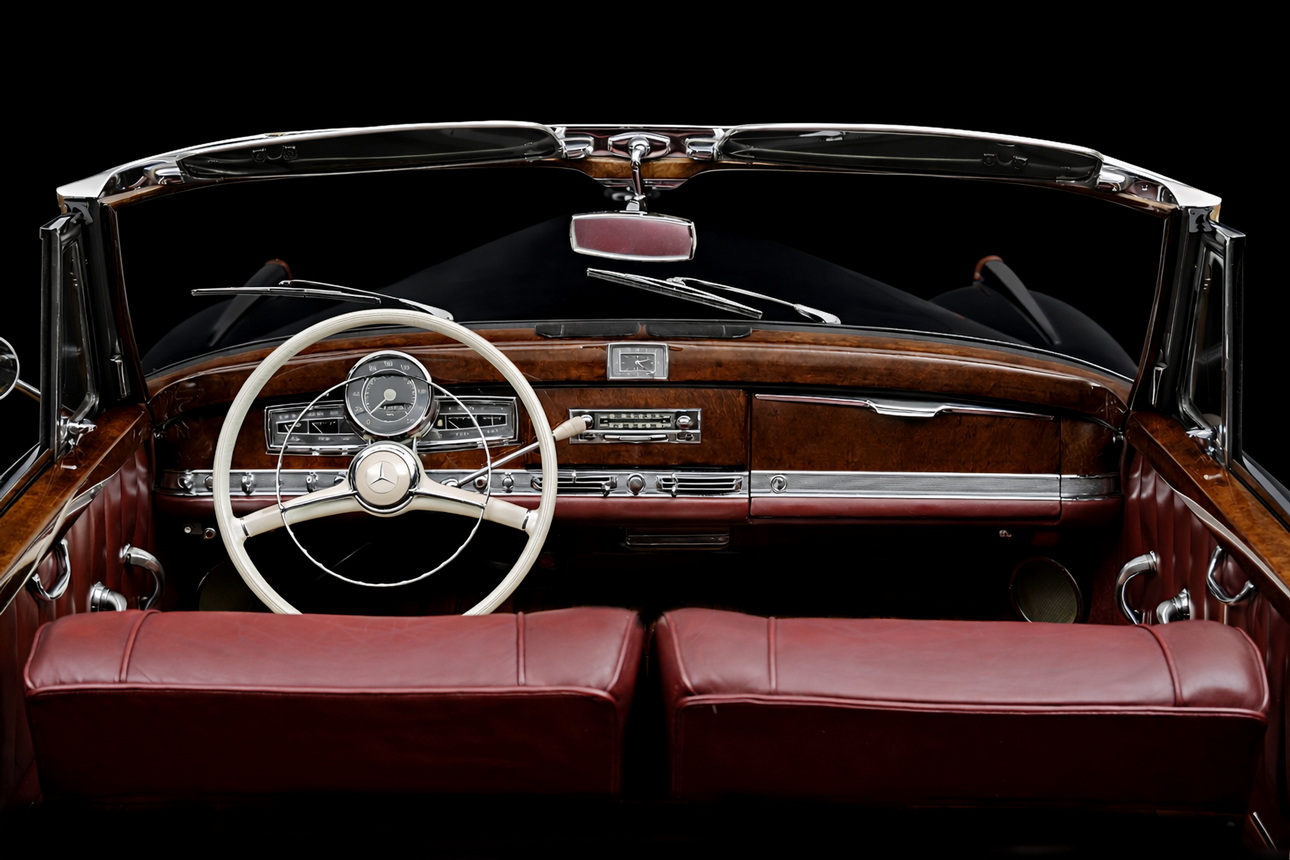
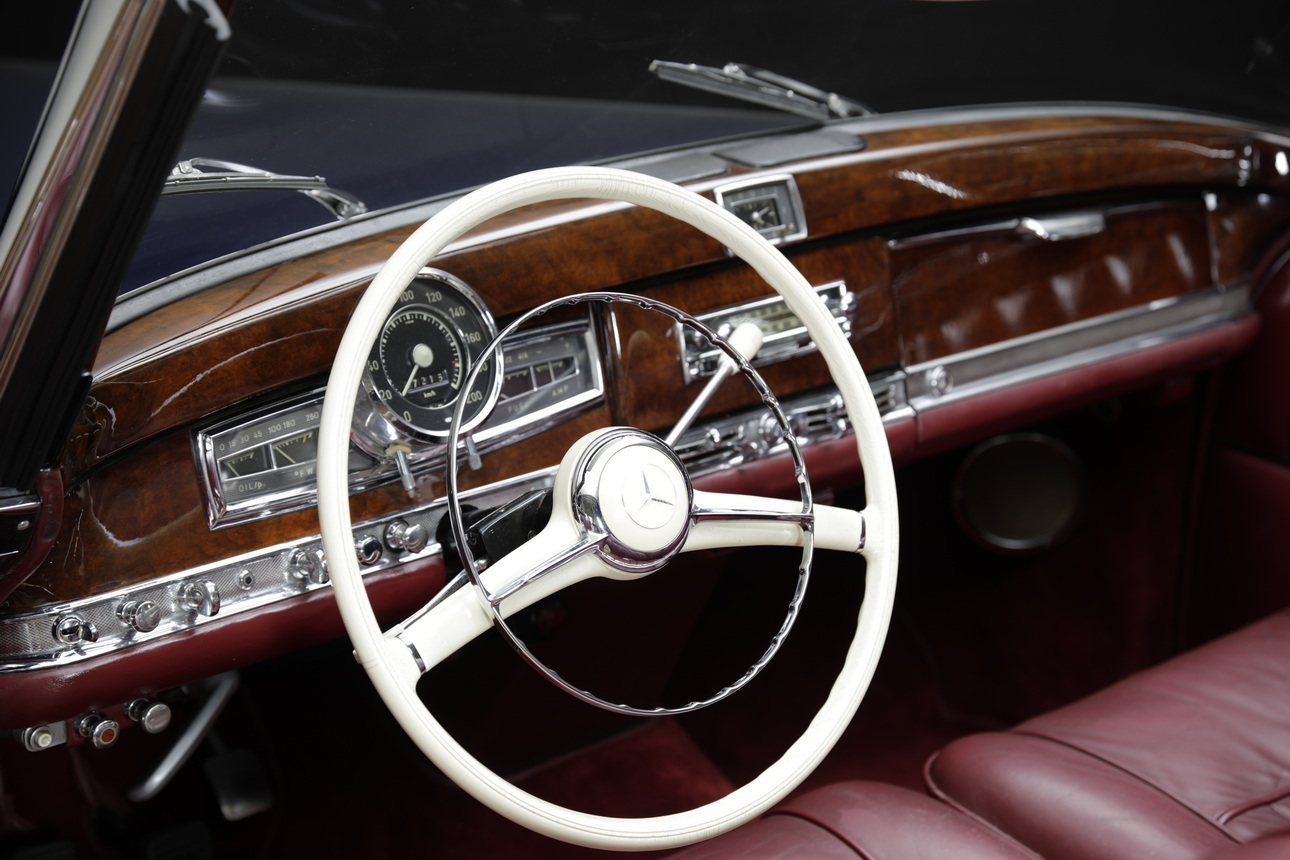
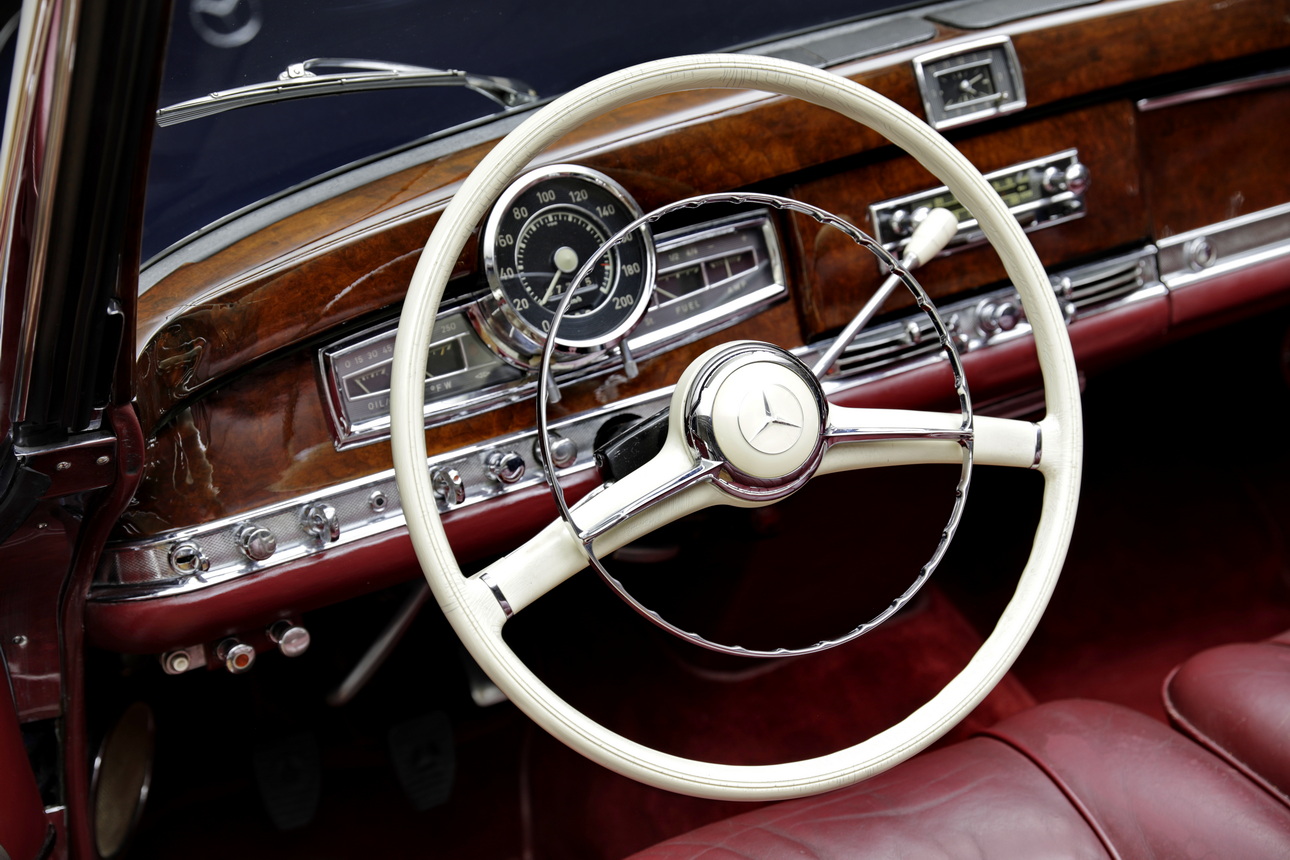
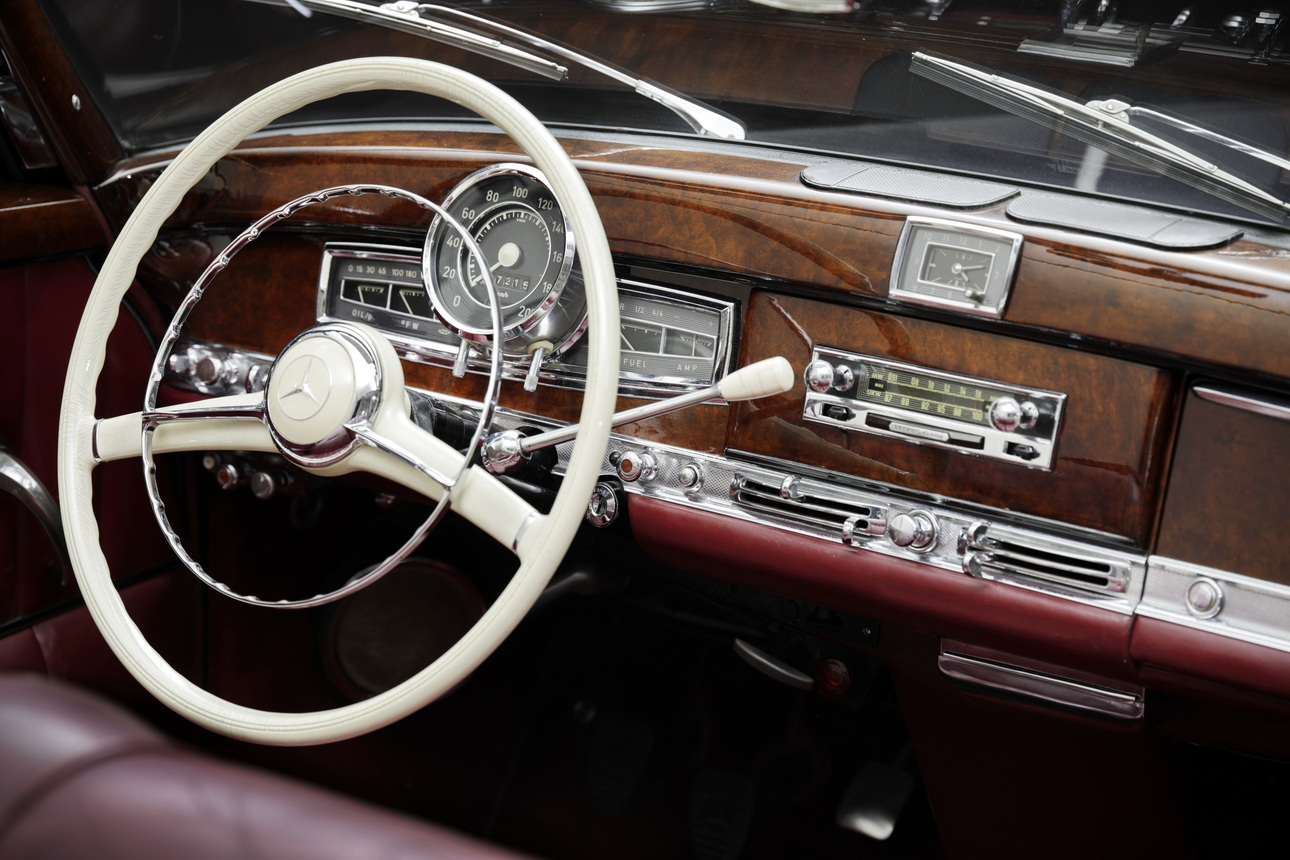
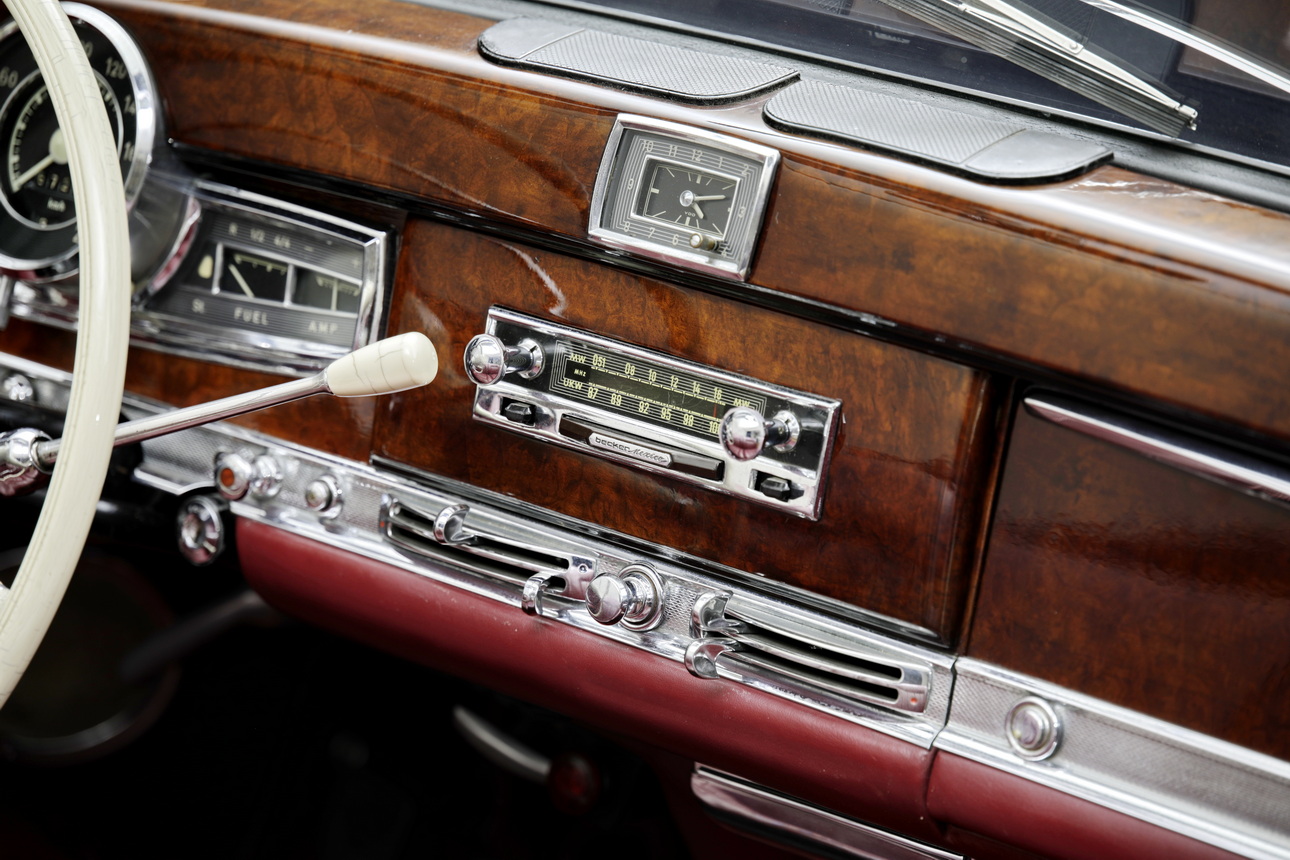
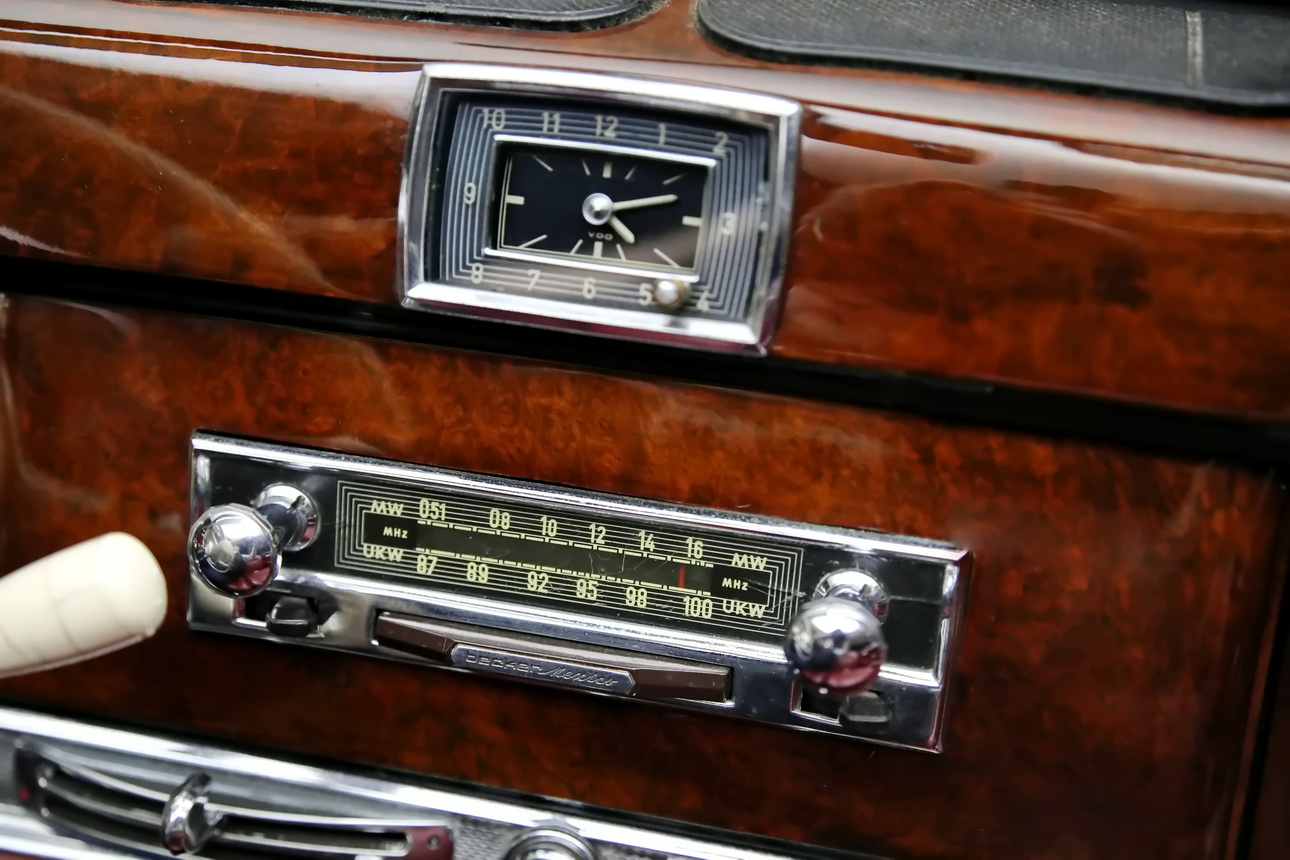
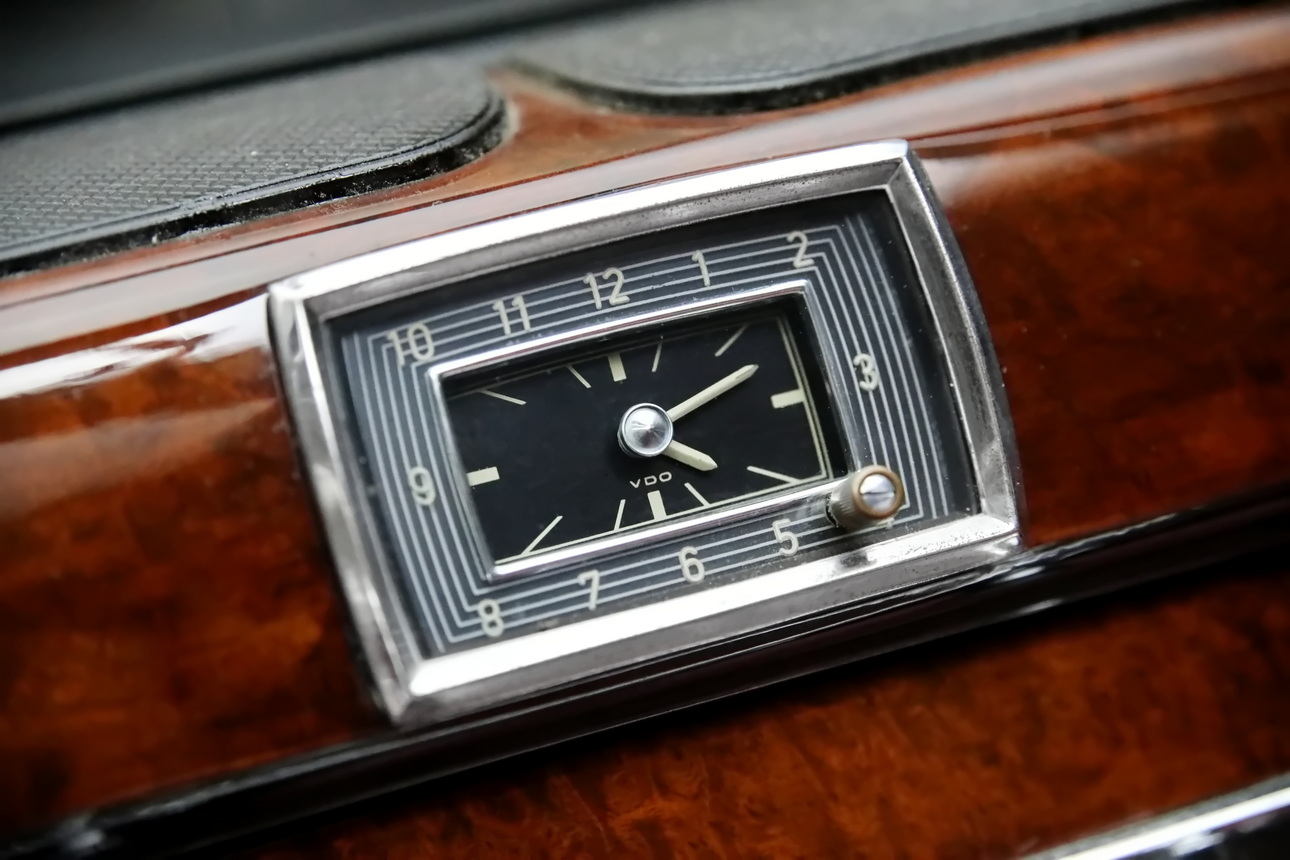
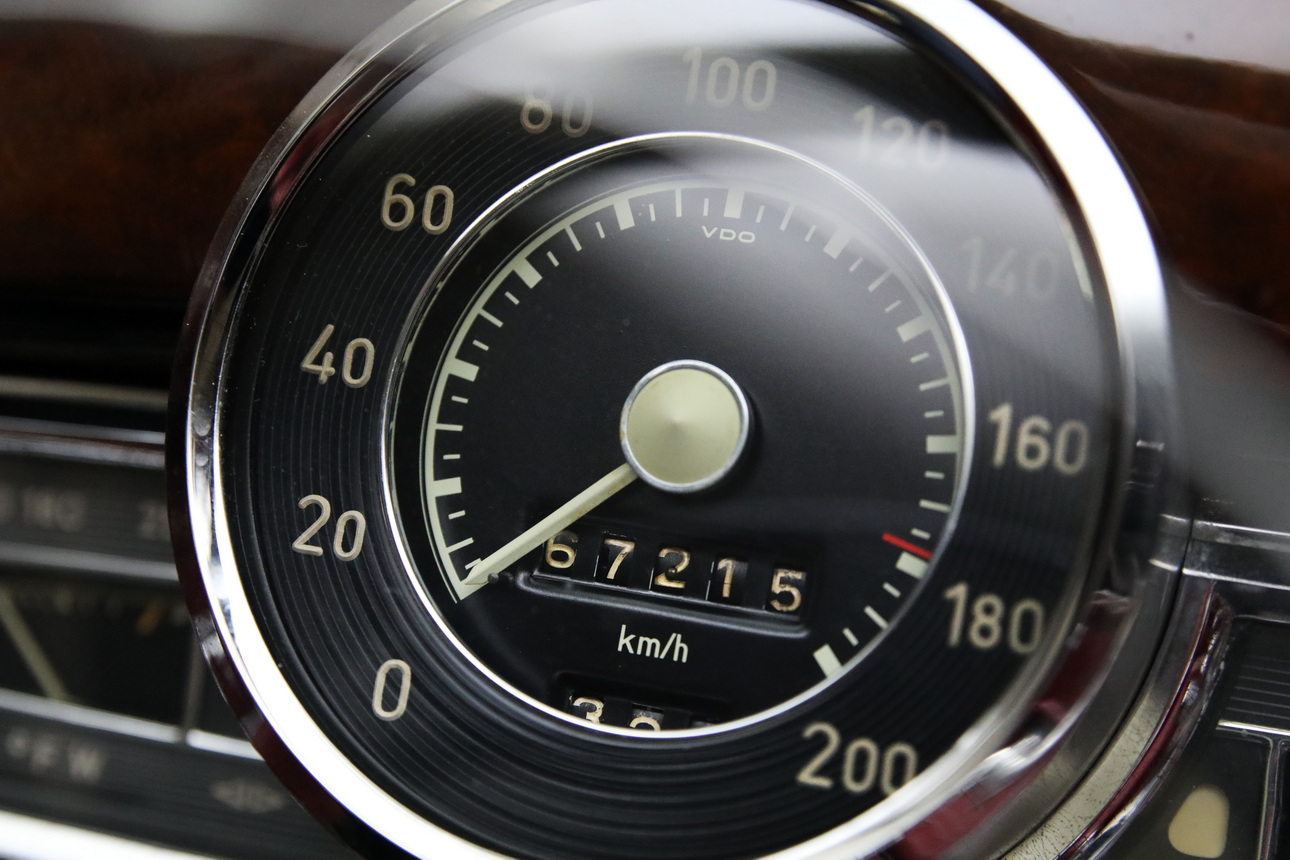
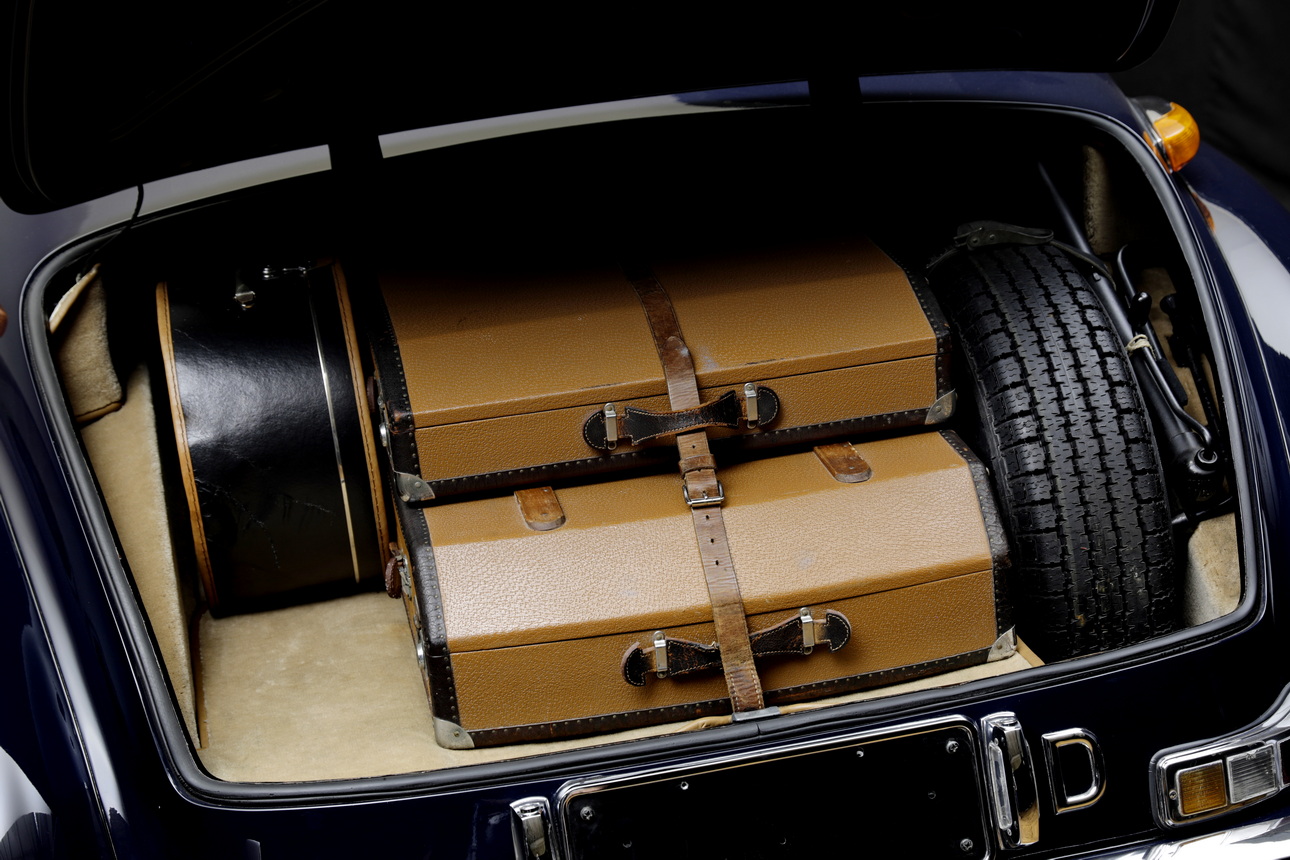
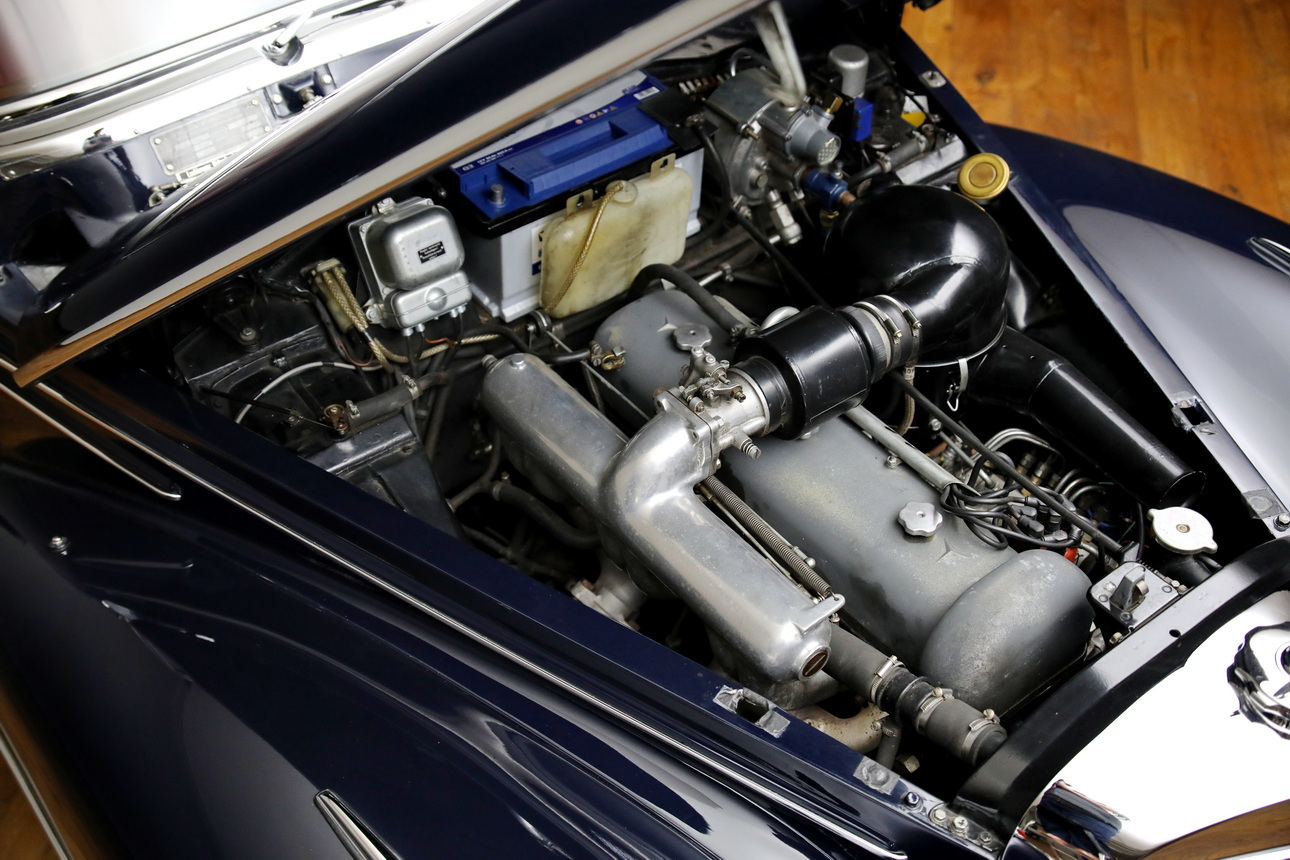
Today, the 300 Sc Roadster is presented in a classic dark blue paint finish with a dark red leather interior – a very stylish, sophisticated combination. The leather, which has been refurbished over time, has developed a subtle, attractive patina, and the fine woods make a high-quality impression with a beautiful surface finish. The gaps between the body panels are precise and the bodywork is uniformly flat. All fittings and trim pieces also fit perfectly. Furthermore, the engine impresses with its excellent running performance. And the sublime driving experience is a loyal companion in this 300 Sc Roadster.
Model History
The Mercedes Type 300 S (W 188 I) was presented at the Paris Motor Show in October 1951 and was the two-door top model in the Mercedes passenger car range. Compared with the four-door Type 300 (W 186 saloon and cabriolet), the chassis of the 300 S had a 150 mm shorter wheelbase. Engine output was 150 hp thanks to the use of three carburetors. The 300 S was available in three body variants as a convertible, roadster and coupe. It was positioned as a particularly prestigious car with a sporty note for the very highest demands in terms of roadholding and comfort. In the judgment of the international trade press, the new model was praised as a "car of the world's elite" and a "benchmark for what is achievable in automotive engineering today.
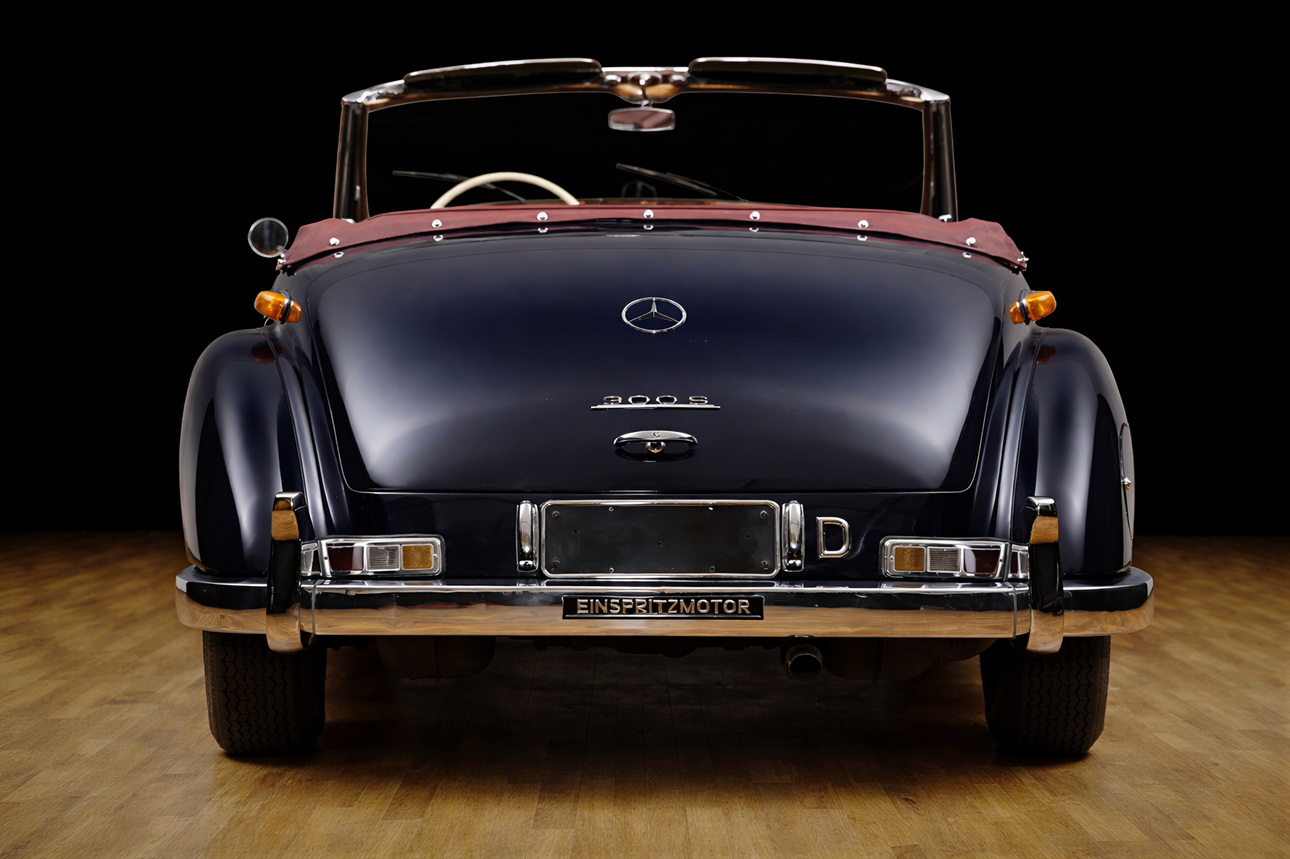
From 1955 onwards, Mercedes defended its position as a technical pioneer with the modified 300 Sc (W 188 II). The air-fuel mixture was no longer supplied by three carburettors, but instead via direct fuel injection (as in the 300 SL); combined with an increase in compression ratio, this boosted the engine’s output to 175 hp. This feature in series car engineering was emphasised by an ‘EINSPRITZMOTOR’ (injection engine) badge on the rear bumper. Like the 300c, the chassis featured a single-joint swing axle with a low pivot point for significantly improved road holding.
In terms of bodywork, the 300 Sc featured pop-out windows in the side windows, as well as larger indicator lights at the front and rear. Other differences included two horizontal air vents on either side beneath the bonnet, adorned with chrome bars, and a chrome trim running from the front to the rear wheel arches.
The Model 300 S and 300 Sc were considered the pinnacle of luxury car manufacturing, which was also reflected in their high purchase price (around 50% more than the 300 sedan). In terms of exclusivity, workmanship, comfort and value, all variants were (and still are) in the same league as Rolls Royce and Bentley cars of that era.
The W 188 models are even rarer than the legendary 300 SL ‘Gullwing’ and Roadster. During the production period of the 300 Sc, only 200 units (roadsters, coupés and convertibles) left the factory. A total of just 53 units were built as sporty roadster with a flat-folding soft top.
In 1958, production of the W 188 came to an end, marking the end of an era of bodies mounted on a separate frame with the powertrain.
This Automobile
According to the data card, this Mercedes 300 Sc Roadster was completed at the factory in March 1956 and subsequently shipped to the USA. The original colour scheme was white-grey (colour code 158) with a leather interior in green (1078) and white-grey (1083), as well as a black soft top.
In the mid-1980s, the exclusive roadster returned to Germany to an owner in the Rotenburg/Wümme area, who remained loyal to the car for a full 35 years (!). In 1987, he had many components overhauled or replaced at a Mercedes-Benz authorised dealer in Hamburg. A detailed invoice for 62,000 DM is available for this work, which was a considerable sum for such a project at the time. Among other things, the engine (the original unit with ‘matching numbers’) was repaired, parts of the chassis were overhauled, and various bodywork and trim components, as well as panels, were refurbished. The vehicle was also repainted. In 2022, the 300 Sc passed to its final owner in the Bonn area.
Today, the 300 Sc Roadster is presented in a classic dark blue paint finish with a dark red leather interior – a very stylish, sophisticated combination. The leather, which has been refurbished over time, has developed a subtle, attractive patina, and the fine woods make a high-quality impression with a beautiful surface finish. The gaps between the body panels are precise and the bodywork is uniformly flat. All fittings and trim pieces also fit perfectly. Furthermore, the engine impresses with its excellent running performance. And the sublime driving experience is a loyal companion in this 300 Sc Roadster.
Model History
The Mercedes Type 300 S (W 188 I) was presented at the Paris Motor Show in October 1951 and was the two-door top model in the Mercedes passenger car range. Compared with the four-door Type 300 (W 186 saloon and cabriolet), the chassis of the 300 S had a 150 mm shorter wheelbase. Engine output was 150 hp thanks to the use of three carburetors. The 300 S was available in three body variants as a convertible, roadster and coupe. It was positioned as a particularly prestigious car with a sporty note for the very highest demands in terms of roadholding and comfort. In the judgment of the international trade press, the new model was praised as a "car of the world's elite" and a "benchmark for what is achievable in automotive engineering today.
From 1955 onwards, Mercedes defended its position as a technical pioneer with the modified 300 Sc (W 188 II). The air-fuel mixture was no longer supplied by three carburettors, but instead via direct fuel injection (as in the 300 SL); combined with an increase in compression ratio, this boosted the engine’s output to 175 hp. This feature in series car engineering was emphasised by an ‘EINSPRITZMOTOR’ (injection engine) badge on the rear bumper. Like the 300c, the chassis featured a single-joint swing axle with a low pivot point for significantly improved road holding. In terms of bodywork, the 300 Sc featured pop-out windows in the side windows, as well as larger indicator lights at the front and rear. Other differences included two horizontal air vents on either side beneath the bonnet, adorned with chrome bars, and a chrome trim running from the front to the rear wheel arches.
The Model 300 S and 300 Sc were considered the pinnacle of luxury car manufacturing, which was also reflected in their high purchase price (around 50% more than the 300 sedan). In terms of exclusivity, workmanship, comfort and value, all variants were (and still are) in the same league as Rolls Royce and Bentley cars of that era.
The W 188 models are even rarer than the legendary 300 SL ‘Gullwing’ and Roadster. During the production period of the 300 Sc, only 200 units (roadsters, coupés and convertibles) left the factory. A total of just 53 units were built as sporty roadster with a flat-folding soft top.
In 1958, production of the W 188 came to an end, marking the end of an era of bodies mounted on a separate frame with the powertrain.