Ferrari Dino 246 GT

Highlights
Data & Facts
This Automobile
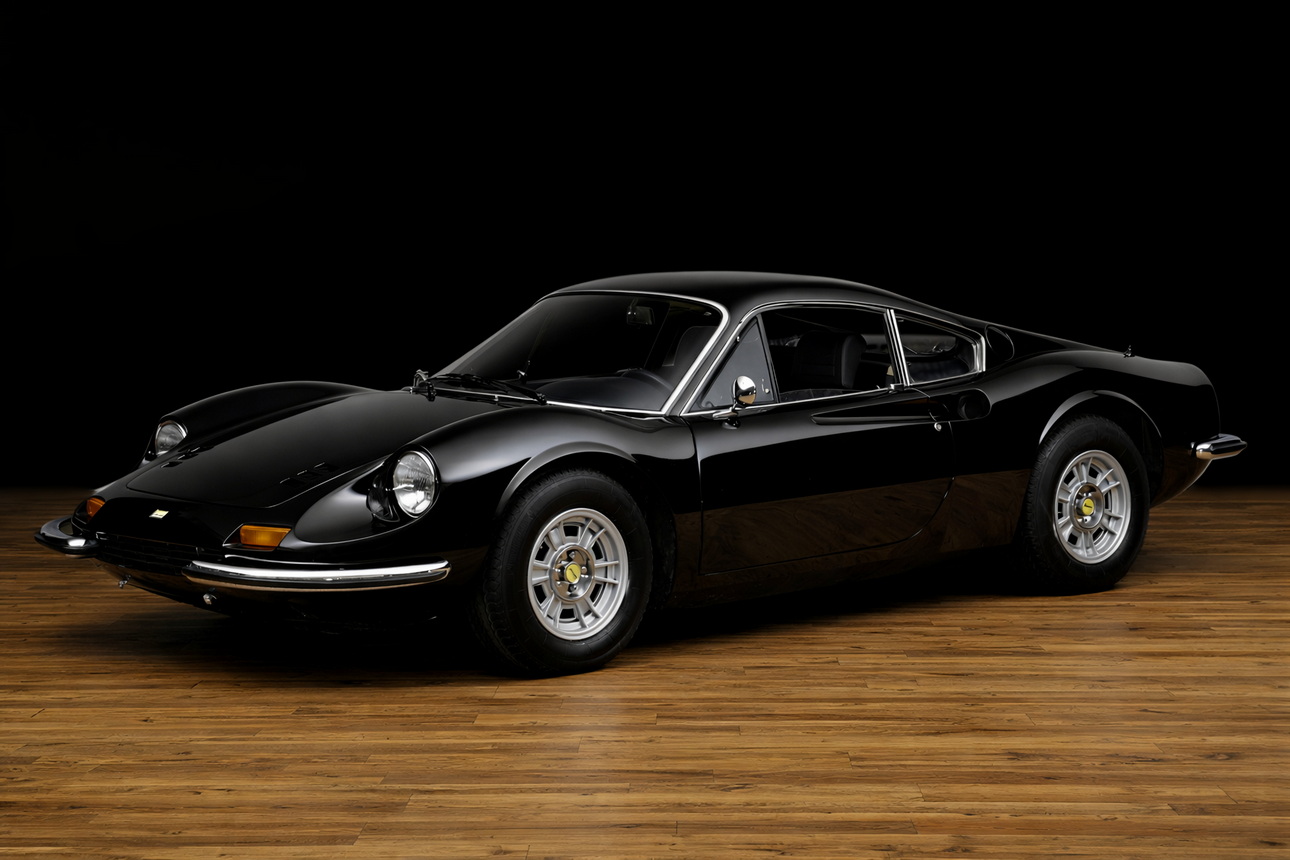
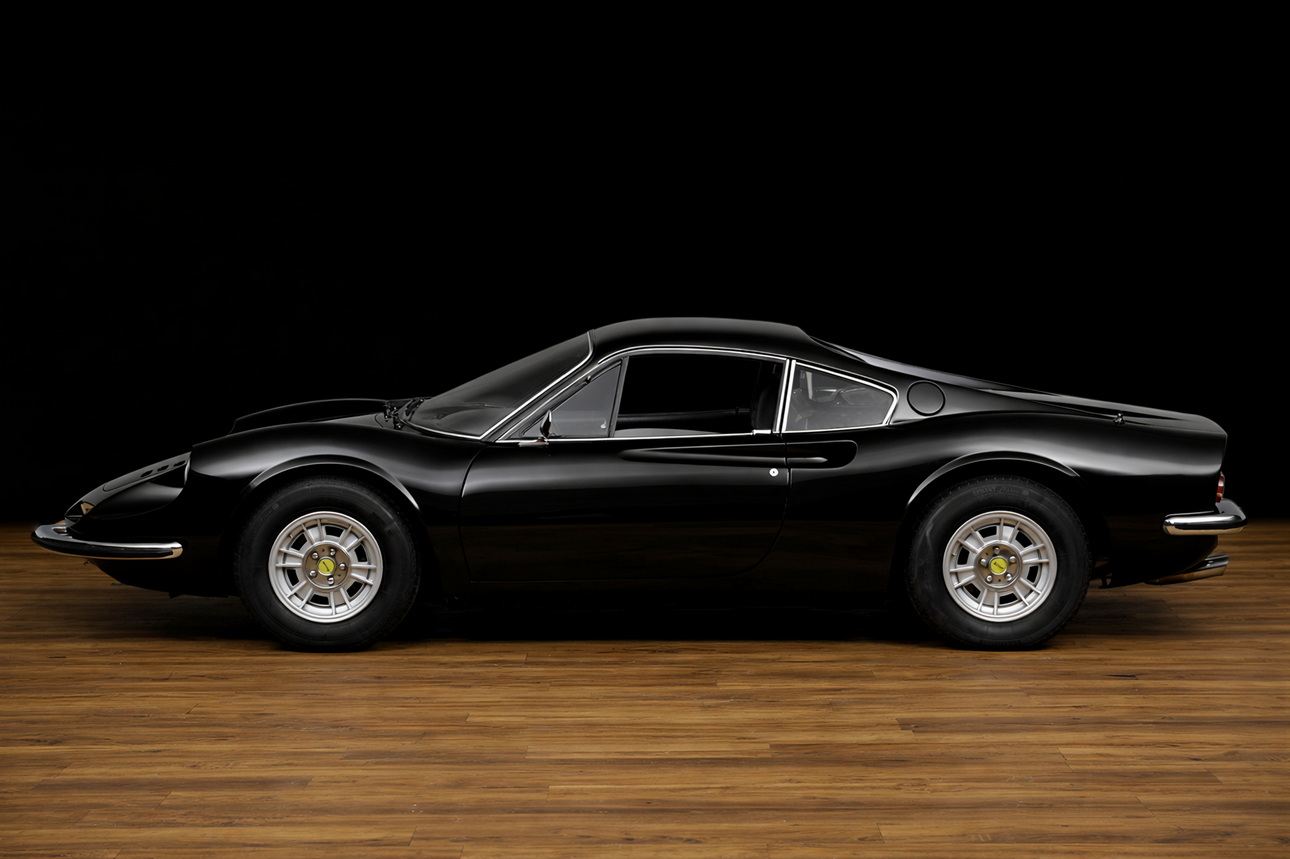
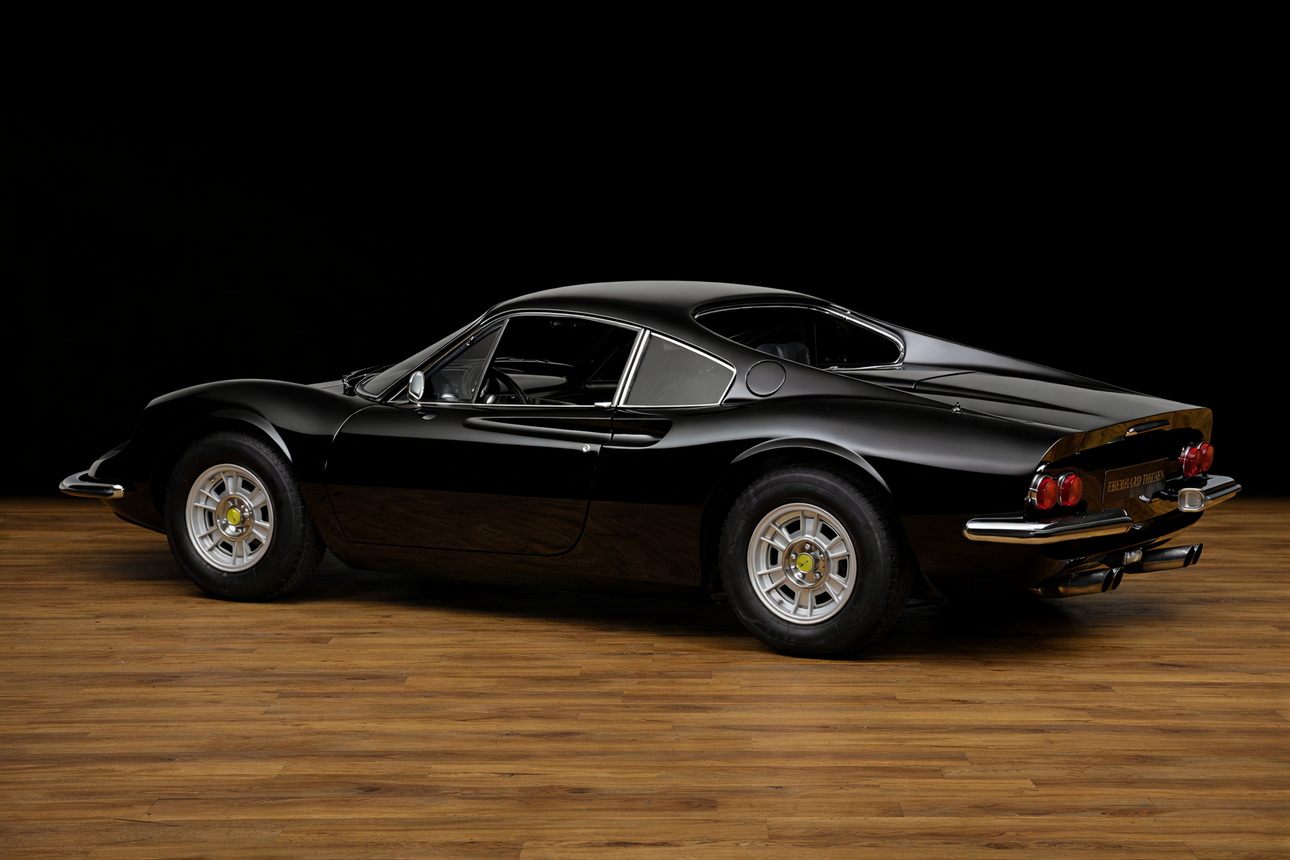
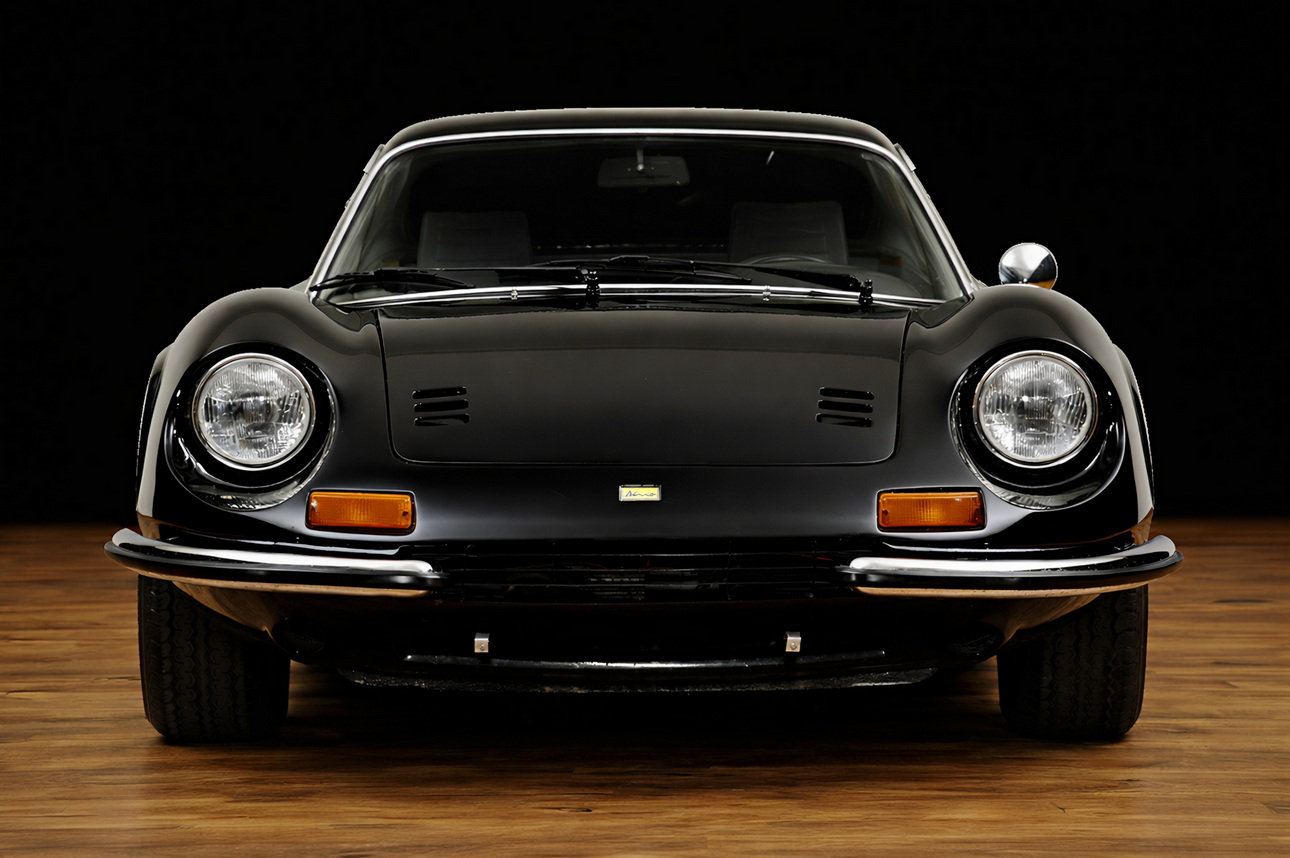
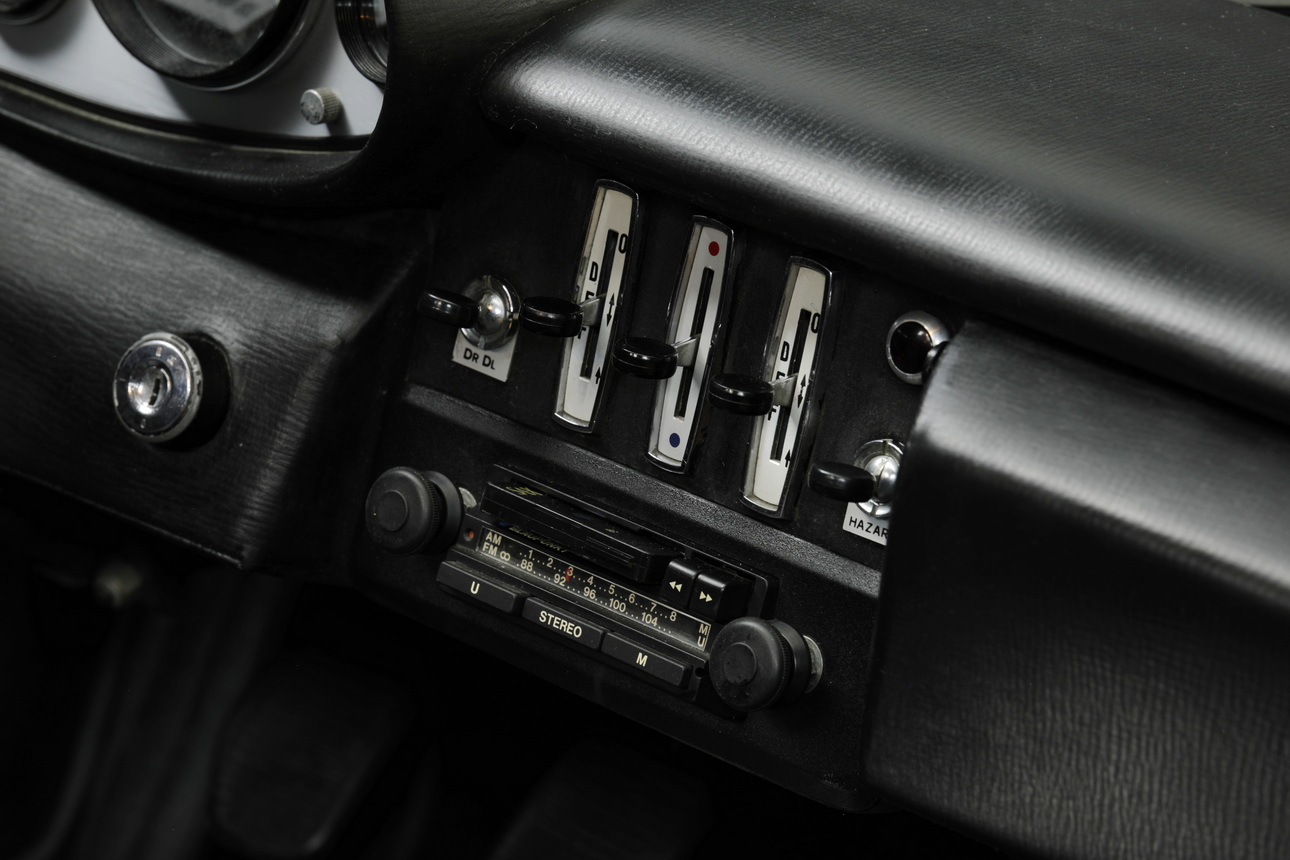
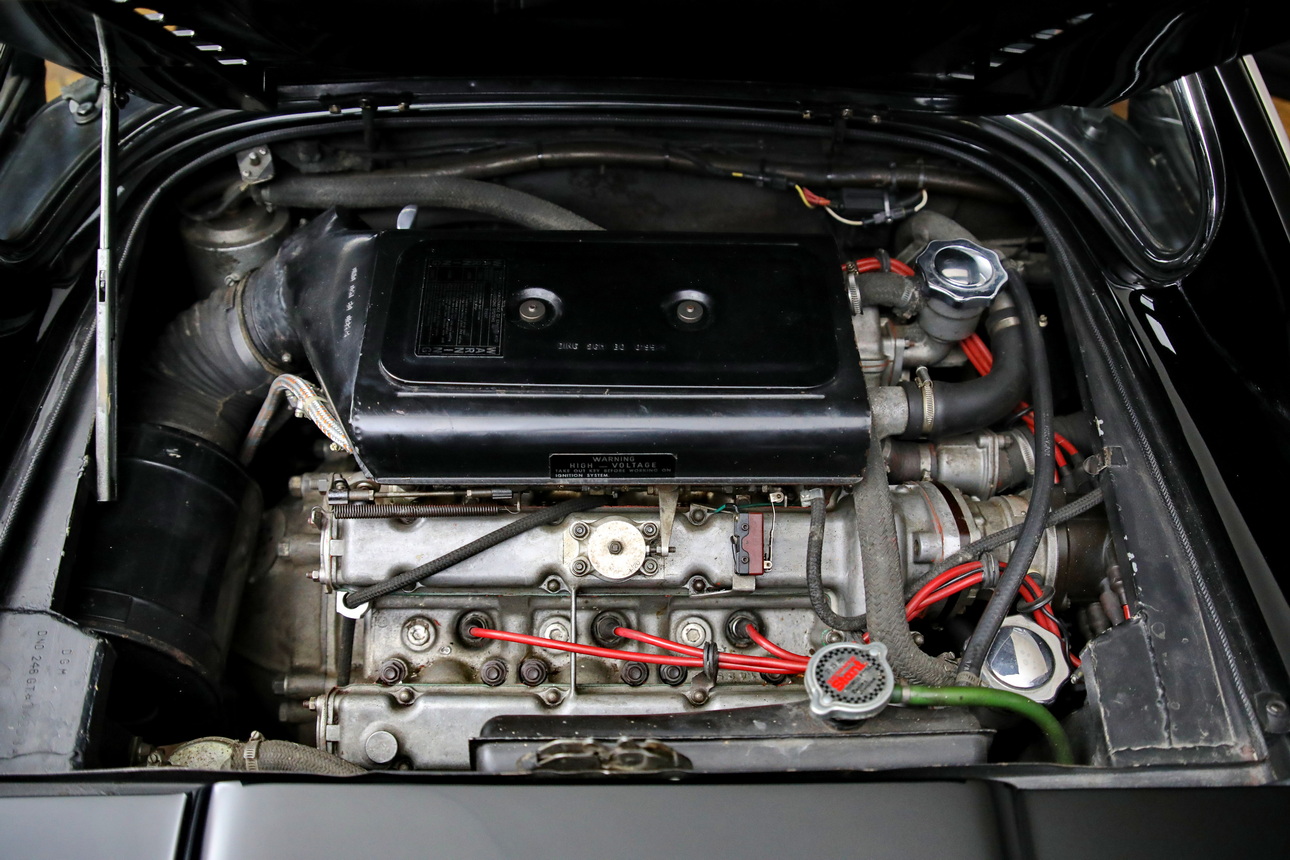
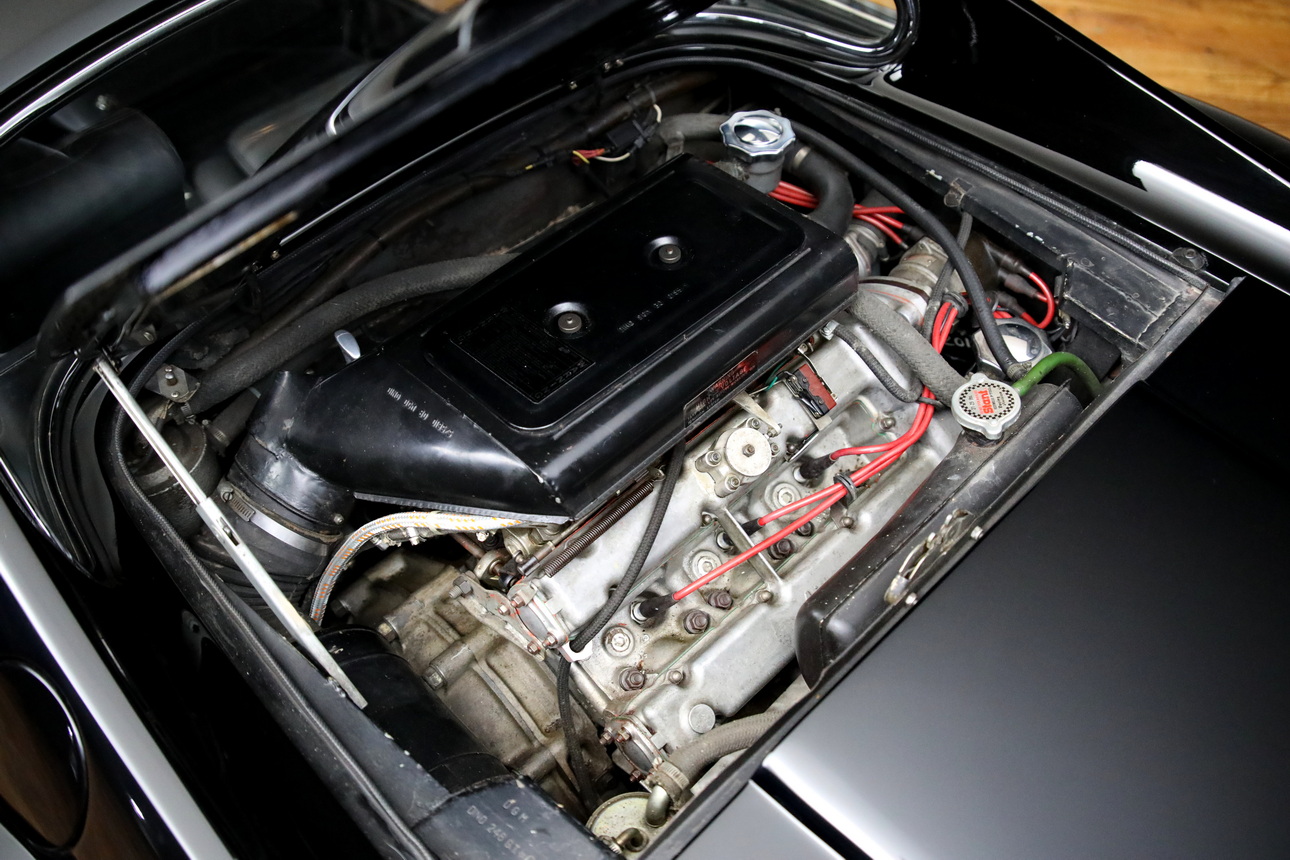
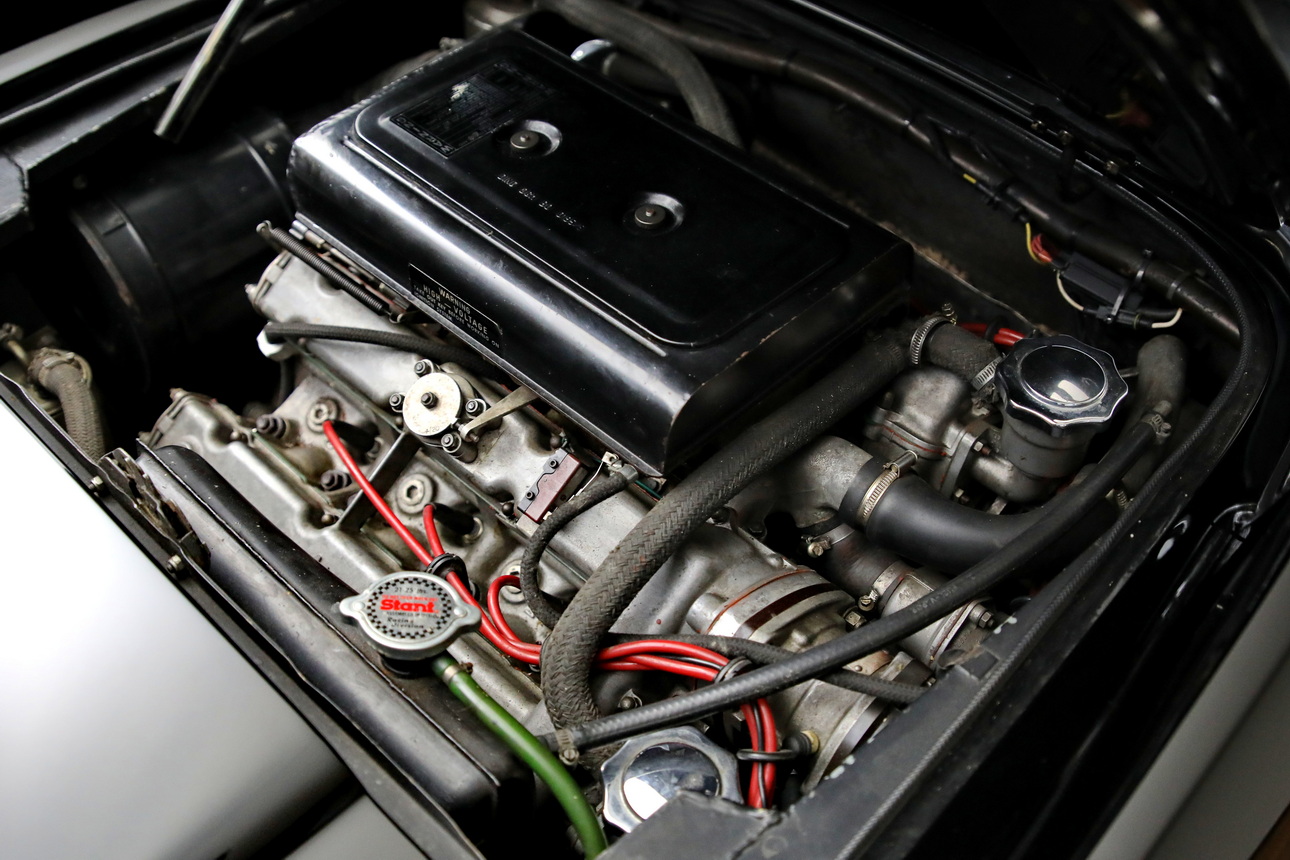
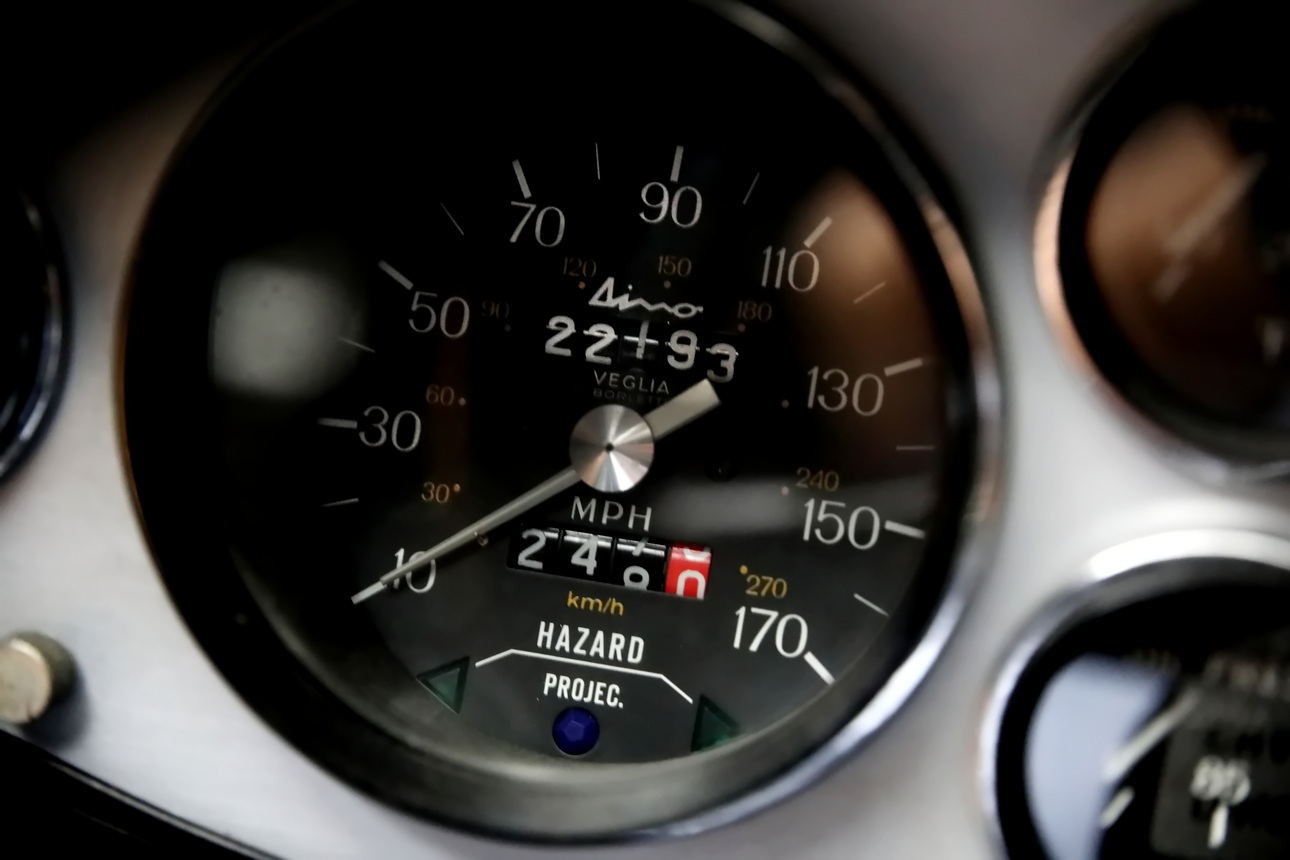
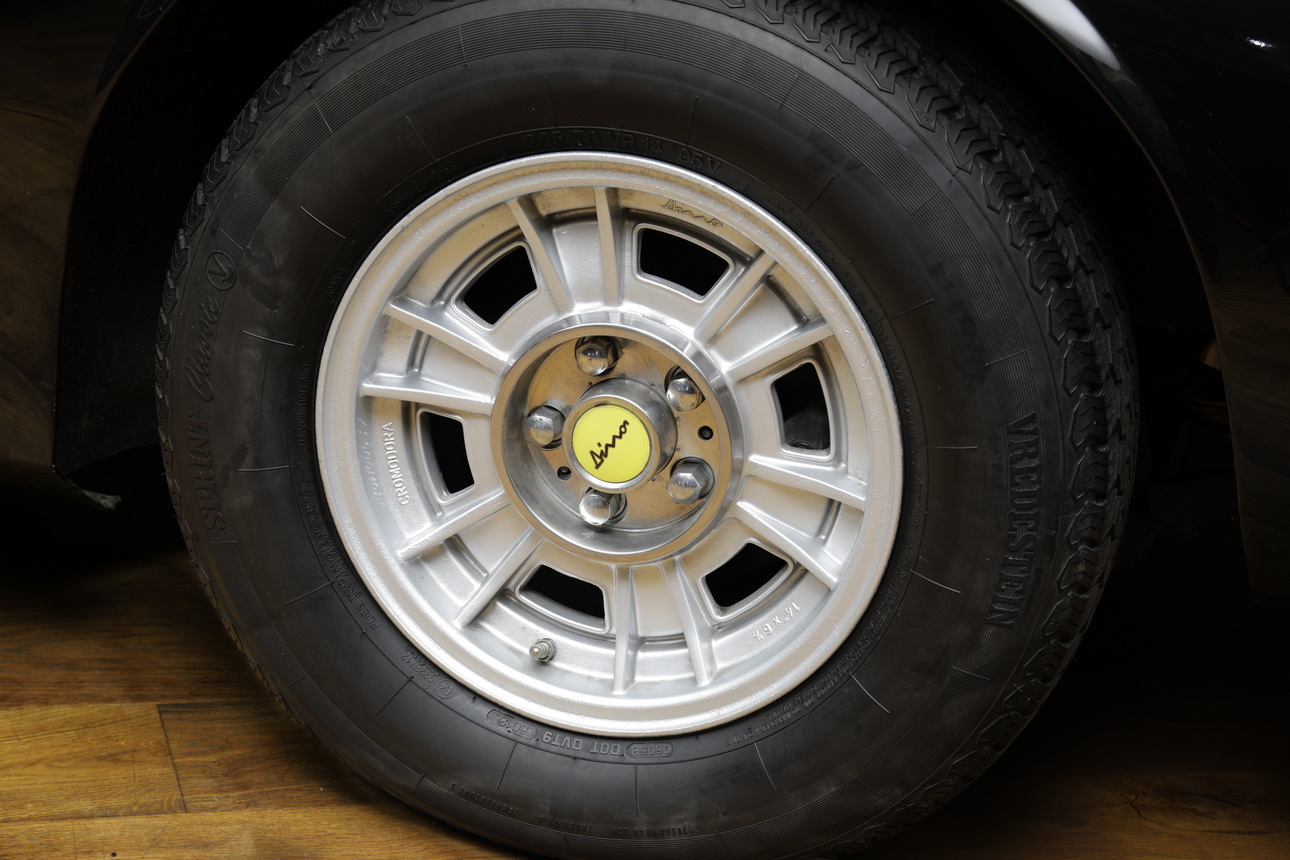
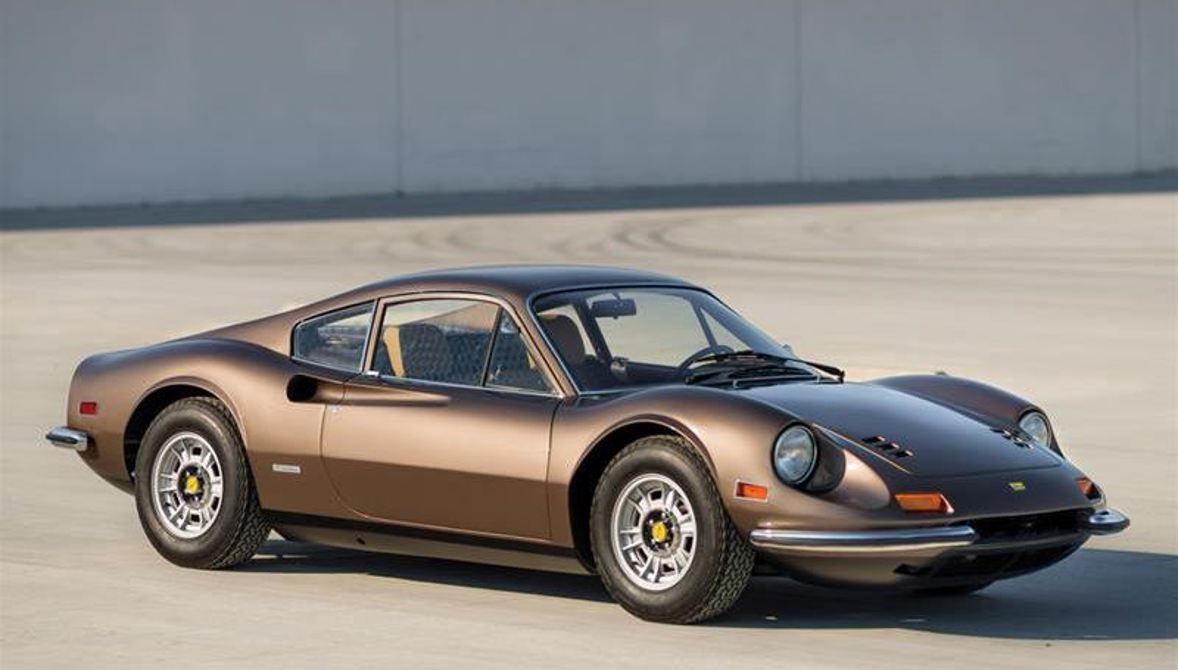
This Ferrari Dino 246 GT (Tipo E) was built in October 1972 and was subsequently imported to the USA via (Luigi) Chinetti Garthwaite Import Inc. The rare – and today all the more sought-after – colour scheme at the time of delivery was a ‘Marrone Dino Metallizzato’ (106-M-73) paint finish with a beige leather interior (VM3218). The specification included electric windows, air conditioning, and Cromodora wheels. This information is based on Matthias Bartz’s Dino Compendium. Today the engine is still the original unit from the delivery (‘matching numbers’).
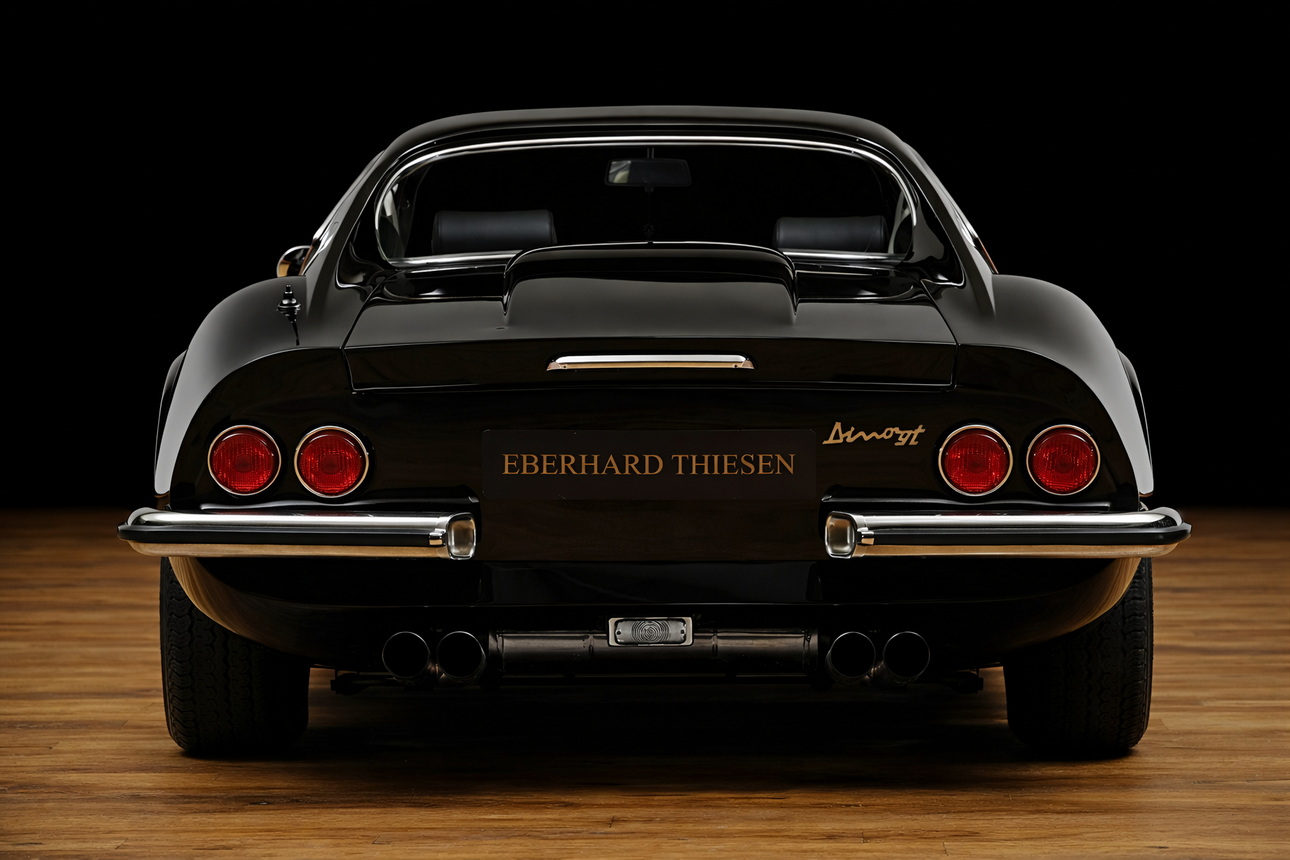
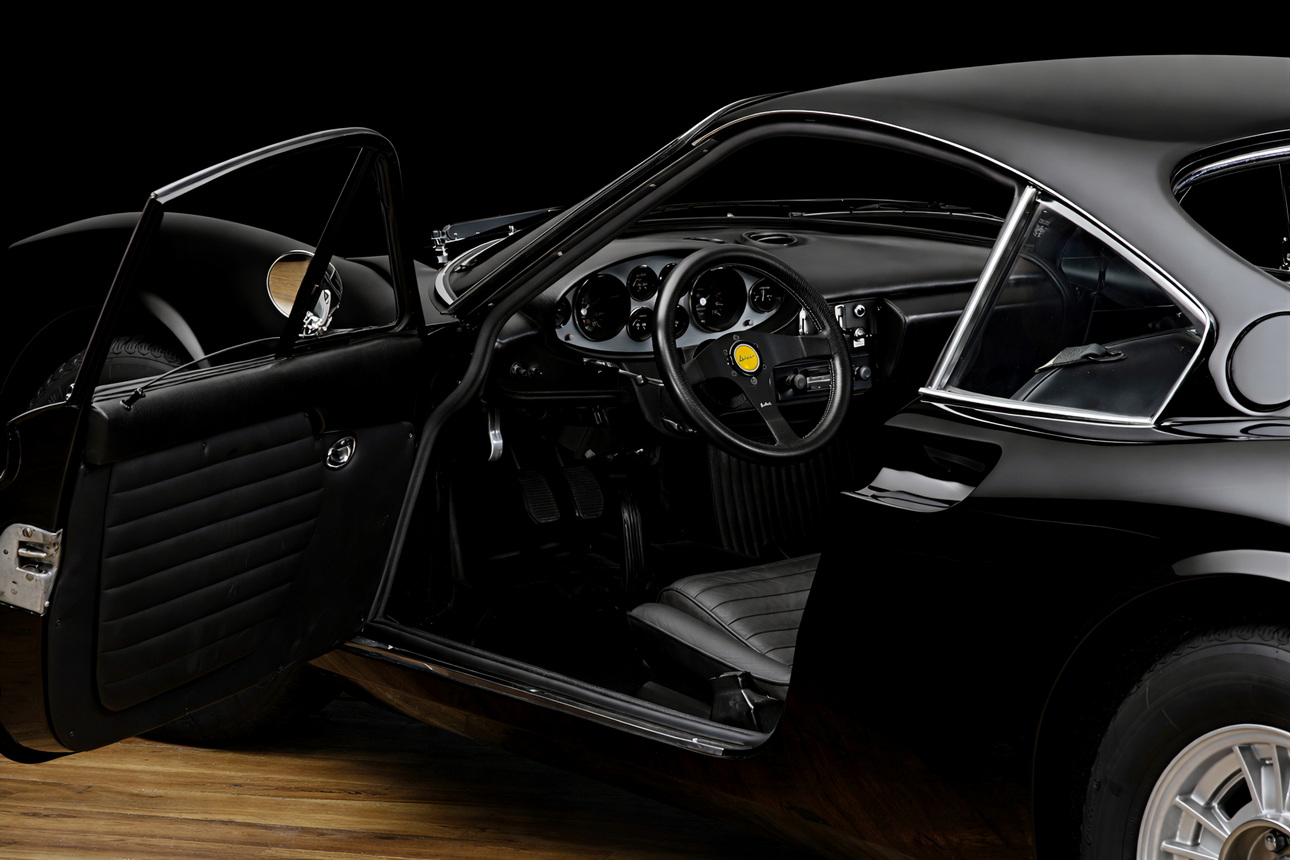
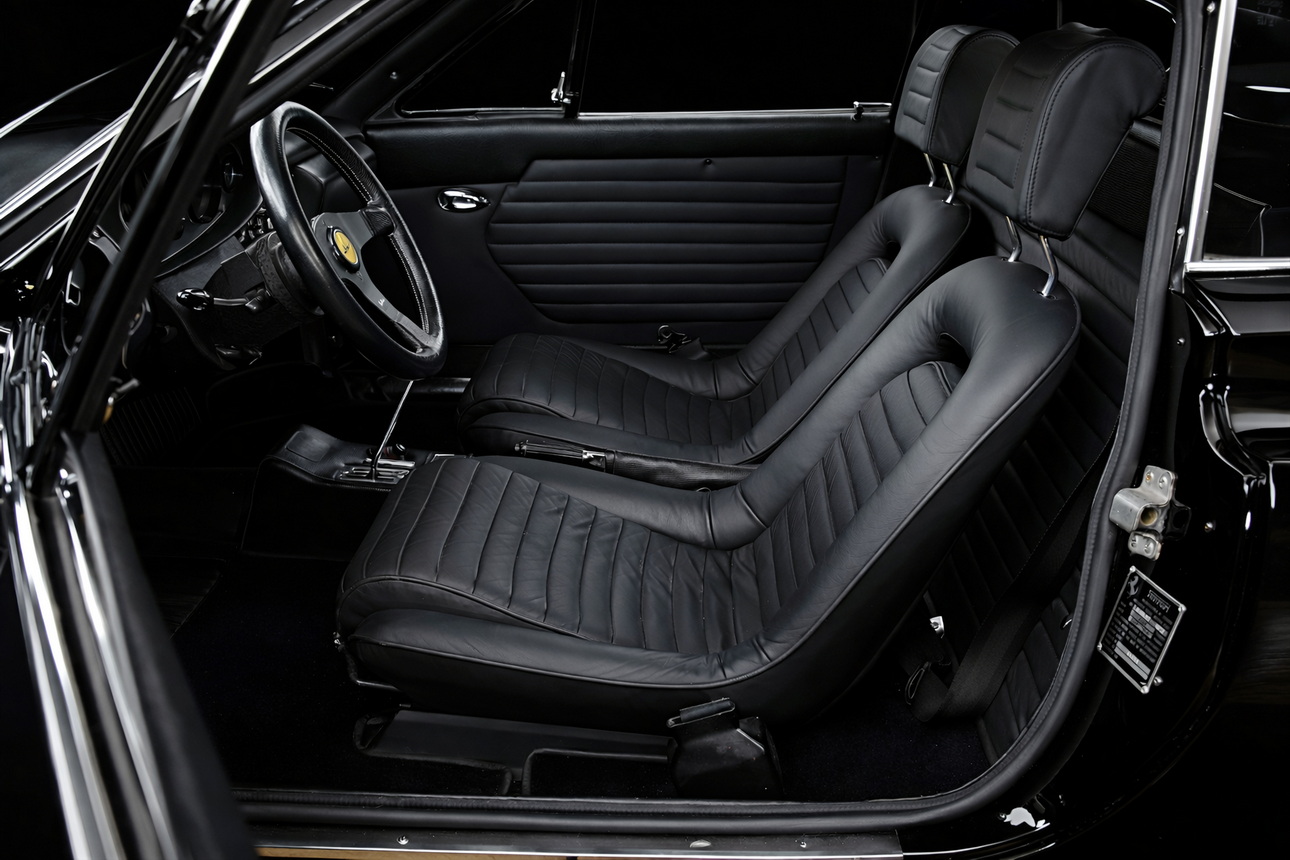
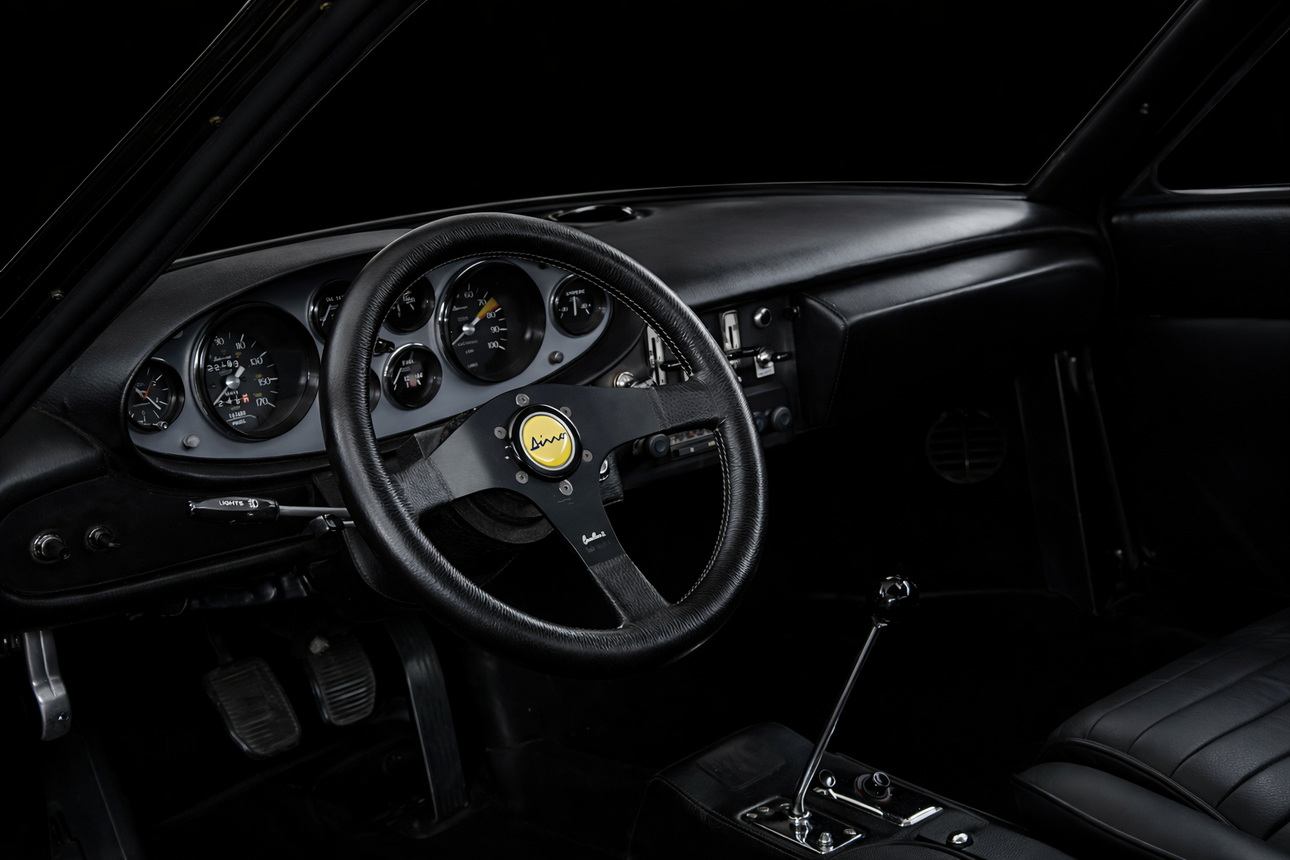
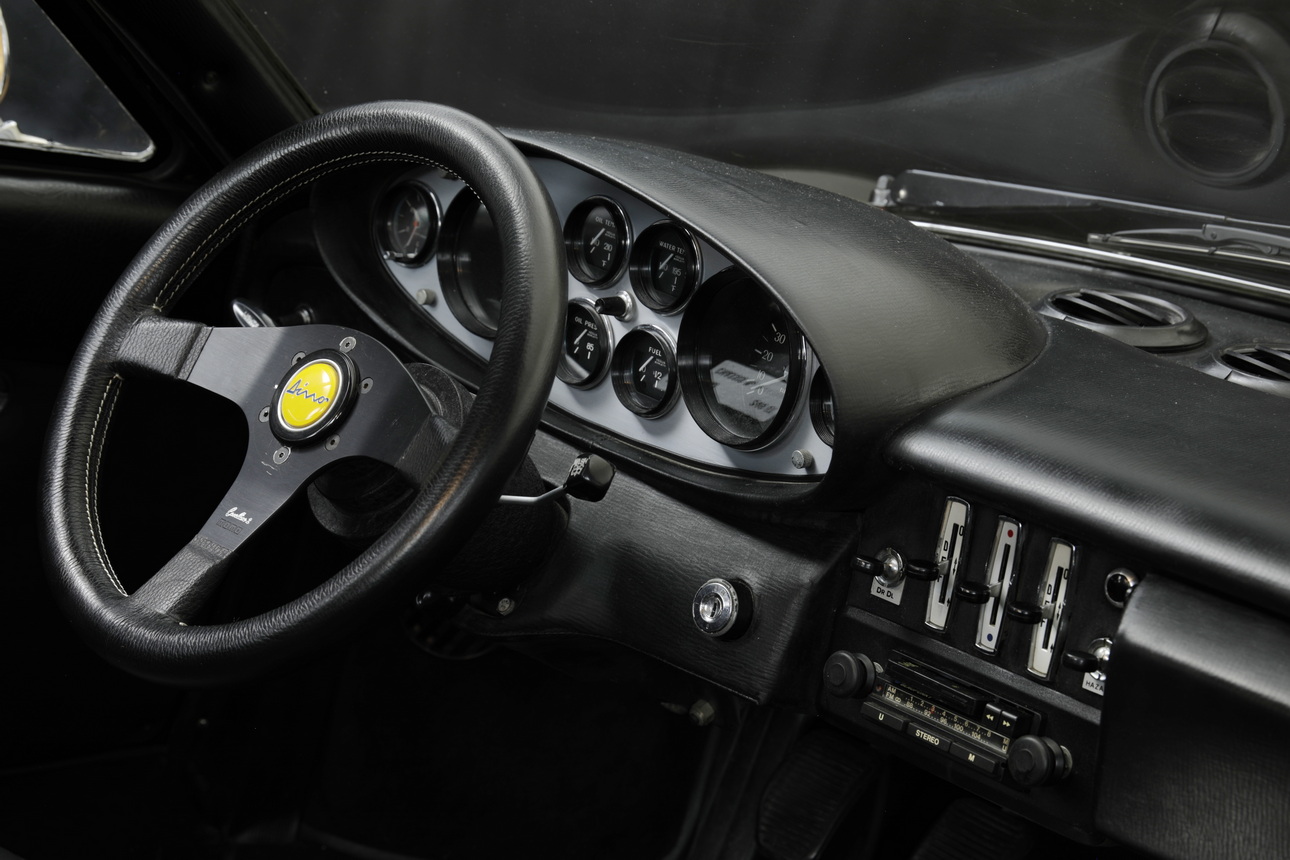
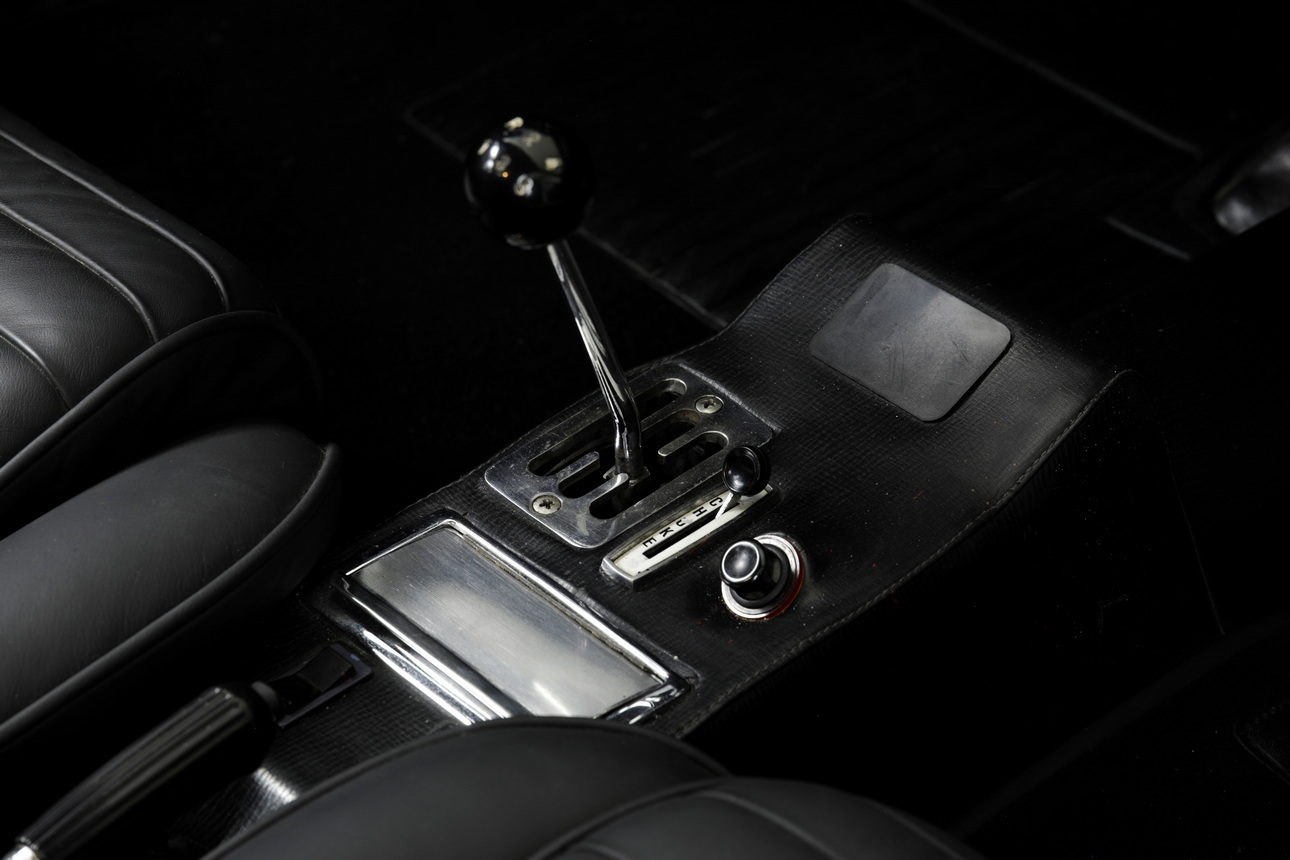
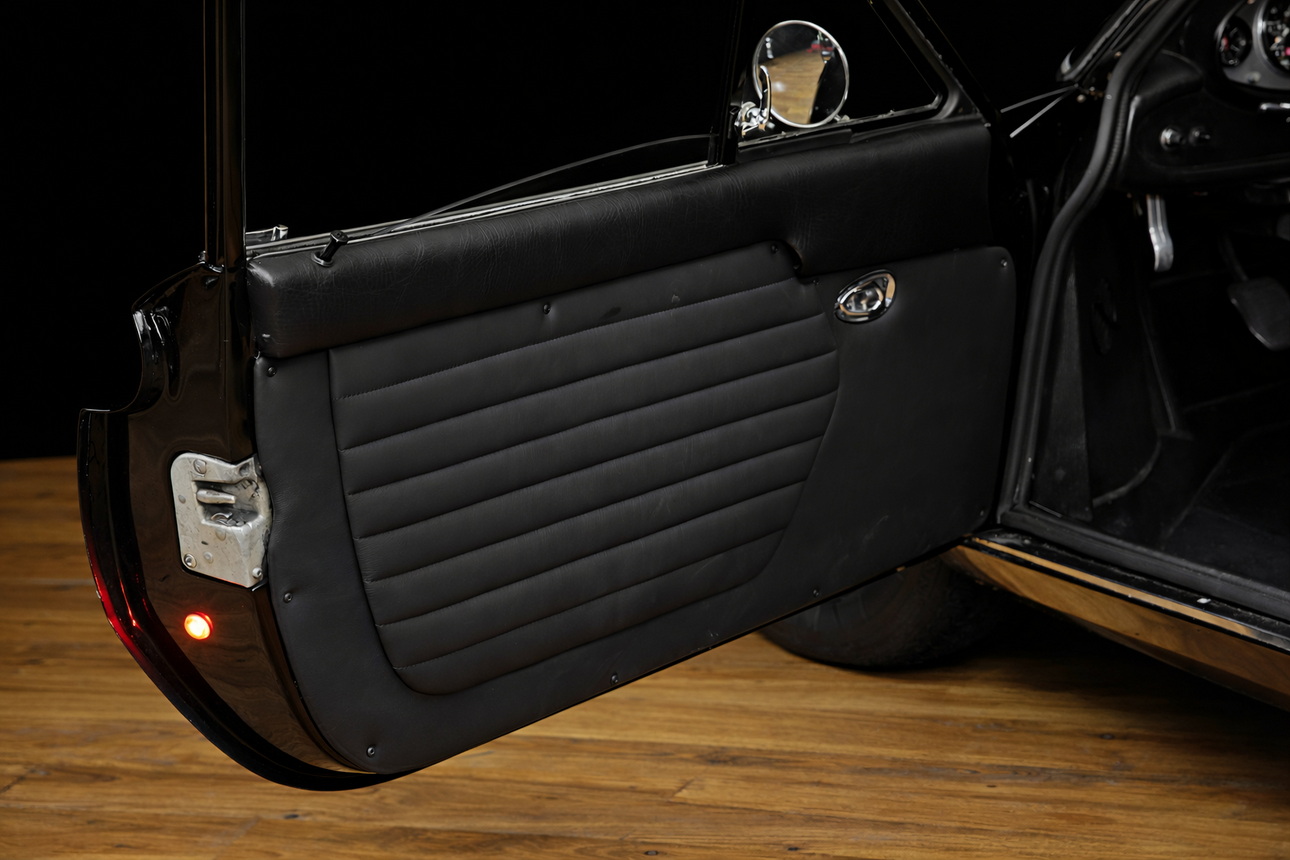
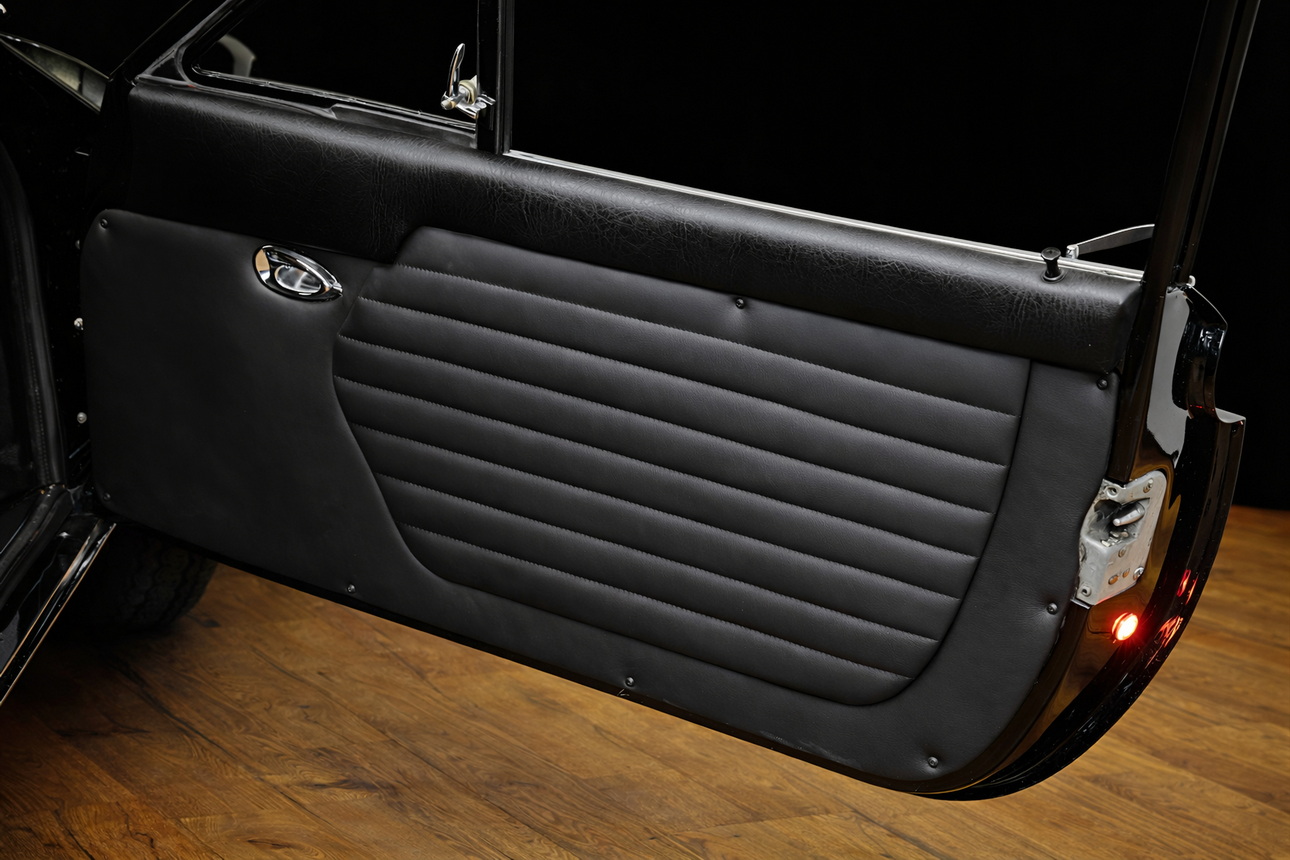
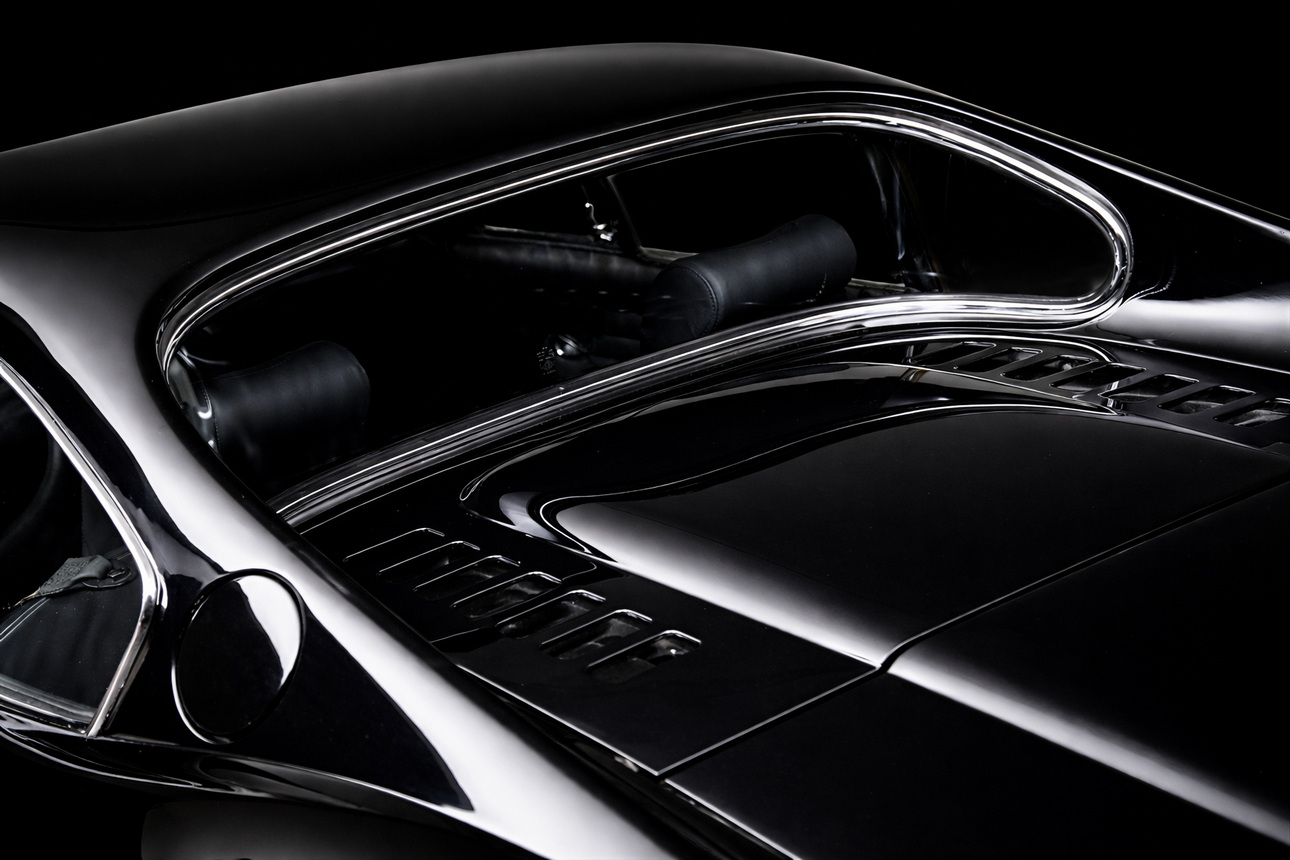
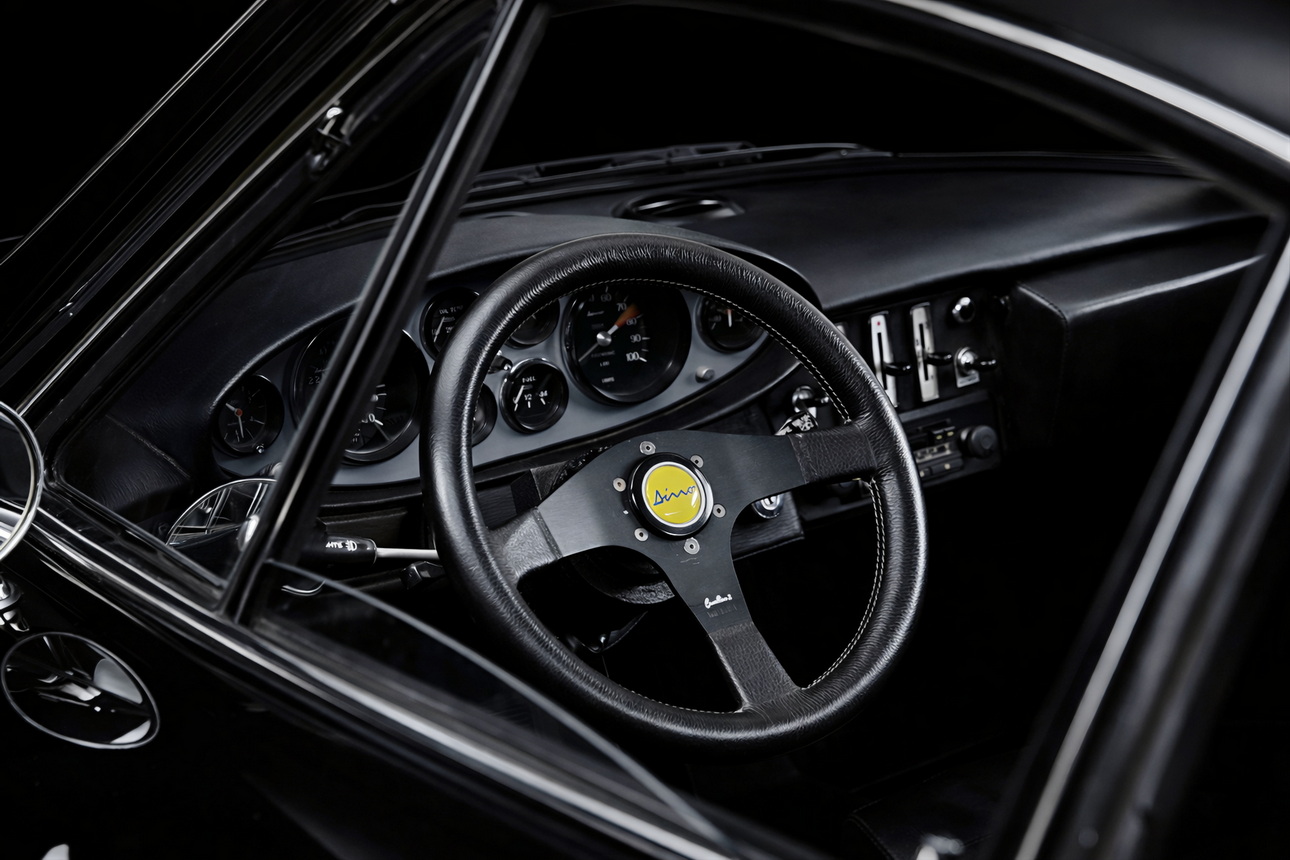
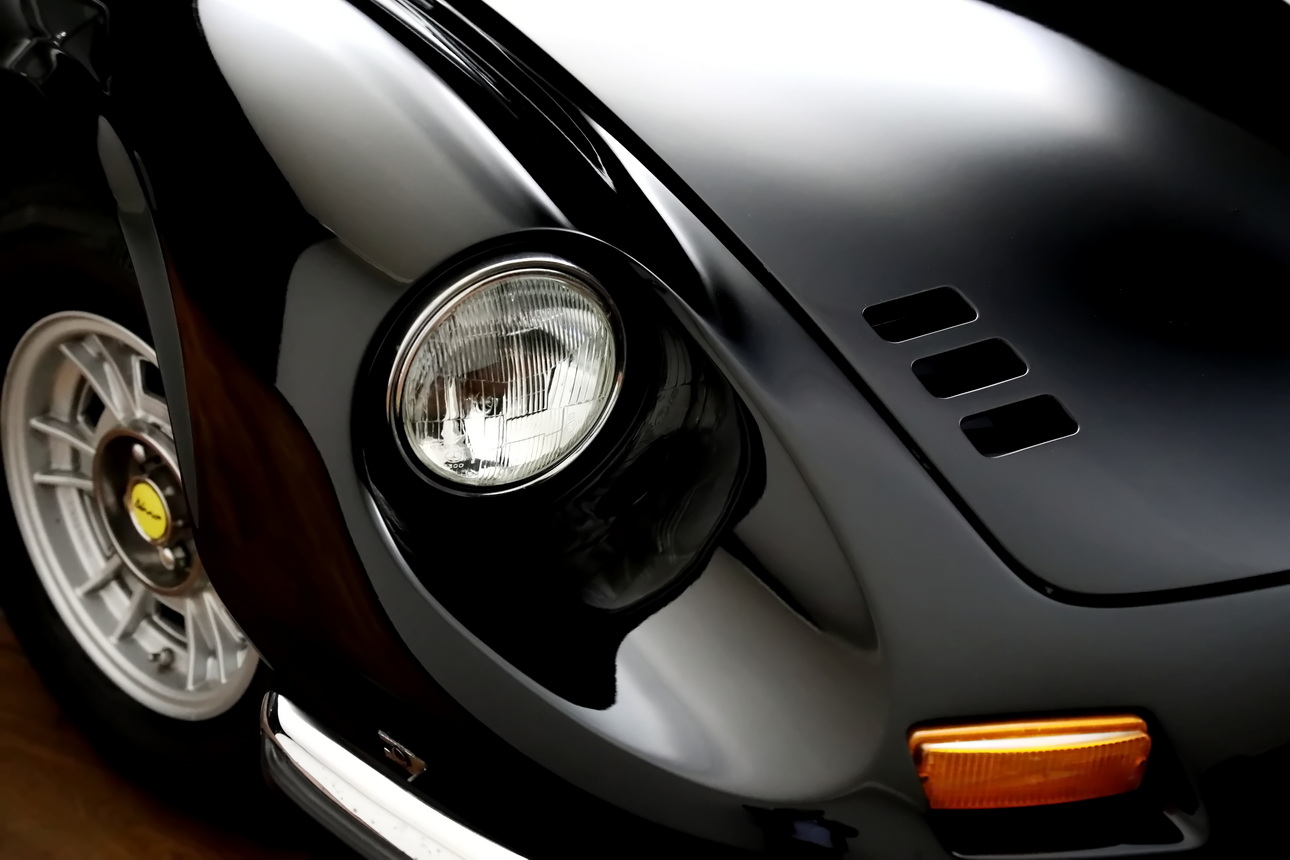
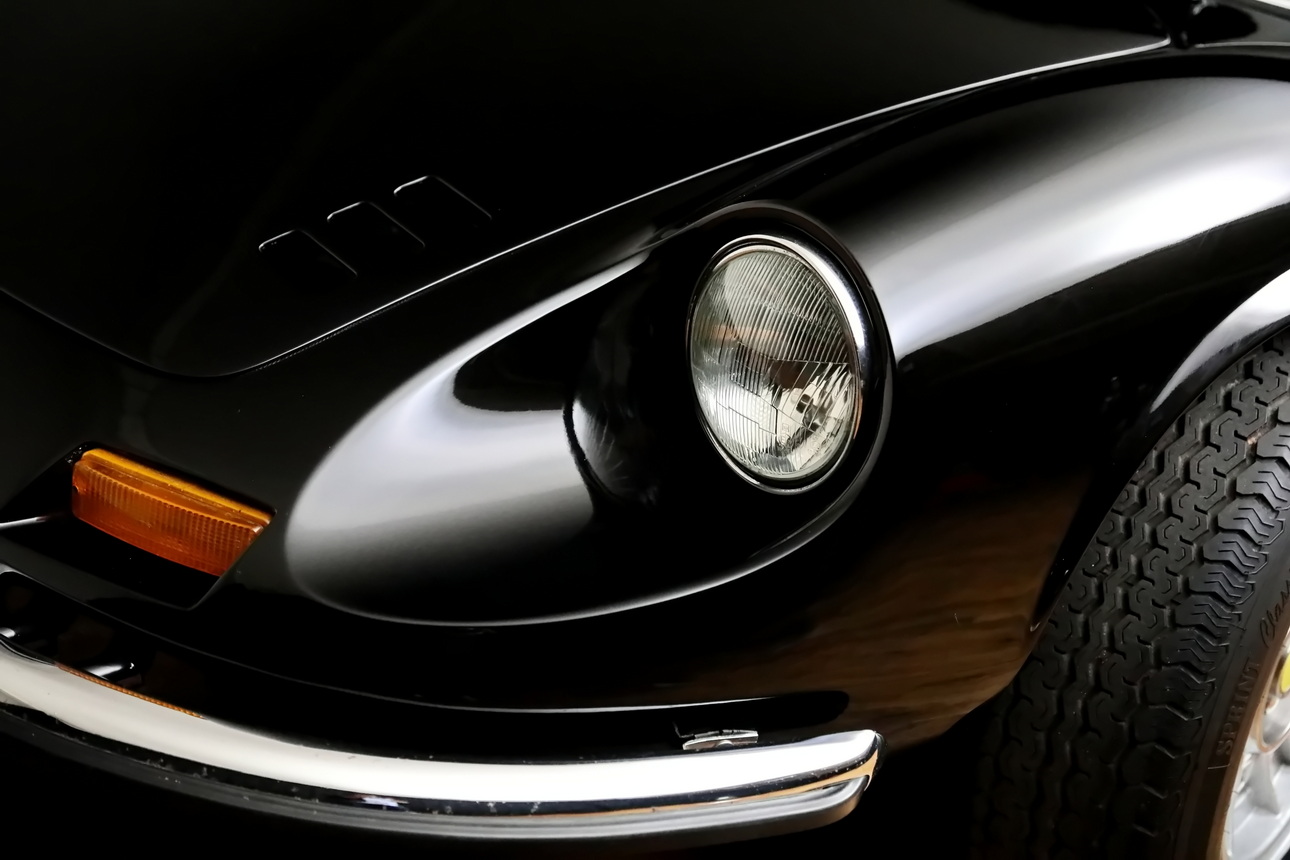
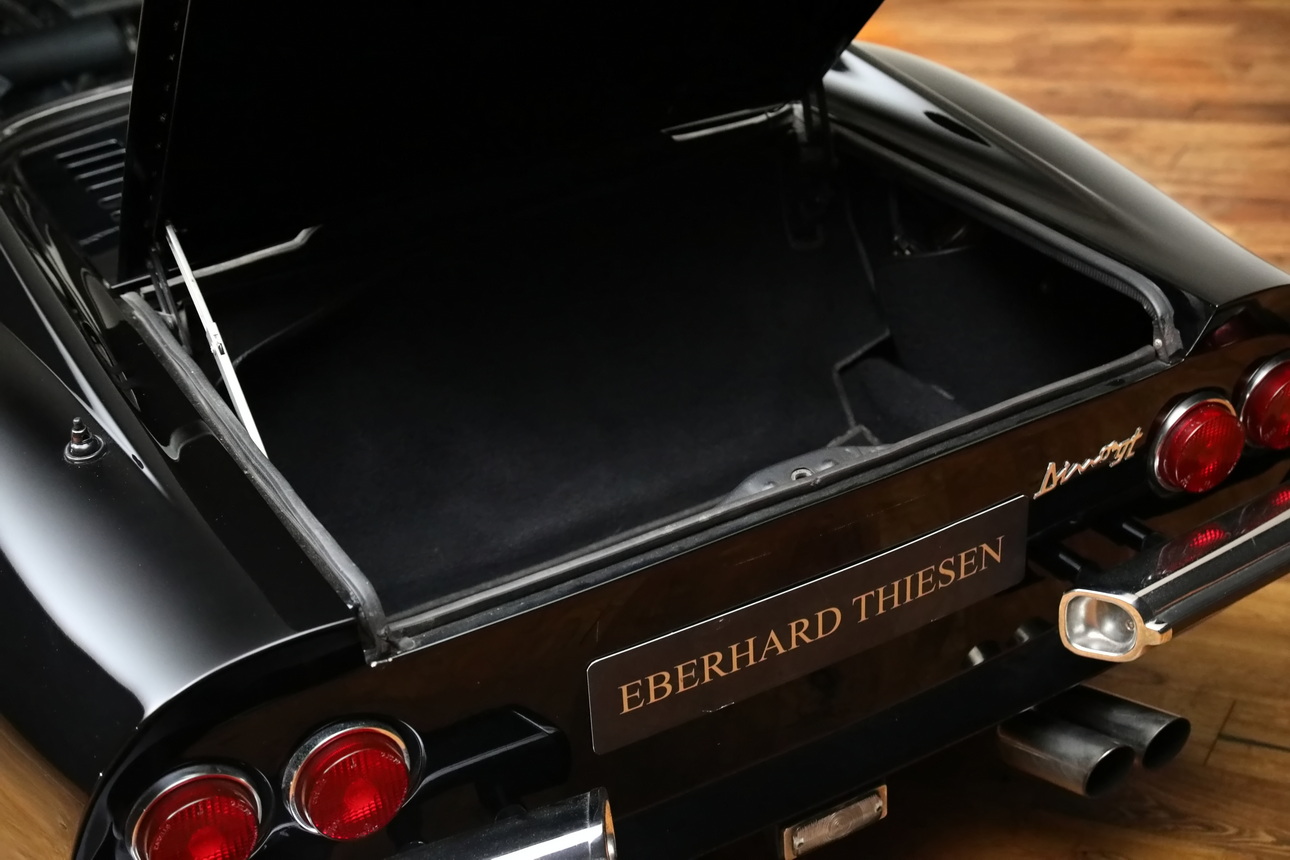
According to the online Dino register, the car likely had only one owner in the USA until 1990 and was offered for sale by a dealer in 1990–1991 as a ‘car from first ownership’. The Dino then found its way to Germany, where it came into the hands of a gentleman (name known) in the Munich area, who kept the car until 2004. In 1992, he had a comprehensive overhaul carried out at an authorised Ferrari dealer (sales/workshop) in Bavaria, which is documented by a detailed invoice for just under 70,000 DM. For this purpose, the bodywork and fittings were completely dismantled. As part of the work, the car was repainted (in black) and fitted with a new leather interior (in black).
In 2004, the Dino was sold to its third owner (name known) in the district of Kelheim (Lower Bavaria), who kept it until 2025. An original vehicle registration document is available on this.
The 1992 overhaul ‘refreshed’ the Dino and kept it roadworthy for many years. However, it was not a full restoration by today’s standards. Consequently, after more than 30 years, some more comprehensive overhaul and repair work is now required. This applies in particular to the mechanical components, including the engine, gearbox, chassis, steering, air conditioning, tyres and underbody. One could turn the Dino into a good ‘driver’s car’. However, we would recommend restoring this 246 GT to its rare and now highly desirable original condition. With its original ‘Dino Marrone Metallizzato’ paint finish and a beige interior, it would then be an extremely attractive and valuable Dino example.
Model History
The Dino 246 GT made its debut at the Geneva Motor Show in spring 1969. Before that, about 150 Dino 206 had already been manufactured in one year, but – built in an aluminium body with the same Pininfarina design as the 246 – they enjoyed more of a small-series “forerunner” status. The model is named after Enzo Ferrari's son Alfredo "Dino" Ferrari. However, it was not officially assigned to the Ferrari brand and had its own Dino brand logo.
The Dino 246 was the first Ferrari road sports car that did not have a V12 engine and was designed as a mid-engine rather than a front-engine. In the 1960s, Ferrari developed V6 engines for racing – the basis for the series production of the Dino. The 246 stands for 2.4 litres of displacement and for six cylinders in a V-shape with 65°, double overhead camshafts and three Weber carburettors.
The series production of the engines took place at Fiat. There were three series of the Dino 246 (L, M and E), each representing detailed modifications to the technology (above all drive, chassis) and equipment. In addition to the Coupé (GT), an open Spider (GTS) with removable Targa roof was introduced in 1972. The visual difference here was also the missing rear triangular window.
In a total of five years, 1,868 GT coupés and 1,274 GTS spider were built. In the meantime, the Dino 246 has become a design icon and is recognised as a true thoroughbred Ferrari.
This Automobile
This Ferrari Dino 246 GT (Tipo E) was built in October 1972 and was subsequently imported to the USA via (Luigi) Chinetti Garthwaite Import Inc. The rare – and today all the more sought-after – colour scheme at the time of delivery was a ‘Marrone Dino Metallizzato’ (106-M-73) paint finish with a beige leather interior (VM3218). The specification included electric windows, air conditioning, and Cromodora wheels. This information is based on Matthias Bartz’s Dino Compendium. Today the engine is still the original unit from the delivery (‘matching numbers’).
According to the online Dino register, the car likely had only one owner in the USA until 1990 and was offered for sale by a dealer in 1990–1991 as a ‘car from first ownership’. The Dino then found its way to Germany, where it came into the hands of a gentleman (name known) in the Munich area, who kept the car until 2004. In 1992, he had a comprehensive overhaul carried out at an authorised Ferrari dealer (sales/workshop) in Bavaria, which is documented by a detailed invoice for just under 70,000 DM. For this purpose, the bodywork and fittings were completely dismantled. As part of the work, the car was repainted (in black) and fitted with a new leather interior (in black).
In 2004, the Dino was sold to its third owner (name known) in the district of Kelheim (Lower Bavaria), who kept it until 2025. An original vehicle registration document is available on this.
The 1992 overhaul ‘refreshed’ the Dino and kept it roadworthy for many years. However, it was not a full restoration by today’s standards. Consequently, after more than 30 years, some more comprehensive overhaul and repair work is now required. This applies in particular to the mechanical components, including the engine, gearbox, chassis, steering, air conditioning, tyres and underbody. One could turn the Dino into a good ‘driver’s car’. However, we would recommend restoring this 246 GT to its rare and now highly desirable original condition. With its original ‘Dino Marrone Metallizzato’ paint finish and a beige interior, it would then be an extremely attractive and valuable Dino example.
Model History
The Dino 246 GT made its debut at the Geneva Motor Show in spring 1969. Before that, about 150 Dino 206 had already been manufactured in one year, but – built in an aluminium body with the same Pininfarina design as the 246 – they enjoyed more of a small-series “forerunner” status. The model is named after Enzo Ferrari's son Alfredo "Dino" Ferrari. However, it was not officially assigned to the Ferrari brand and had its own Dino brand logo.
The Dino 246 was the first Ferrari road sports car that did not have a V12 engine and was designed as a mid-engine rather than a front-engine. In the 1960s, Ferrari developed V6 engines for racing – the basis for the series production of the Dino. The 246 stands for 2.4 litres of displacement and for six cylinders in a V-shape with 65°, double overhead camshafts and three Weber carburettors.
The series production of the engines took place at Fiat. There were three series of the Dino 246 (L, M and E), each representing detailed modifications to the technology (above all drive, chassis) and equipment. In addition to the Coupé (GT), an open Spider (GTS) with removable Targa roof was introduced in 1972. The visual difference here was also the missing rear triangular window.
In a total of five years, 1,868 GT coupés and 1,274 GTS spider were built. In the meantime, the Dino 246 has become a design icon and is recognised as a true thoroughbred Ferrari.