Sauber C12A Formula 1 Show Car

Highlights
Data & Facts
This Automobile
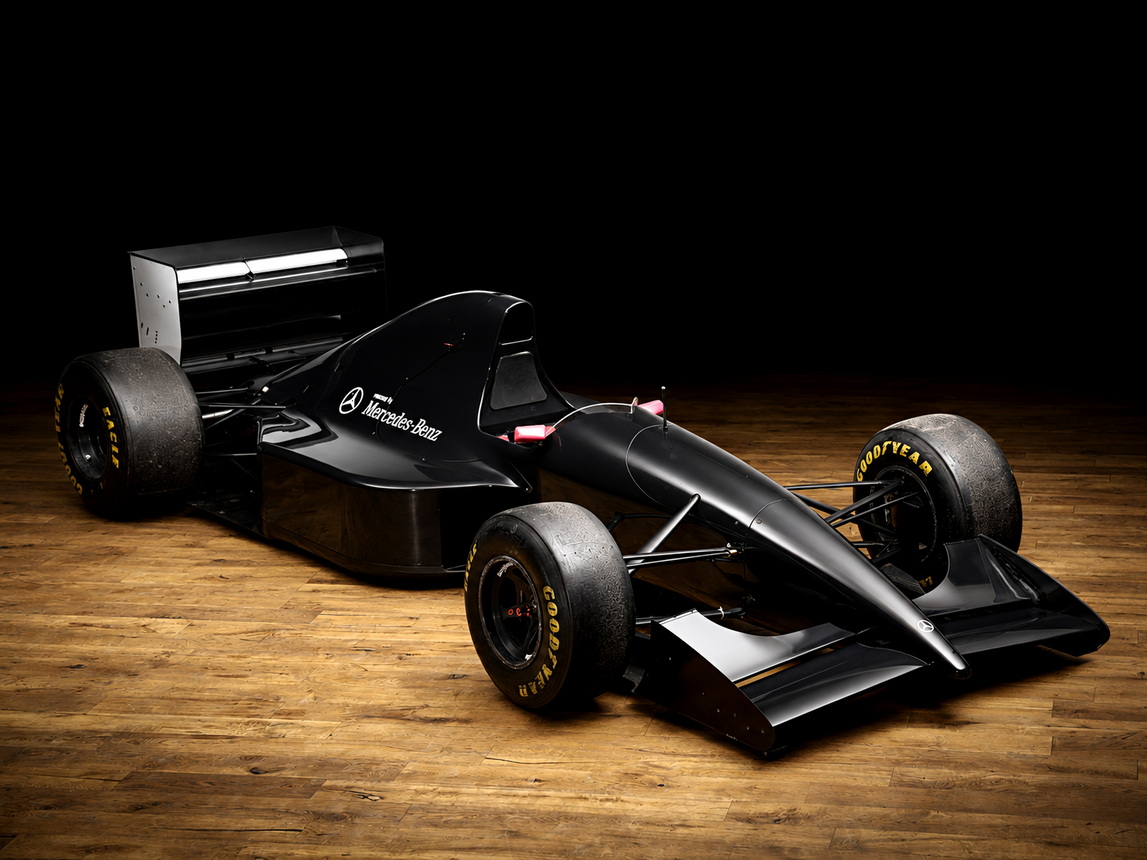
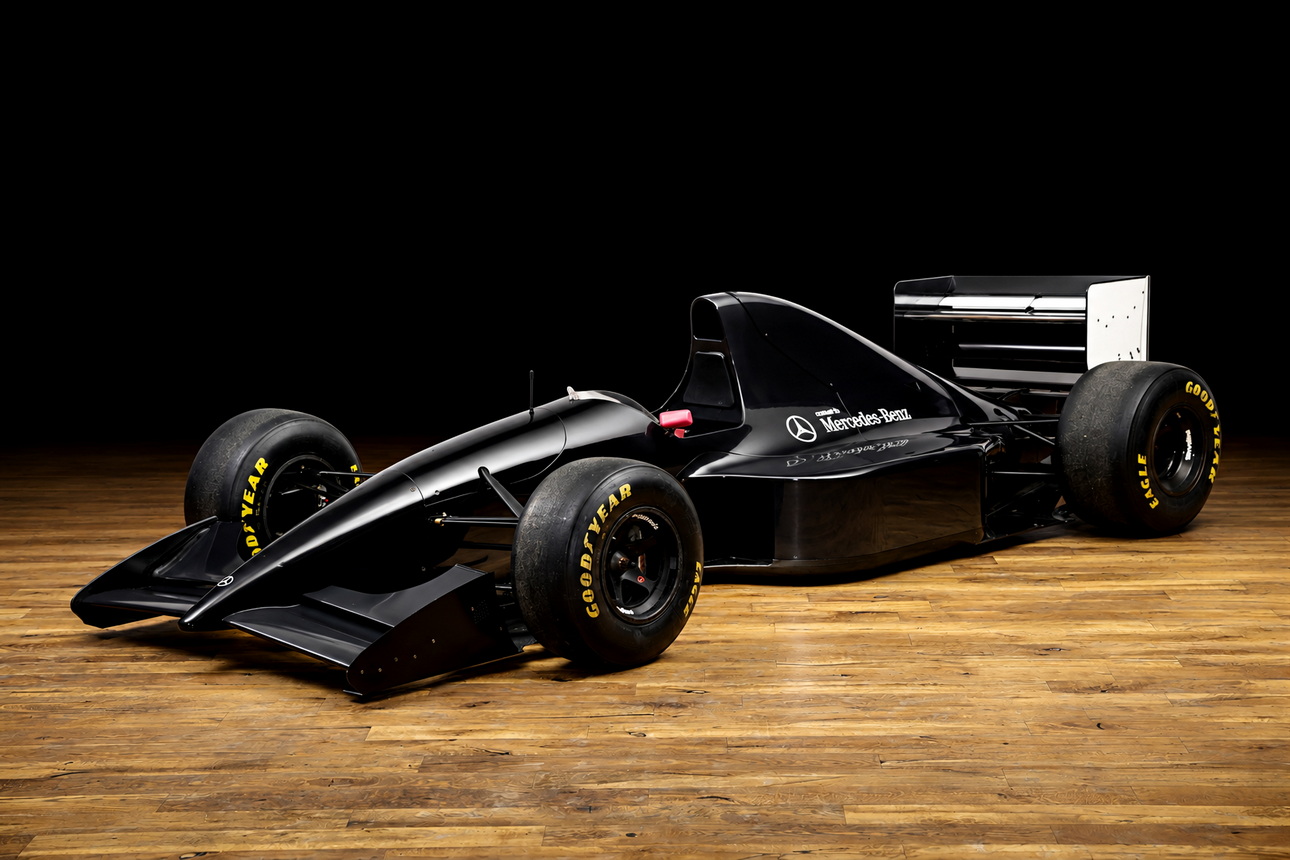
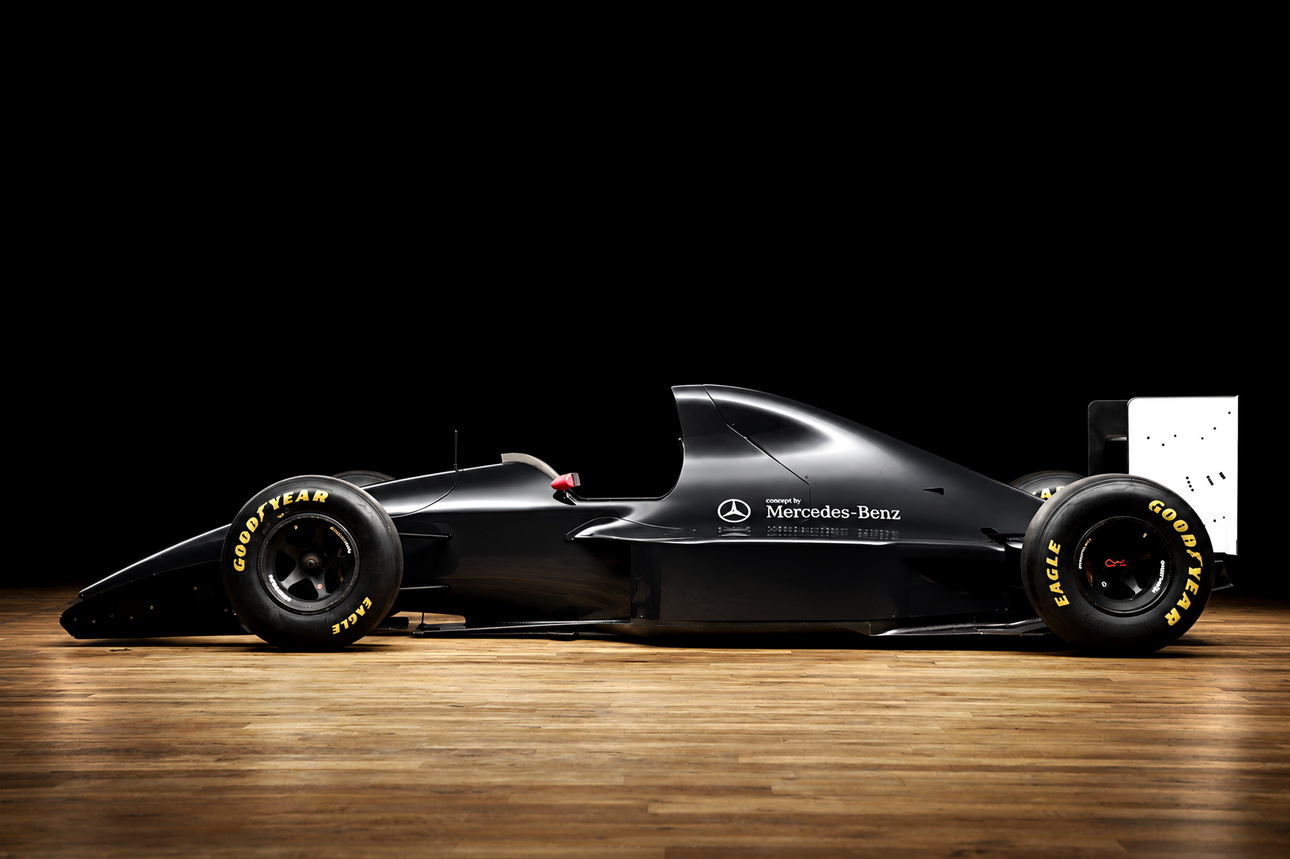
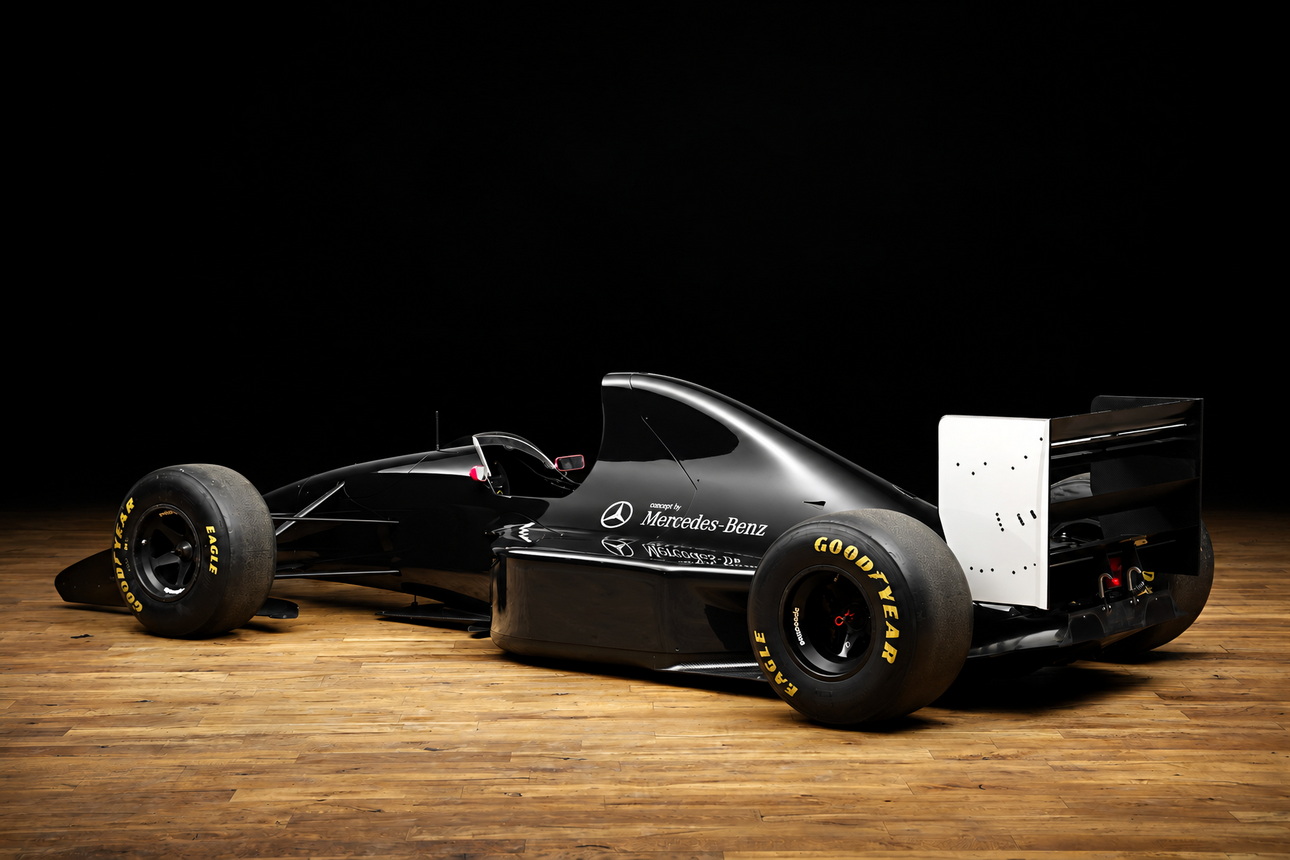
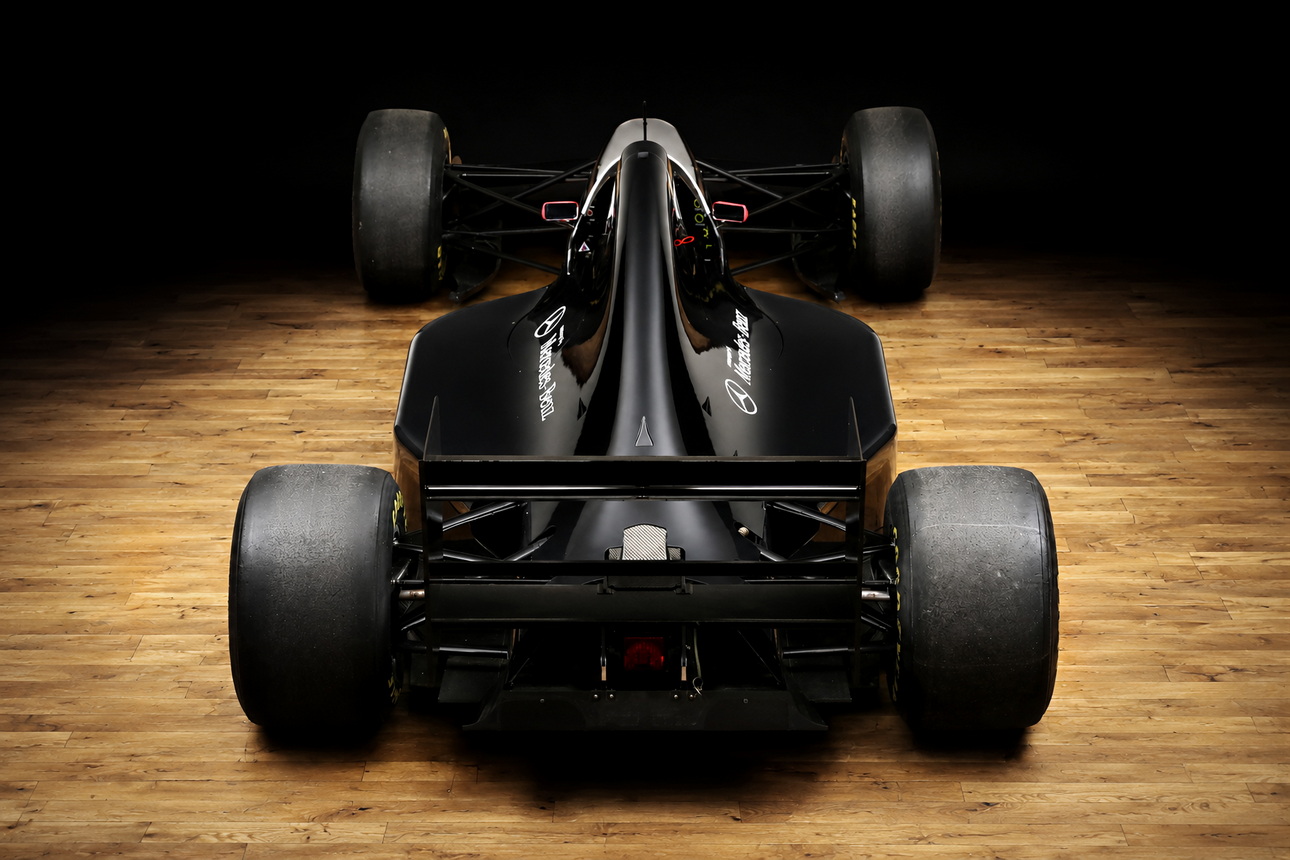
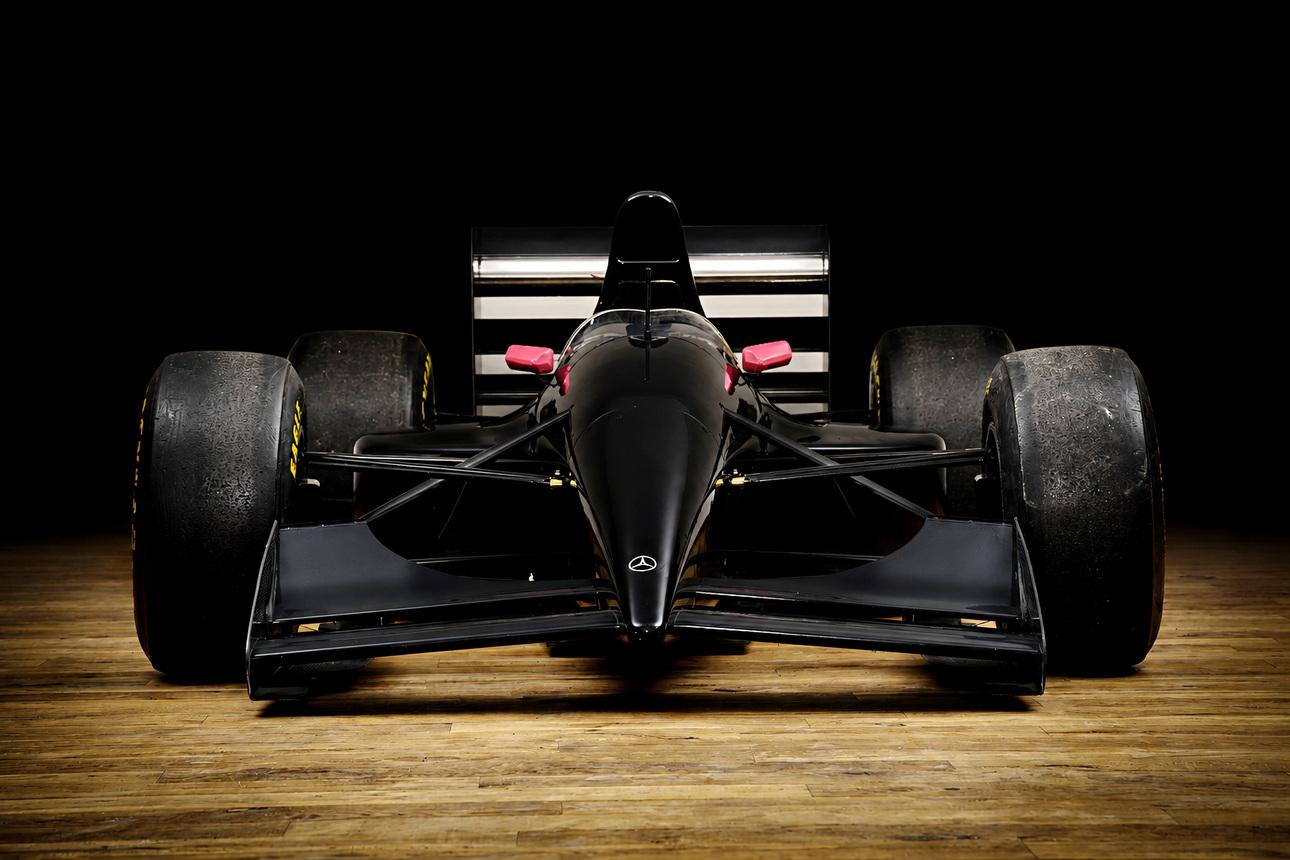
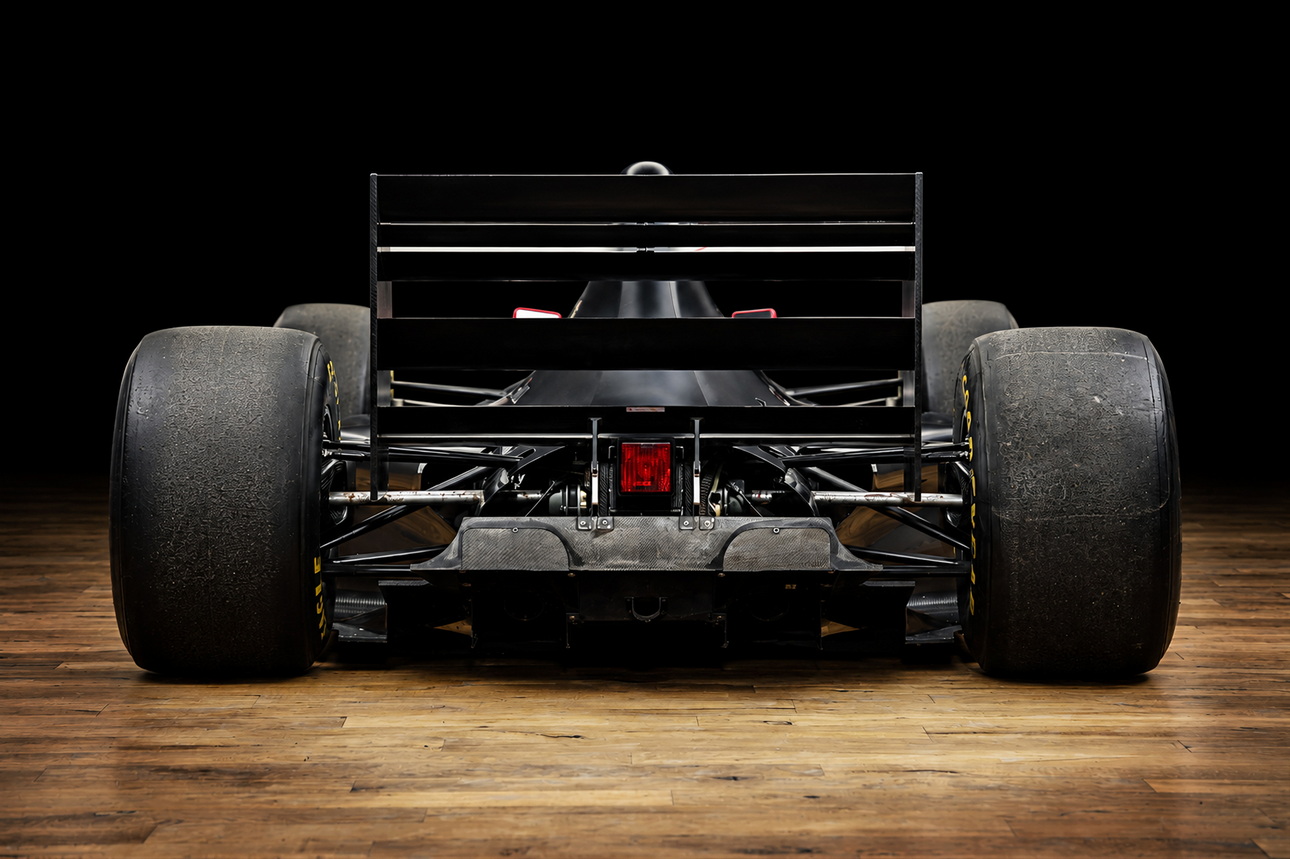
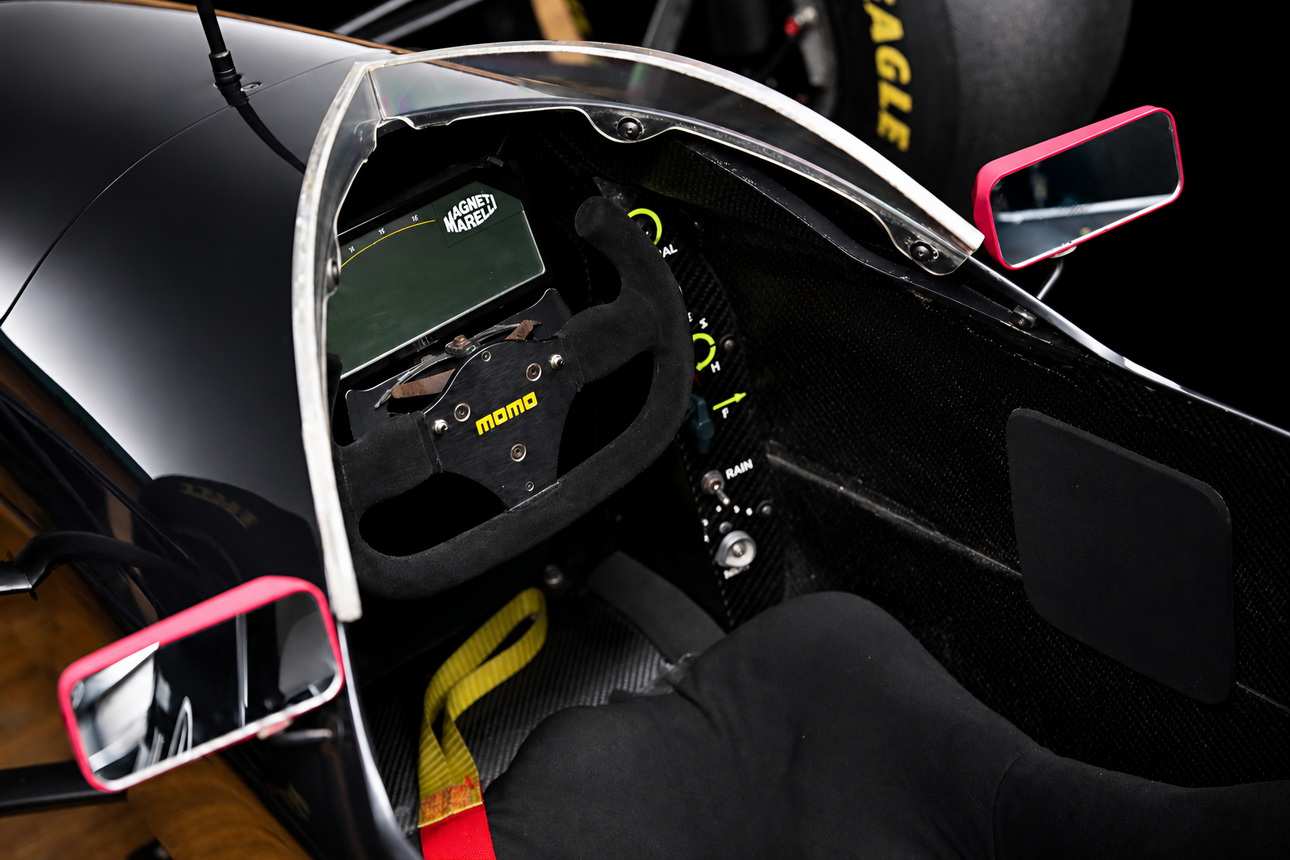
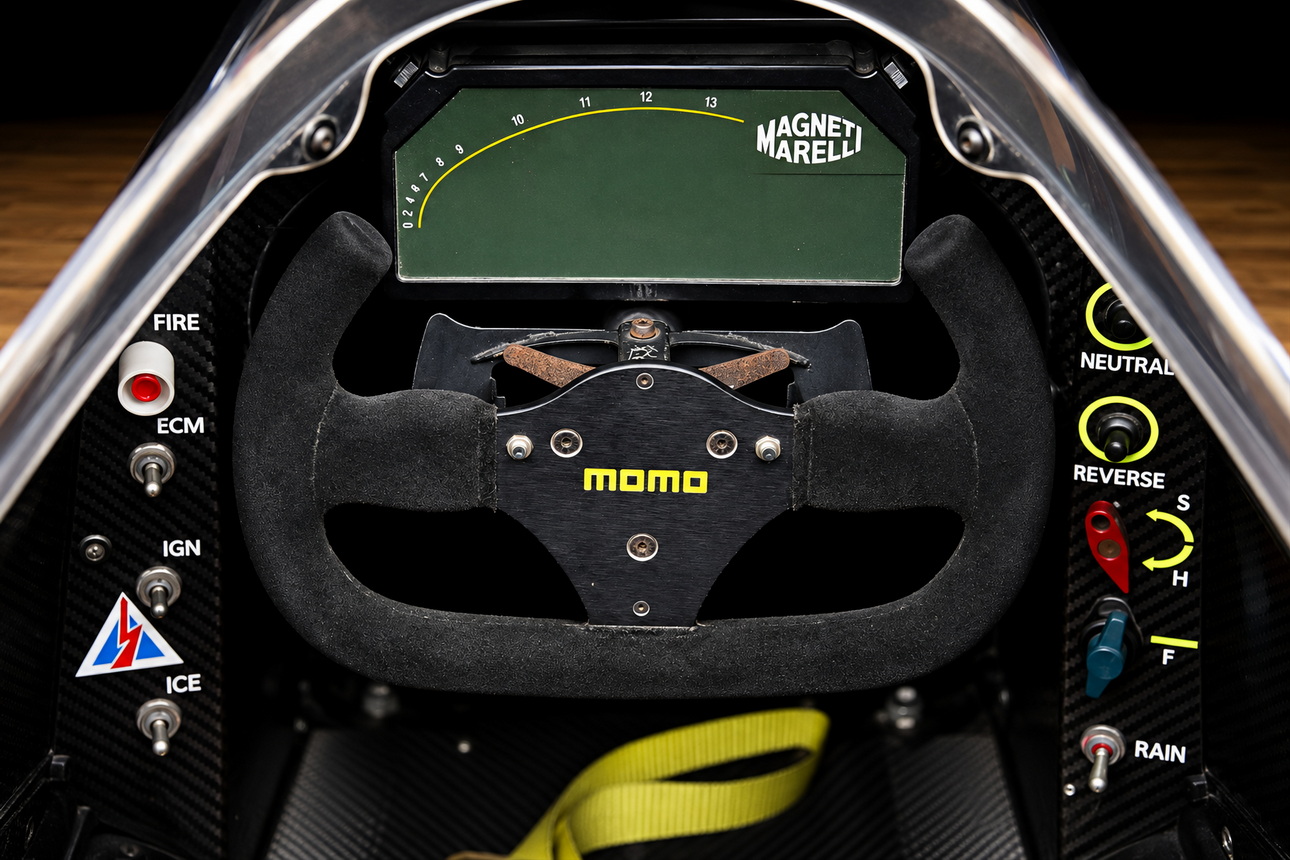
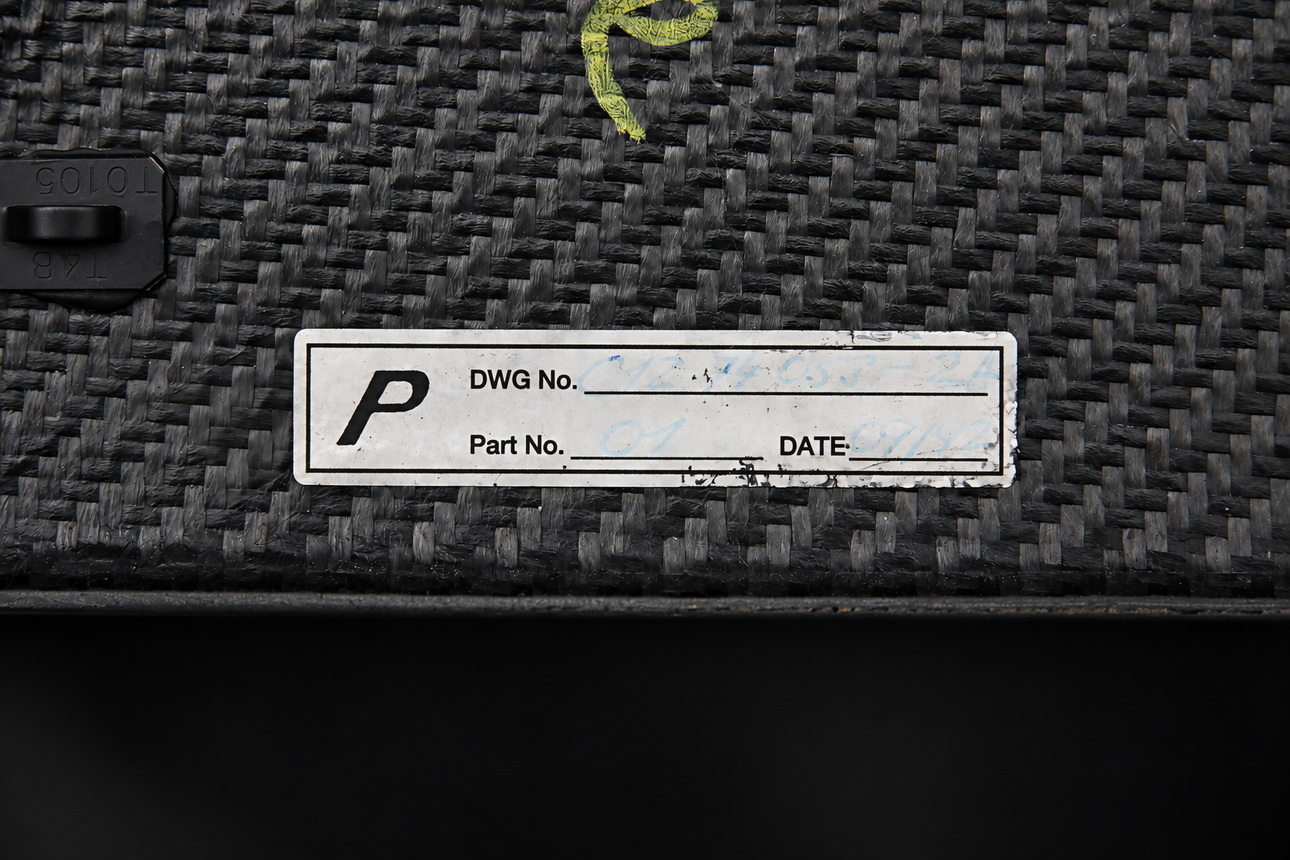
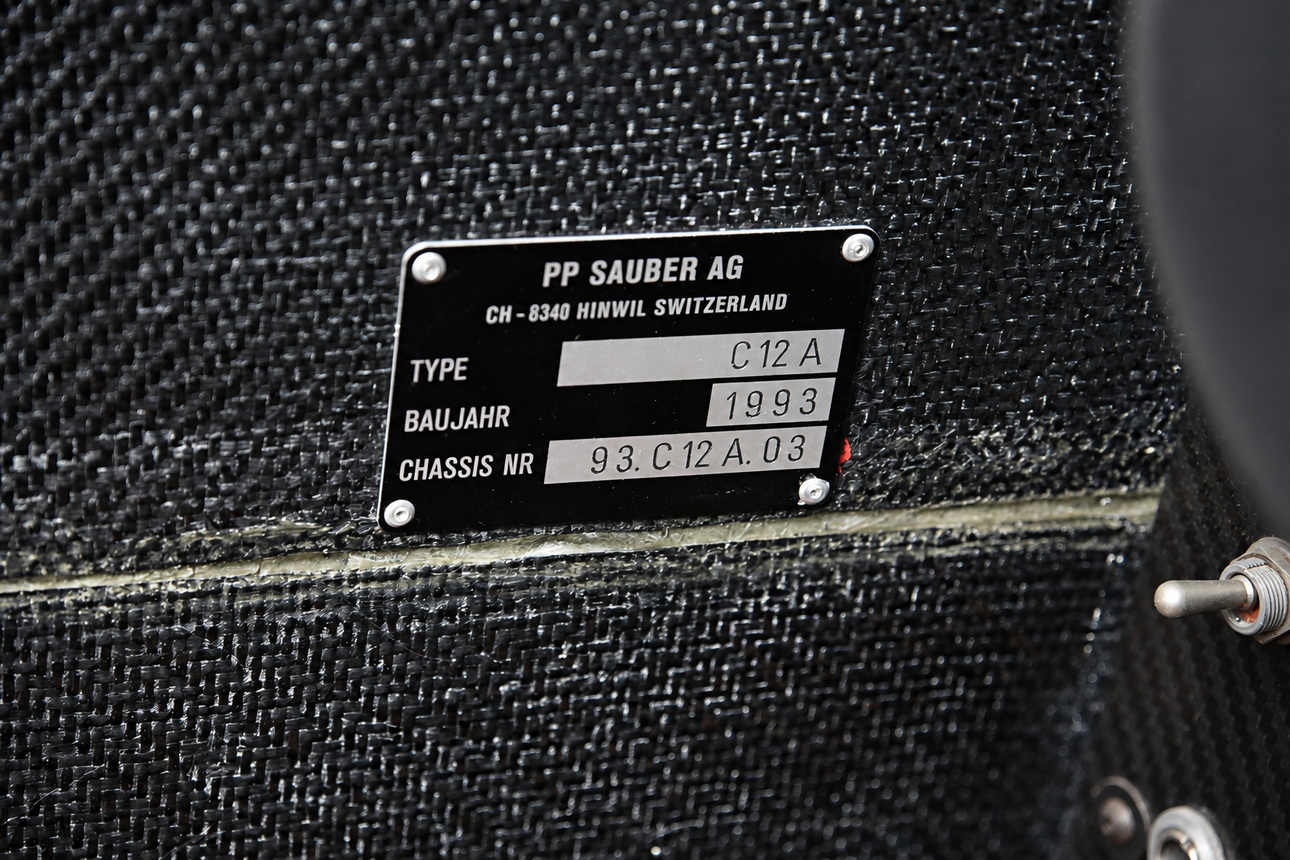
This Sauber C12A was built in 1993 by PP Sauber AG in Hinwil (Switzerland). Its original identification plate records the type “C12 A”, the year of manufacture 1993 and the chassis number 93.C12A.03. The suffix “A” denotes a separate series of just five show cars that Sauber built on the basis of the C12 in late 1993 – for use by the team, its sponsors and partners in the following season.
As the well-documented sister car 93.C12A.04 shows, these cars were built using original tooling and numerous original parts from the race car. They are therefore not replicas produced after the fact, but factory presentation cars from Hinwil. The consecutive chassis number indicates that the car offered here is the third example of this series.
Model History
The C12 was Sauber’s first Formula 1 car. Following their joint successes with Mercedes-Benz in the World Sportscar Championship – including overall victory at Le Mans in 1989 – the Swiss team took the step up to the premier class in 1993. On its very debut at Kyalami, JJ Lehto finished fifth.
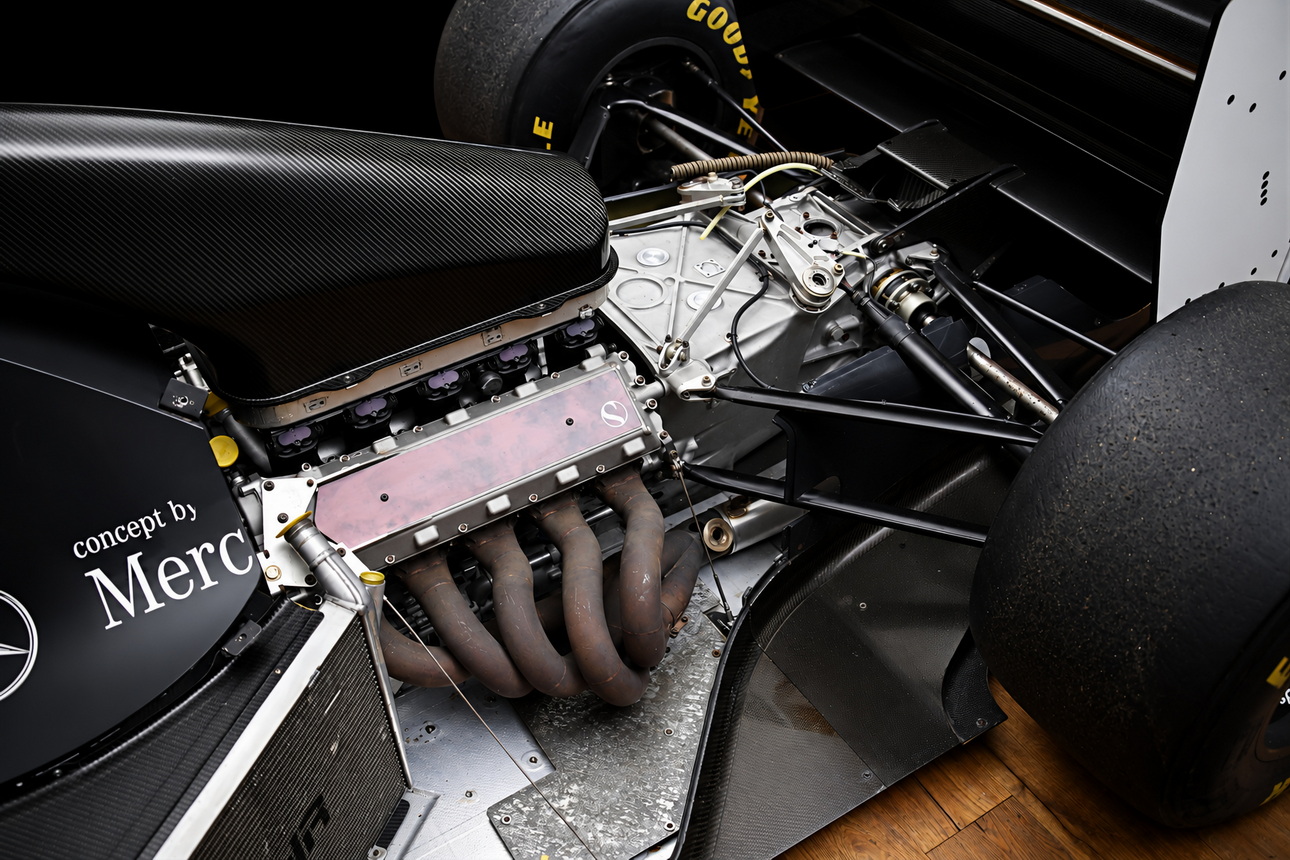
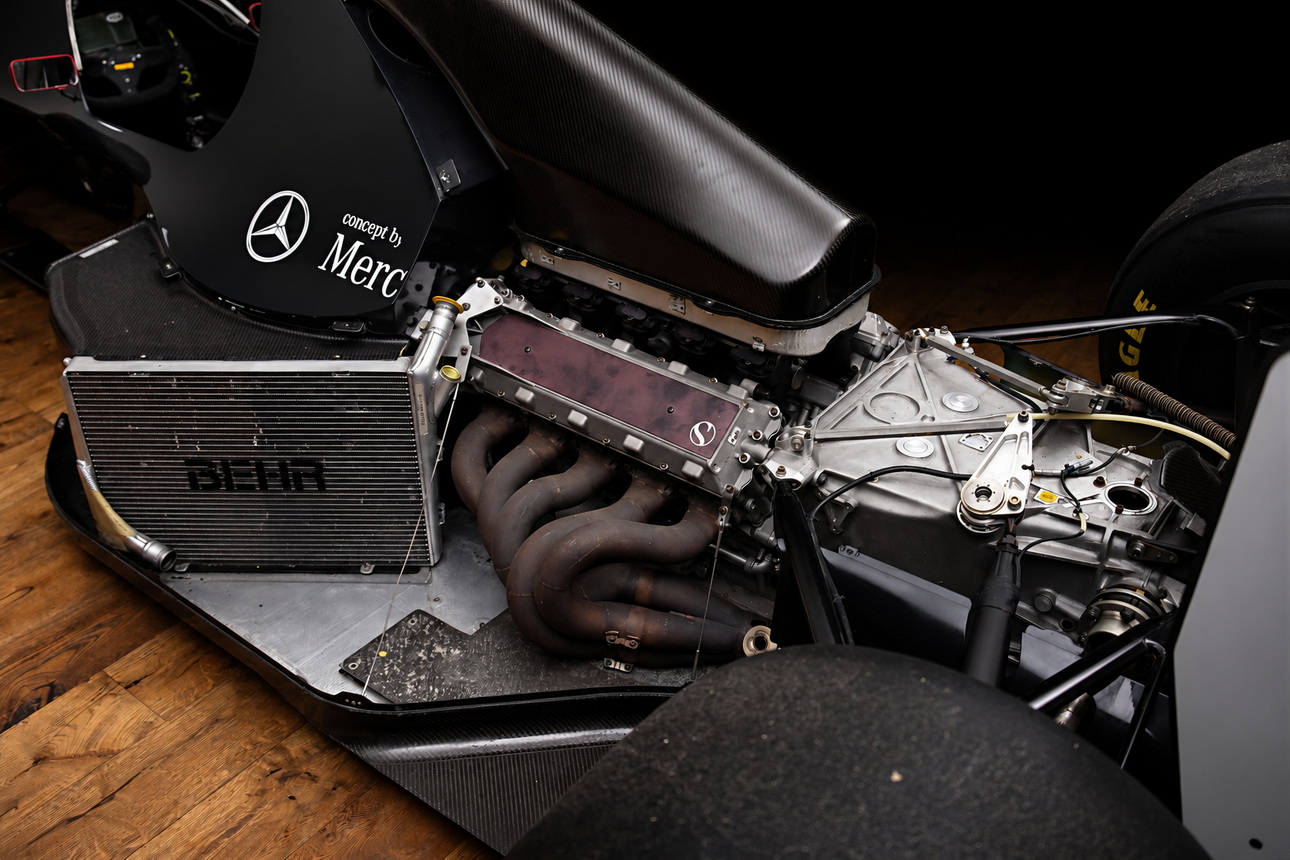
For Mercedes-Benz, 1993 marked the return to Formula 1 after a break of almost 40 years – initially in collaboration with Sauber. The 3.5-litre V10 engine came from Ilmor in Brixworth, and the engine cover carried the well-known lettering “concept by Mercedes-Benz”. Mercedes stepped up its involvement in 1994, and the partnership with McLaren followed from 1995.
The C12 was designed by Harvey Postlethwaite and Leo Ress: a carbon-fibre monocoque with pushrod suspension and a striking, almost black livery.
With Karl Wendlinger and JJ Lehto at the wheel, it contested all 16 Grands Prix of the 1993 season. Twelve championship points – with fourth places at Imola and Monza as the best results – brought Sauber seventh place in the Constructors’ Championship in its debut year.
Alongside the race cars, Sauber had five show cars built in late 1993 under the designation C12A. Only a few of them are publicly known today – one example is on display at the Technik Museum Sinsheim.