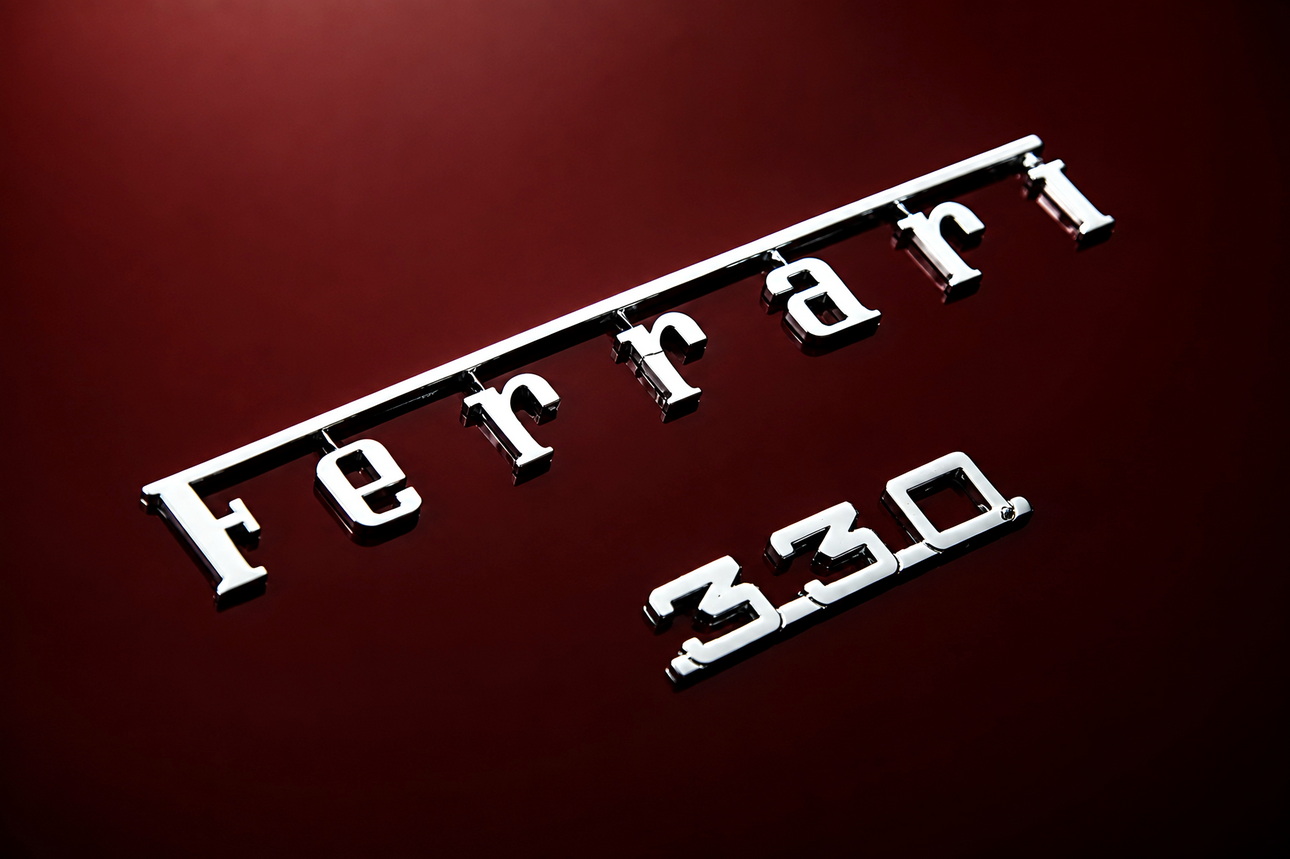
Ferrari 330 GTC Coupé

Highlights
Data & Facts
This Automobile
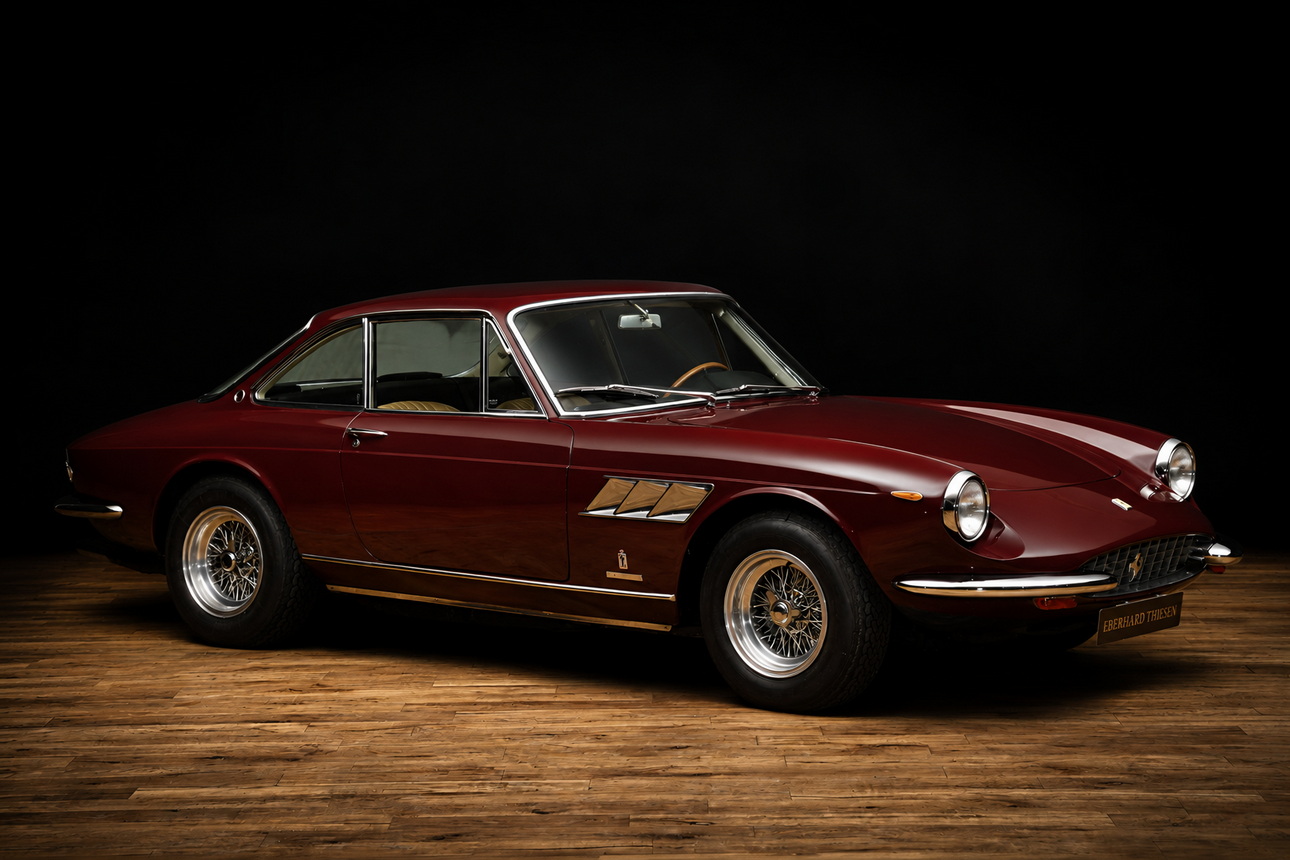
The example offered here was built in 1967 and first registered on 8 December of the same year. Its documented history initially leads to the USA. From 1990, the Ferrari was registered in the Swiss canton of Valais, before being imported into Germany as a collector’s item in April 1998. It is noteworthy that even the customs documents of the time expressly record the excellent condition of the vehicle. From 2002, the 330 GTC was in Belgium, where it was registered as a historic vehicle.
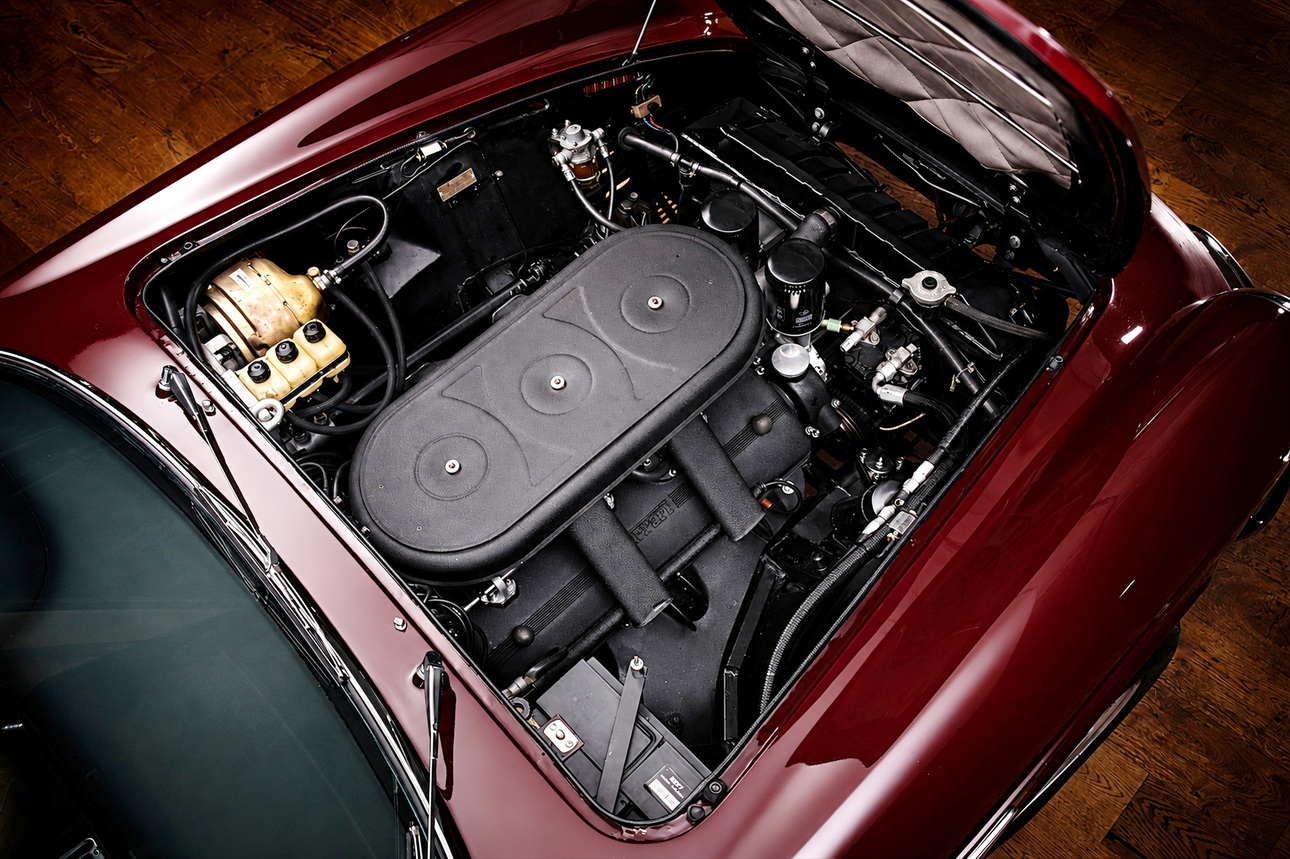
In August 2004, the coupé underwent a comprehensive inspection by the sworn Dutch expert Walther de Munnik. The report prepared at the time describes the Ferrari as largely original and documents an exceptionally well-maintained state of preservation. The twelve-cylinder engine was described at the time as original and, like the engine compartment, as very well preserved. The gearbox, braking system and electrical system were also assessed as original and in good condition at the time of the inspection. These findings reflect the documented condition as of 2004.
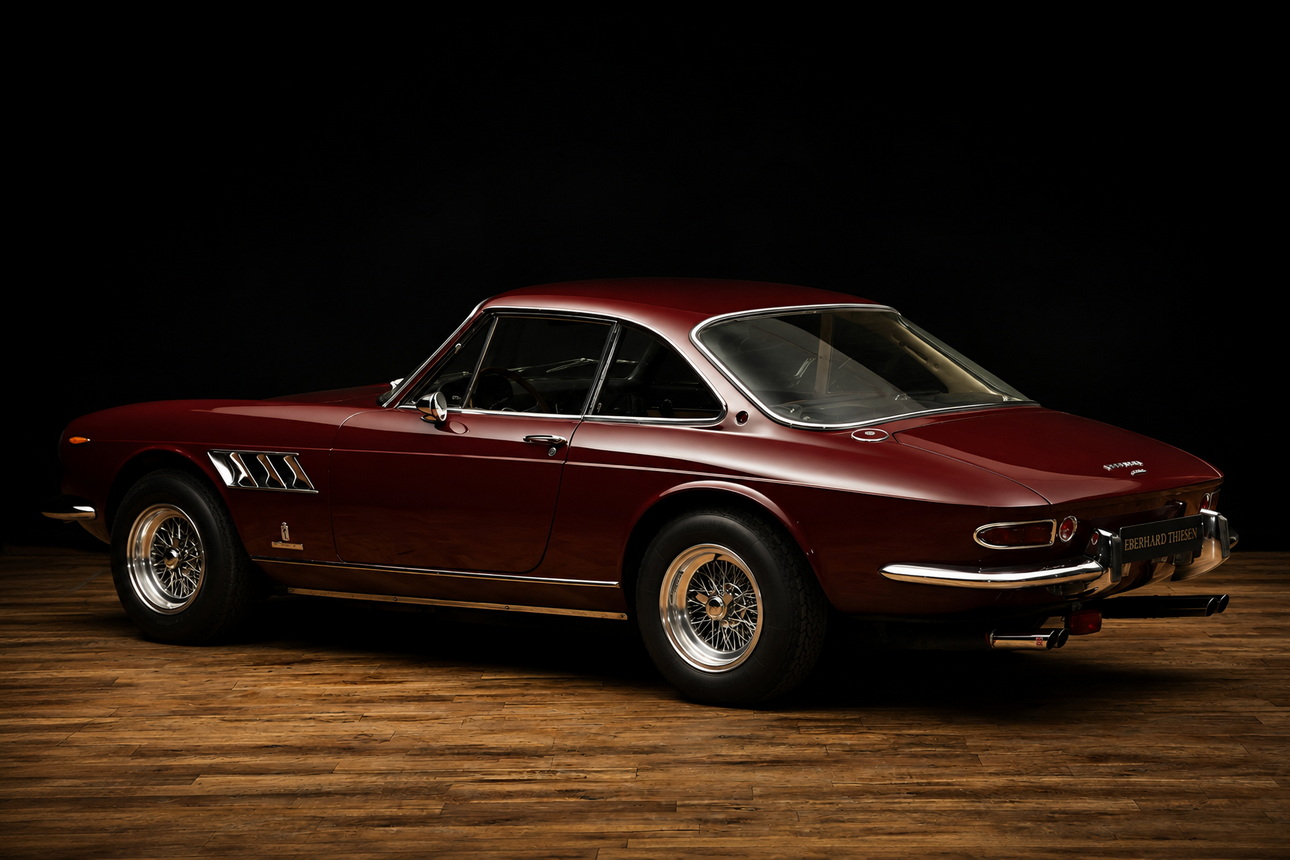
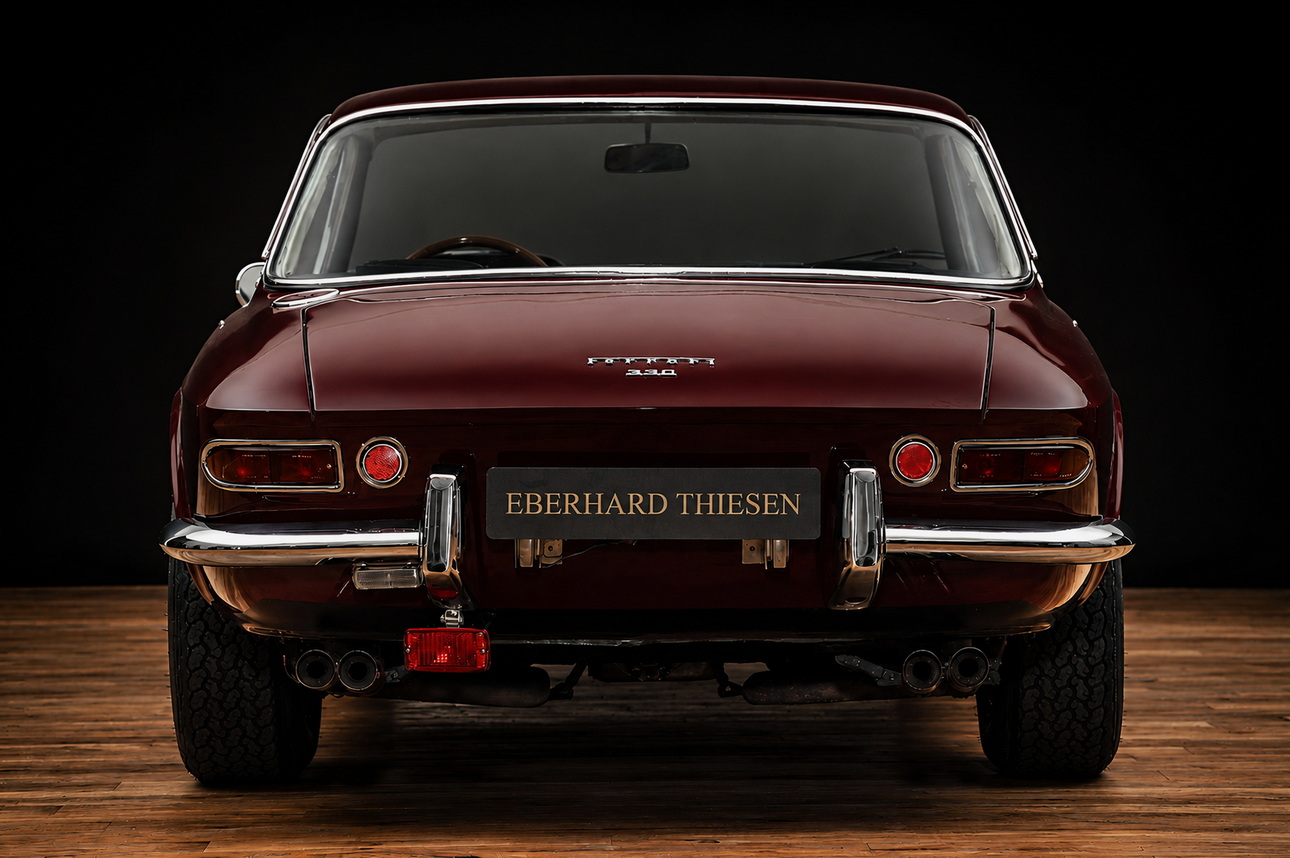
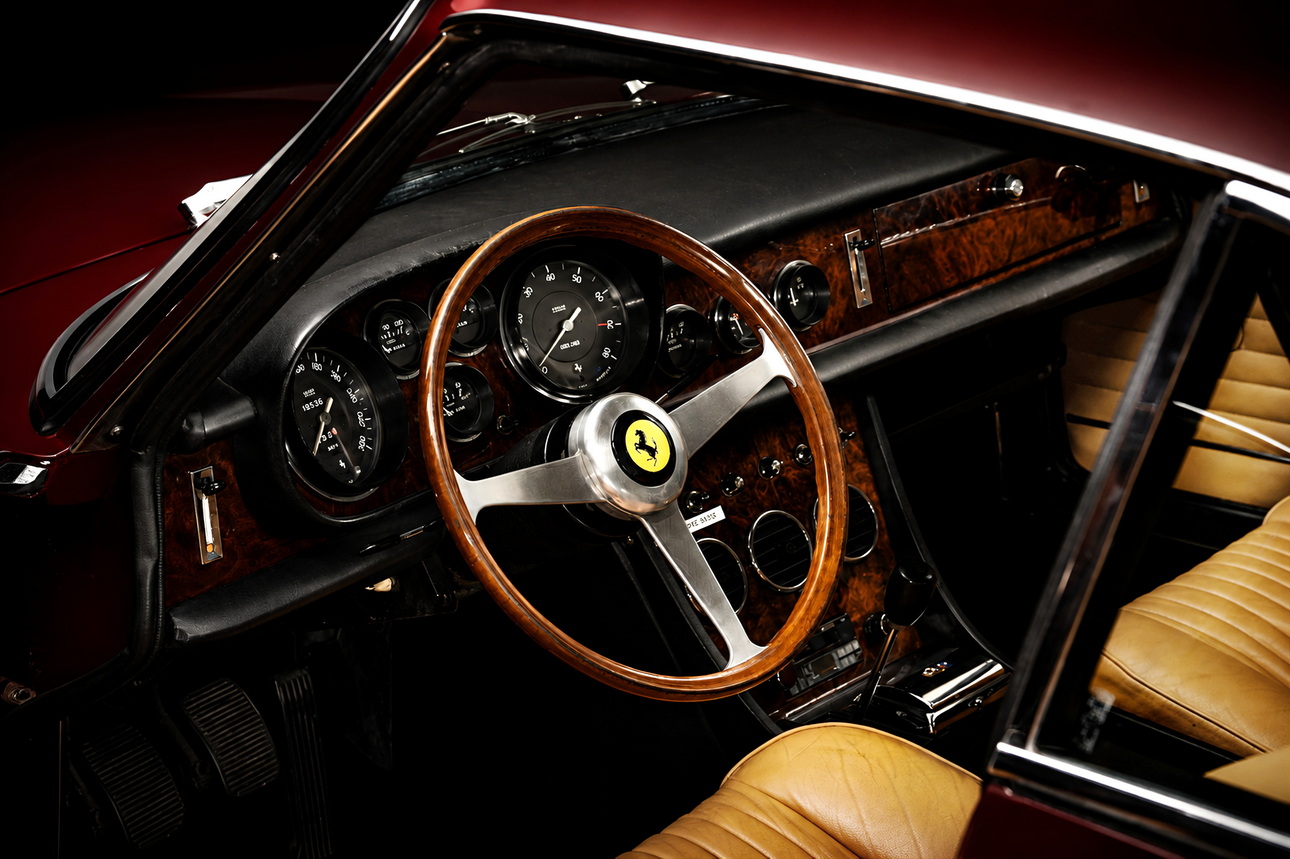
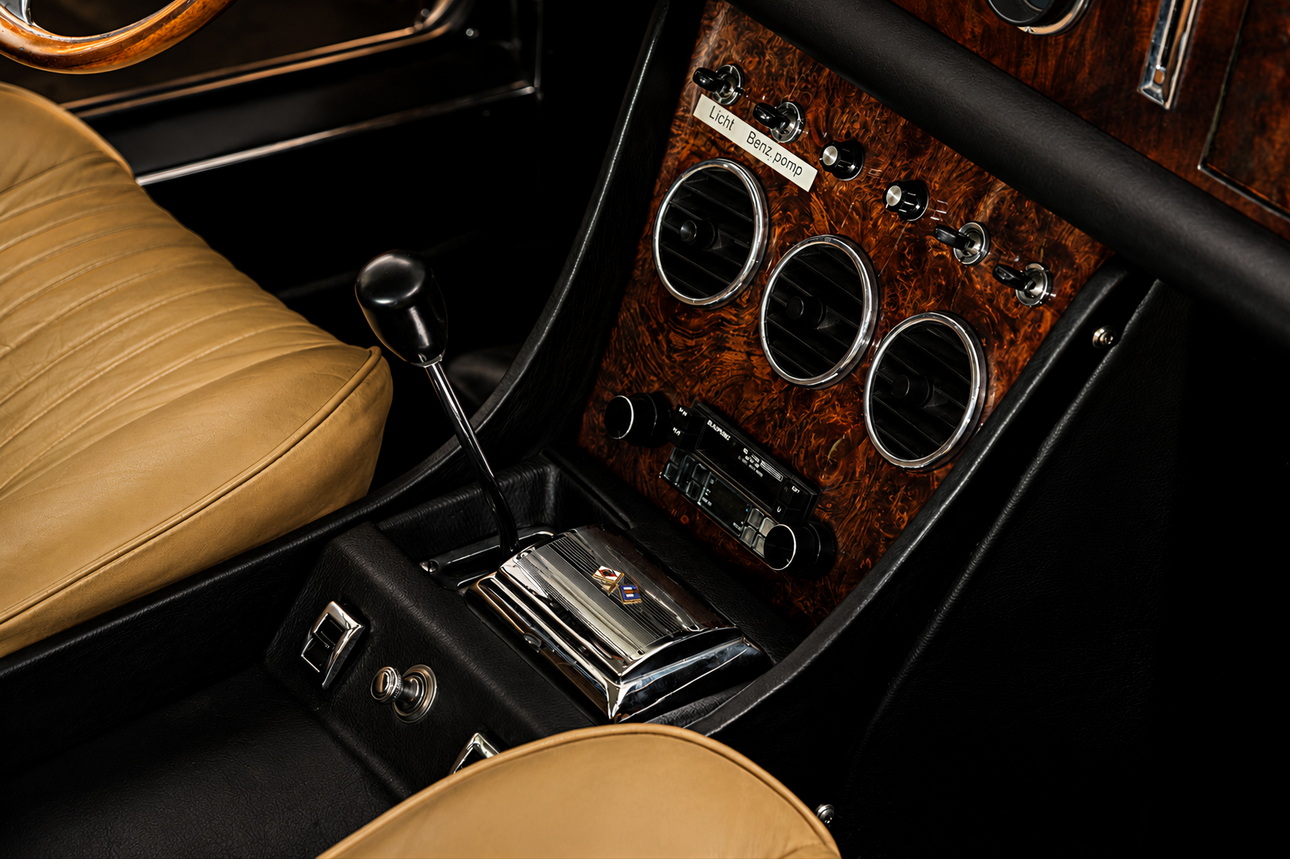
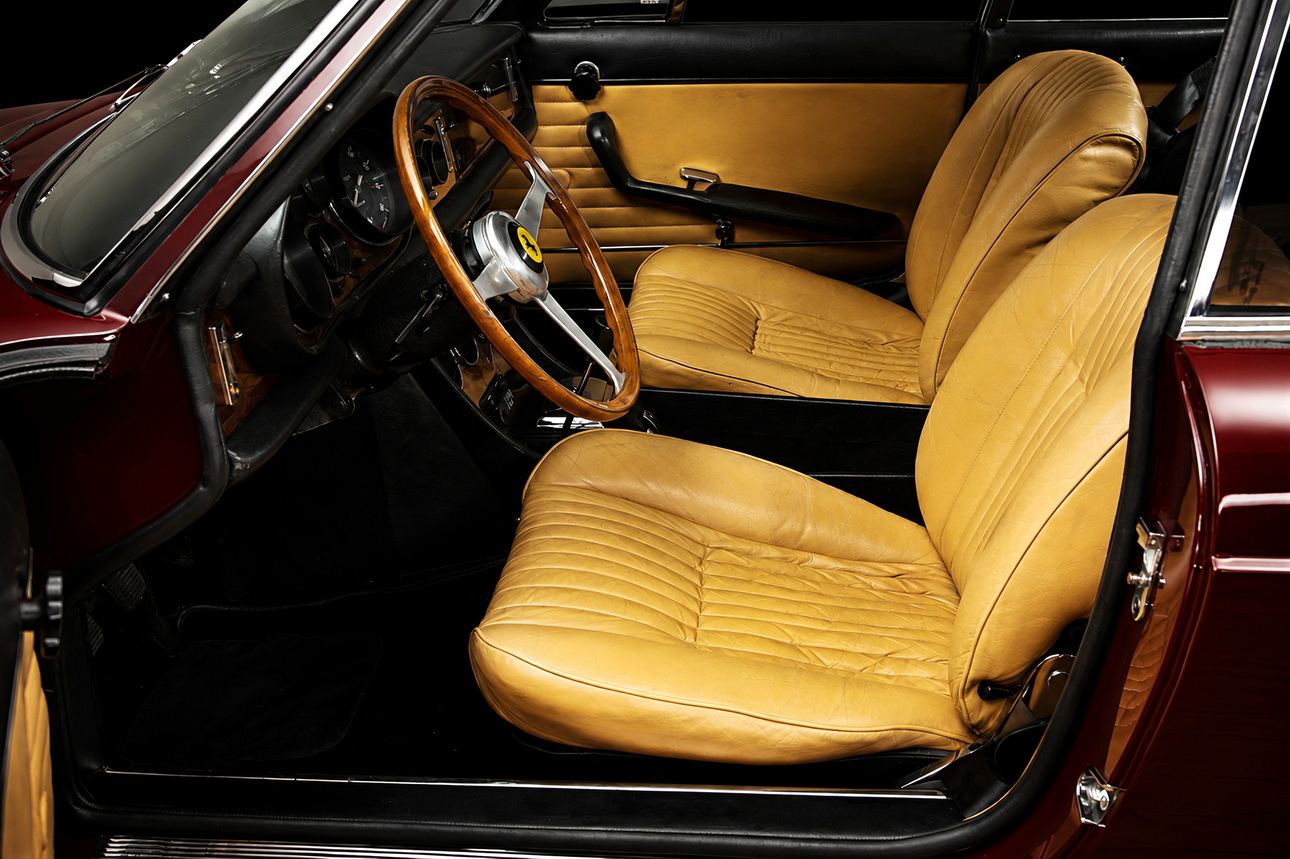
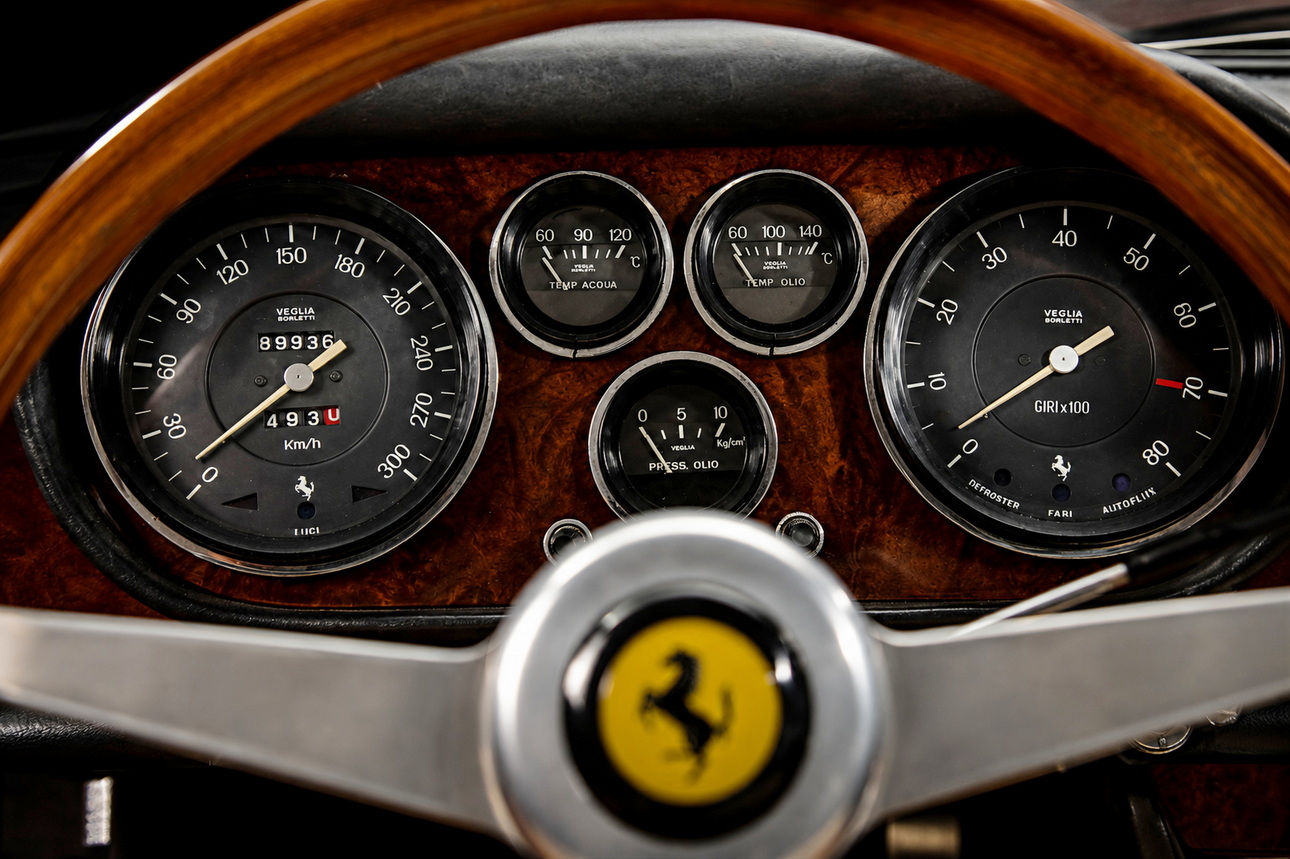
The elegant paintwork in Amaranto (original colour) emphasises the timeless lines of the Pininfarina coupé and presents itself in well-maintained condition. The beige full-leather interior, the classic dashboard with its fully preserved instruments and the chrome details give the car its authentic character.
The car still drives exceptionally well today, shows excellent straight-line stability and conveys an impressive sense of calm and composure even at higher speeds. The twelve-cylinder engine thrills with its spontaneous power delivery, refined running and a wonderfully sonorous, unmistakable sound.
It is precisely this combination of timeless elegance, a powerful twelve-cylinder engine and exceptional long-distance qualities that makes the Ferrari 330 GTC one of the most desirable classic Gran Turismos from Maranello.
Model History
When the Ferrari 250 GT Lusso was discontinued in 1964, it left a gap between the 275 GTB Berlinetta and the 330 GT 2+2. It was not until 1966 that the 330 GTC took over as its successor, when it was presented at the Geneva Motor Show.
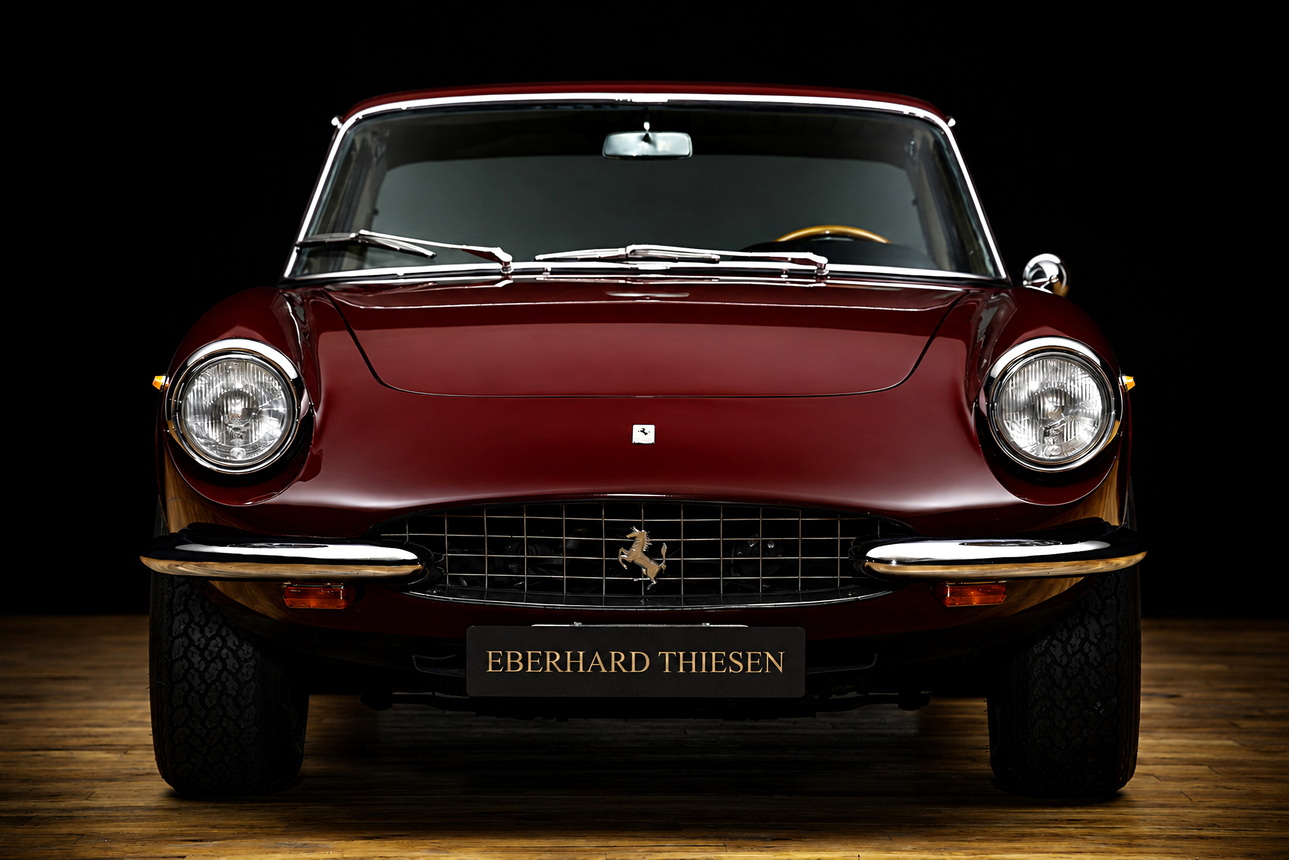
As usual, the design of the two-seater coupé came from Pininfarina (designer: Aldo Brovarone), where the body was also manufactured, and combined various design elements of other models. The front, with its narrow, oval radiator grille and recessed headlights, was based on the 500 Superfast, while the rear was modelled on the 275 GTS. Overall, the 330 GTC appears comparatively understated and discreet. The delicate roof also contributes to this; with its slender pillars, it creates a certain lightness both in the design and in the interior.
The powertrain came from the 330 GT 2+2: a 4.0-litre V12 with three Weber 40DCZ/6 carburettors or, alternatively, 40DFI/2 twin carburettors, which produced a hefty 300 hp. The technical layout – in particular the chassis and drivetrain – was, by contrast, taken from the 275 GTB. This also included the transaxle principle with a five-speed gearbox as well as independent rear suspension with coil springs, wishbones and Koni shock absorbers. The front suspension featured unequal-length wishbones with coil springs and hydraulic Koni shock absorbers.
With around 600 units built in just two years, the car was a considerable success, so much so that its successor, the 365 GTC (from 1968), adopted the body almost unchanged.