BMW 327/28 Cabriolet

Highlights
Data & Facts
This Automobile
This BMW 327/28 Cabriolet was manufactured in 1938 at the BMW plant in Eisenach, fitted with the 80 PS engine of the BMW 328, and was subsequently exported to Sweden in 1939. An archive list – presumably from a Swedish BMW club – relating to this vehicle lists all of the car’s owners, along with their registration details and dates, up to 1965. According to this, the car remained with its first owner in Stockholm until 1950. The list then records further owners in Sweden until the 327/28 moved to Norway with its owner in 1965.
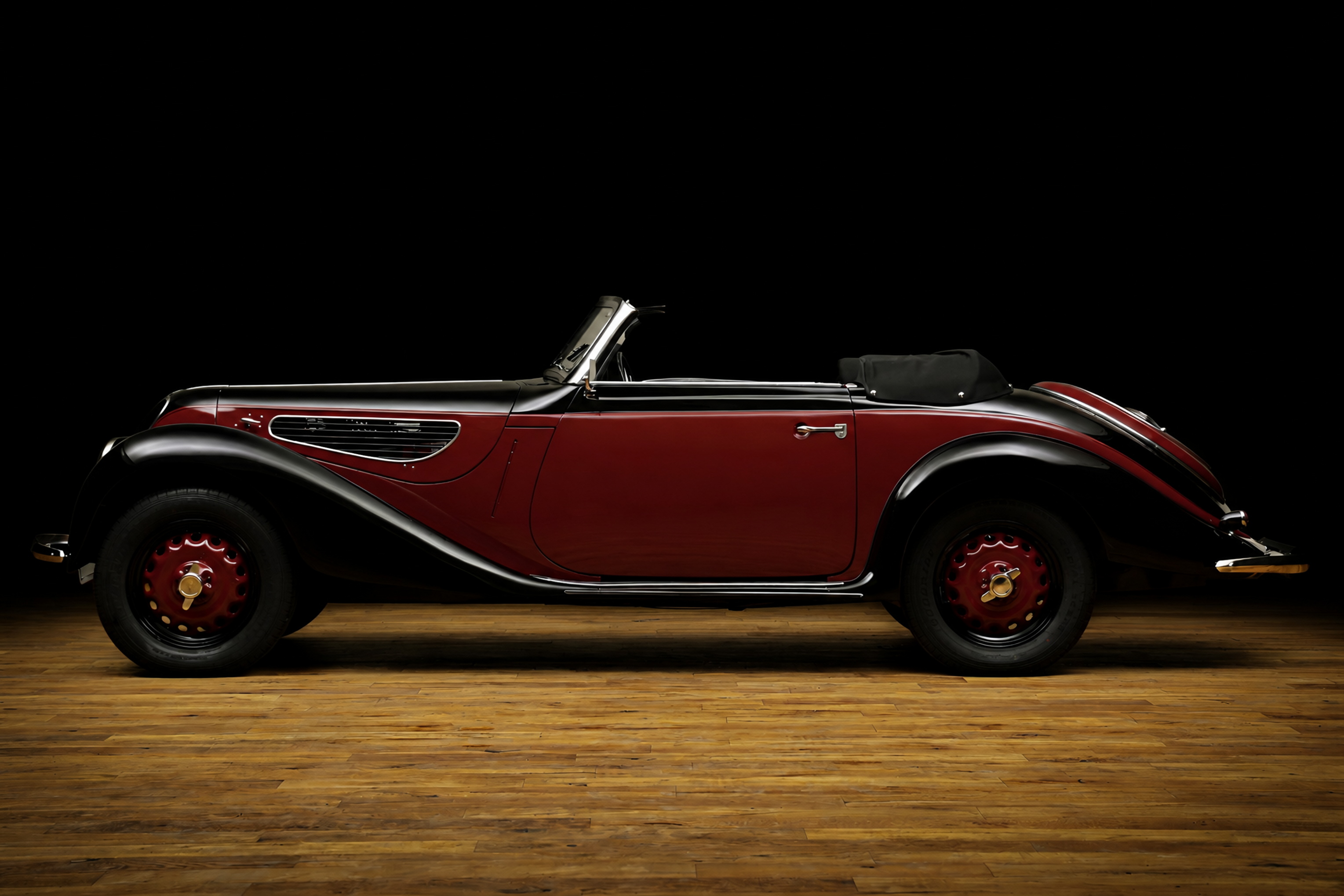
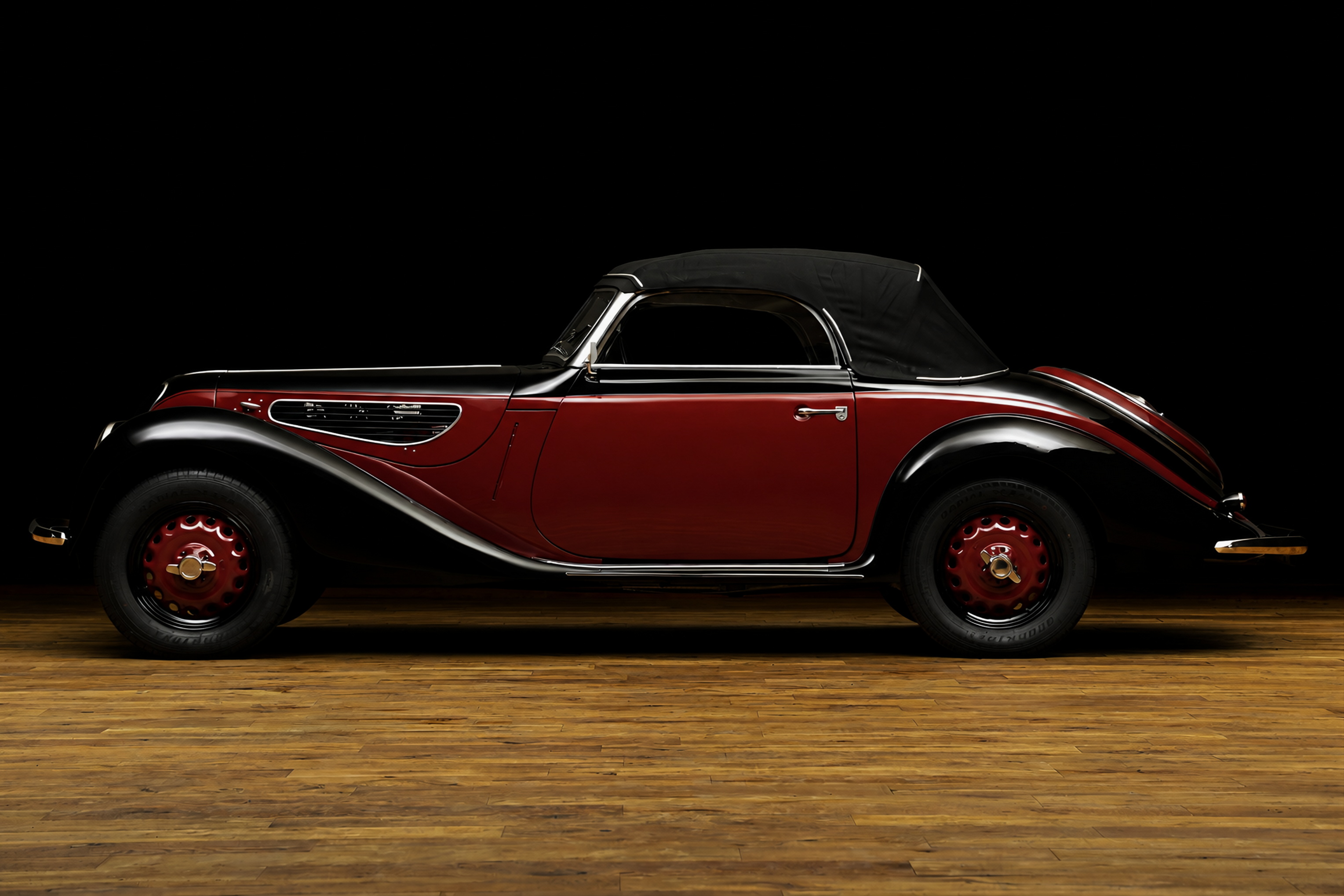
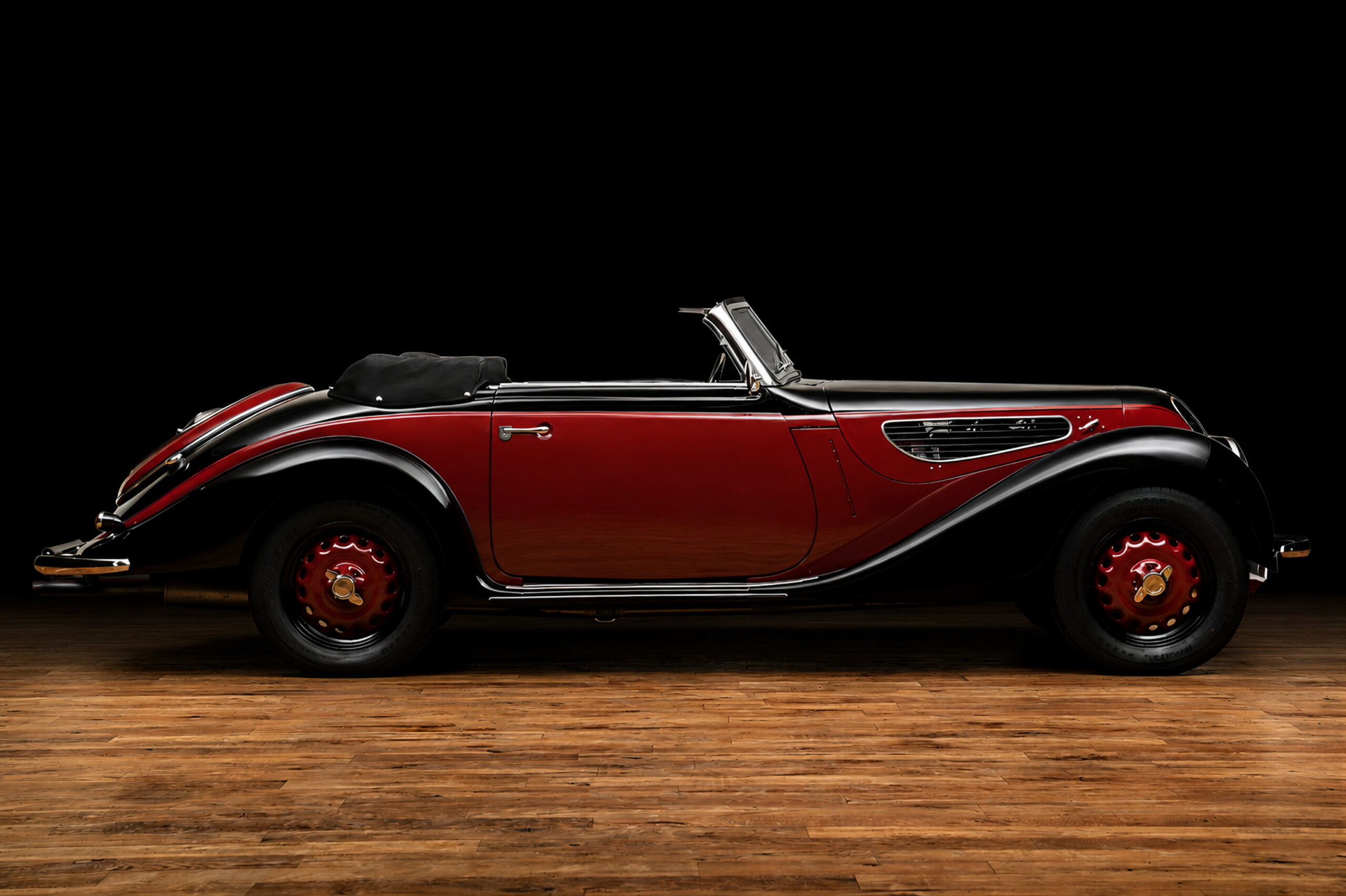
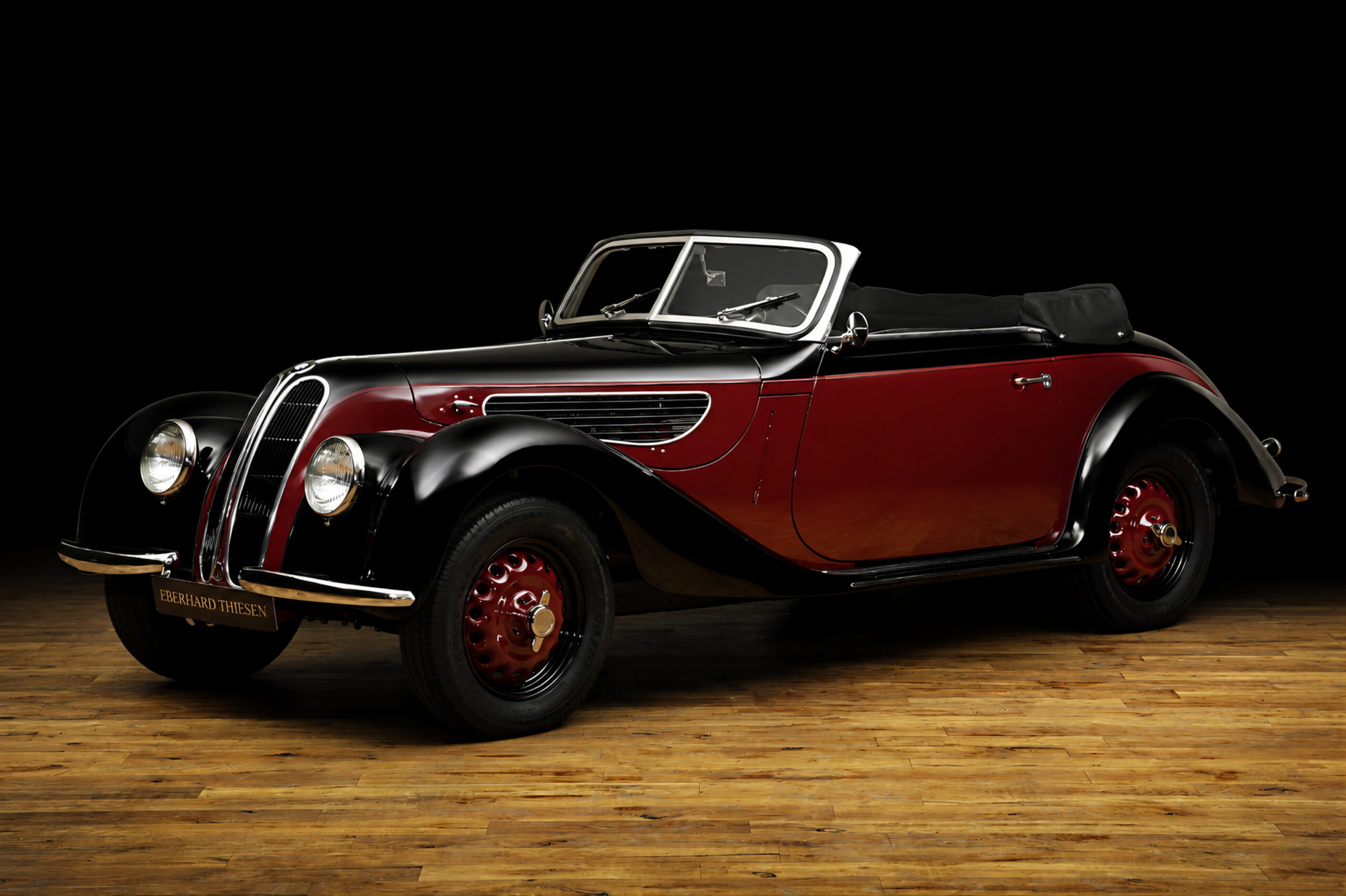
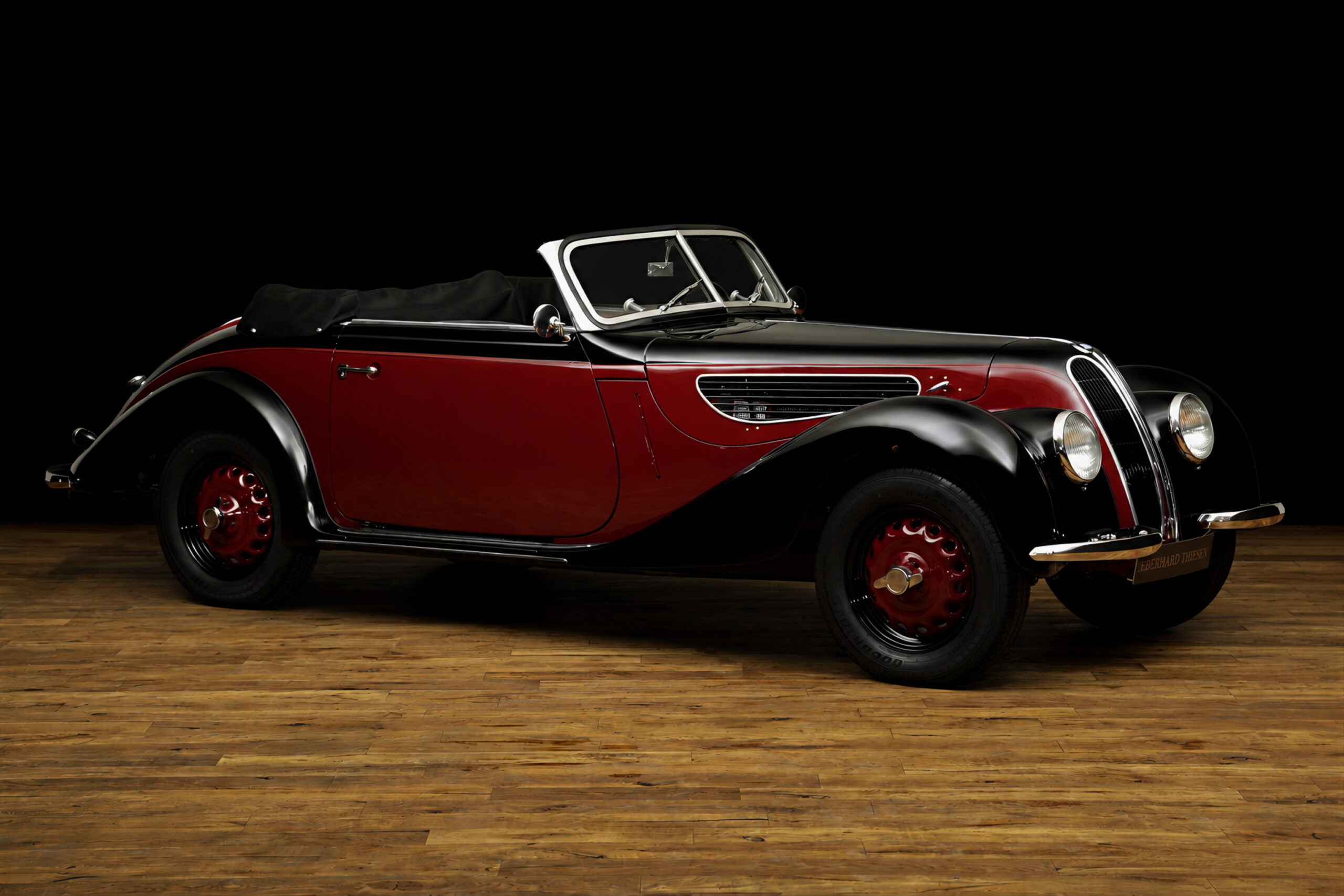
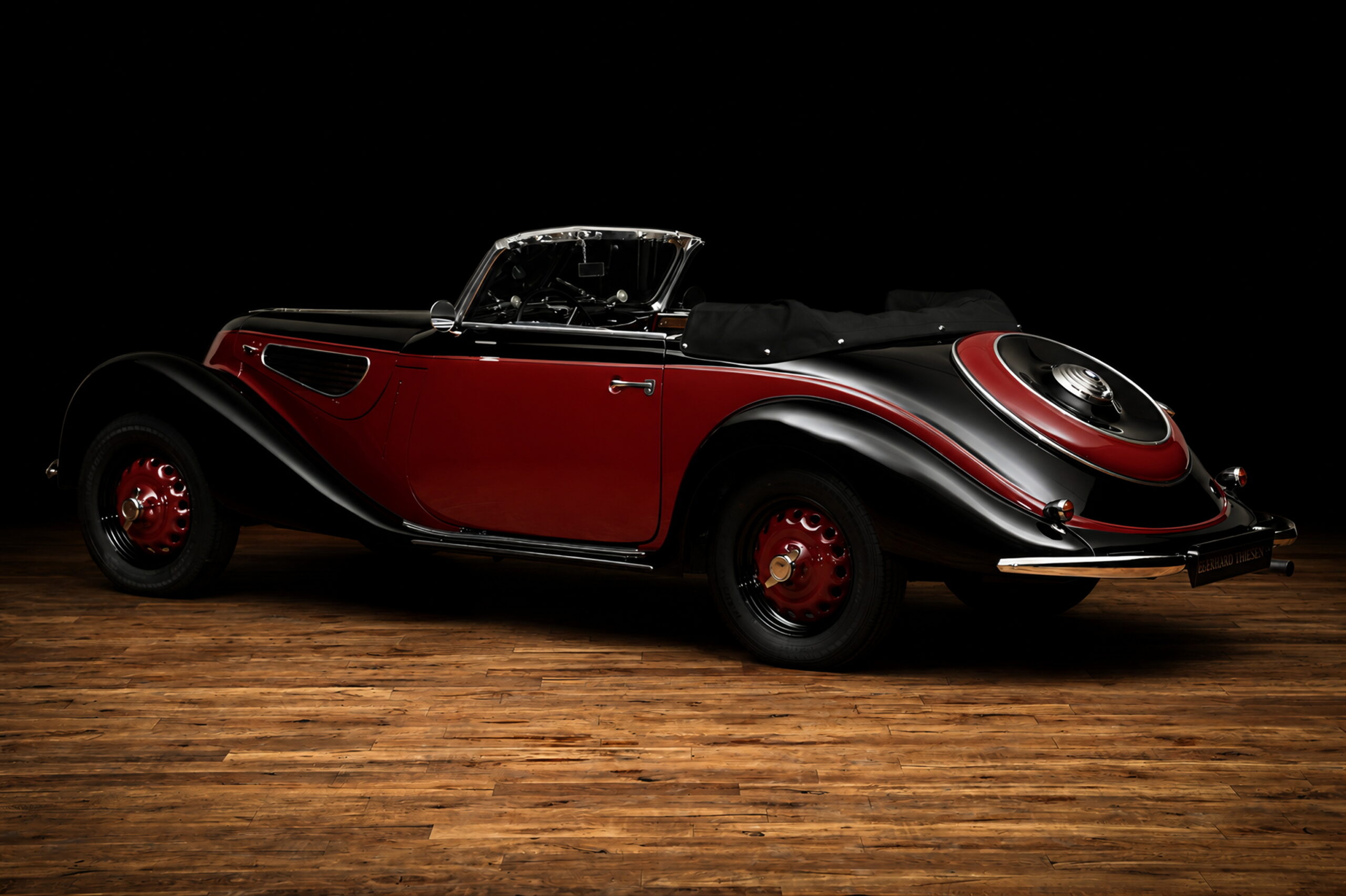
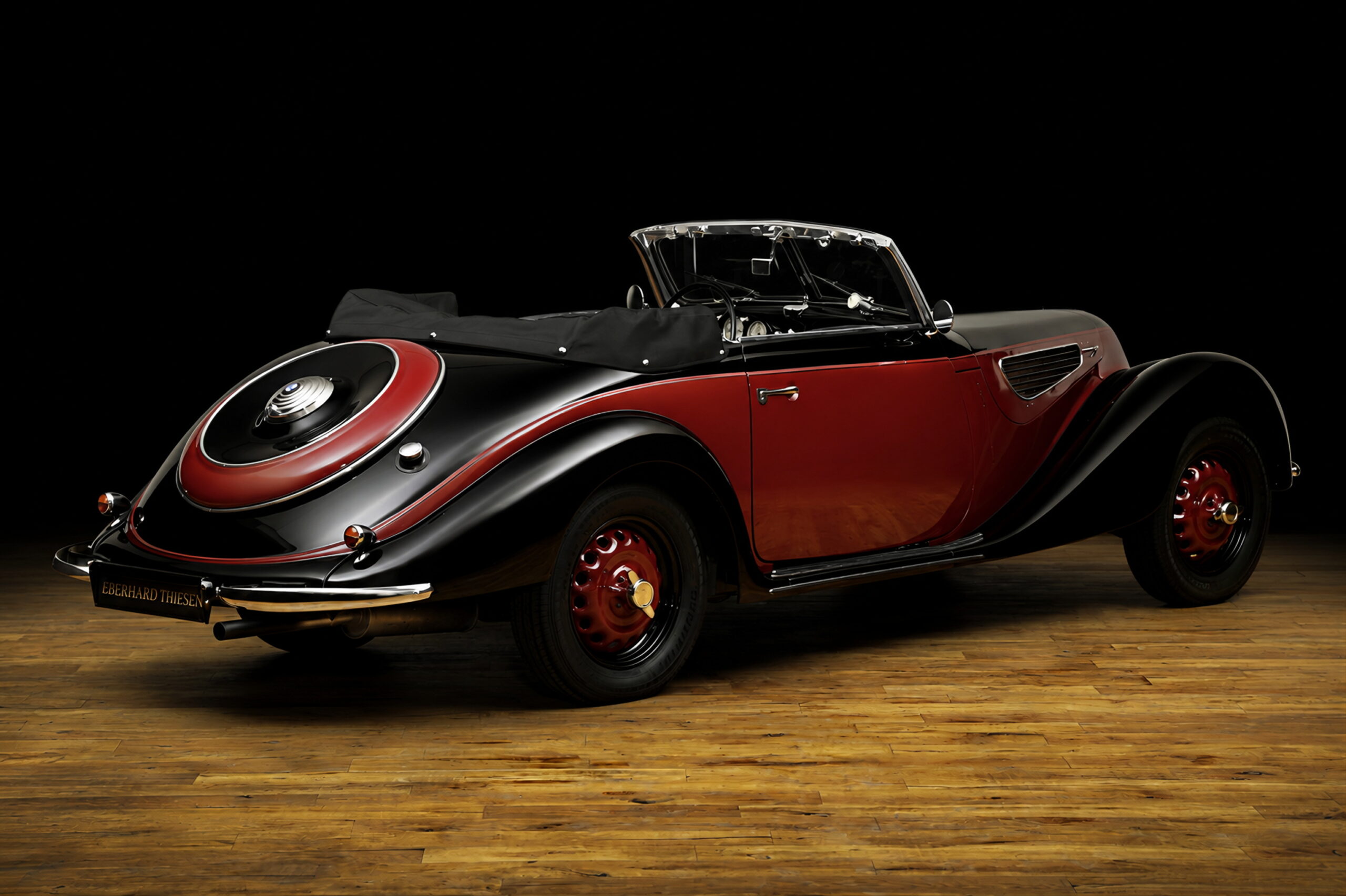
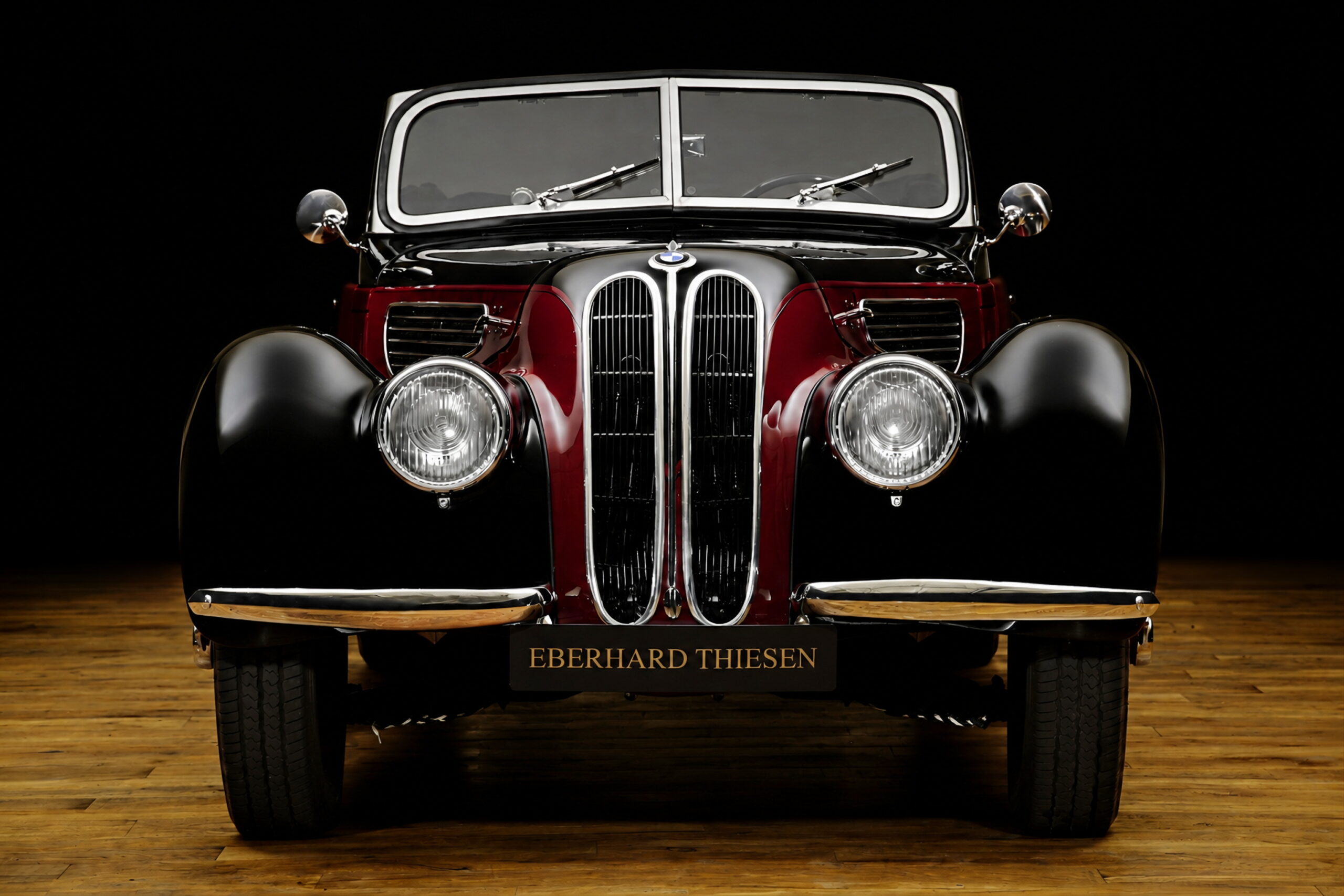
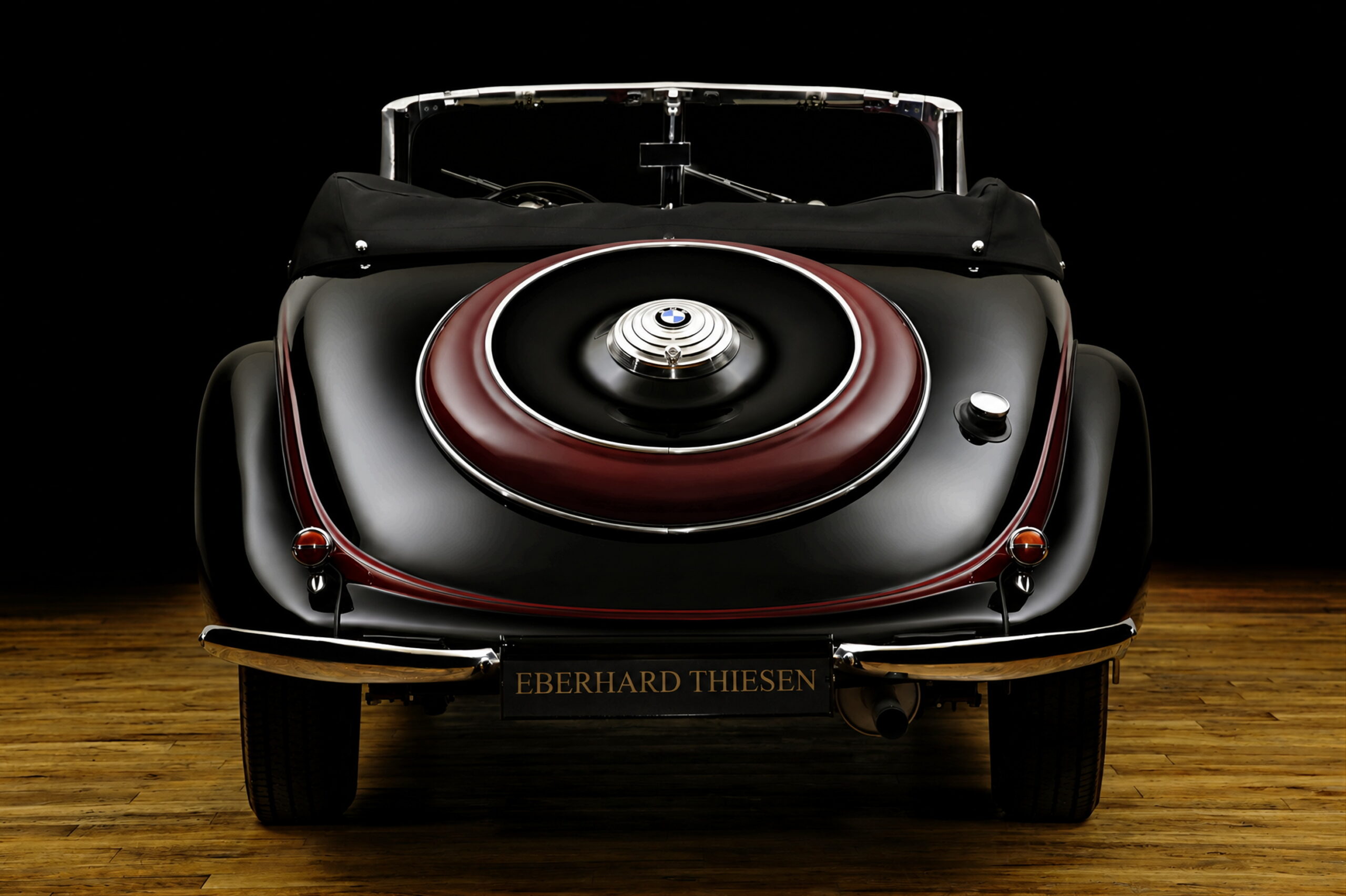
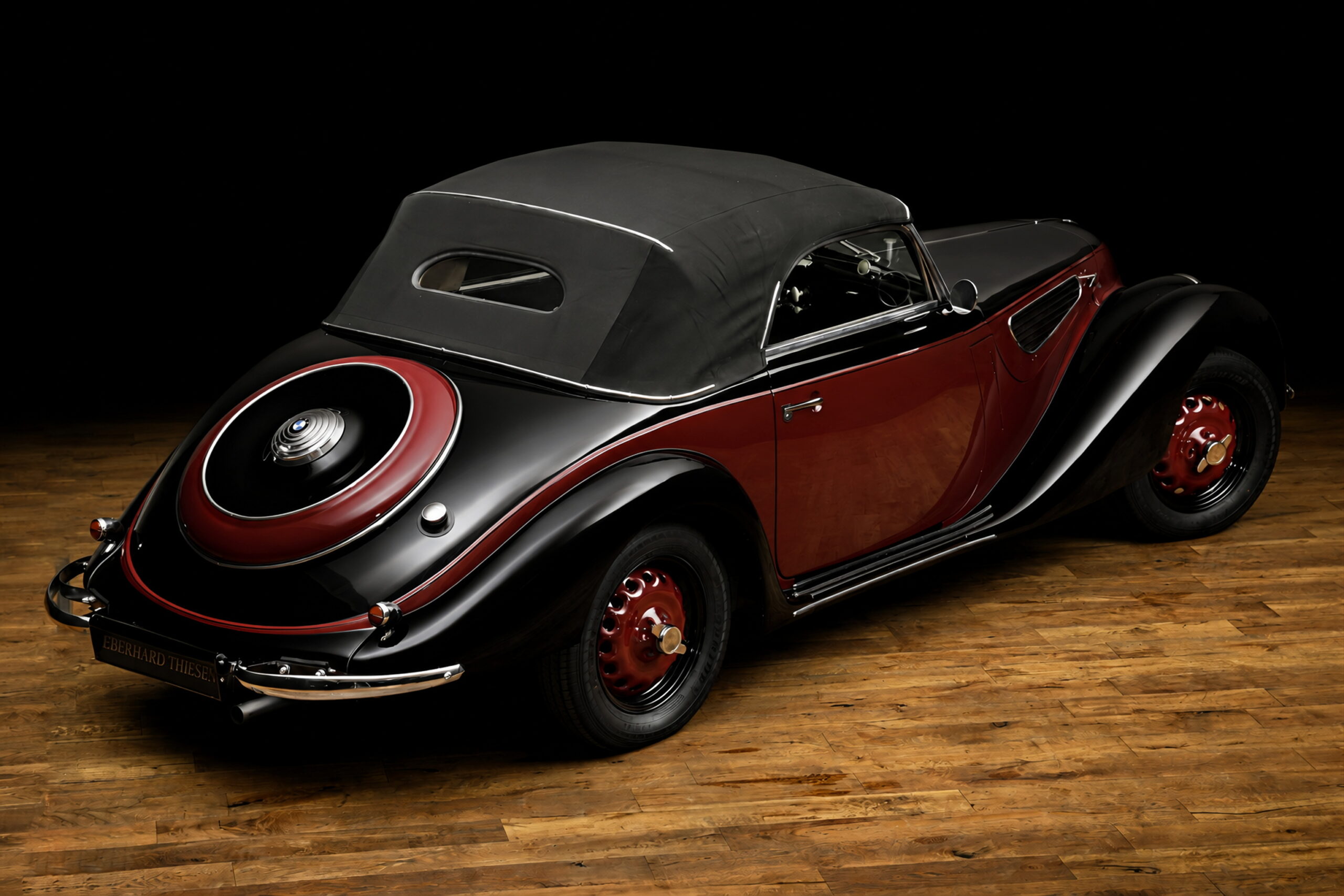
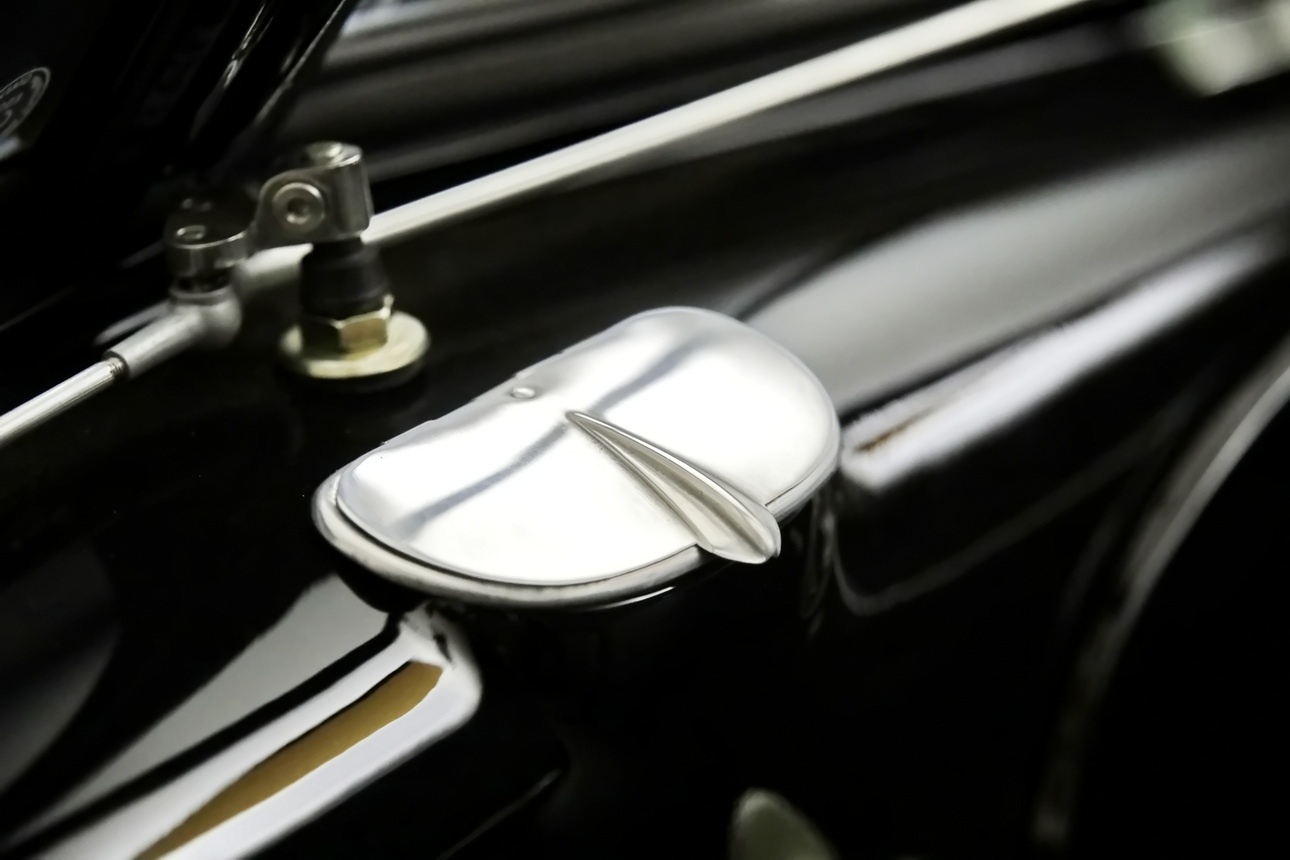
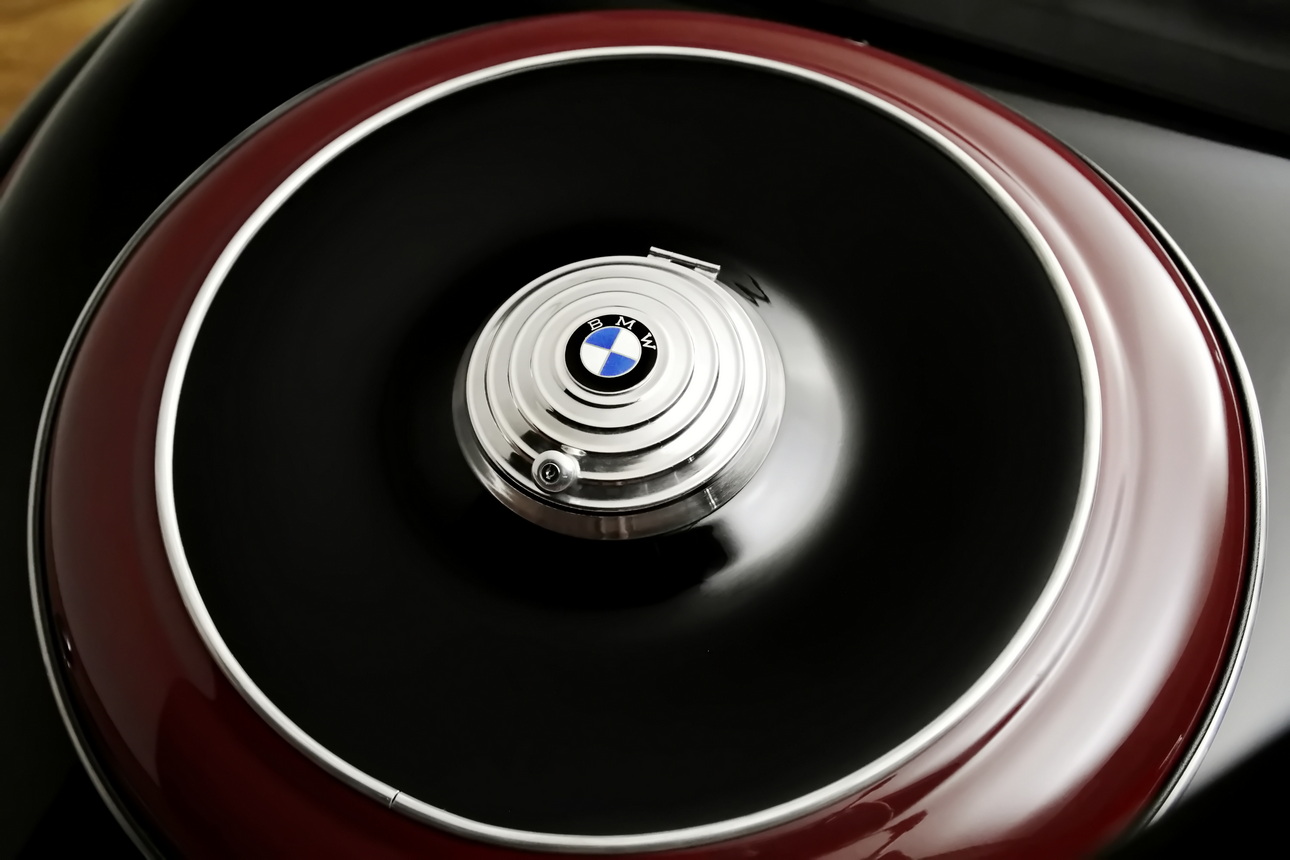
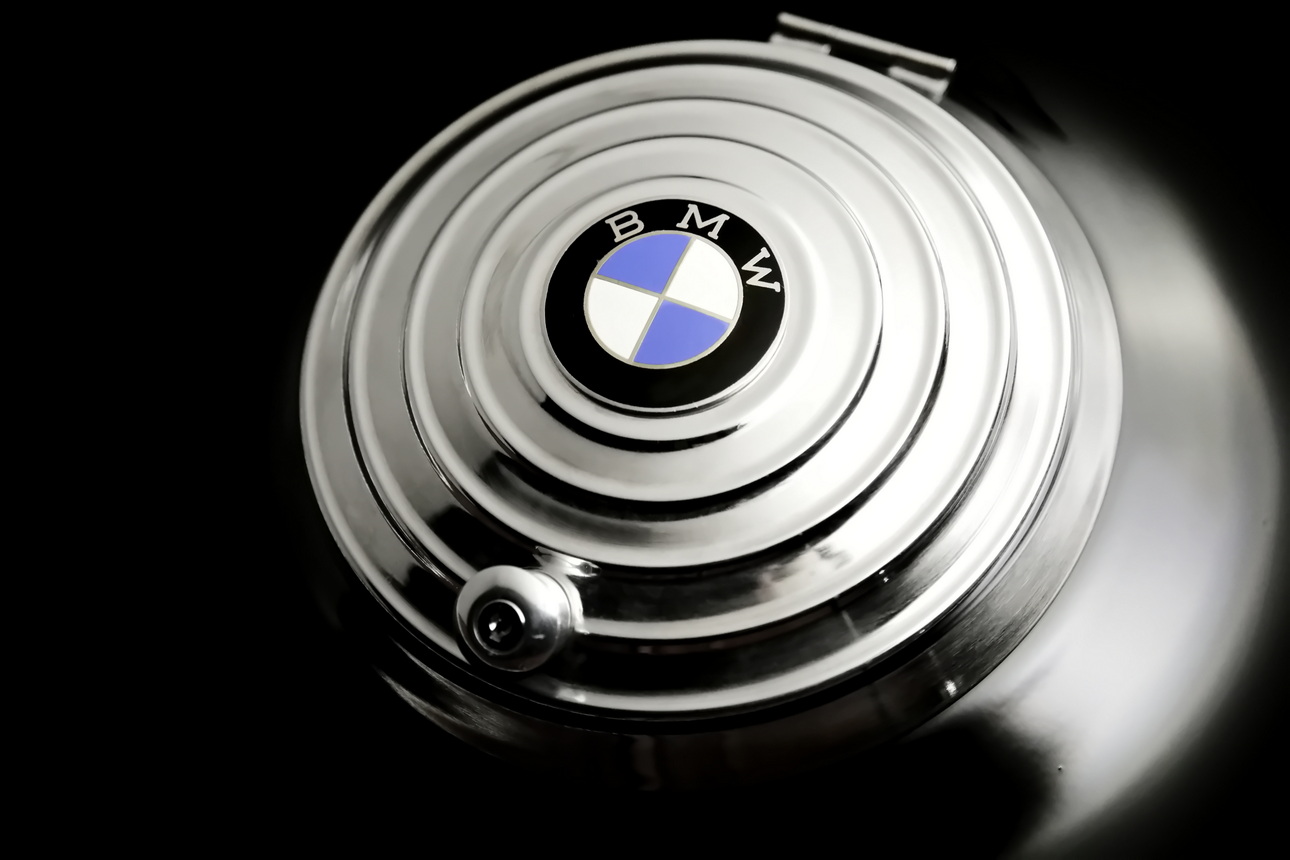
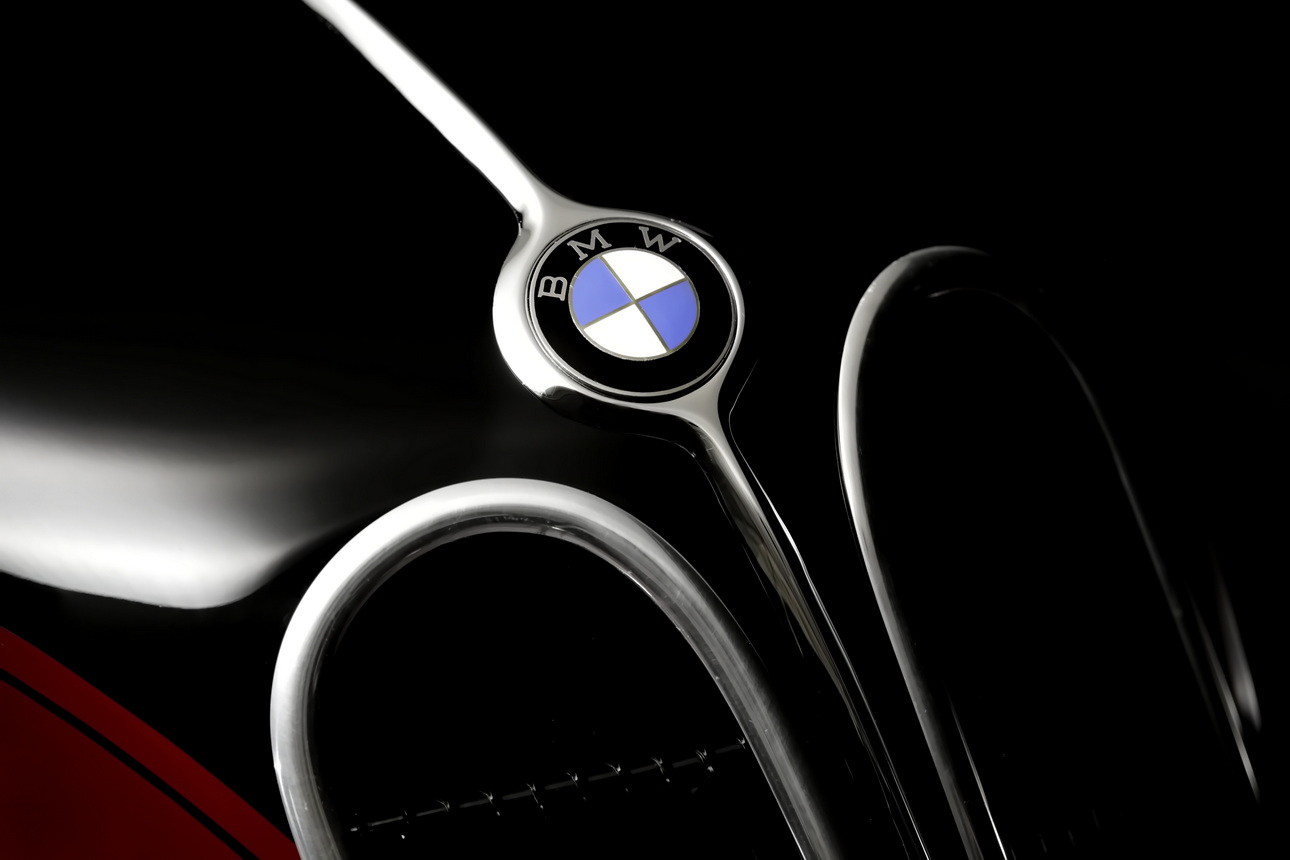
The BMW later returned to Germany and, a few years ago, underwent a comprehensive restoration by a renowned specialist for BMW 327 and 328 models. As part of this work, the car was dismantled into its individual components and restored to as-new condition. The bodywork is in excellent condition and the same applies to all fittings and the chrome trim. The soft top, including the mechanism, looks as good as new. The new paintwork, in a period-correct two-tone scheme of black and dark red, is of a high standard and has a sporty yet elegant appearance.
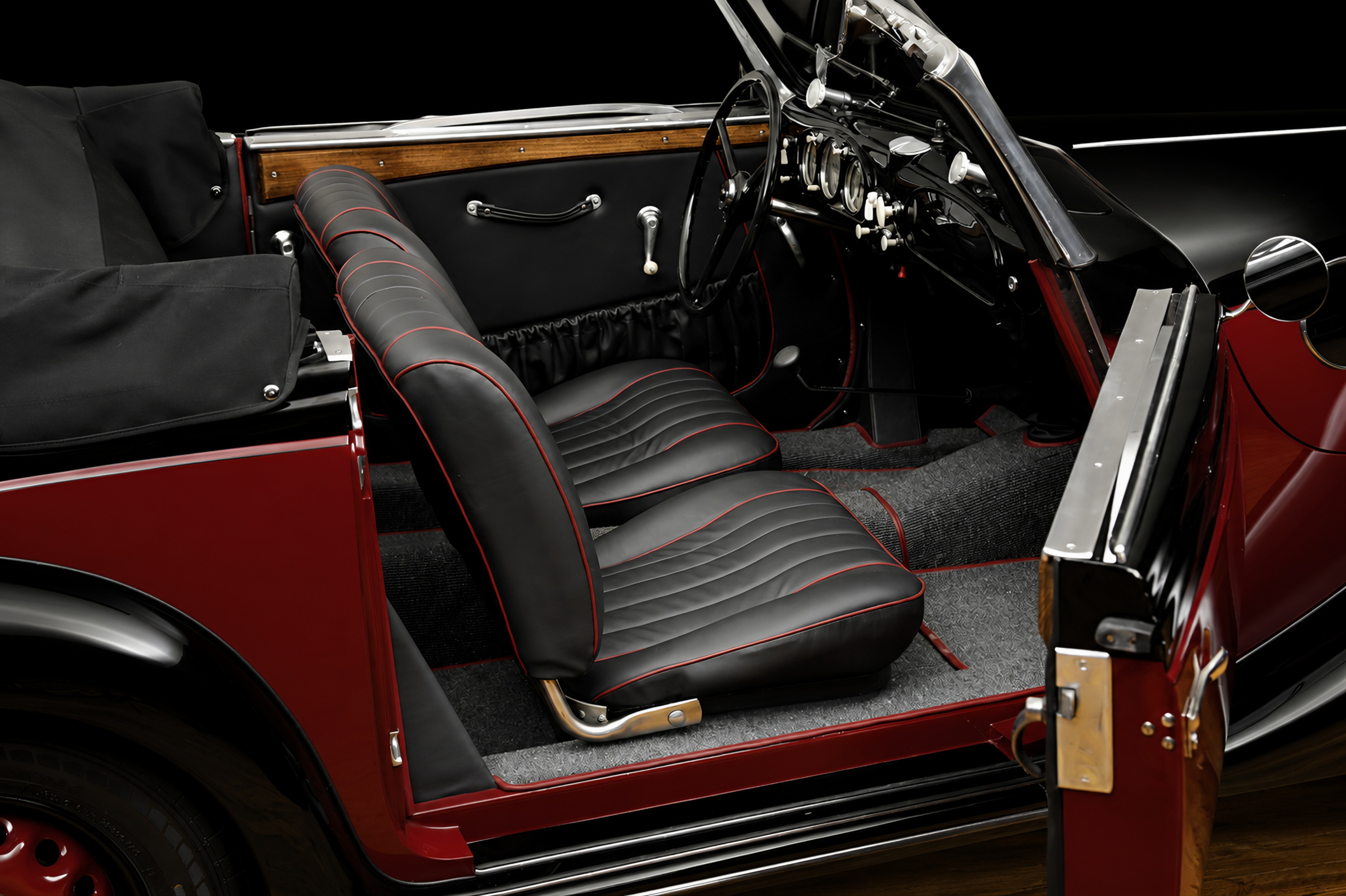
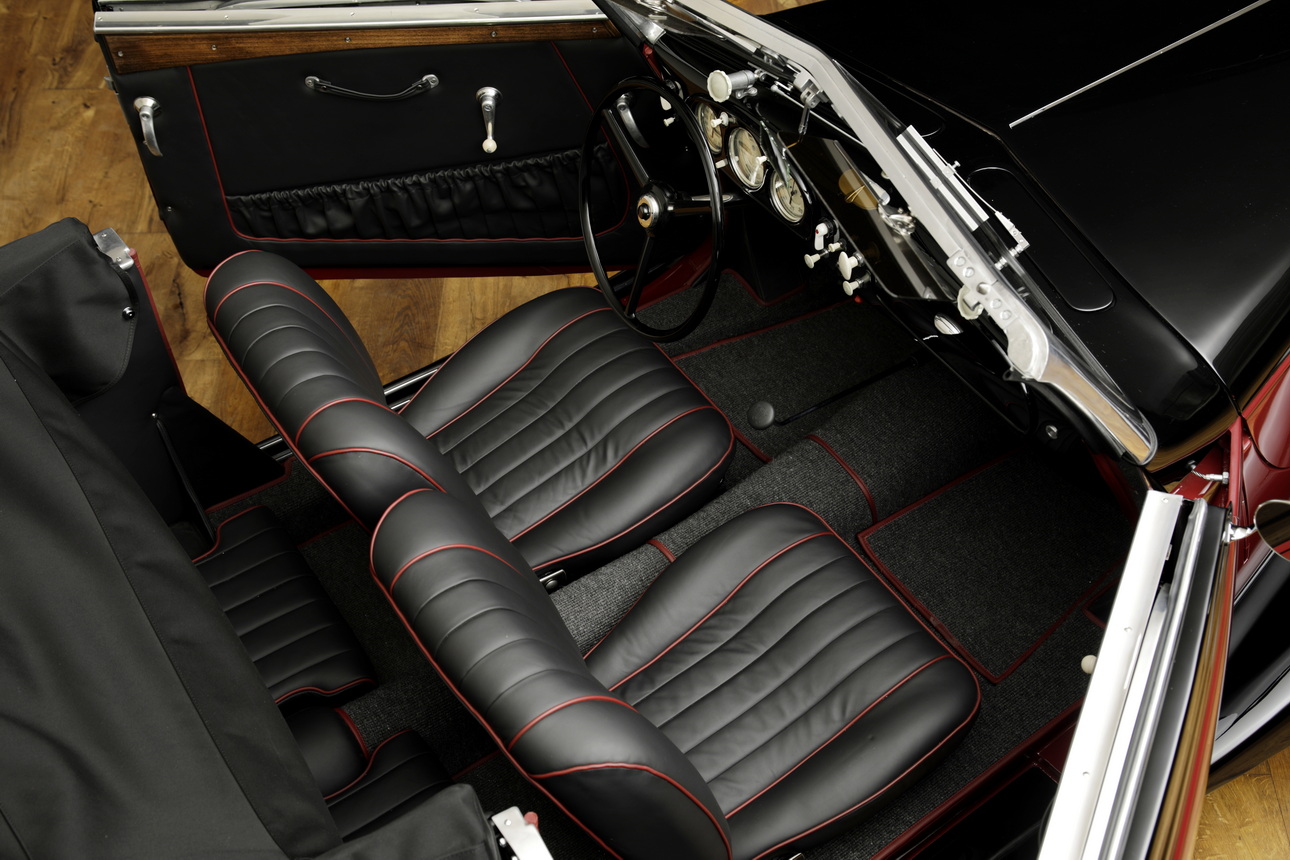
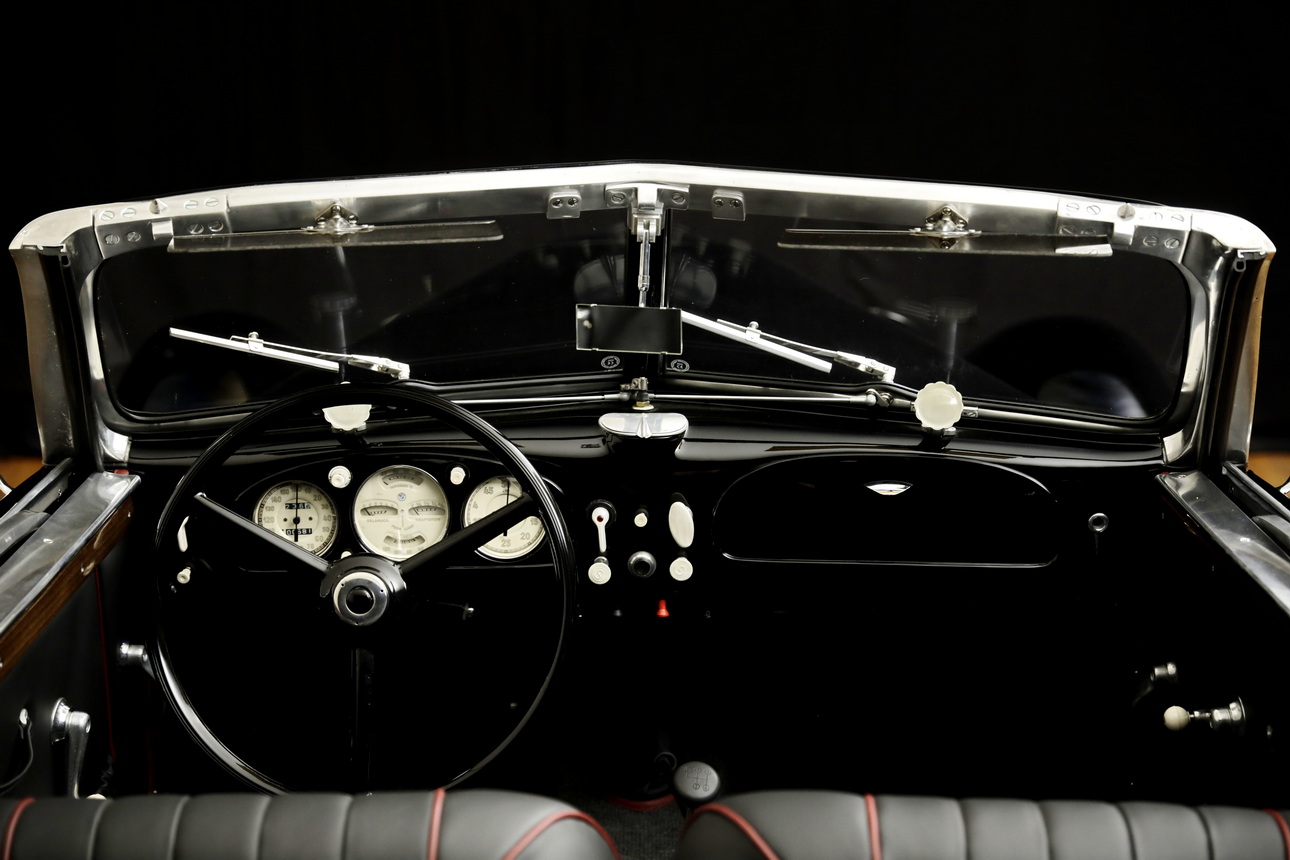
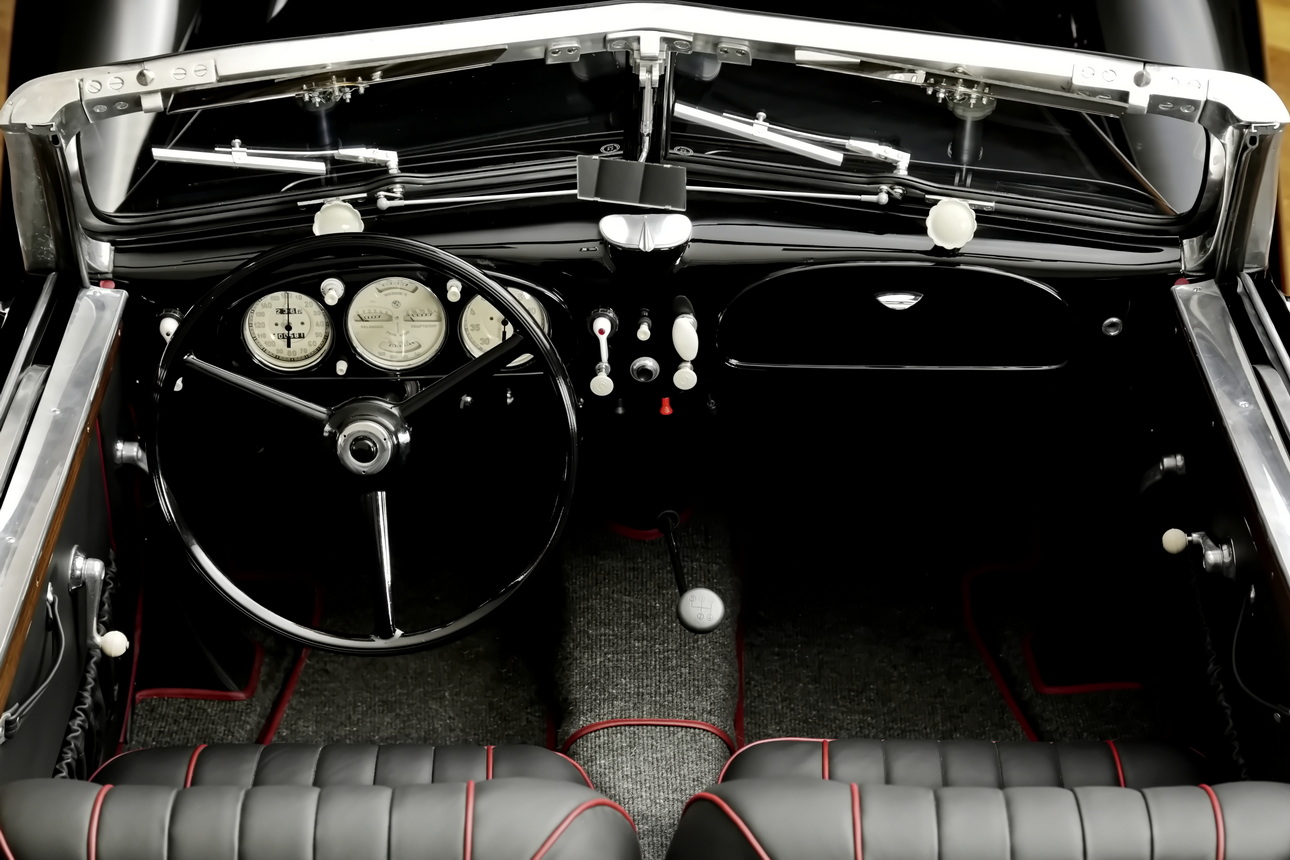
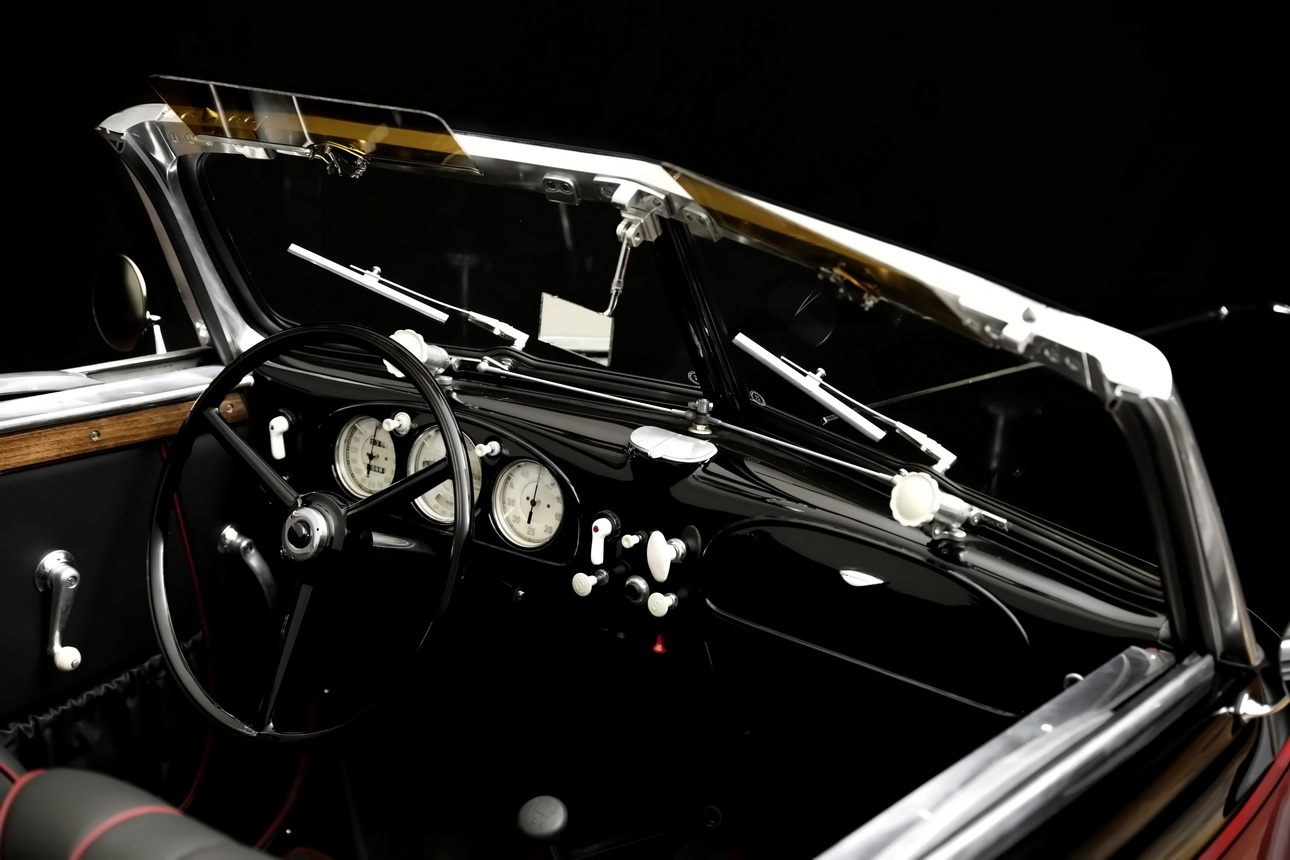
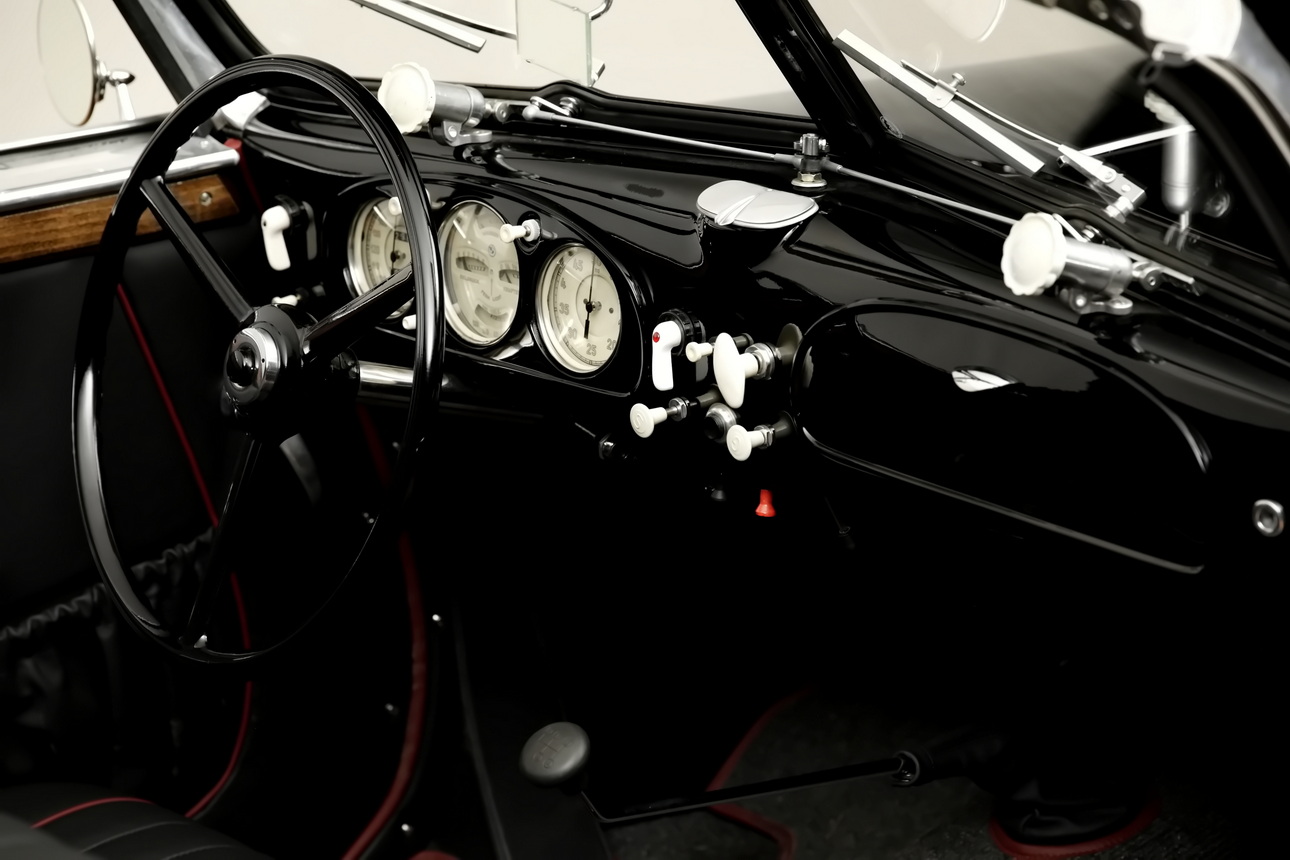
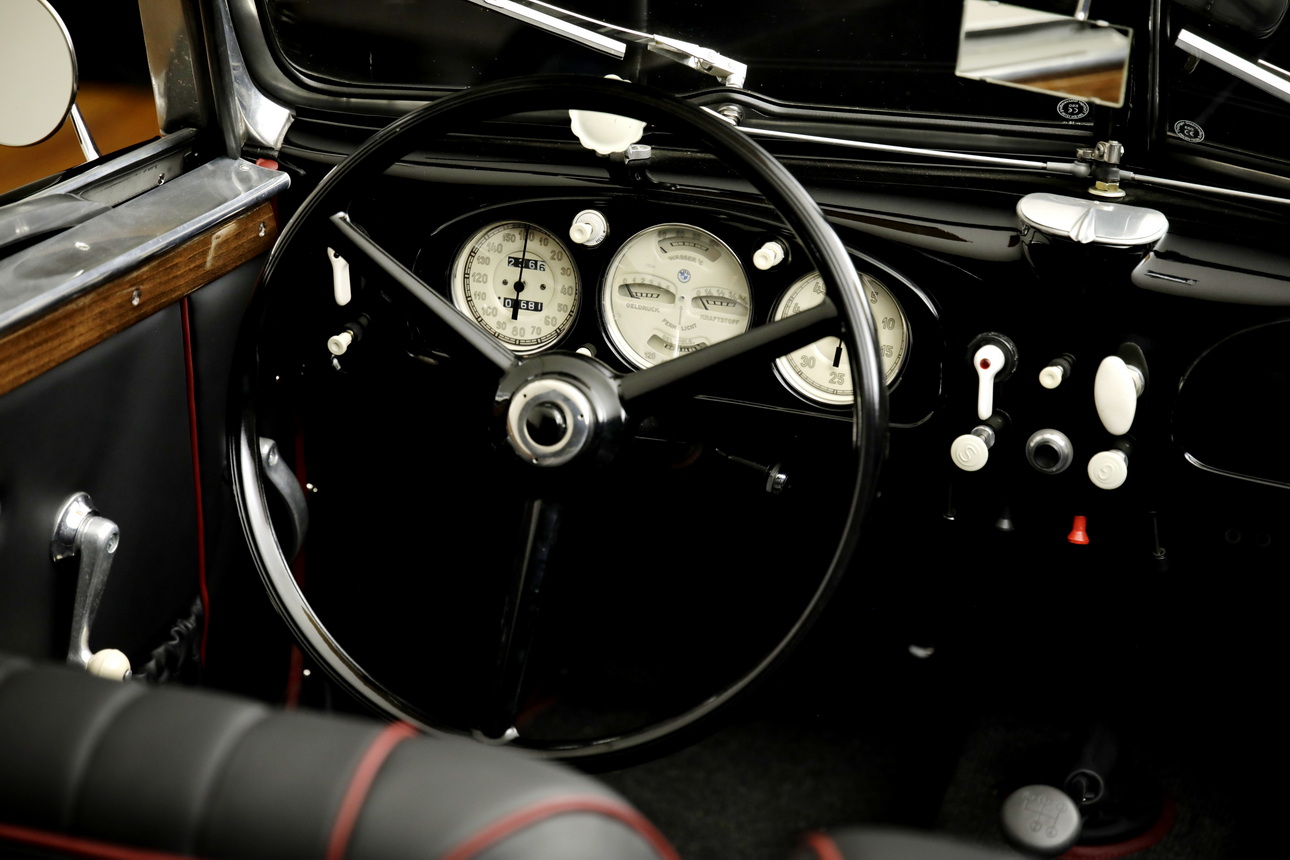
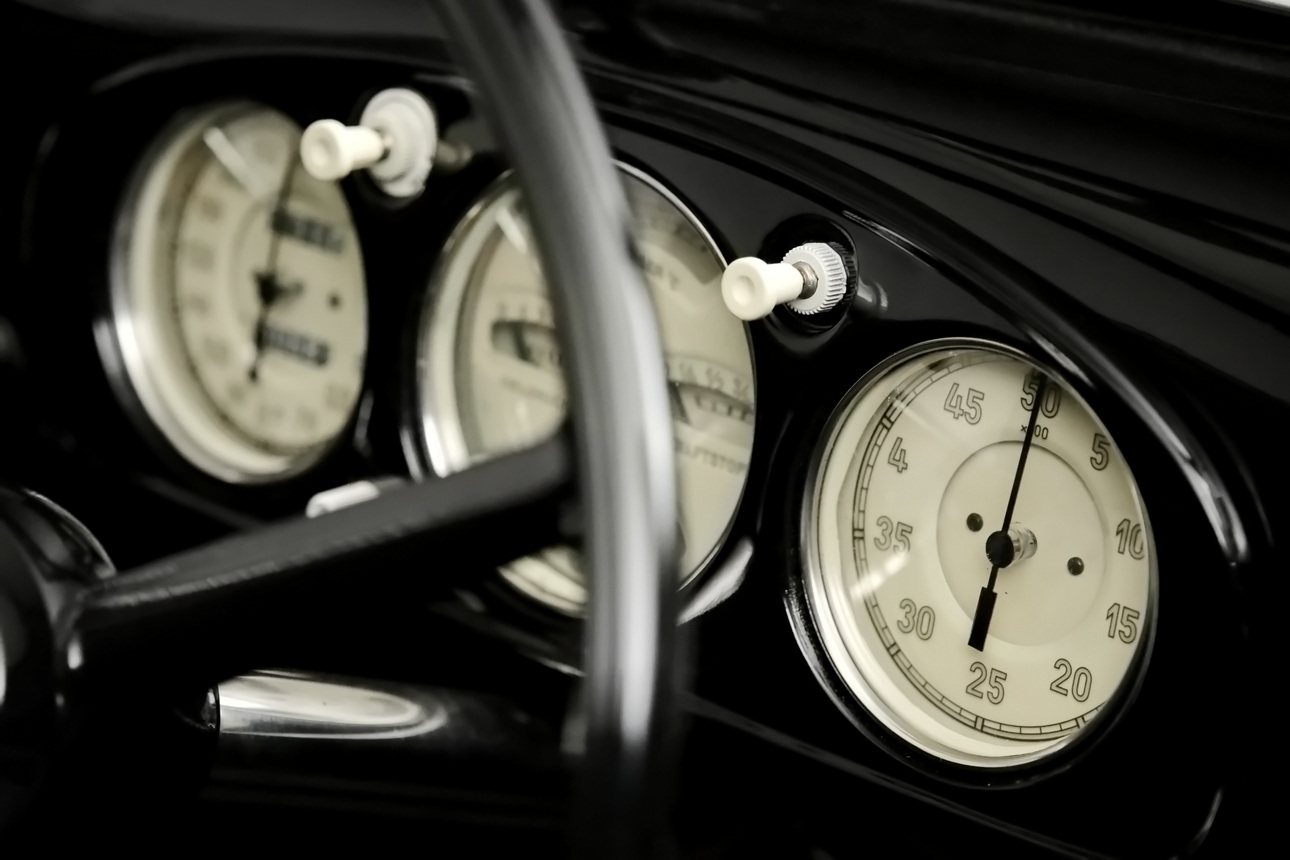
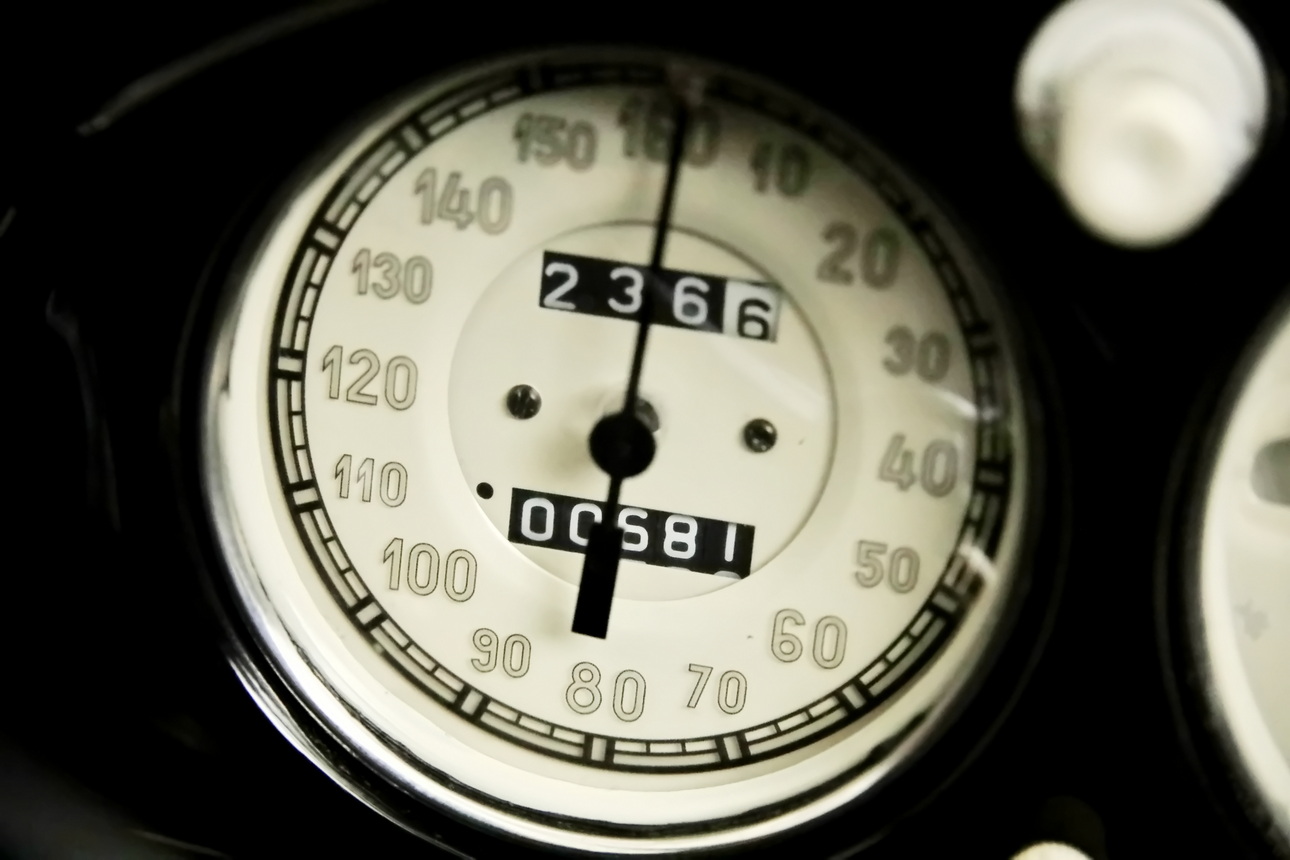
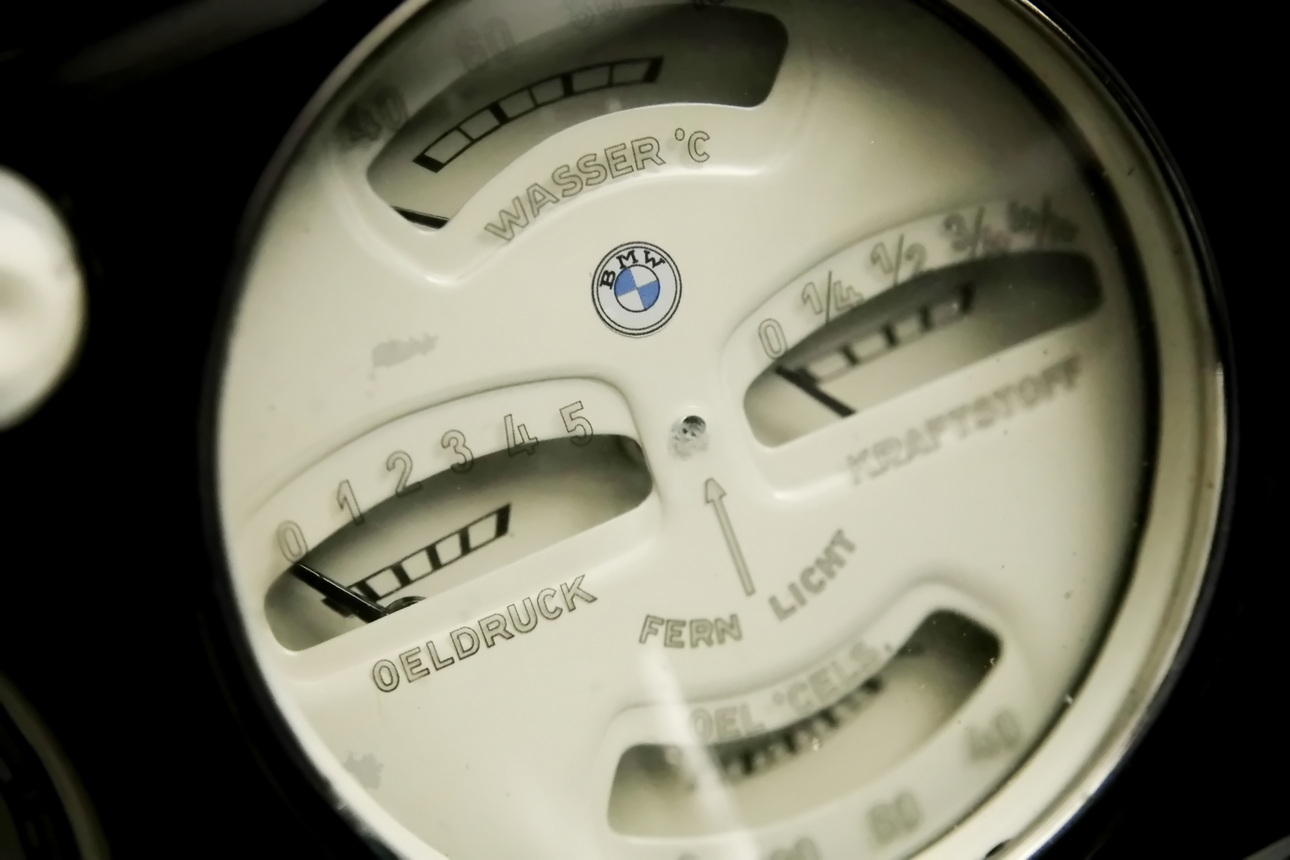
The interior, including the seats, dashboard and instruments, as well as the floor mats and trim, has been thoroughly refurbished or overhauled. The black leather seats feature red piping – a particularly beautiful, stylish detail.
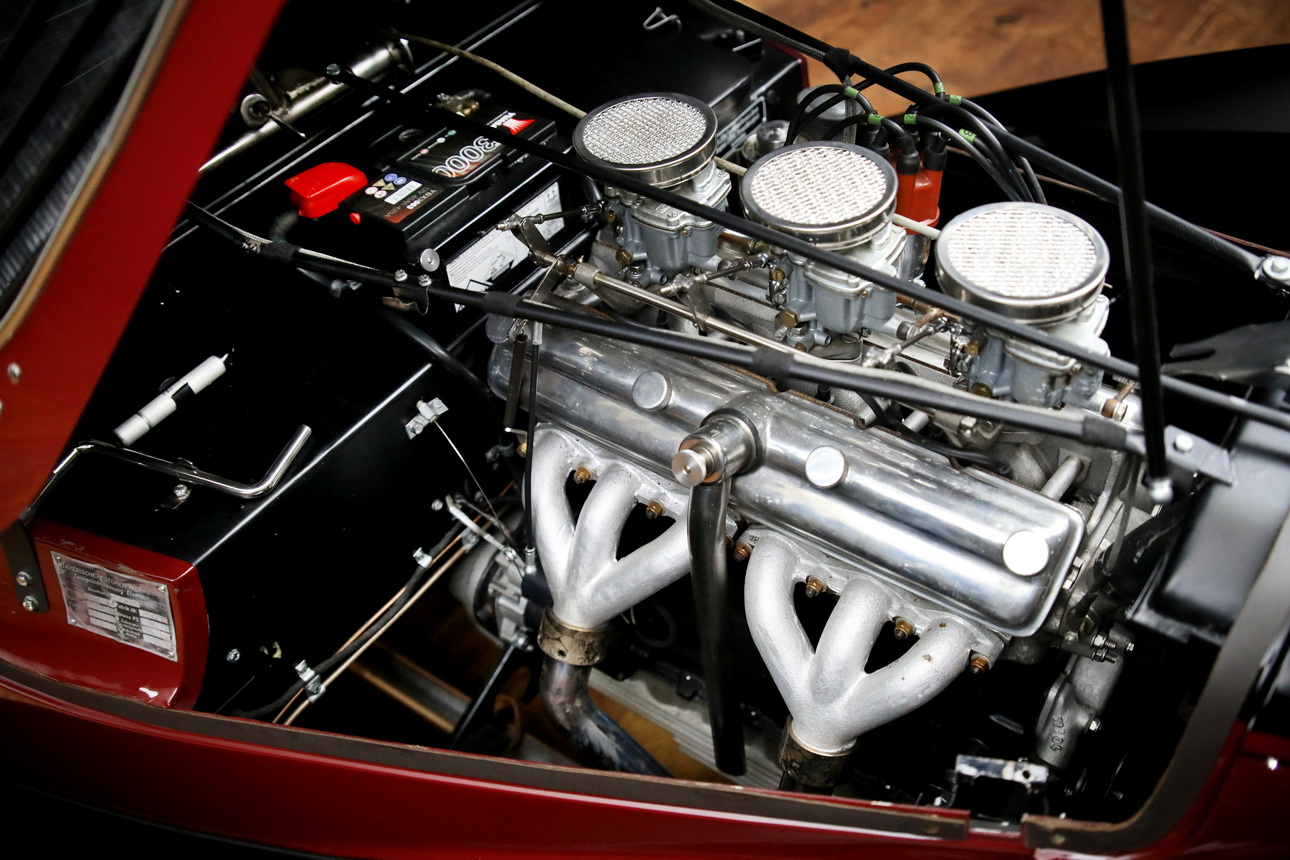
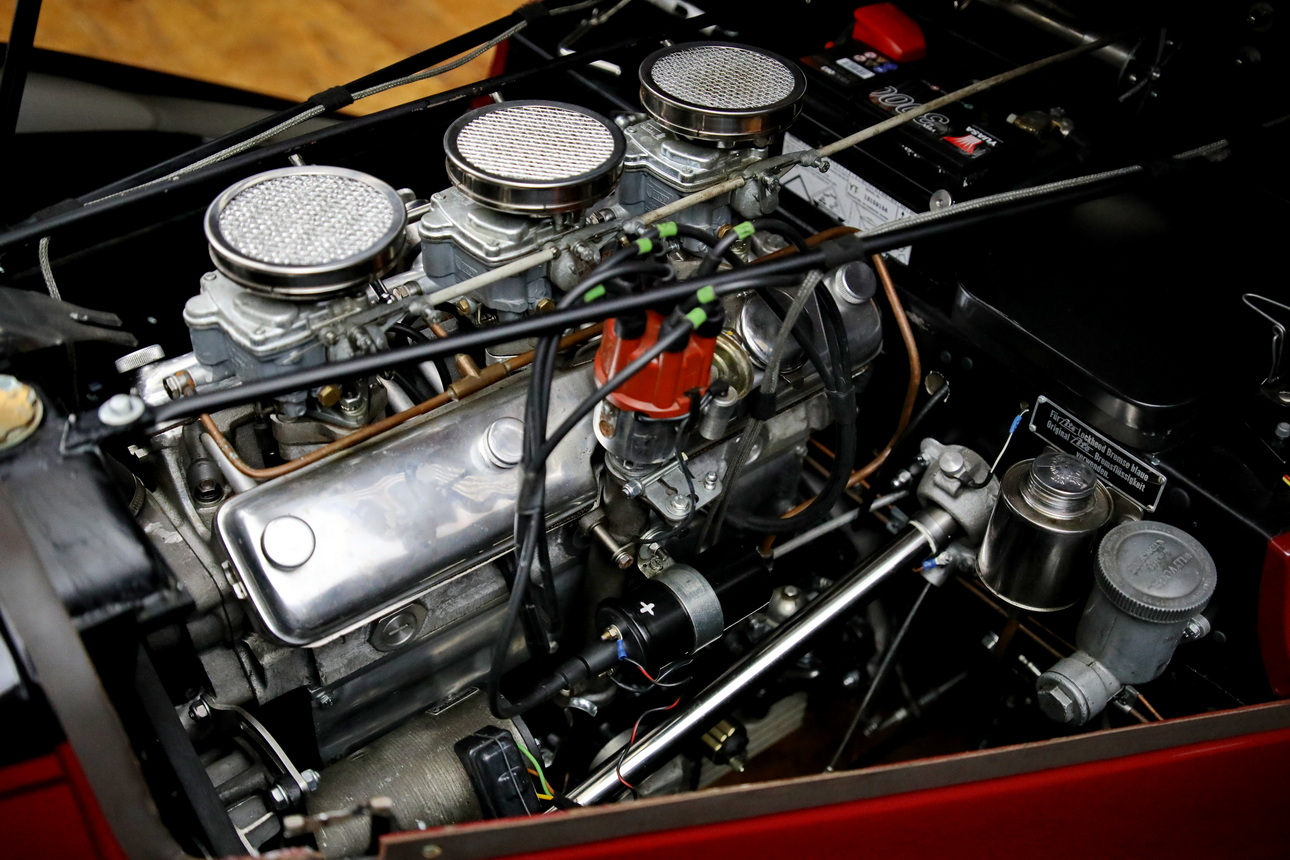
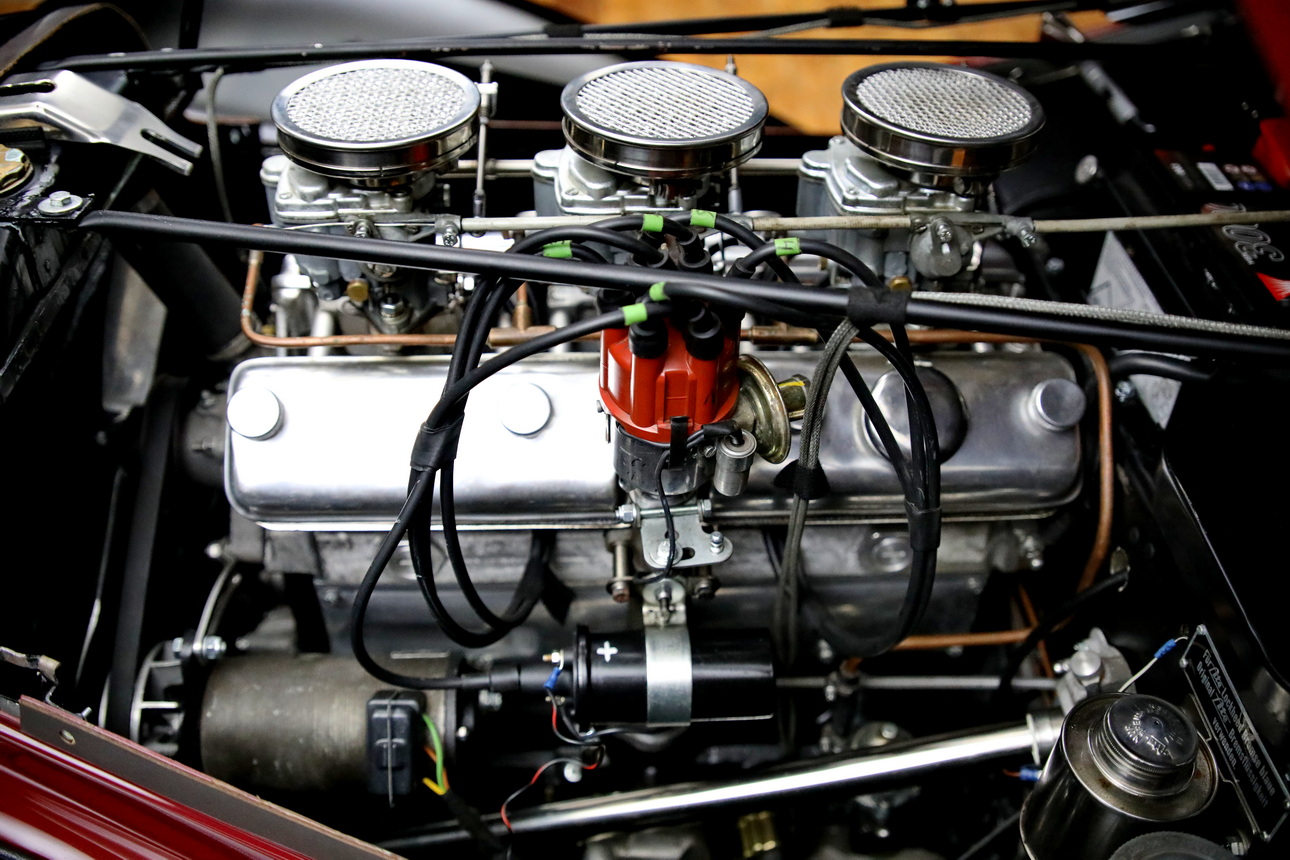
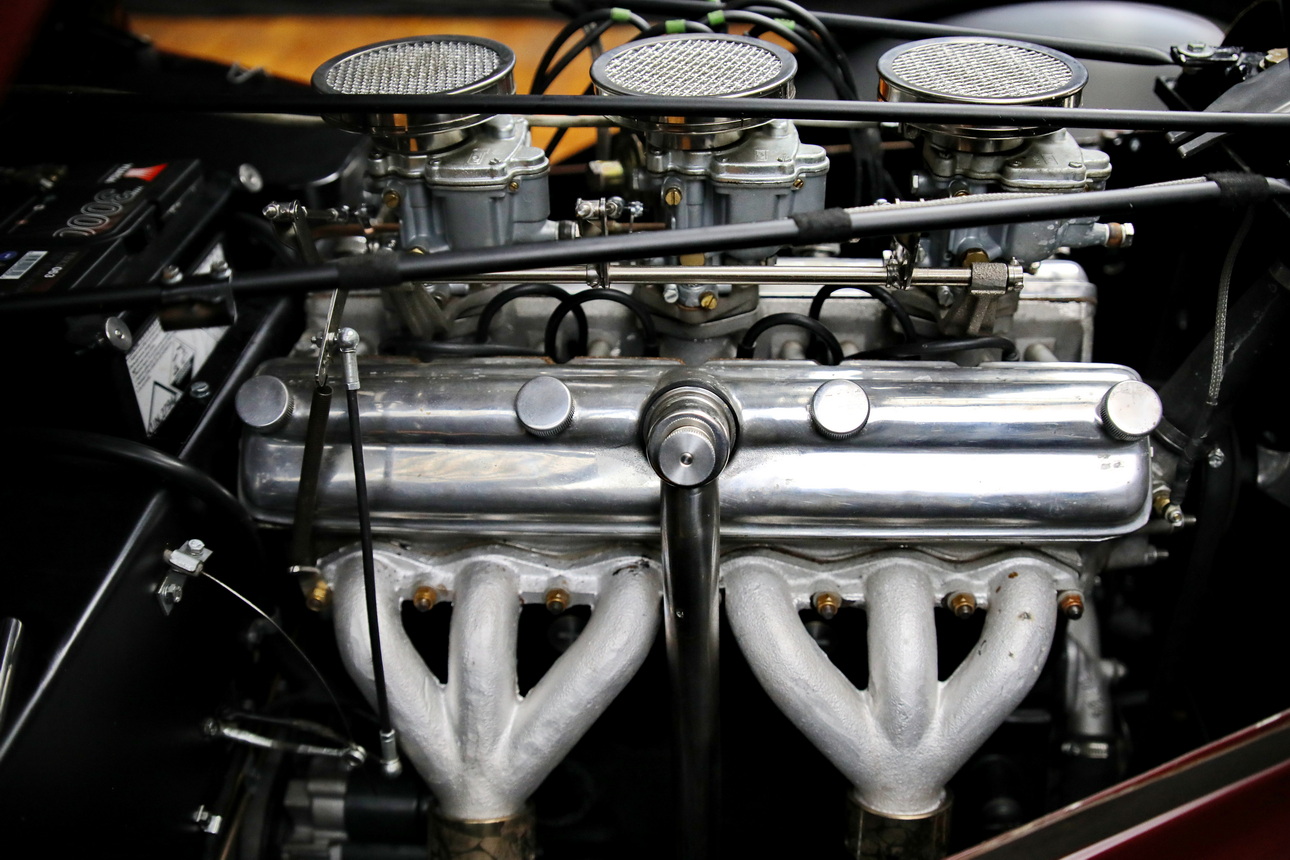
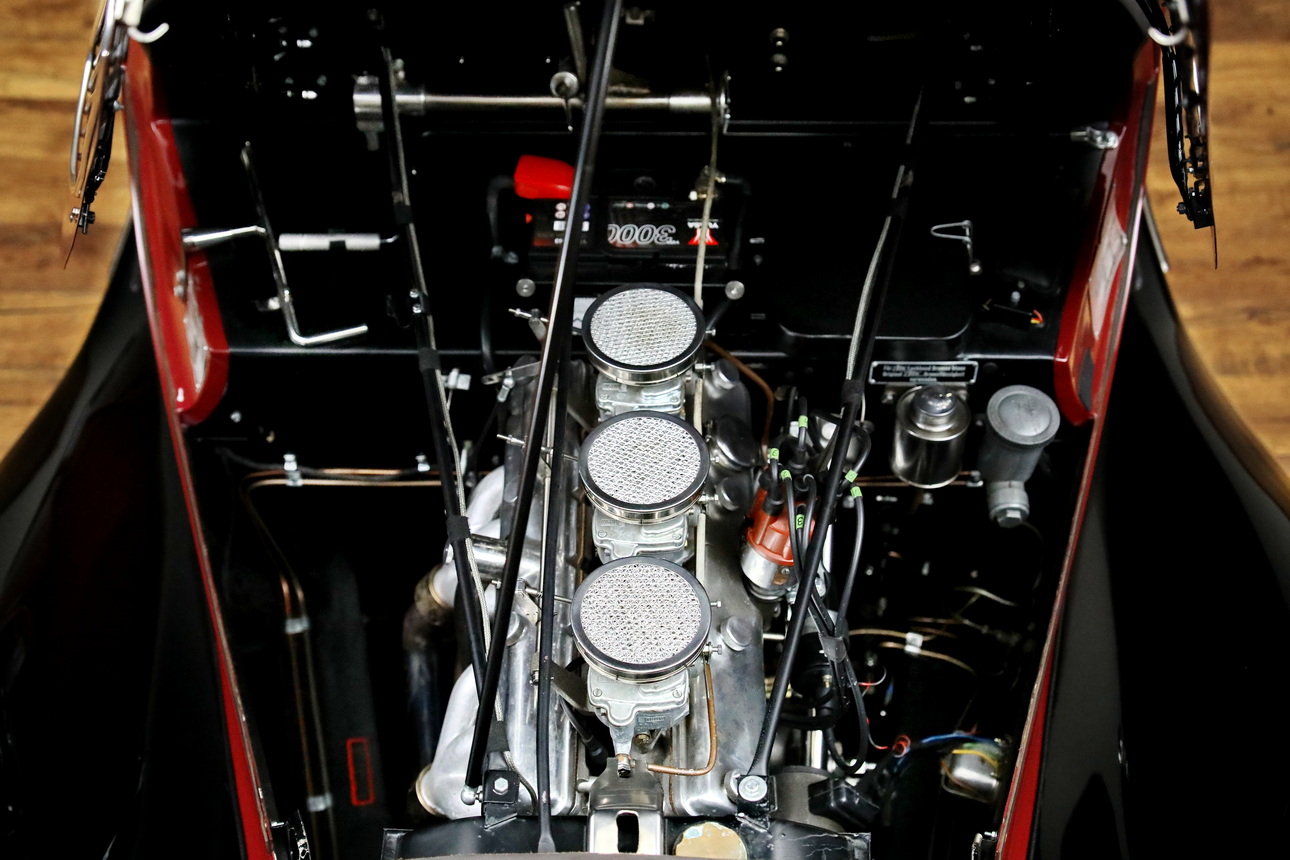
The engine fitted is a genuine replacement unit of the correct type. All bodywork components and auxiliary units have been fitted correctly. The engine runs beautifully, responds well to the throttle and has a sonorous six-cylinder sound. As part of the work carried out, the entire mechanical system, the chassis, the electrical system and the braking system have been overhauled or replaced. The underbody looks as good as new, with no damage, rust or patch welding. The manual gearbox is fully synchronised for improved drivability.
The car drives very smoothly and is easy to handle, with an excellent steering geometry. The restoration costs incurred are likely to far exceed the current purchase price. A superb BMW 327/28 Cabriolet for carefree enjoyment !
Model History
When BMW launched the 327 in 1937, the brand had already established an excellent reputation for technically sophisticated and sporty cars. With the BMW 327, the Munich-based engineers succeeded in combining sporty engineering with a particularly elegant body design. At the time, the Cabriolet was one of the most exclusive German cars in its class and is still considered one of the most beautiful pre-war BMW models today.
The technical base was the chassis of the BMW 326, which was shortened and lowered slightly for the 327. The bodywork was manufactured by Ambi-Budd in Berlin and was inspired by the modern design trends of the late 1930s. Particularly striking features include the long bonnet, the curved wings, the split windscreen and the spare wheel, which is elegantly integrated into the rear. The body was designed using a mixed construction method common at the time, comprising a wooden frame and sheet metal panelling, which combined high rigidity with an attractive design.
Although the BMW 327 was already impressive in appearance, there was a desire for a more powerful engine than the 2-litre unit producing 55 PS that had been available until then. Consequently, the version designated 327/28, which went on sale in autumn 1938, was fitted with the tried-and-tested straight-six engine from the successful BMW 328 sports car. The 1,971 ccm engine was fitted with three carburettors and provided 80 hp at 5,000 rpm and gave the car performance figures that were exceptional for its class at the time. With a top speed of around 145 kph, the BMW 327/28 was one of the fastest open-top production cars of its era.
Particularly noteworthy was the successful combination of sporty performance and comfortable driving characteristics. Whilst many high-performance vehicles of that era were often designed for speed, the BMW 327/28 offered both a high level of travelling comfort and high-quality build quality. This made it suitable for both long journeys and sporty driving. The BMW 327/28 remained relatively exclusive. By the time production ceased in 1940, only 569 had been built, of which just 482 were convertibles. The small production run, its technical similarity to the legendary BMW 328 and its attractive design make the BMW 327/28 a rare and exclusive classic car today.
This Automobile
This BMW 327/28 Cabriolet was manufactured in 1938 at the BMW plant in Eisenach, fitted with the 80 PS engine of the BMW 328, and was subsequently exported to Sweden in 1939. An archive list – presumably from a Swedish BMW club – relating to this vehicle lists all of the car’s owners, along with their registration details and dates, up to 1965. According to this, the car remained with its first owner in Stockholm until 1950. The list then records further owners in Sweden until the 327/28 moved to Norway with its owner in 1965.
The BMW later returned to Germany and, a few years ago, underwent a comprehensive restoration by a renowned specialist for BMW 327 and 328 models. As part of this work, the car was dismantled into its individual components and restored to as-new condition. The bodywork is in excellent condition and the same applies to all fittings and the chrome trim. The soft top, including the mechanism, looks as good as new. The new paintwork, in a period-correct two-tone scheme of black and dark red, is of a high standard and has a sporty yet elegant appearance. The interior, including the seats, dashboard and instruments, as well as the floor mats and trim, has been thoroughly refurbished or overhauled. The black leather seats feature red piping – a particularly beautiful, stylish detail.
The engine fitted is a genuine replacement unit of the correct type. All bodywork components and auxiliary units have been fitted correctly. The engine runs beautifully, responds well to the throttle and has a sonorous six-cylinder sound. As part of the work carried out, the entire mechanical system, the chassis, the electrical system and the braking system have been overhauled or replaced. The underbody looks as good as new, with no damage, rust or patch welding. The manual gearbox is fully synchronised for improved drivability.
The car drives very smoothly and is easy to handle, with an excellent steering geometry. The restoration costs incurred are likely to far exceed the current purchase price. A superb BMW 327/28 Cabriolet for carefree enjoyment !
Model History
When BMW launched the 327 in 1937, the brand had already established an excellent reputation for technically sophisticated and sporty cars. With the BMW 327, the Munich-based engineers succeeded in combining sporty engineering with a particularly elegant body design. At the time, the Cabriolet was one of the most exclusive German cars in its class and is still considered one of the most beautiful pre-war BMW models today.
The technical base was the chassis of the BMW 326, which was shortened and lowered slightly for the 327. The bodywork was manufactured by Ambi-Budd in Berlin and was inspired by the modern design trends of the late 1930s. Particularly striking features include the long bonnet, the curved wings, the split windscreen and the spare wheel, which is elegantly integrated into the rear. The body was designed using a mixed construction method common at the time, comprising a wooden frame and sheet metal panelling, which combined high rigidity with an attractive design.
Although the BMW 327 was already impressive in appearance, there was a desire for a more powerful engine than the 2-litre unit producing 55 PS that had been available until then. Consequently, the version designated 327/28, which went on sale in autumn 1938, was fitted with the tried-and-tested straight-six engine from the successful BMW 328 sports car. The 1,971 ccm engine was fitted with three carburettors and provided 80 hp at 5,000 rpm and gave the car performance figures that were exceptional for its class at the time. With a top speed of around 145 kph, the BMW 327/28 was one of the fastest open-top production cars of its era.
Particularly noteworthy was the successful combination of sporty performance and comfortable driving characteristics. Whilst many high-performance vehicles of that era were often designed for speed, the BMW 327/28 offered both a high level of travelling comfort and high-quality build quality. This made it suitable for both long journeys and sporty driving. The BMW 327/28 remained relatively exclusive. By the time production ceased in 1940, only 569 had been built, of which just 482 were convertibles. The small production run, its technical similarity to the legendary BMW 328 and its attractive design make the BMW 327/28 a rare and exclusive classic car today.