Jaguar E-Type Series II 4.2 Roadster

Highlights
Data & Facts
This Automobile
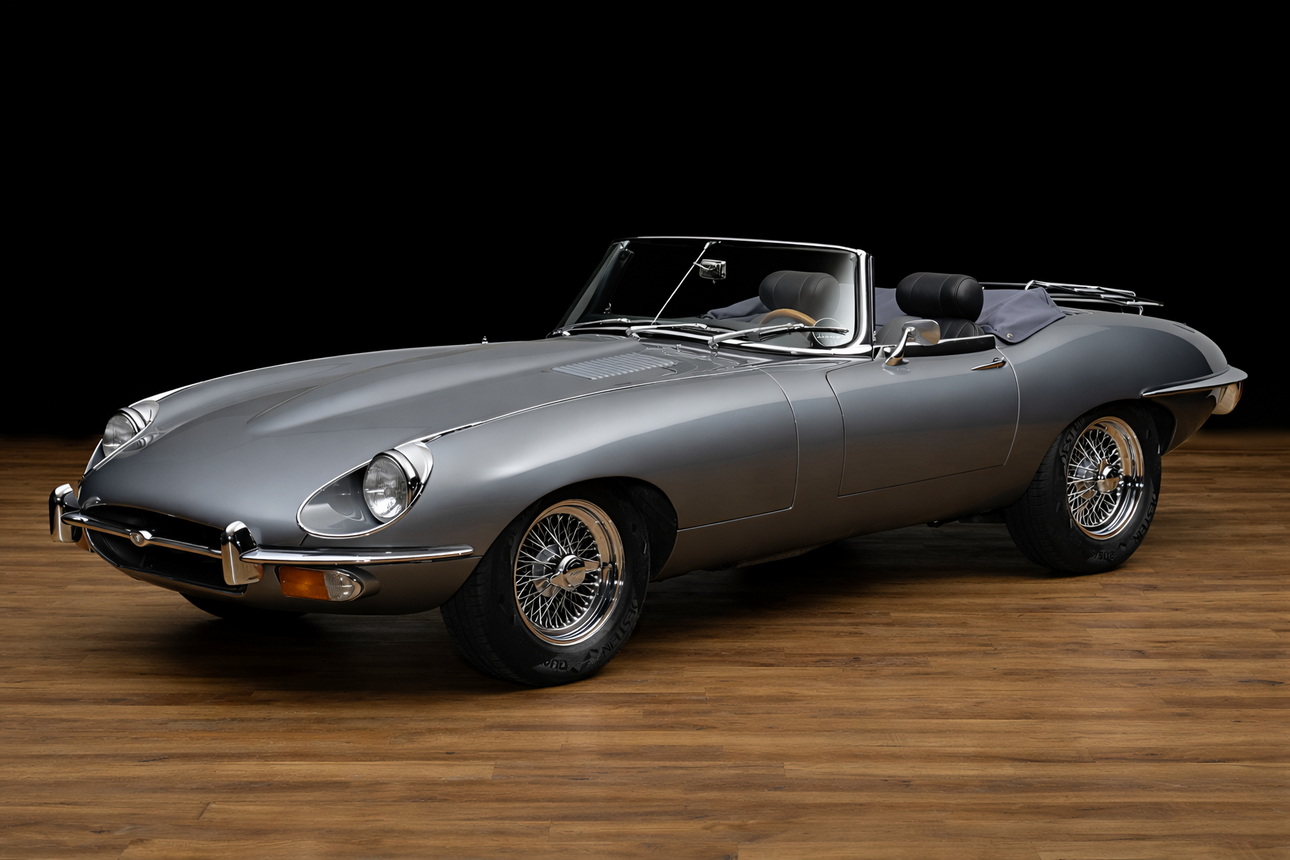
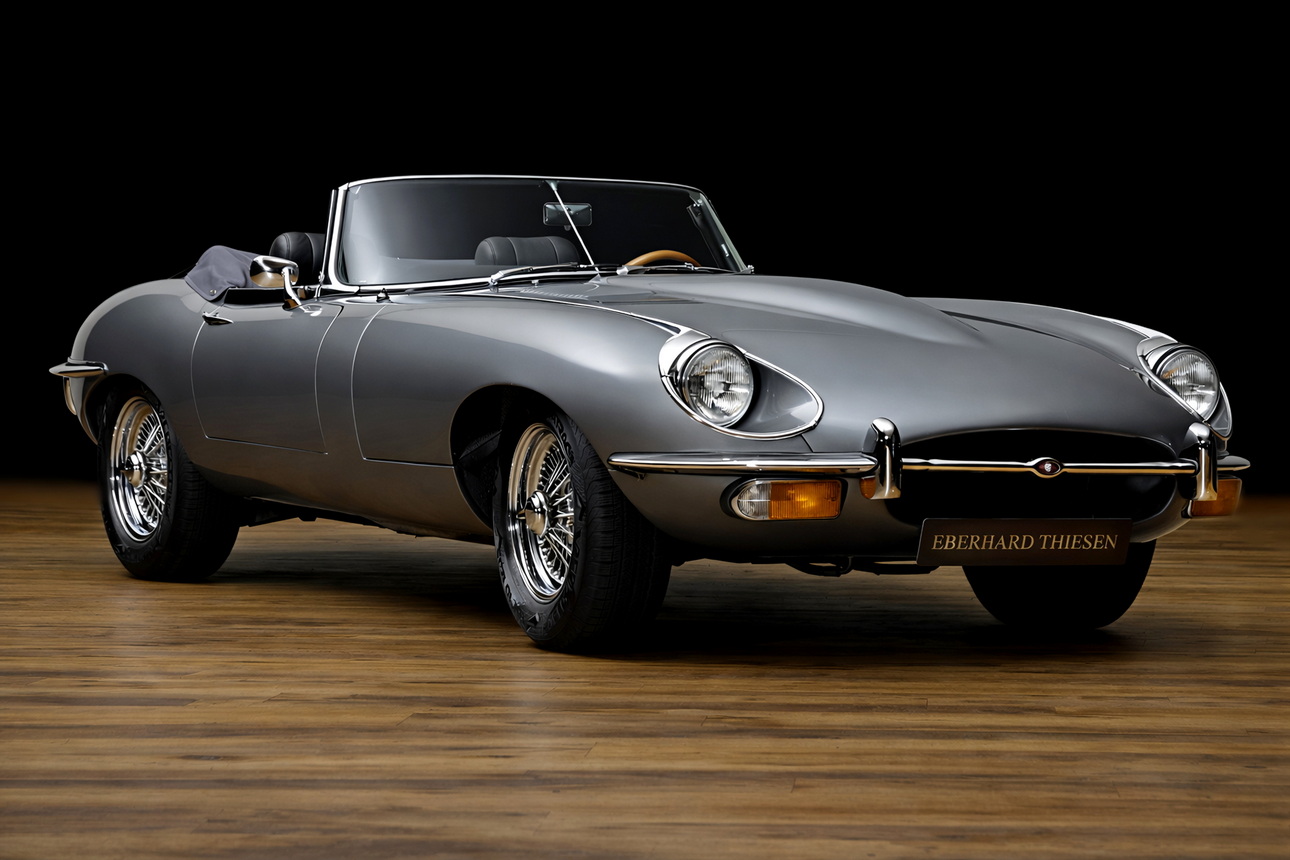
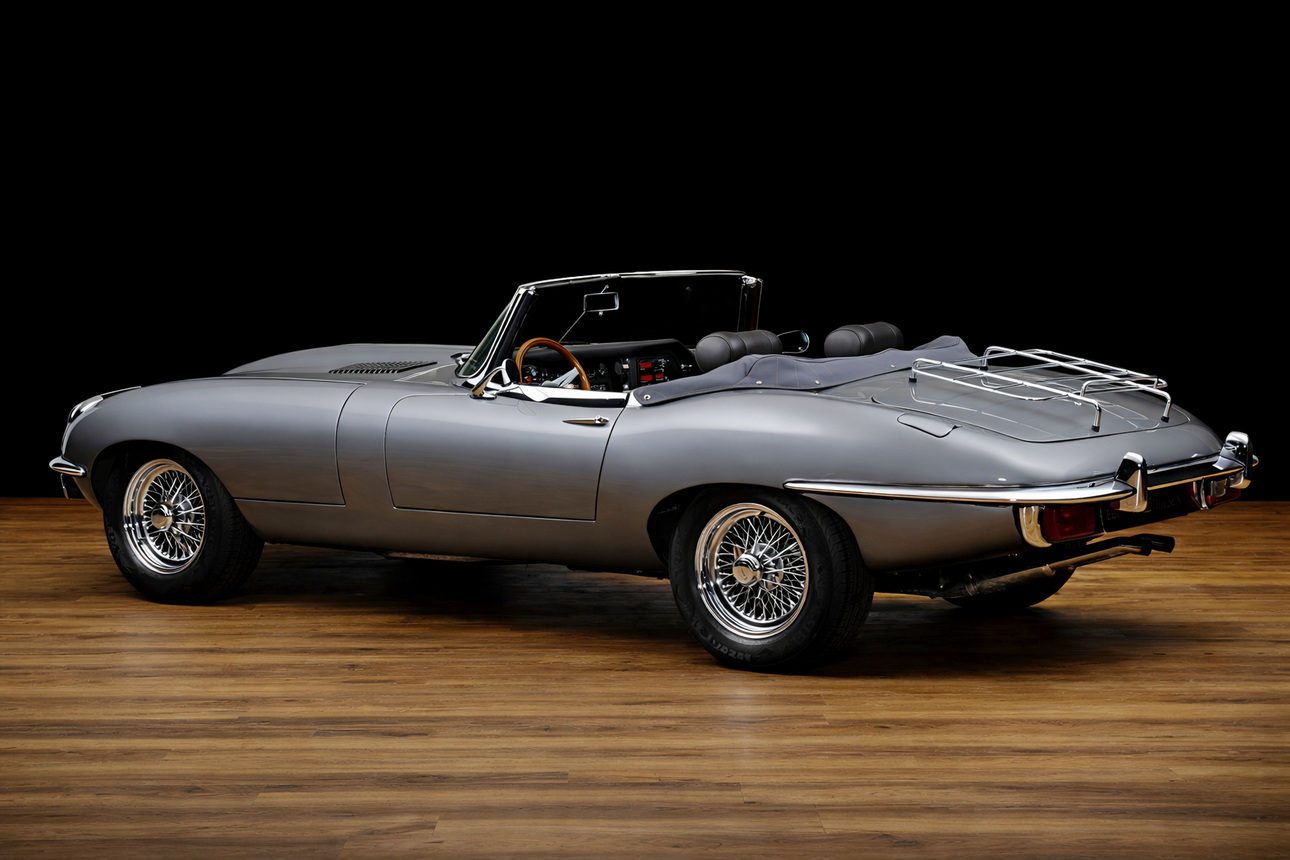
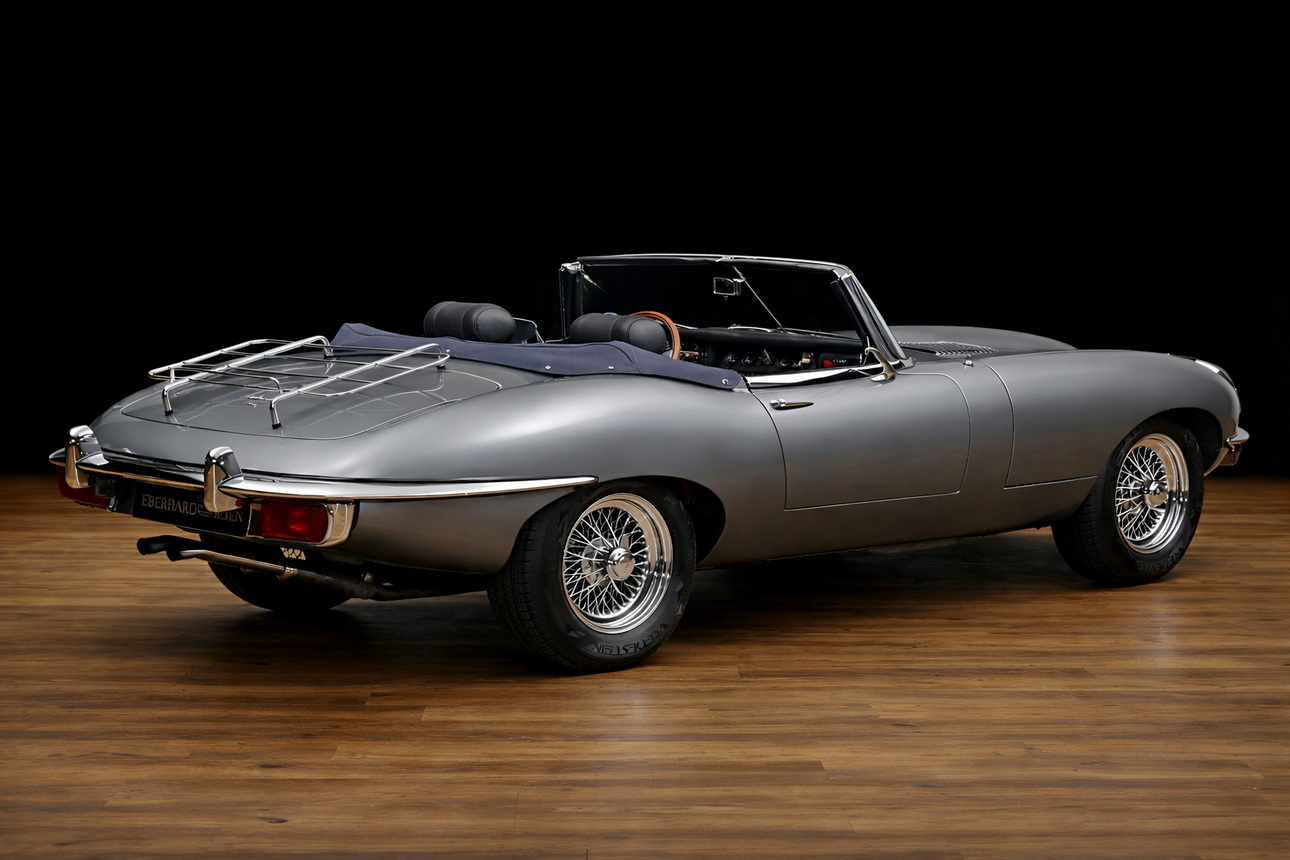
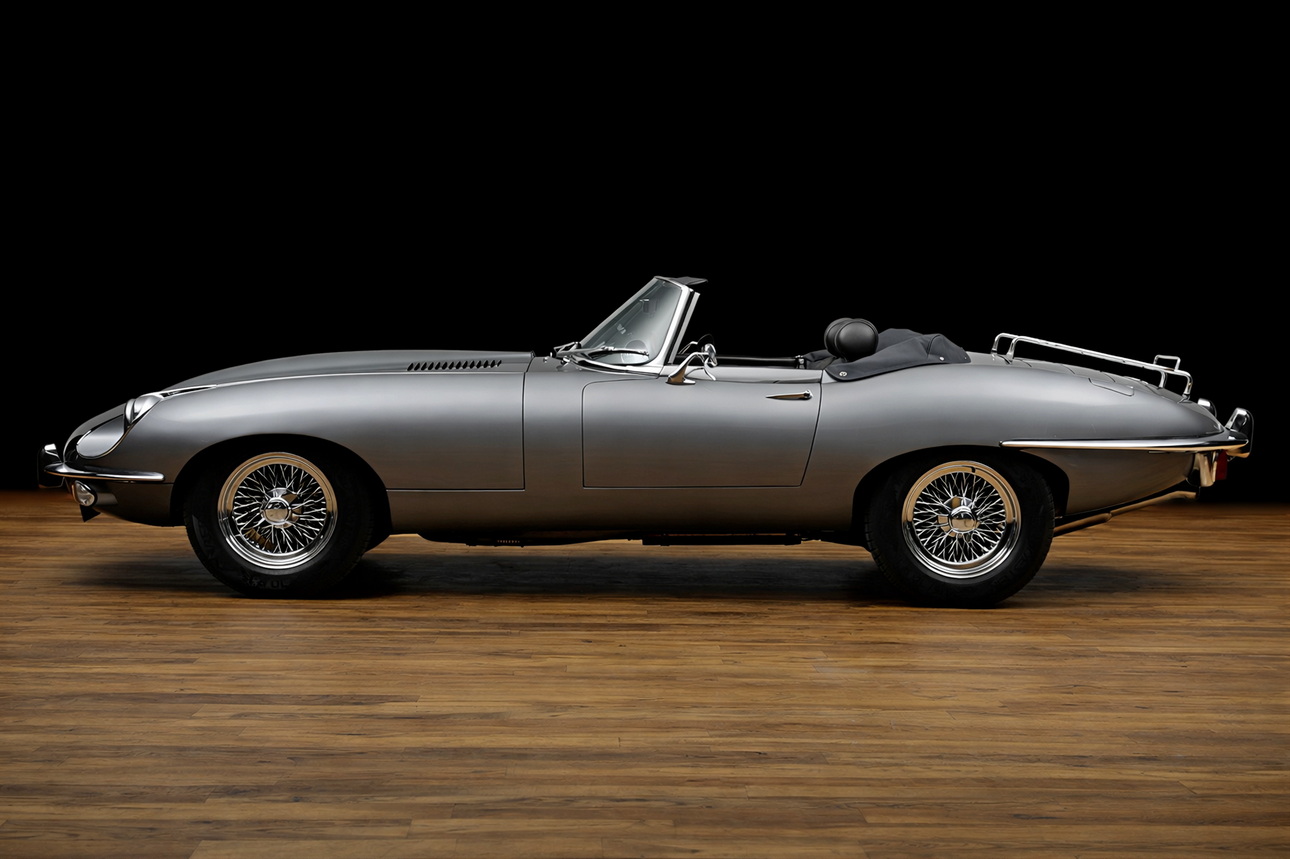
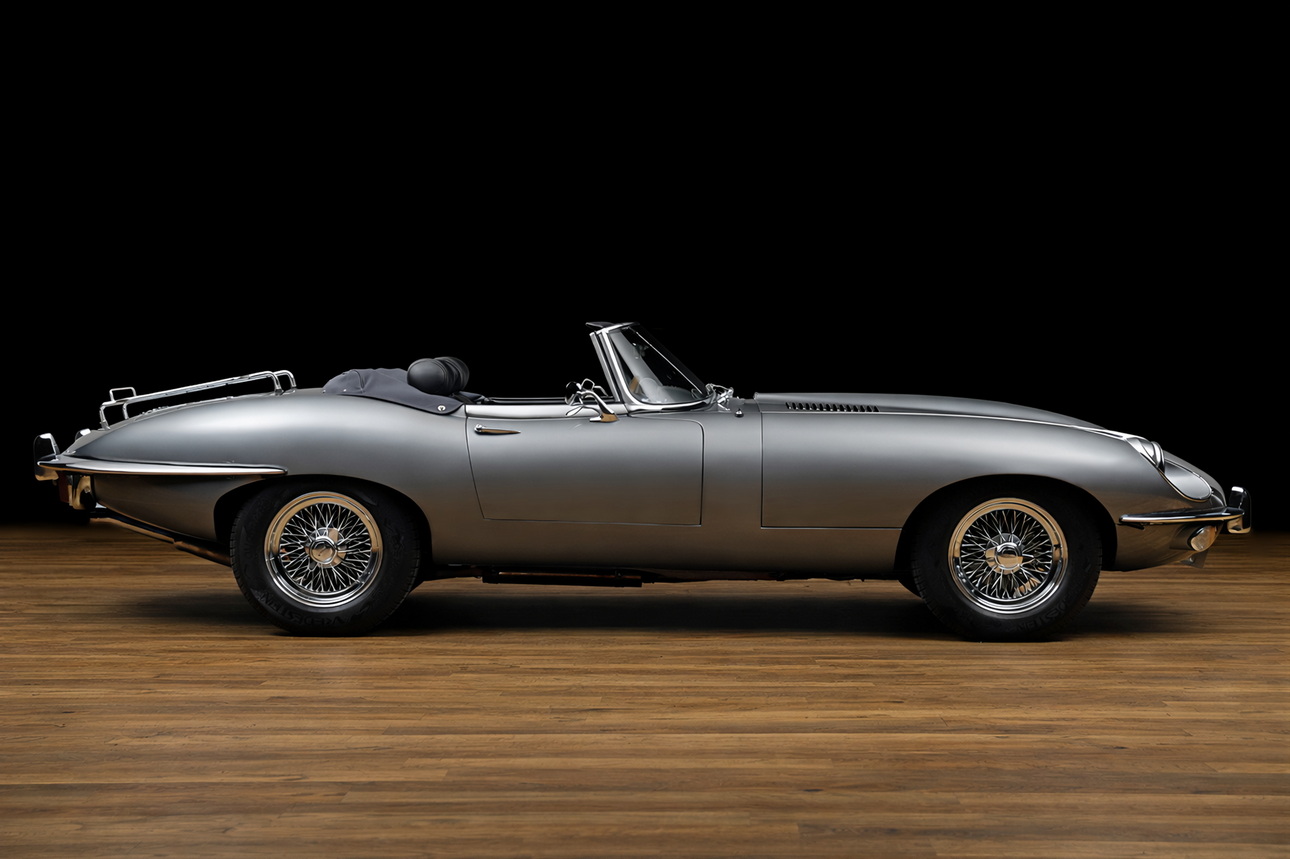
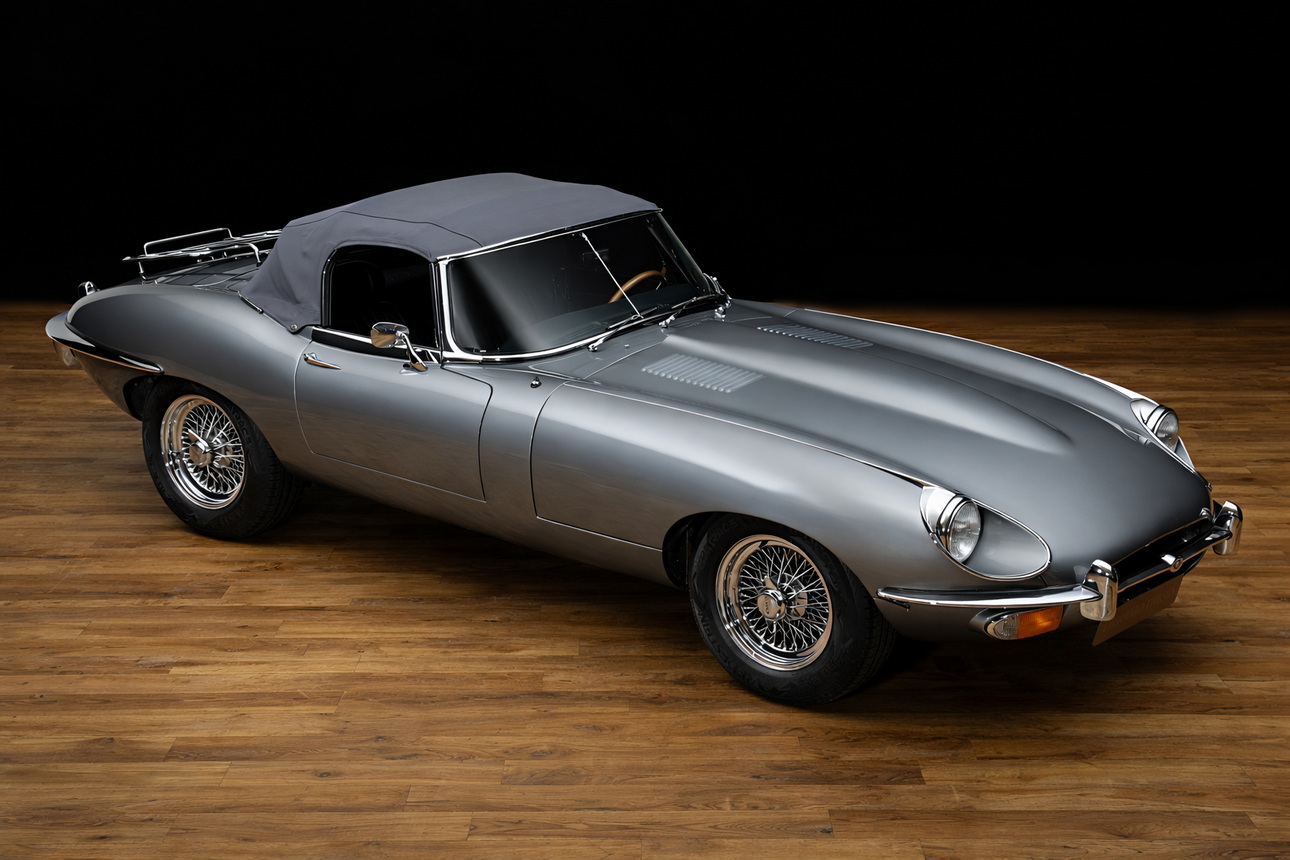
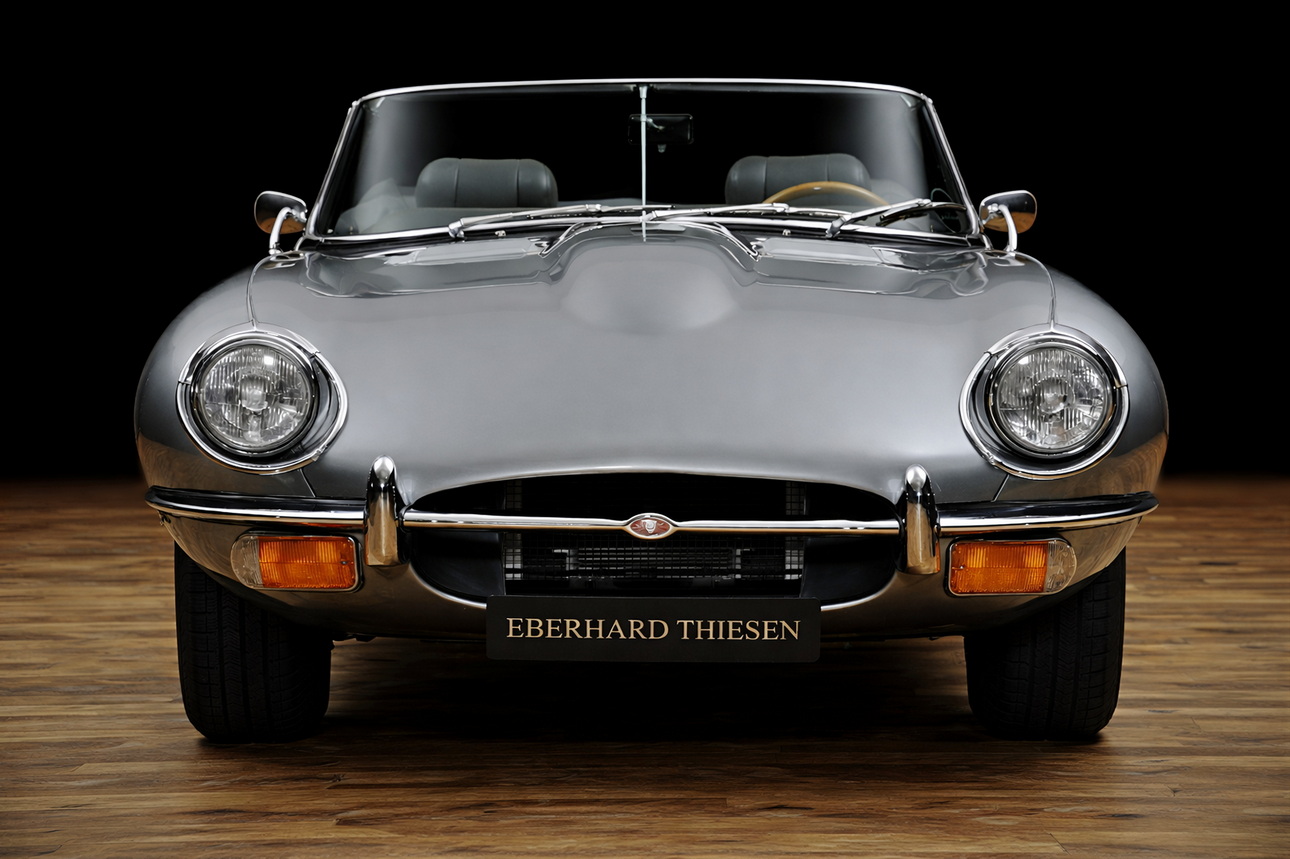
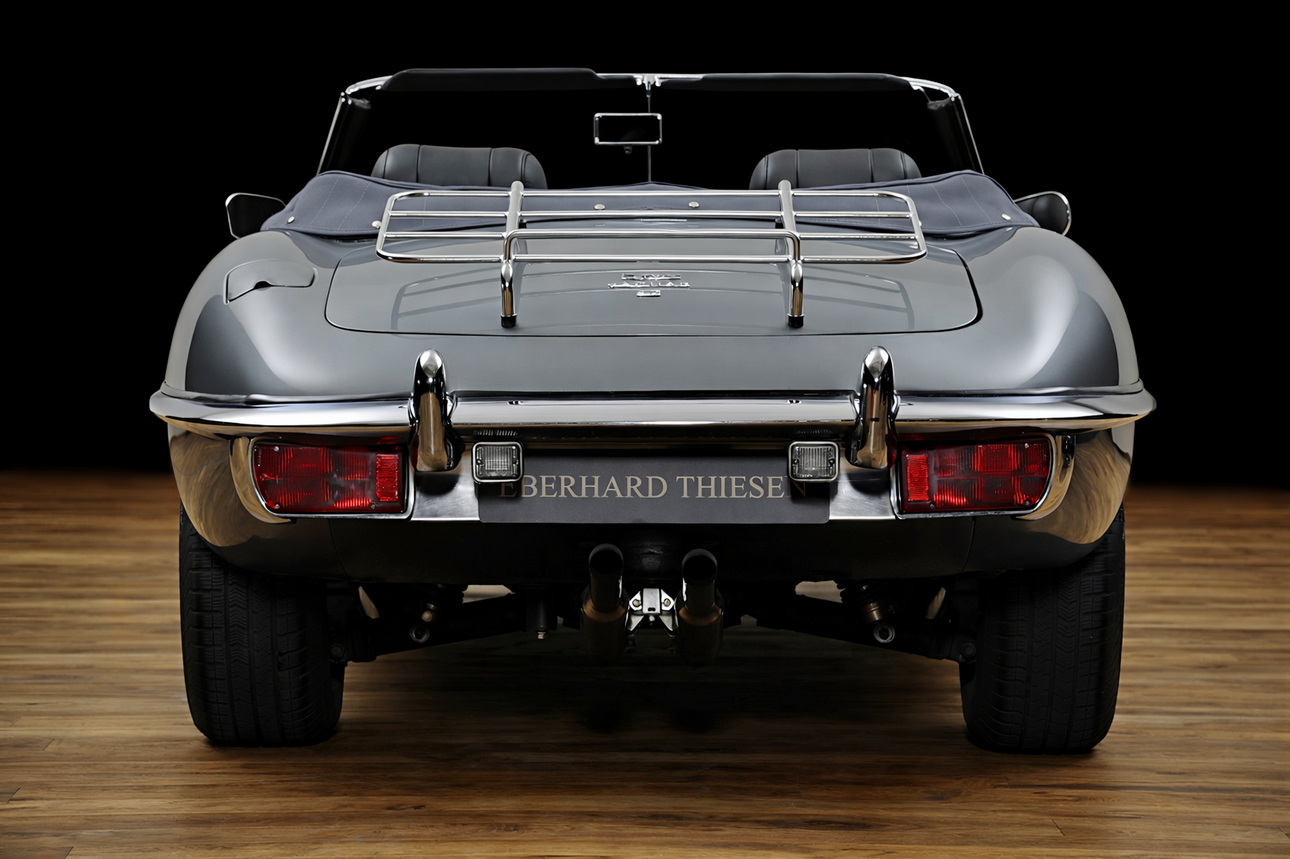
This Jaguar E-Type Series II is a classic Open Two Seater (roadster) equipped with the proven 4.2-liter inline six-cylinder engine and a manual four-speed gearbox. According to the Jaguar Heritage Certificate, the vehicle was manufactured on May 18, 1970, and originally delivered to the United States. The original colour combination was “Light Blue” with a black interior and a black soft top.
The car was imported from the United States to Germany in early 2006 and subsequently underwent an extensive restoration by the well-known classic car specialist Jobst Schriewer. Since then, the vehicle has had only one owner.
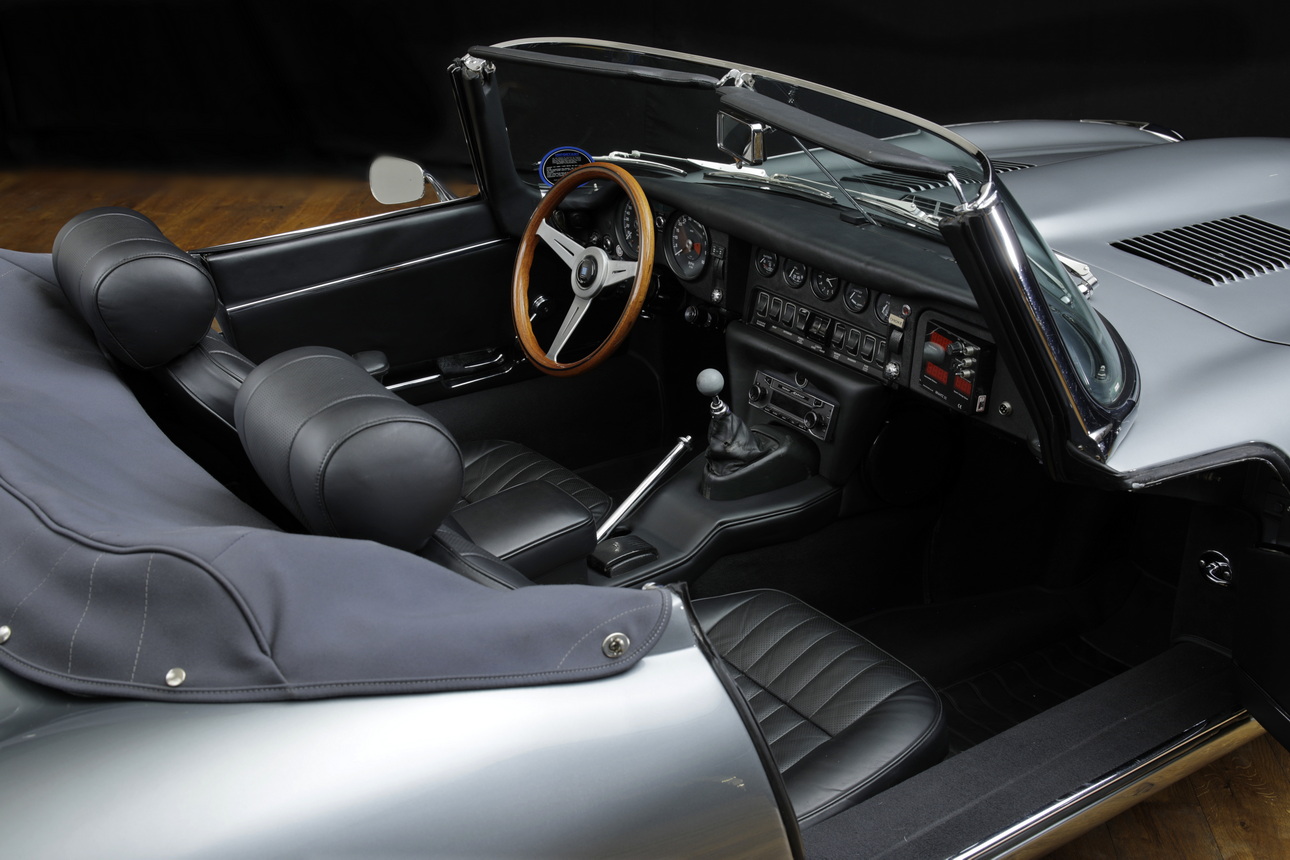
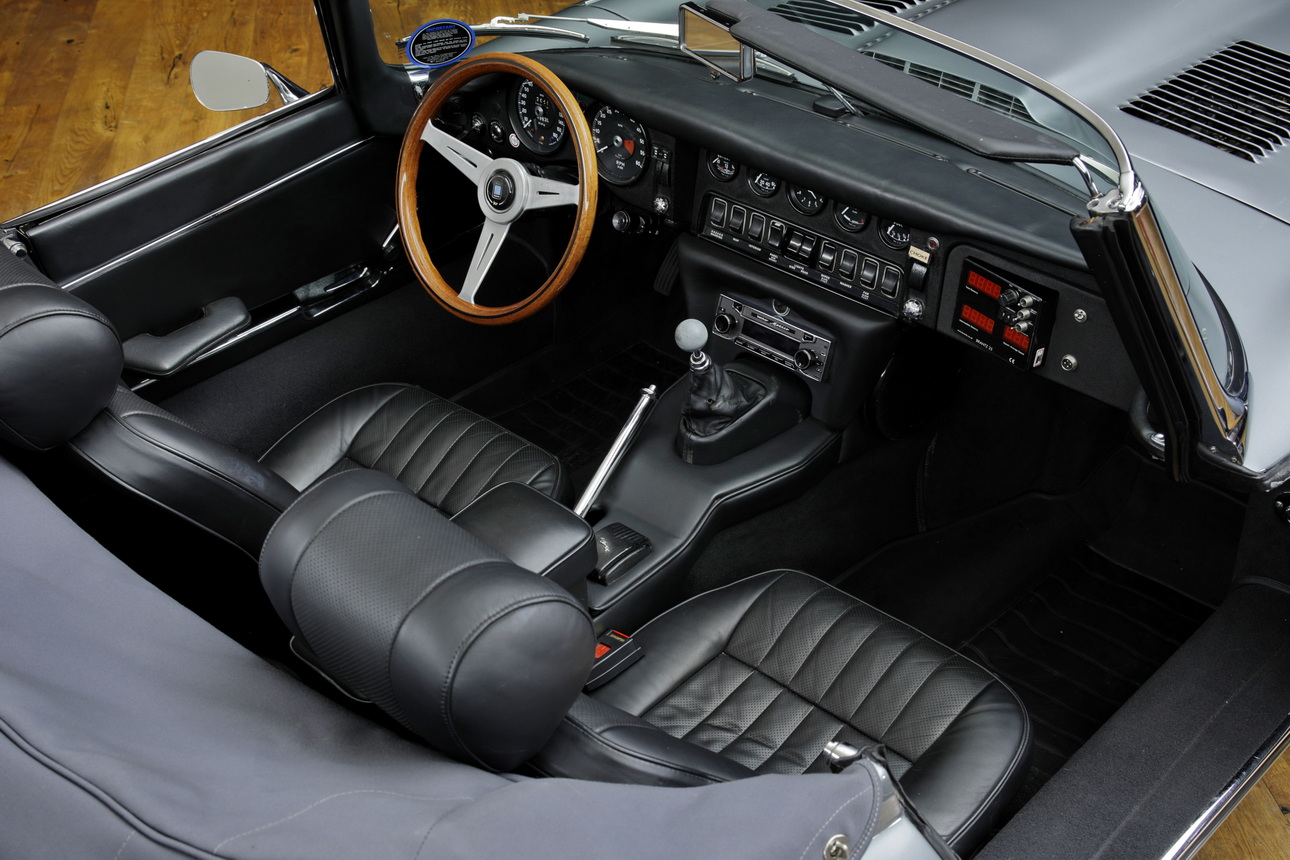
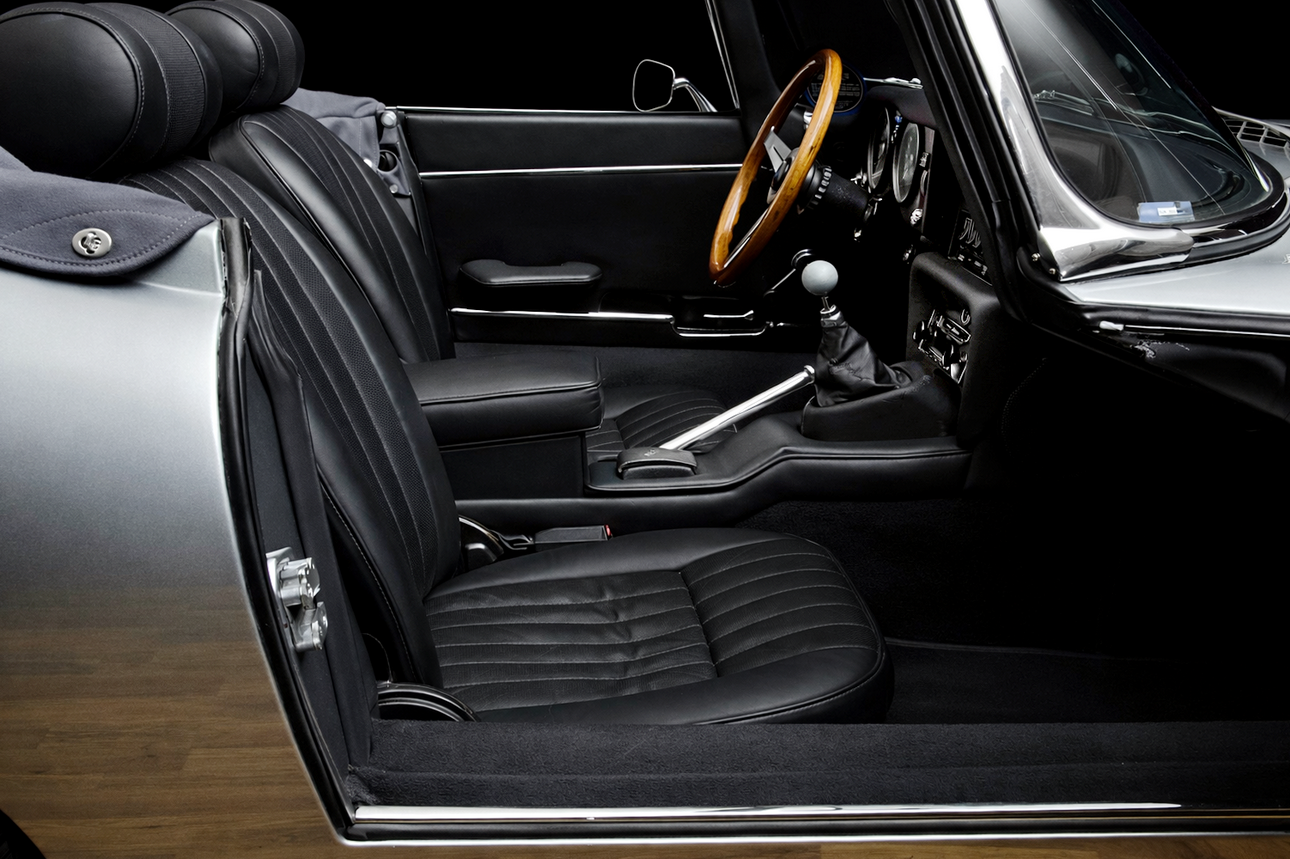
As part of the restoration, the bodywork was professionally repaired, the mechanical components were extensively overhauled, and the interior was meticulously renewed in keeping with the original specifications. Particular emphasis was placed on quality and the most authentic execution possible.
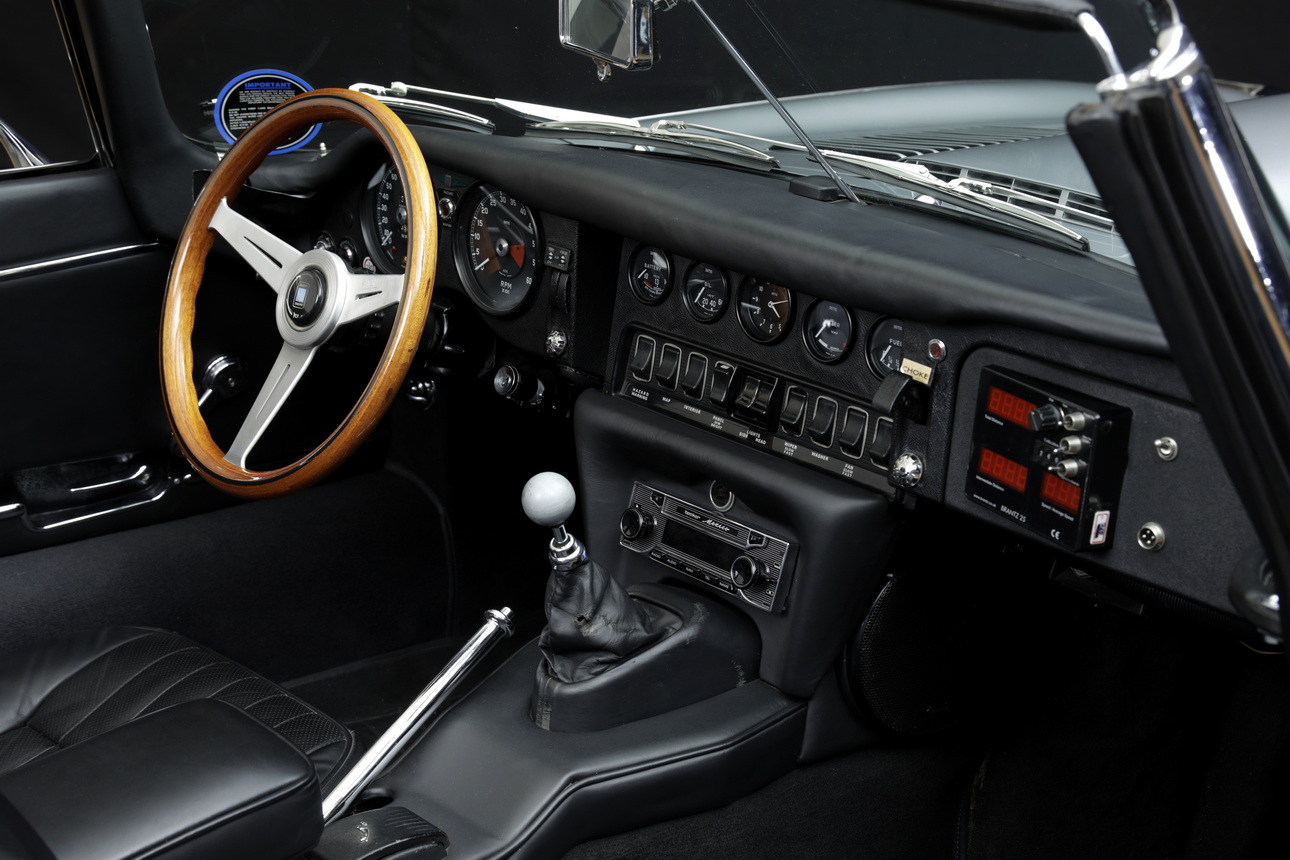
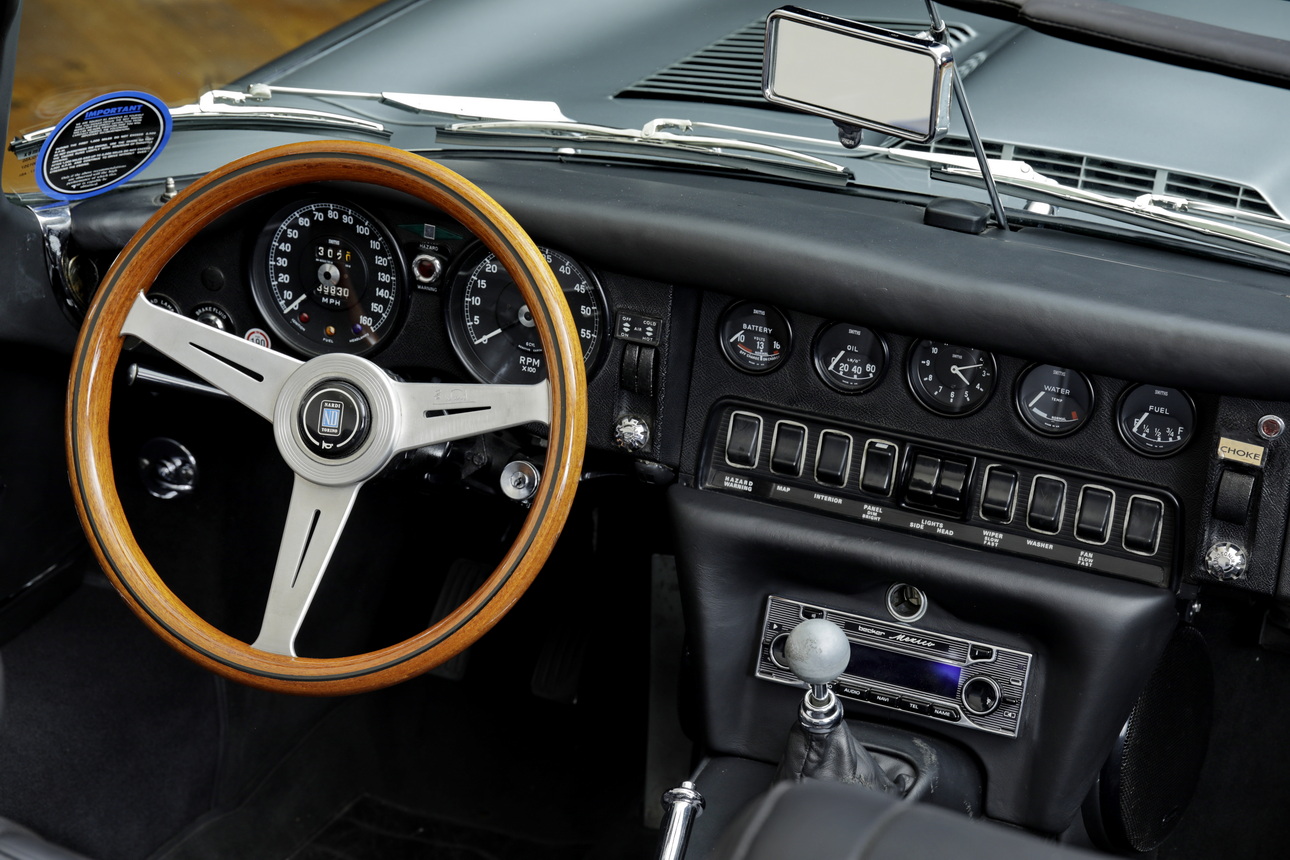
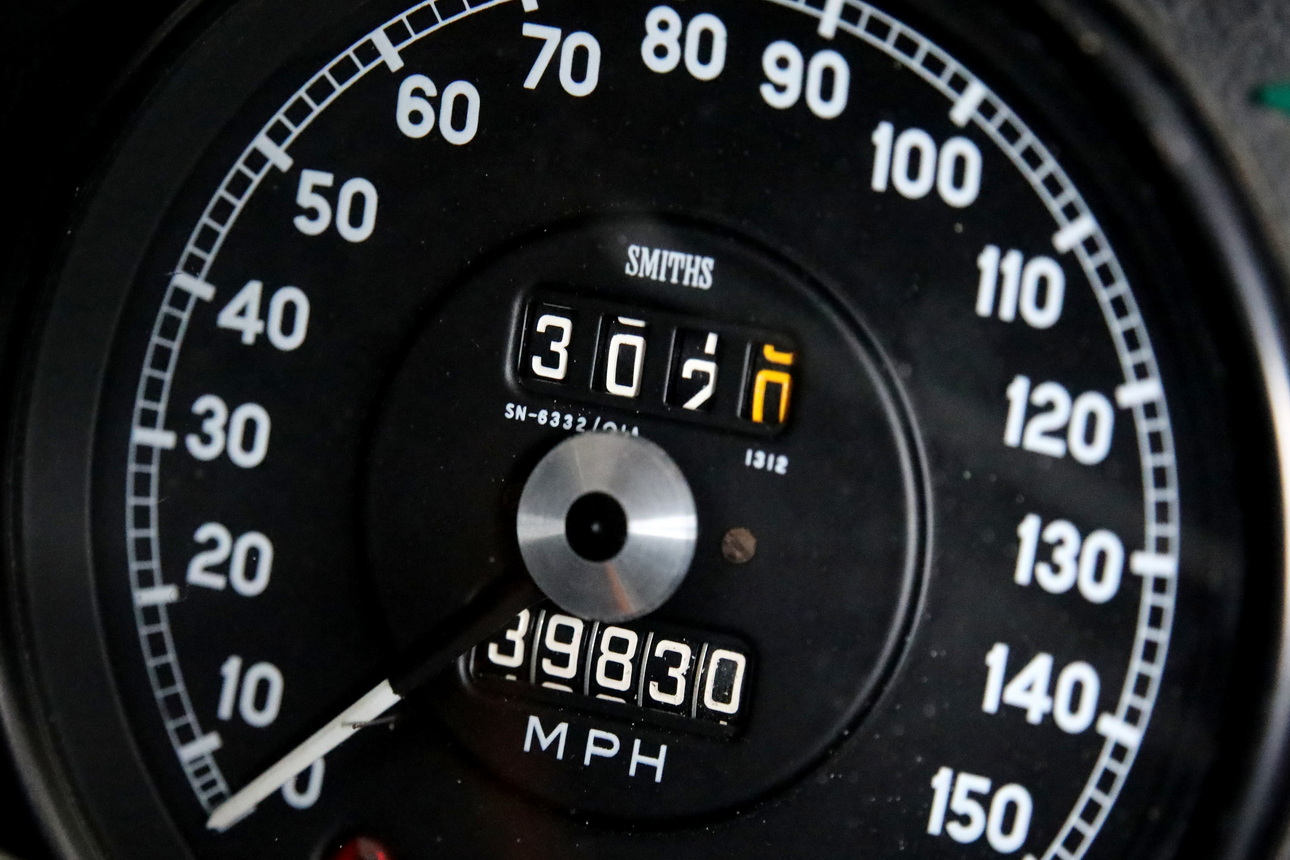
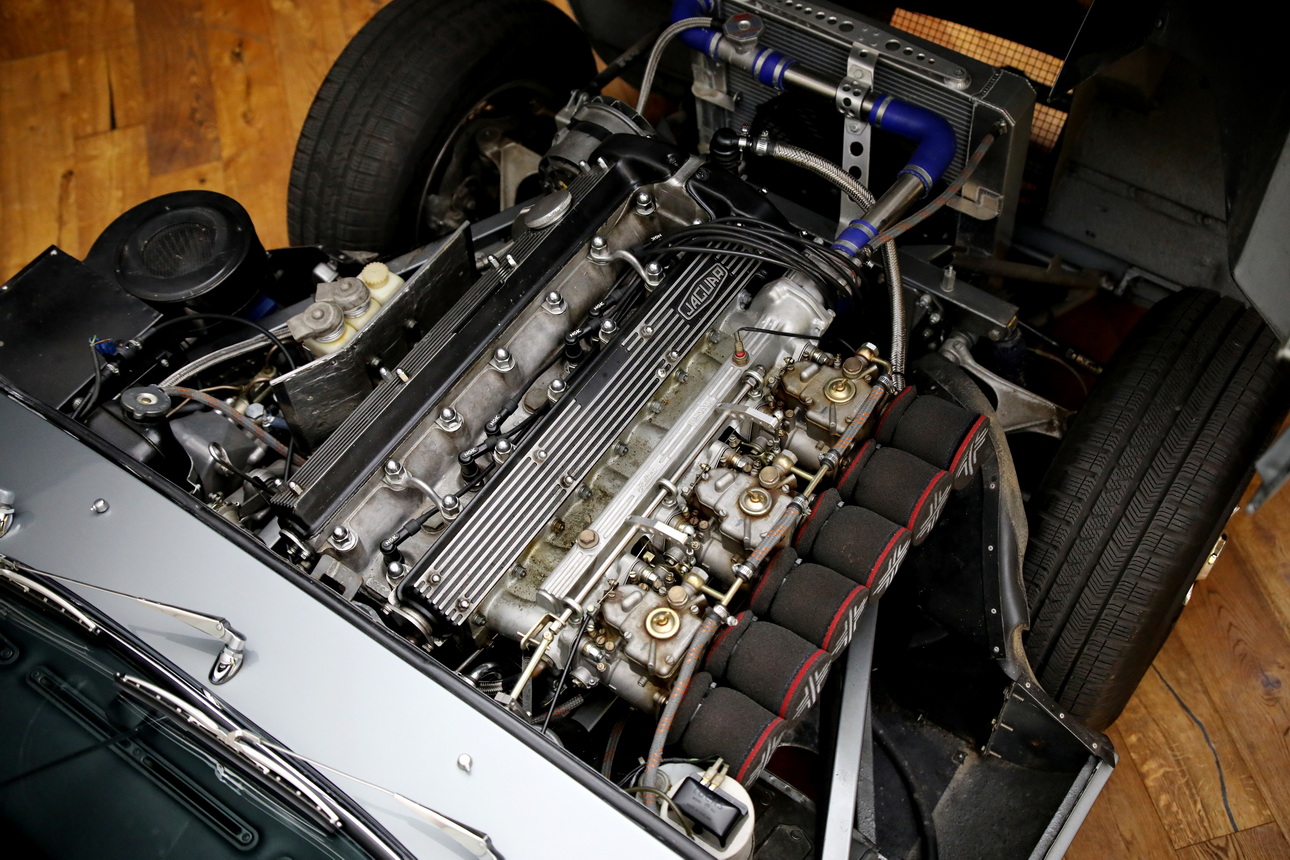
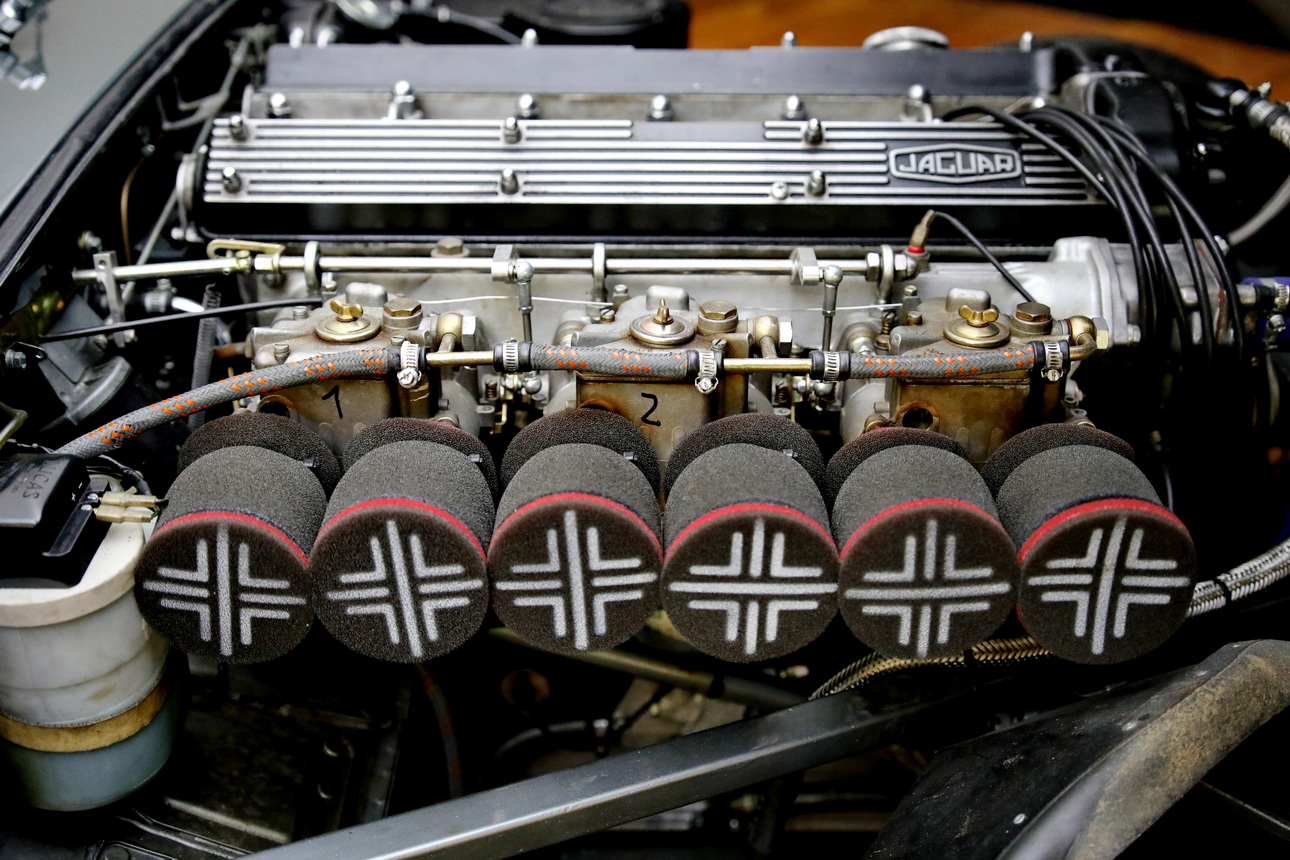
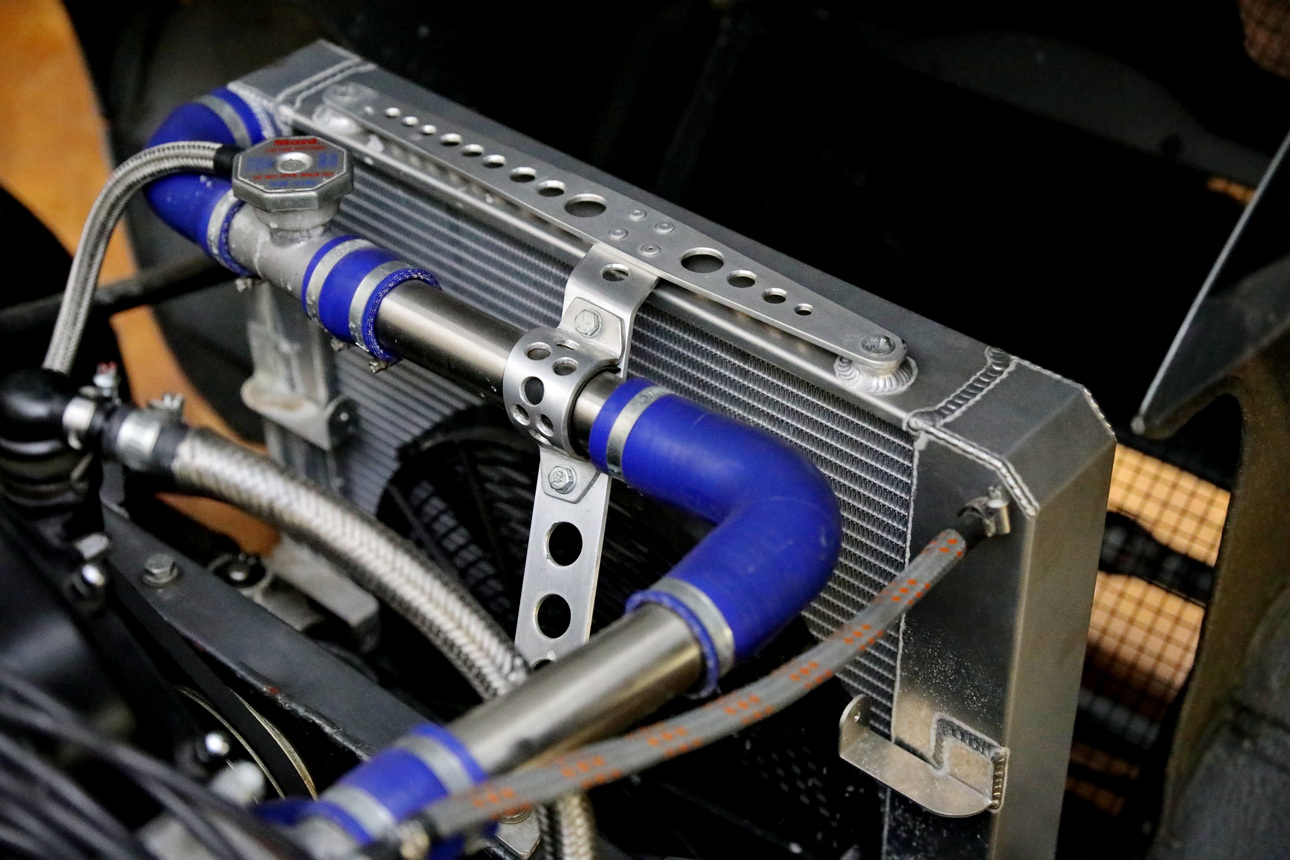
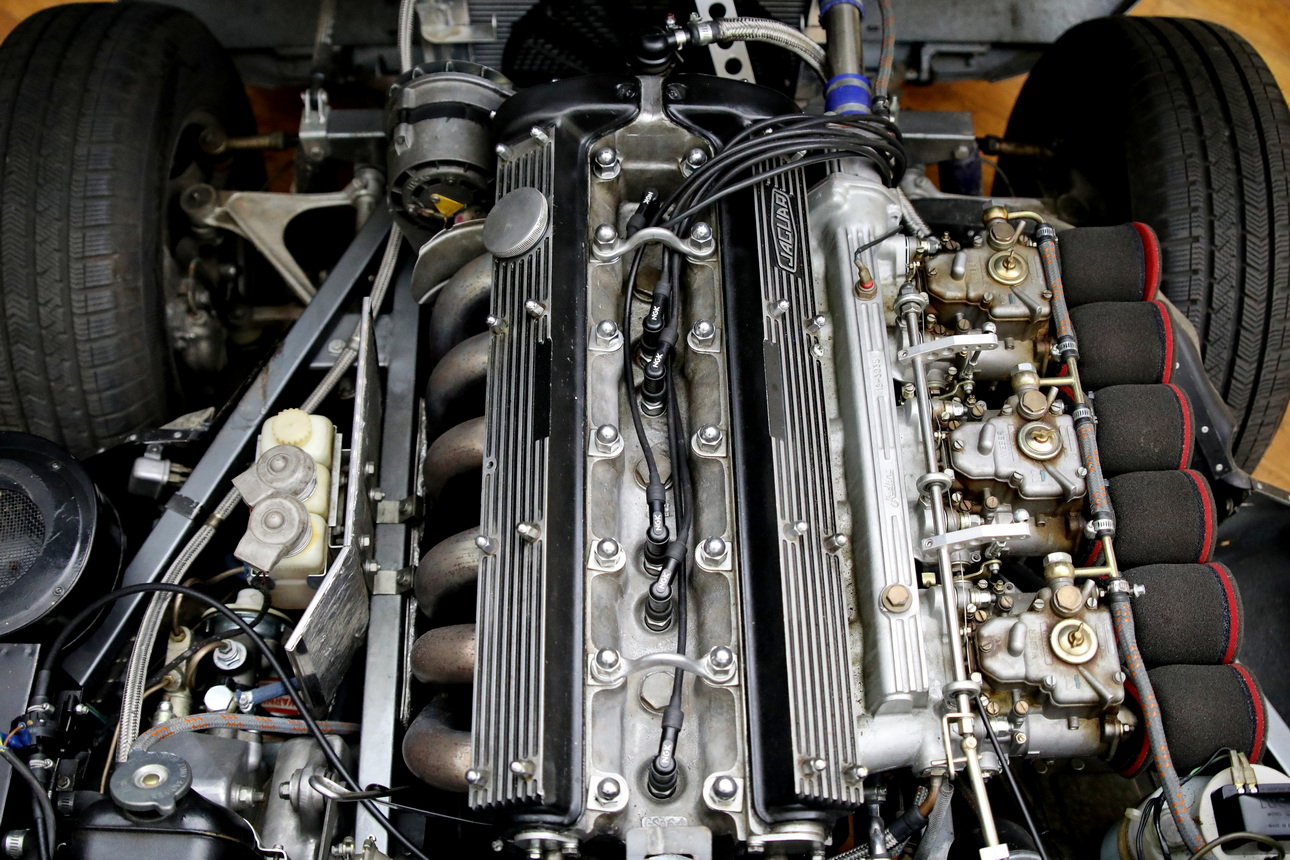
In addition, the E-Type received several sensible technical upgrades, including an aluminium radiator, a Weber twin carburettor setup, as well as a trip master and a classic Becker Mexico radio. A complete repaint rounded off the restoration work.
During its period of ownership, the Jaguar was regularly driven and not only carefully maintained but also actively enjoyed. The vehicle successfully participated in several classic car rallies, impressively demonstrating its reliability and driving pleasure.
Maintenance and servicing were carried out continuously by the Jaguar specialist workshop Jag-Tec Classic Cars & More in Osnabrück. In 2025, a fully rebuilt original four-speed gearbox was also installed there, further enhancing the car’s technical condition.
Today, this E-Type presents itself in a truly very appealing overall condition — both visually and mechanically.
Model History
The Jaguar E-Type was unveiled in March 1961 at the Geneva Motor Show and was considered a sensation at the time. Both the design by Malcolm Sayer and the engine received very positive acclaim. The appeal of the E-Type lay in its performance, its styling, and its attractive price — especially compared to significantly more expensive sports cars from Aston Martin and Ferrari. Accordingly, the E-Type was also a major commercial success for Jaguar Cars. From the outset, the model was available both as a coupé with its distinctive side-hinged rear hatch and as a roadster.
In terms of engineering, the E-Type inherited the motorsport DNA of the successful Jaguar D-Type. The inline six-cylinder engine with a displacement of 3.8 liters produced an impressive 269 hp and drives the rear wheels via a four-speed manual gearbox. Its top speed of nearly 240 km/h was exceptional for the time. In 1964, the displacement was increased to 4.2 liters, while power output remained roughly the same. At the same time, a fully synchronized four-speed manual gearbox developed in-house by Jaguar was introduced.
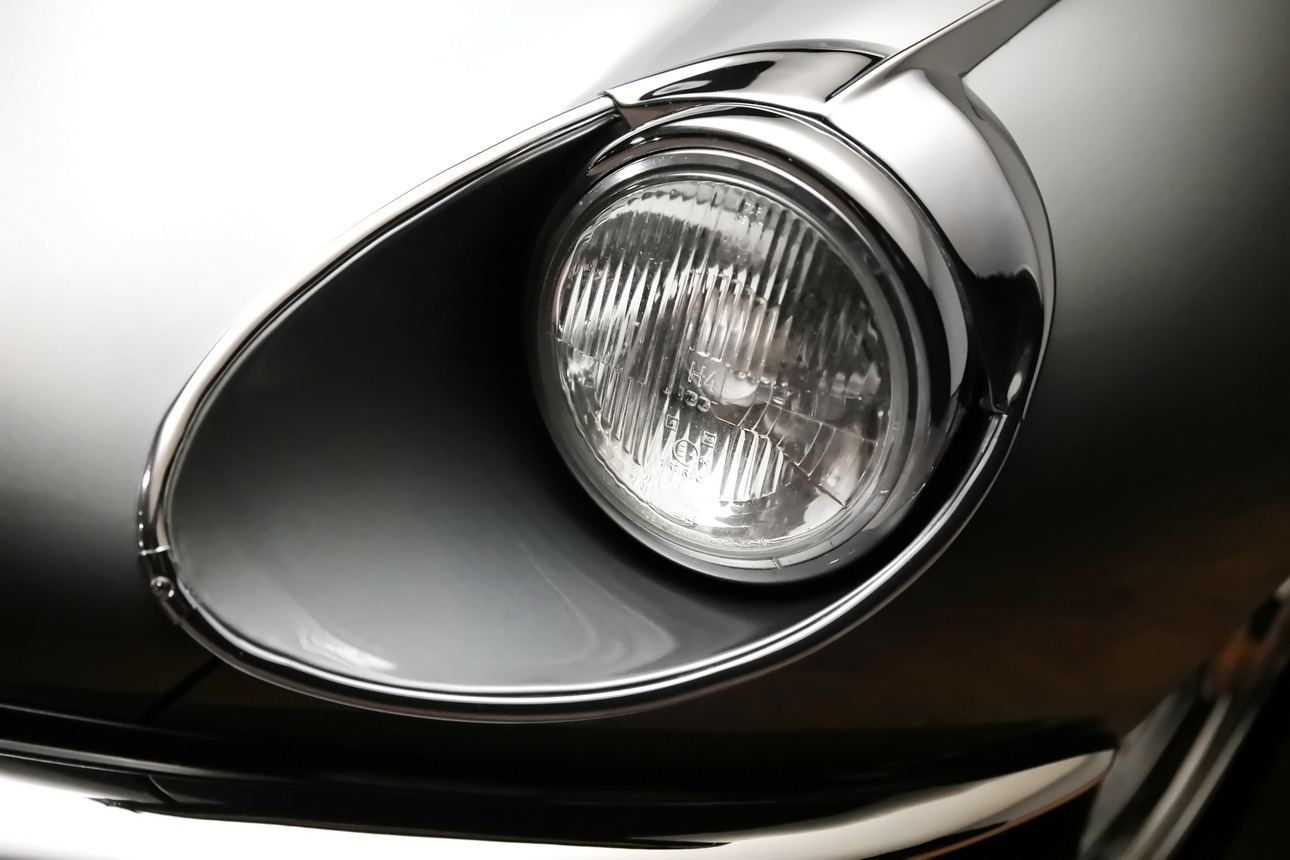
With the introduction of the Series II in 1968, the model was specifically further developed, particularly with the U.S. market in mind. Externally, it can be recognized by features such as open headlights and enlarged indicator and taillights. The interior was also revised, offering improved ergonomics and a more modern appearance.
The proven 4.2-liter inline six-cylinder engine was retained, impressing with its smoothness and strong torque. In combination with the fully synchronized four-speed gearbox, the E-Type delivers a driving experience that is both sporty and suitable for long-distance touring. Improvements to the cooling system and braking setup also enhanced everyday usability and reliability.
The E-Type was continuously refined over the course of its production. By the end of production in 1974, around 72,500 units had been built. The Series II occupies a special position, combining the classic design of the original with more mature engineering, and is now regarded as a particularly well-balanced version of this British automotive icon.
This Automobile
This Jaguar E-Type Series II is a classic Open Two Seater (roadster) equipped with the proven 4.2-liter inline six-cylinder engine and a manual four-speed gearbox. According to the Jaguar Heritage Certificate, the vehicle was manufactured on May 18, 1970, and originally delivered to the United States. The original colour combination was “Light Blue” with a black interior and a black soft top.
The car was imported from the United States to Germany in early 2006 and subsequently underwent an extensive restoration by the well-known classic car specialist Jobst Schriewer. Since then, the vehicle has had only one owner.
As part of the restoration, the bodywork was professionally repaired, the mechanical components were extensively overhauled, and the interior was meticulously renewed in keeping with the original specifications. Particular emphasis was placed on quality and the most authentic execution possible.
In addition, the E-Type received several sensible technical upgrades, including an aluminium radiator, a Weber twin carburettor setup, as well as a trip master and a classic Becker Mexico radio. A complete repaint rounded off the restoration work.
During its period of ownership, the Jaguar was regularly driven and not only carefully maintained but also actively enjoyed. The vehicle successfully participated in several classic car rallies, impressively demonstrating its reliability and driving pleasure.
Maintenance and servicing were carried out continuously by the Jaguar specialist workshop Jag-Tec Classic Cars & More in Osnabrück. In 2025, a fully rebuilt original four-speed gearbox was also installed there, further enhancing the car’s technical condition.
Today, this E-Type presents itself in a truly very appealing overall condition — both visually and mechanically.
Model History
The Jaguar E-Type was unveiled in March 1961 at the Geneva Motor Show and was considered a sensation at the time. Both the design by Malcolm Sayer and the engine received very positive acclaim. The appeal of the E-Type lay in its performance, its styling, and its attractive price — especially compared to significantly more expensive sports cars from Aston Martin and Ferrari. Accordingly, the E-Type was also a major commercial success for Jaguar Cars. From the outset, the model was available both as a coupé with its distinctive side-hinged rear hatch and as a roadster.
In terms of engineering, the E-Type inherited the motorsport DNA of the successful Jaguar D-Type. The inline six-cylinder engine with a displacement of 3.8 liters produced an impressive 269 hp and drives the rear wheels via a four-speed manual gearbox. Its top speed of nearly 240 km/h was exceptional for the time. In 1964, the displacement was increased to 4.2 liters, while power output remained roughly the same. At the same time, a fully synchronized four-speed manual gearbox developed in-house by Jaguar was introduced.
With the introduction of the Series II in 1968, the model was specifically further developed, particularly with the U.S. market in mind. Externally, it can be recognized by features such as open headlights and enlarged indicator and taillights. The interior was also revised, offering improved ergonomics and a more modern appearance.
The proven 4.2-liter inline six-cylinder engine was retained, impressing with its smoothness and strong torque. In combination with the fully synchronized four-speed gearbox, the E-Type delivers a driving experience that is both sporty and suitable for long-distance touring. Improvements to the cooling system and braking setup also enhanced everyday usability and reliability.
The E-Type was continuously refined over the course of its production. By the end of production in 1974, around 72,500 units had been built. The Series II occupies a special position, combining the classic design of the original with more mature engineering, and is now regarded as a particularly well-balanced version of this British automotive icon.