
Marmon Sixteen Type 145 Convertible Sedan




Highlights
Data & Facts
This Automobile
Model History
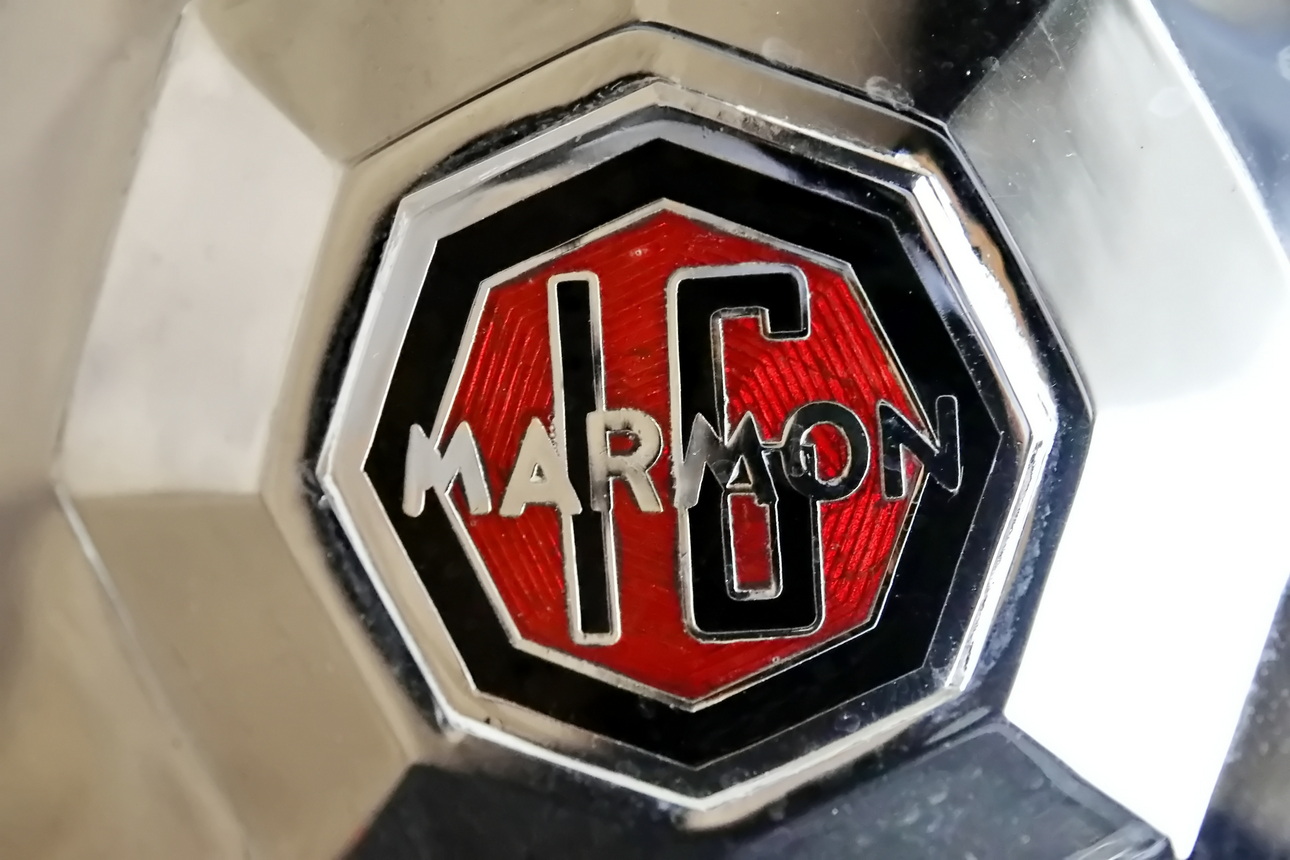
Marmon was an American automobile brand that belonged to Nordyke Marmon & Company in Indianapolis, Indiana, from 1902 to 1924 and was then transferred to the Marmon Motor Car Company. The automobiles can be traced back to founder Howard C. Marmon, who began developing the first sixteen-cylinder engine for automobiles in 1927/1928 and had previously worked also on the Bugatti U16 aircraft engine. The Marmon Sixteen was launched in 1931, eleven months after Cadillac had introduced a V16 series model.
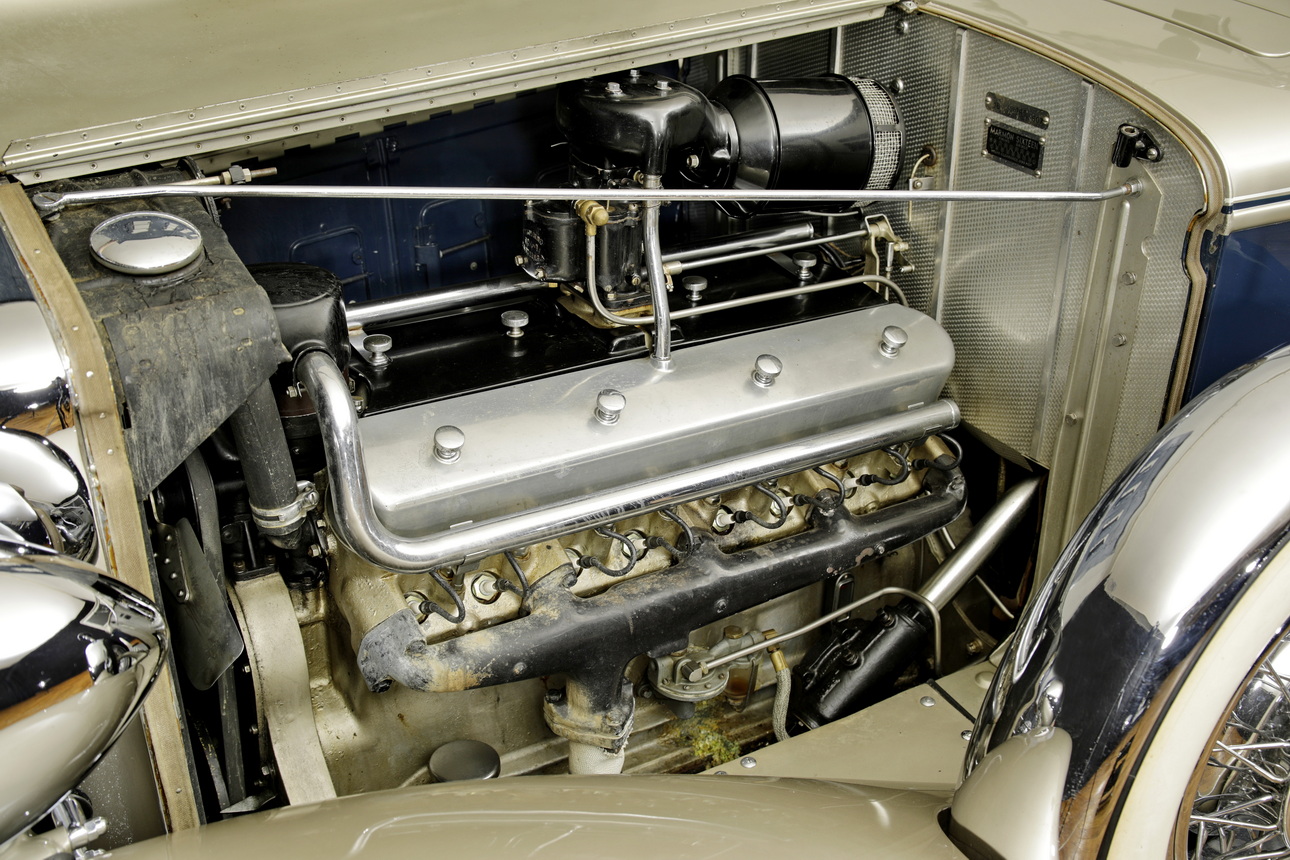
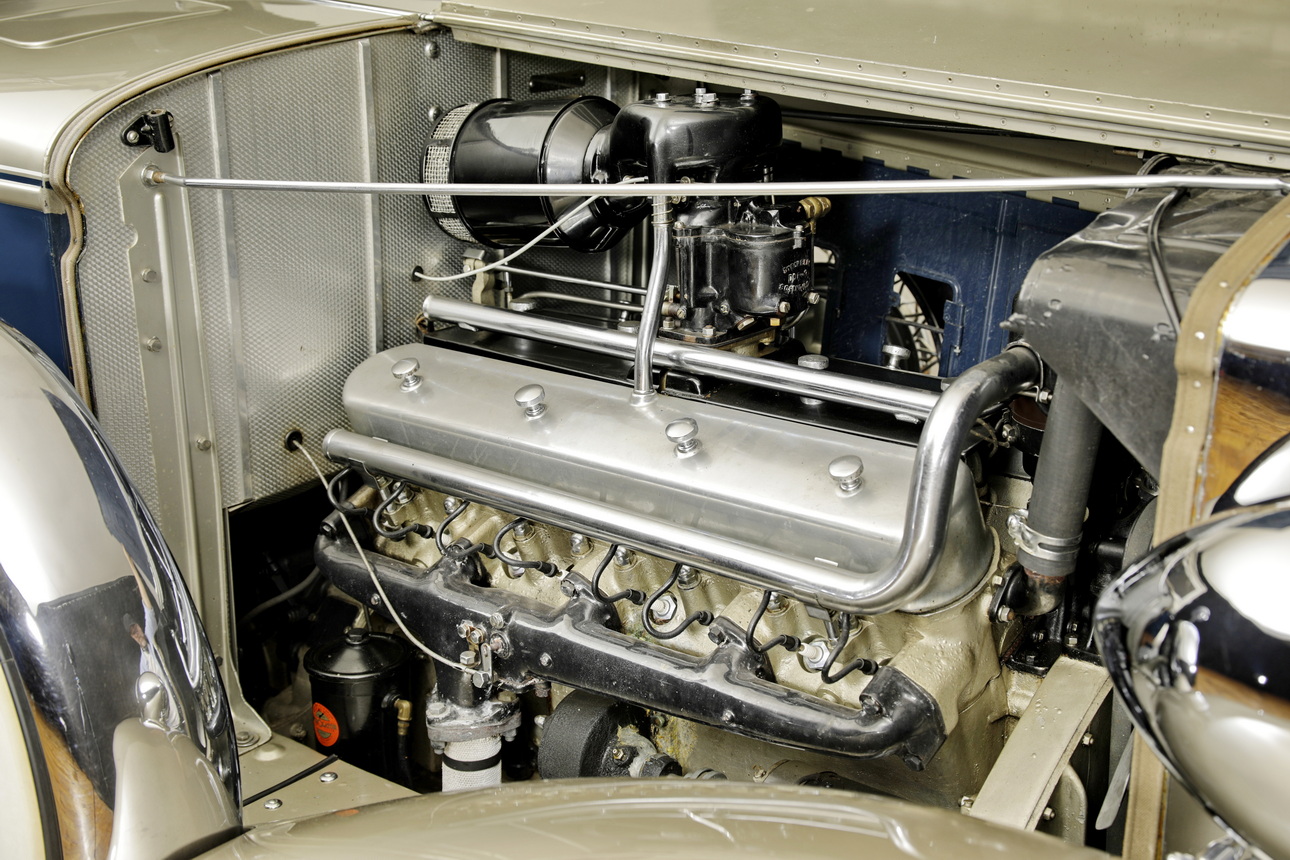
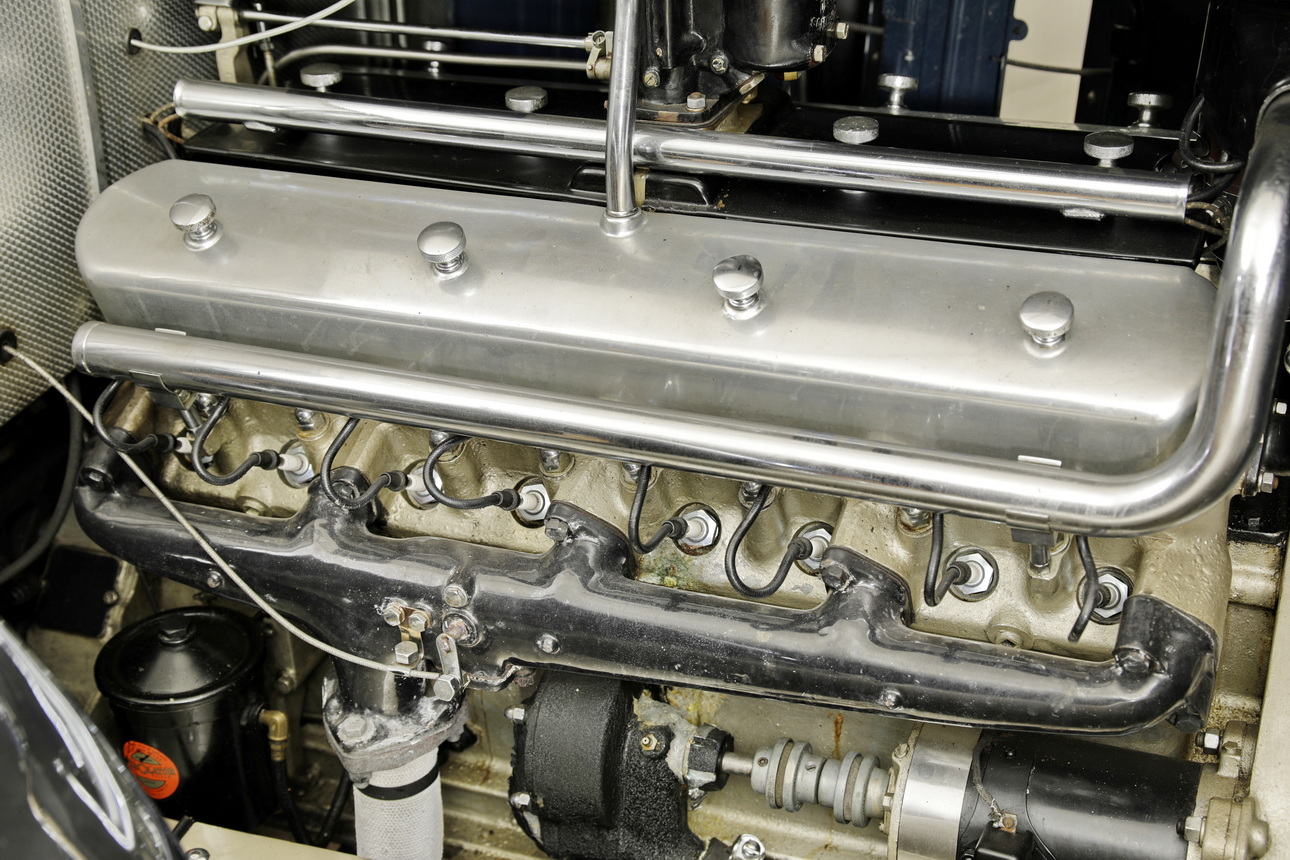
The Marmon V16 was also a technical masterpiece: it had overhead valves and cylinder banks arranged at a 45-degree angle. In addition, the engine block, crankcase, intake manifold, oil pan, cylinder heads and flywheel housing were made of aluminium, making the engine exceptionally light. With a ratio of 6:1, the Marmon also had the highest compression of any American engine at the time.
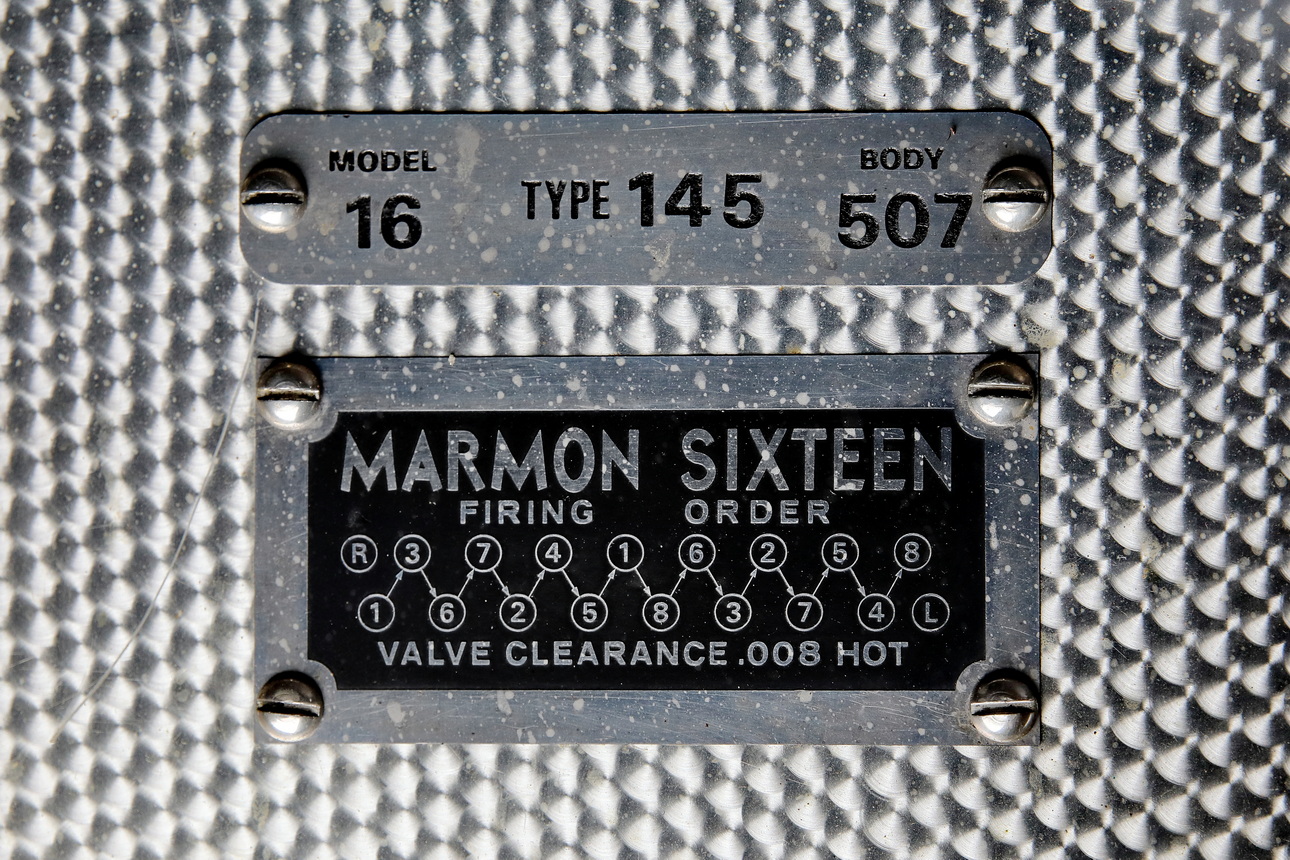
With a displacement of 8,040 cc and 200 hp, it was also more powerful than its competitor Cadillac, and its top speed was measured at 170 km/h. The designation ‘Type 145’ refers to the wheelbase of 145 inches, or approximately 368 centimetres.
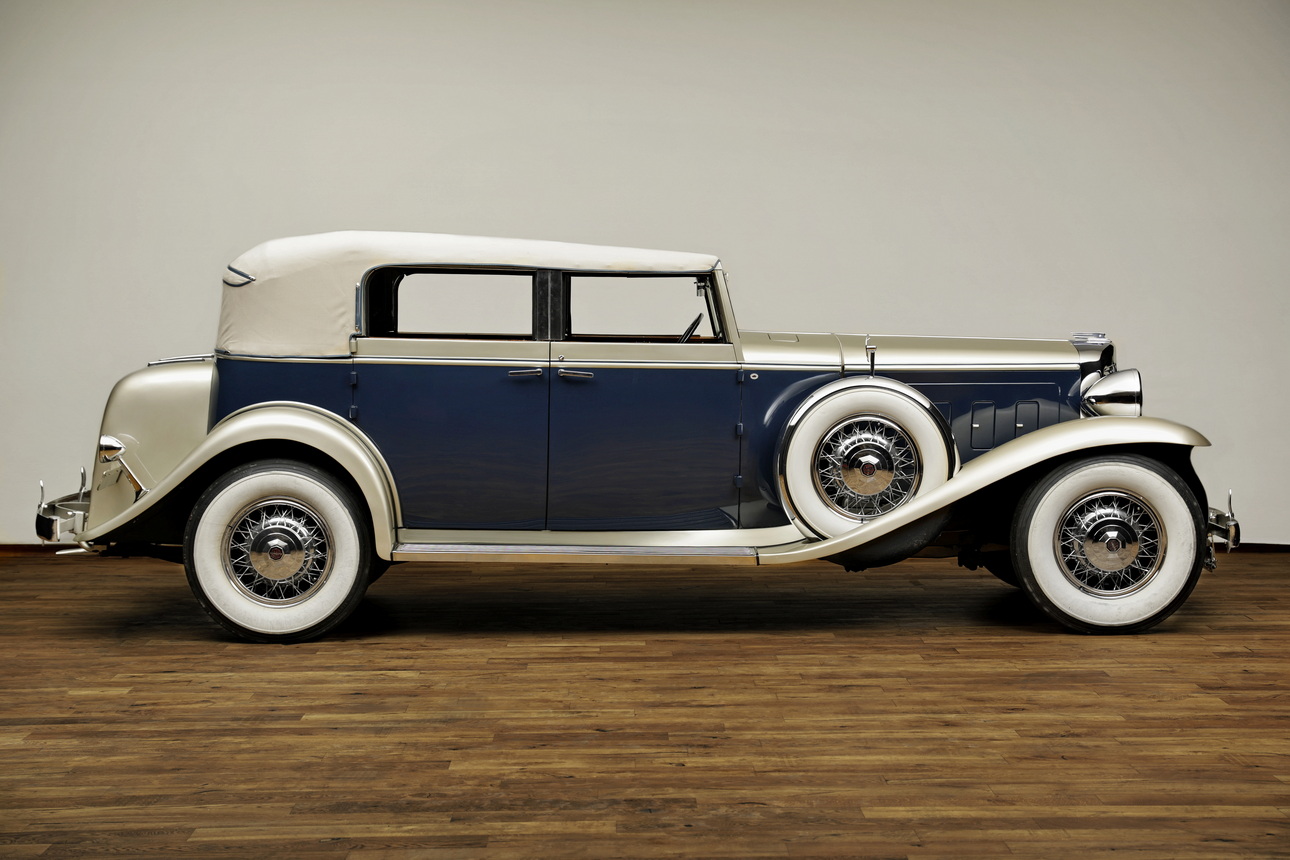
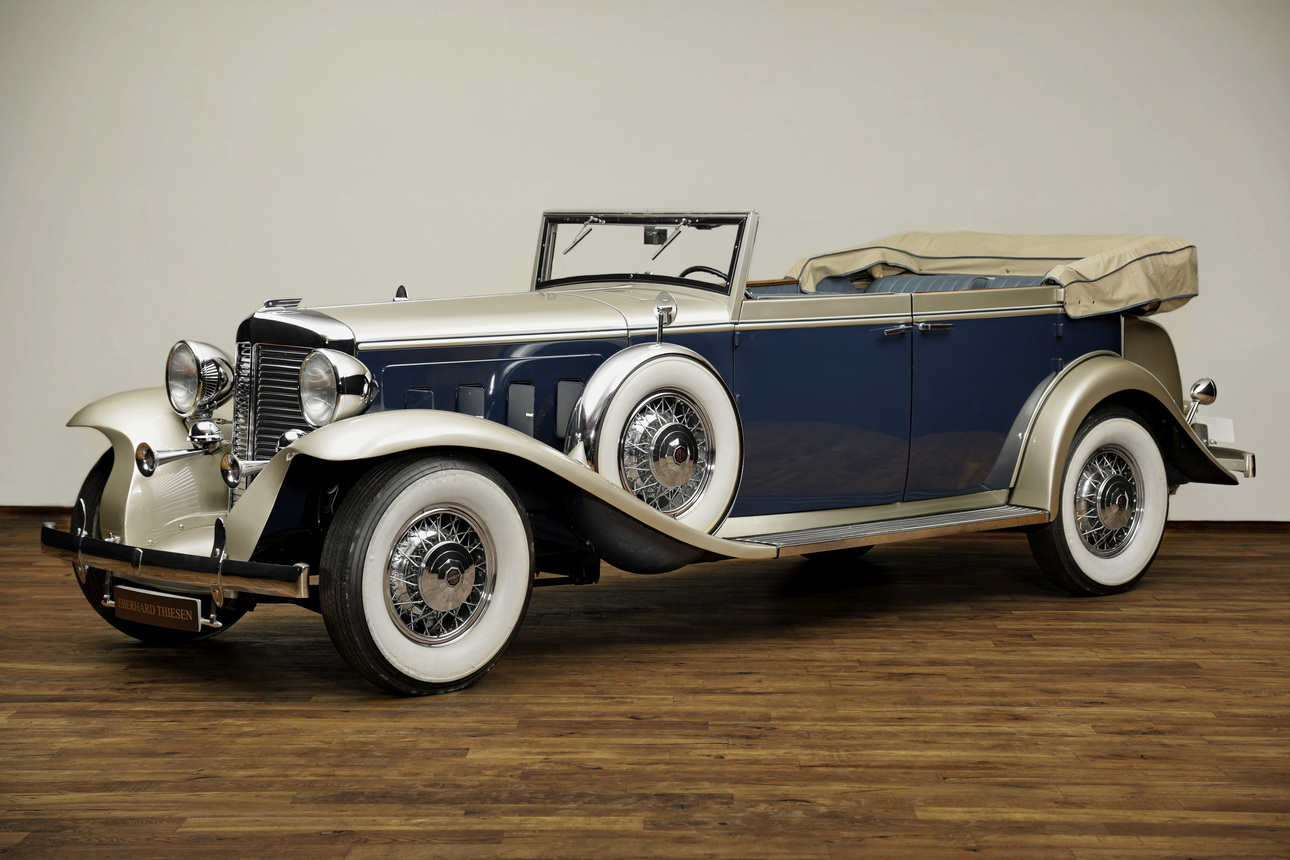
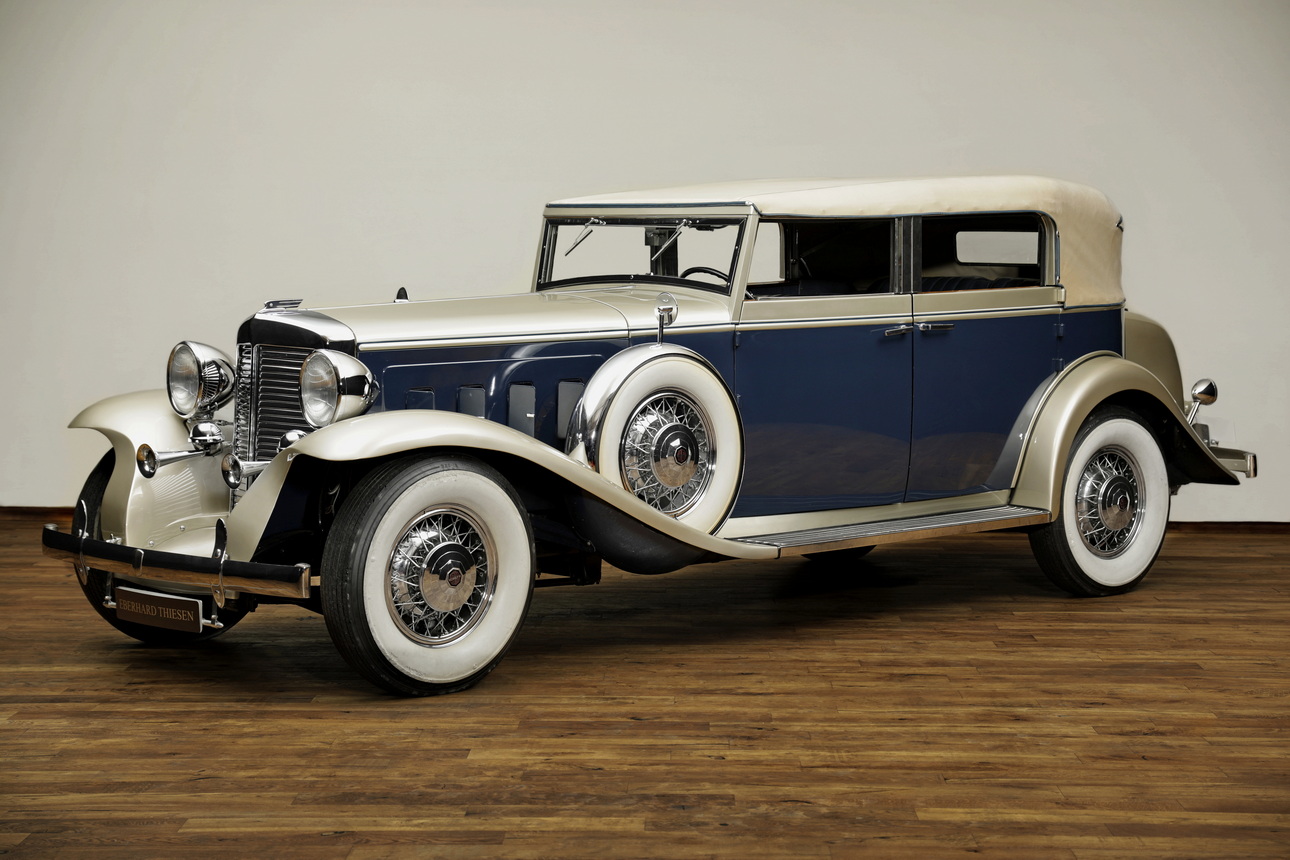
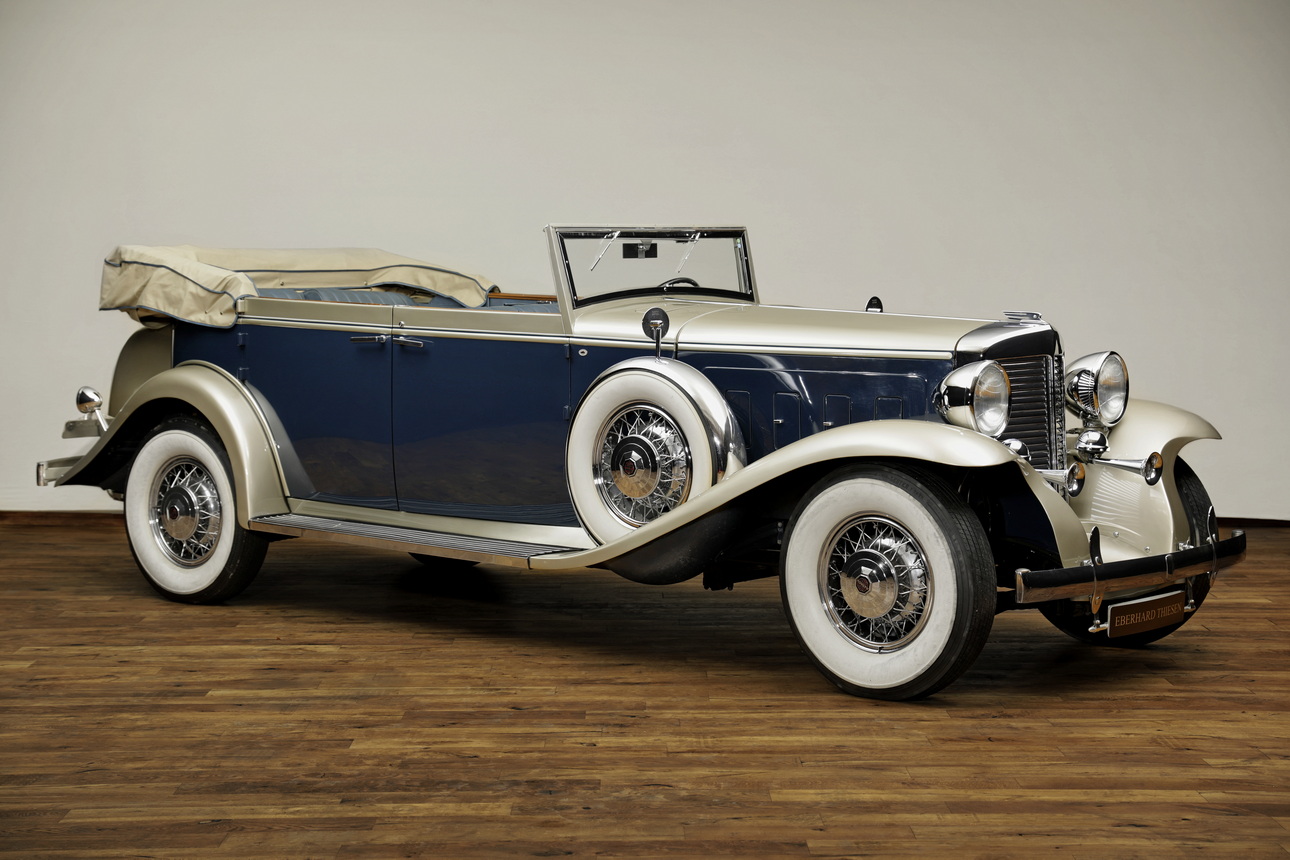
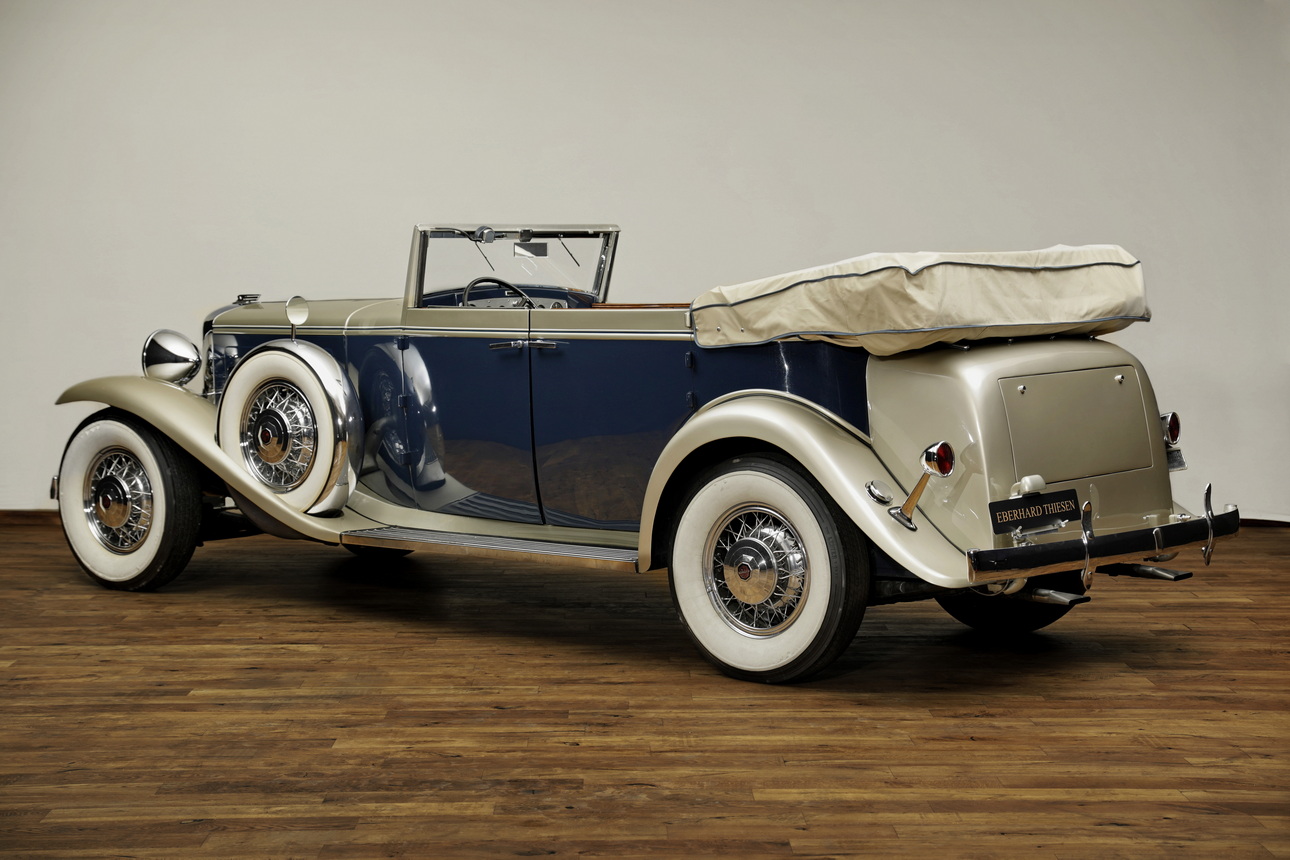
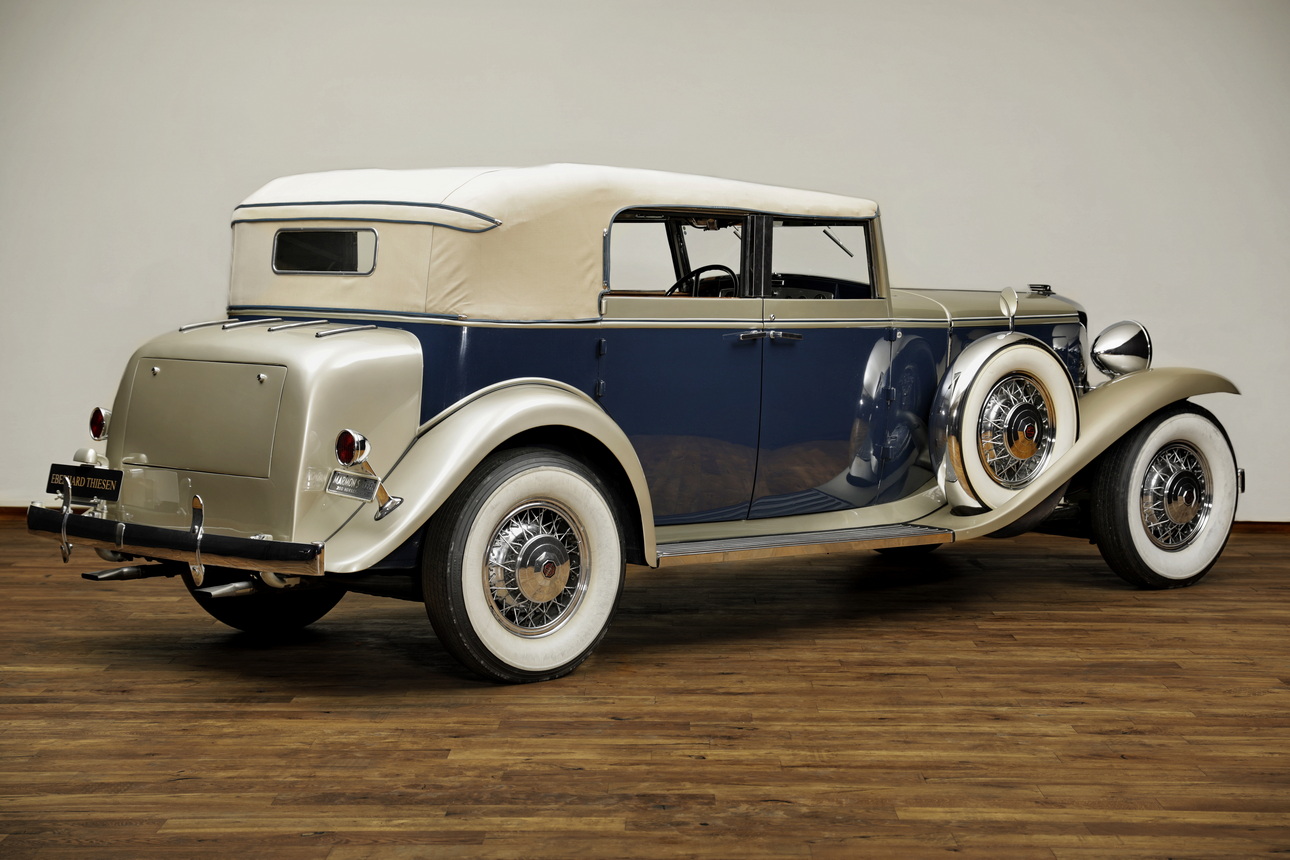
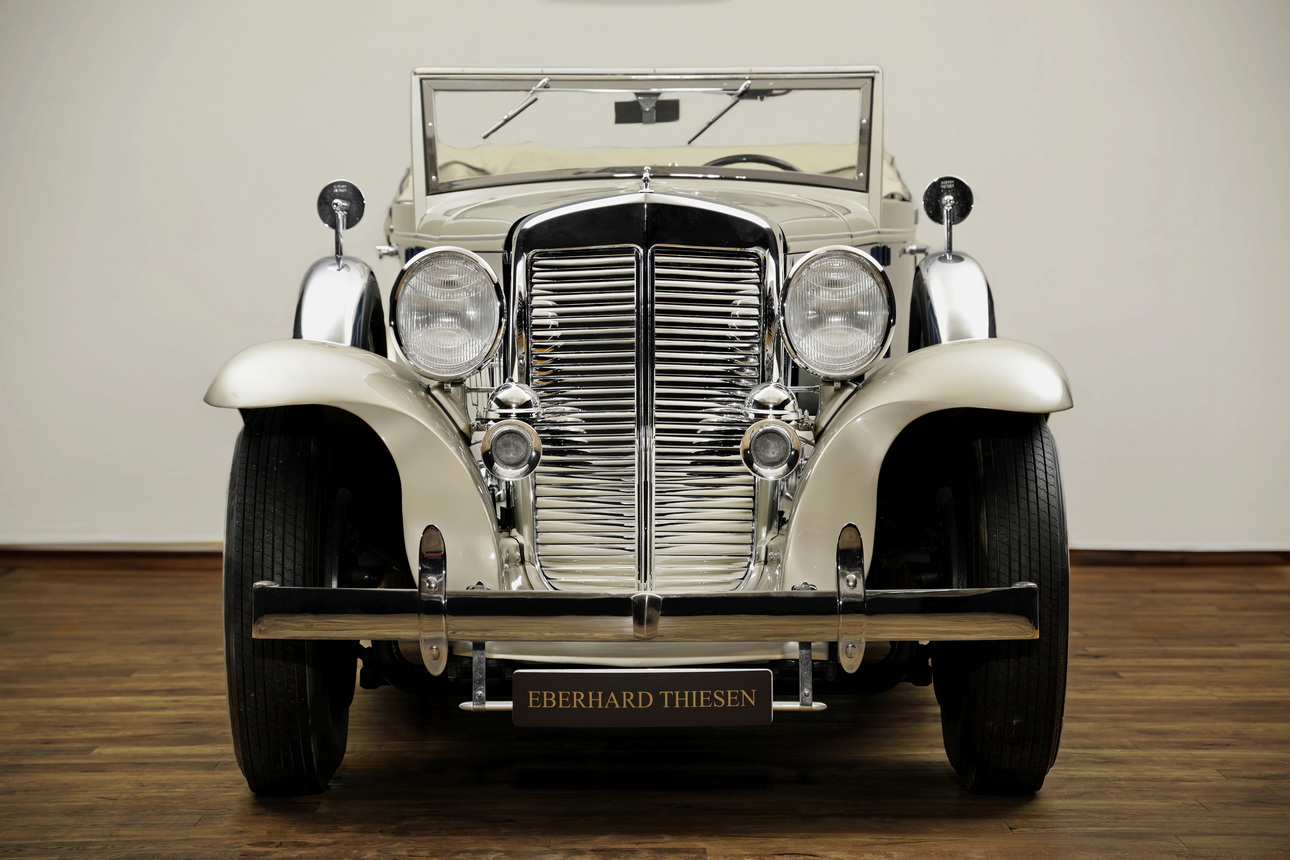
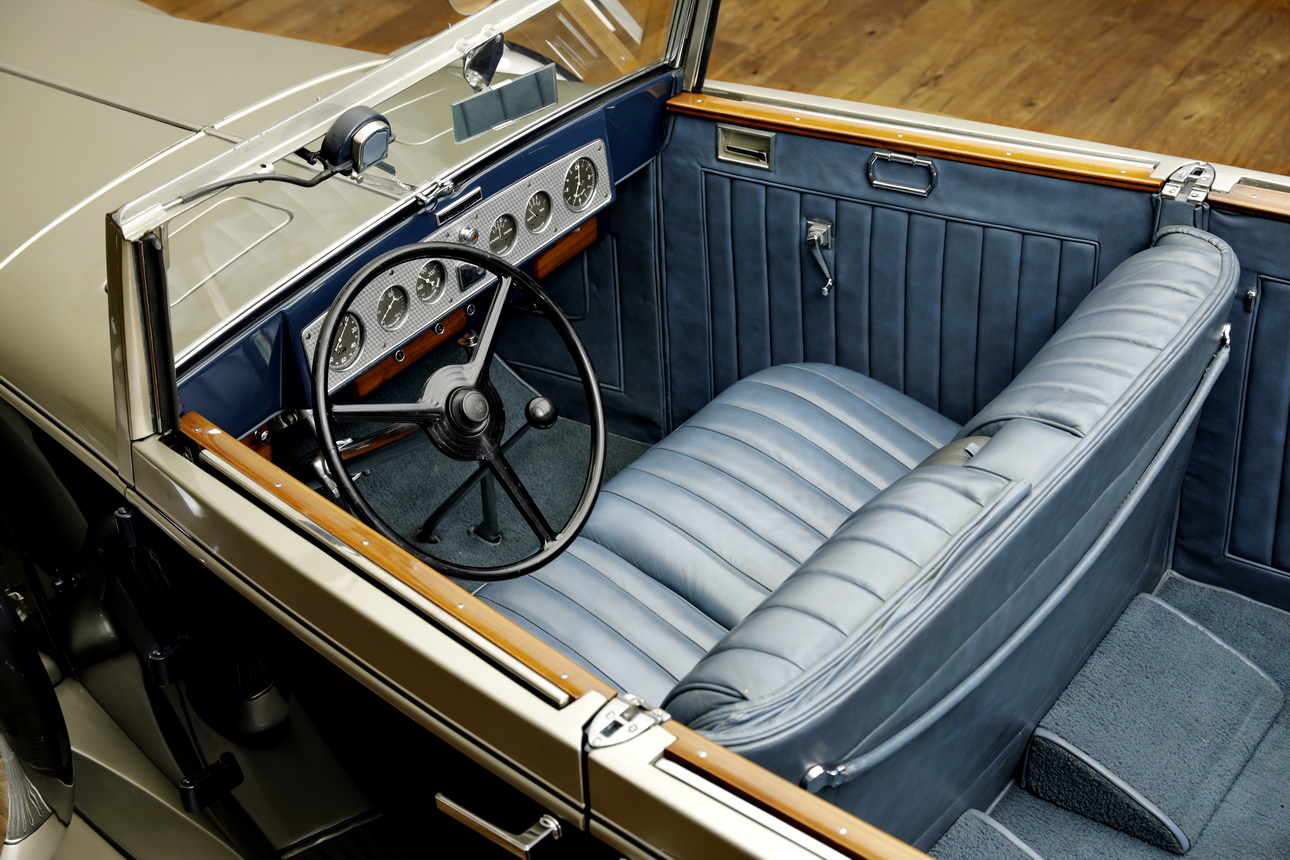
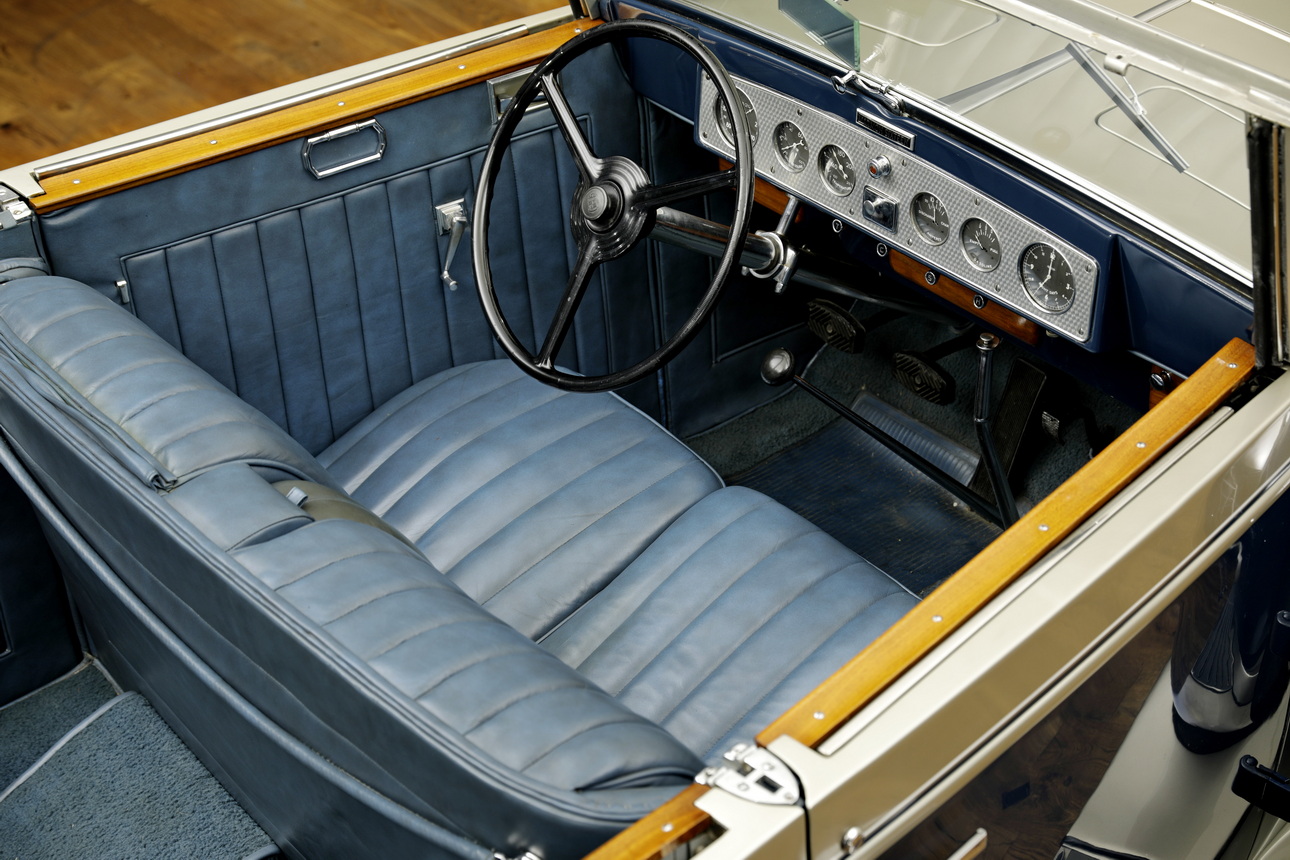
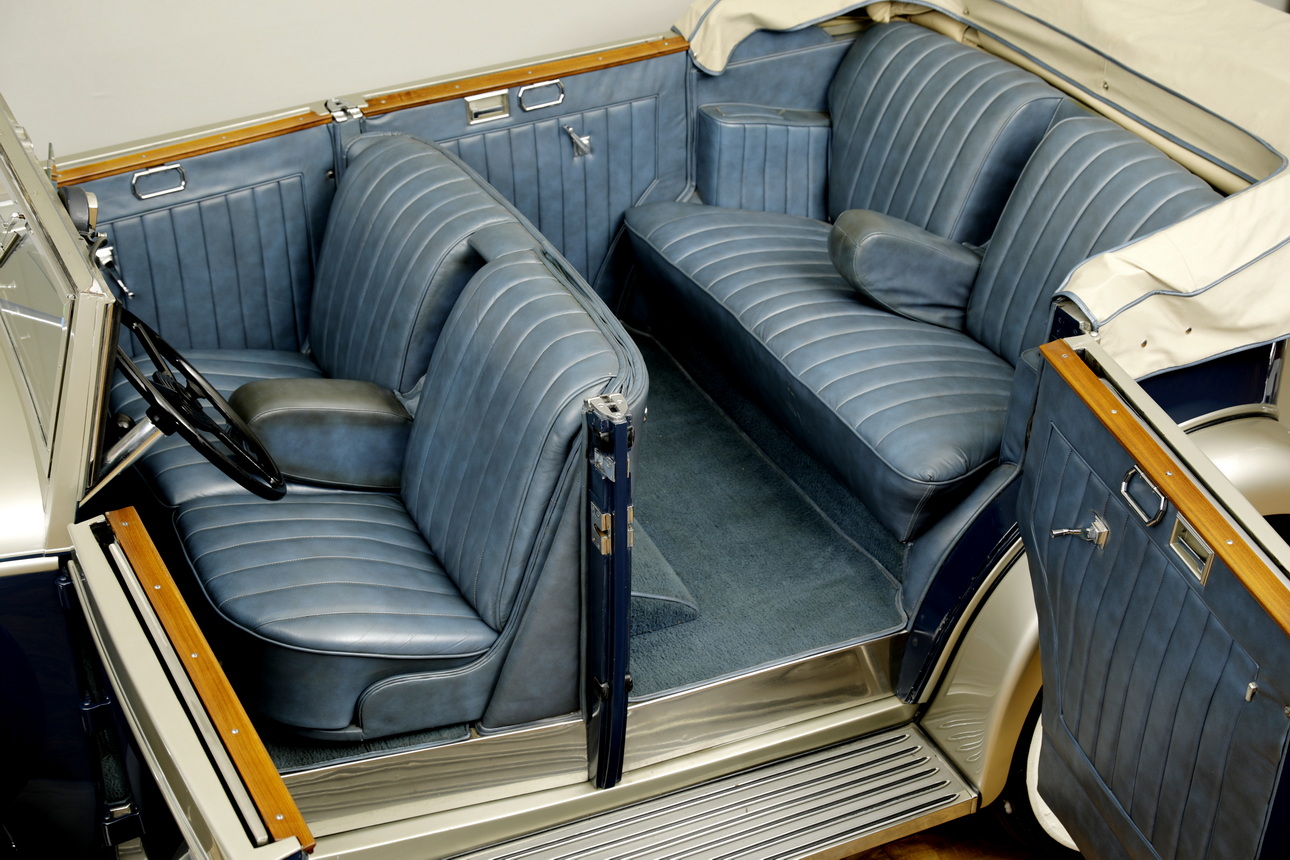
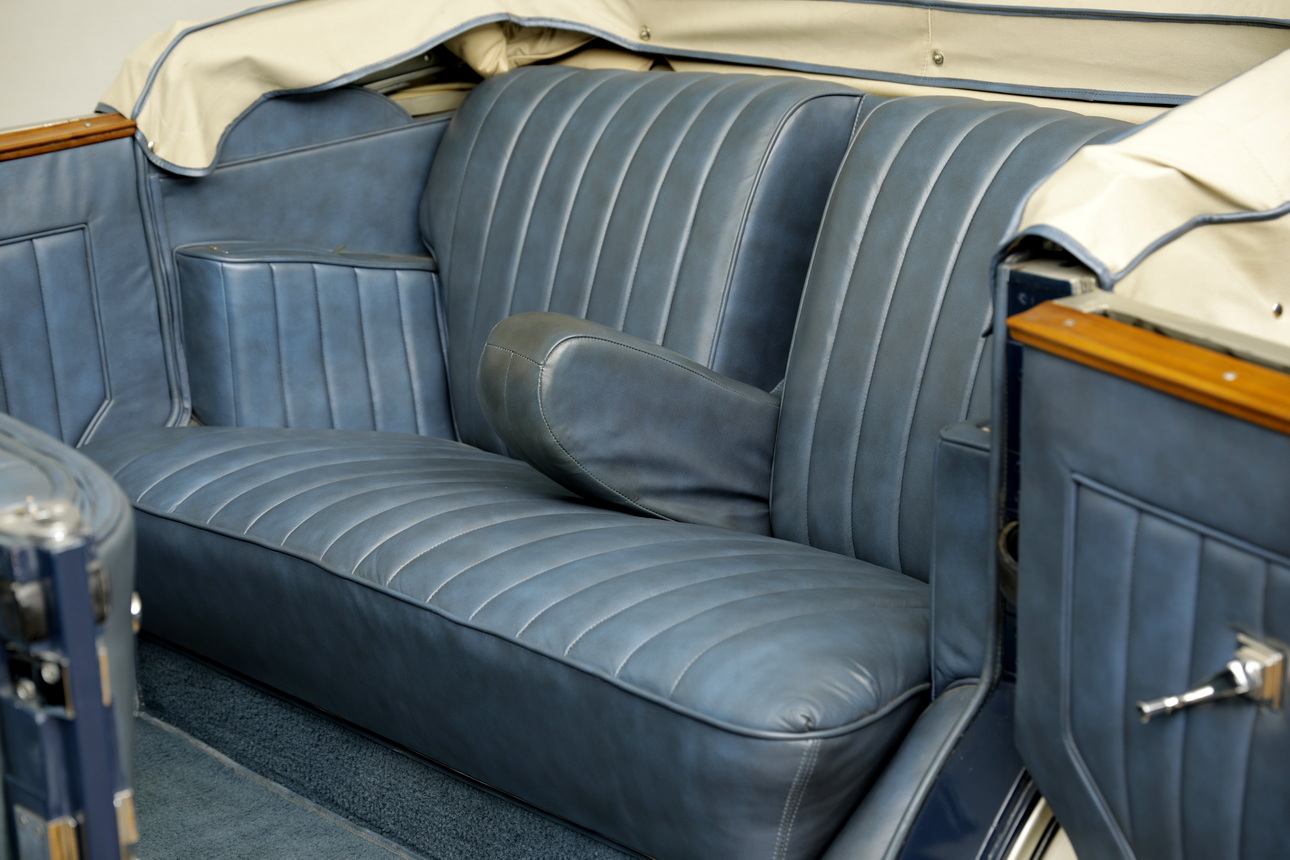
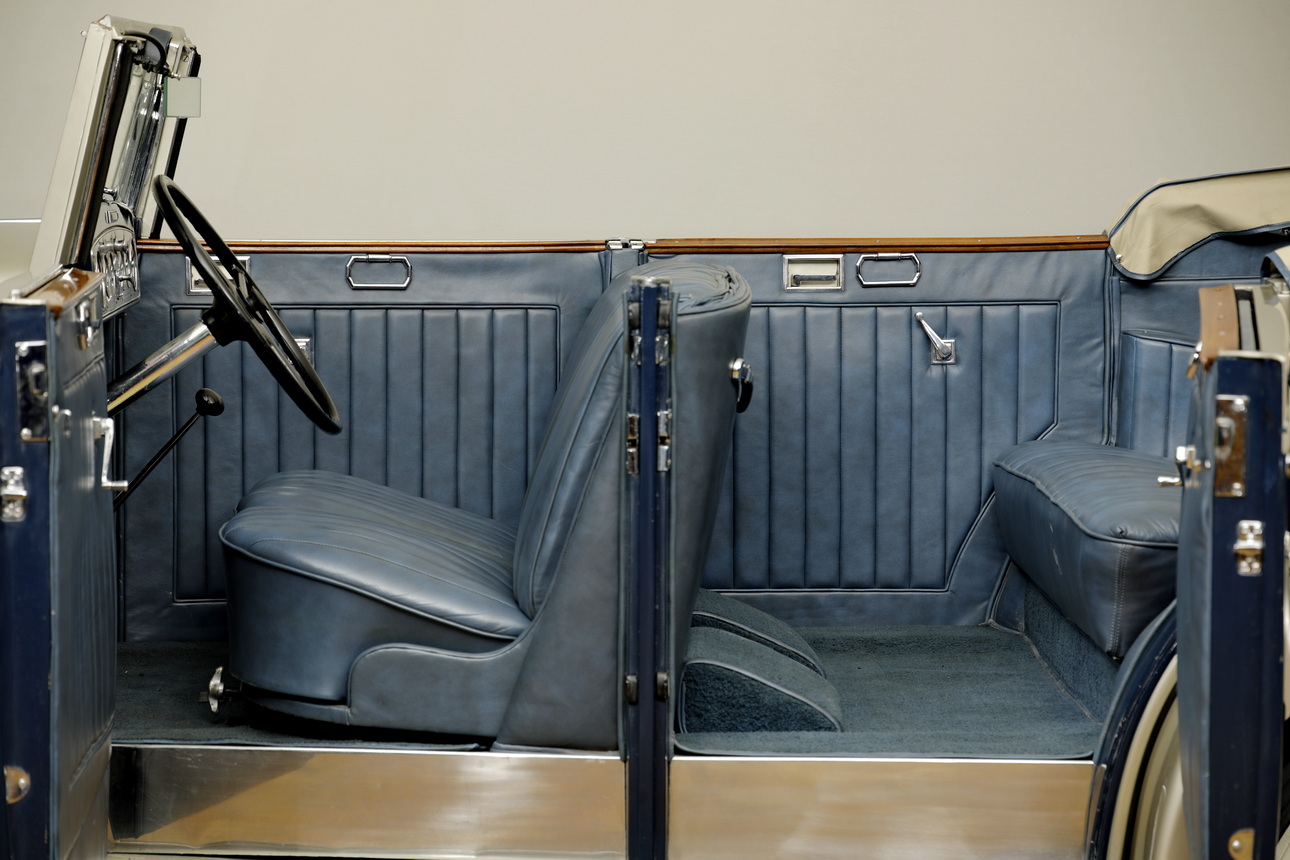
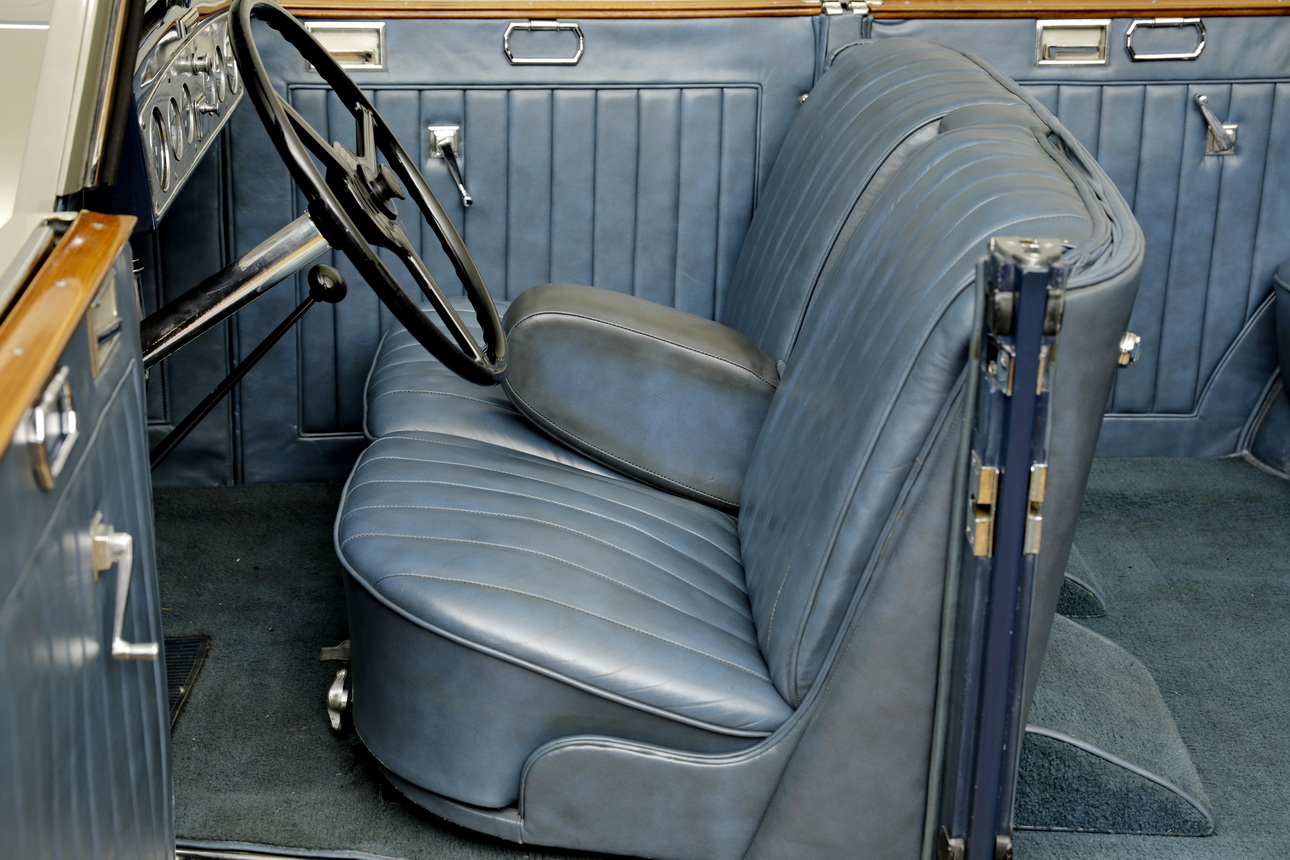
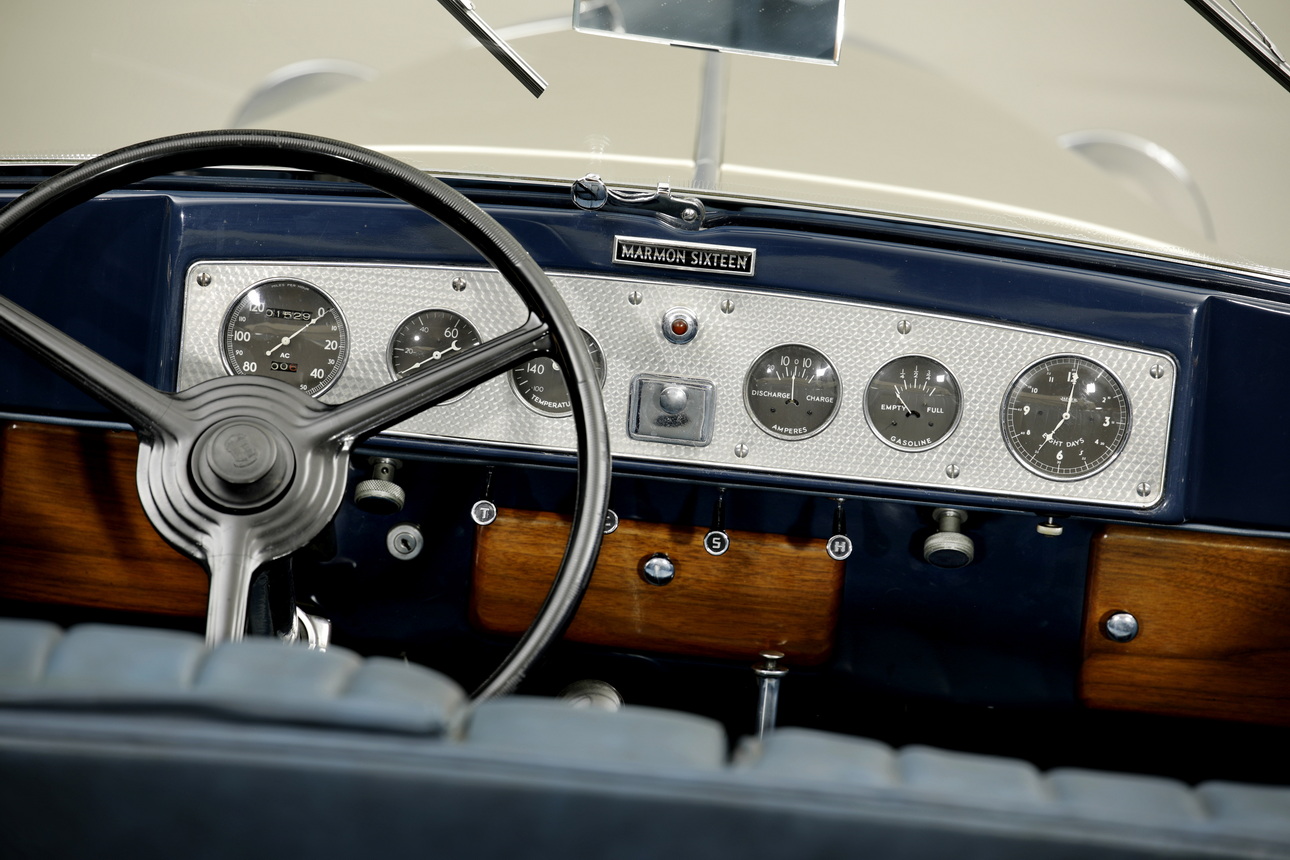
The bodies were designed by Walter Dorwin Teague and built by coachbuilder LeBaron. All eight body styles were very attractive. A sloping V-shaped radiator grille made the car exceptionally elegant. Compared to other exclusive brands in the United States and Europe at the time, the design was rather clean and understated, foregoing playful details. Perhaps it was (too far) ahead of its time. In 1931, the Marmon Sixteen cost between $5,200 and $5,470 – the equivalent of a house in the suburbs. Only about 390 Marmon Sixteen cars were manufactured in just three years of production.
This Automobile
Model History
Marmon was an American automobile brand that belonged to Nordyke Marmon & Company in Indianapolis, Indiana, from 1902 to 1924 and was then transferred to the Marmon Motor Car Company. The automobiles can be traced back to founder Howard C. Marmon, who began developing the first sixteen-cylinder engine for automobiles in 1927/1928 and had previously worked also on the Bugatti U16 aircraft engine. The Marmon Sixteen was launched in 1931, eleven months after Cadillac had introduced a V16 series model.
The Marmon V16 was also a technical masterpiece: it had overhead valves and cylinder banks arranged at a 45-degree angle. In addition, the engine block, crankcase, intake manifold, oil pan, cylinder heads and flywheel housing were made of aluminium, making the engine exceptionally light. With a ratio of 6:1, the Marmon also had the highest compression of any American engine at the time. With a displacement of 8,040 cc and 200 hp, it was also more powerful than its competitor Cadillac, and its top speed was measured at 170 km/h. The designation ‘Type 145’ refers to the wheelbase of 145 inches, or approximately 368 centimetres.
The bodies were designed by Walter Dorwin Teague and built by coachbuilder LeBaron. All eight body styles were very attractive. A sloping V-shaped radiator grille made the car exceptionally elegant. Compared to other exclusive brands in the United States and Europe at the time, the design was rather clean and understated, foregoing playful details. Perhaps it was (too far) ahead of its time. In 1931, the Marmon Sixteen cost between $5,200 and $5,470 – the equivalent of a house in the suburbs. Only about 390 Marmon Sixteen cars were manufactured in just three years of production.