Horch 853 Sport Cabriolet Series 1

Highlights
Data & Facts
This Automobile
Eberhard Thiesen has a long-standing and deep connection with Horch 853 models: while searching for classic cars in the former Soviet Union between 1985 and 1995, he discovered a total of 15 Horch 853s and brought them back to Germany. This led him to set up a specialised workshop for these cars in order to have a number of 853s restored. Over the years, he has acquired extensive expertise and experience with the 853 model.
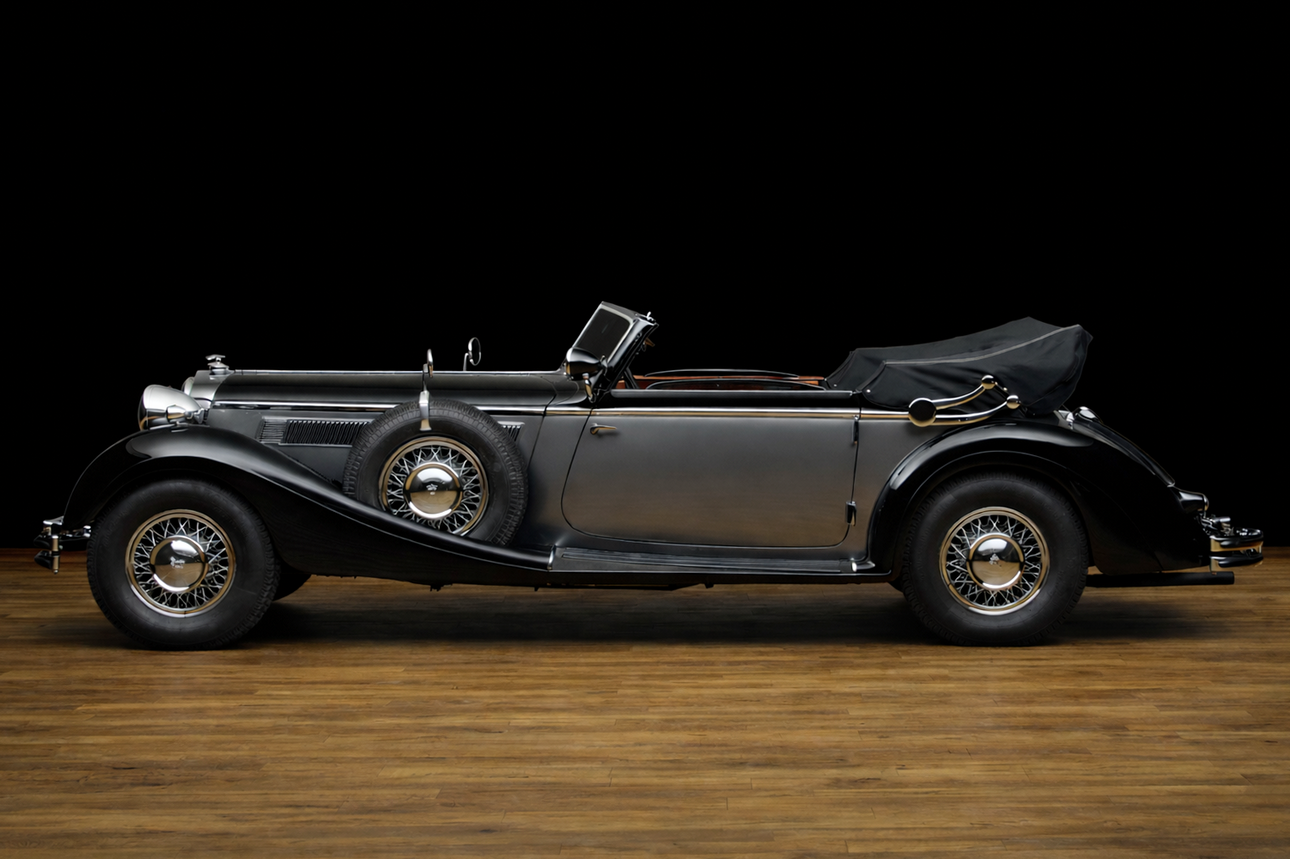
This 1937 Horch 853 was also discovered by Eberhard Thiesen in Russia in the early 1990s, in a condition that, whilst bearing the marks of a poor economy, was largely complete, and was subsequently imported to Germany. Under his supervision, the car was completely restored and rebuilt true to the original details over a period of four years in his own workshop and with the assistance of other specialist manufacturers. In the process, all components and every part were either overhauled or replaced.
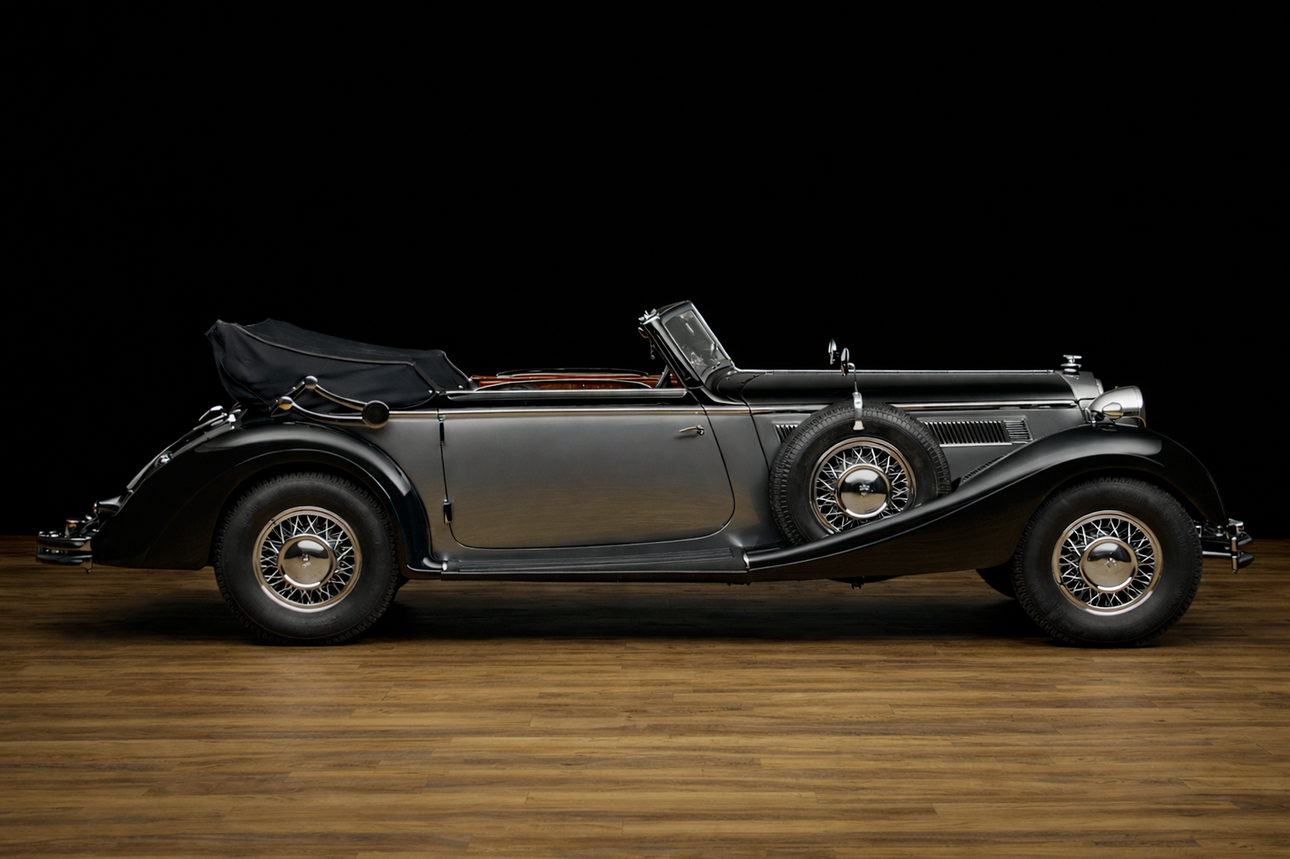
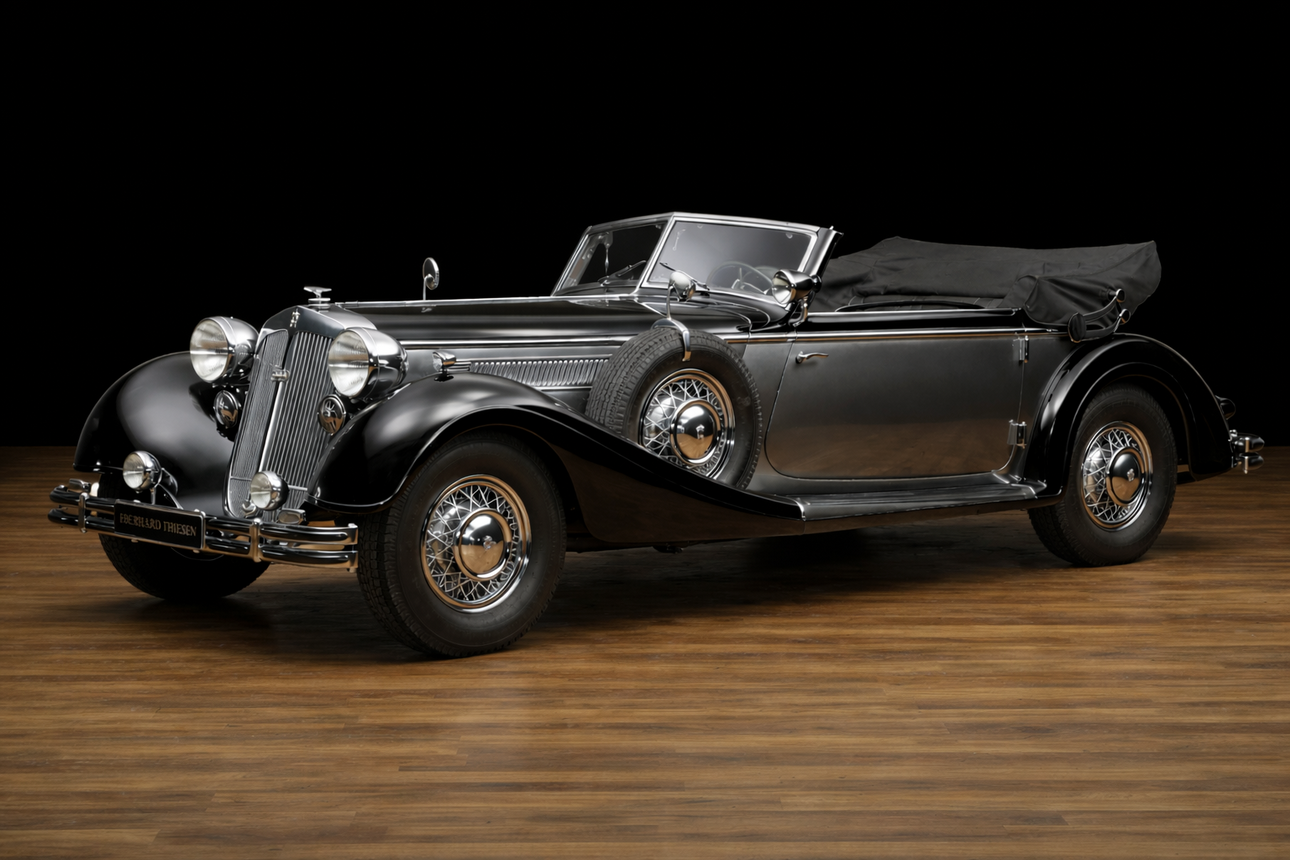
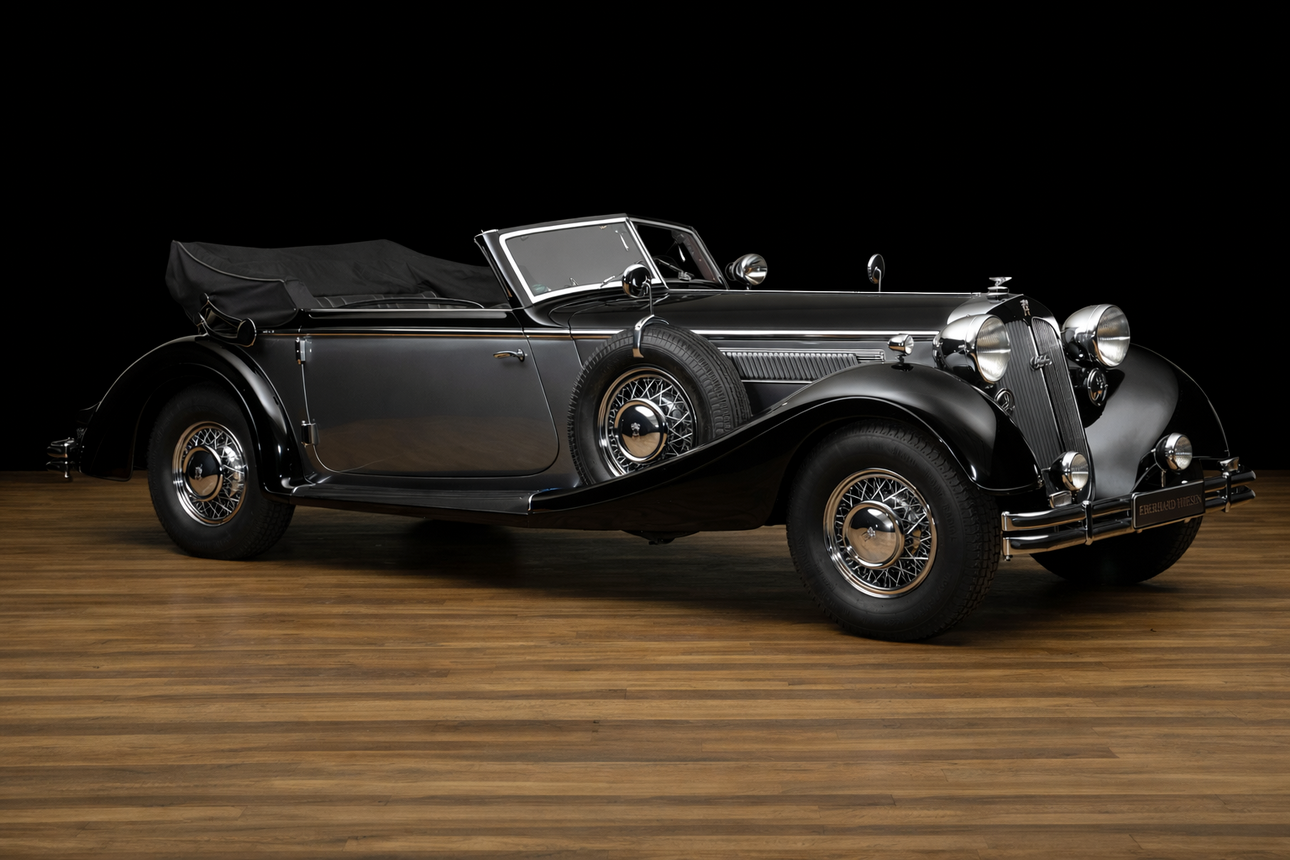
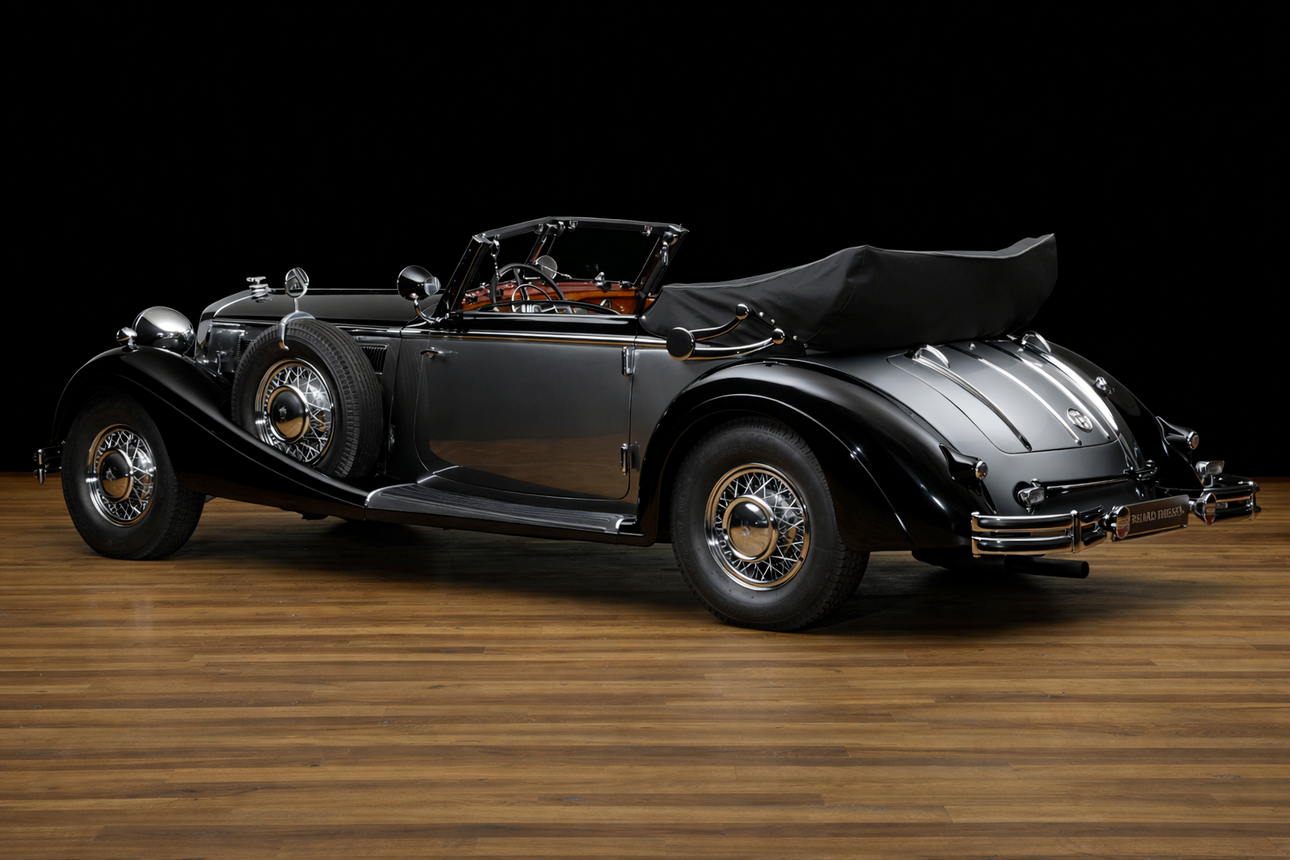
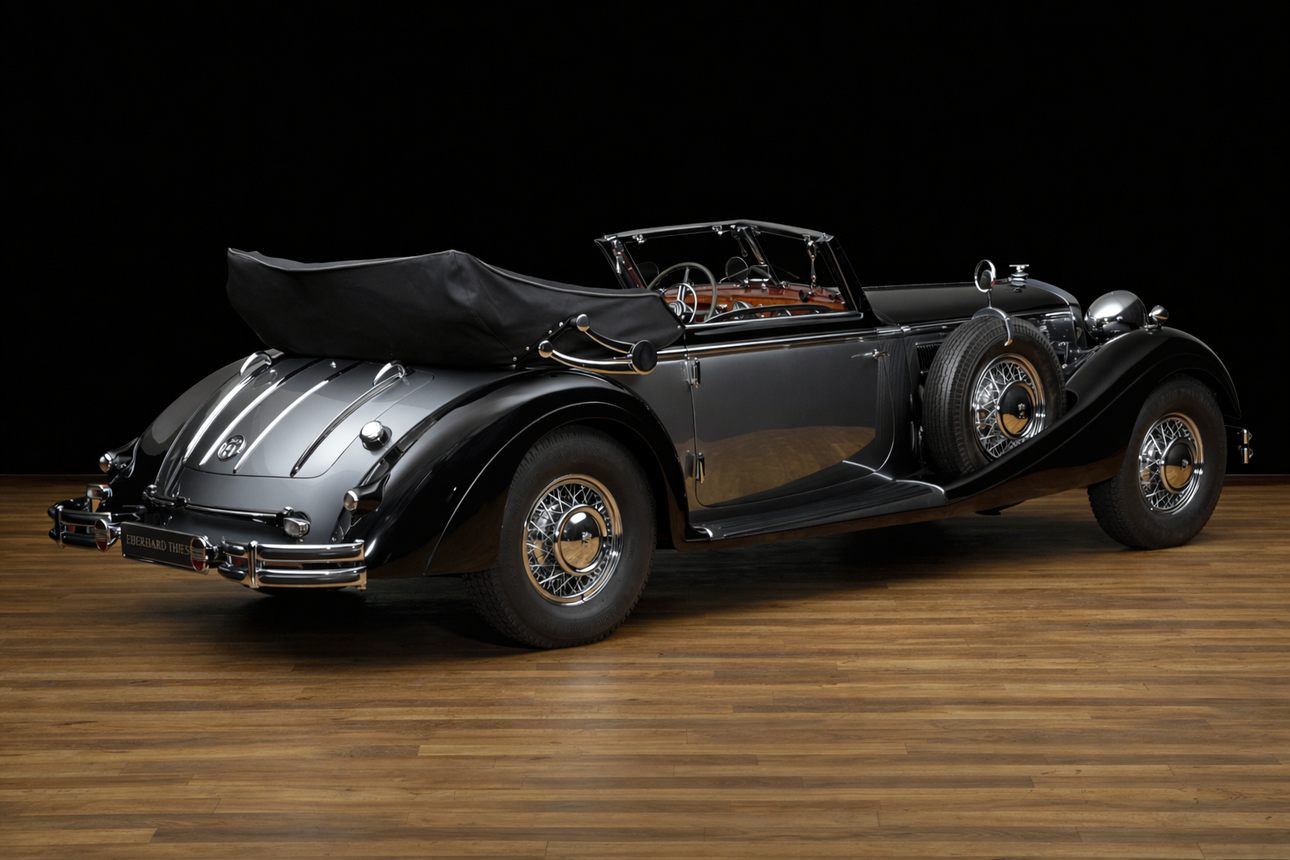
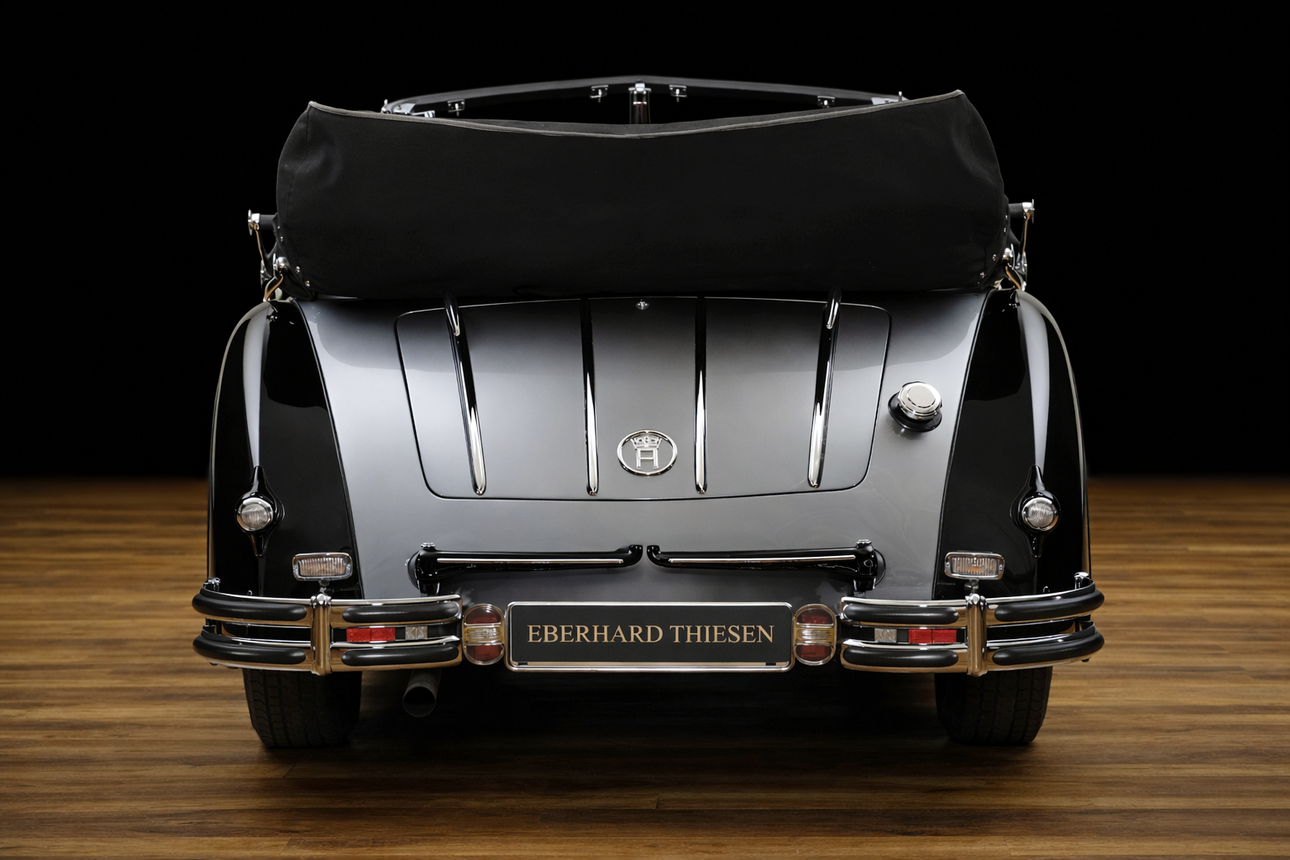
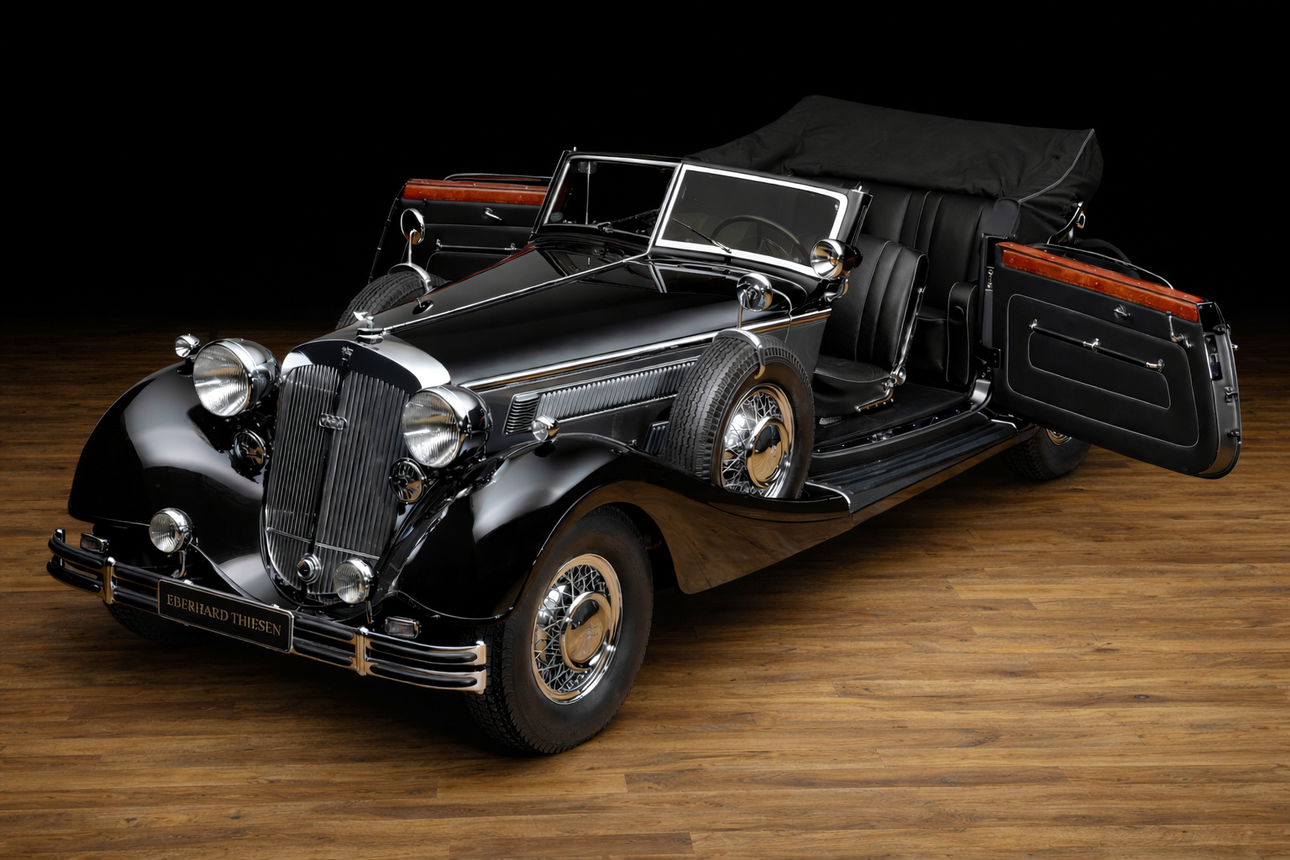
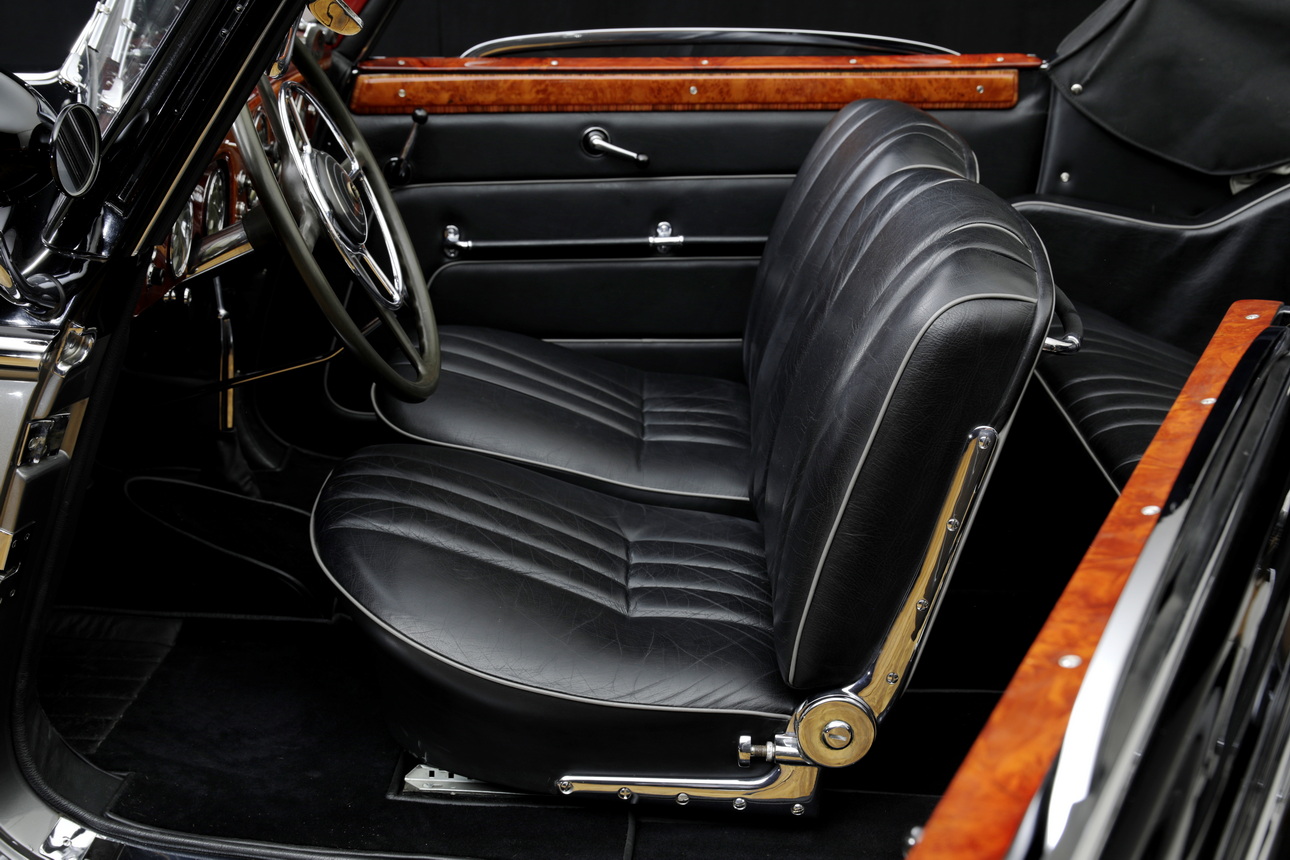
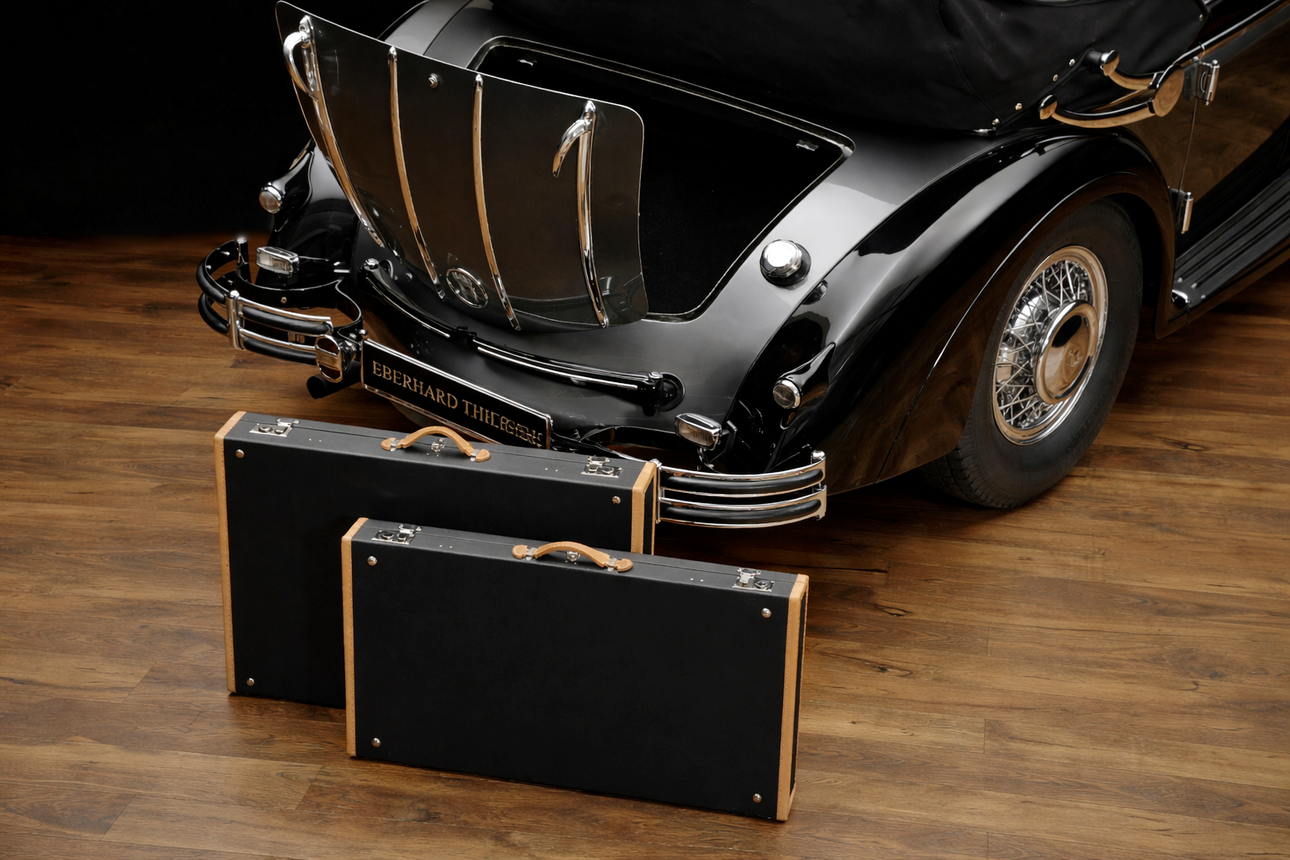
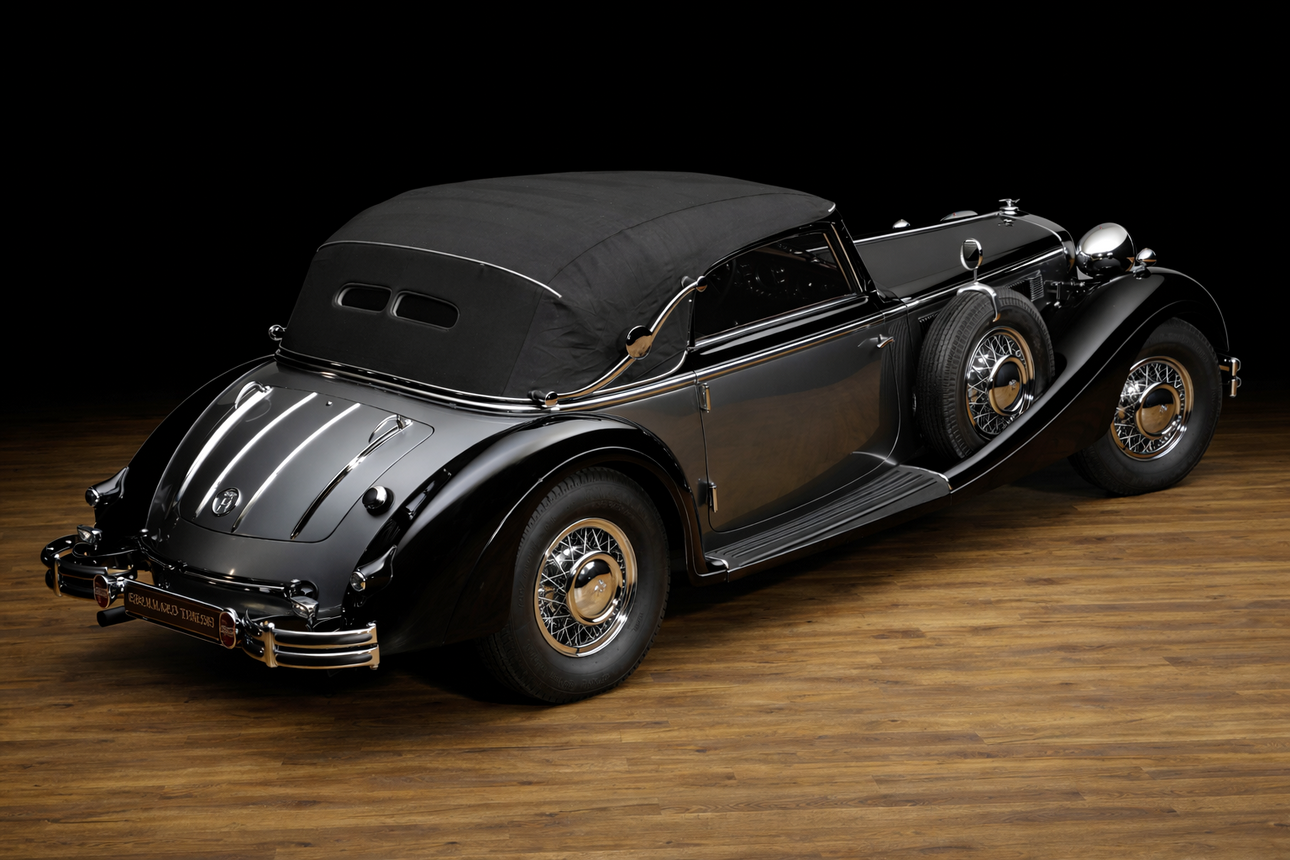
The body was fitted with a new wooden frame as a structural element, and the panels were carefully repaired. This work was carried out by Malmquist in Sweden. As a result, this particular car is distinguished, both then and now, by the excellent fit of the bodywork and chrome trim. Moreover, the engine was overhauled and repaired by Gebrüder Heise Motoreninstandsetzung in Northern Germany. The car was given an extremely attractive and period-appropriate two-tone paint finish in black and silver-grey metallic, with a black leather interior and a black soft top.
Following its restoration, the 853 Sport Cabriolet was sold to one of Germany’s most renowned collectors. Many years later, the Horch passed to another collector in Northern Europe. In early 2016, Eberhard Thiesen repurchased the excellently preserved car and sold it to a collector in Northern Germany. In 2019, the Horch – again via Eberhard Thiesen – came into the hands of its current owner in southern Germany, who added it to his collection of various Mercedes supercharged models.
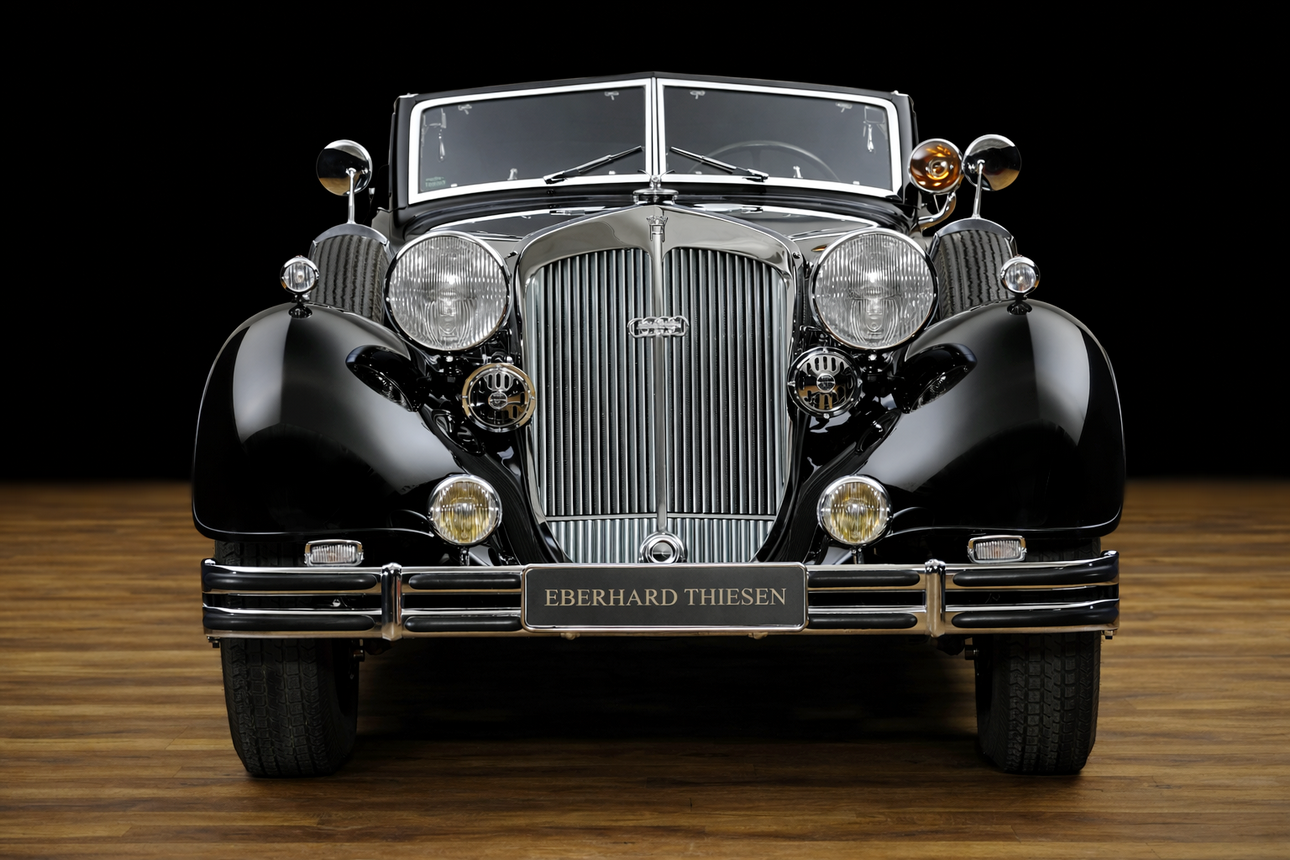
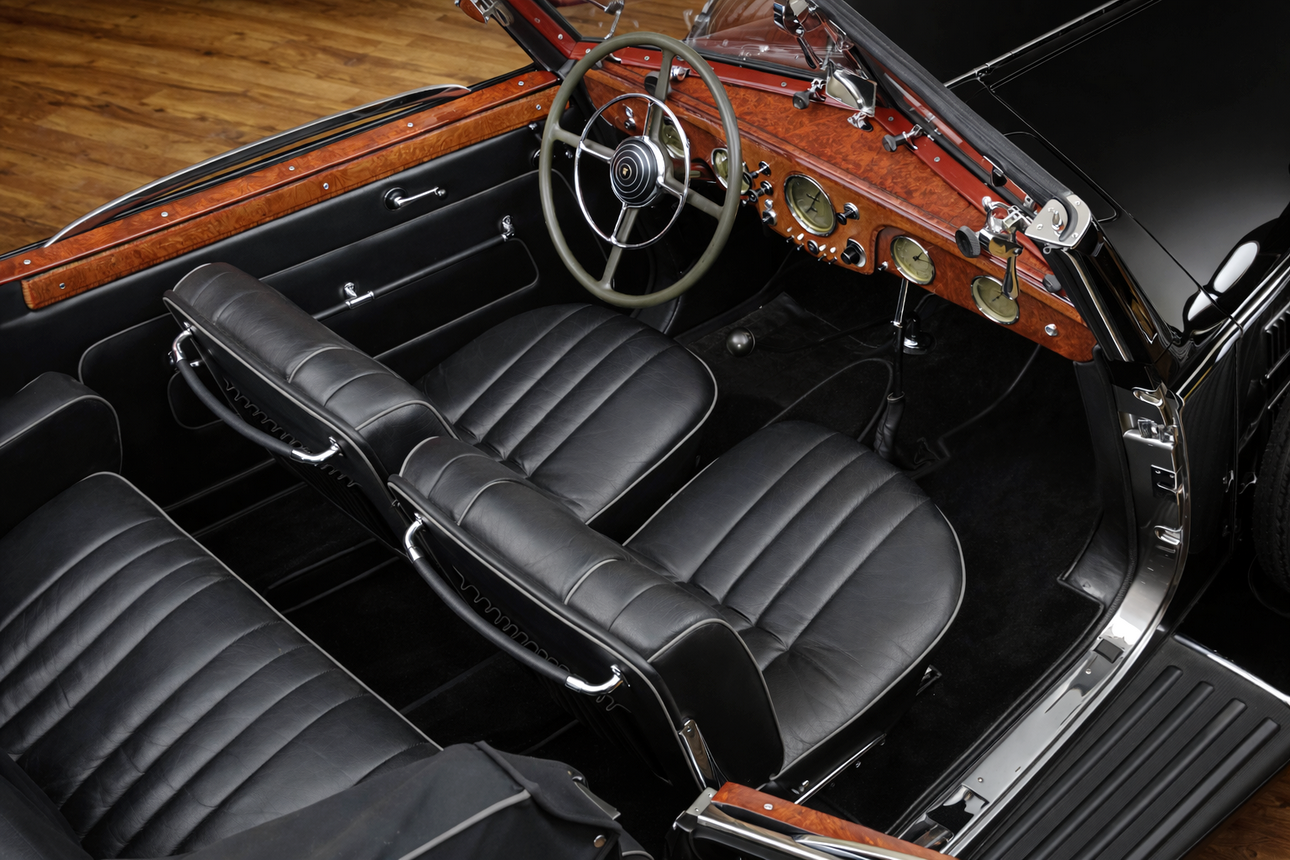
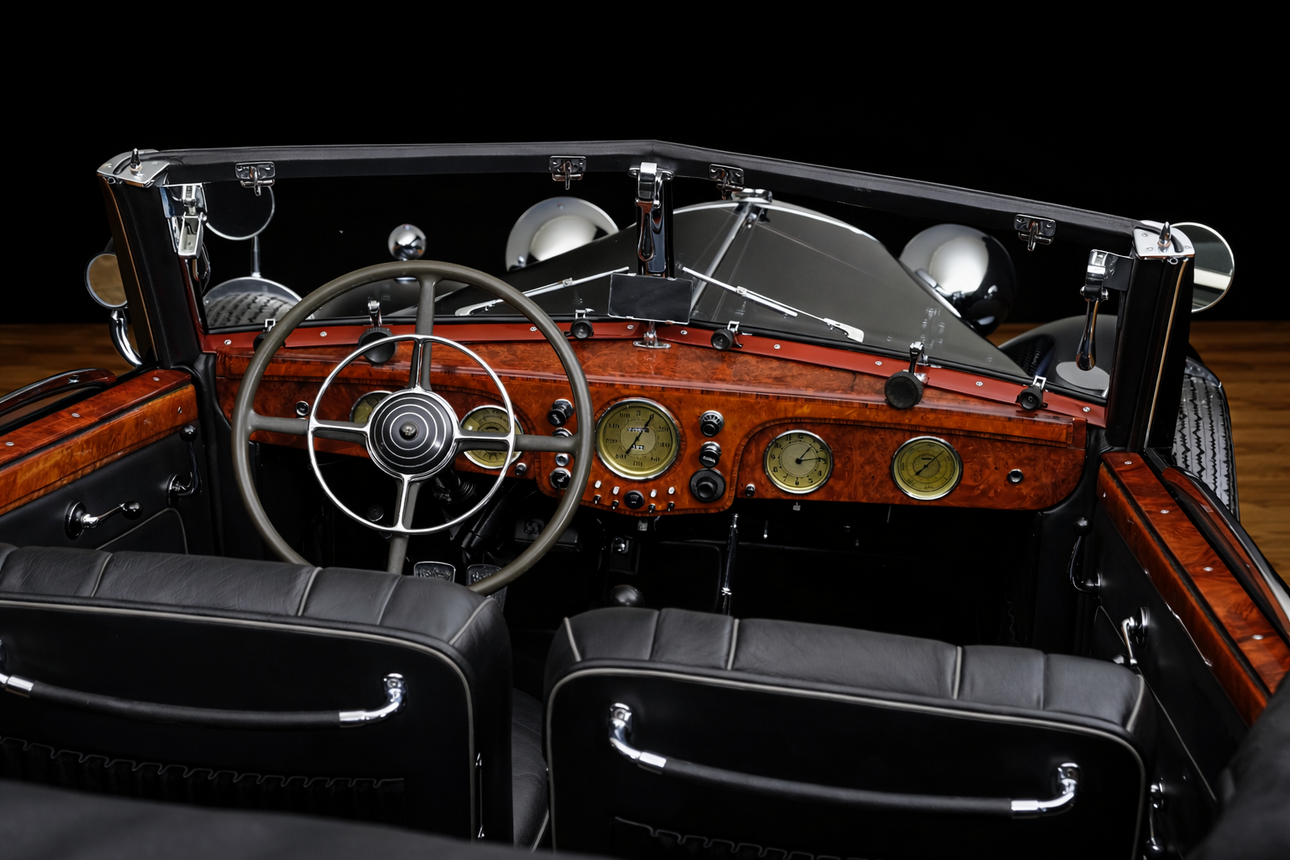
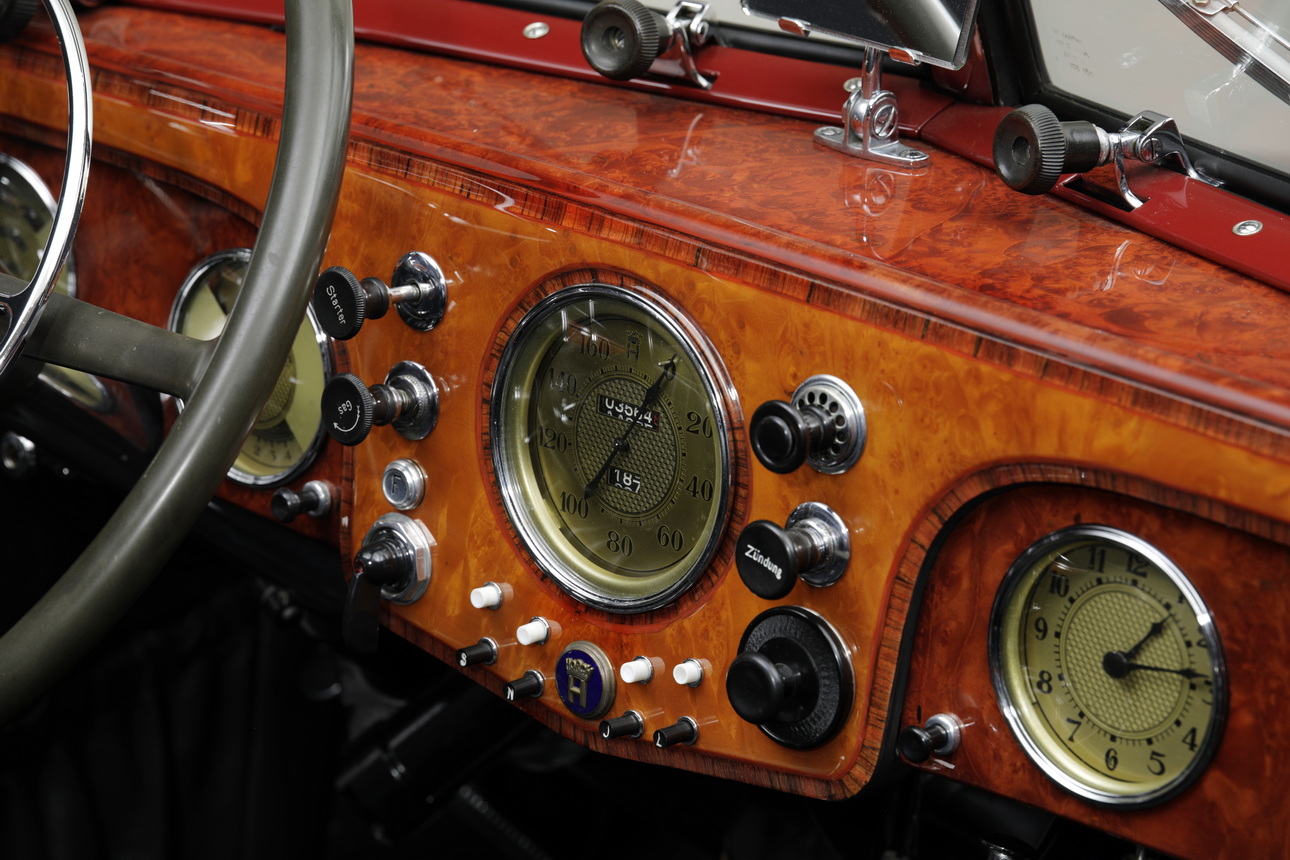
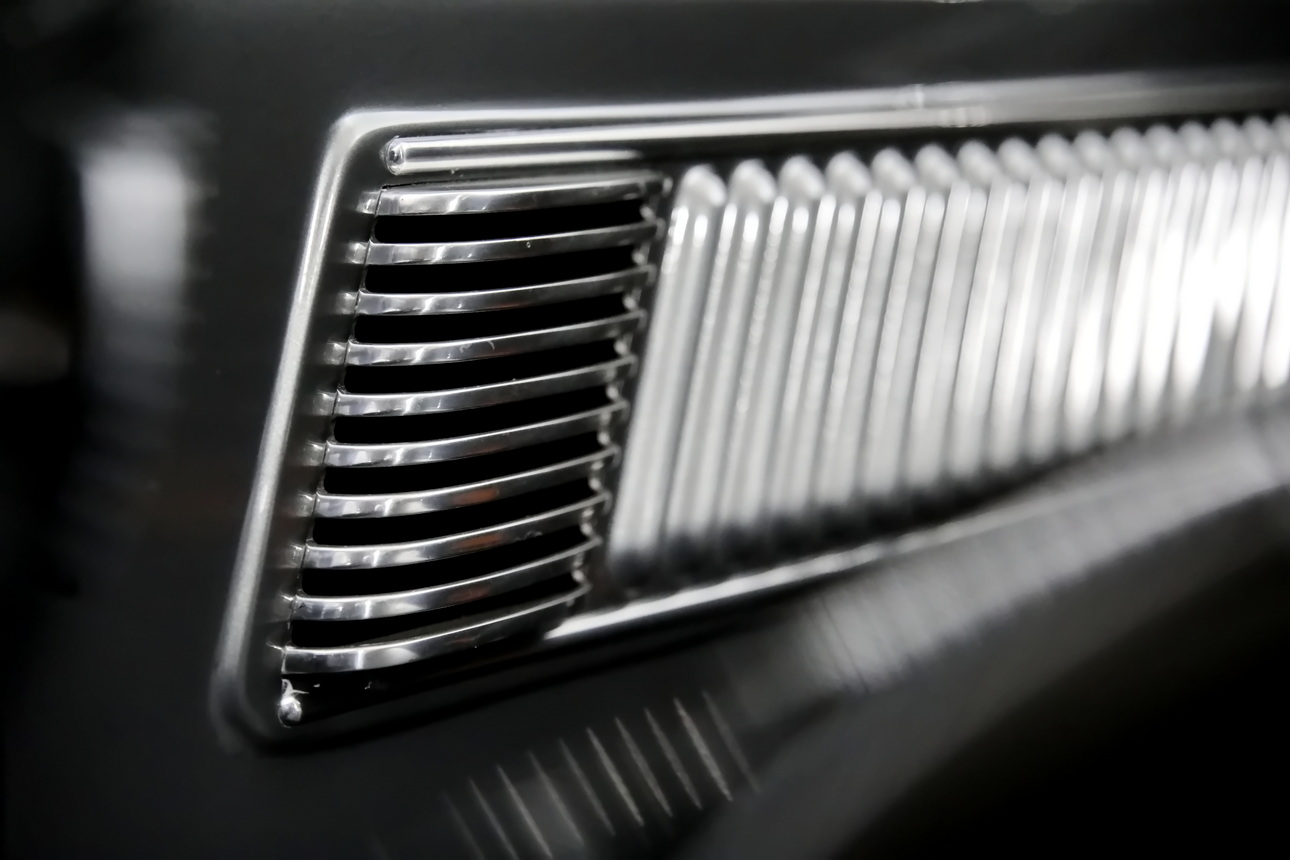
Compared to the two subsequent 853 versions, this first-series example features several very attractive details: the noticeably longer bonnet with a more elegant side-line; the low, fold-out windscreen assembly; the lower roofline (on the 853 A, the soft top resembles a balloon); the beautiful gold-coloured instruments instead of black fittings, as well as the brass-chrome trim, which from mid-1937 onwards was made entirely of aluminium.
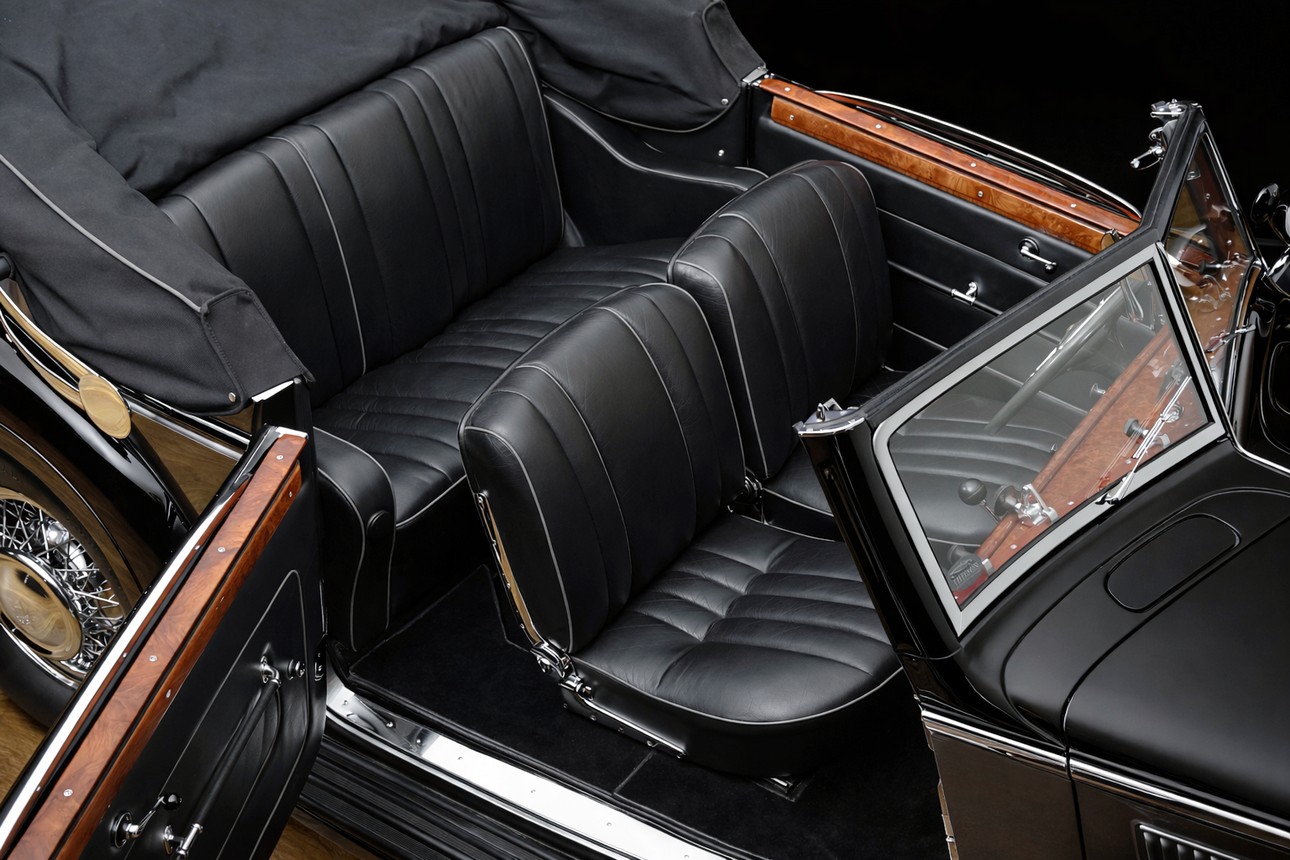
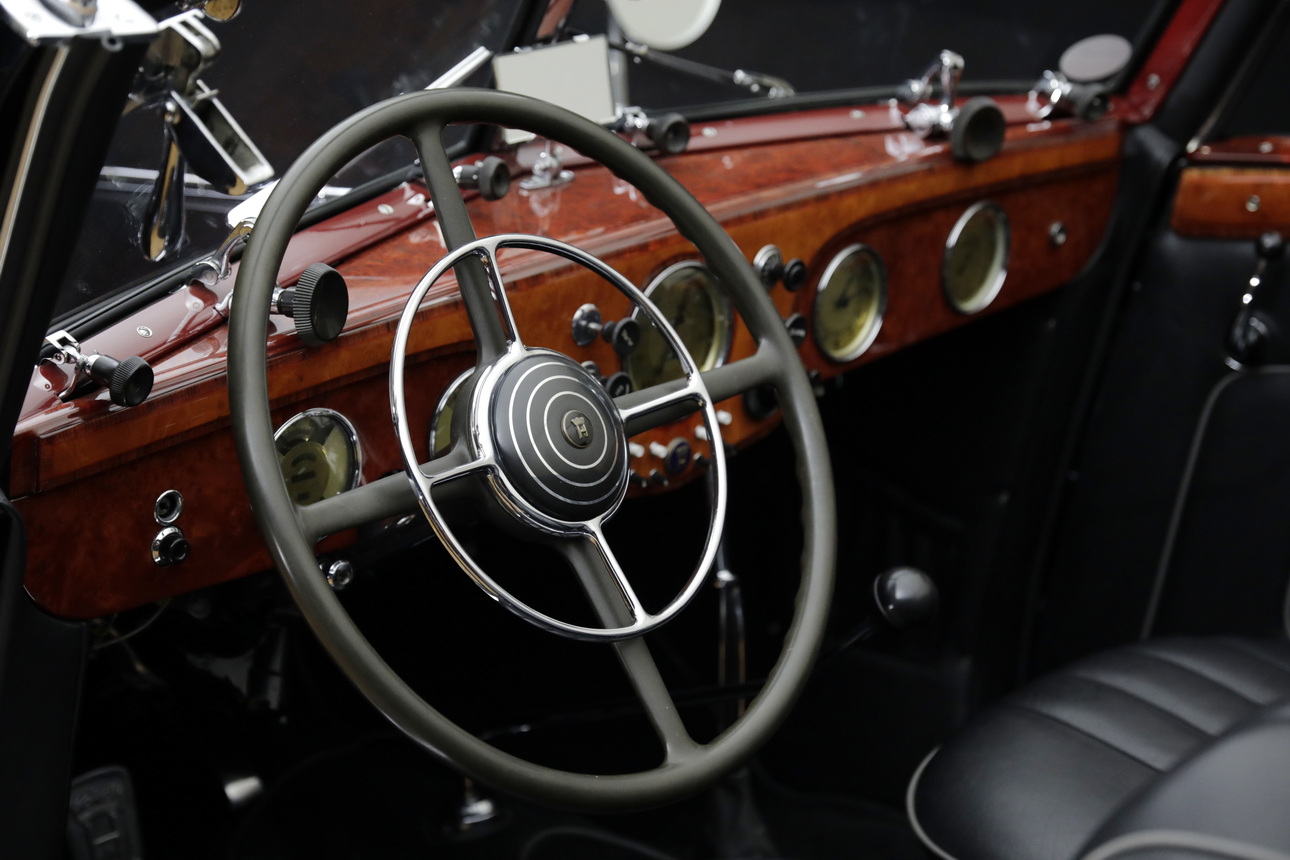
The immaculate bodywork, the excellent interior and flawless mechanics speak for themselves and are likely to be unique. Moreover, the car impresses with outstanding handling and a superb engine performance. The extremely well preserved leather upholstery and polished fine woods, as well as the many fine details both inside and outside, are a real feast for the eyes. Here is an extremely rare opportunity to acquire an outstanding Horch 853 Sport Cabriolet in virtually mint collector’s condition.
Model History
The Horch 850 with its model variants such as the 853 / 853 A Sport Cabriolet was introduced in 1935 as the successor to the Horch 8. Its engine was Germany's first series-production inline 8-cylinder back in 1926 and was considered a sensation when it was launched.
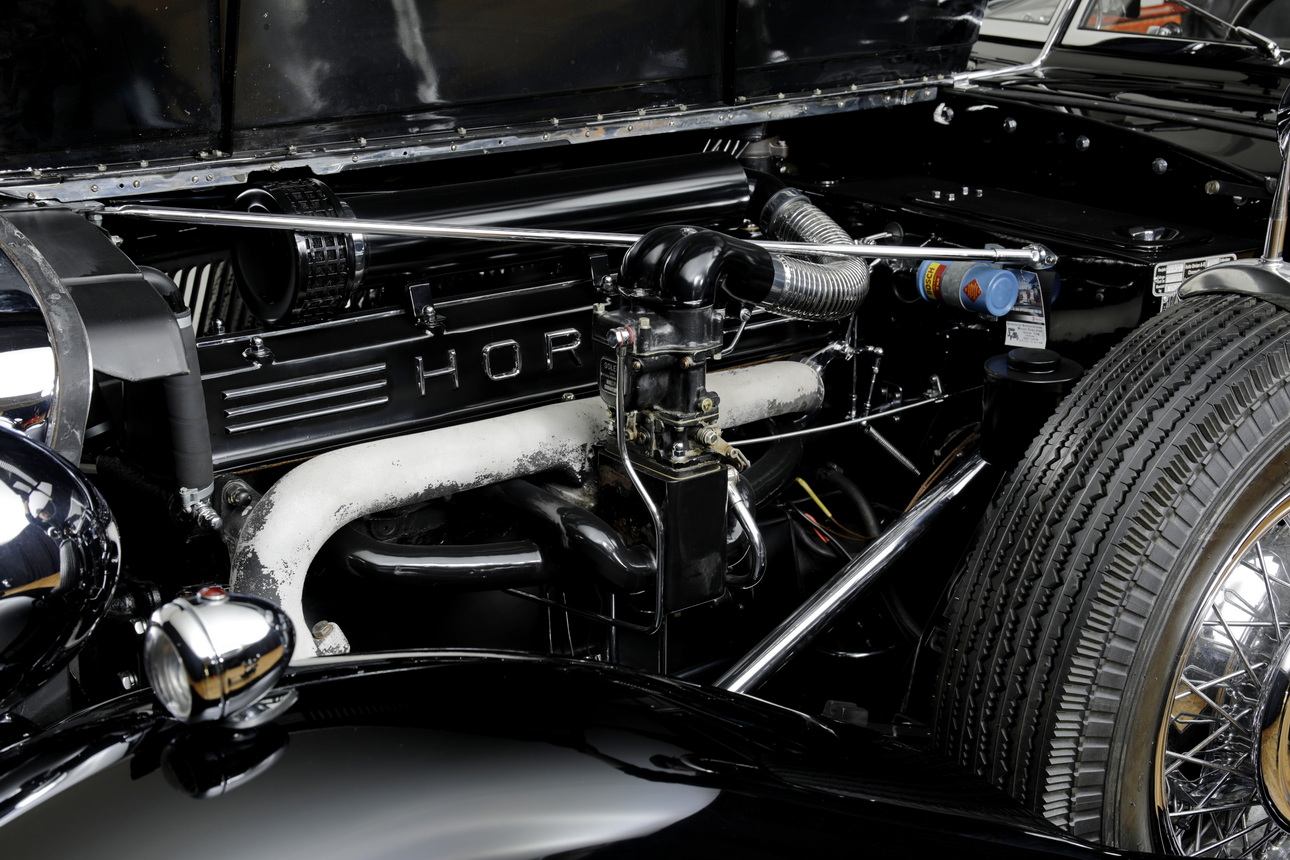
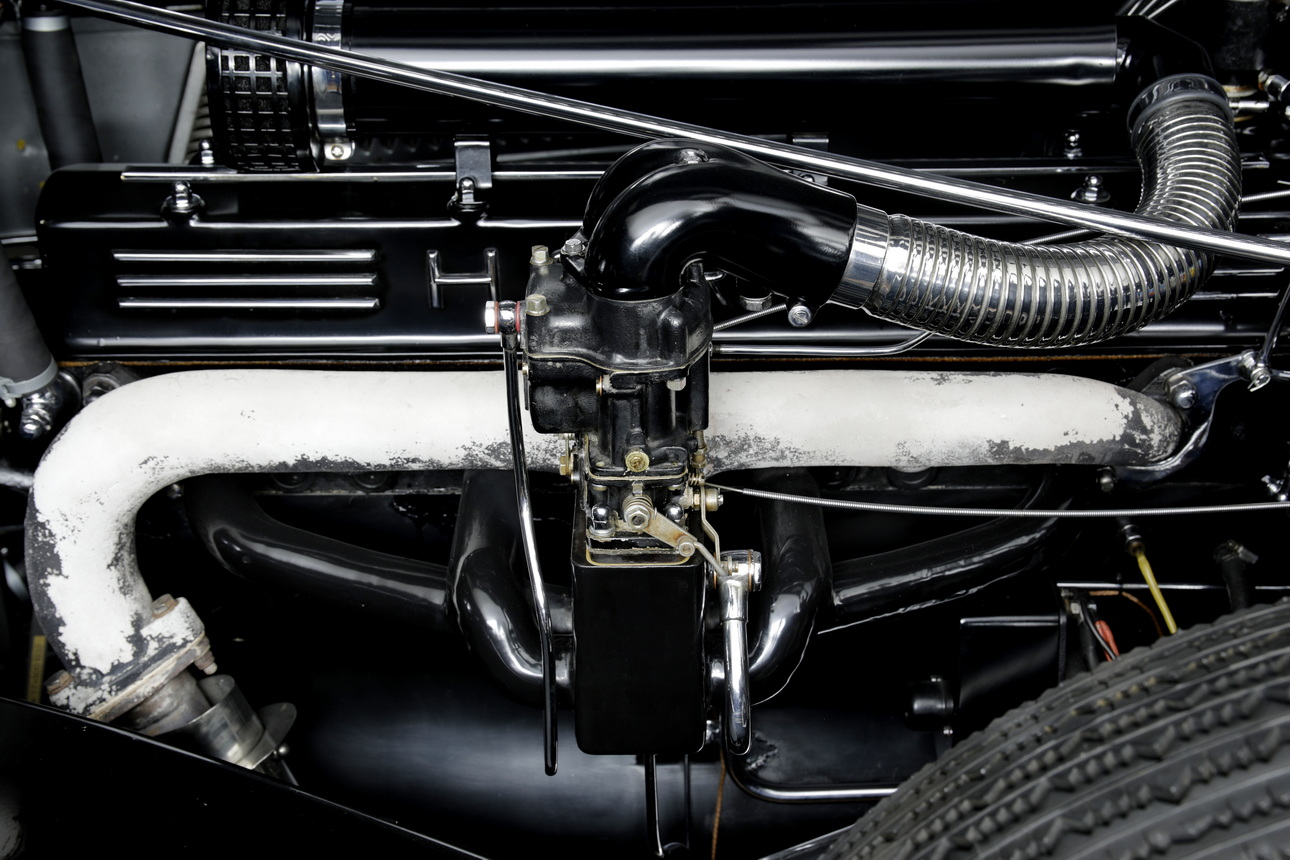
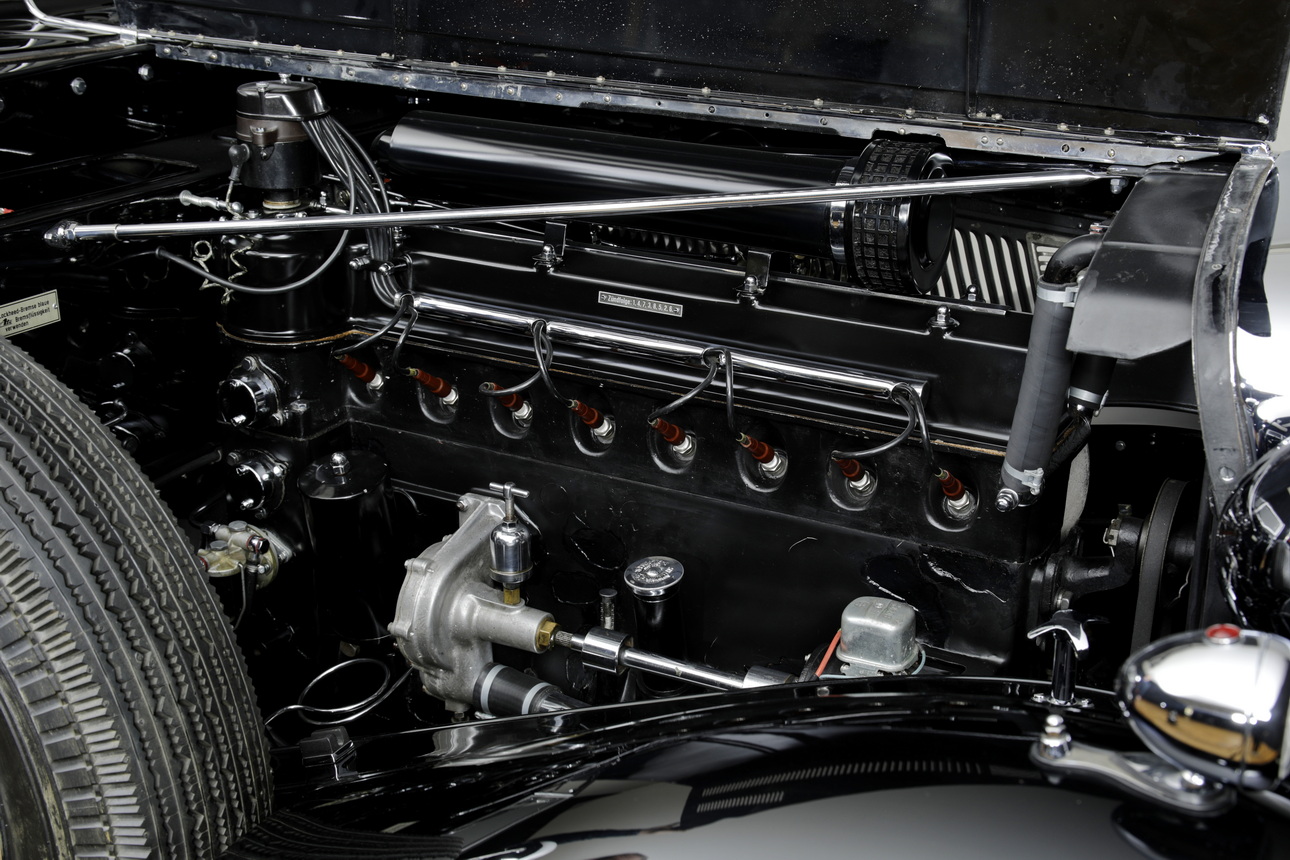
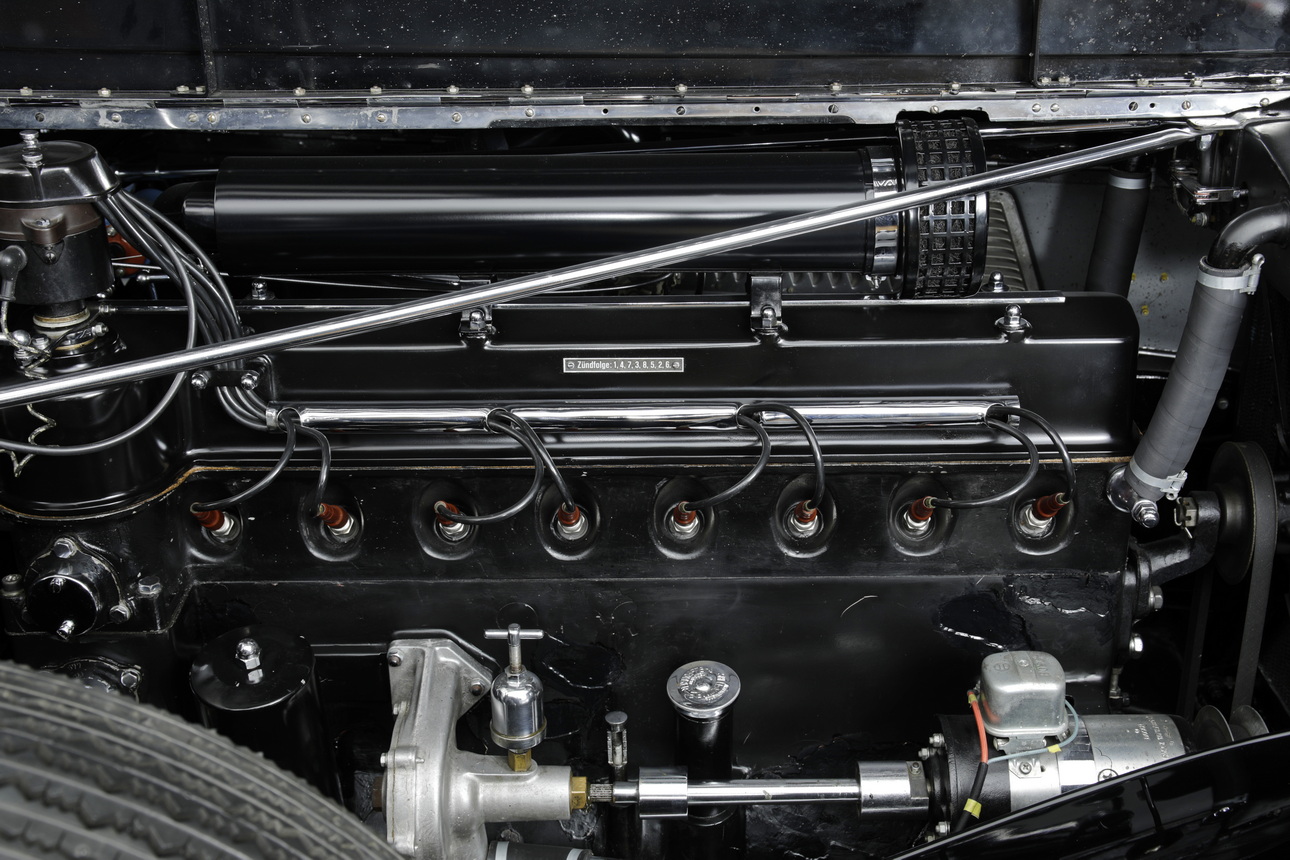
The 850 models were always powered by an eight-cylinder in-line engine with a displacement of 5 litres, which initially delivered 100 hp. The overhead camshaft was driven by a king shaft. Thanks to a modified camshaft and an increase in the compression ratio from 5.8 to 6.1:1, the engine power of the 853 rose to 120 hp in 1937. Power was transmitted via a four-speed gearbox with centre shift, which was optionally available with motorway overdrive. Deceleration was provided by drum brakes with hydraulic actuation (‘oil pressure brakes’) and Bosch Dewandre vacuum assistance (servo brakes).
The two-door 853 Sport Cabriolet (officially known as the ‘850 Sport’ until 1936) had a wheelbase that was 25 cm shorter than the four-door saloons/cabriolets and, unlike them, featured a rear ‘double-jointed axle’ (De Dion axle) instead of a rigid axle. The officially named Horch 853 Sport Cabriolet from 1937 onwards, also had the 120 hp engine and a wheelbase that was another 5 cm shorter (3.45 m) than its predecessor.
The modified 853 A version was released for the 1938 model year, now featuring the ZF gearbox with motorway overdrive (type AK4S) as standard. Like the Pullman saloons, the bodies of the sports convertibles were manufactured by Horch itself.
The 853/853A Sport Cabriolet is today the best-known and most sought-after Horch model and one of the most exclusive pre-war German cars, which made a prestigious appearance on the magnificent boulevards of the big cities and a comfortable impression on cross-country journeys. Along with Mercedes Benz and Maybach, the Horch brand was considered a benchmark of German automotive engineering and, alongside these, was the preferred car of the upper class. Many wealthy and prominent personalities owned a Horch, not so much to attract attention or gain prestige, but because their attitude was more in line with today's understatement. Around 1,000 Horch 850/853 Sport Cabriolets were produced between 1935 and 1939, including 627 units of the 853 series 1 and 2 (from 1935 to 1937).
This Automobile
Eberhard Thiesen has a long-standing and deep connection with Horch 853 models: while searching for classic cars in the former Soviet Union between 1985 and 1995, he discovered a total of 15 Horch 853s and brought them back to Germany. This led him to set up a specialised workshop for these cars in order to have a number of 853s restored. Over the years, he has acquired extensive expertise and experience with the 853 model.
This 1937 Horch 853 was also discovered by Eberhard Thiesen in Russia in the early 1990s, in a condition that, whilst bearing the marks of a poor economy, was largely complete, and was subsequently imported to Germany. Under his supervision, the car was completely restored and rebuilt true to the original details over a period of four years in his own workshop and with the assistance of other specialist manufacturers. In the process, all components and every part were either overhauled or replaced.
The body was fitted with a new wooden frame as a structural element, and the panels were carefully repaired. This work was carried out by Malmquist in Sweden. As a result, this particular car is distinguished, both then and now, by the excellent fit of the bodywork and chrome trim. Moreover, the engine was overhauled and repaired by Gebrüder Heise Motoreninstandsetzung in Northern Germany. The car was given an extremely attractive and period-appropriate two-tone paint finish in black and silver-grey metallic, with a black leather interior and a black soft top.
Following its restoration, the 853 Sport Cabriolet was sold to one of Germany’s most renowned collectors. Many years later, the Horch passed to another collector in Northern Europe. In early 2016, Eberhard Thiesen repurchased the excellently preserved car and sold it to a collector in Northern Germany. In 2019, the Horch – again via Eberhard Thiesen – came into the hands of its current owner in southern Germany, who added it to his collection of various Mercedes supercharged models.
Compared to the two subsequent 853 versions, this first-series example features several very attractive details: the noticeably longer bonnet with a more elegant side-line; the low, fold-out windscreen assembly; the lower roofline (on the 853 A, the soft top resembles a balloon); the beautiful gold-coloured instruments instead of black fittings, as well as the brass-chrome trim, which from mid-1937 onwards was made entirely of aluminium.
The immaculate bodywork, the excellent interior and flawless mechanics speak for themselves and are likely to be unique. Moreover, the car impresses with outstanding handling and a superb engine performance. The extremely well preserved leather upholstery and polished fine woods, as well as the many fine details both inside and outside, are a real feast for the eyes. Here is an extremely rare opportunity to acquire an outstanding Horch 853 Sport Cabriolet in virtually mint collector’s condition.
Model History
The Horch 850 with its model variants such as the 853 / 853 A Sport Cabriolet was introduced in 1935 as the successor to the Horch 8. Its engine was Germany's first series-production inline 8-cylinder back in 1926 and was considered a sensation when it was launched.
The 850 models were always powered by an eight-cylinder in-line engine with a displacement of 5 litres, which initially delivered 100 hp. The overhead camshaft was driven by a king shaft. Thanks to a modified camshaft and an increase in the compression ratio from 5.8 to 6.1:1, the engine power of the 853 rose to 120 hp in 1937. Power was transmitted via a four-speed gearbox with centre shift, which was optionally available with motorway overdrive. Deceleration was provided by drum brakes with hydraulic actuation (‘oil pressure brakes’) and Bosch Dewandre vacuum assistance (servo brakes).
The two-door 853 Sport Cabriolet (officially known as the ‘850 Sport’ until 1936) had a wheelbase that was 25 cm shorter than the four-door saloons/cabriolets and, unlike them, featured a rear ‘double-jointed axle’ (De Dion axle) instead of a rigid axle. The officially named Horch 853 Sport Cabriolet from 1937 onwards, also had the 120 hp engine and a wheelbase that was another 5 cm shorter (3.45 m) than its predecessor. The modified 853 A version was released for the 1938 model year, now featuring the ZF gearbox with motorway overdrive (type AK4S) as standard. Like the Pullman saloons, the bodies of the sports convertibles were manufactured by Horch itself.
The 853/853A Sport Cabriolet is today the best-known and most sought-after Horch model and one of the most exclusive pre-war German cars, which made a prestigious appearance on the magnificent boulevards of the big cities and a comfortable impression on cross-country journeys. Along with Mercedes Benz and Maybach, the Horch brand was considered a benchmark of German automotive engineering and, alongside these, was the preferred car of the upper class. Many wealthy and prominent personalities owned a Horch, not so much to attract attention or gain prestige, but because their attitude was more in line with today's understatement. Around 1,000 Horch 850/853 Sport Cabriolets were produced between 1935 and 1939, including 627 units of the 853 series 1 and 2 (from 1935 to 1937).