
Ferrari 512 TR


Highlights
Data & Facts
This Automobile
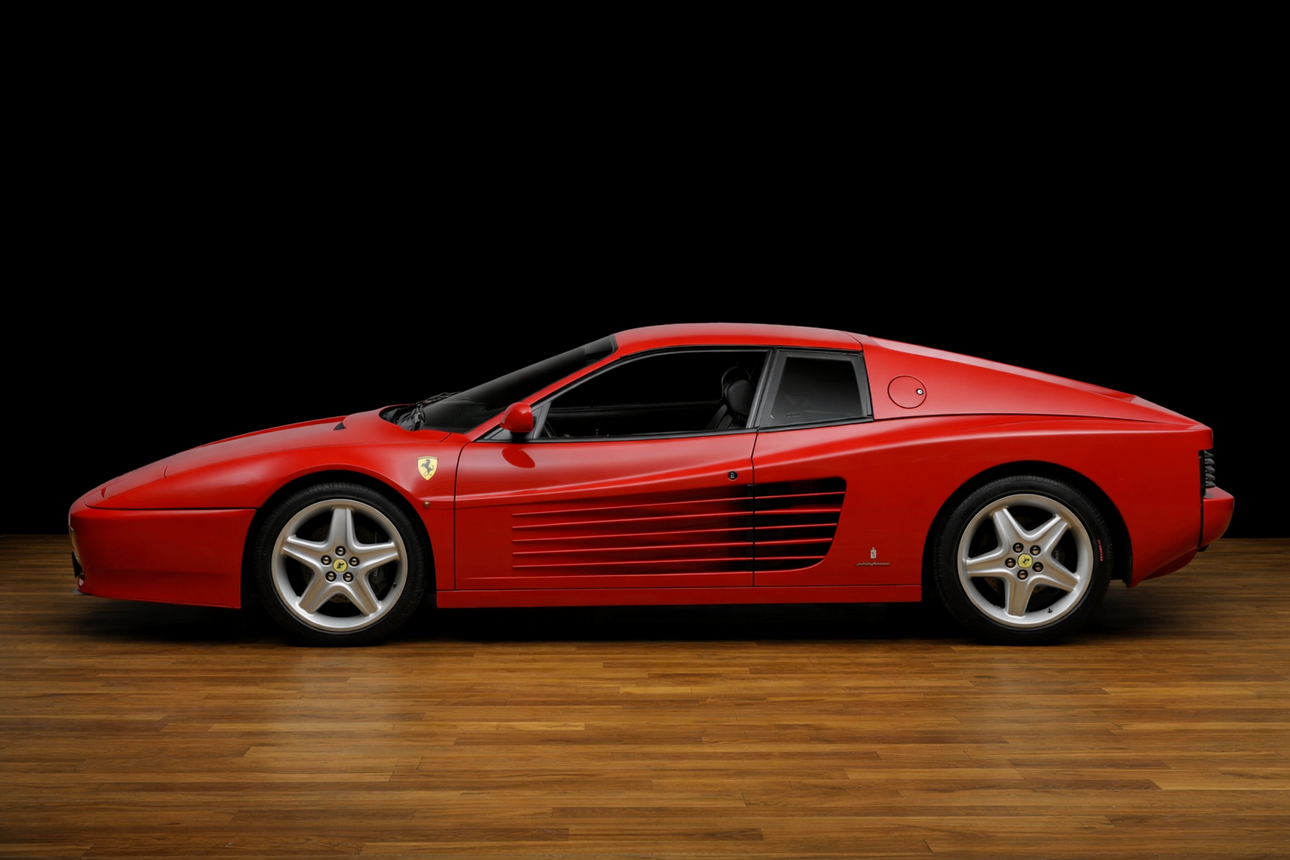
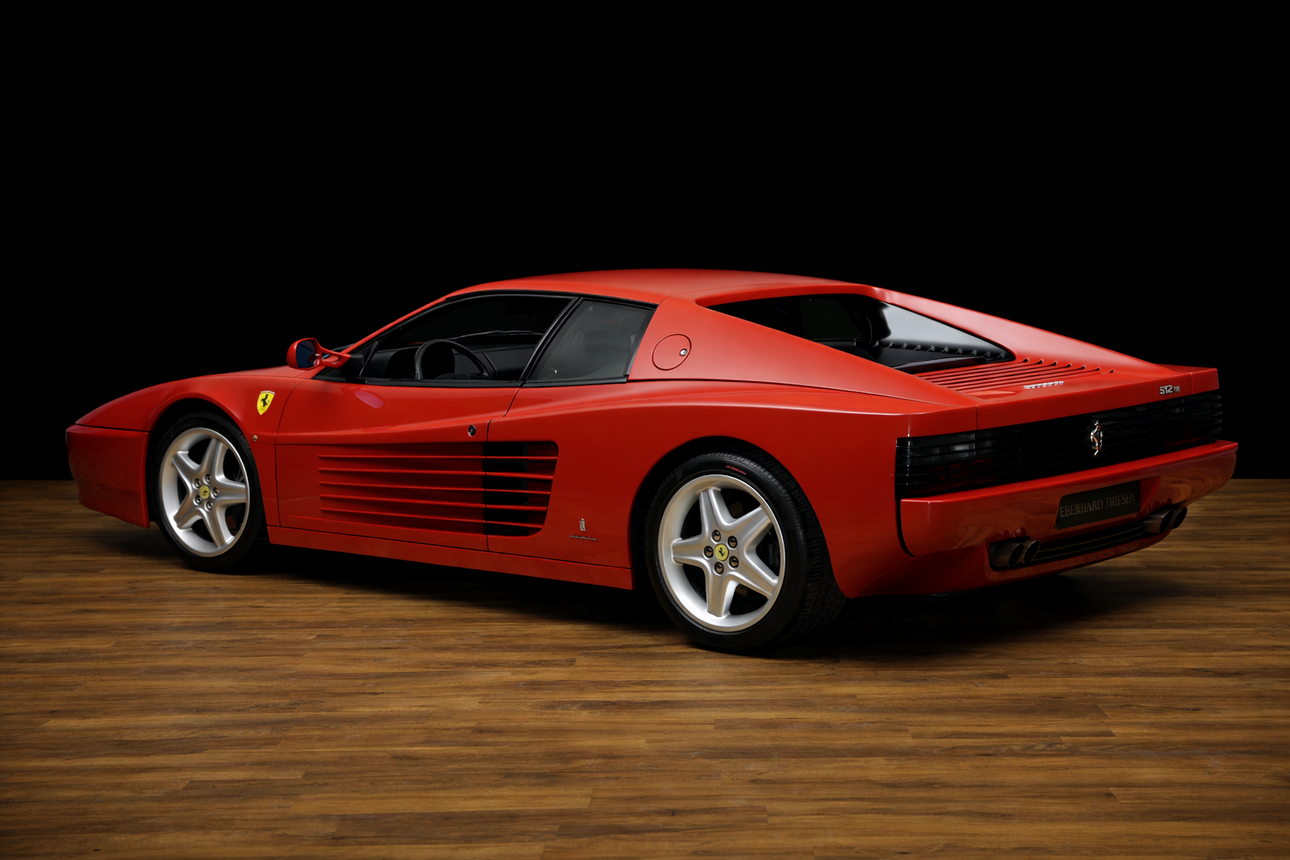
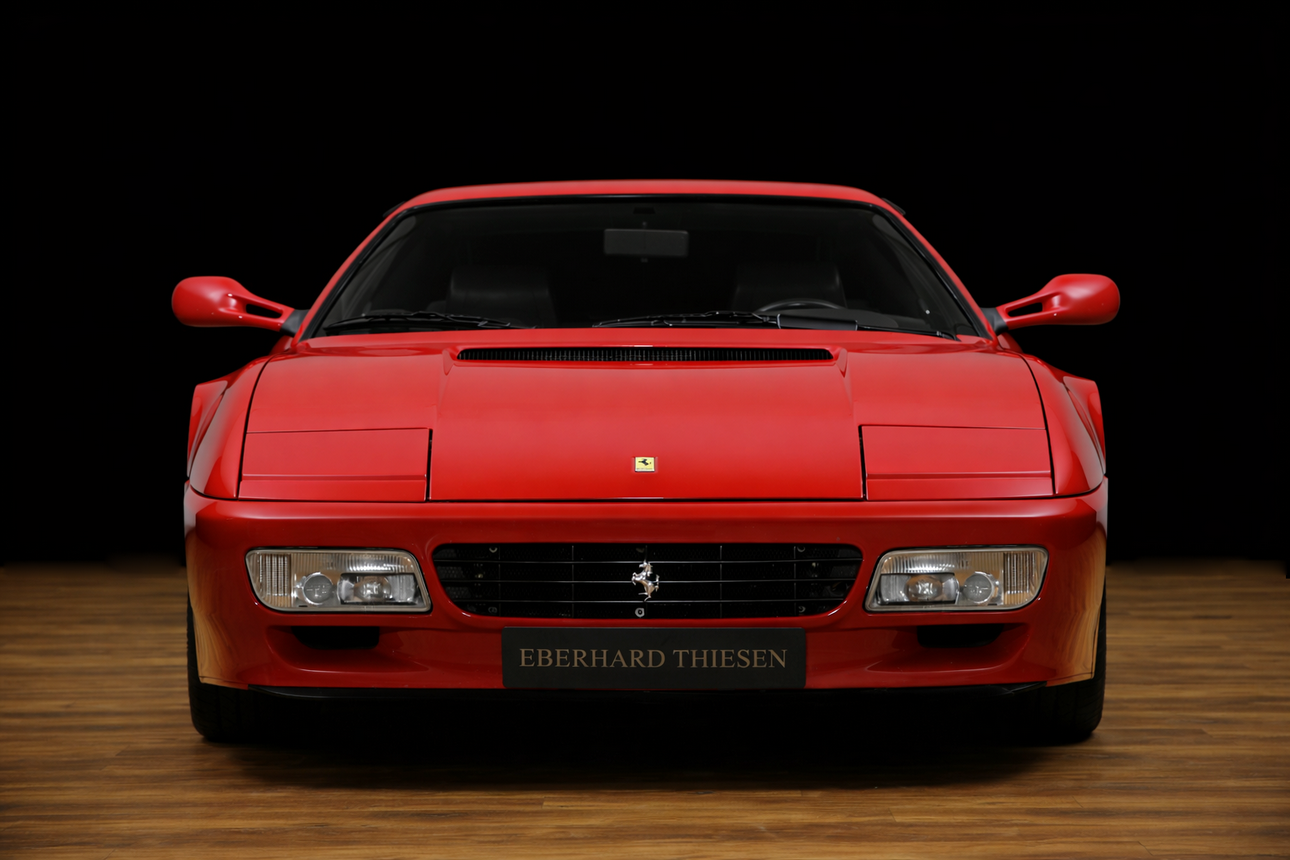
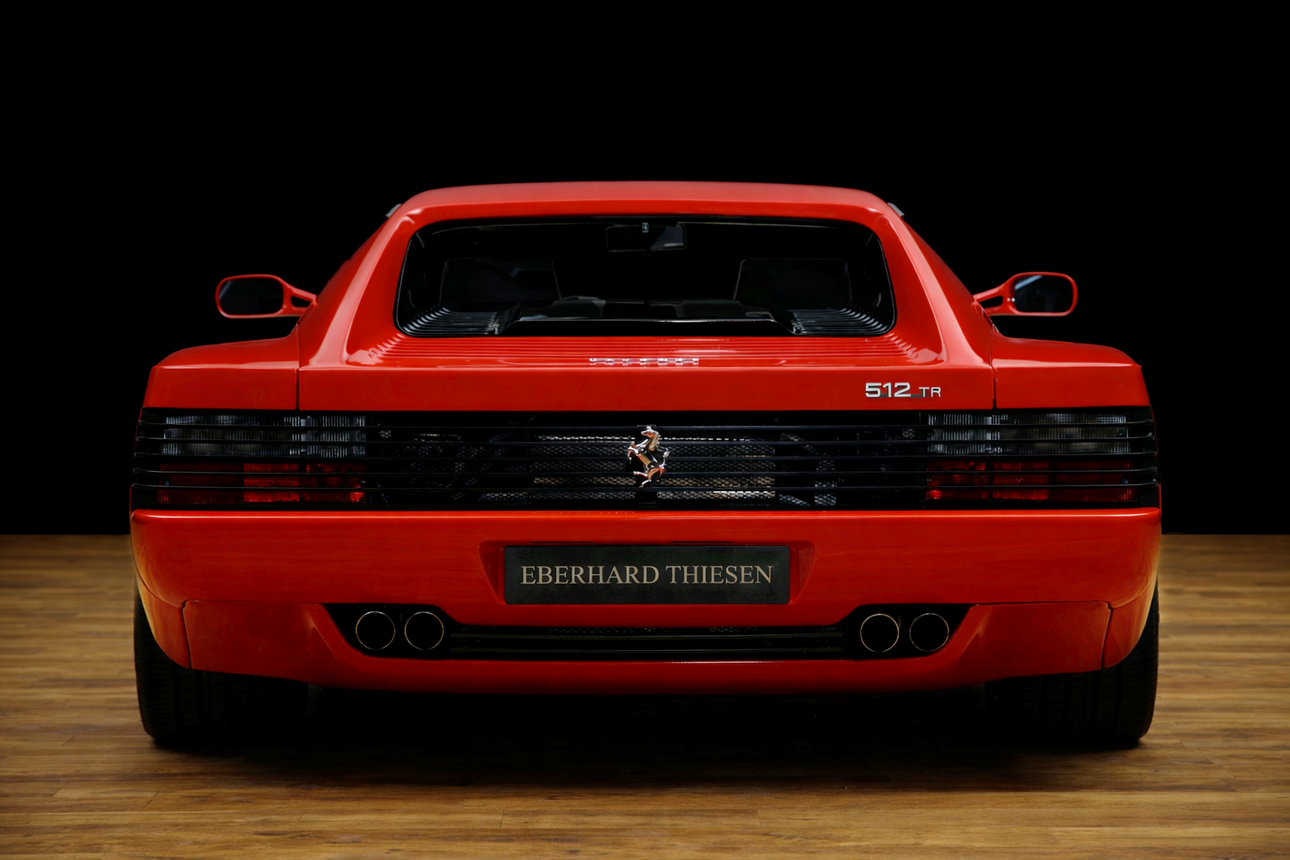
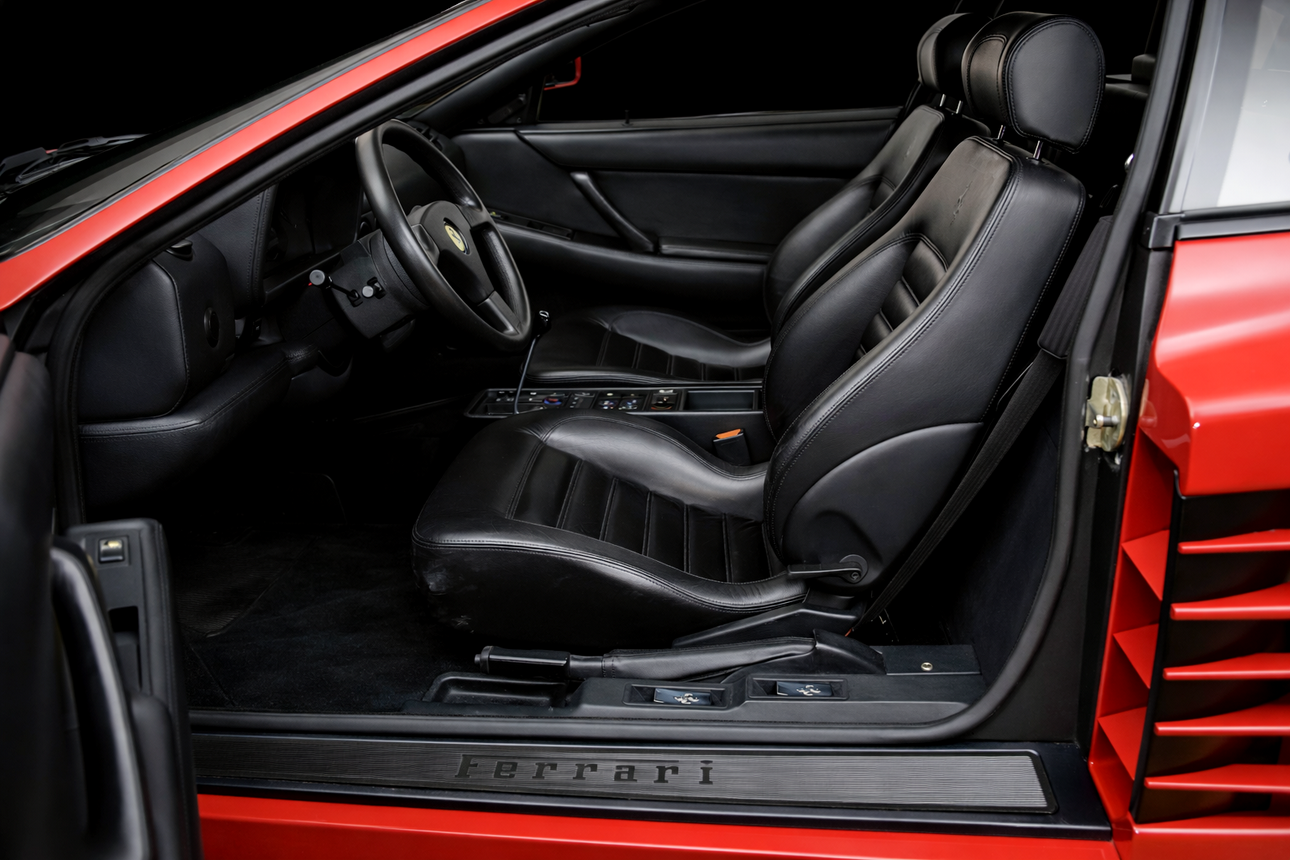
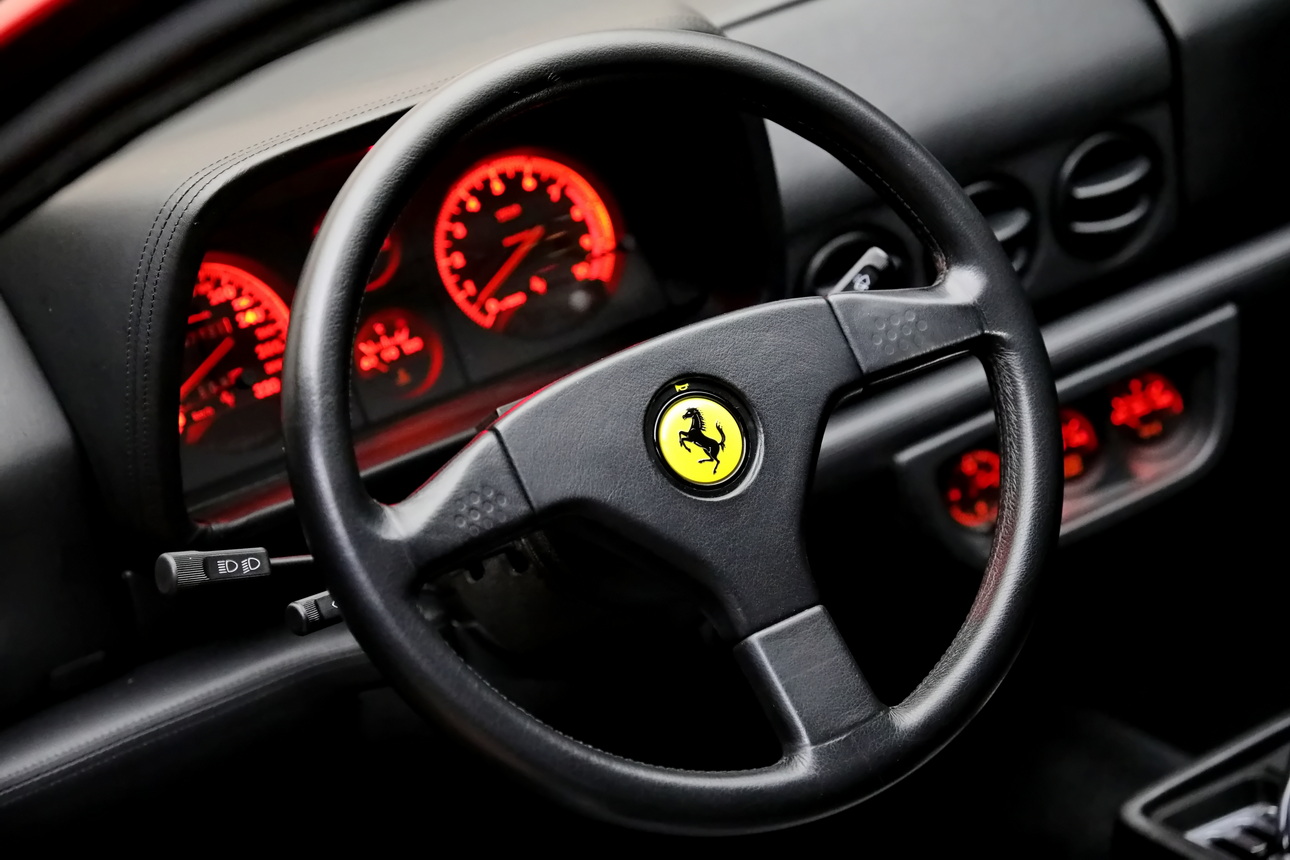
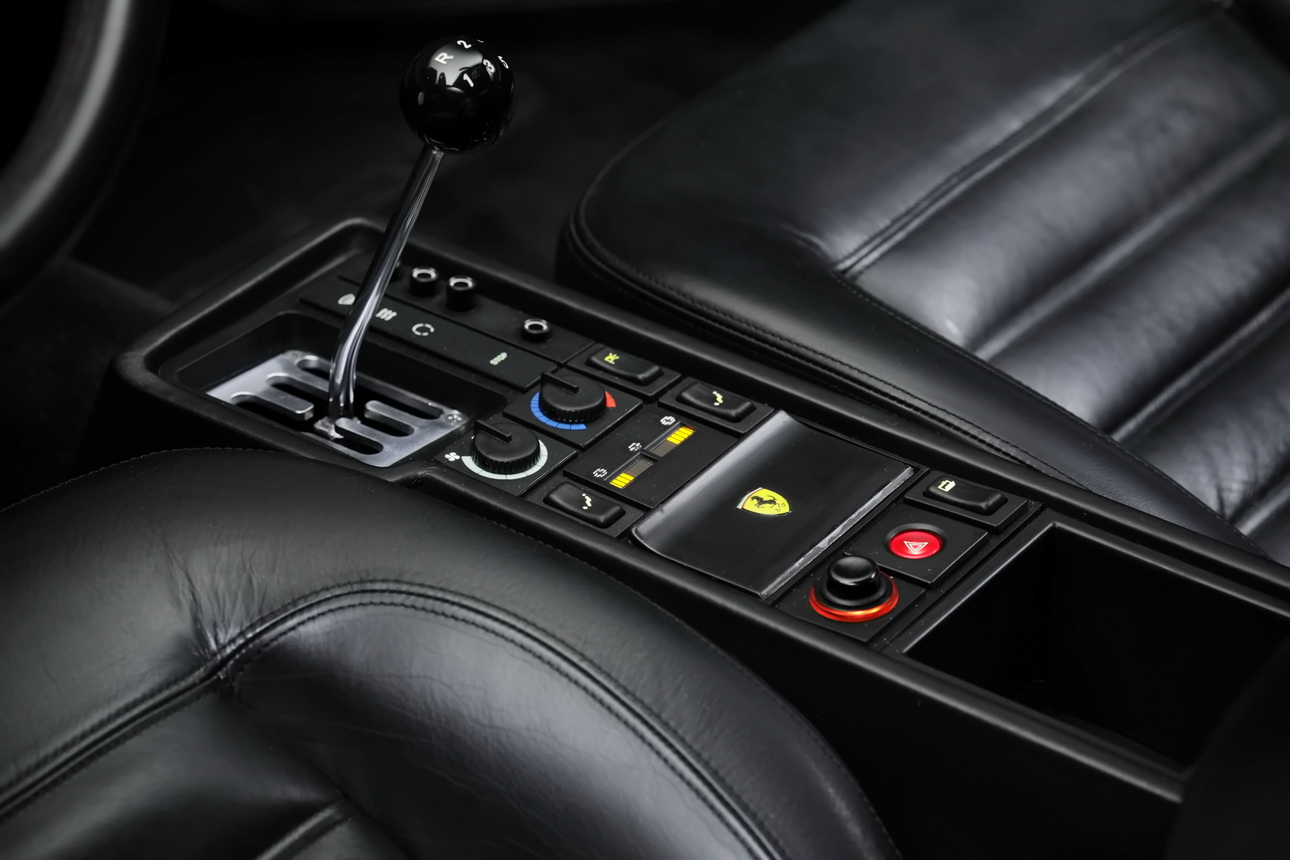
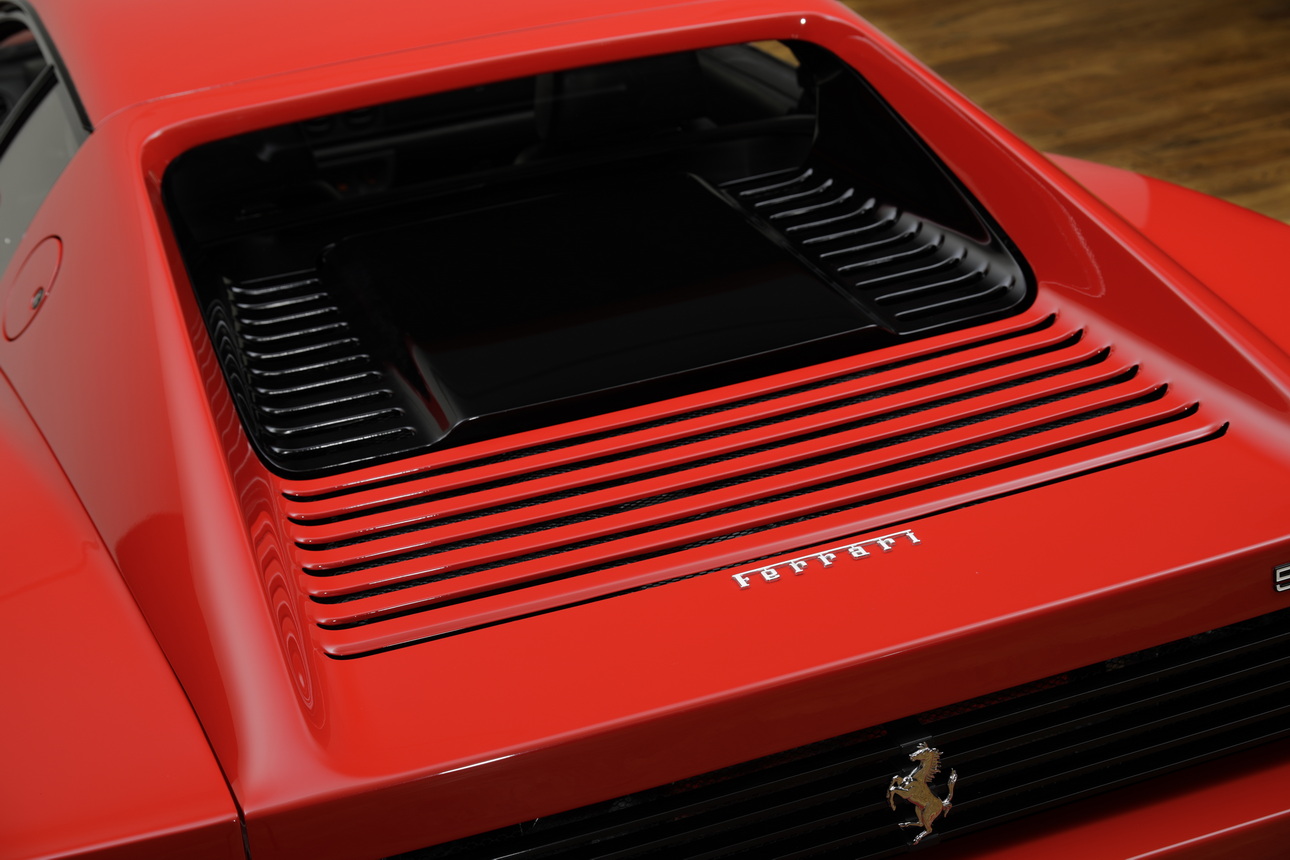
This Ferrari 512 TR was delivered on 26 August 1993 by Ferrari dealer Tamsen in Bremen. The dream sports car of the early 1990s still features its original, classic colour scheme of Rosso Corsa with black leather interior.
The first owner in Flensburg was probably tempted by the financial benefits – due to the long delivery times for Ferrari cars at the time (around two to three years) – and sold the desirable sports car after three months (without being registered) to the next owner in Hamm, who registered it for the first time in November 1993. Just under a year later, the 512 TR went to its next owner in Marl, who appreciated the modernised Testarossa and kept it for almost ten years.
Subsequently, another enthusiast in Essen acquired the sports car in early 2004 and did not sell it until May 2013. It was then purchased by an entrepreneur in the Bremen area. A friendly relationship developed between him and the previous owner, both Ferrari enthusiasts, as documented in an email correspondence. After twelve loyal years, the 512 TR then came into the hands of its current owner in the Frankfurt area. All owners are named and listed without exception in the vehicle registration documents.
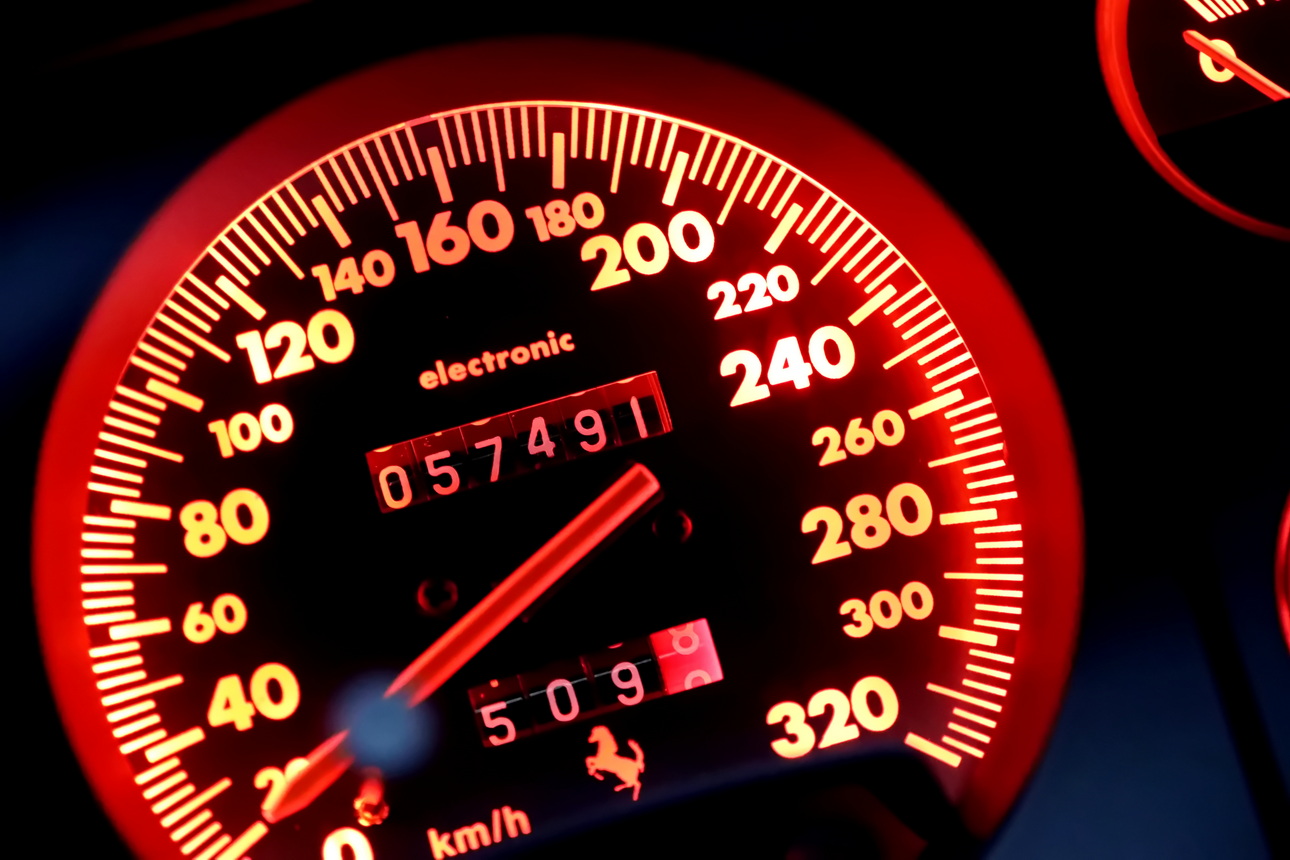
This 512 TR impresses with a relatively low mileage of 57,500 km, which is confirmed not only by its service history but also by its very well-maintained condition. This includes the largely original paintwork (with the exception of the front flap) and an excellently preserved leather interior.
The sports car has always been serviced at specialist Ferrari workshops at the specified mileage intervals. The original service booklet is complete with all the necessary entries and the last two service invoices are also available. The engine is the original unit (‘matching numbers’) and the last timing belt change was carried out around 1,000 km ago in spring 2024.
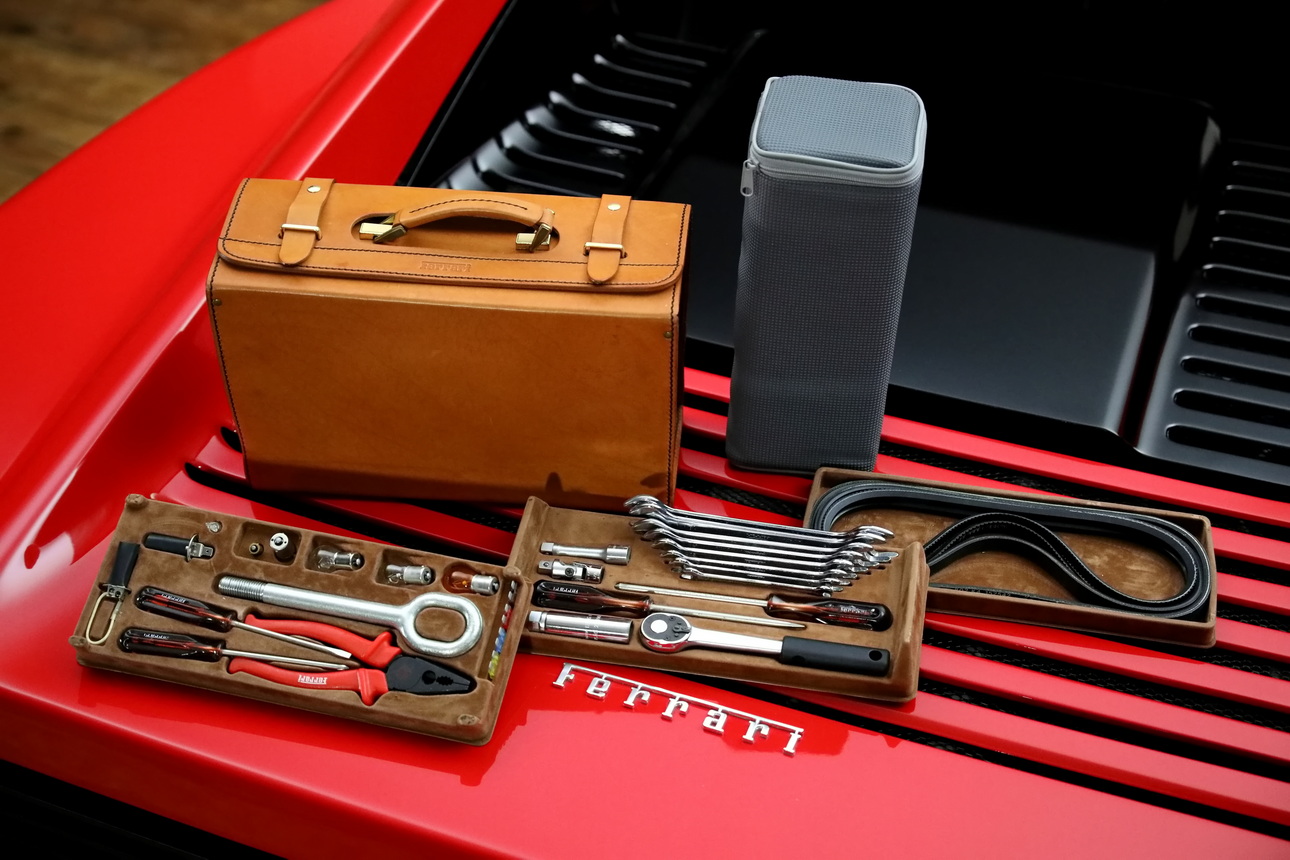
A valuable advantage of this Ferrari 512 TR is its complete ownership history and the fact that the car has always remained in Germany. The scope of delivery includes the original on-board folder with service booklet and all manuals, as well as the original tool kit in its leather case.
Model History
The Ferrari Testarossa was presented at the Motor Show in Paris in October 1984 as the successor to the 512 BBi. The VIP presentation in the legendary Paris nightclub "Lido" on the eve of the motor show is still referred to. The Testarossa was a milestone for Ferrari and in retrospect is the bridge between the "old" era of classic Ferrari and the new, modern era.
Pininfarina's design in particular was considered sensational. The side flanks, which begin in the door and widen over the fenders to the rear, have a spoiler function. Together with the large ribbed air intakes for the water coolers installed on the sides, they were a true innovation based entirely on the "form follows function" priciple. To this day, they are one of the best-known design features in the automobile world.
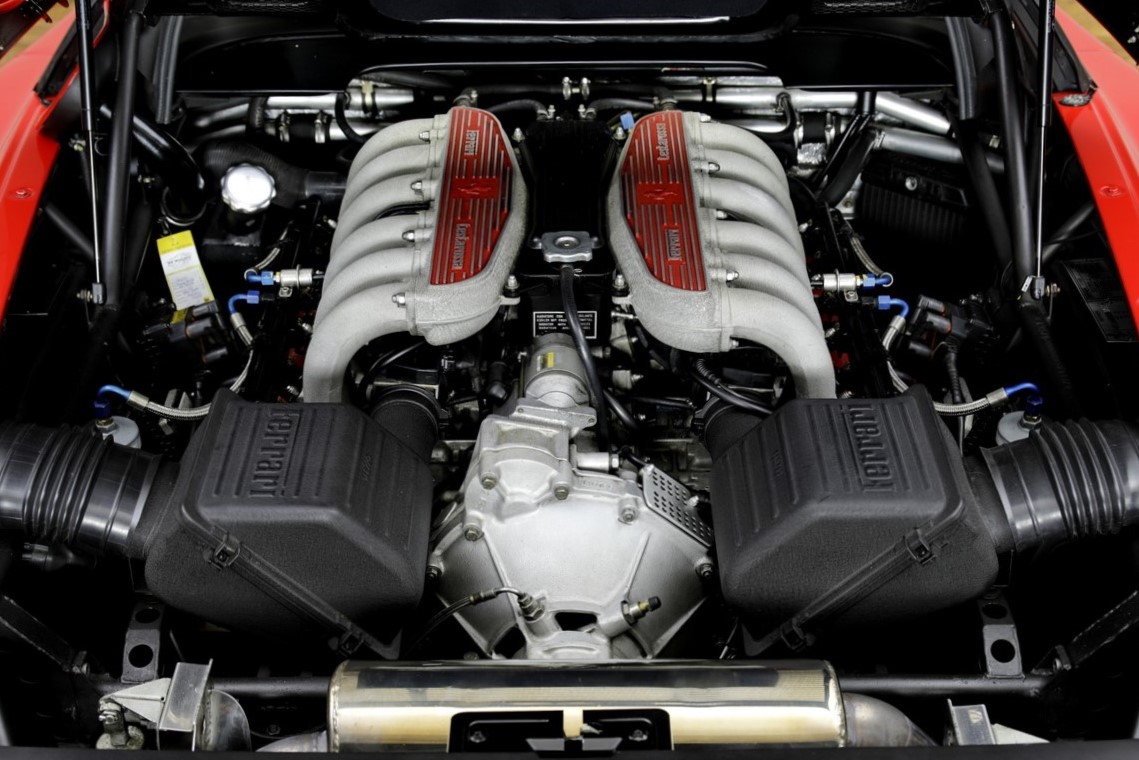
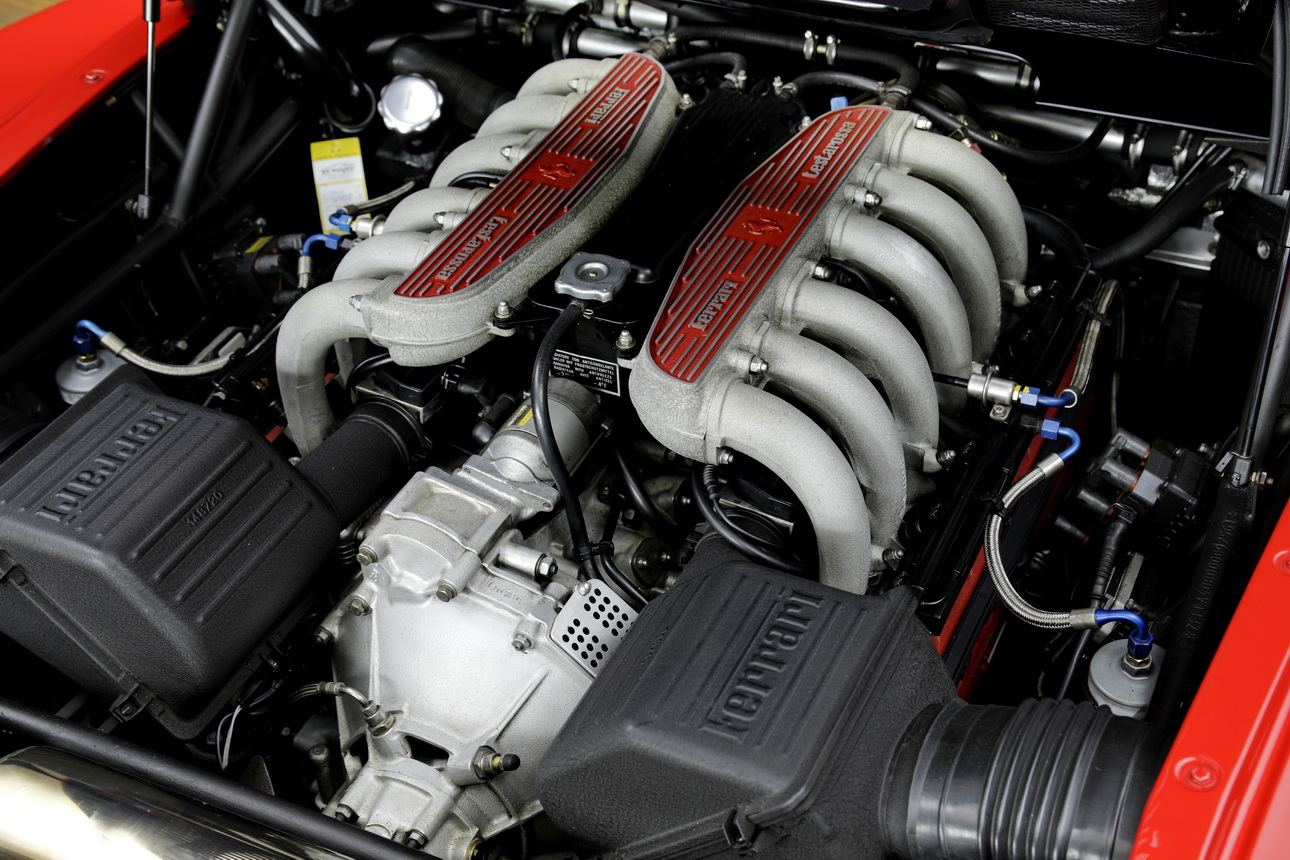
The designation Testarossa came from Ferrari heritage and means "red head". It was a tribute to the successful racing models 500 and 250 Testa Rossa of the late 1950s, which had red-painted cylinder heads. The new model also had this refined feature.
The 180° V12 engine with four valves per cylinder had two overhead camshafts per cylinder head (DOHC) and a mechanical K-Jetronic gasoline injection system from Bosch. Maximum output reached 390 hp and at the time of its presentation, the Testarossa's 12-cylinder engine was the most powerful unit in a series production sports car.
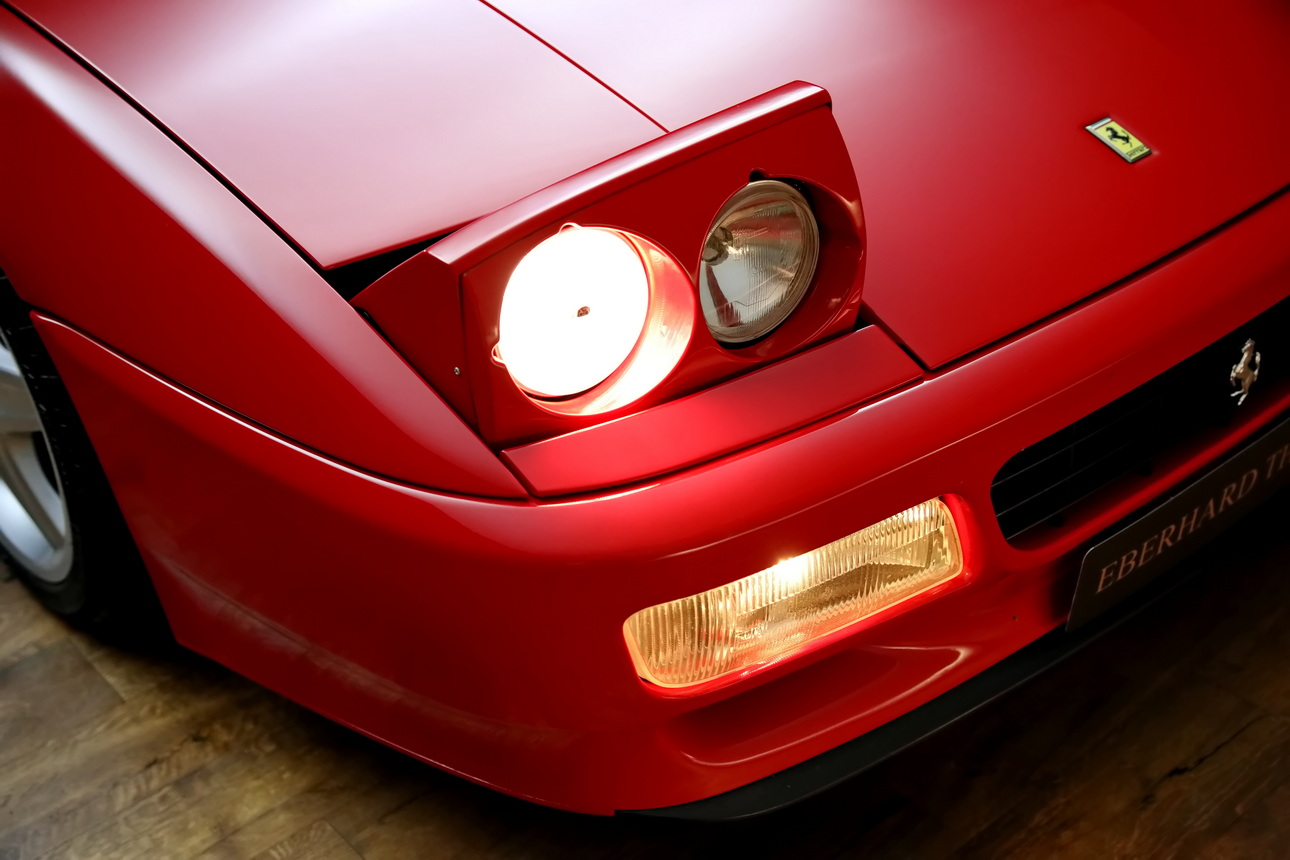
In 1991, the Testarossa was modified and designated the 512 TR (for Testa Rossa). There was an improved 4.9-liter engine that now reached 428 hp thanks to larger valves in the cylinder heads, a modified exhaust system and new airboxes. The 512 TR's top speed was now 314 km/h. The visual differences were mainly a modified front design and new alloy wheels. The interior was also modernised and upgraded. The brakes now had ABS support for the first time.
A total of just under 10,000 Testarossa examples, including the 512 TR and F512 M, were built up to 1996. They are among the most widespread but also most sophisticated classic models of the sports car manufacturer from Maranello.
This Automobile
This Ferrari 512 TR was delivered on 26 August 1993 by Ferrari dealer Tamsen in Bremen. The dream sports car of the early 1990s still features its original, classic colour scheme of Rosso Corsa with black leather interior.
The first owner in Flensburg was probably tempted by the financial benefits – due to the long delivery times for Ferrari cars at the time (around two to three years) – and sold the desirable sports car after three months (without being registered) to the next owner in Hamm, who registered it for the first time in November 1993. Just under a year later, the 512 TR went to its next owner in Marl, who appreciated the modernised Testarossa and kept it for almost ten years.
Subsequently, another enthusiast in Essen acquired the sports car in early 2004 and did not sell it until May 2013. It was then purchased by an entrepreneur in the Bremen area. A friendly relationship developed between him and the previous owner, both Ferrari enthusiasts, as documented in an email correspondence. After twelve loyal years, the 512 TR then came into the hands of its current owner in the Frankfurt area. All owners are named and listed without exception in the vehicle registration documents.
This 512 TR impresses with a relatively low mileage of 57,500 km, which is confirmed not only by its service history but also by its very well-maintained condition. This includes the largely original paintwork (with the exception of the front flap) and an excellently preserved leather interior. The sports car has always been serviced at specialist Ferrari workshops at the specified mileage intervals. The original service booklet is complete with all the necessary entries and the last two service invoices are also available. The engine is the original unit (‘matching numbers’) and the last timing belt change was carried out around 1,000 km ago in spring 2024.
A valuable advantage of this Ferrari 512 TR is its complete ownership history and the fact that the car has always remained in Germany. The scope of delivery includes the original on-board folder with service booklet and all manuals, as well as the original tool kit in its leather case.
Model History
The Ferrari Testarossa was presented at the Motor Show in Paris in October 1984 as the successor to the 512 BBi. The VIP presentation in the legendary Paris nightclub "Lido" on the eve of the motor show is still referred to. The Testarossa was a milestone for Ferrari and in retrospect is the bridge between the "old" era of classic Ferrari and the new, modern era. Pininfarina's design in particular was considered sensational. The side flanks, which begin in the door and widen over the fenders to the rear, have a spoiler function. Together with the large ribbed air intakes for the water coolers installed on the sides, they were a true innovation based entirely on the "form follows function" priciple. To this day, they are one of the best-known design features in the automobile world.
The designation Testarossa came from Ferrari heritage and means "red head". It was a tribute to the successful racing models 500 and 250 Testa Rossa of the late 1950s, which had red-painted cylinder heads. The new model also had this refined feature. The 180° V12 engine with four valves per cylinder had two overhead camshafts per cylinder head (DOHC) and a mechanical K-Jetronic gasoline injection system from Bosch. Maximum output reached 390 hp and at the time of its presentation, the Testarossa's 12-cylinder engine was the most powerful unit in a series production sports car.
In 1991, the Testarossa was modified and designated the 512 TR (for Testa Rossa). There was an improved 4.9-liter engine that now reached 428 hp thanks to larger valves in the cylinder heads, a modified exhaust system and new airboxes. The 512 TR's top speed was now 314 km/h. The visual differences were mainly a modified front design and new alloy wheels. The interior was also modernised and upgraded. The brakes now had ABS support for the first time.
A total of just under 10,000 Testarossa examples, including the 512 TR and F512 M, were built up to 1996. They are among the most widespread but also most sophisticated classic models of the sports car manufacturer from Maranello.