
Ferrari 275 GTB/4

Highlights
Data & Facts
This Automobile
This example of the legendary Ferrari 275 GTB/4 was completed at the factory in March 1967 and delivered to John Von Neumann in Geneva. He immediately sold the GTB/4 to Georges Filipinetti's Garage Montchoisy SA in Geneva, who wanted to use the car in motorsport.
Georges Filipinetti was a prominent Swiss businessman and founder and owner of the Swiss motor racing team ‘Scuderia Filipinetti’ (Ecurie Filipinetti). The racing team emerged from the ‘1' Equipe Nationale Suisse’ and was one of the first teams to be financed purely by sponsorship. Thanks to its enormous successes from 1962 to 1973, it became one of the most prestigious private motor racing teams. It all began in 1962 with the Formula 1 debut of Swiss racing driver Jo Siffert. Other well-known top drivers included Jim Clark, Phil Hill, Ronnie Peterson, Herbert Müller and Jo Bonnier. The team was brand-independent and competed in a wide variety of racing classes with various vehicles from Lotus, Porsche, Ferrari, Lola, Ford, Shelby AC Cobra and Fiat.
This Ferrari 275 GTB/4 was entered in several races in 1967, including the 24 Hours of Le Mans (8 April, practice runs), the 1000 Kilometres of Monza (25 April), the 51st Targa Florio (14 May) and the XIII ADAC 1000 Kilometres race at the Nürburgring (28 May). However, the car was hardly ever actually used in competition. In retrospect, this was probably because Scuderia Filipinetti owned and used another Ferrari 275 GTB in its class competitions, namely a Competizione version with a lightweight aluminium body, which was ultimately driven more often in races and was the preferred racing car.
In March 1969, the 275 GTB/4 was sold via Garage Montchoisy SA to Luigi Chinetti Motors Inc. in Connecticut, USA, the Ferrari importer (and racing team operator) for the US East Coast. In 1970, he sent the racing car back to Italy to Piero Drogo's Carrozzeria Sport Cars for some body work and got it back in the same year. A year later, Chinetti leased the 275 GTB/4 to Paramount Studios in Hollywood for filming the movie ‘A New Leaf’ starring Walther Matthau. In January 1971, Chinetti sold the sports car to its next owner (name known), a building and construction entrepreneur in New York State.
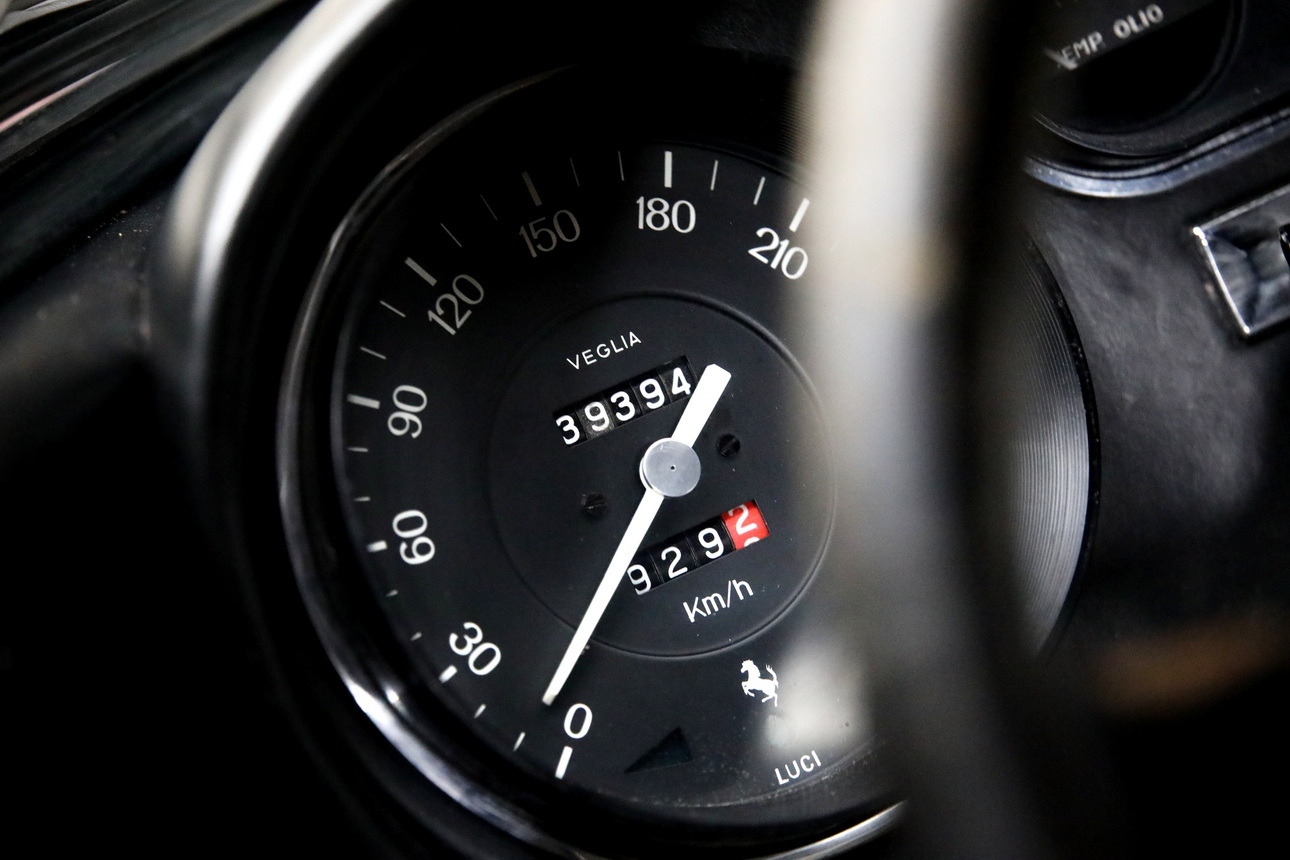
He kept the sports car for several years until 1979, when it was acquired by its next owner, John P. Giordano, also in New York State. Giordano is a well-known Ferrari collector and accomplished motorsport enthusiast who owns numerous Ferrari racing cars (including a 512S and a 275 GTB Competizione). He had the car restored and then remained loyal to it for a full 25 years. In 2004, he finally sold the GTB/4 with a mileage of 36,000 km to Jean Guikas of GTC in Marseille, also a passionate motorsport enthusiast and Ferrari collector.
In the same year, the car found a new home with (former) racing driver Dominik Ellenrieder. At the beginning of 2006, the GTB/4 was sold to a renowned car collector in Germany. Three years later, he passed the sports car on to its current owner, who has taken part in several historic motorsport events in Europe with it.
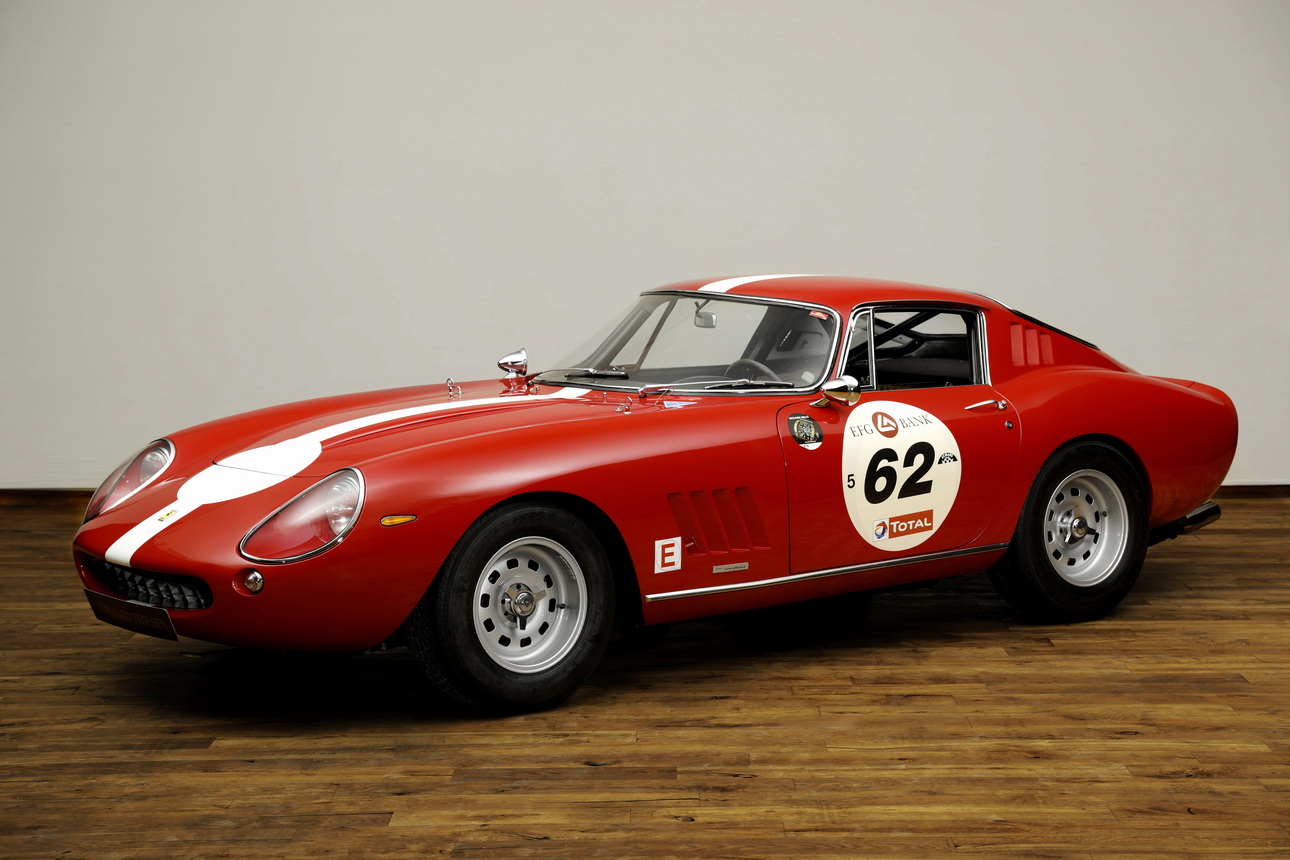
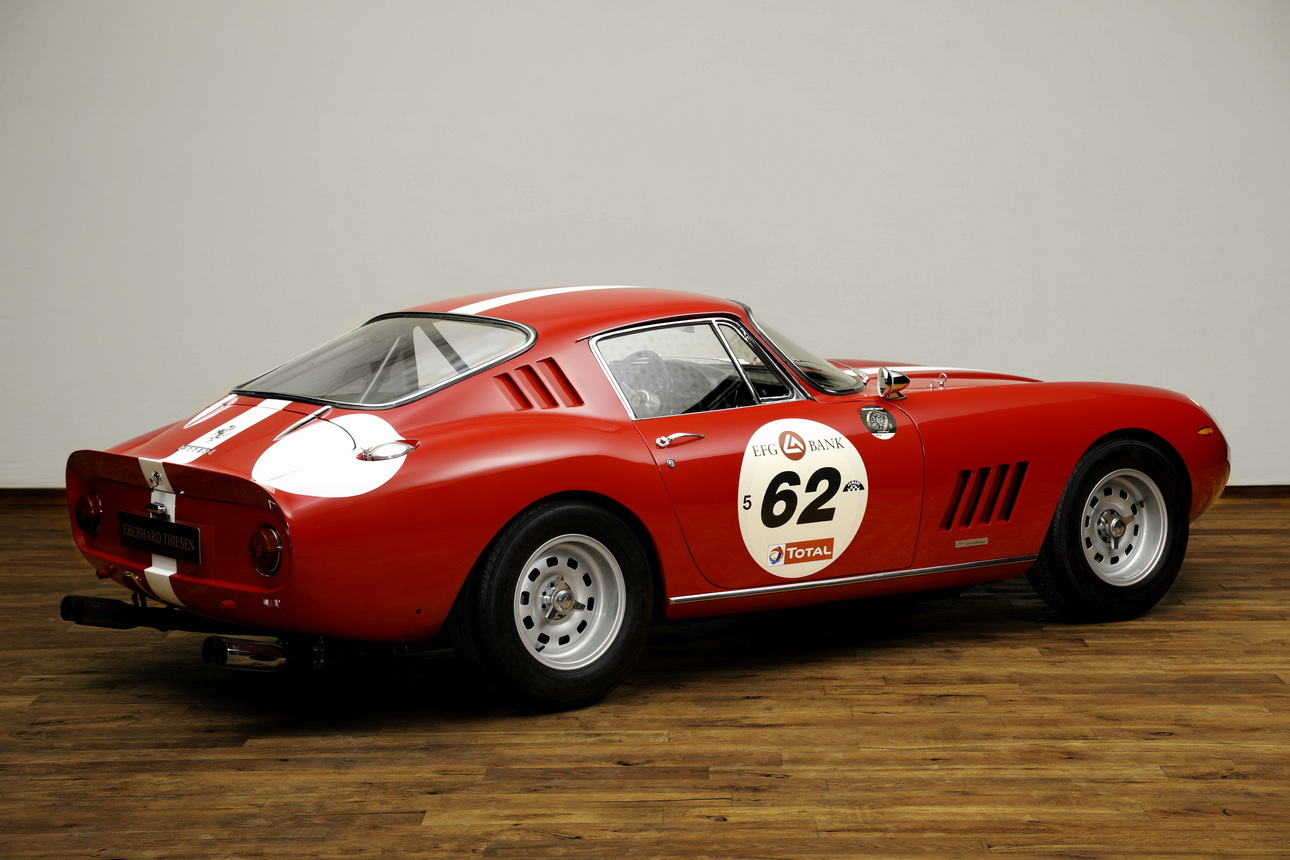
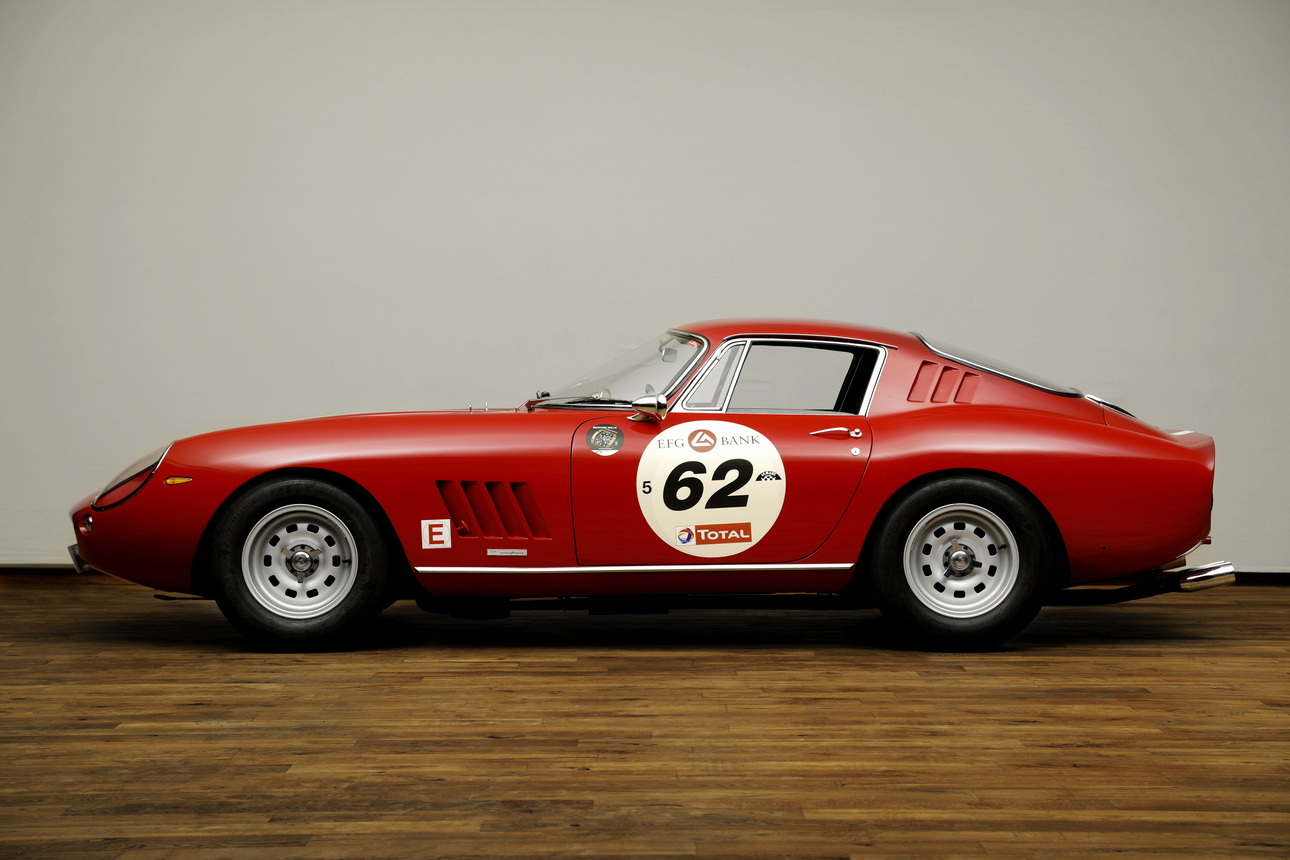
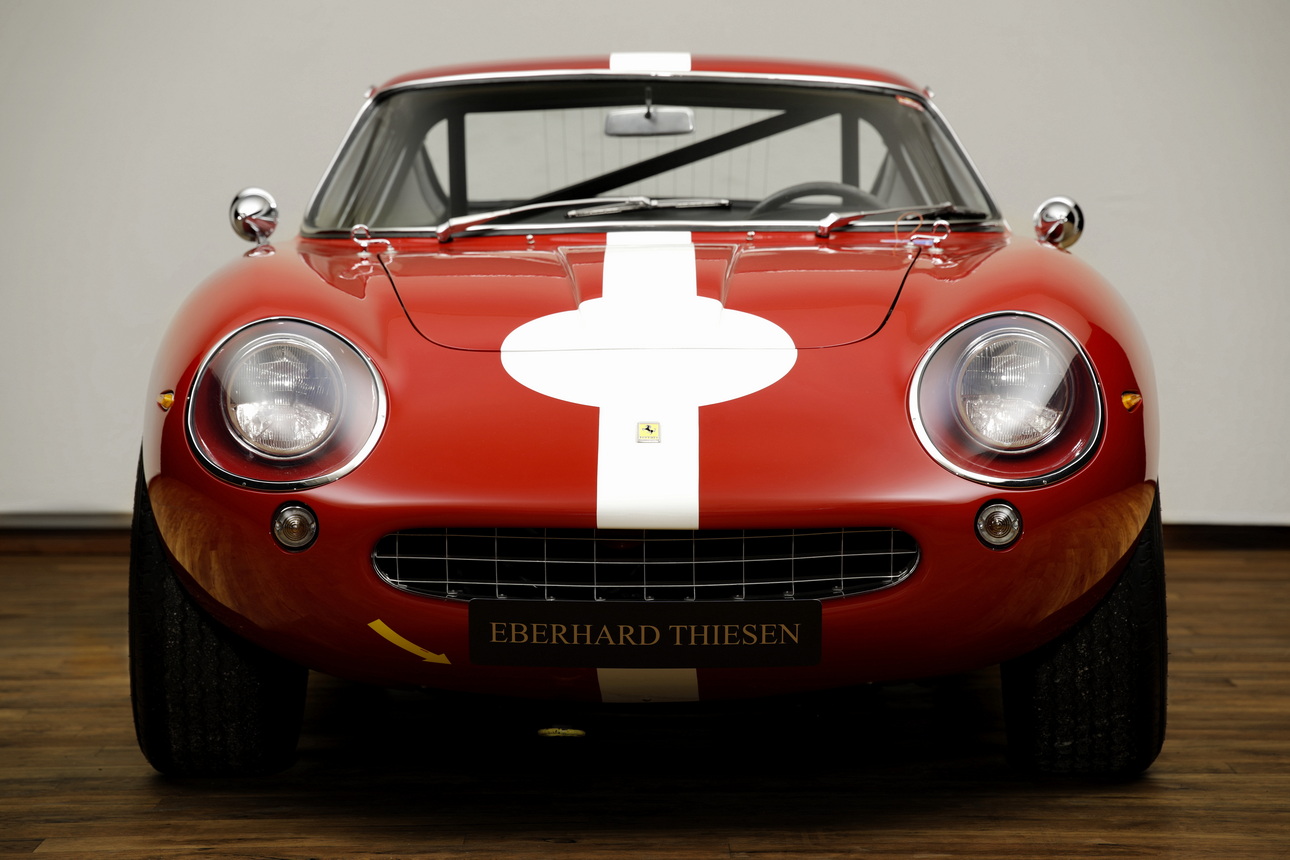
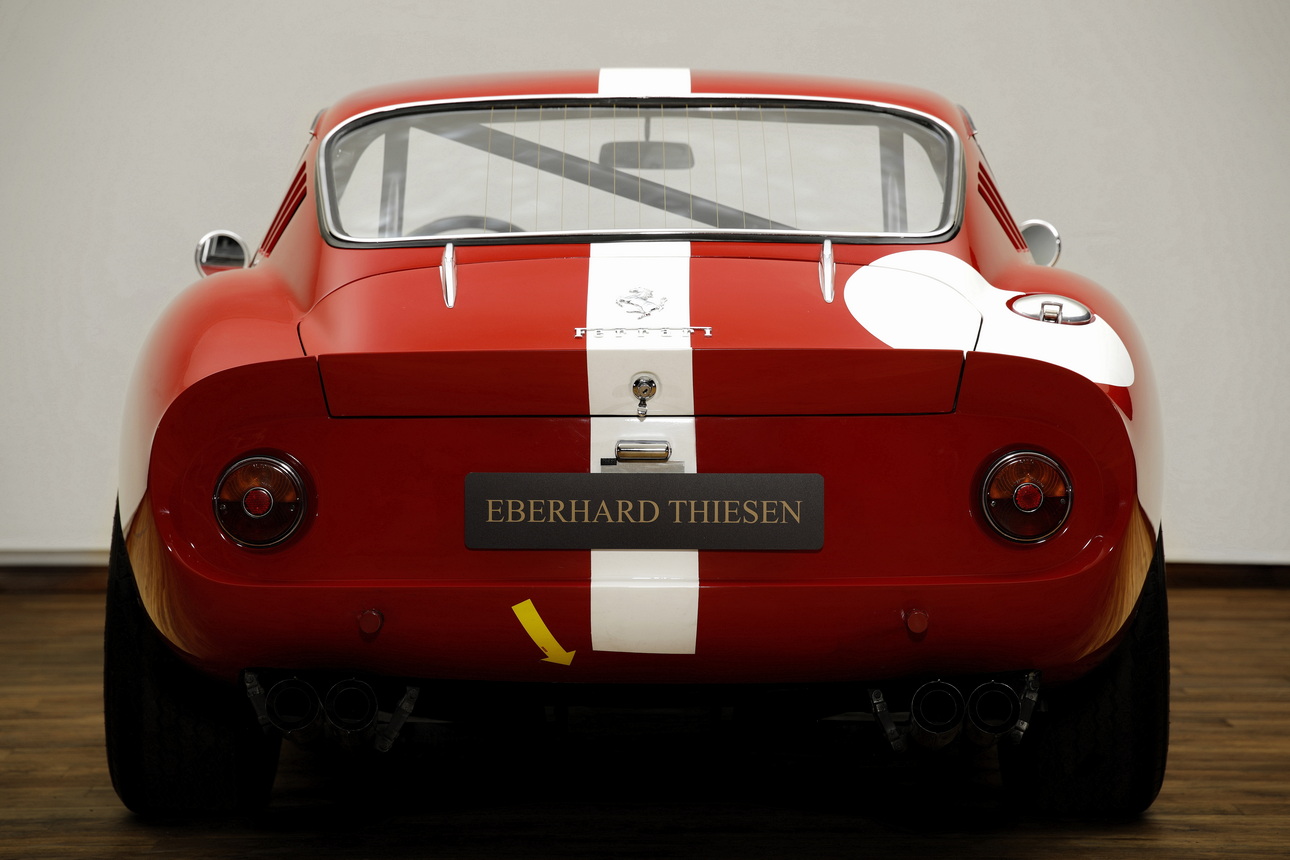
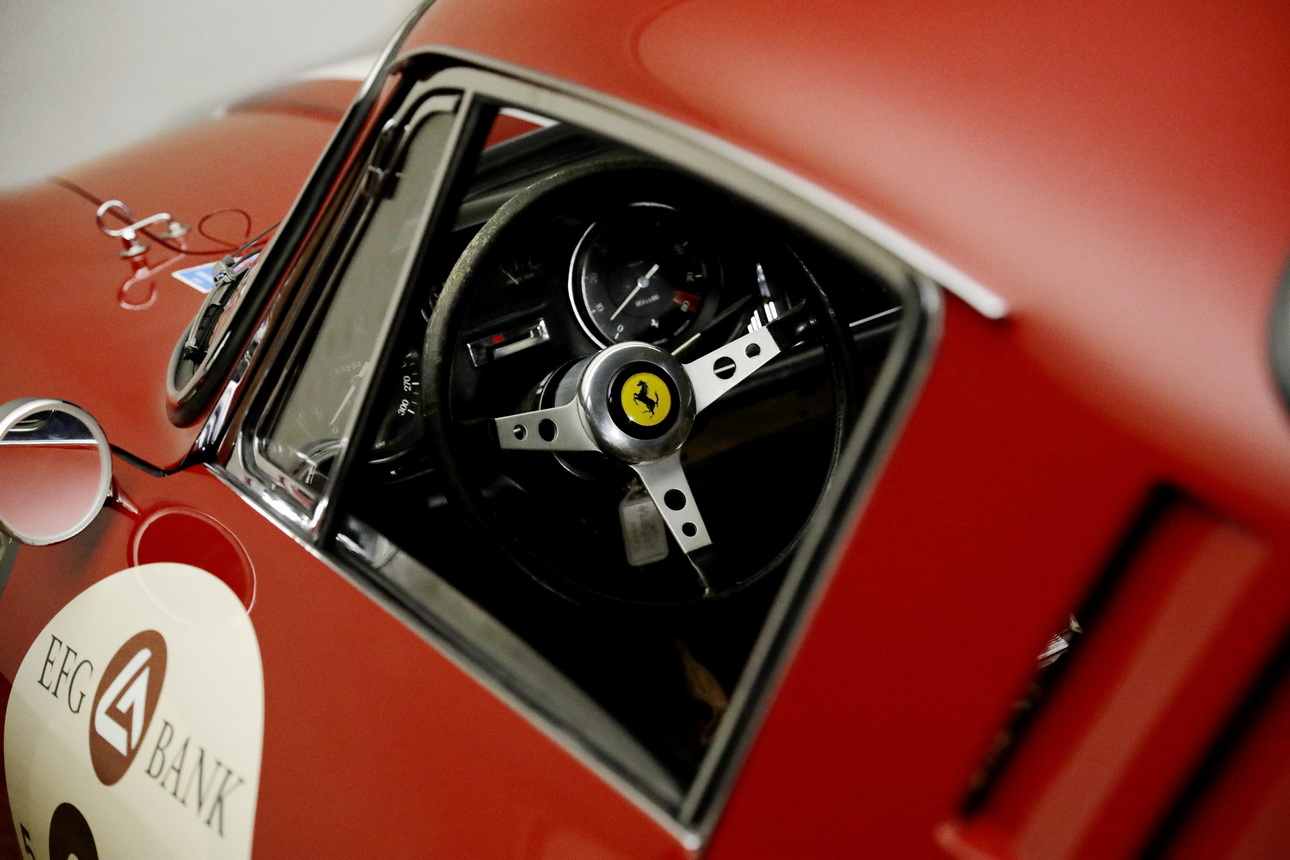
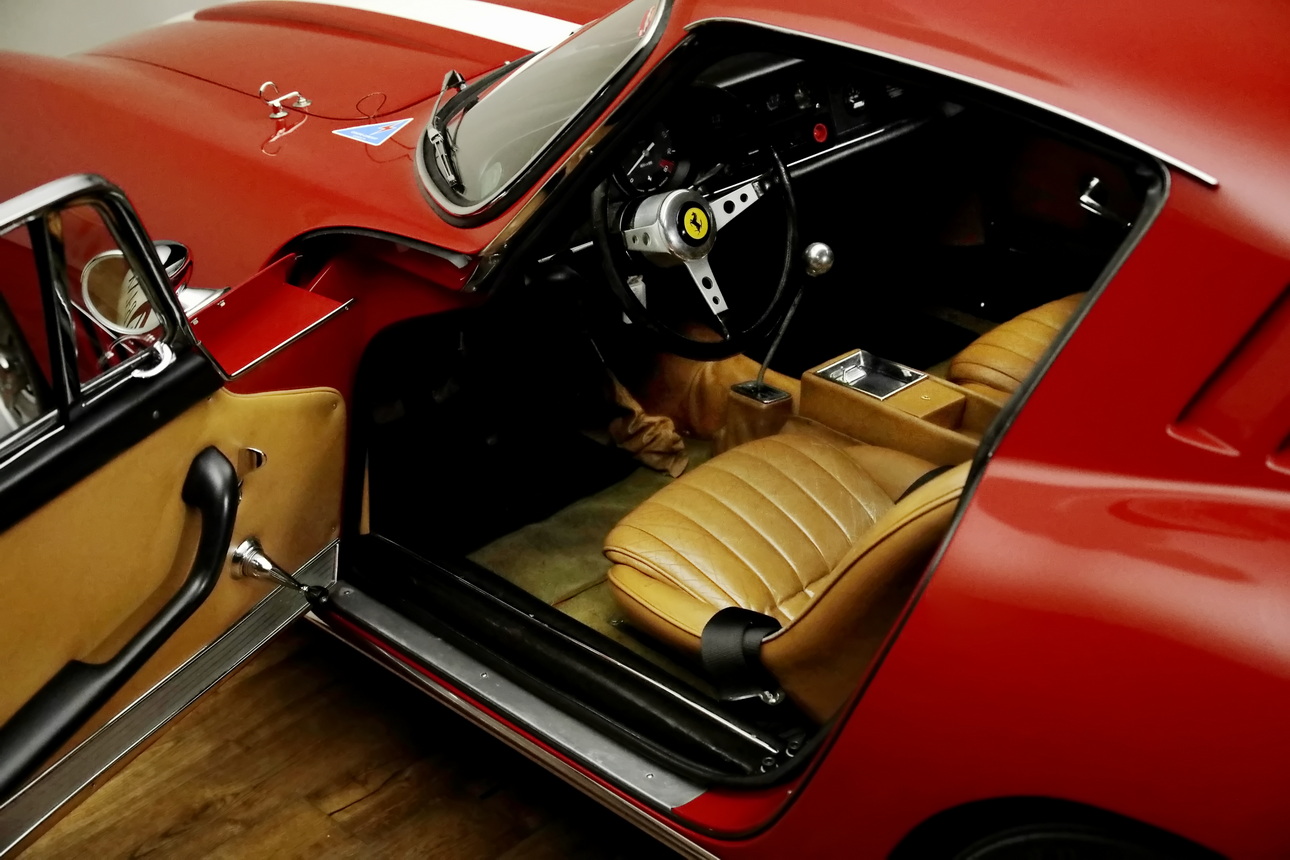
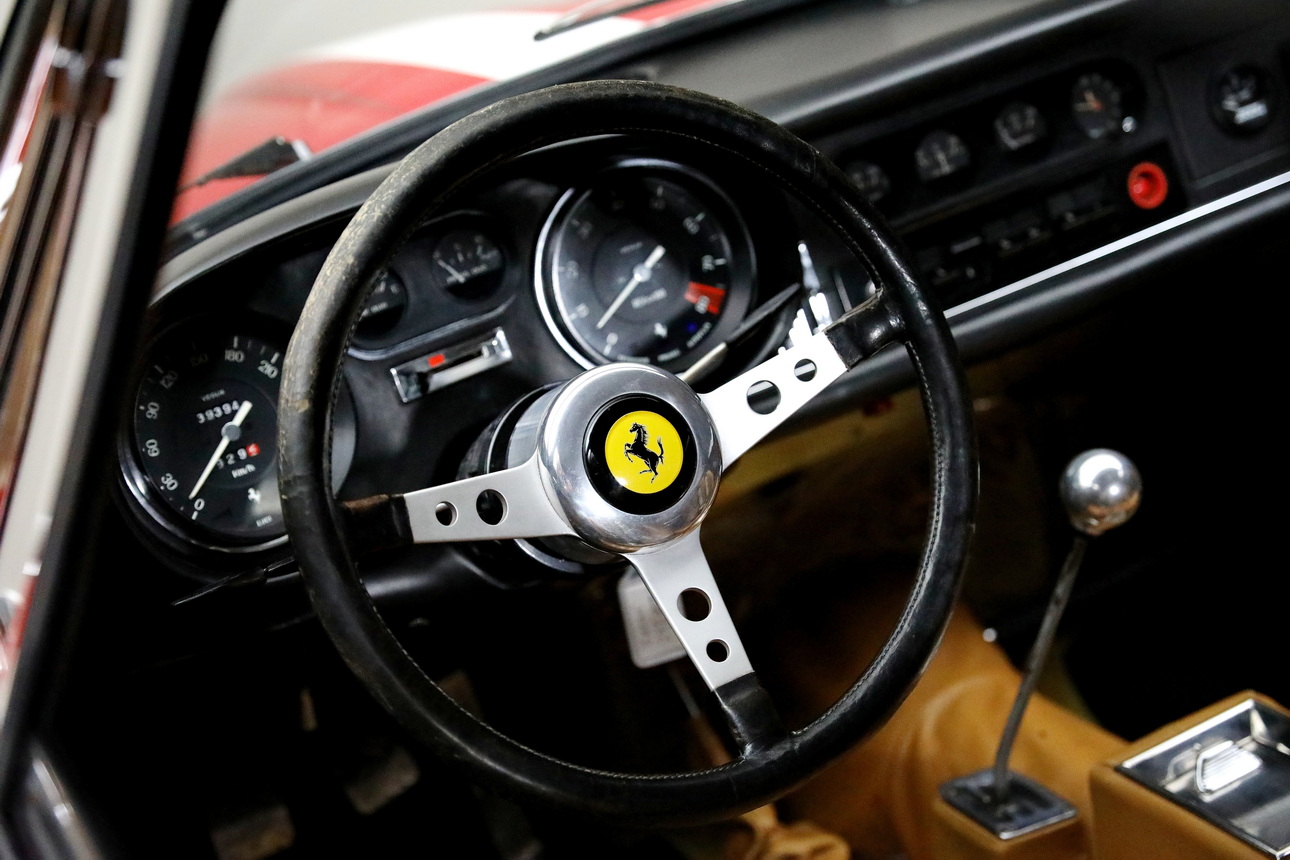
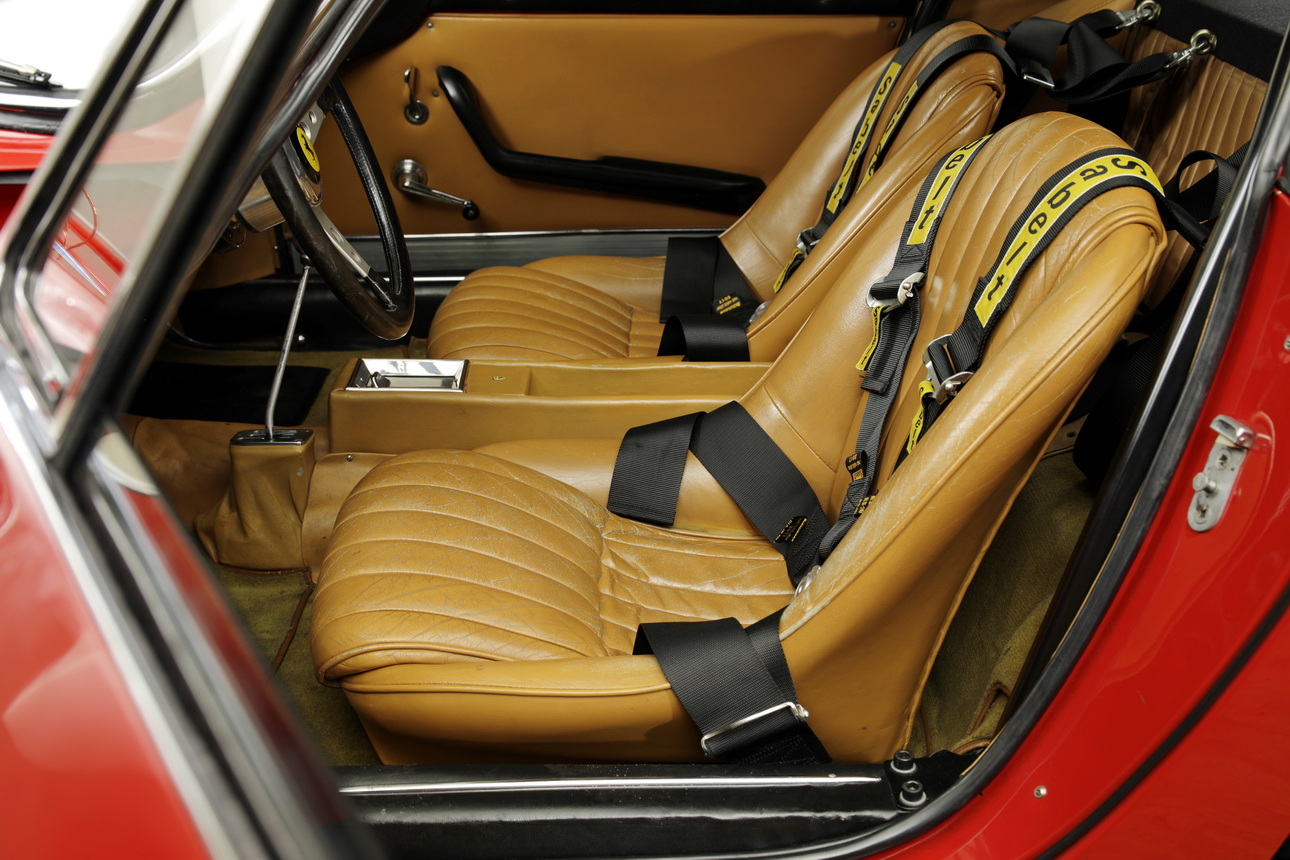
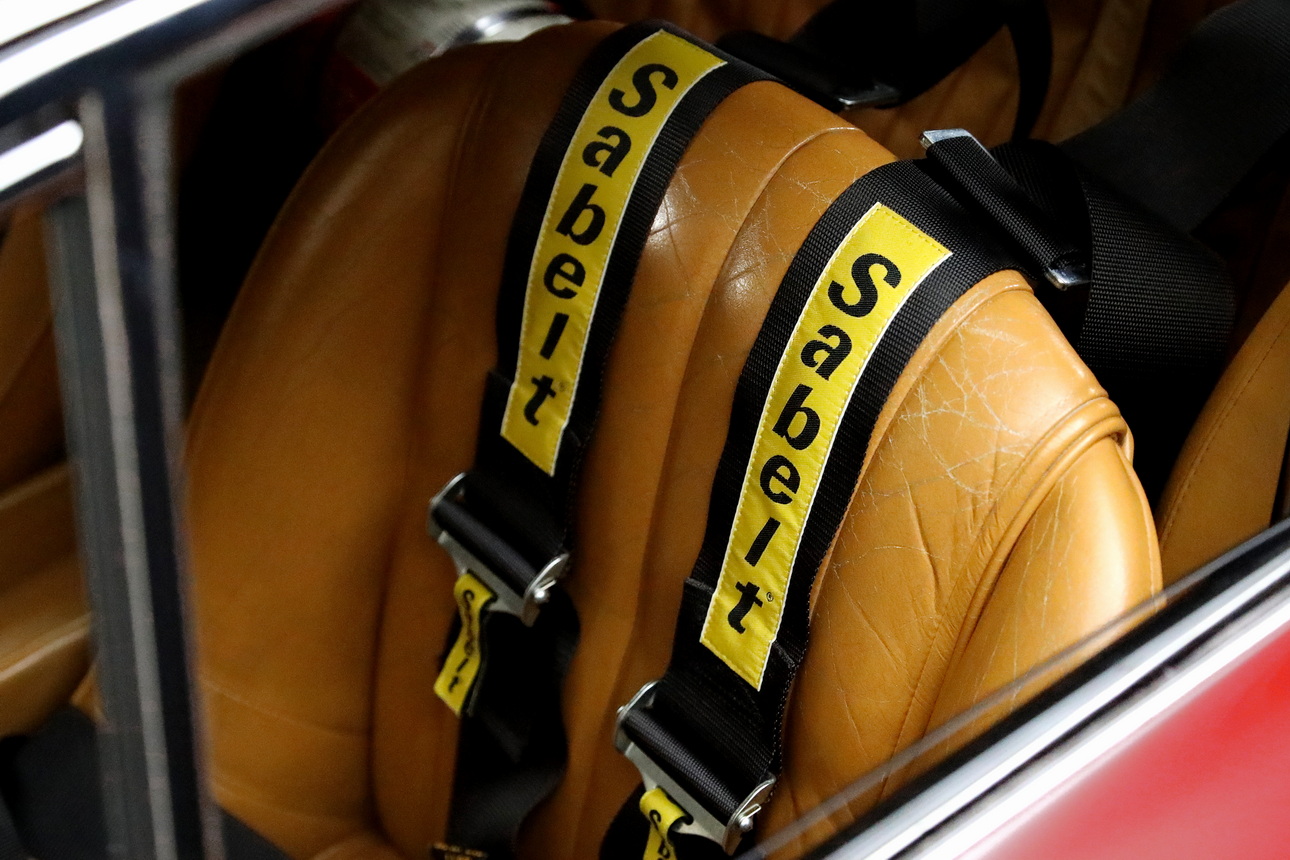
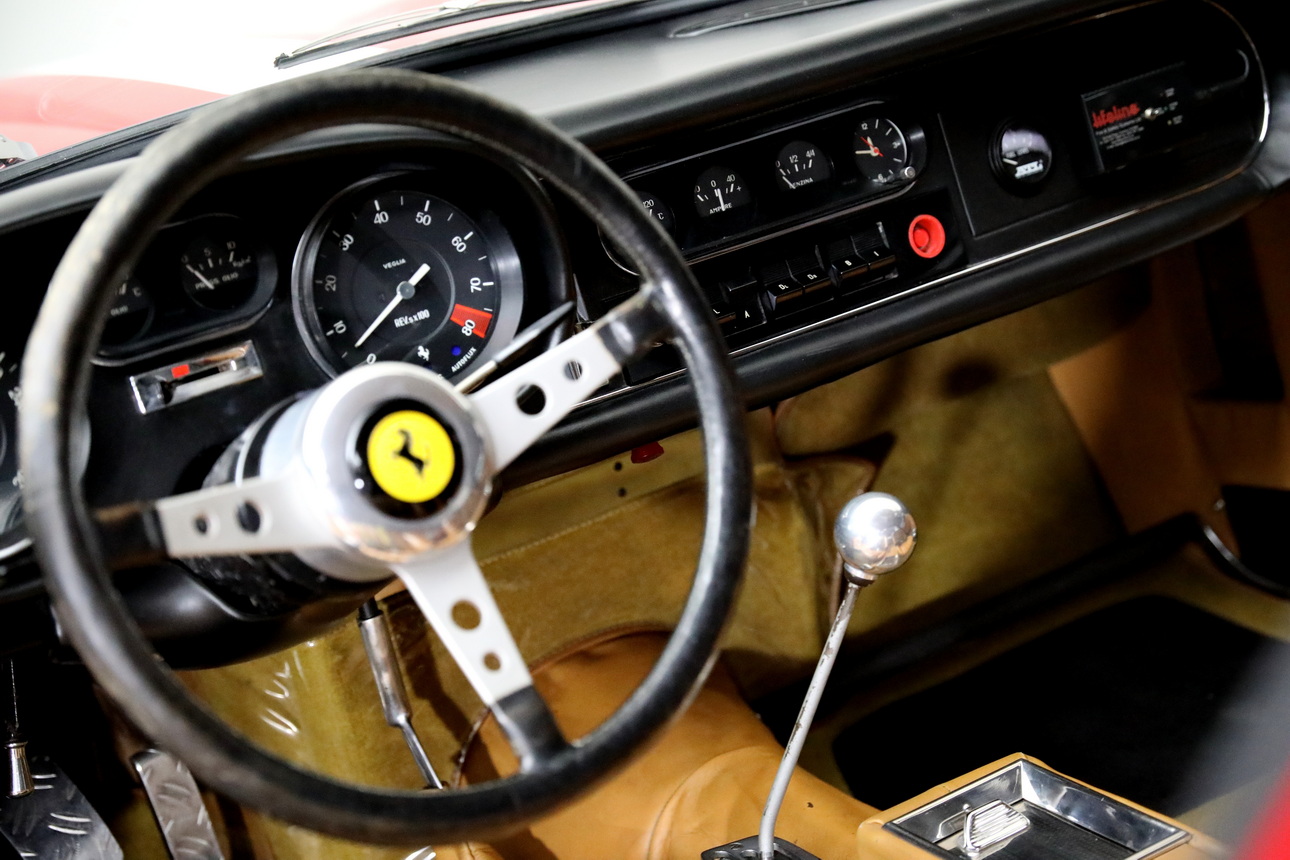
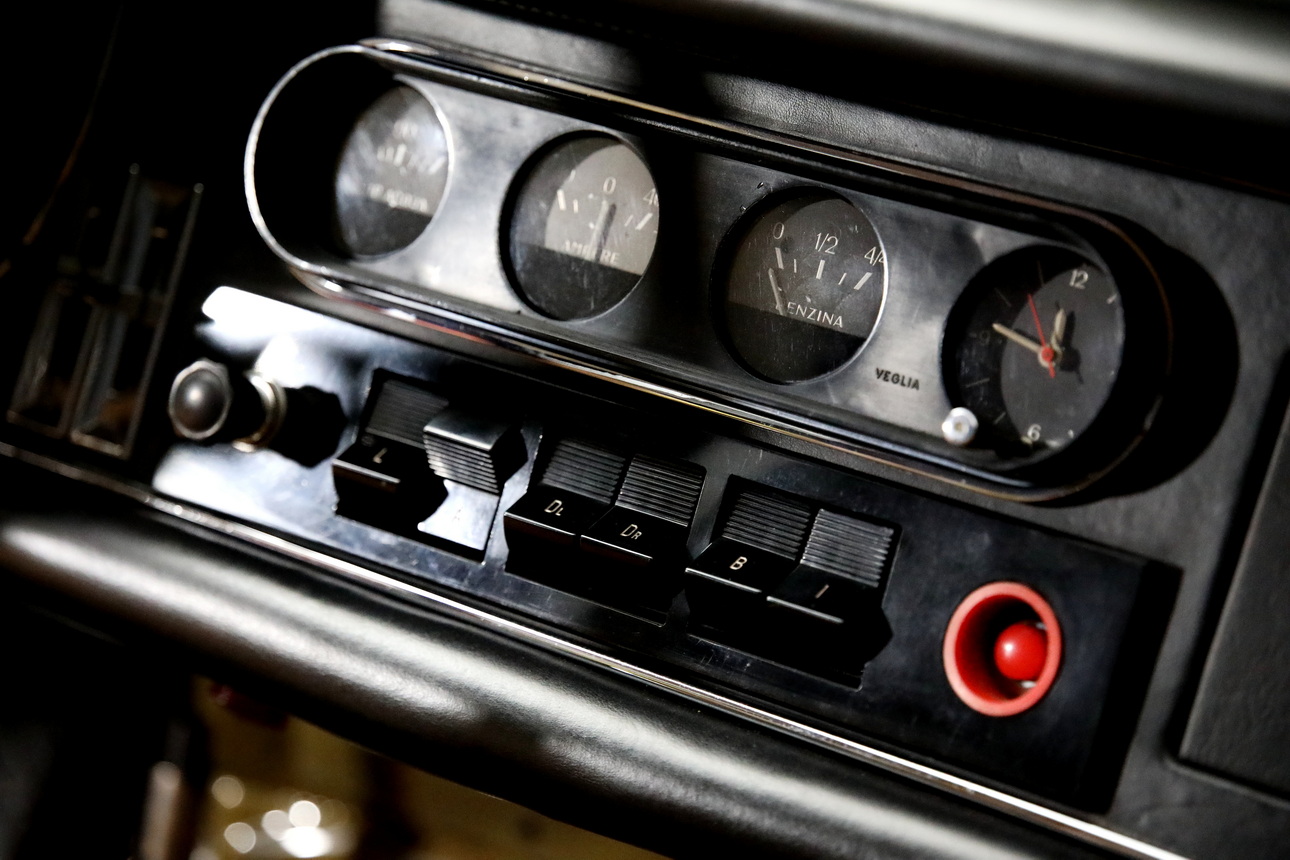
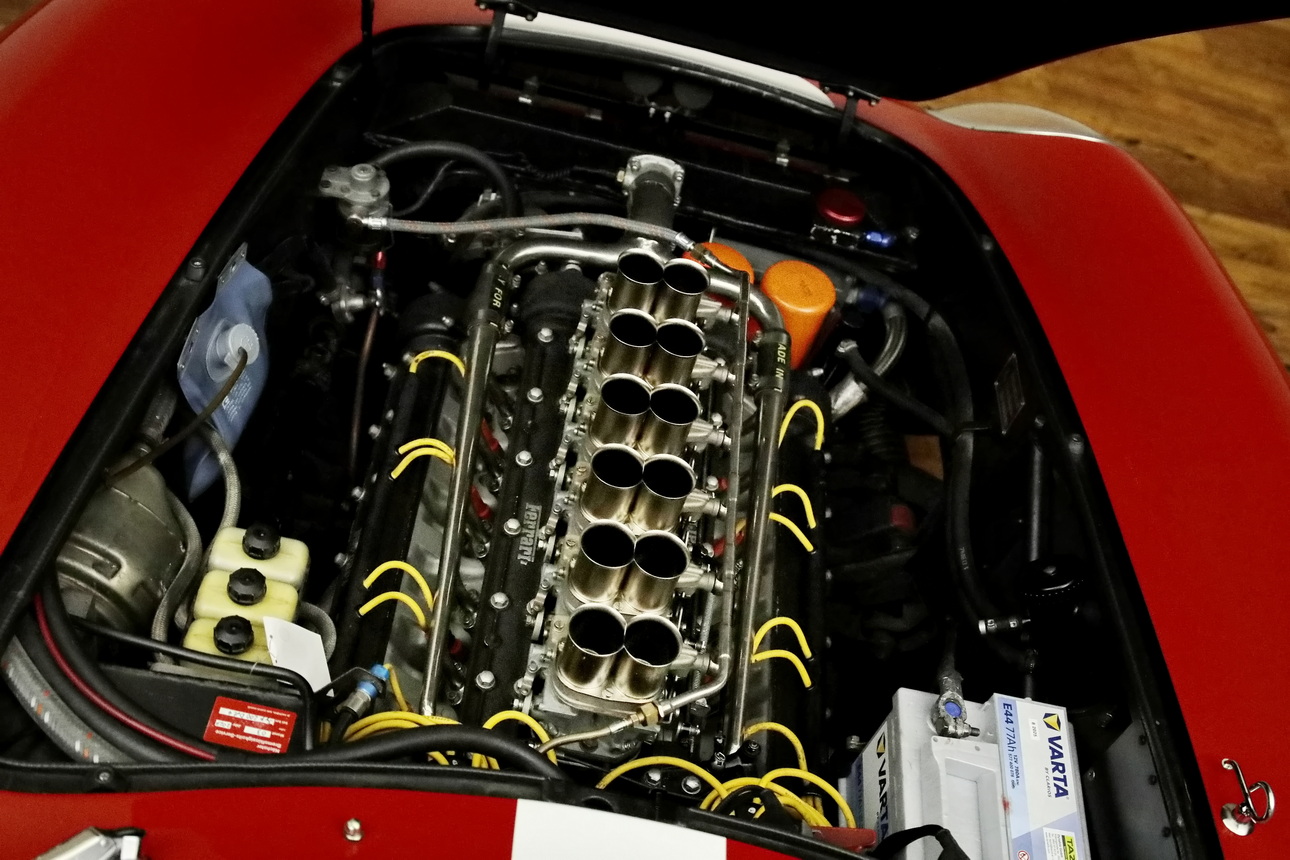
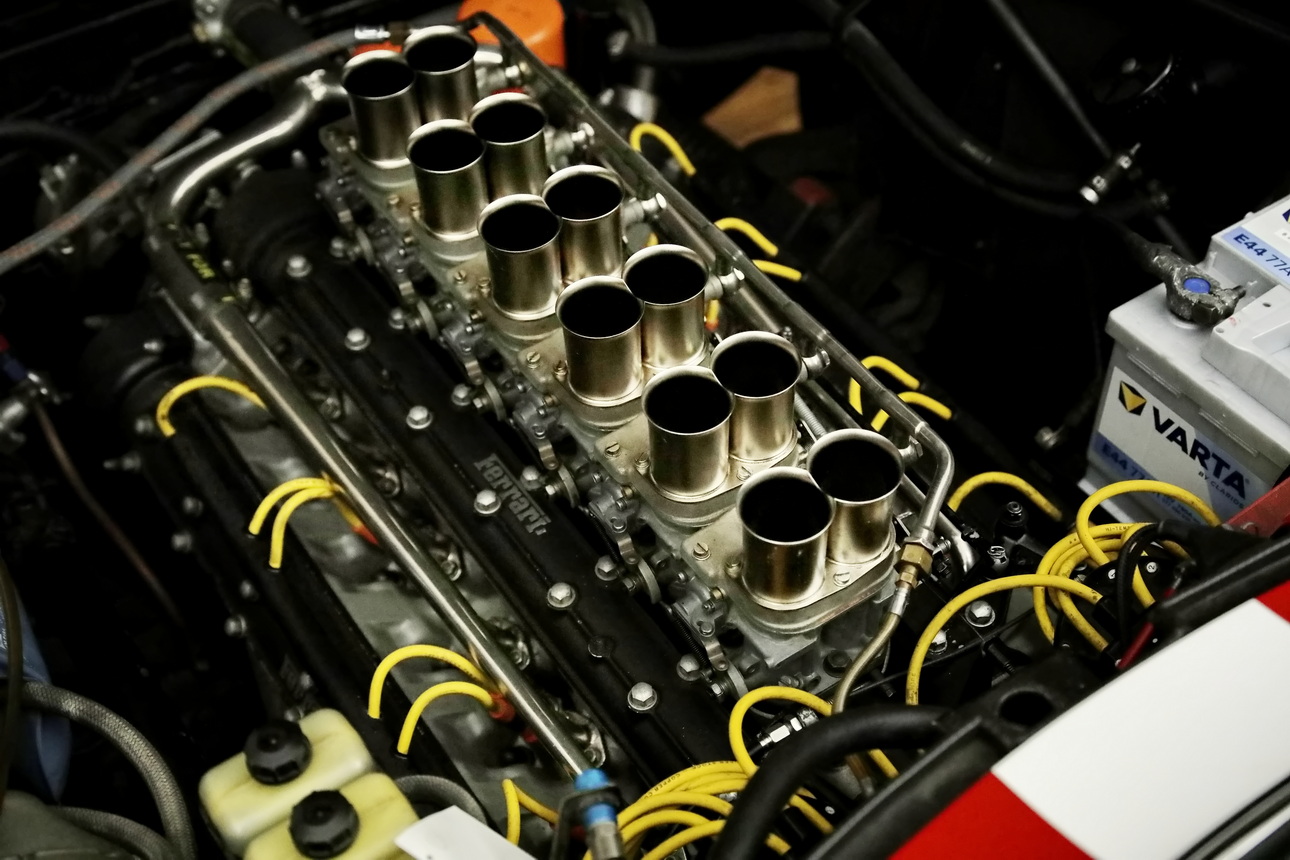
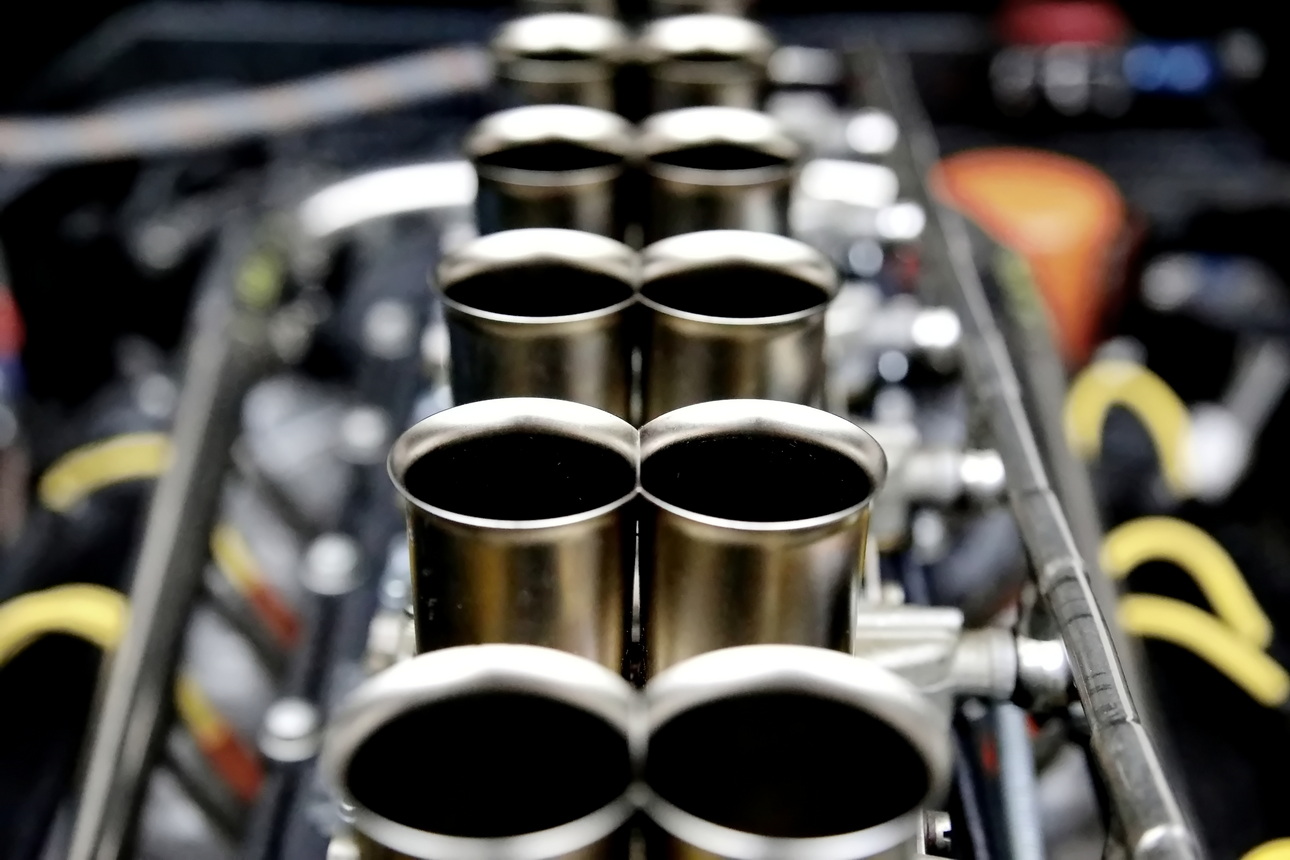
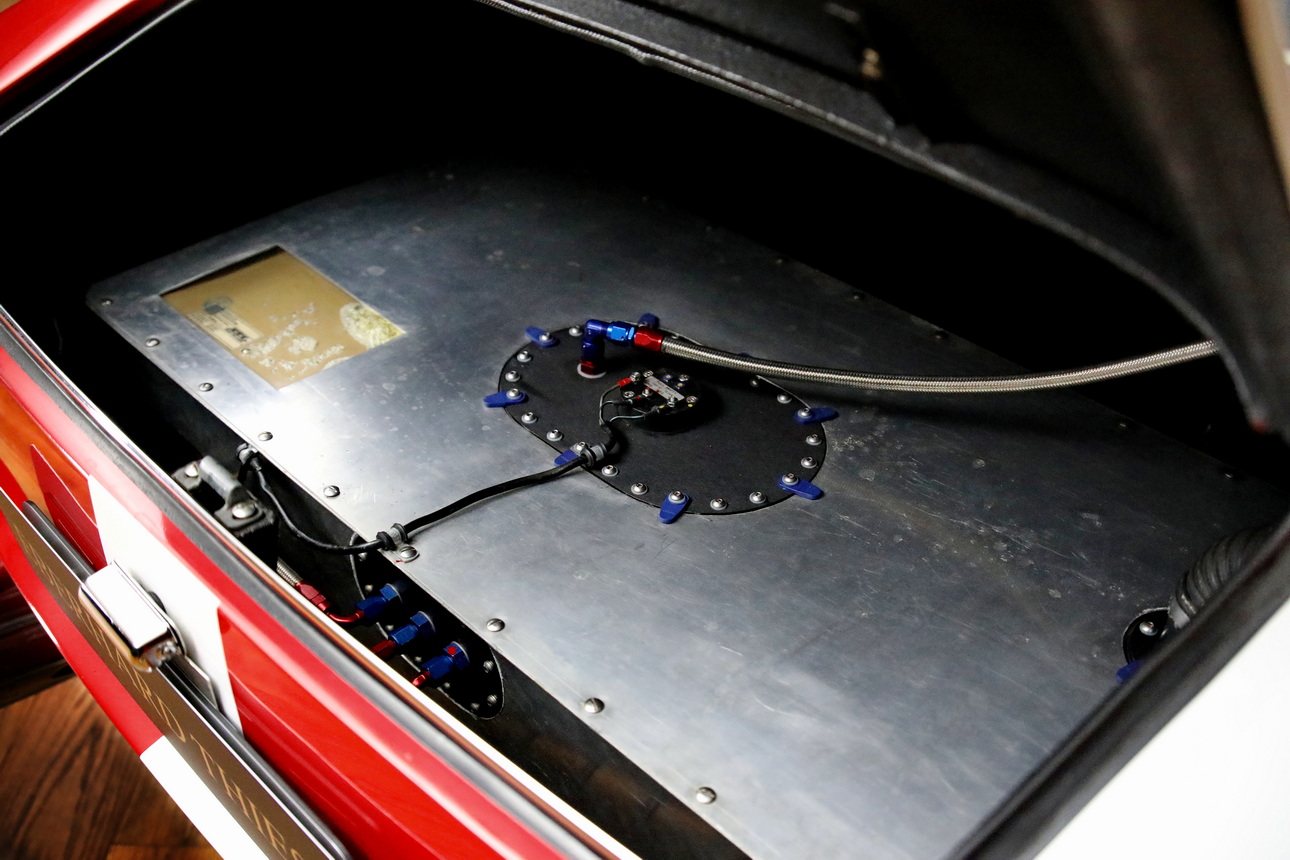
This Ferrari 275 GTB/4 impresses with its originally intended use in motorsport at Scuderia Filipinetti, which was retained by subsequent owners. It still features a racing look and equipment, including a racing fuel tank, roll bar, fire extinguishing system, racing seat belts and other necessary extras. This also includes the relevant documents such as the FIVA card and DMSB Historic Technical Passport. The engine is ‘matching numbers’ and impresses with the open intake funnels of the carburettor system. A Ferrari Classiche certification documents its originality and a Massini report its history. Together with its low mileage, this is an exceptional example.
The classic four-cam models are eligible for many international rally events such as the Tour de France and Passione Engadina, as well as specific historic racing events. These cars impressively convey their legendary status as the essence of Ferrari at that time: a racy road sports car with Ferrari's winning genes in motorsport, especially in hill climbs and endurance races. This Ferrari 275 GTB/4 is the perfect, ready-to-drive example to relive this racing aura.
Model History
The Ferrari 275 GTB was launched in 1964 as a Berlinetta Coupé at the Paris Motor Show. The model featured two major innovations for Ferrari: the transaxle principle for the engine and gearbox, and independent rear suspension. The lighter and faster 275 GTB complemented the model range between the larger four-seater 330 GT 2+2 (from 1963) and the 500 Superfast, which was manufactured in very small numbers from 1964 onwards.
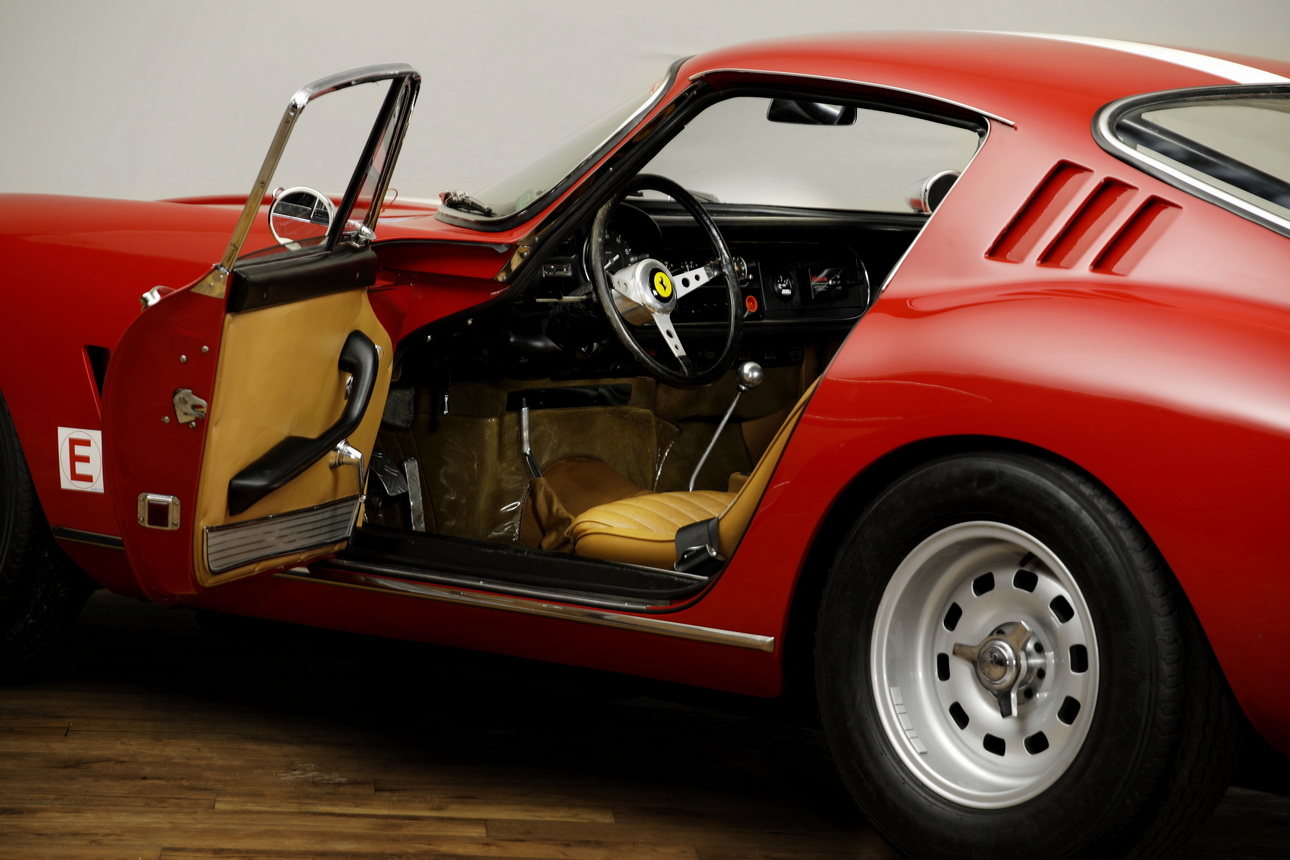
The design of the 275 GTB embodies a dynamic two-seater Gran Turismo with a long bonnet, aerodynamic glass headlight covers and a flowing roof shape in the style of a fastback coupé with a spoiler lip at the rear of the vehicle. Striking design elements include the air vents in the front wings, which are repeated in the same style in the B-pillars behind the doors. The body was always made of steel, but the doors and bonnets were made of aluminium and manufactured by Scaglietti in Modena.
On the drive side, the 275 GTB had a V12 front engine based on the proven Colombo construction with one overhead camshaft per cylinder row and wet sump lubrication. With a displacement of 3,286 cc and equipped with three or six Weber 40 DCZ/6 twin carburettors, the engine delivered 280 hp.
Power was transmitted via a 5-speed gearbox mounted on the rear axle according to the transaxle principle. This ensured balanced weight distribution between the front and rear axles and enabled excellent road holding. For the first time at Ferrari, the chassis now had an independent rear suspension.
In 1966, a significantly modified version was released as the 275 GTB/4. The new engine had the same displacement but was designed with dry sump lubrication and two overhead camshafts per cylinder bank. It is Ferrari's first road sports car with four overhead camshafts, which is also what the ‘4’ in the model designation stands for. With six Weber 40 DCN9 (or 17 or 18) twin carburettors, the power output was then 300 hp.
With the discontinuation of the 500 Superfast in 1966, the 275 GTB/4 took over as the top model in the Ferrari range. A total of 455 units of the 275 GTB were built between 1964 and 1966. Only 330 units of the modified 275 GTB/4 were manufactured between 1966 and 1968. In addition to the 275 GTB, an open-top version was available between 1964 and 1966 as the 275 GTS, featuring a completely distinctive design.
This Automobile
This example of the legendary Ferrari 275 GTB/4 was completed at the factory in March 1967 and delivered to John Von Neumann in Geneva. He immediately sold the GTB/4 to Georges Filipinetti's Garage Montchoisy SA in Geneva, who wanted to use the car in motorsport.
Georges Filipinetti was a prominent Swiss businessman and founder and owner of the Swiss motor racing team ‘Scuderia Filipinetti’ (Ecurie Filipinetti). The racing team emerged from the ‘1' Equipe Nationale Suisse’ and was one of the first teams to be financed purely by sponsorship. Thanks to its enormous successes from 1962 to 1973, it became one of the most prestigious private motor racing teams. It all began in 1962 with the Formula 1 debut of Swiss racing driver Jo Siffert. Other well-known top drivers included Jim Clark, Phil Hill, Ronnie Peterson, Herbert Müller and Jo Bonnier. The team was brand-independent and competed in a wide variety of racing classes with various vehicles from Lotus, Porsche, Ferrari, Lola, Ford, Shelby AC Cobra and Fiat.
This Ferrari 275 GTB/4 was entered in several races in 1967, including the 24 Hours of Le Mans (8 April, practice runs), the 1000 Kilometres of Monza (25 April), the 51st Targa Florio (14 May) and the XIII ADAC 1000 Kilometres race at the Nürburgring (28 May). However, the car was hardly ever actually used in competition. In retrospect, this was probably because Scuderia Filipinetti owned and used another Ferrari 275 GTB in its class competitions, namely a Competizione version with a lightweight aluminium body, which was ultimately driven more often in races and was the preferred racing car.
In March 1969, the 275 GTB/4 was sold via Garage Montchoisy SA to Luigi Chinetti Motors Inc. in Connecticut, USA, the Ferrari importer (and racing team operator) for the US East Coast. In 1970, he sent the racing car back to Italy to Piero Drogo's Carrozzeria Sport Cars for some body work and got it back in the same year. A year later, Chinetti leased the 275 GTB/4 to Paramount Studios in Hollywood for filming the movie ‘A New Leaf’ starring Walther Matthau. In January 1971, Chinetti sold the sports car to its next owner (name known), a building and construction entrepreneur in New York State.
He kept the sports car for several years until 1979, when it was acquired by its next owner, John P. Giordano, also in New York State. Giordano is a well-known Ferrari collector and accomplished motorsport enthusiast who owns numerous Ferrari racing cars (including a 512S and a 275 GTB Competizione). He had the car restored and then remained loyal to it for a full 25 years. In 2004, he finally sold the GTB/4 with a mileage of 36,000 km to Jean Guikas of GTC in Marseille, also a passionate motorsport enthusiast and Ferrari collector.
In the same year, the car found a new home with (former) racing driver Dominik Ellenrieder. At the beginning of 2006, the GTB/4 was sold to a renowned car collector in Germany. Three years later, he passed the sports car on to its current owner, who has taken part in several historic motorsport events in Europe with it.
This Ferrari 275 GTB/4 impresses with its originally intended use in motorsport at Scuderia Filipinetti, which was retained by subsequent owners. It still features a racing look and equipment, including a racing fuel tank, roll bar, fire extinguishing system, racing seat belts and other necessary extras. This also includes the relevant documents such as the FIVA card and DMSB Historic Technical Passport. The engine is ‘matching numbers’ and impresses with the open intake funnels of the carburettor system. A Ferrari Classiche certification documents its originality and a Massini report its history. Together with its low mileage, this is an exceptional example.
The classic four-cam models are eligible for many international rally events such as the Tour de France and Passione Engadina, as well as specific historic racing events. These cars impressively convey their legendary status as the essence of Ferrari at that time: a racy road sports car with Ferrari's winning genes in motorsport, especially in hill climbs and endurance races. This Ferrari 275 GTB/4 is the perfect, ready-to-drive example to relive this racing aura.
Model History
The Ferrari 275 GTB was launched in 1964 as a Berlinetta Coupé at the Paris Motor Show. The model featured two major innovations for Ferrari: the transaxle principle for the engine and gearbox, and independent rear suspension. The lighter and faster 275 GTB complemented the model range between the larger four-seater 330 GT 2+2 (from 1963) and the 500 Superfast, which was manufactured in very small numbers from 1964 onwards.
The design of the 275 GTB embodies a dynamic two-seater Gran Turismo with a long bonnet, aerodynamic glass headlight covers and a flowing roof shape in the style of a fastback coupé with a spoiler lip at the rear of the vehicle. Striking design elements include the air vents in the front wings, which are repeated in the same style in the B-pillars behind the doors. The body was always made of steel, but the doors and bonnets were made of aluminium and manufactured by Scaglietti in Modena.
On the drive side, the 275 GTB had a V12 front engine based on the proven Colombo construction with one overhead camshaft per cylinder row and wet sump lubrication. With a displacement of 3,286 cc and equipped with three or six Weber 40 DCZ/6 twin carburettors, the engine delivered 280 hp.
Power was transmitted via a 5-speed gearbox mounted on the rear axle according to the transaxle principle. This ensured balanced weight distribution between the front and rear axles and enabled excellent road holding. For the first time at Ferrari, the chassis now had an independent rear suspension.
In 1966, a significantly modified version was released as the 275 GTB/4. The new engine had the same displacement but was designed with dry sump lubrication and two overhead camshafts per cylinder bank. It is Ferrari's first road sports car with four overhead camshafts, which is also what the ‘4’ in the model designation stands for. With six Weber 40 DCN9 (or 17 or 18) twin carburettors, the power output was then 300 hp.
With the discontinuation of the 500 Superfast in 1966, the 275 GTB/4 took over as the top model in the Ferrari range. A total of 455 units of the 275 GTB were built between 1964 and 1966. Only 330 units of the modified 275 GTB/4 were manufactured between 1966 and 1968. In addition to the 275 GTB, an open-top version was available between 1964 and 1966 as the 275 GTS, featuring a completely distinctive design.