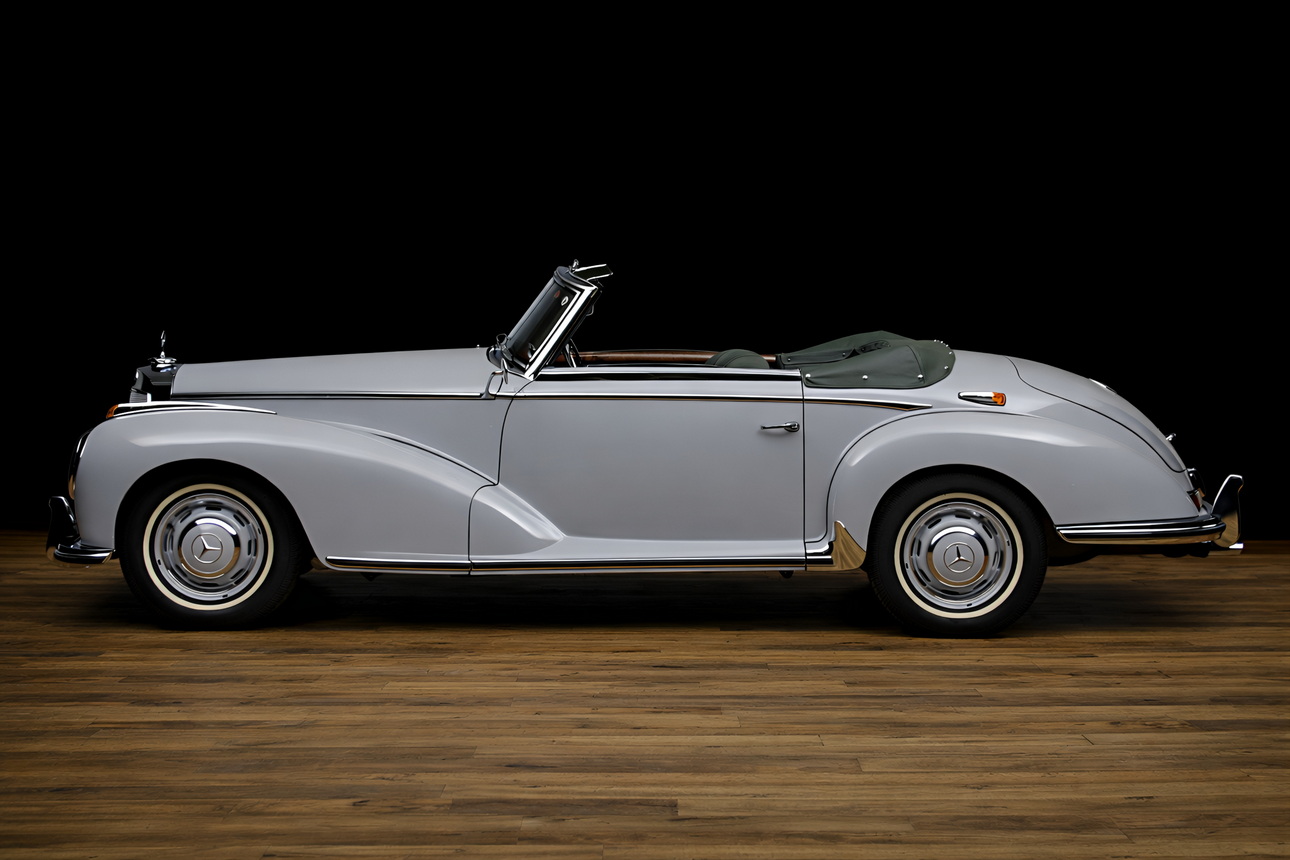
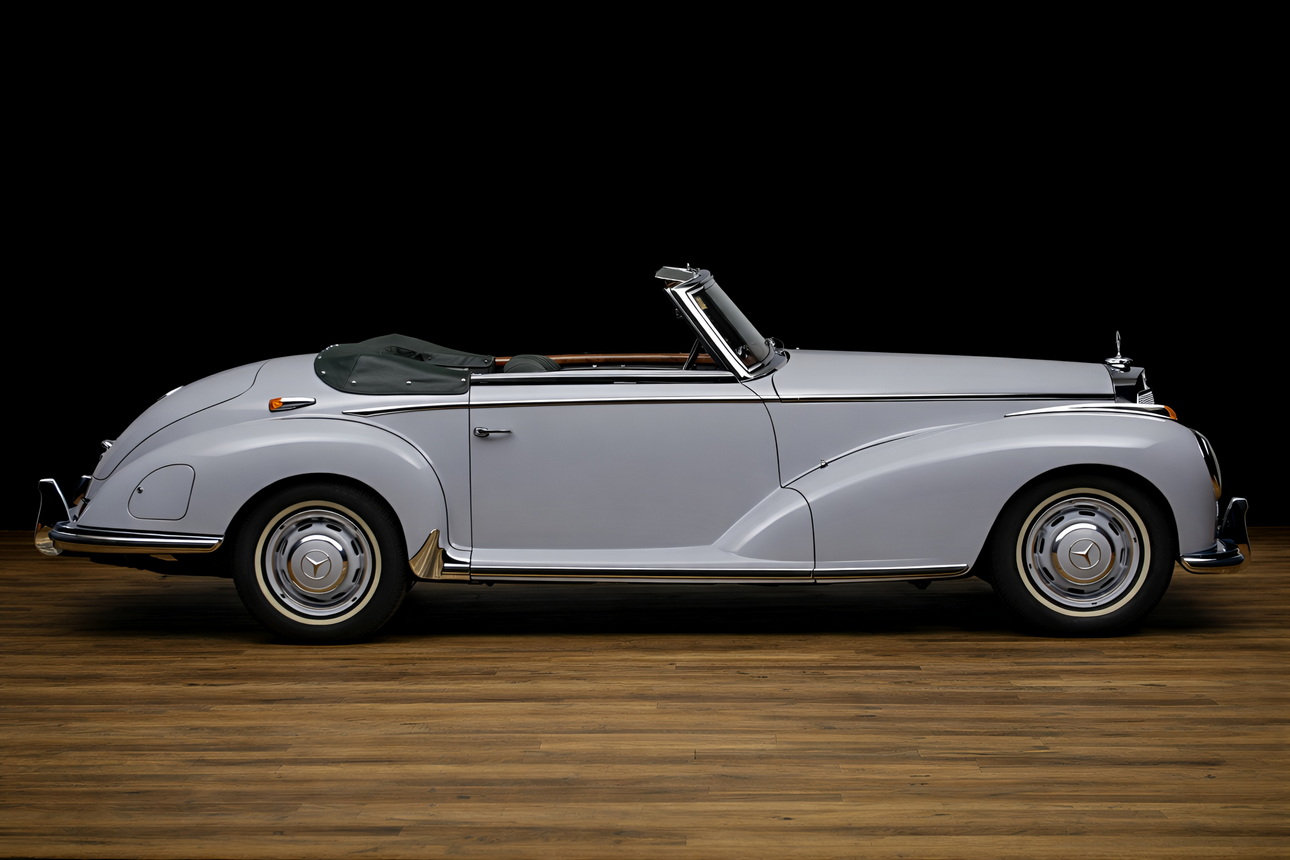
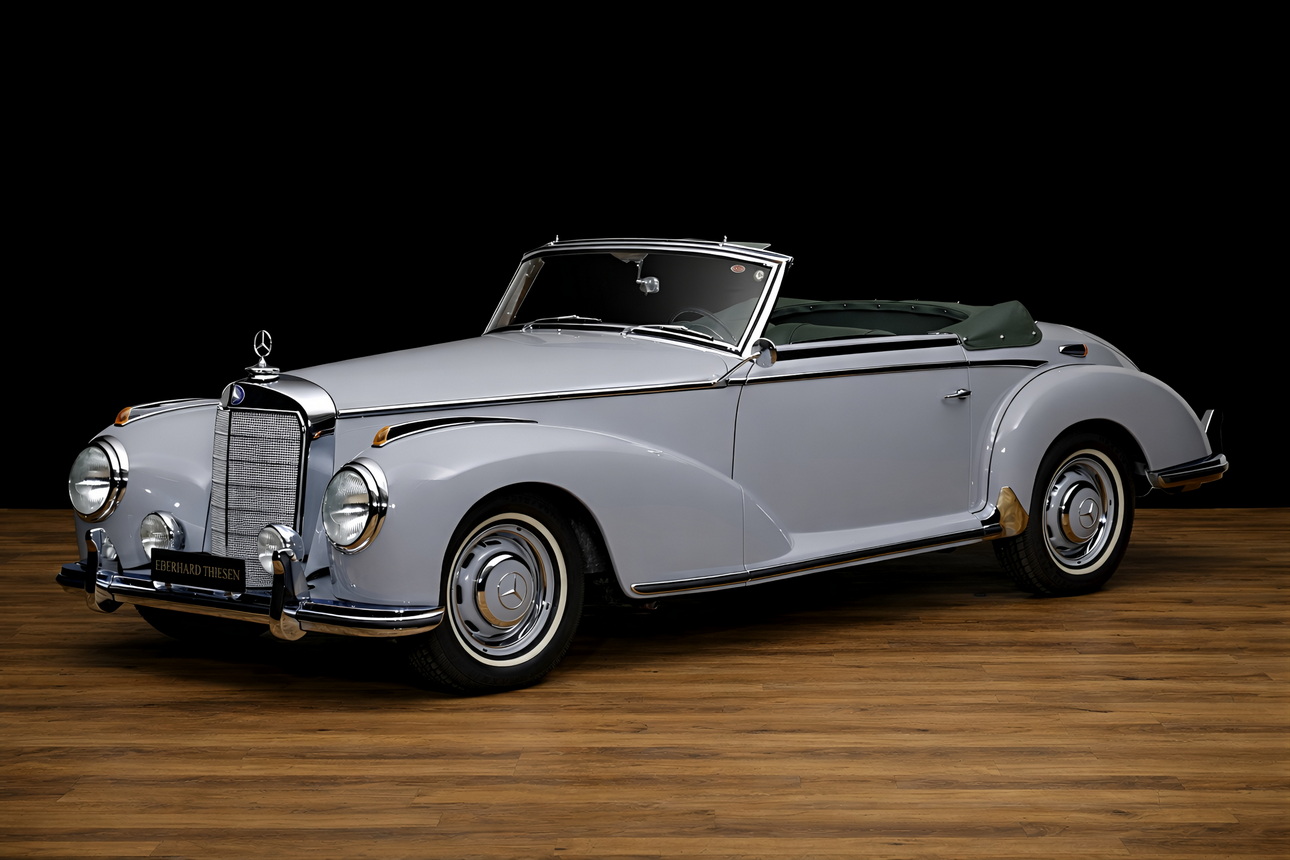
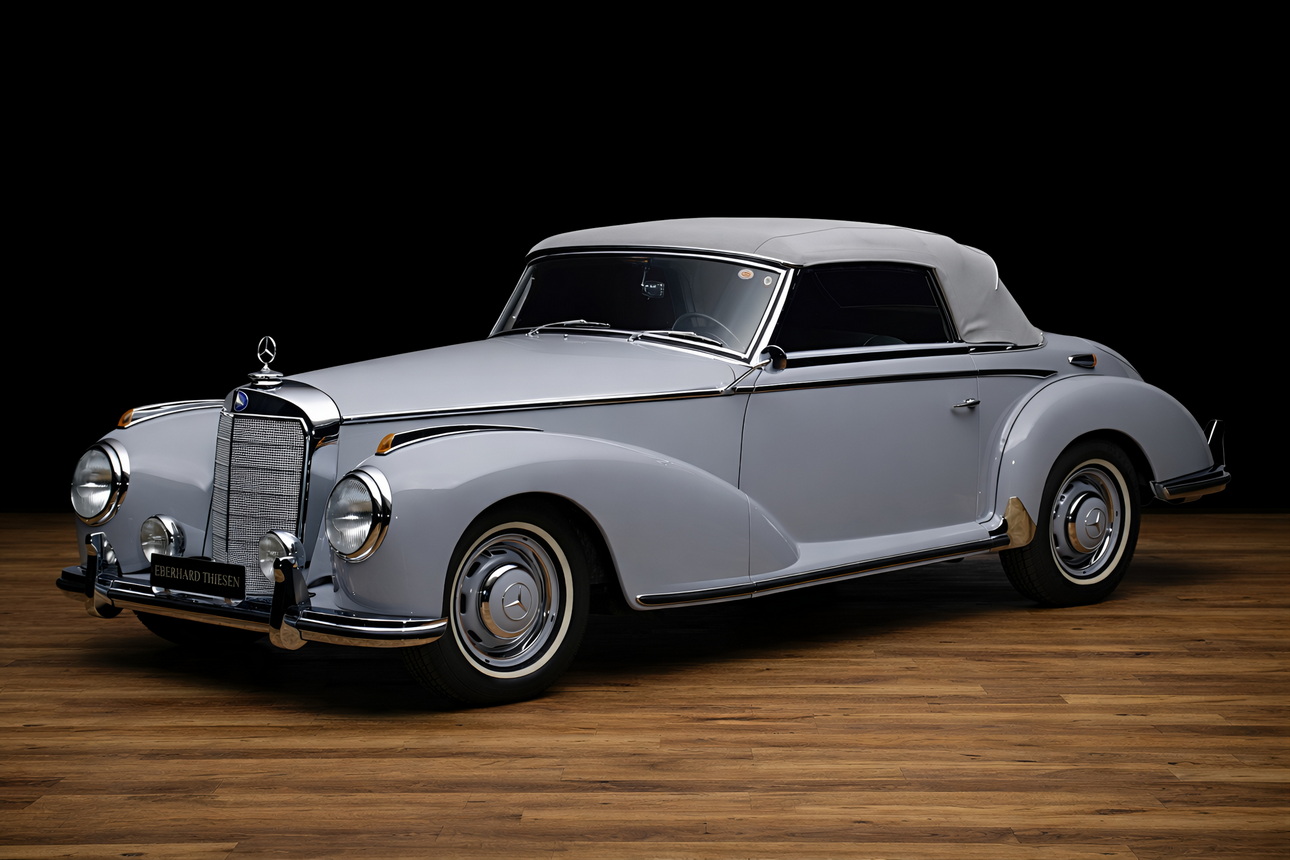
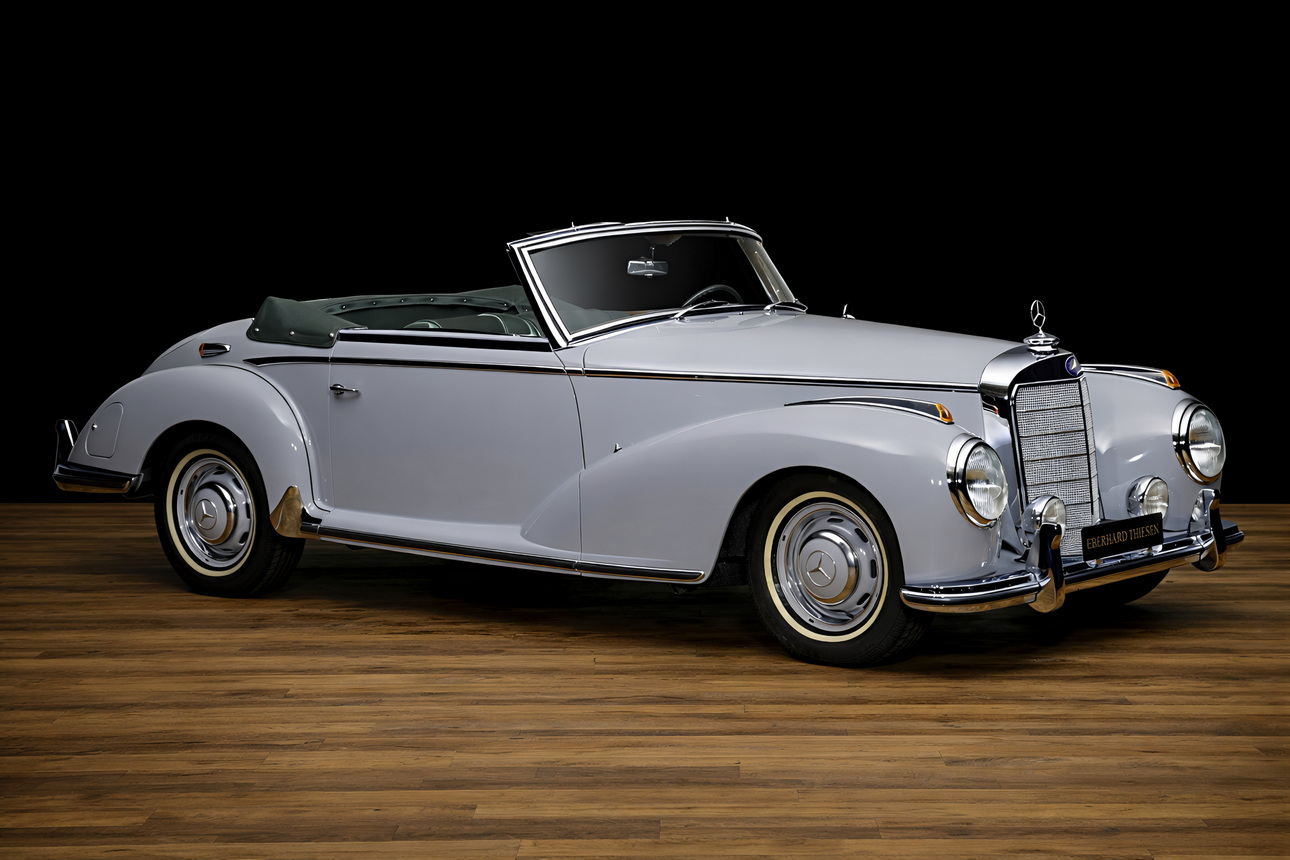
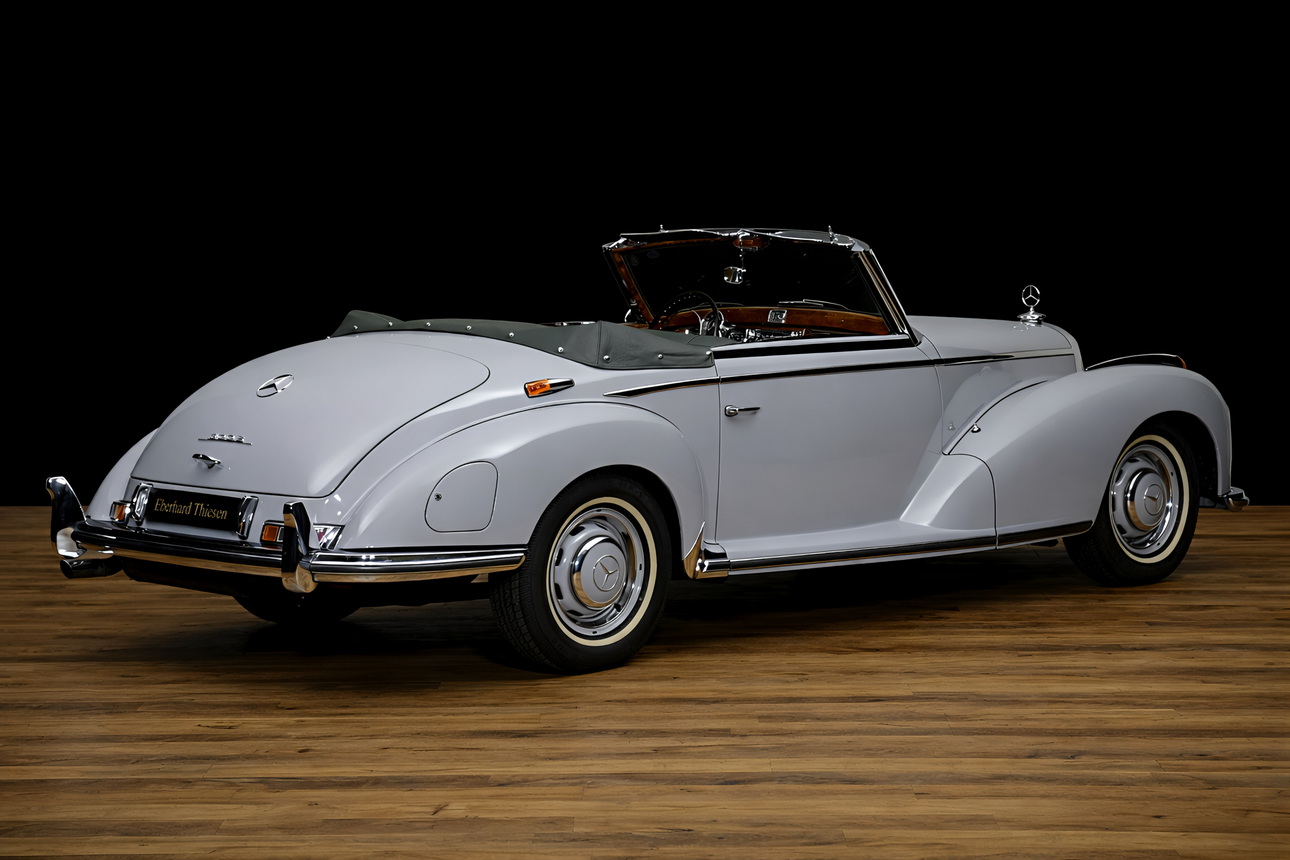
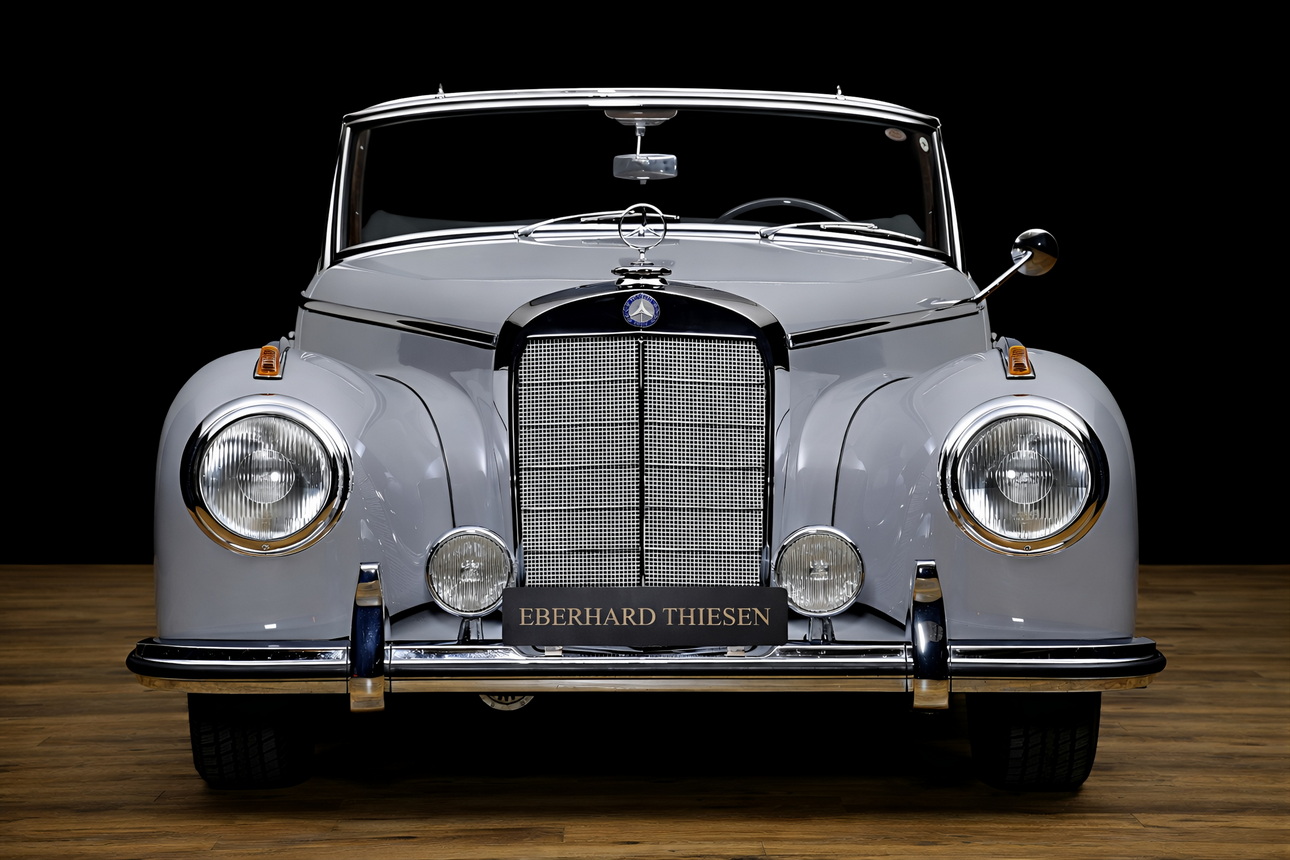
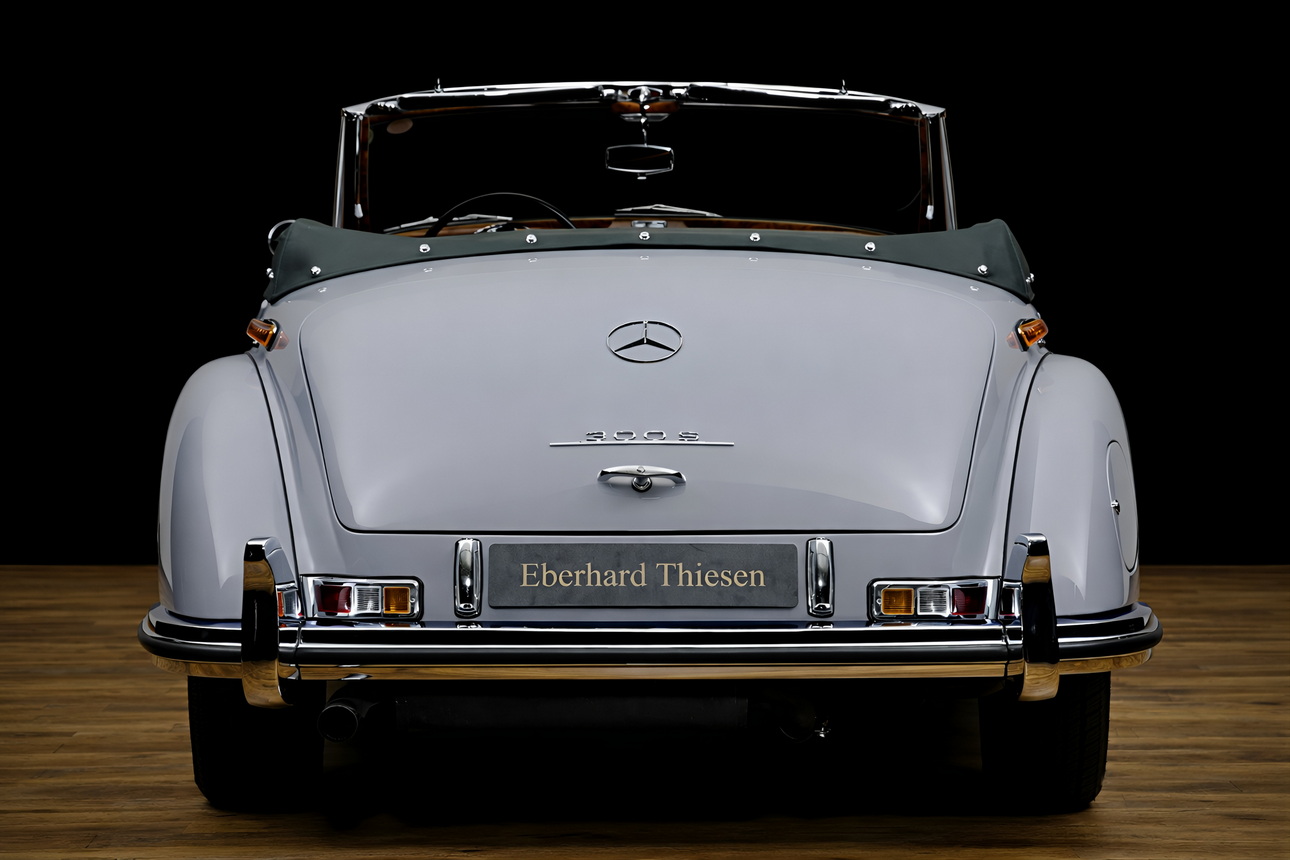
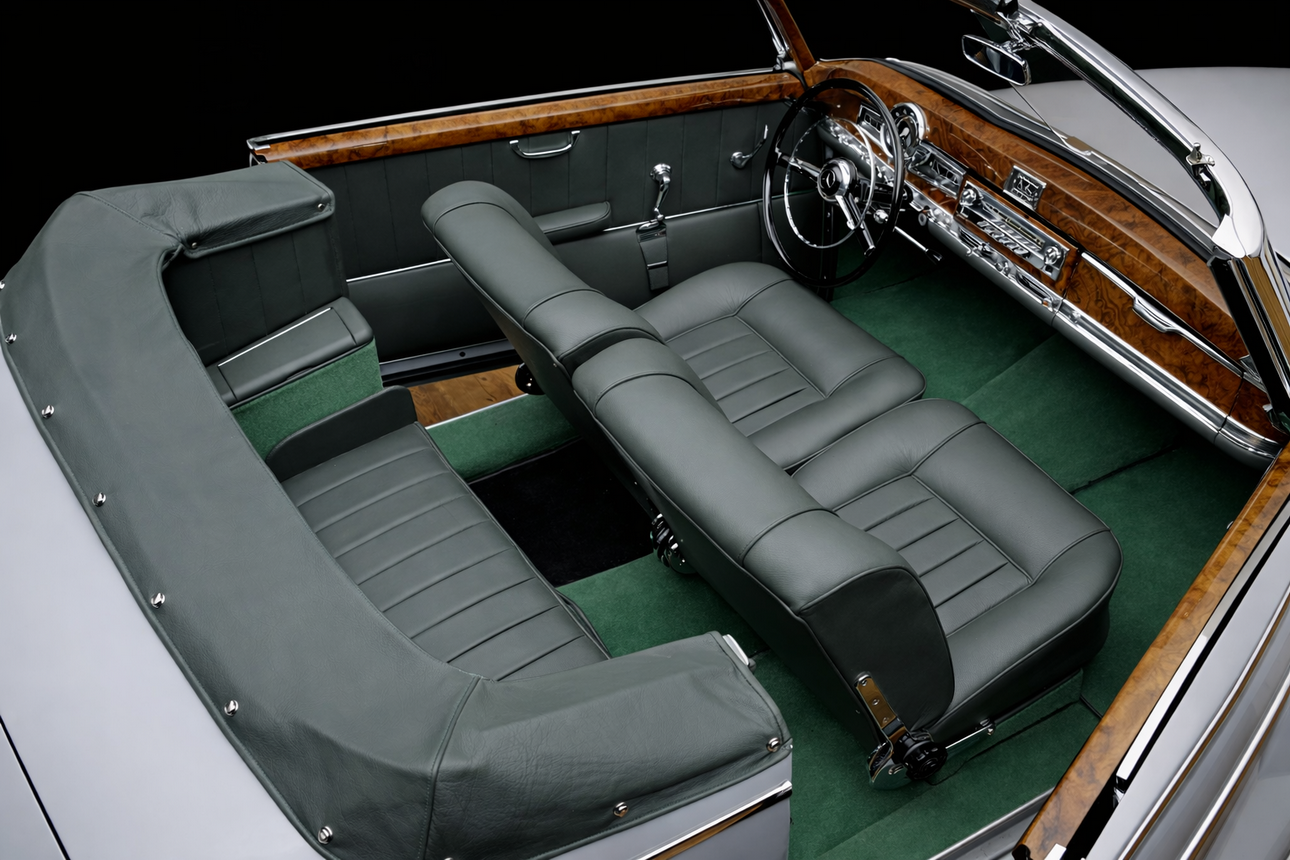
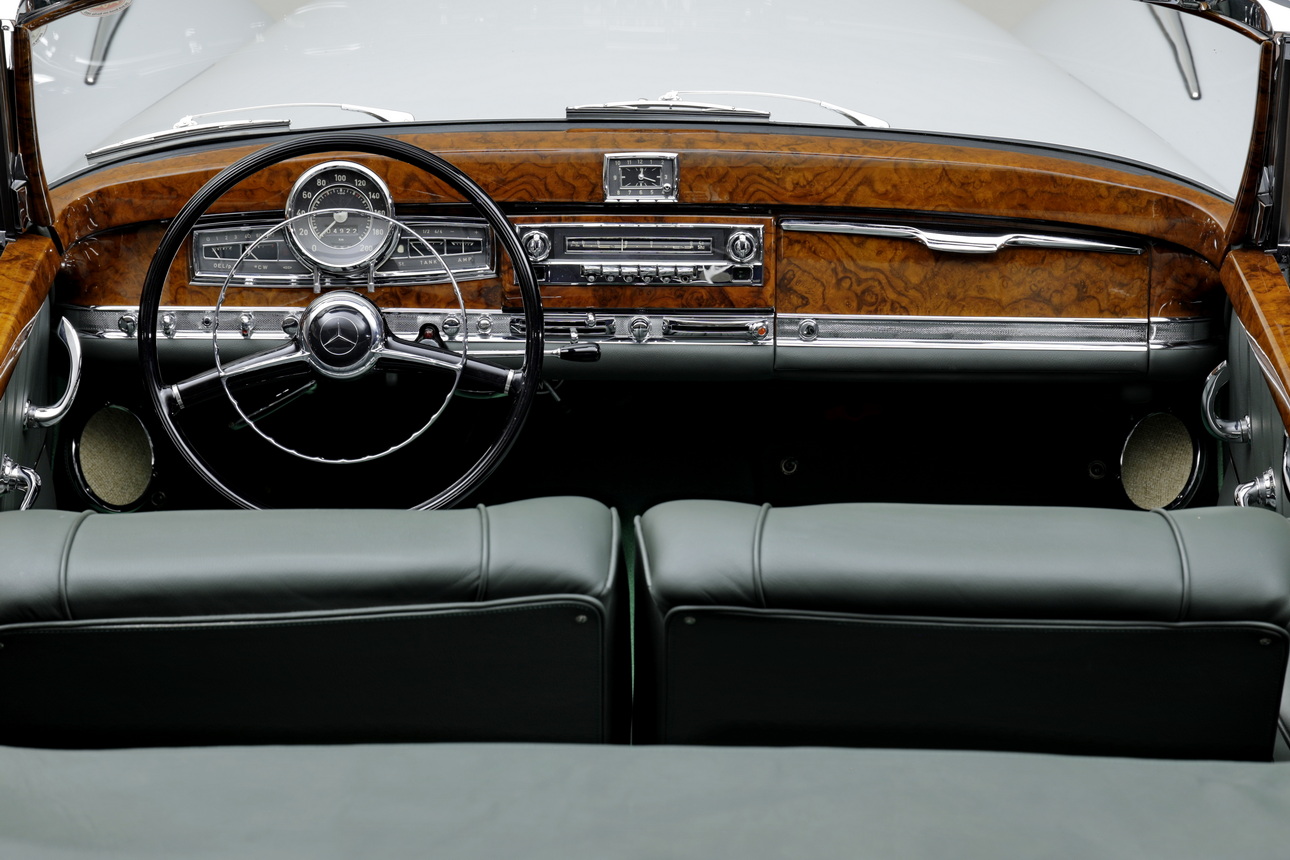
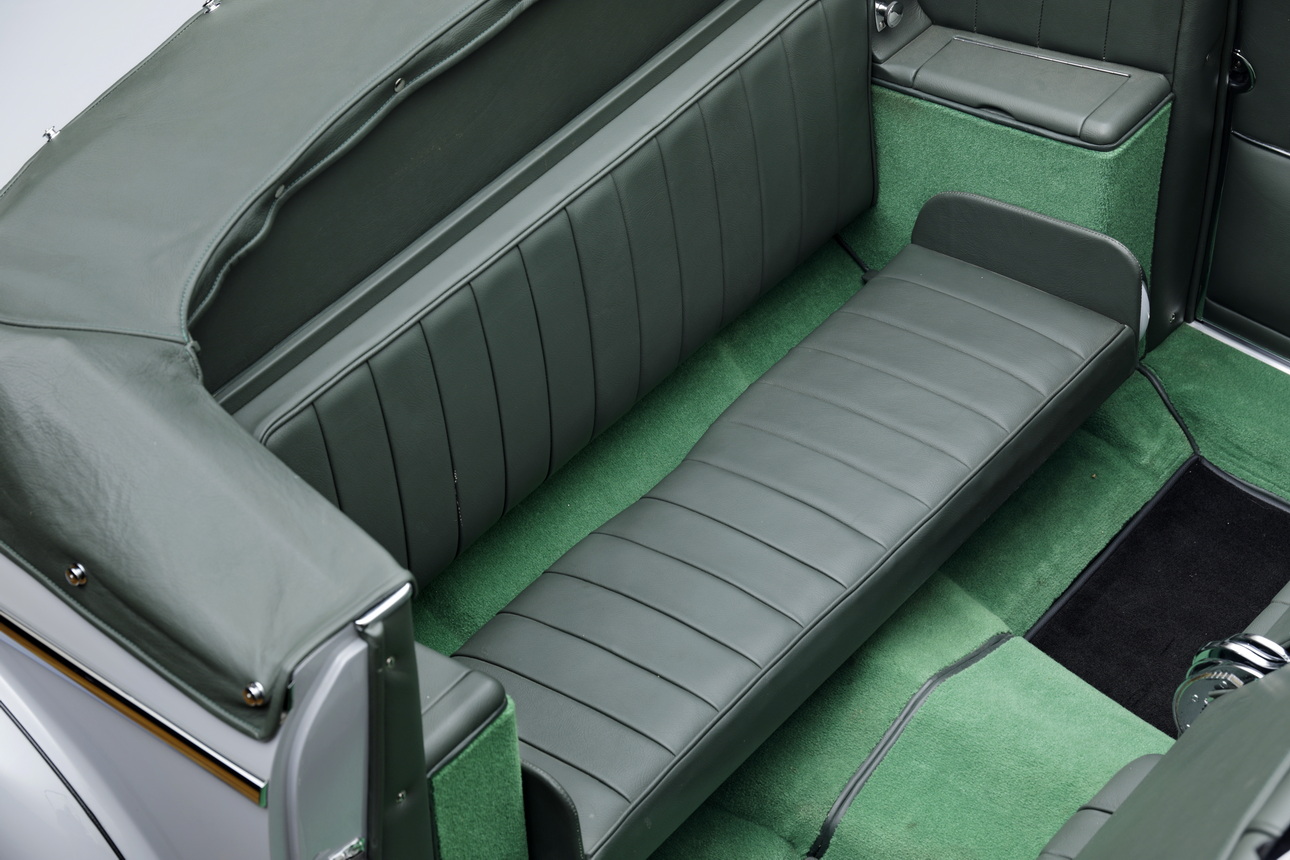
Mercedes Benz 300 S Roadster

Highlights
Data & Facts
This Automobile
Model History
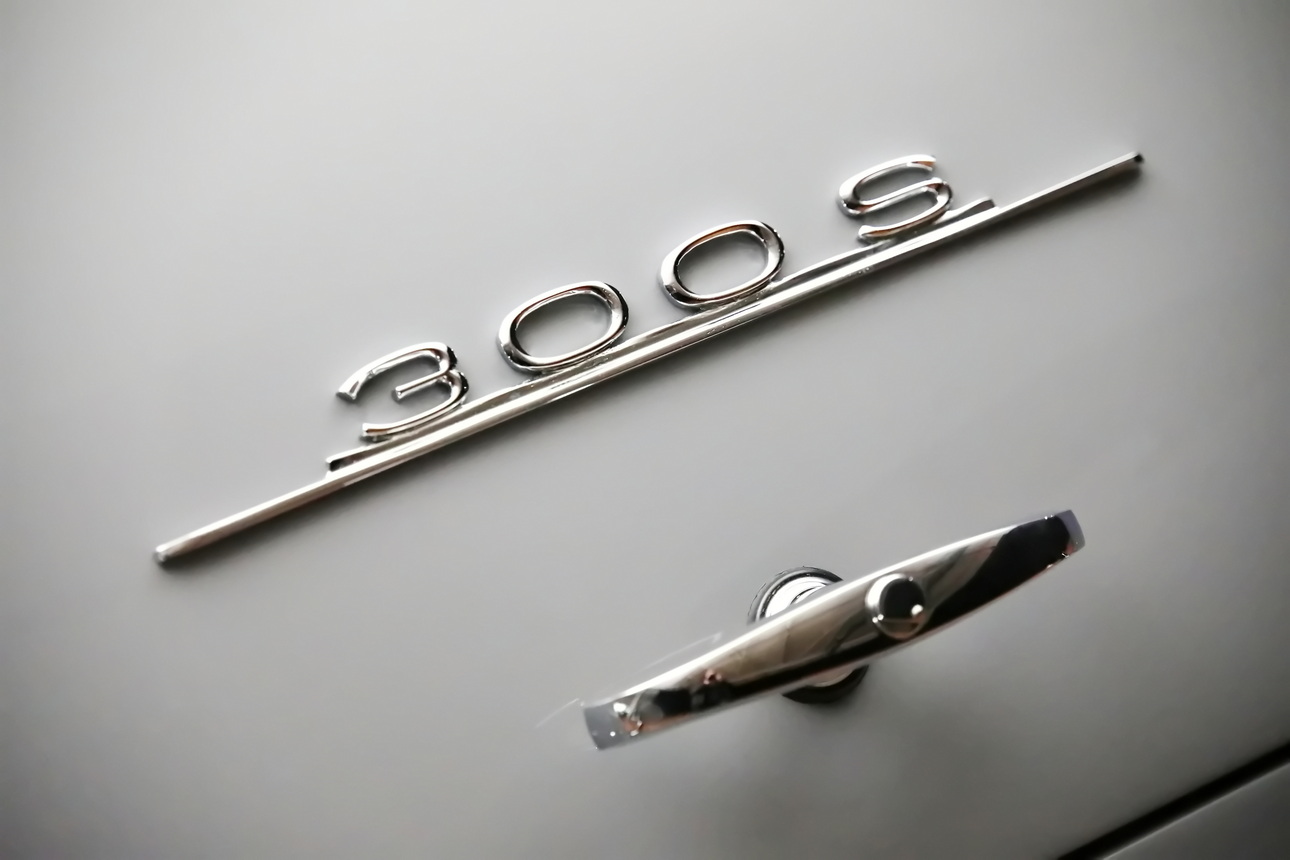
The Type 300 S (W 188 I) was launched at the Paris Motor Show in October 1951. The model was based on the Mercedes-Benz 300 (W 186), commonly known as the “Adenauer” after the first German Chancellor.
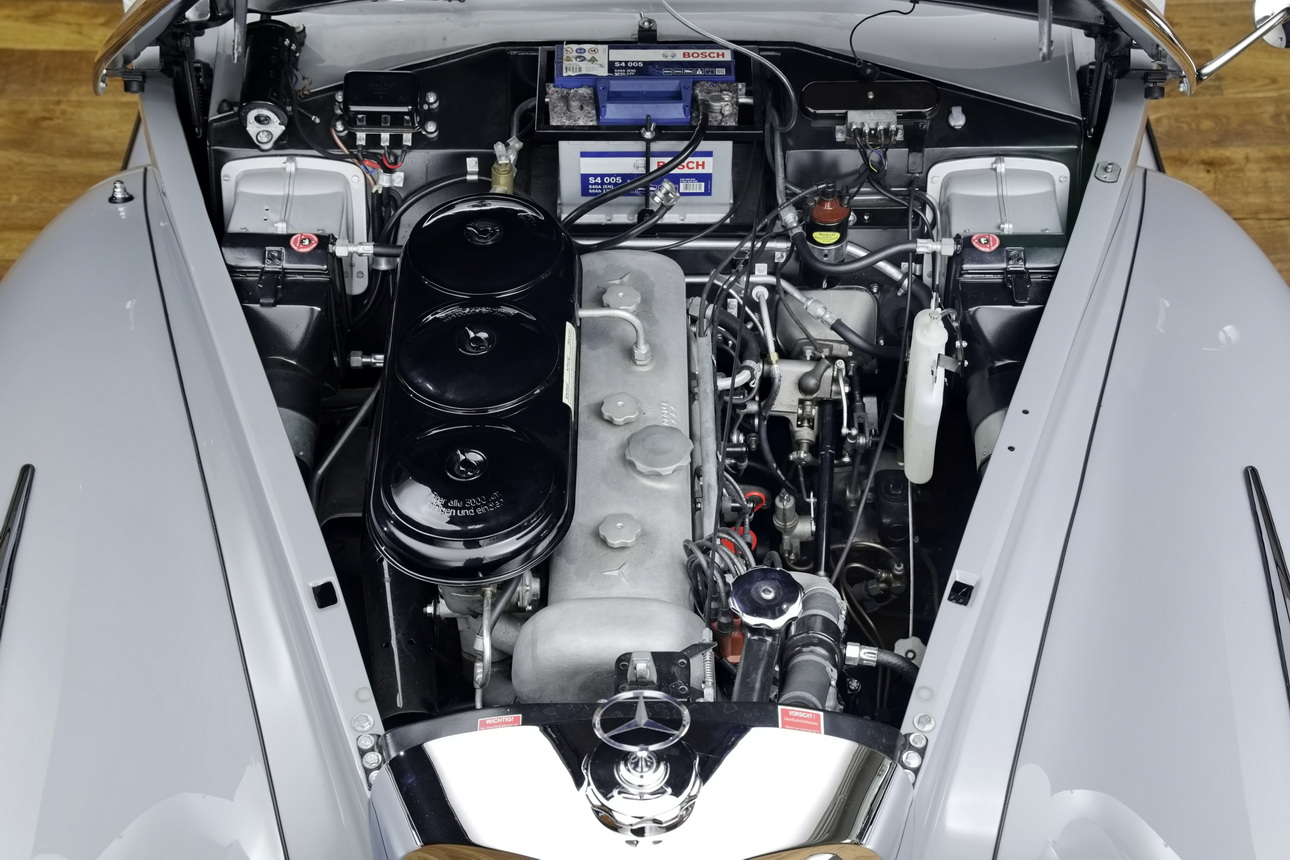
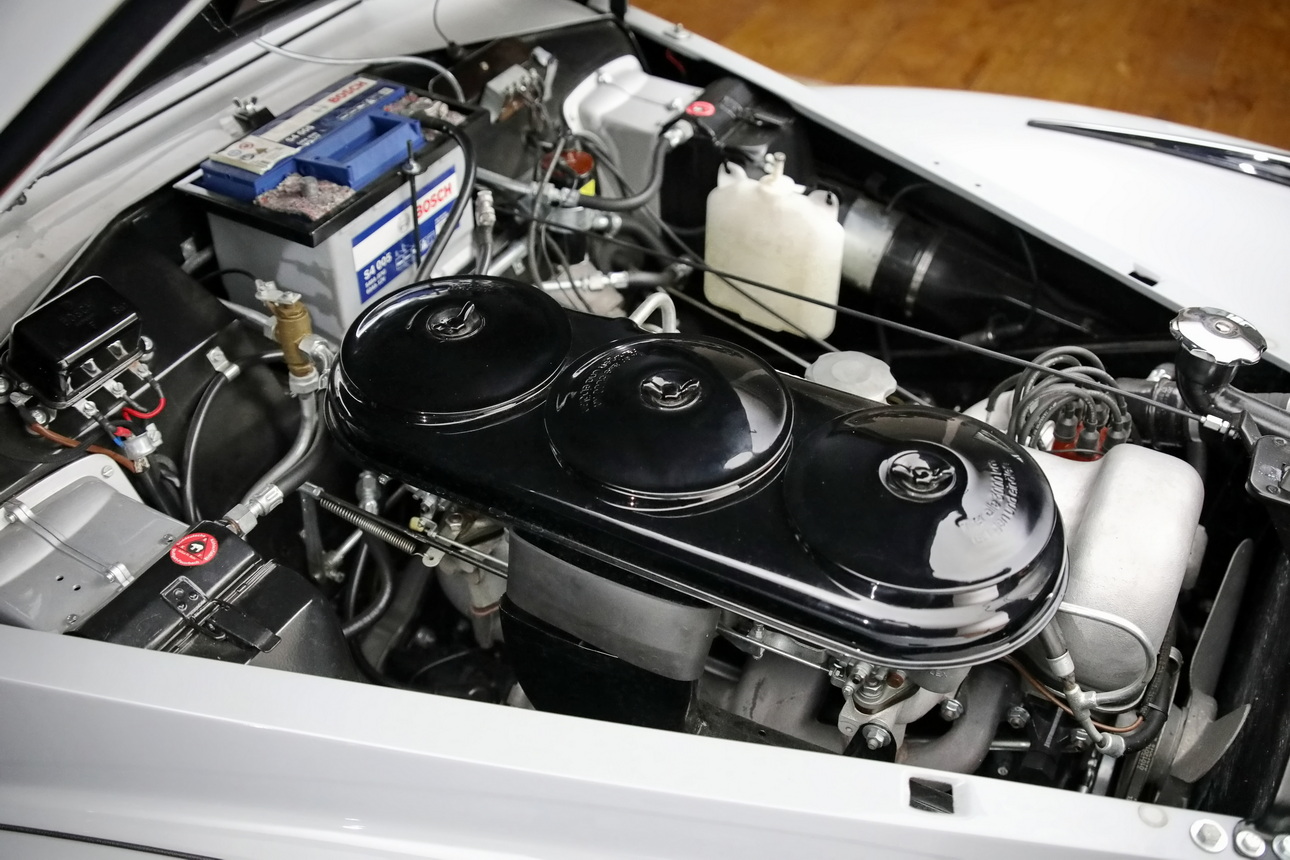
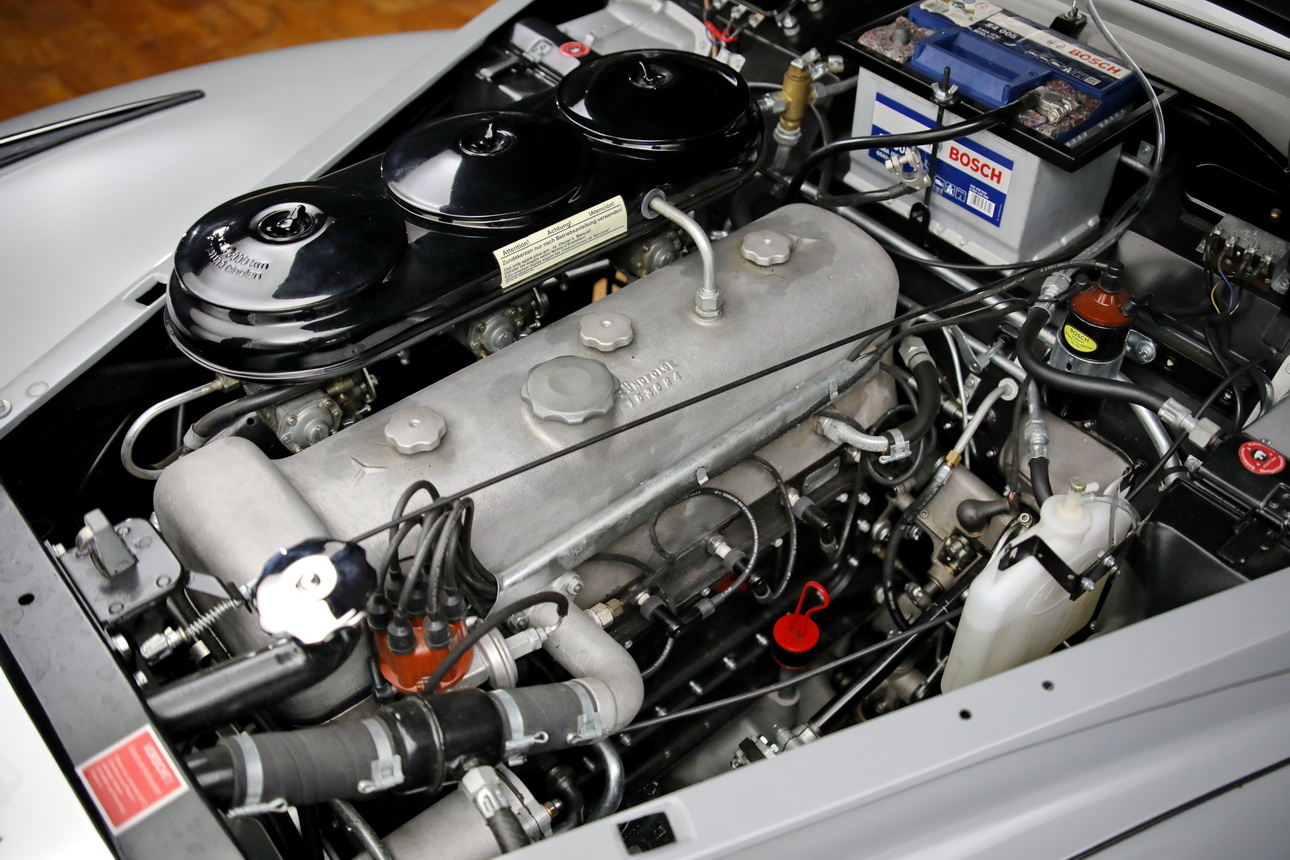
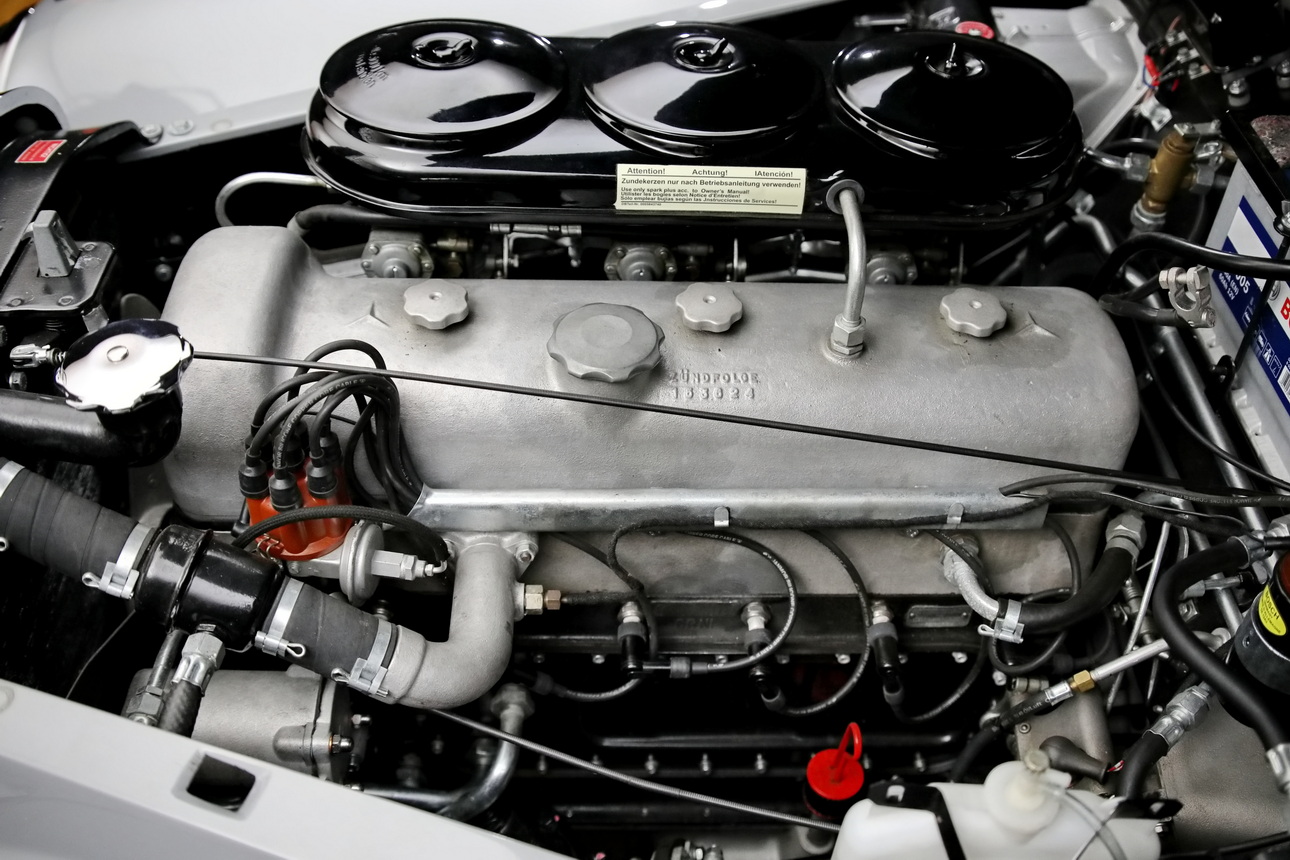
The wheelbase of the two-door W 188 is 150 mm shorter than that of the sedan, while the drive train remains virtually unchanged. The engine output was 150 hp thanks to the use of three carburettors. The 300 S was available in three body variants as a Cabriolet A, Roadster and Coupe and was positioned as a particularly prestigious car with a sporty note for the very highest demands in terms of roadholding and comfort. In the judgment of the international trade press, the new model was praised as a "car of the world's elite" and a "benchmark for what is achievable in automotive engineering today".
The Model 300 S and 300 Sc were considered the pinnacle of luxury car manufacturing, which was also reflected in their high purchase price (around 50% more than the 300 sedan). In terms of exclusivity, workmanship, comfort and value, all variants were (and still are) in the same league as Rolls Royce and Bentley cars of that era.
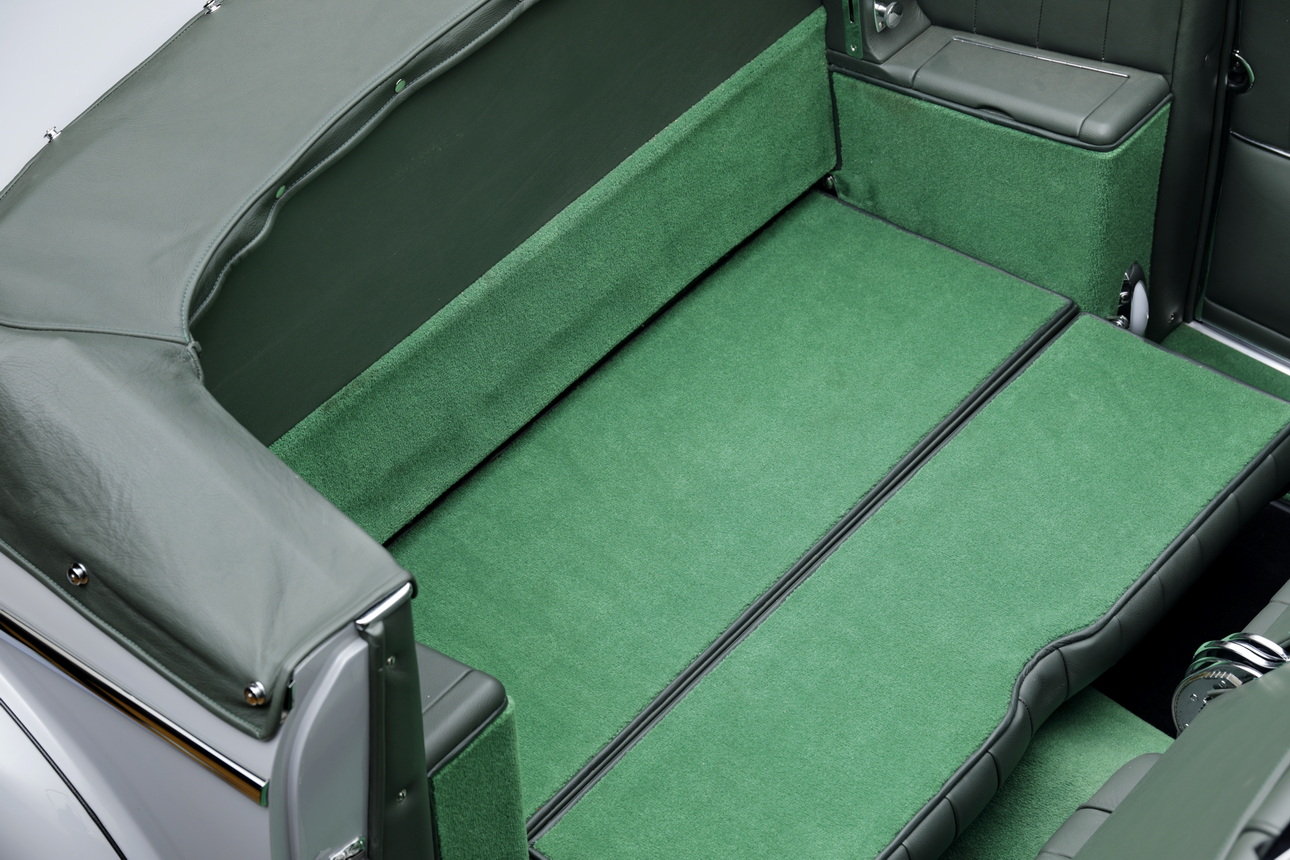
During the production period of the 300 S, only 760 units (roadsters, coupés and convertibles) left the factory. A total of 141 units were built as sporty roadster with a flat-folding soft top. This makes the W 188 even rarer than the legendary 300 SL ‘Gullwing’, of which 1,400 were manufactured. In 1958, production of the W 188 came to an end, marking the end of an era of bodies mounted on a separate frame with the powertrain. Modern vehicle designs subsequently featured self-supporting bodies (e.g. the Mercedes Ponton models).
This Automobile
Model History
The Type 300 S (W 188 I) was launched at the Paris Motor Show in October 1951. The model was based on the Mercedes-Benz 300 (W 186), commonly known as the “Adenauer” after the first German Chancellor.
The wheelbase of the two-door W 188 is 150 mm shorter than that of the sedan, while the drive train remains virtually unchanged. The engine output was 150 hp thanks to the use of three carburettors. The 300 S was available in three body variants as a Cabriolet A, Roadster and Coupe and was positioned as a particularly prestigious car with a sporty note for the very highest demands in terms of roadholding and comfort. In the judgment of the international trade press, the new model was praised as a "car of the world's elite" and a "benchmark for what is achievable in automotive engineering today".
The Model 300 S and 300 Sc were considered the pinnacle of luxury car manufacturing, which was also reflected in their high purchase price (around 50% more than the 300 sedan). In terms of exclusivity, workmanship, comfort and value, all variants were (and still are) in the same league as Rolls Royce and Bentley cars of that era.
During the production period of the 300 S, only 760 units (roadsters, coupés and convertibles) left the factory. A total of 141 units were built as sporty roadster with a flat-folding soft top. This makes the W 188 even rarer than the legendary 300 SL ‘Gullwing’, of which 1,400 were manufactured. In 1958, production of the W 188 came to an end, marking the end of an era of bodies mounted on a separate frame with the powertrain. Modern vehicle designs subsequently featured self-supporting bodies (e.g. the Mercedes Ponton models).