Mercedes-Benz 300 Sc Roadster

Highlights
Data & Facts
This Automobile
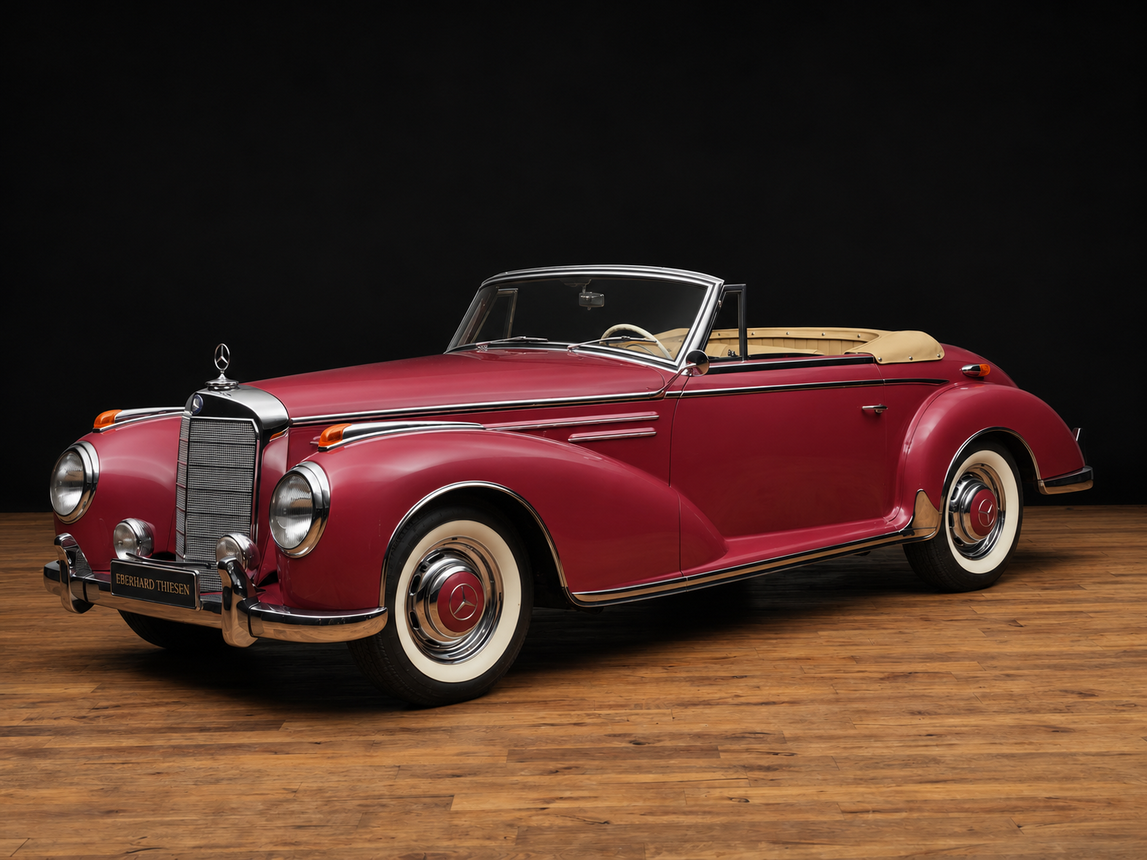
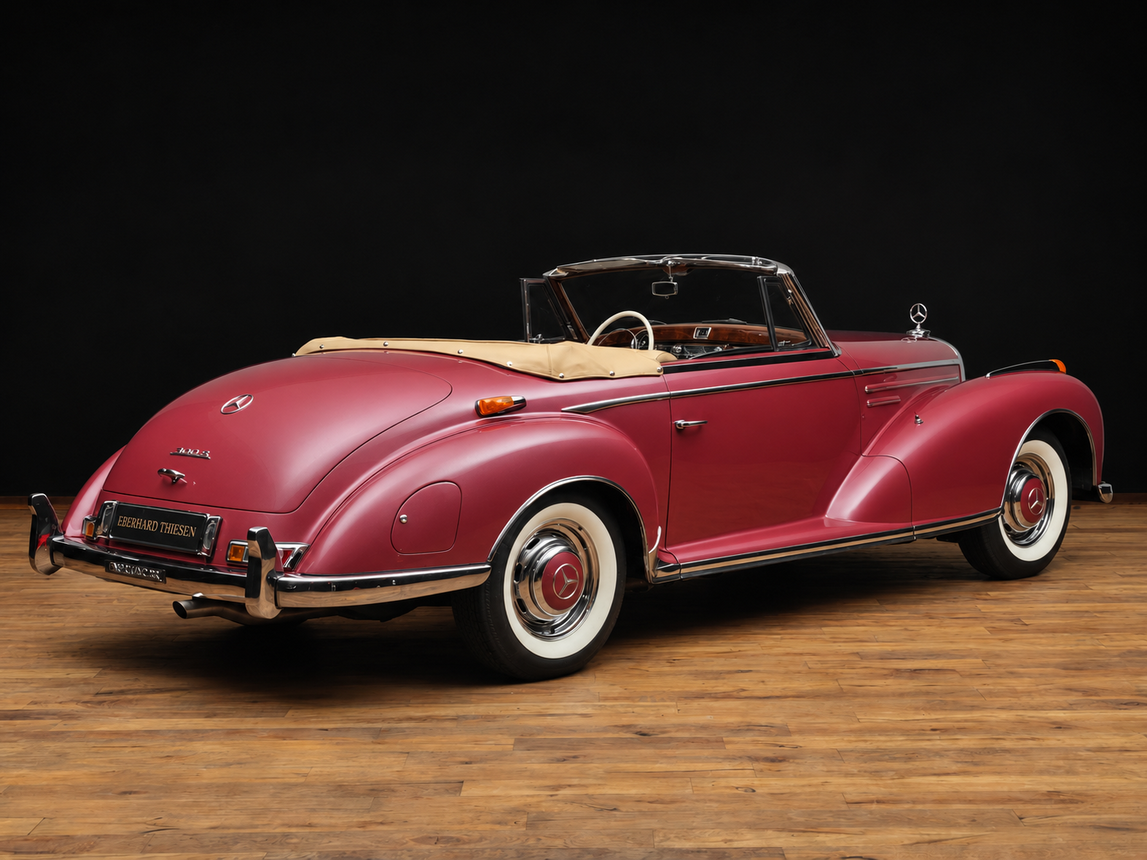
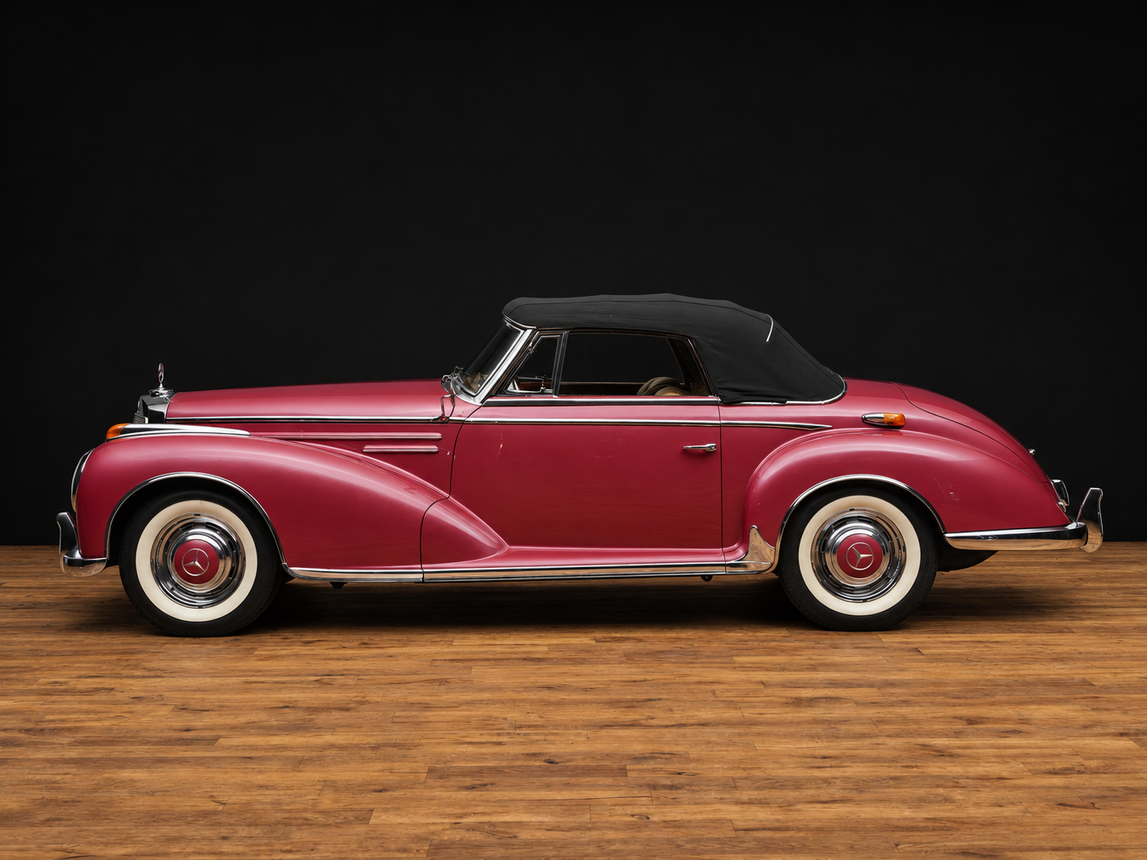
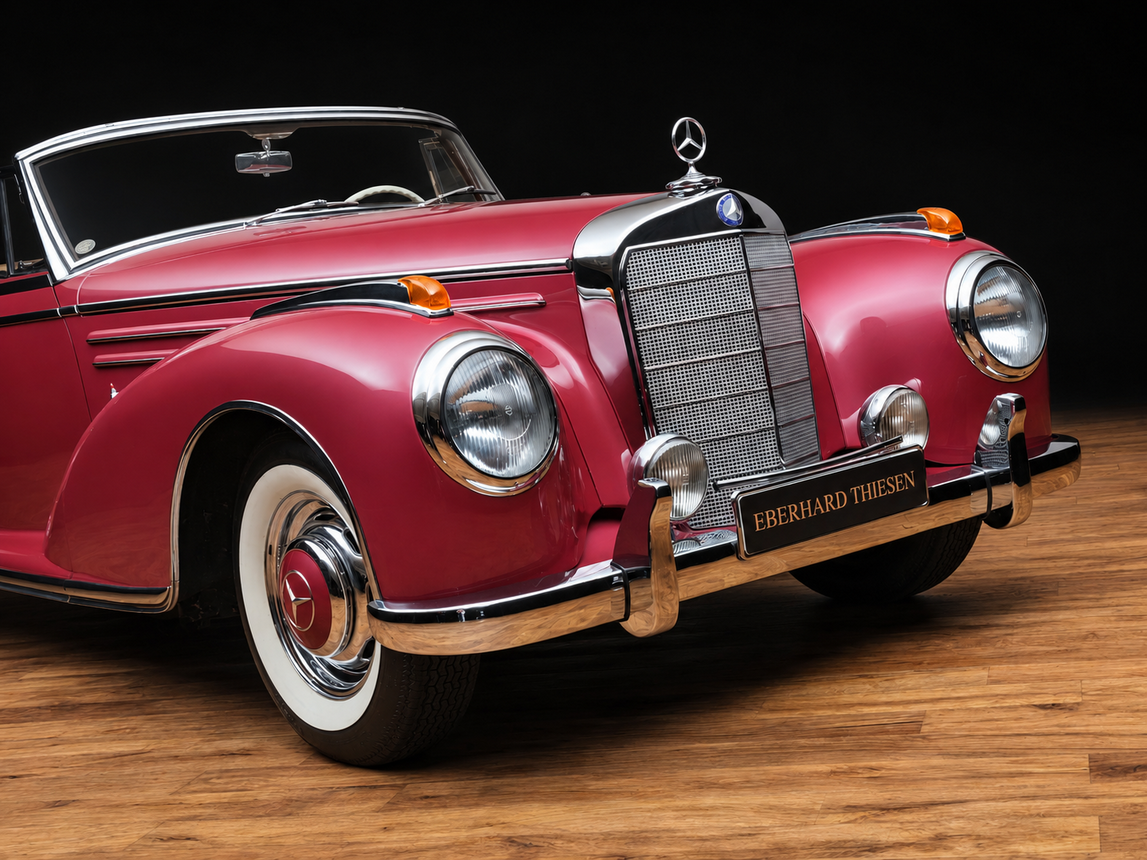
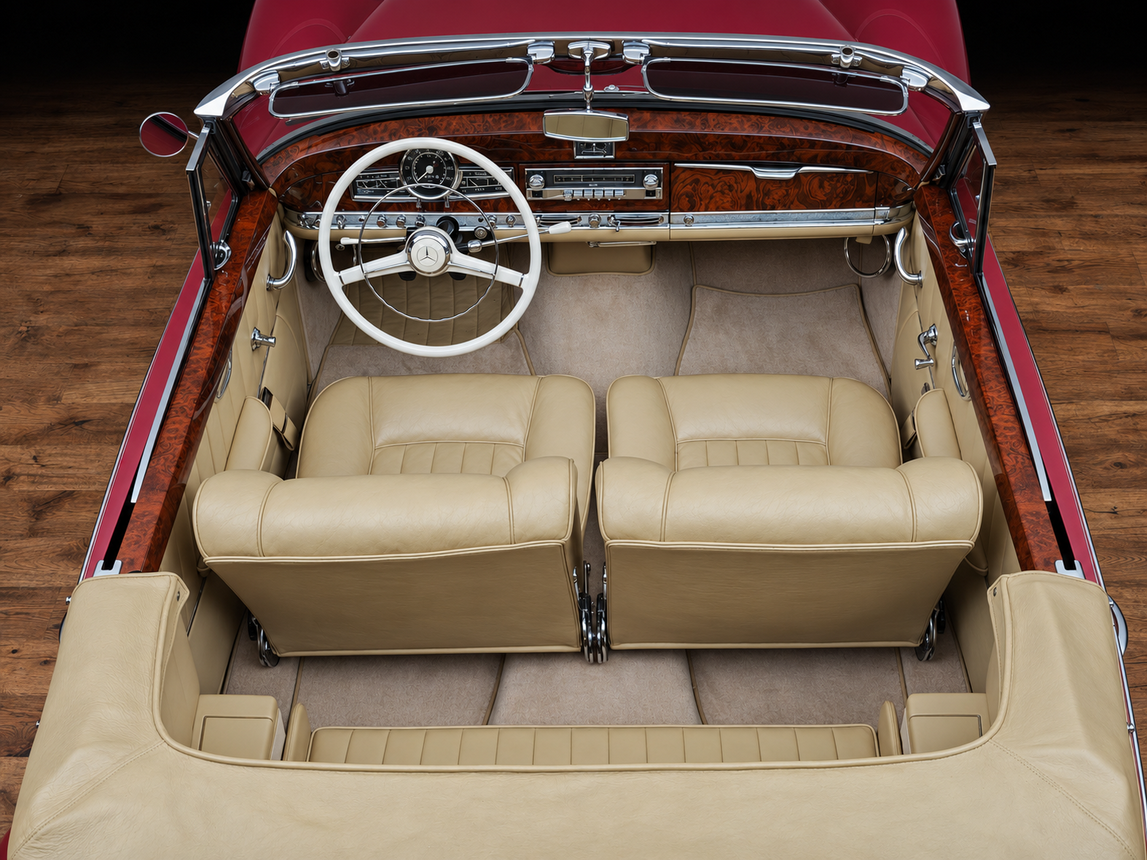
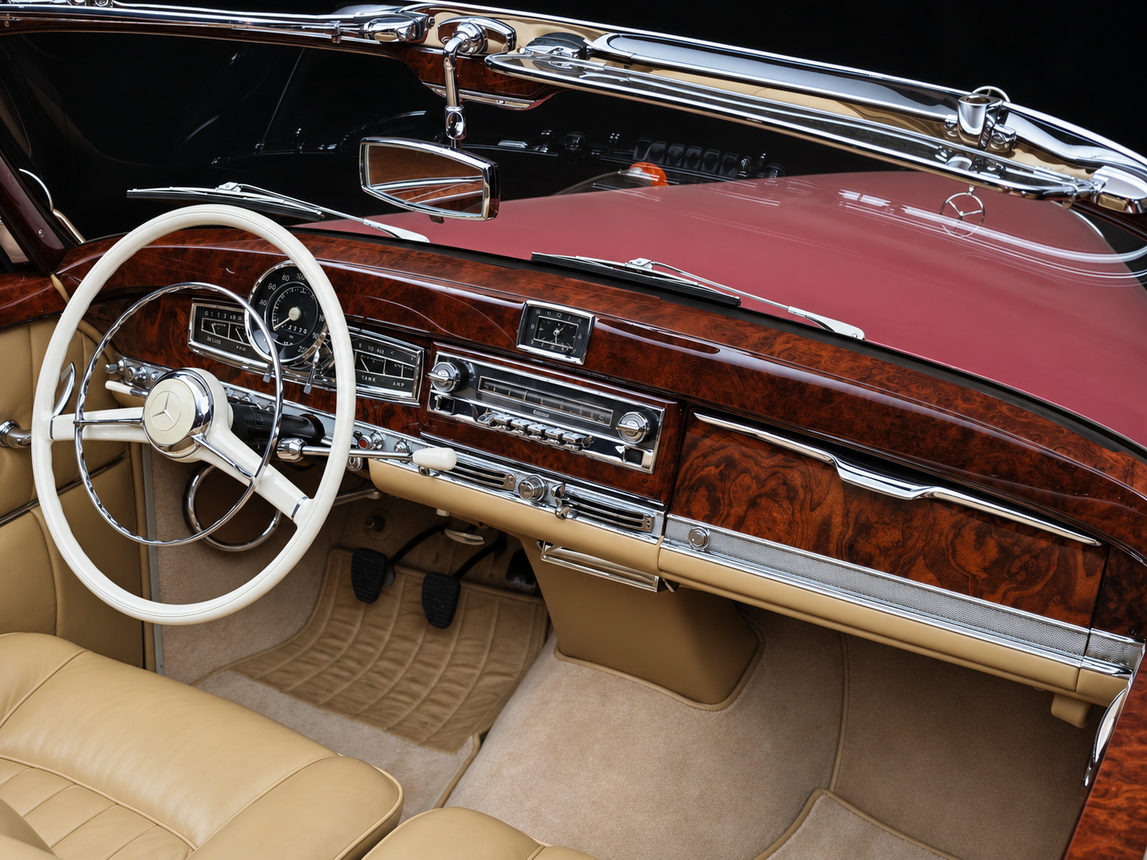
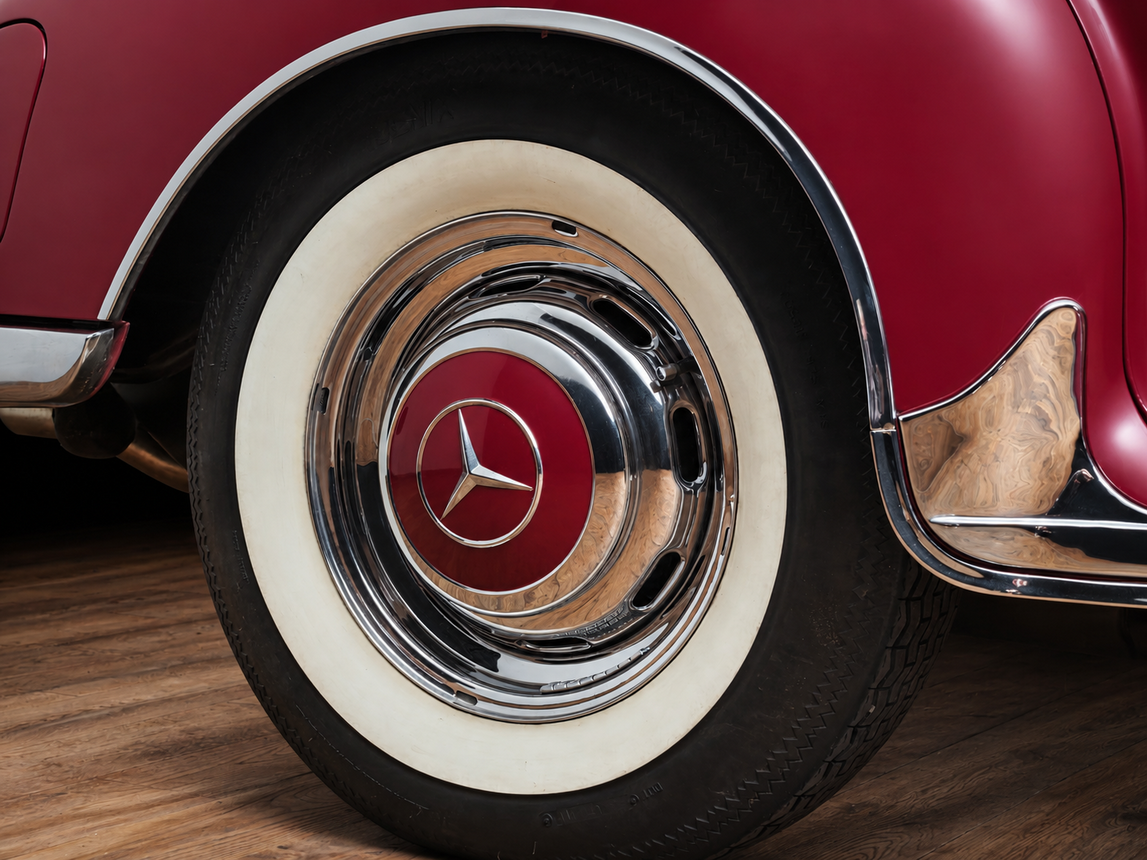
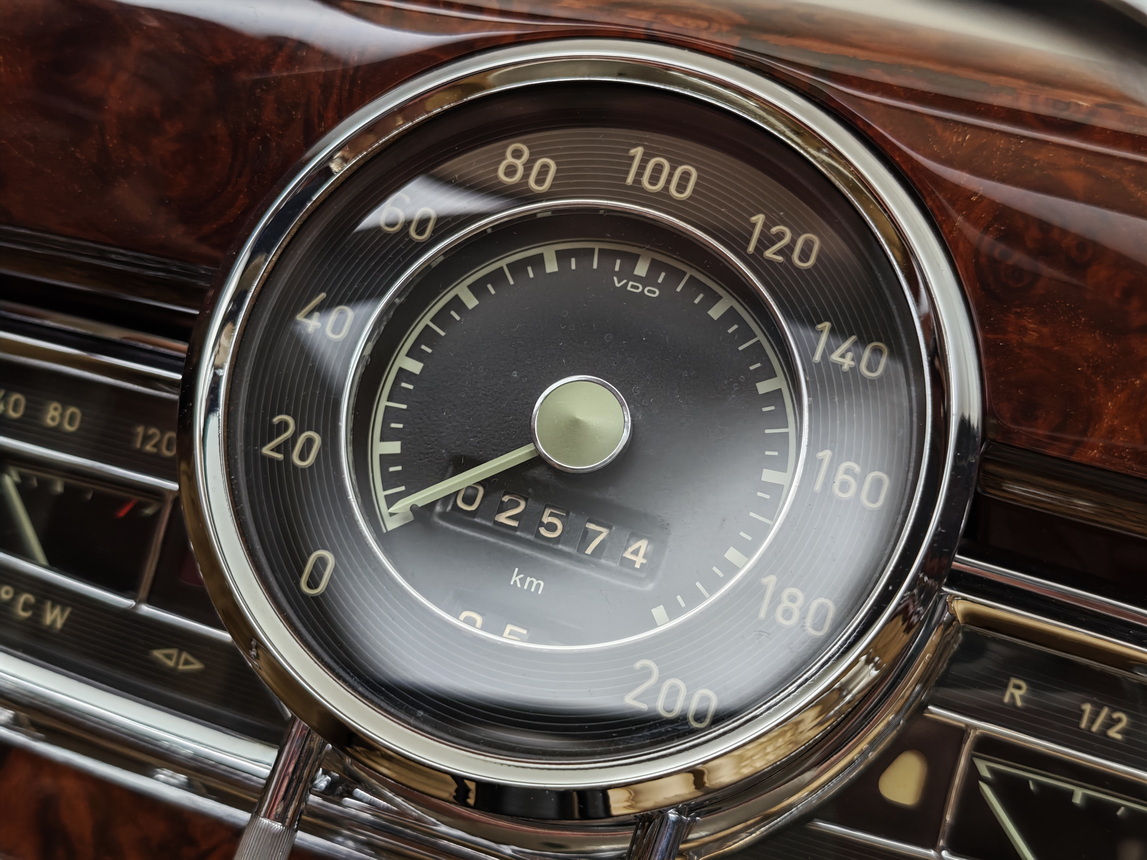
Anyone looking for a 300 Sc Roadster is looking for one of the most exclusive cars Mercedes-Benz built in the 1950s – only 53 were made. According to the copy of the factory data card on file, this car was delivered on 12 November 1957 to the then Mercedes-Benz distributor in New York, finished in strawberry red metallic (DB 543) with cream leather and a black soft top. It left the factory in US specification, including sealed-beam headlamps, instruments with English markings and a Becker ‘Mexico’ radio.
Its documentation is equally compelling: vehicle papers from three countries trace the Roadster’s journey – from a Florida Certificate of Title (2004) to its inspection as a historic vehicle in Spain at the end of 2006, when the authority expressly confirmed that the chassis number matched, and its registration as a ‘vehículo histórico’ in 2007, and on to Germany, where it arrived after deregistration in Spain in 2013 and is now registered with historic number plates.
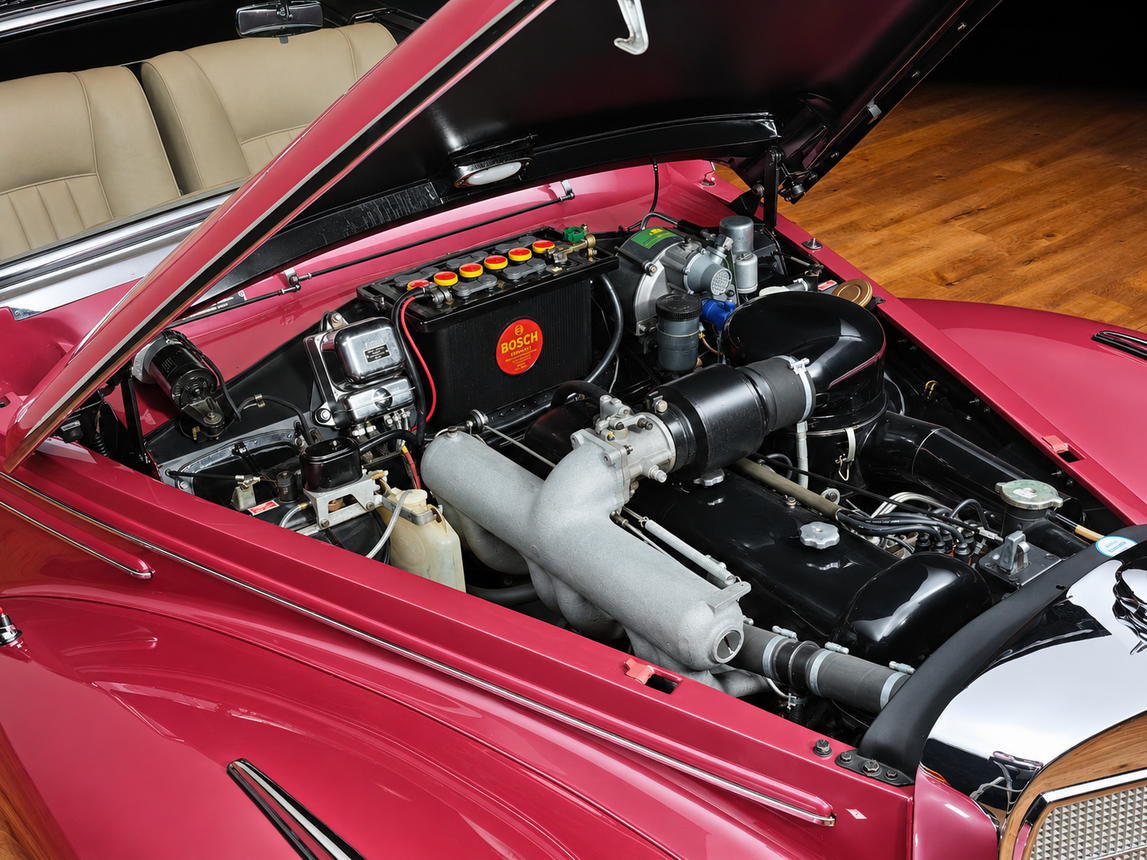
Over several years, a specialist in 1950s Mercedes-Benz cars based in northern Germany fully and faithfully restored the Roadster and returned it to its original delivery colour; older papers still record different colours. To the best of our knowledge, strawberry red metallic is exceptionally rare on a 300 Sc – the shade was also worn by a number of 300 SLs. Under the bonnet is the fuel-injected M 199 engine numbered 199 980 75 00034 – matching the engine recorded on the factory data card. With restoration costs only slightly below the current purchase price, this is a rare opportunity to acquire one of the rarest open Mercedes-Benz models of the post-war era on particularly attractive terms.
Model History
When Daimler-Benz unveiled the 300 S at the Paris Motor Show in October 1951, the brand set a new benchmark: a car that combined luxury and sportiness at the very highest level. Based on the technology of the Type 300 but with a wheelbase shortened by 150 mm, the two-door model was hand-built in the special vehicle department of the Sindelfingen plant – as a Coupé, a Cabriolet A and a Roadster. Priced at DM 34,500, the 300 S was already one of the most expensive German cars of its time.
In September 1955, Daimler-Benz unveiled the revised version, known internally as the 300 Sc, at the IAA in Frankfurt am Main. At its heart was the engine: instead of three carburettors, mechanical direct petrol injection derived from the 300 SL engine now handled mixture preparation. Together with a higher compression ratio and dry-sump lubrication, it raised the output of the three-litre straight-six (M 199) from 150 to 175 hp at 5,400 rpm. At the same time, the 300 Sc received the single-joint swing axle with a low pivot point, which improved its handling.
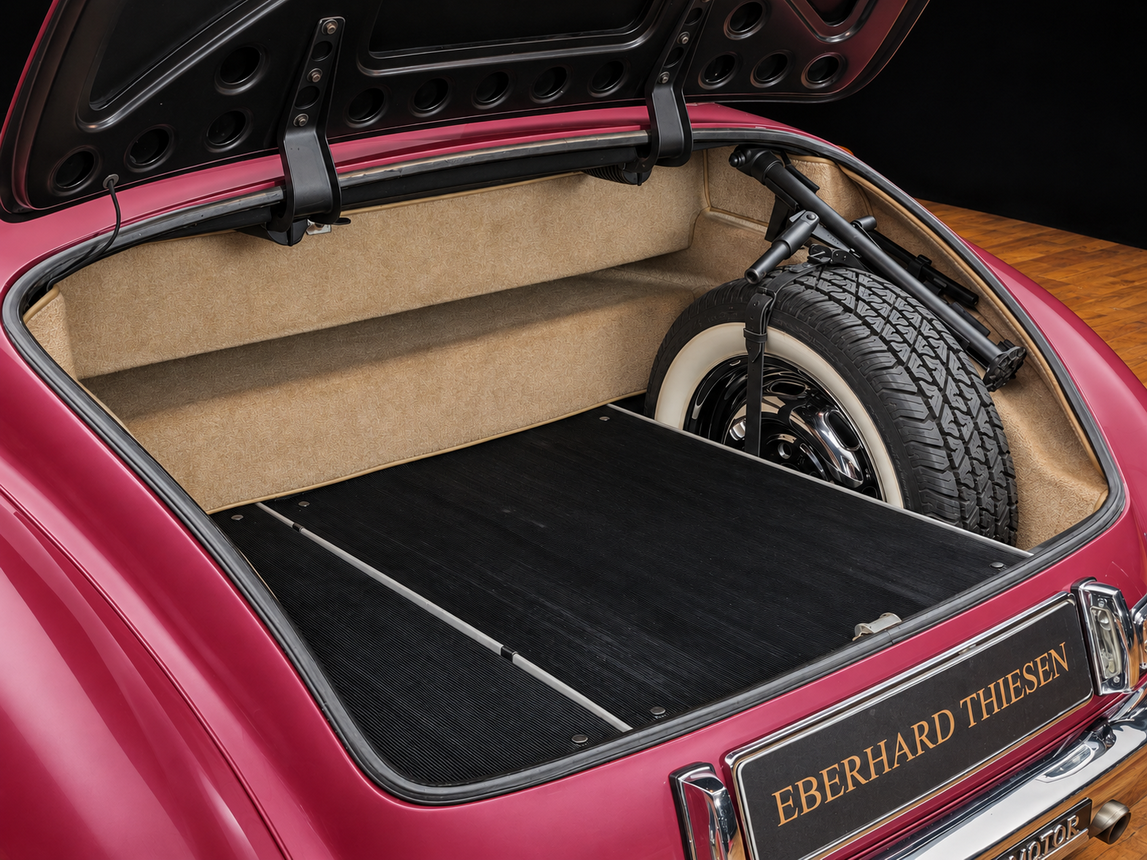
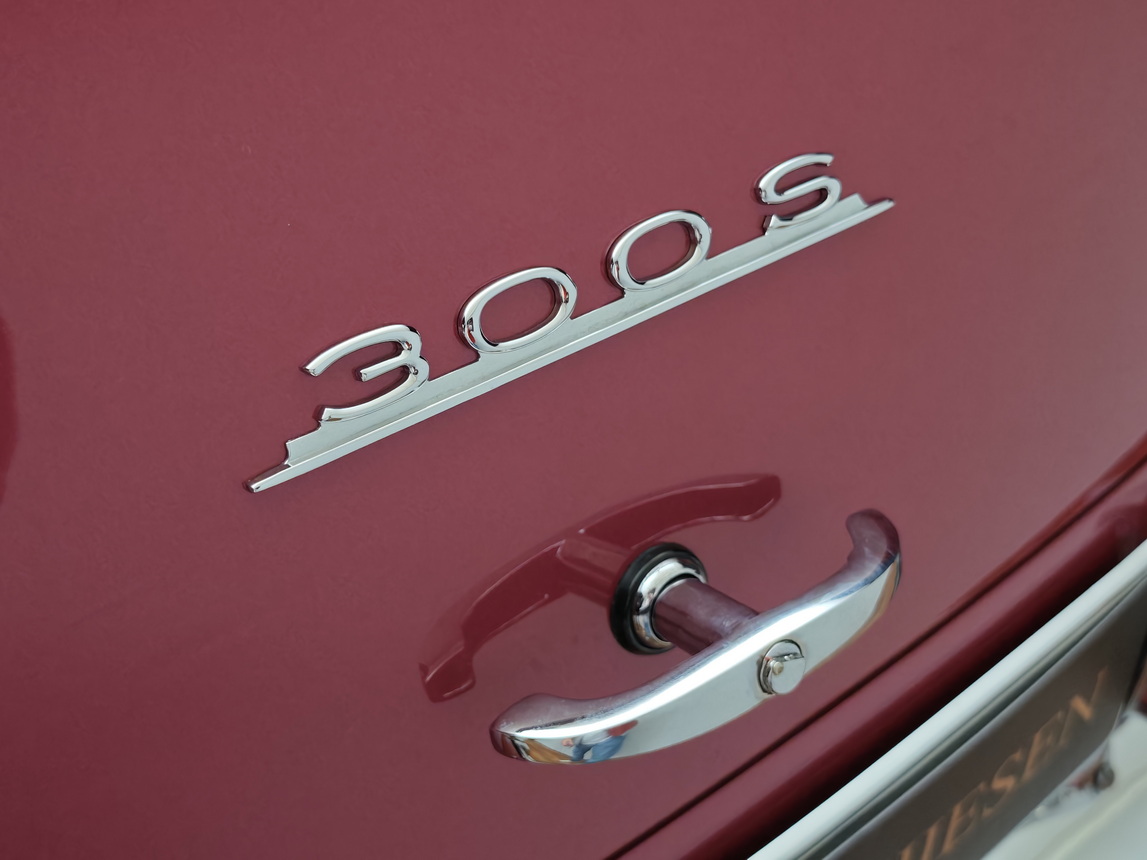
Externally, the 300 Sc can be identified by a number of details: two chrome-trimmed air vents on each side below the bonnet, a continuous chrome strip between the wheel arches, larger indicators and ‘Einspritzmotor’ lettering at the rear. The Roadster differs from the Cabriolet A in its simpler, fully retractable soft top without landau irons; behind the two seats there is space for luggage.
At DM 36,500 in 1957, the 300 Sc cost around DM 7,500 more than a 300 SL Gullwing, which had been offered for DM 29,000 in 1954. Its clientele was correspondingly exclusive, and many cars were sold abroad, particularly to the USA. By the end of production in April 1958, only 200 examples of the 300 Sc had been built – 98 Coupés, 49 Cabriolets A and 53 Roadsters. This makes the 300 Sc Roadster one of the rarest post-war Mercedes-Benz series production cars – a collector’s car of exceptional standing.