Mercedes-Benz 540K Autobahnkurier

Highlights
Data & Facts
This Automobile
One of the most spectacular body styles in Mercedes-Benz pre-war history
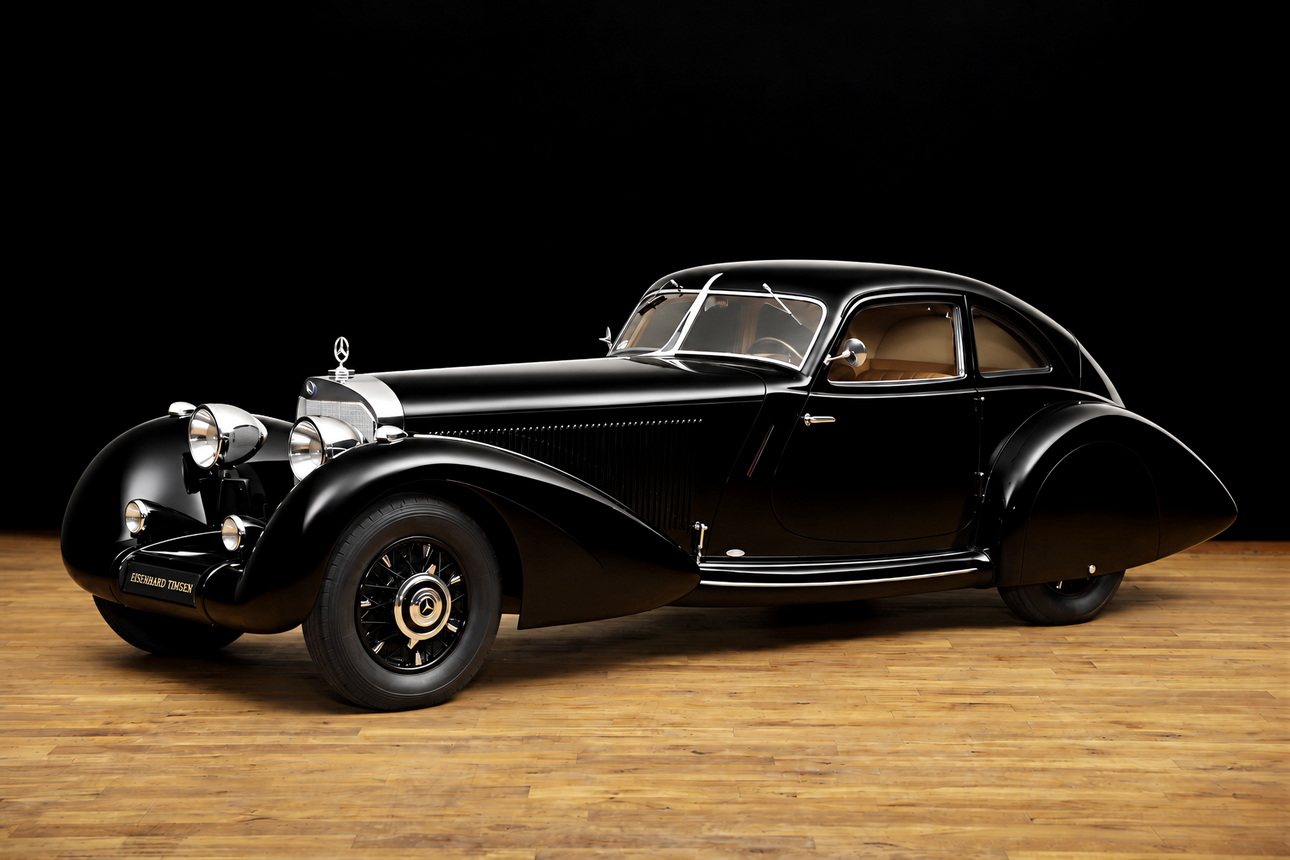
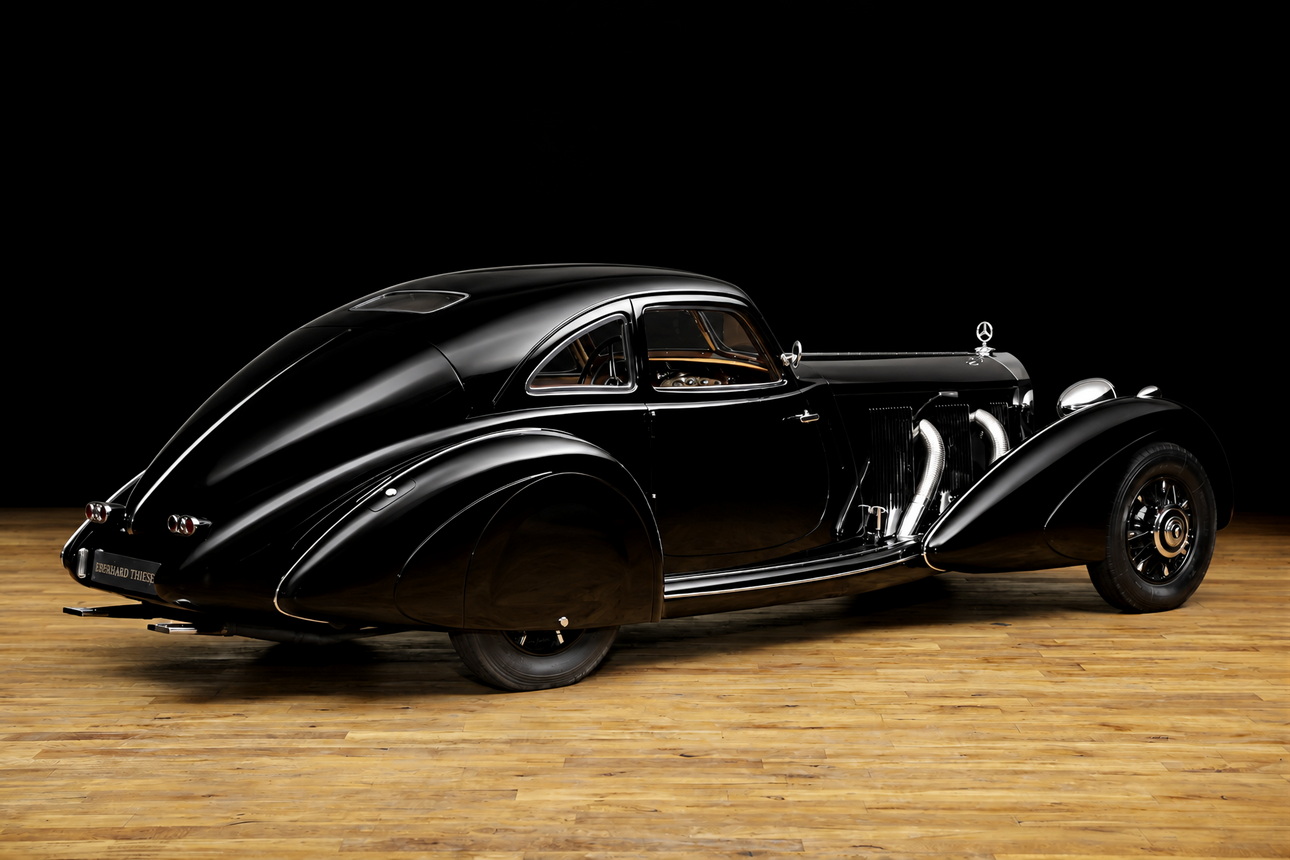
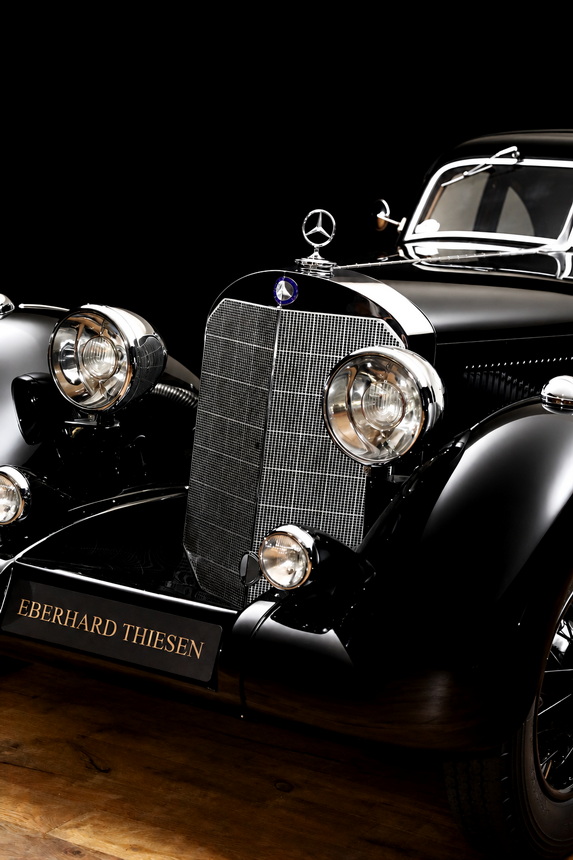
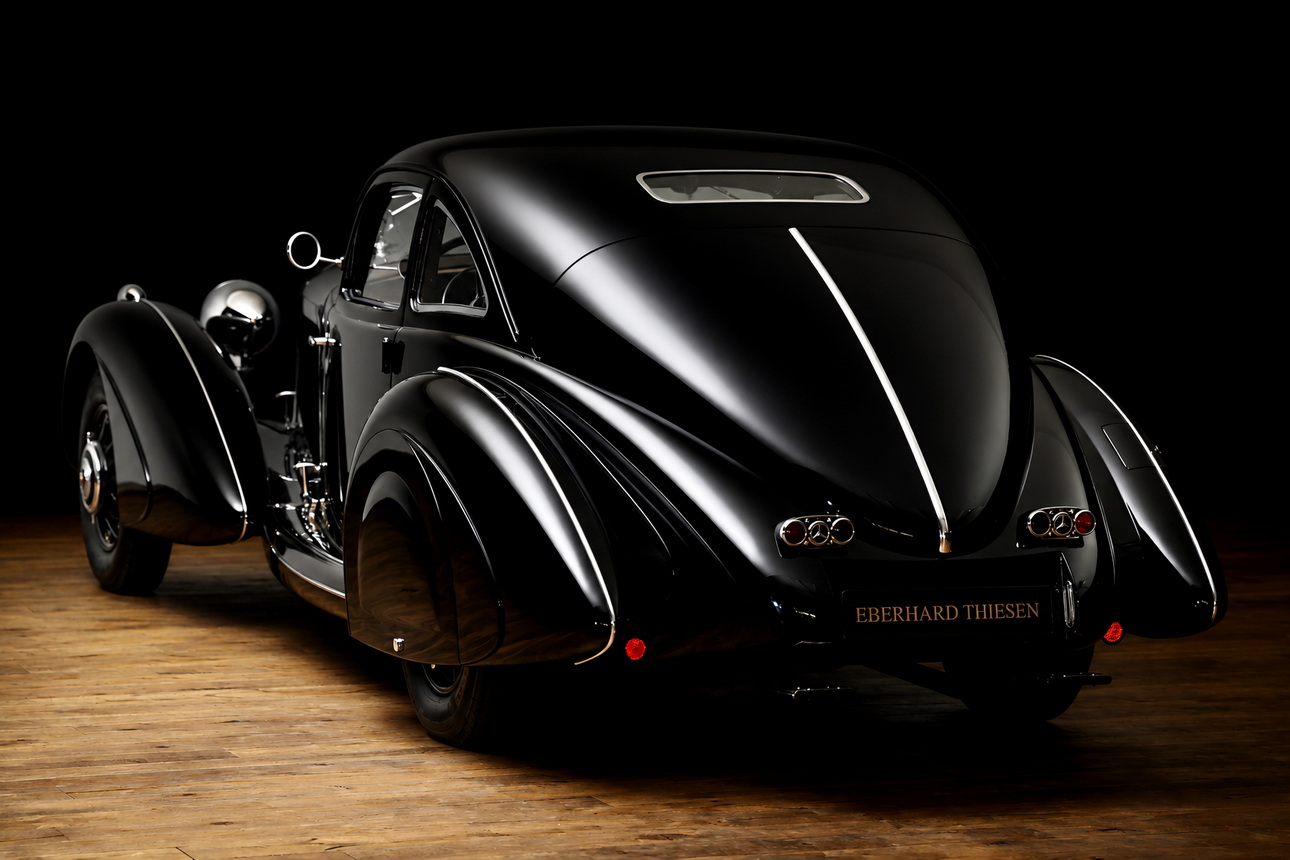
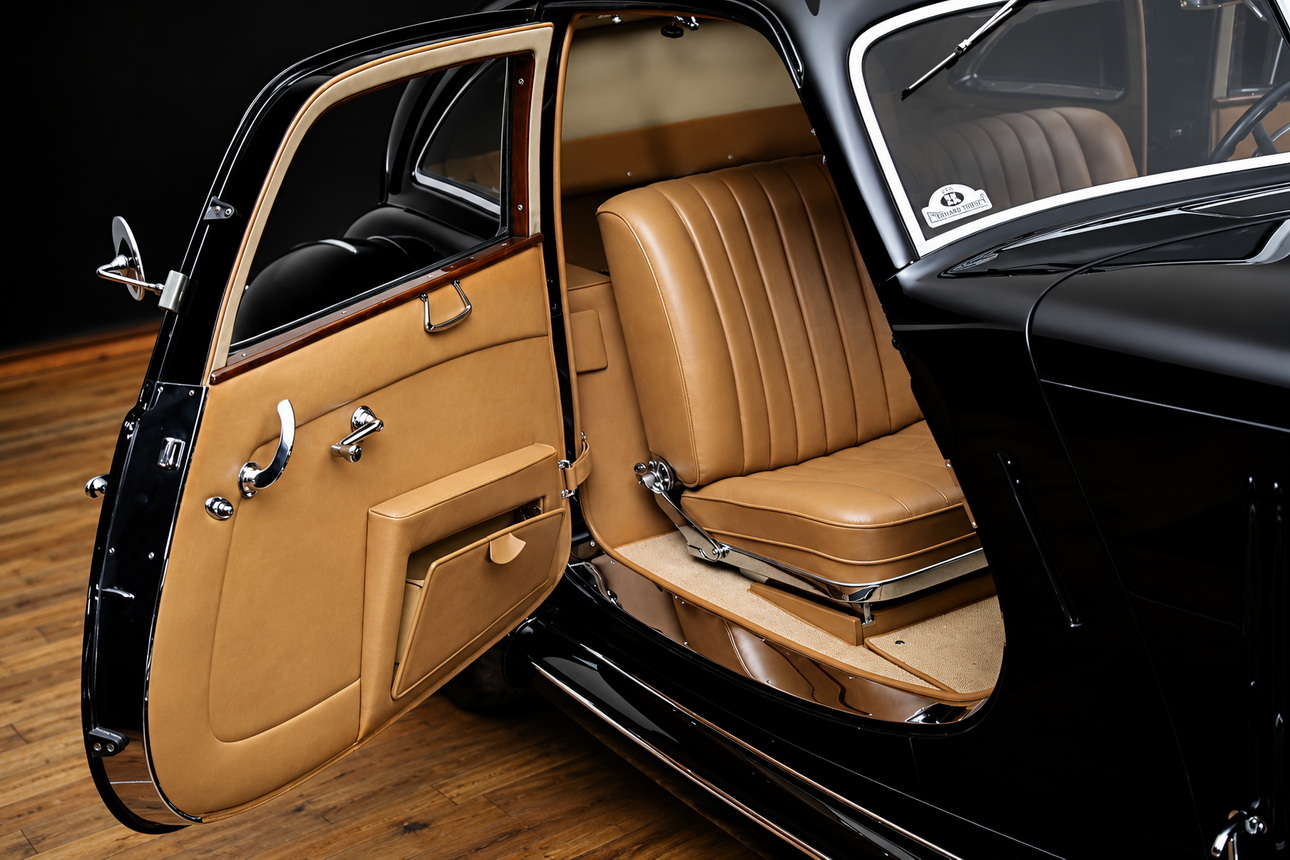
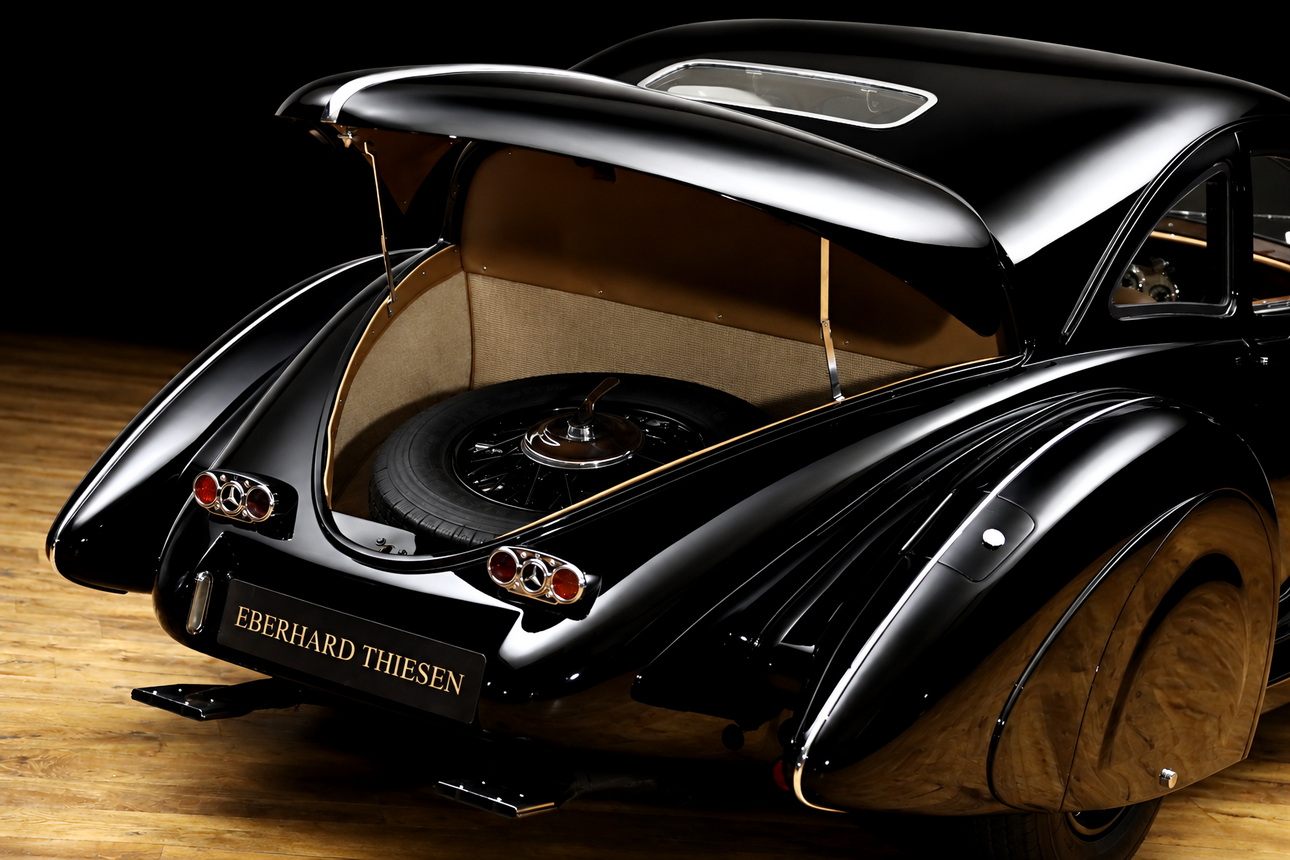
The Mercedes-Benz Autobahnkurier is without doubt one of the most extraordinary and fascinating automobiles of the pre-war era. Its unique, streamlined coupé body caused a considerable stir as early as the first half of the 1930s. Alongside the legendary Special Roadster, the Autobahnkurier remains to this day one of the most spectacular body styles ever produced by Mercedes-Benz before the war.
Originally, only six examples were built – four on the Mercedes-Benz 500 K and two on the 540 K. To the best of current knowledge, only two original cars have survived worldwide. One is part of the renowned collection of Arturo Keller, the other is in a museum in Tehran. Both are regarded as not for sale, making them among the rarest and most coveted examples of German automotive craftsmanship.
Around 20 years ago, the Wagner company sent two of its staff to Tehran specifically to document the original Autobahnkurier preserved there in every detail. The car was measured to the millimetre in order to make as authentic a rebuild as possible.
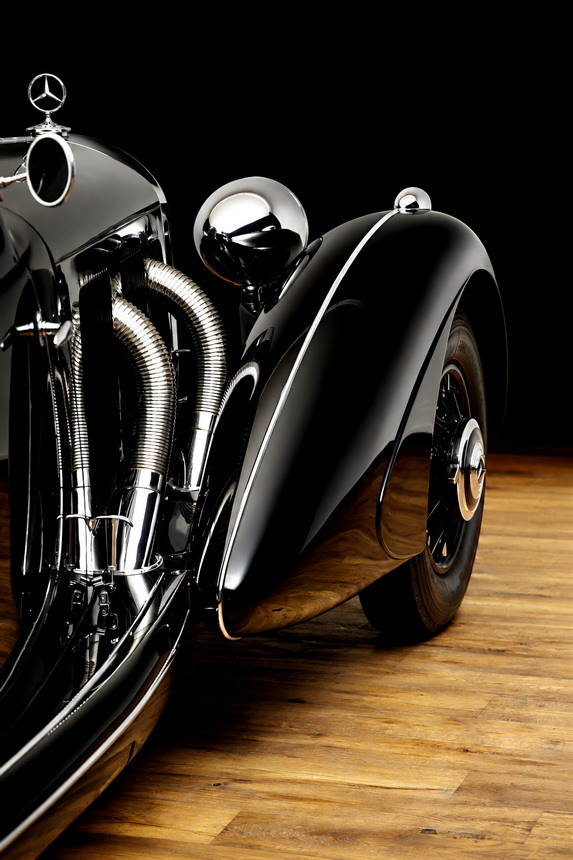
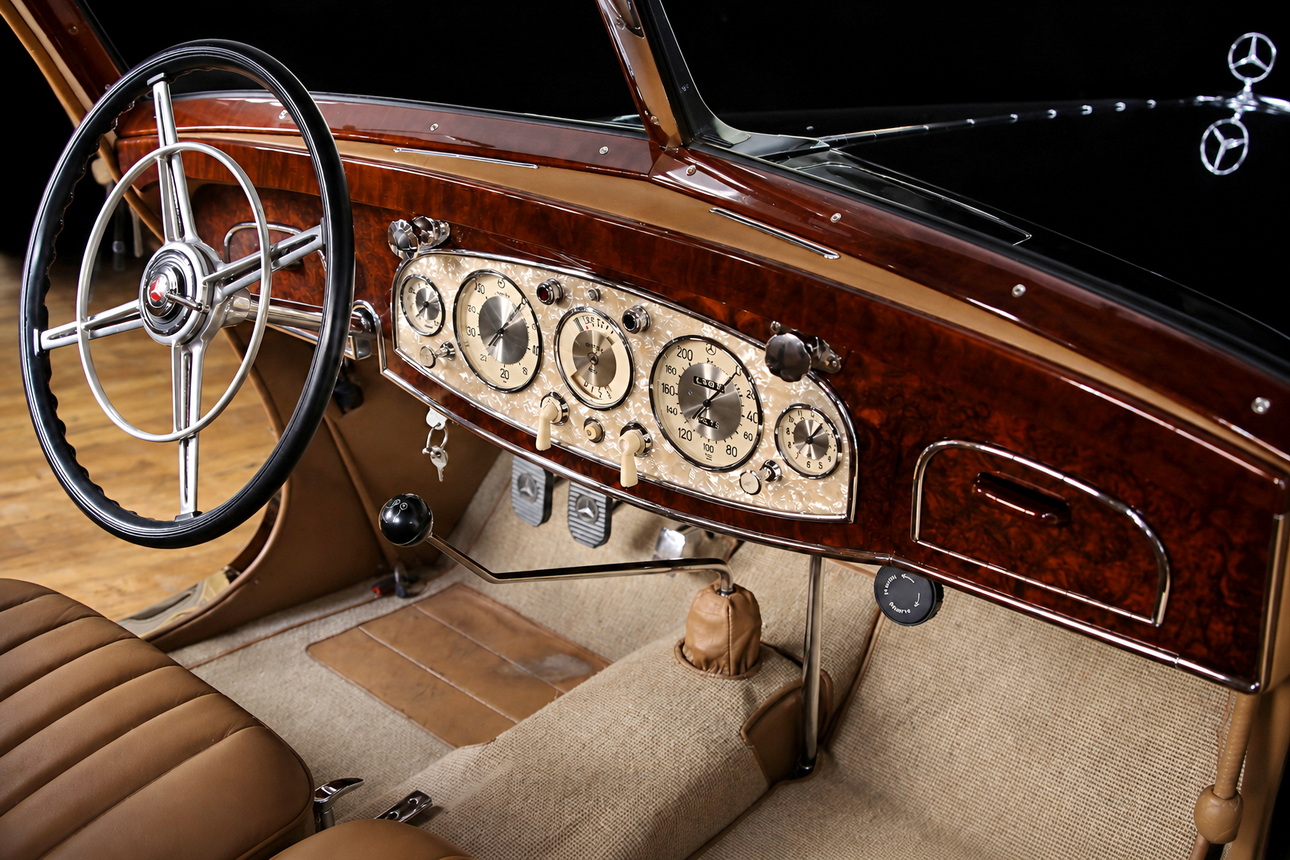
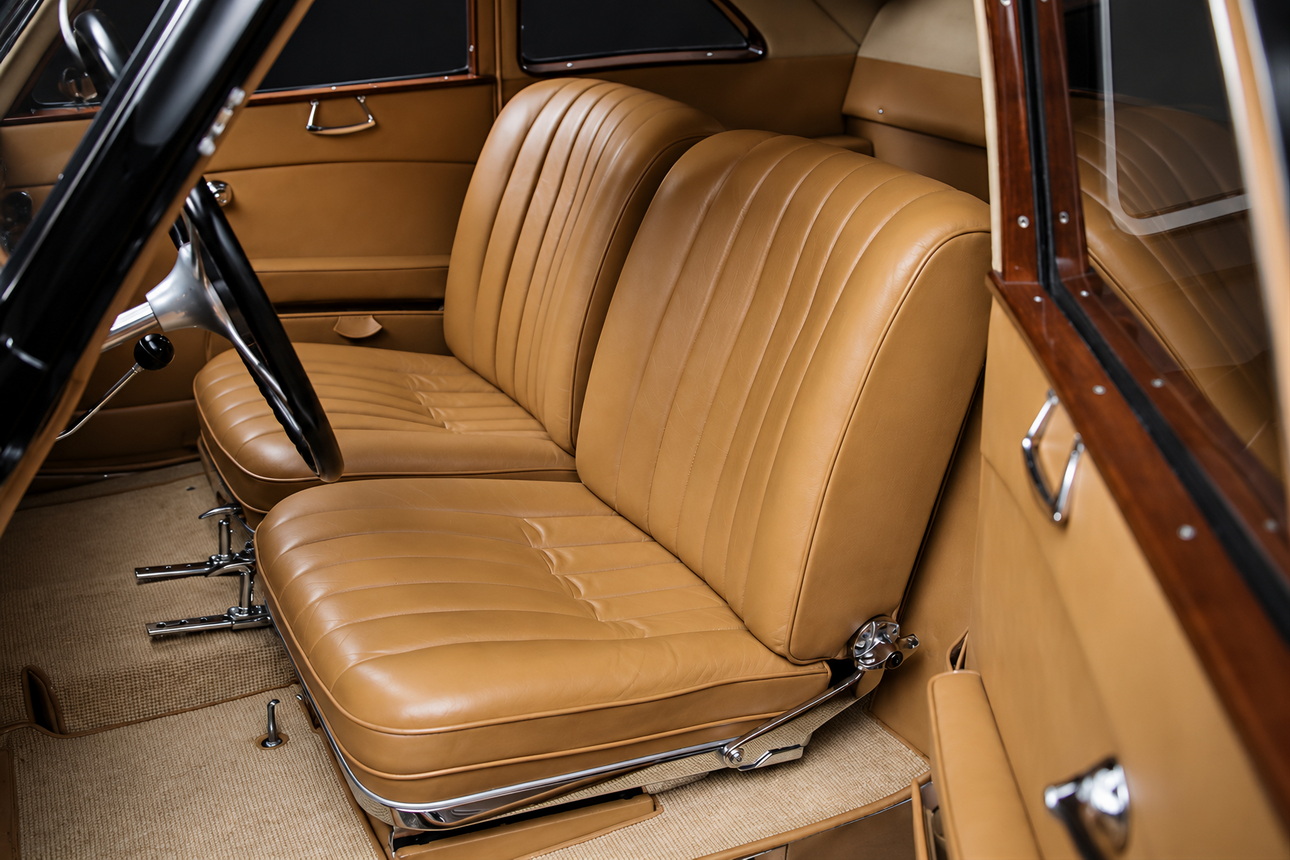
The subsequent rebuild took a few years. The result is an automobile that is virtually indistinguishable in appearance from an original. Of particular significance is the fact that an original Mercedes-Benz 540 K chassis was used as its technical basis.
Unlike many other elaborately reconstructed automobiles, this Autobahnkurier is by no means merely a show piece. Over the years the car has been driven regularly, is beautifully run-in and has been consistently maintained. It thus combines its extraordinary historic appearance with the opportunity to experience the fascination of such an automobile where it belongs – on the road.
The standing the Autobahnkurier enjoys among international collectors was impressively demonstrated by two major awards: in 2019, the original Mercedes-Benz Autobahnkurier from the Arturo Keller collection was named “Best of Show” at the Amelia Island Concours d’Elegance. This was followed in 2021 by the prestigious “Best of Show” victory at the world-famous Pebble Beach Concours d’Elegance – a sensation, and one of the highest honours a historic automobile can receive.
Also worth noting is the special position that exceptionally styled coupés occupy in the international collector market. Cars such as the Bugatti Type 57 SC Atlantic or the Talbot-Lago Teardrop Coupé show that particularly rare and spectacularly styled closed body variants can indeed achieve higher values than open cars. The decisive factors are not rarity alone, but above all the uniqueness of the design, the historical significance and the particular aura of the automobile in question.
Against this background, the exceptional status of the Mercedes-Benz Autobahnkurier becomes particularly clear. Should one of the two surviving original cars ever come onto the market, it is quite conceivable that it would set a new price record.
The Mercedes-Benz 540 K Autobahnkurier offered here, by contrast, is likely to cost only a fraction of the hypothetical value of an original. It therefore offers the rare opportunity to own – and genuinely experience – one of the most fascinating chapters of Mercedes-Benz pre-war history in a form that is virtually true to the original.
With its unmistakable streamlined body, its original 540 K chassis and its exceptionally elaborate five-year reconstruction, this Autobahnkurier embodies an automotive aesthetic that remains unrivalled to this day. Alongside the Mercedes-Benz Special Roadster, the Autobahnkurier is without doubt one of the most impressive and spectacular creations of the Mercedes-Benz pre-war era.
Model History
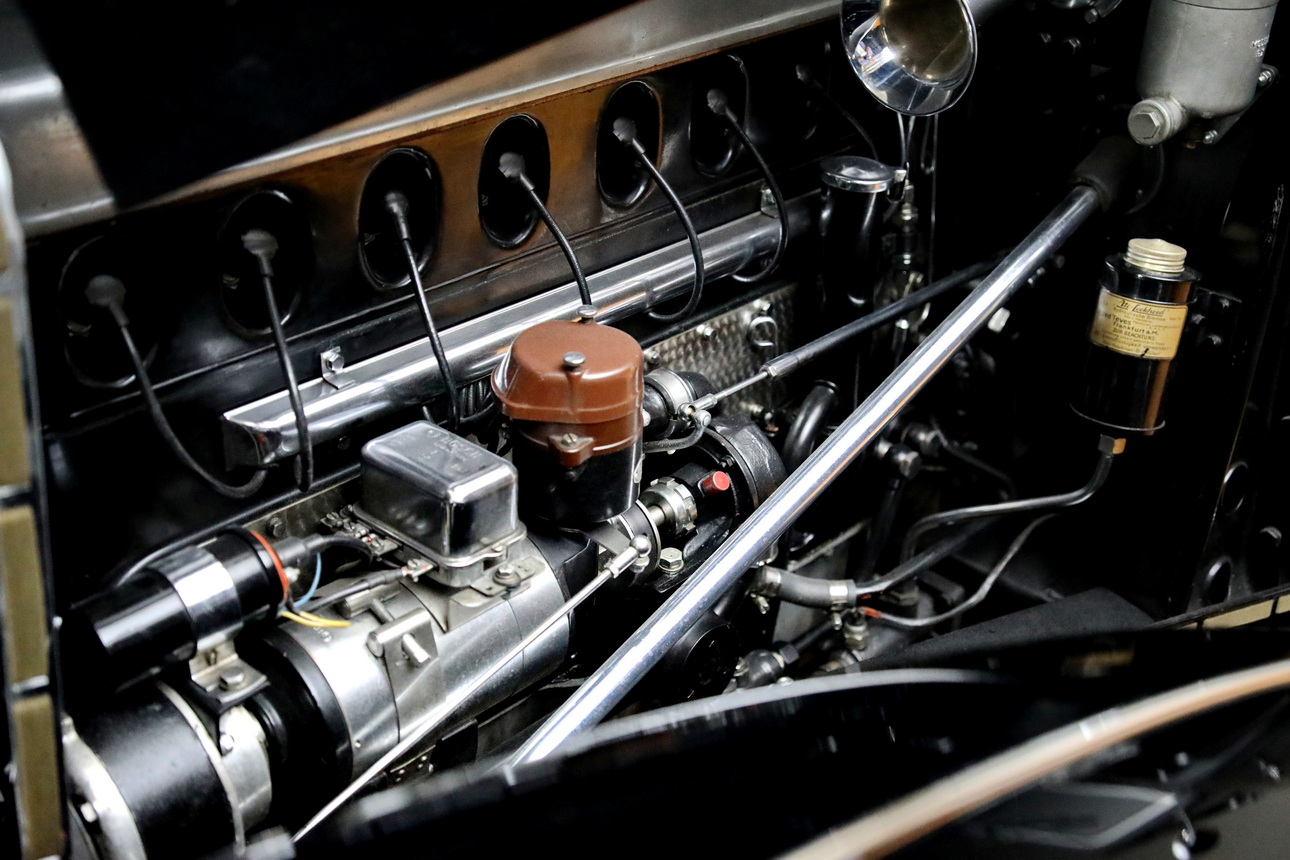
With the 500 K, Mercedes-Benz presented the successor to the 380 at the International Automobile and Motorcycle Exhibition in Berlin in 1934. The five-litre straight-eight engine produced 100 hp; with the accelerator pedal pressed fully to the floor, a Roots supercharger was engaged, raising output to 160 hp. The chassis was equally advanced, with independent suspension all round – double wishbones at the front, a two-joint swing axle at the rear and coil springs on all four wheels – as well as vacuum-assisted hydraulic brakes.
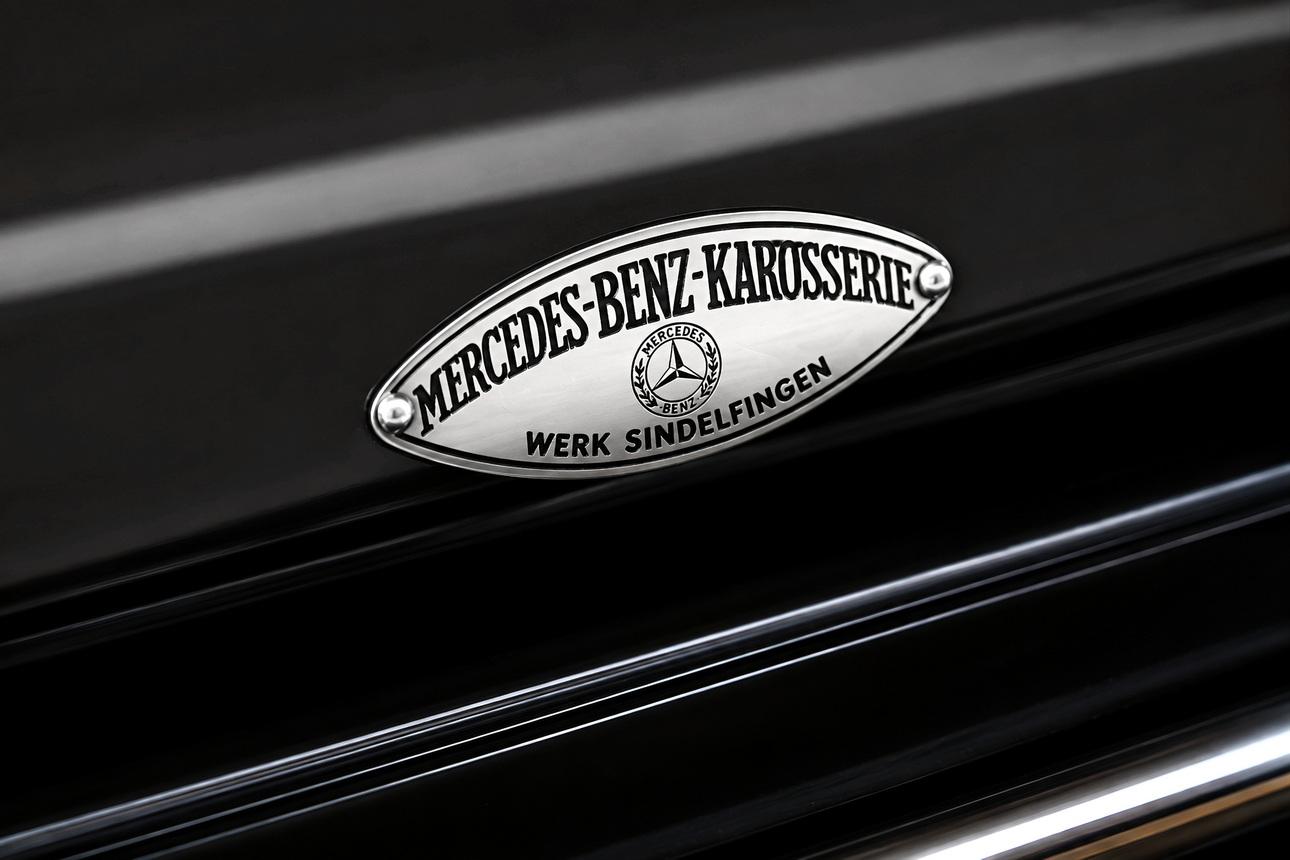
At the end of April 1936, the engine was enlarged to 5.4 litres. With 115 hp – or 180 hp with the supercharger engaged – the new model reached around 170 kph. The 540 K designation appeared in autumn 1936, and the model was officially presented at the Paris Motor Show in October 1936. By November 1939, a total of 761 chassis of the W 29 series had been built – 342 as the 500 K and 419 as the 540 K. The vast majority, 691 cars, received their bodies at the Sindelfingen plant, whose special-vehicle department under Hermann Ahrens was famous for its styling and quality of workmanship.
The W 29 was offered as a saloon and a tourer, but above all in open body styles – as Cabriolet A, B and C and as a Roadster. From autumn 1934, the Special Roadster joined the range; its revised version, presented in October 1935, was the most expensive variant of the series at 28,000 Reichsmarks. Closed coupé bodies, by contrast, were built only in very small numbers.
The Autobahnkurier occupied a special position. As early as the 1934 Berlin exhibition, the streamlined coupé was the star attraction of the Mercedes-Benz stand. Designed in the Sindelfingen special-vehicle department under Hermann Ahrens, it was expressly conceived for particularly high speeds on the new autobahns. Its technical basis was the chassis with a rearward-set engine, in which the radiator, engine, gearbox, steering and seats were moved back by more than ten centimetres – the prerequisite for the long bonnet and the stretched proportions. The teardrop-shaped, sloping roofline and the fully enclosed rear wheels combined the elegance of Sindelfingen coachwork with the latest aerodynamic insights of the day.
In February 1937, the Autobahnkurier disappeared from the price list, but remained available on special customer request – as late as 1938, one example was built on the 540 K chassis. Production of the W 29 series ended in November 1939.