AC Ace Roadster

Highlights
Data & Facts
This Automobile
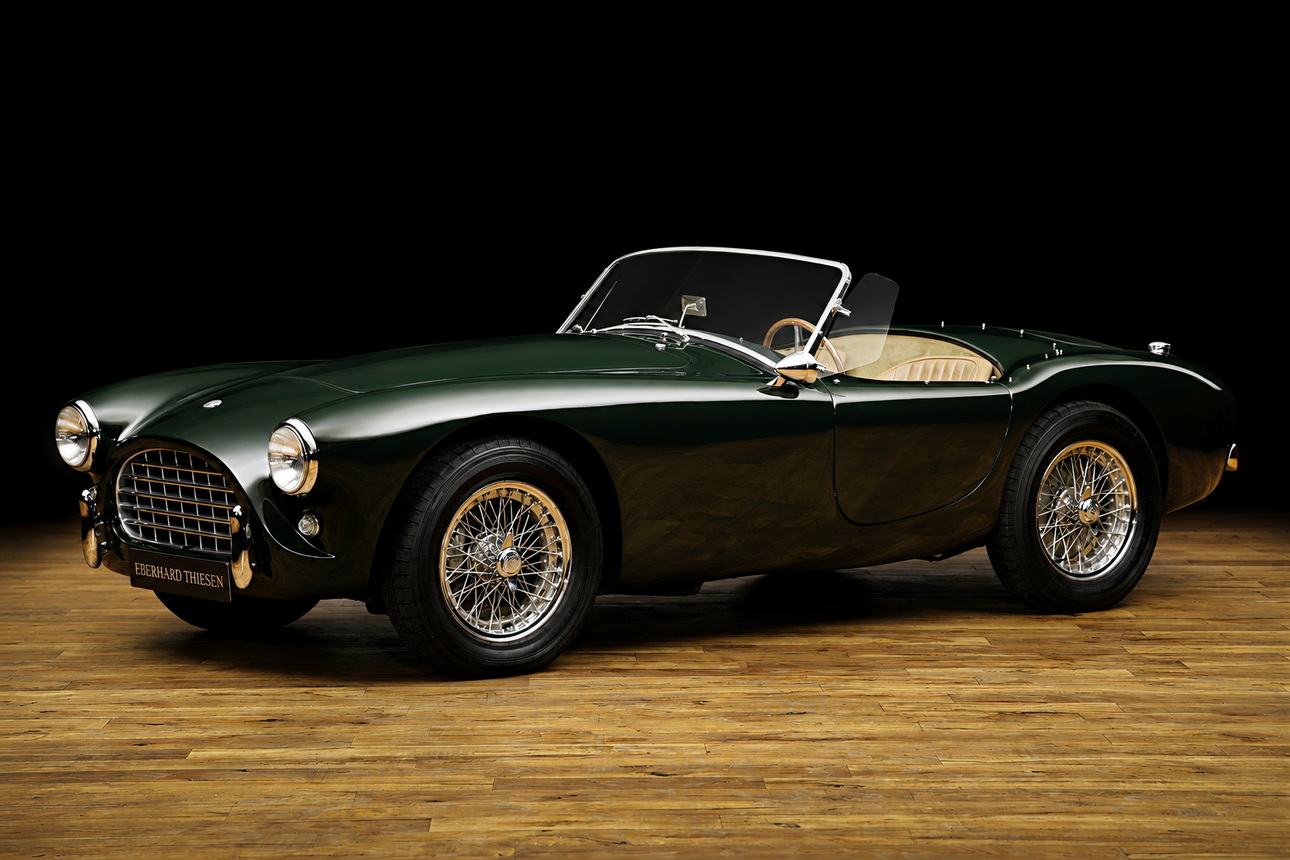
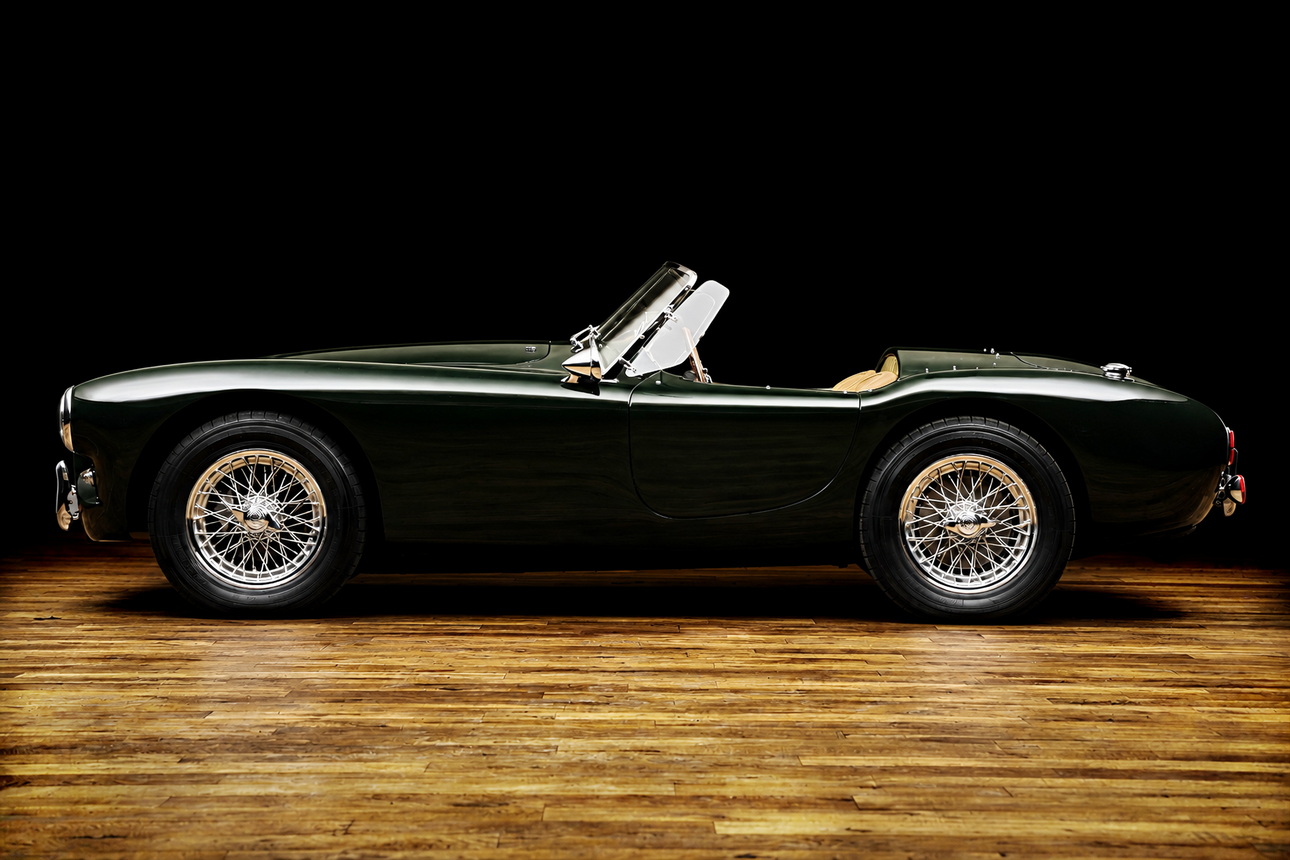
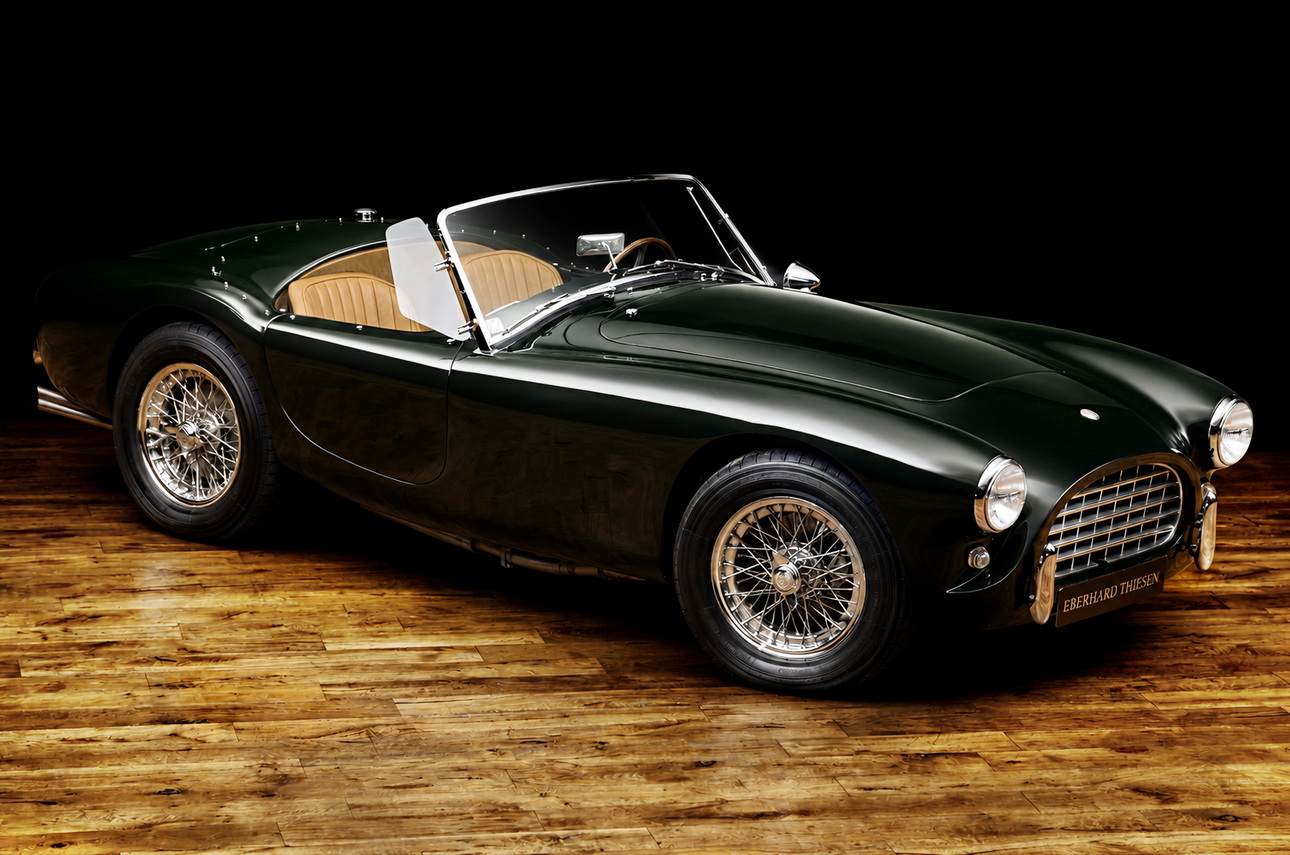
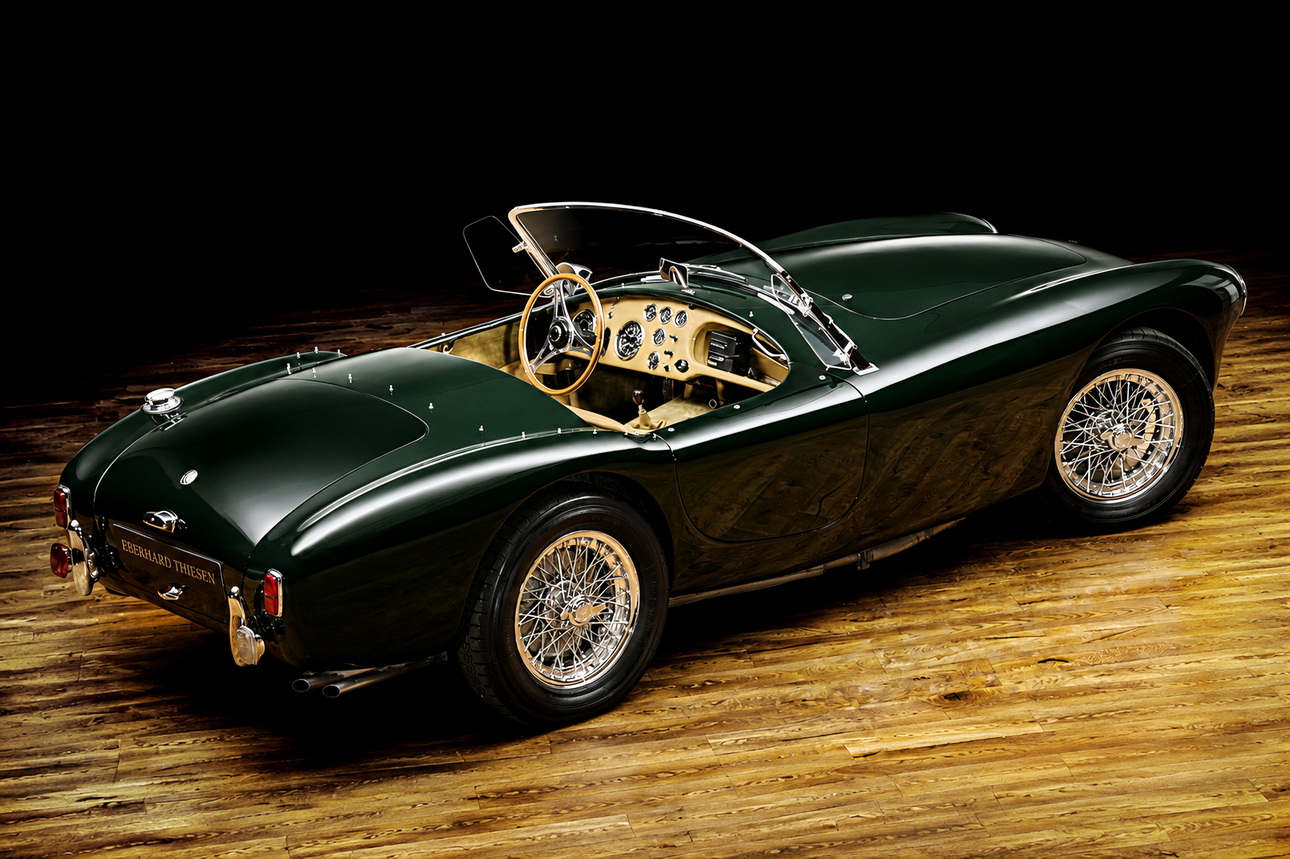
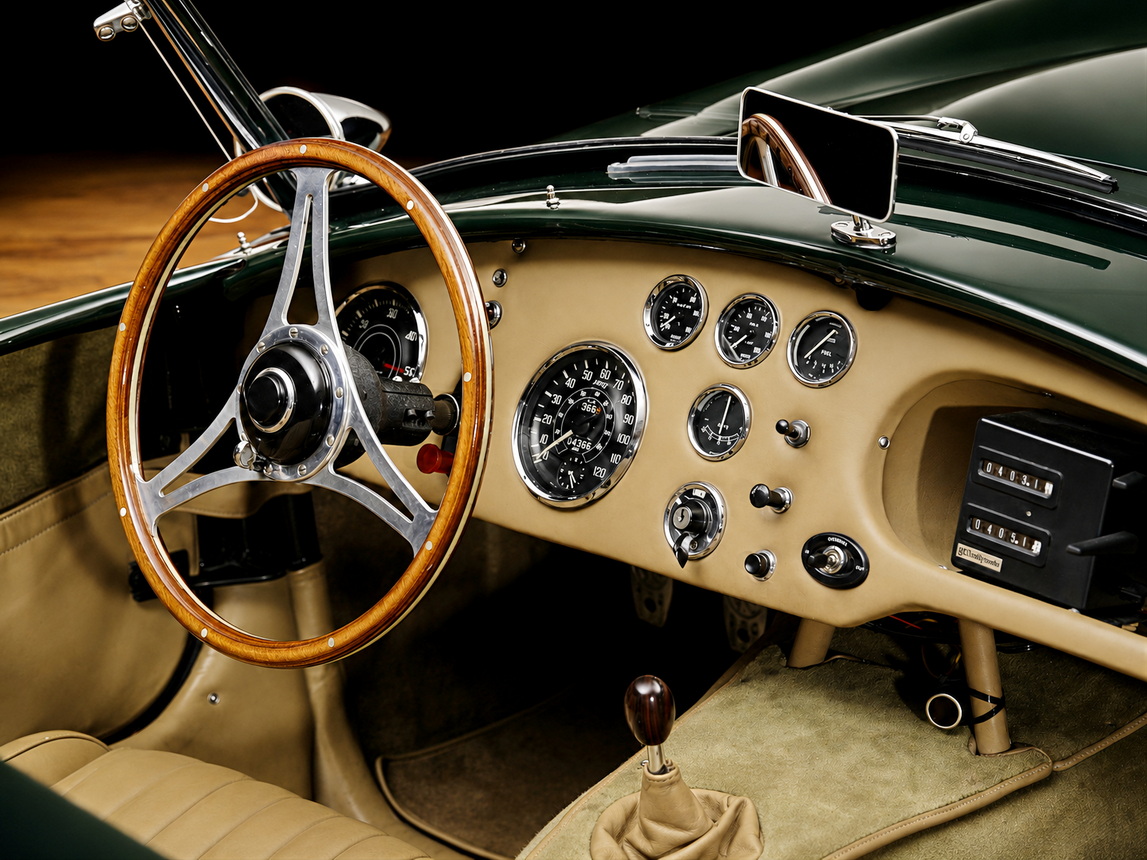
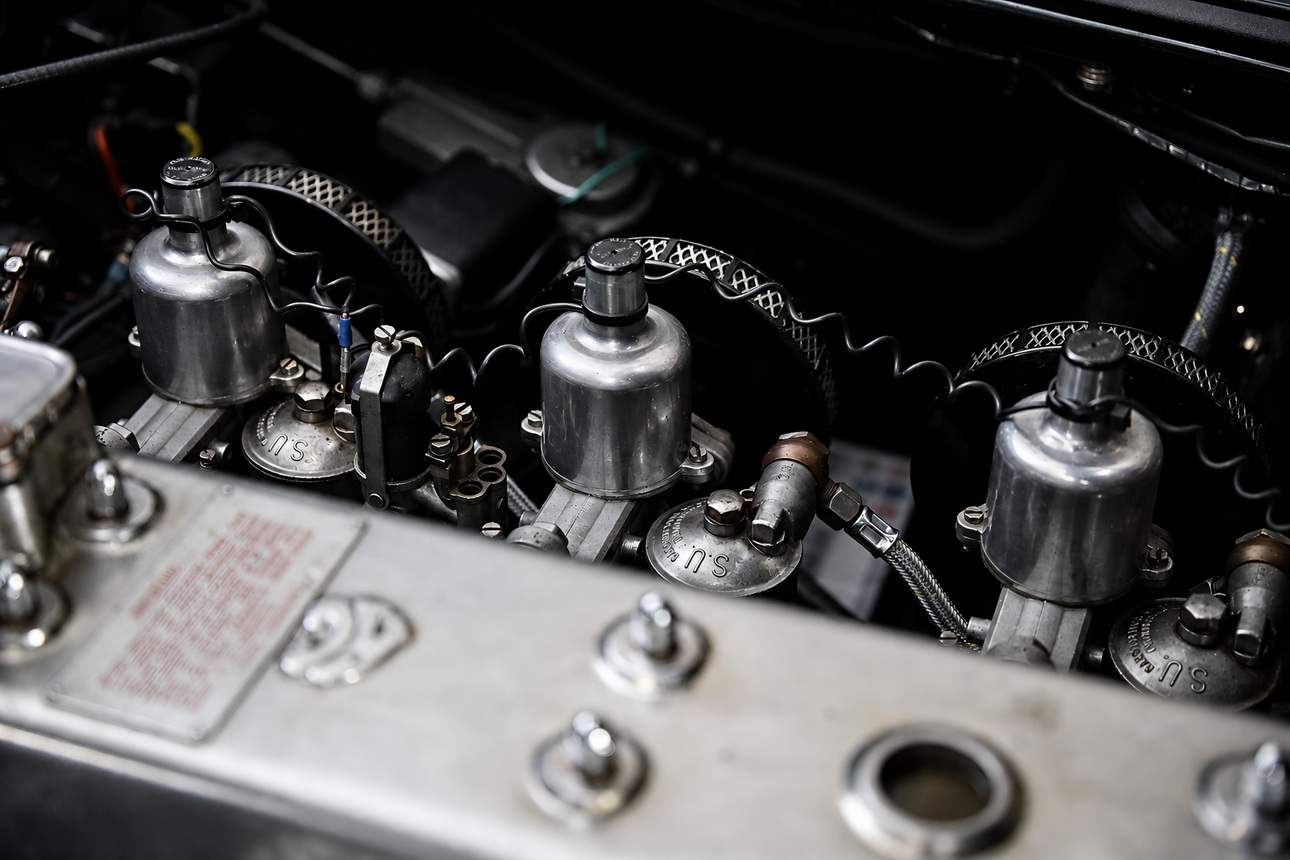
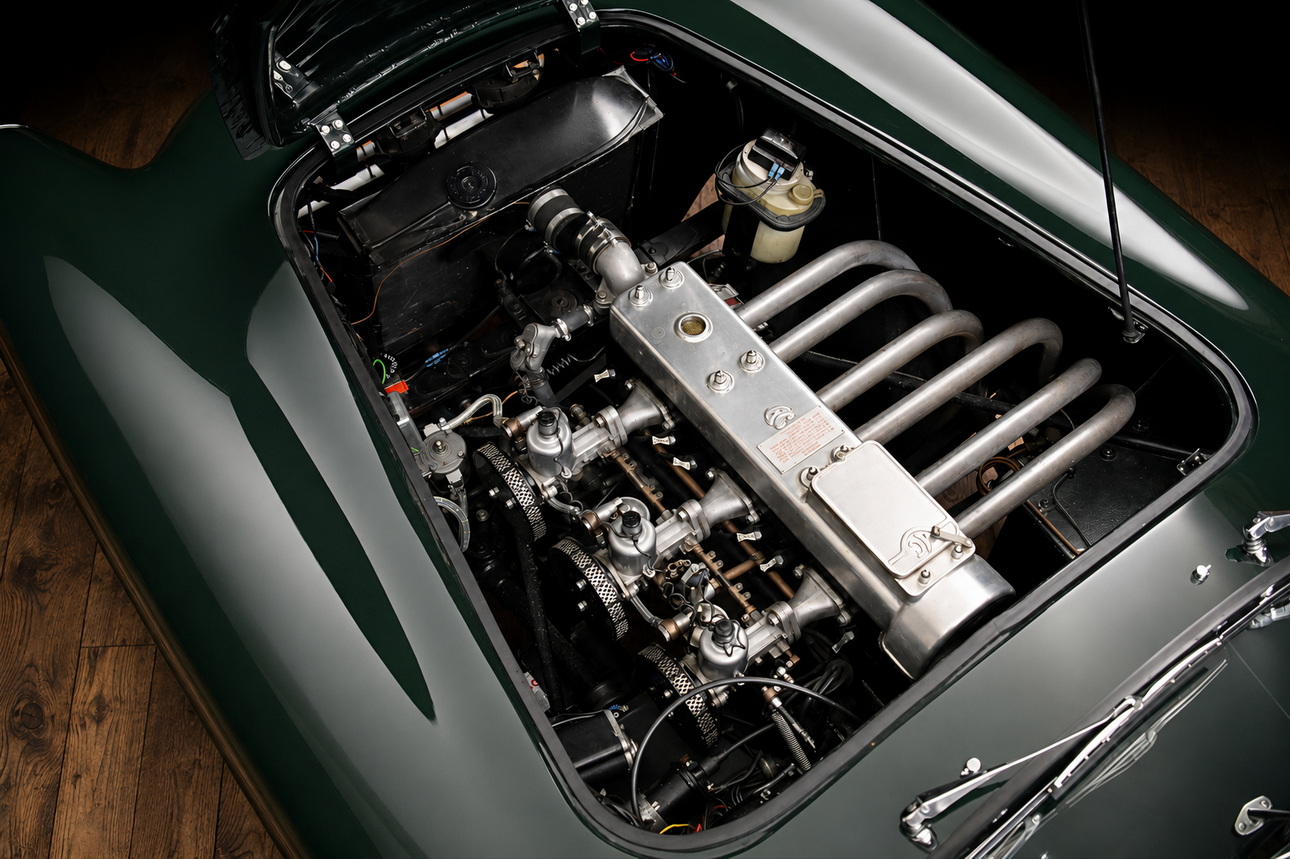
This AC Ace Roadster, chassis number AEX 1037, was built by AC Cars in Thames Ditton in 1959 and first registered on 16 January 1959. It is a left-hand-drive car and is powered by AC’s own 1,991 cc six-cylinder engine with three SU carburettors.
According to the FIVA documentation on file, the chassis, engine, gearbox, rear axle and body are all original to this car.
By the late 1990s the Ace was in the Netherlands. In early 1998 it was acquired by a German collector from Bocholt, who had it treated to a comprehensive ‘body-off’ restoration that same year. In 2002 the car passed into its current ownership. In 2005 the GTÜ confirmed, as part of a classic-car inspection, that no defects had been found; in 2006 the car was documented in the course of a DEUVET/FIVA application, and it has been registered in Germany since May 2007.
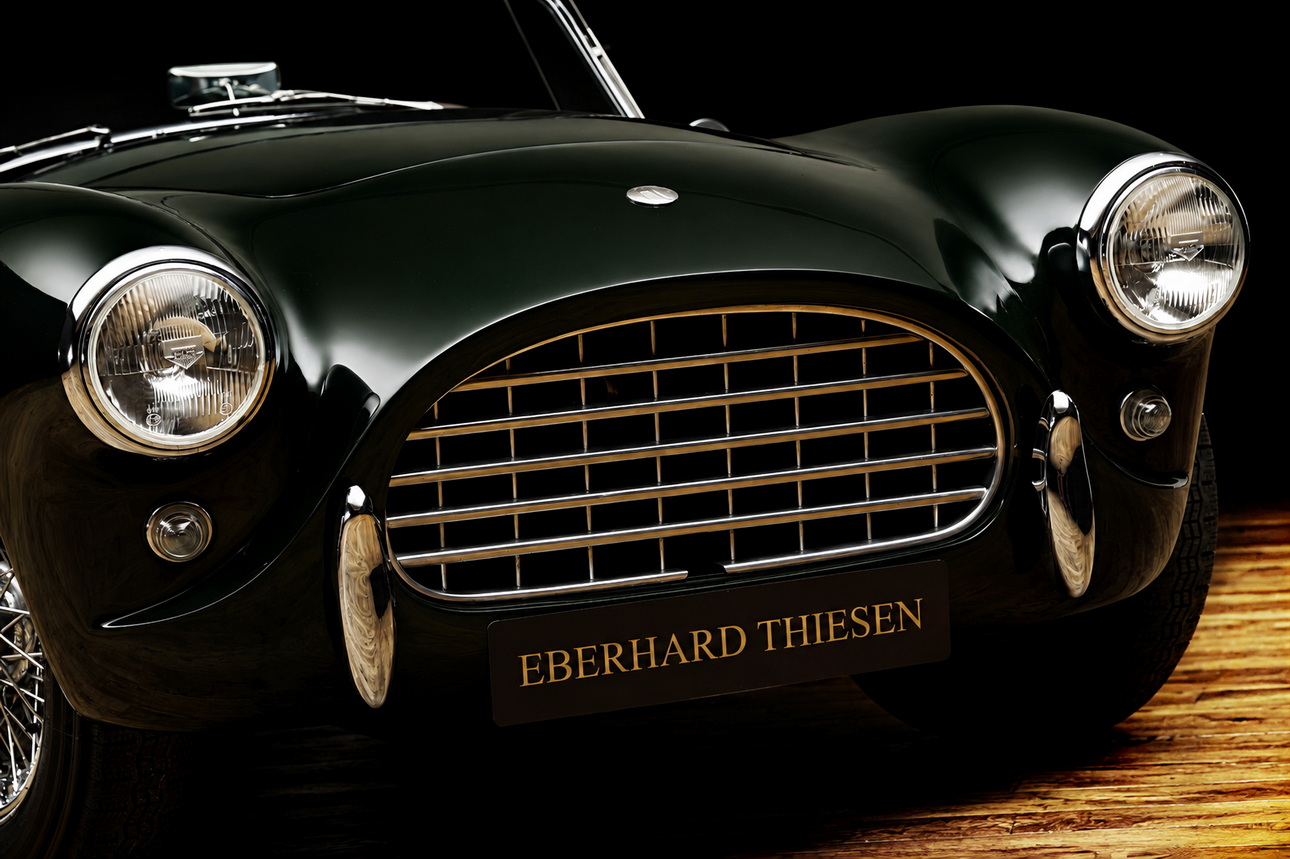
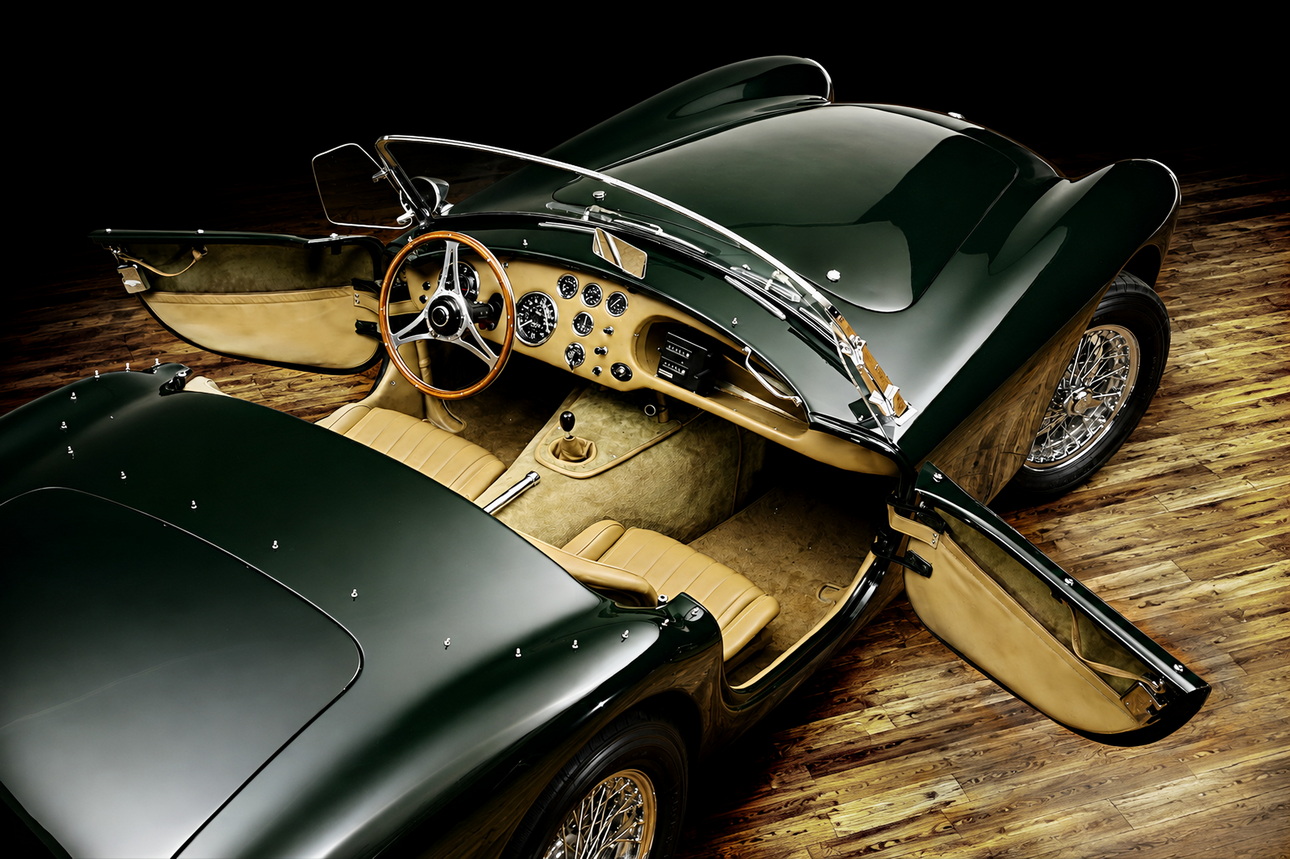
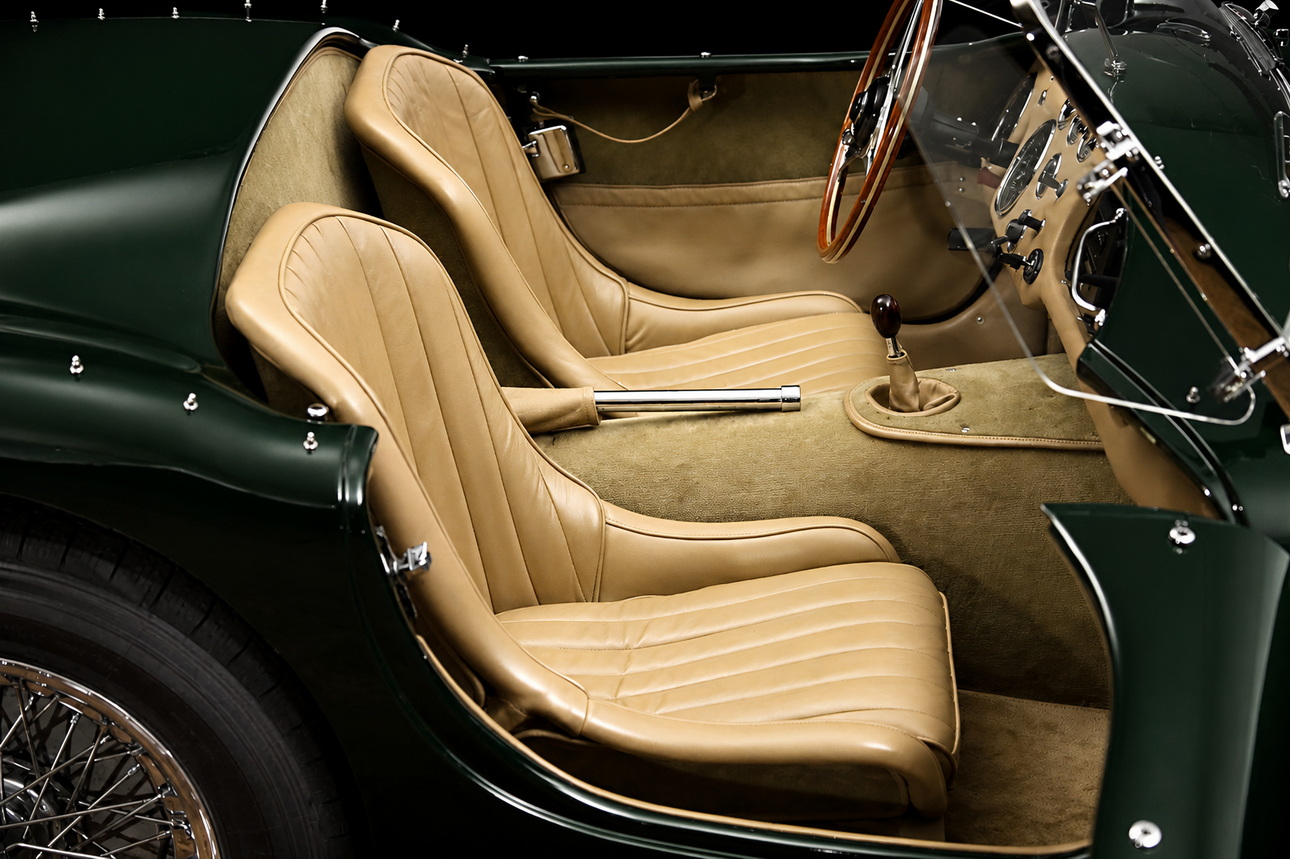
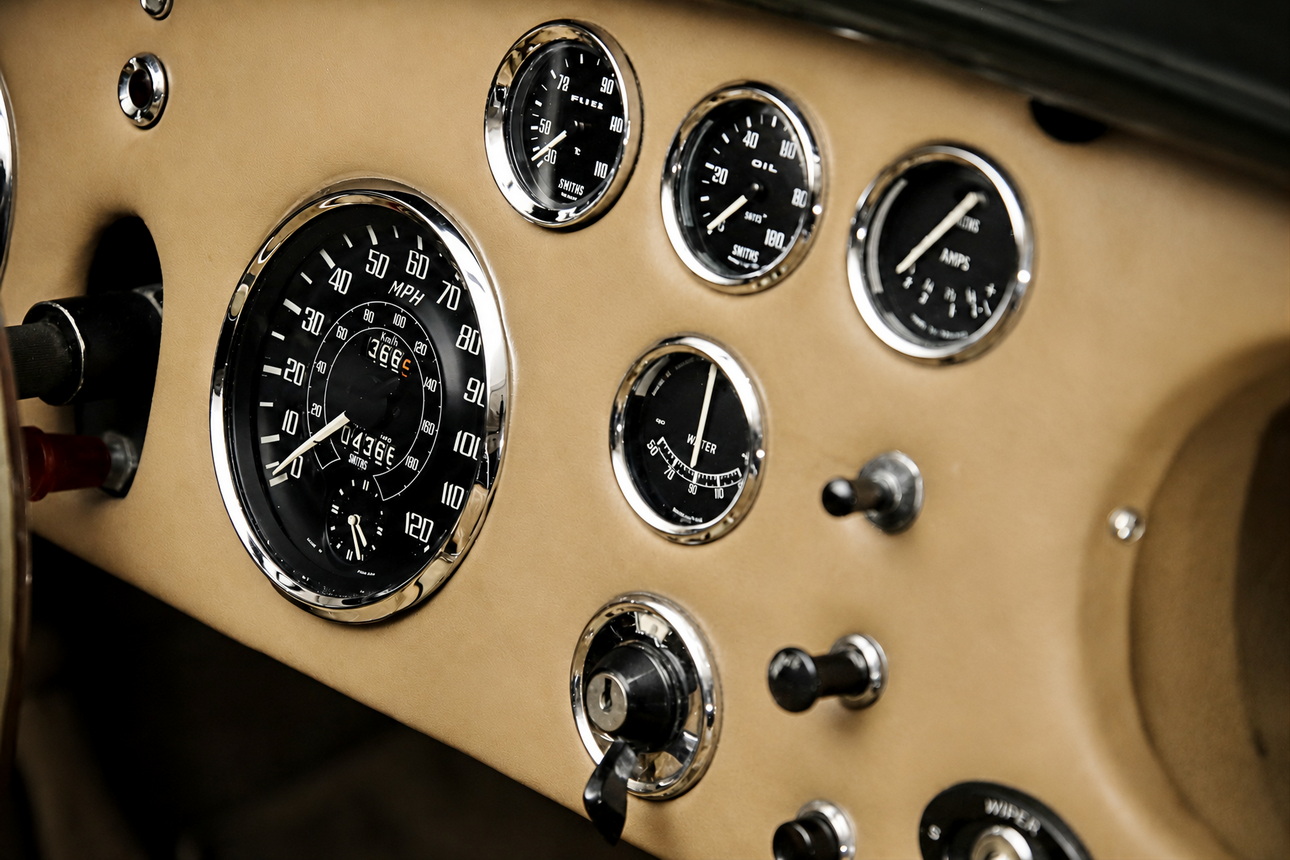
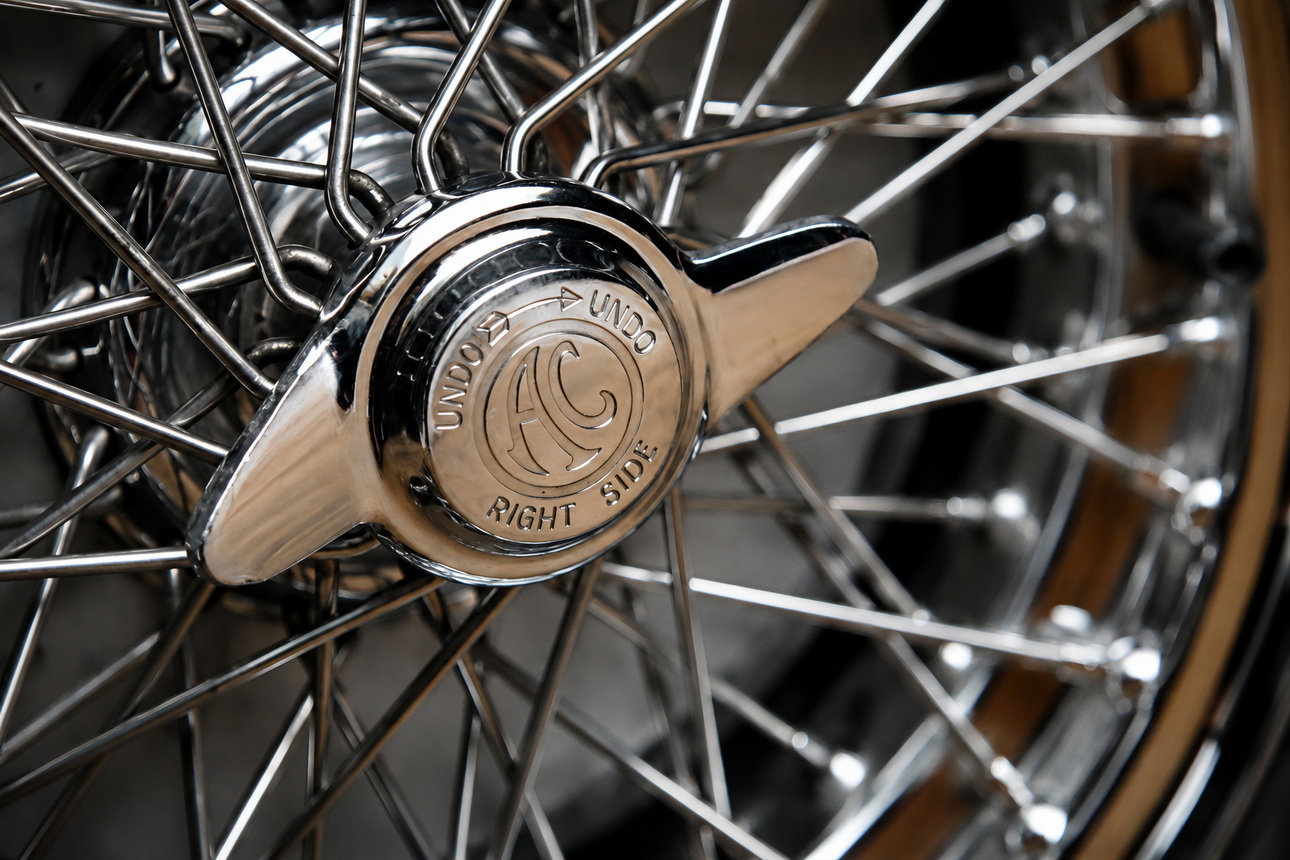
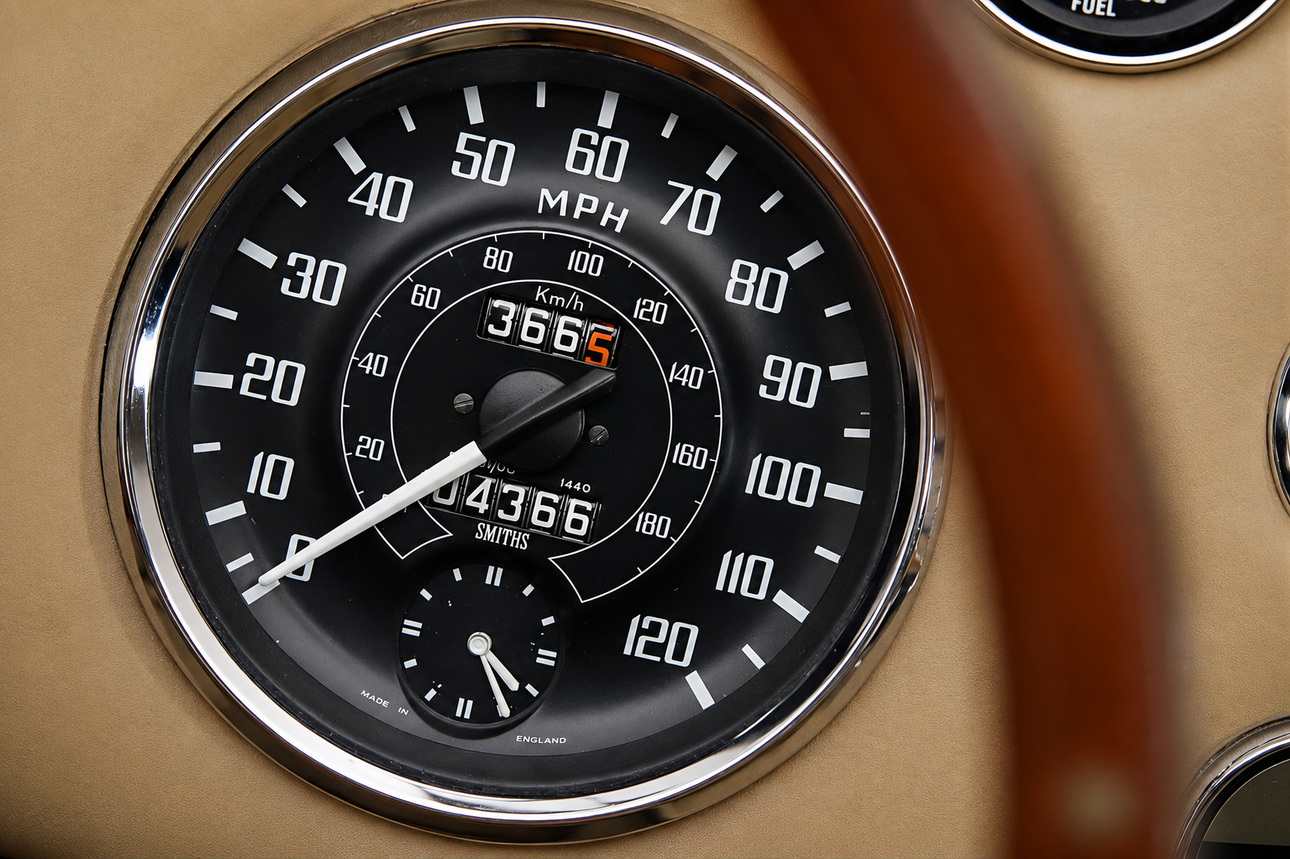
In July 2010 the Ace was thoroughly inspected by a sworn Dutch expert. According to his report, the engine is original, fully overhauled and correctly tuned, and the engine bay is very well kept. The manual four-speed gearbox with electric overdrive is likewise original and overhauled, and the braking system has been completely renewed. The aluminium body was fully restored at the time and refinished in a shade of green. The interior, with full beige leather upholstery and wool carpets with leather piping, has been completely renewed, as has the black fabric soft top including its hinges. The Smiths instruments are complete and in perfect working order, and all chrome parts have been re-chromed. In 2010 the expert certified the AC Ace as being in as-new condition, both technically and cosmetically. With its original AC six-cylinder engine, rare left-hand drive and documented history, this roadster represents the original form of one of the most significant British sports cars of the post-war era.
Model History
AC Cars of Thames Ditton is one of Britain’s oldest car manufacturers. At the 1953 London Motor Show the company unveiled the Ace – a lightweight, open two-seater based on a sports-racing car design by the engineer John Tojeiro. A ladder frame made from two large-diameter steel tubes and independent suspension front and rear with transverse leaf springs gave the Ace handling that was outstanding for its time.
The hand-built aluminium body over a tubular framework was inspired by the Italian barchetta shapes of the period and is still regarded as one of the purest designs ever seen on a British sports car. Power initially came exclusively from AC’s own two-litre straight-six with overhead camshaft and light-alloy block, whose basic design by John Weller dates back to the early 1920s.
From 1956 AC offered the Bristol six-cylinder engine as an alternative, later followed by a Ford Zephyr engine. The AC-engined version, however, remained the original and purist form of the Ace.
On international circuits – right up to the 24 Hours of Le Mans – the lightweight roadster proved its sporting credentials. From 1957 front disc brakes were available, as was an overdrive for relaxed touring.
Its greatest significance, however, lies in its role as the foundation of a legend: in 1962 Carroll Shelby installed a Ford V8 in the chassis, thereby creating the AC Cobra. By the time Ace production ended in 1963, around 700 cars had been built with all engine variants – left-hand-drive examples such as this one are particularly rare among them. The small production run, the purist design and its role as the technical forerunner of the Cobra make the AC Ace a highly sought-after collector’s car today.
This Automobile
This AC Ace Roadster, chassis number AEX 1037, was built by AC Cars in Thames Ditton in 1959 and first registered on 16 January 1959. It is a left-hand-drive car and is powered by AC’s own 1,991 cc six-cylinder engine with three SU carburettors.
According to the FIVA documentation on file, the chassis, engine, gearbox, rear axle and body are all original to this car.
By the late 1990s the Ace was in the Netherlands. In early 1998 it was acquired by a German collector from Bocholt, who had it treated to a comprehensive ‘body-off’ restoration that same year. In 2002 the car passed into its current ownership. In 2005 the GTÜ confirmed, as part of a classic-car inspection, that no defects had been found; in 2006 the car was documented in the course of a DEUVET/FIVA application, and it has been registered in Germany since May 2007.
In July 2010 the Ace was thoroughly inspected by a sworn Dutch expert. According to his report, the engine is original, fully overhauled and correctly tuned, and the engine bay is very well kept. The manual four-speed gearbox with electric overdrive is likewise original and overhauled, and the braking system has been completely renewed. The aluminium body was fully restored at the time and refinished in a shade of green. The interior, with full beige leather upholstery and wool carpets with leather piping, has been completely renewed, as has the black fabric soft top including its hinges. The Smiths instruments are complete and in perfect working order, and all chrome parts have been re-chromed. In 2010 the expert certified the AC Ace as being in as-new condition, both technically and cosmetically. With its original AC six-cylinder engine, rare left-hand drive and documented history, this roadster represents the original form of one of the most significant British sports cars of the post-war era.
Model History
AC Cars of Thames Ditton is one of Britain’s oldest car manufacturers. At the 1953 London Motor Show the company unveiled the Ace – a lightweight, open two-seater based on a sports-racing car design by the engineer John Tojeiro. A ladder frame made from two large-diameter steel tubes and independent suspension front and rear with transverse leaf springs gave the Ace handling that was outstanding for its time.
The hand-built aluminium body over a tubular framework was inspired by the Italian barchetta shapes of the period and is still regarded as one of the purest designs ever seen on a British sports car. Power initially came exclusively from AC’s own two-litre straight-six with overhead camshaft and light-alloy block, whose basic design by John Weller dates back to the early 1920s.
From 1956 AC offered the Bristol six-cylinder engine as an alternative, later followed by a Ford Zephyr engine. The AC-engined version, however, remained the original and purist form of the Ace.
On international circuits – right up to the 24 Hours of Le Mans – the lightweight roadster proved its sporting credentials. From 1957 front disc brakes were available, as was an overdrive for relaxed touring.
ts greatest significance, however, lies in its role as the foundation of a legend: in 1962 Carroll Shelby installed a Ford V8 in the chassis, thereby creating the AC Cobra. By the time Ace production ended in 1963, around 700 cars had been built with all engine variants – left-hand-drive examples such as this one are particularly rare among them. The small production run, the purist design and its role as the technical forerunner of the Cobra make the AC Ace a highly sought-after collector’s car today.