Lagonda V12 Drophead Coupé

Highlights
Data & Facts
This Automobile
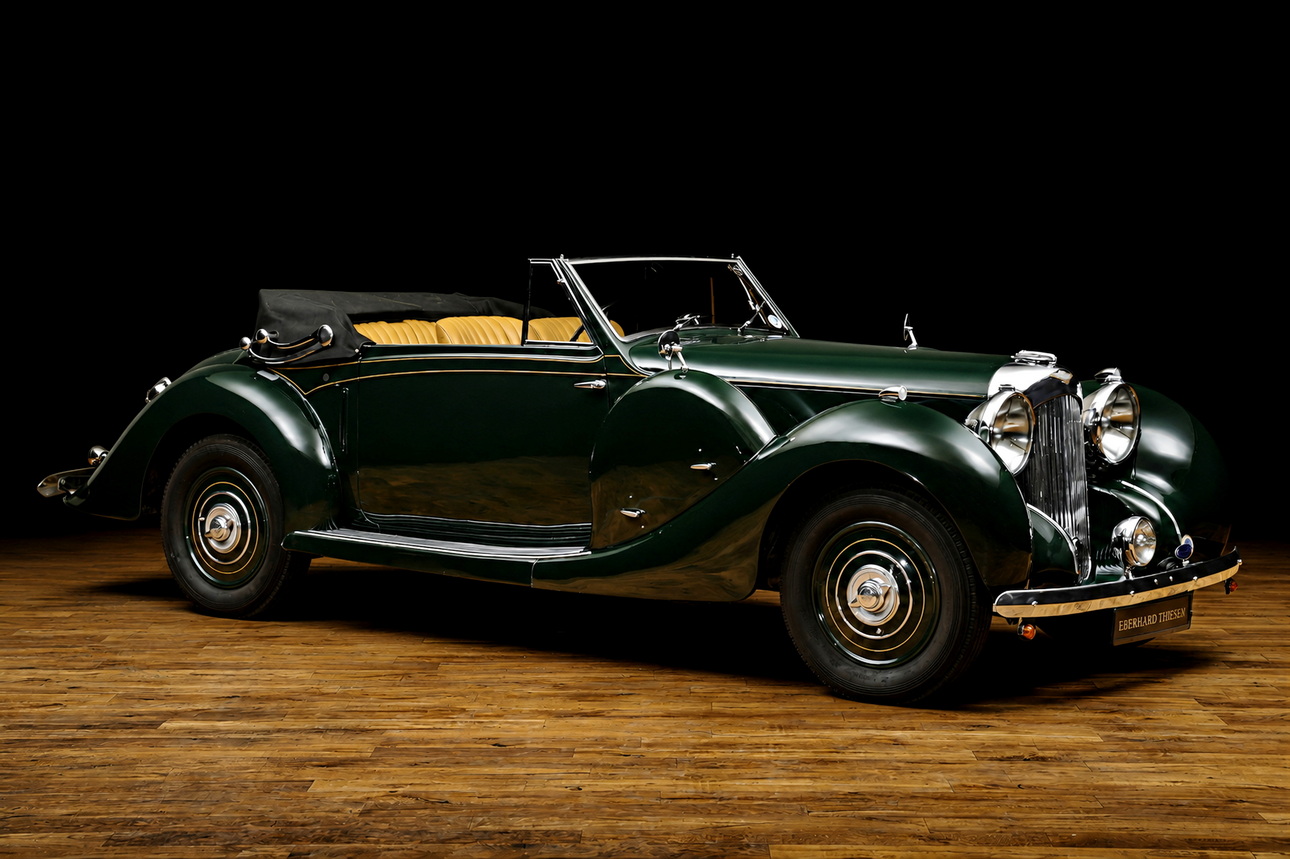
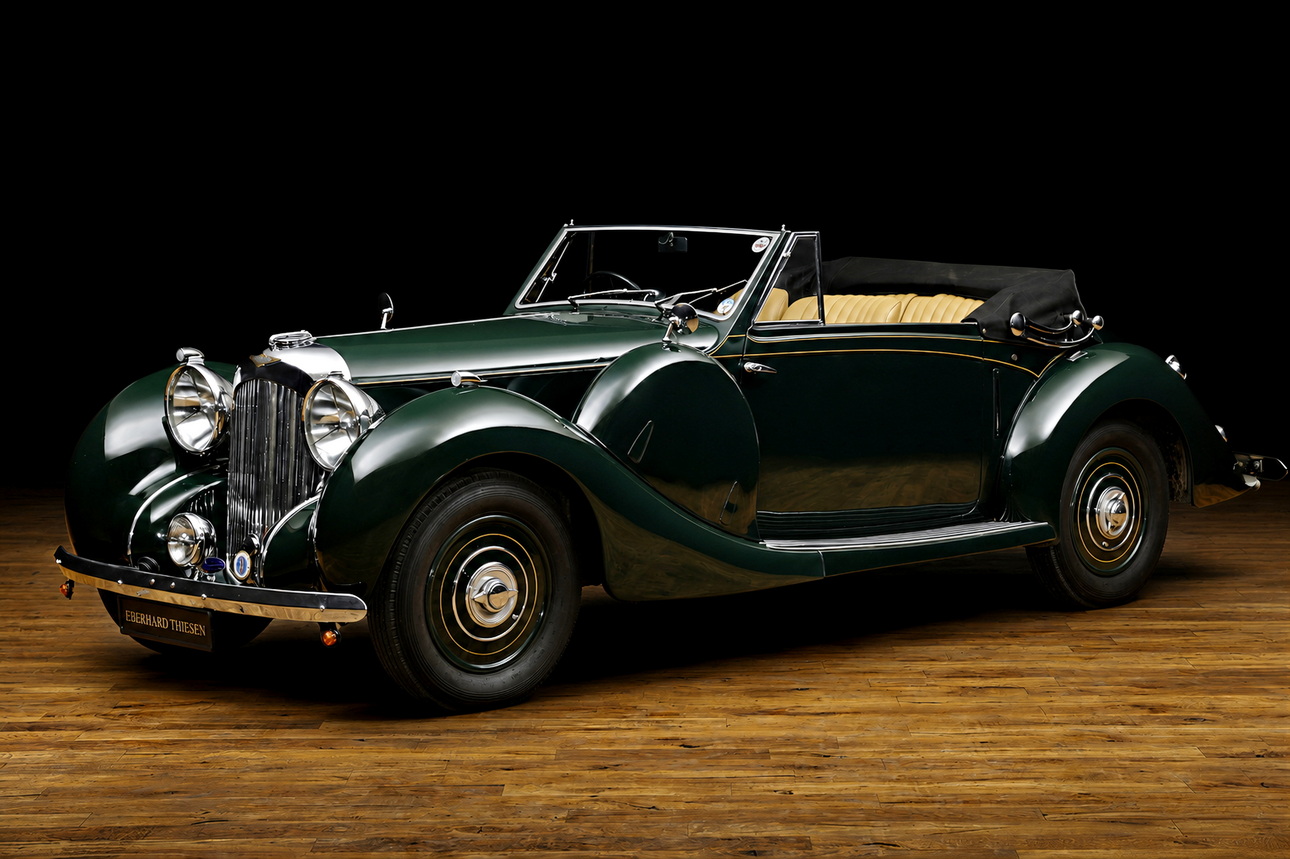
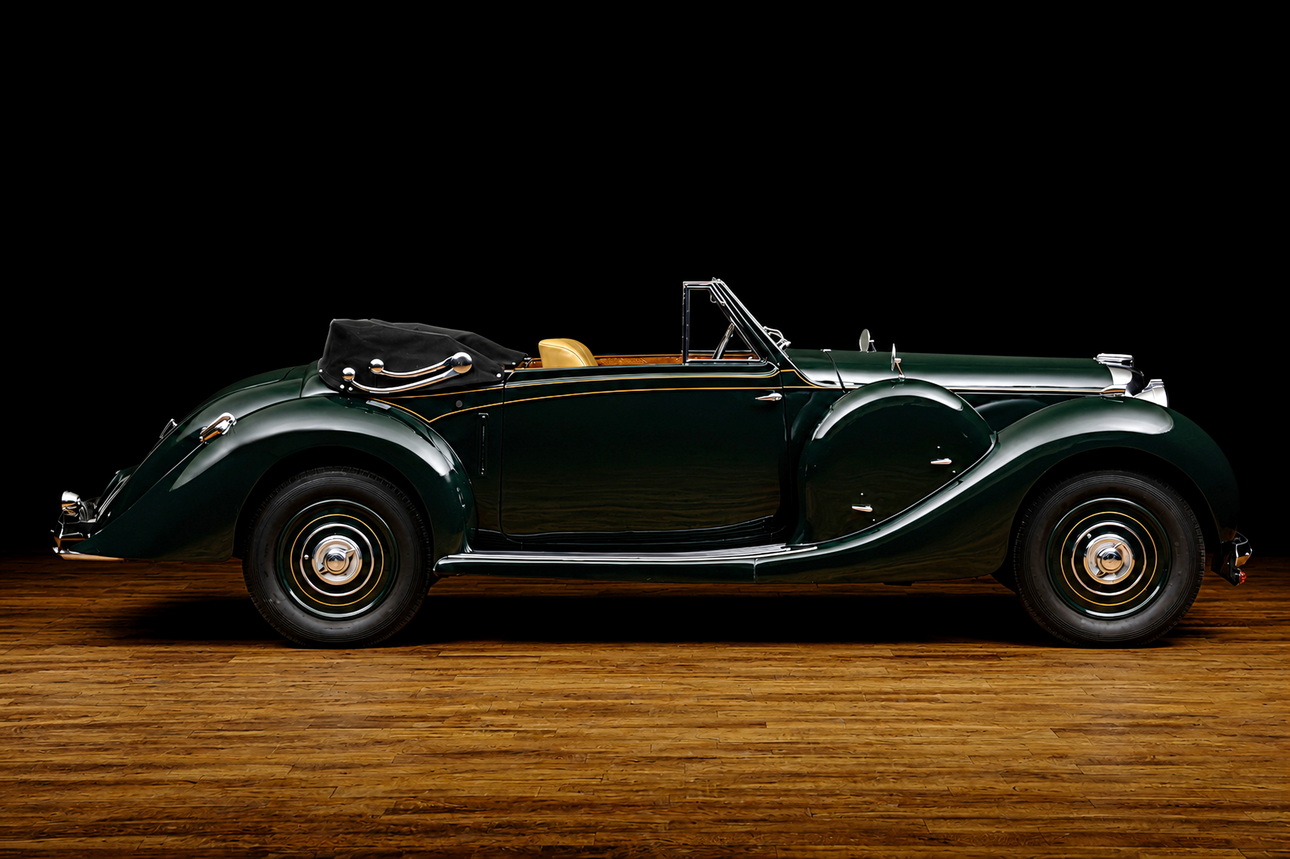
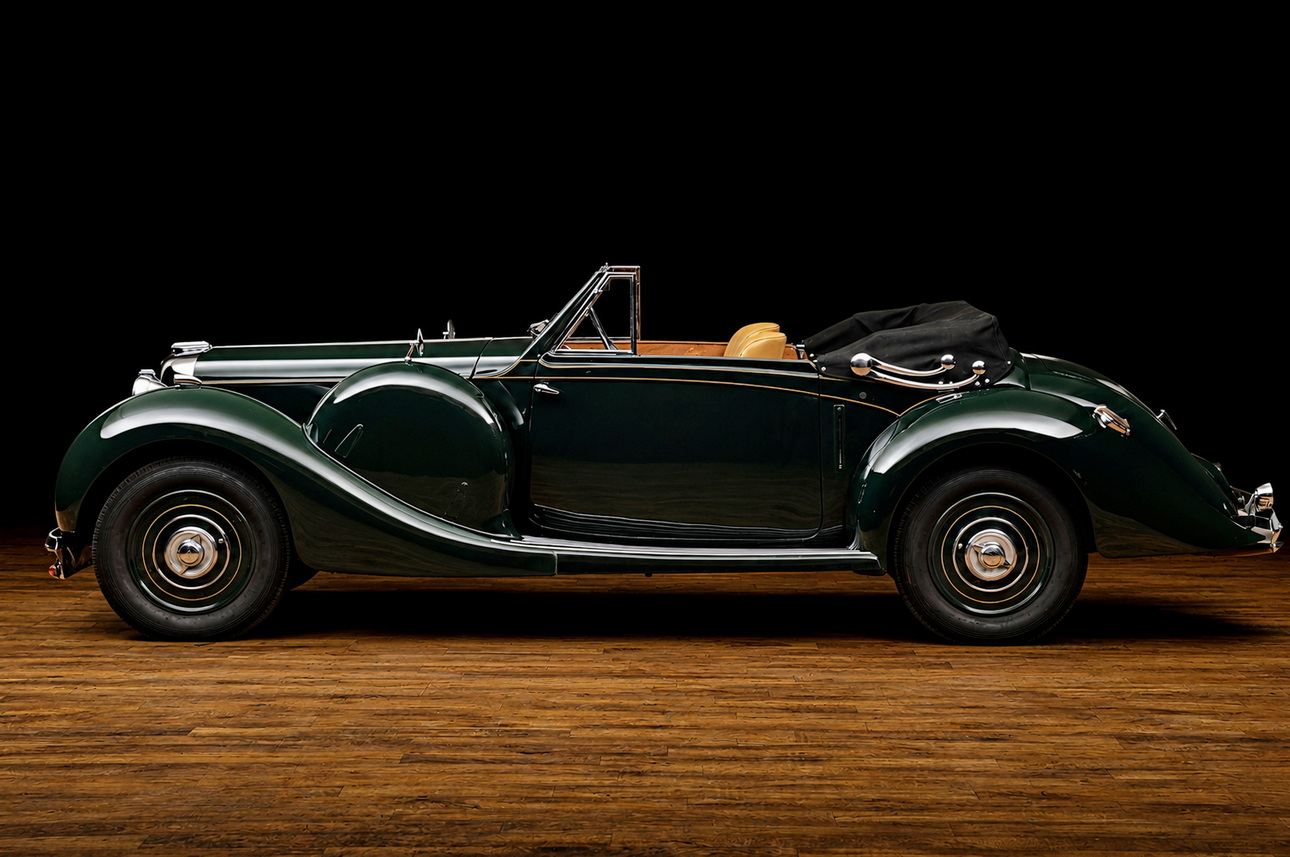
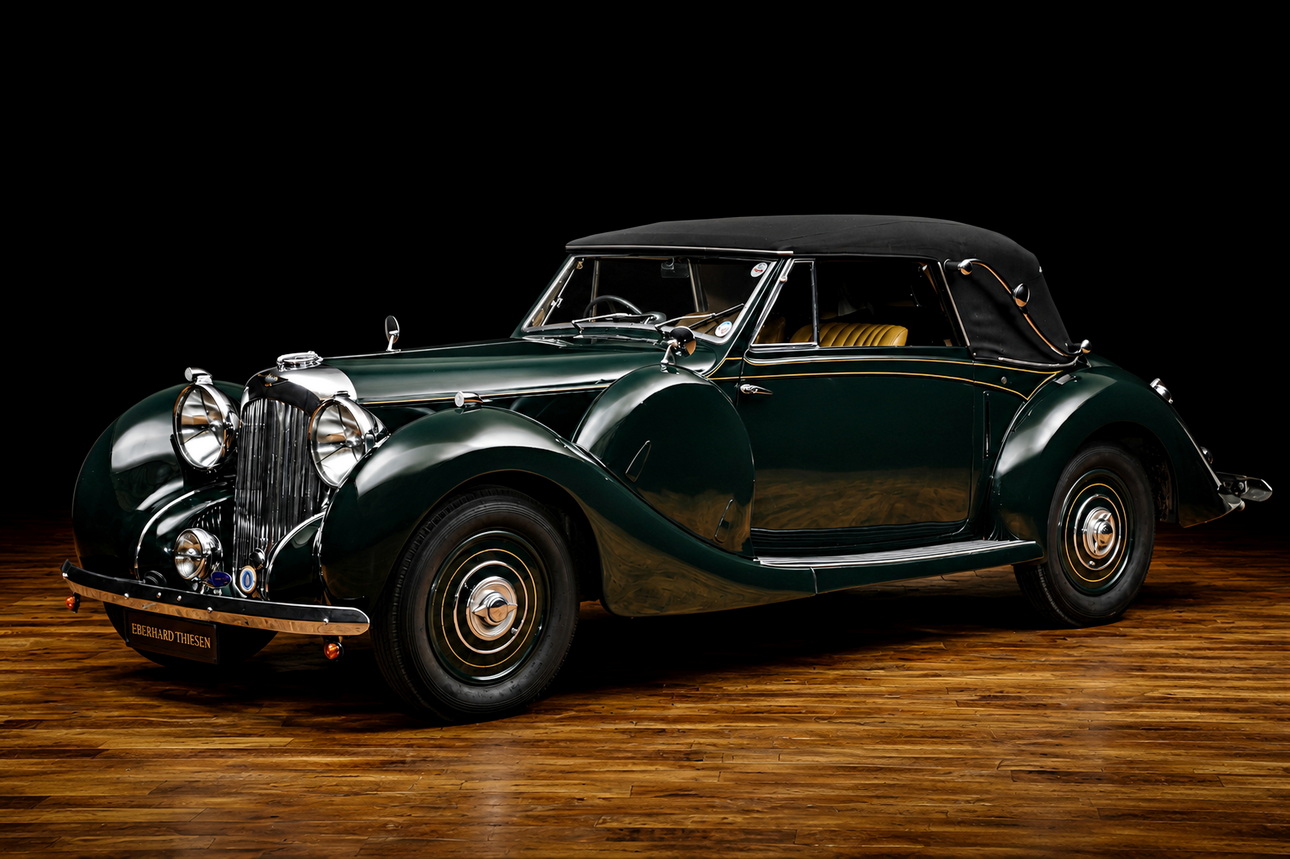
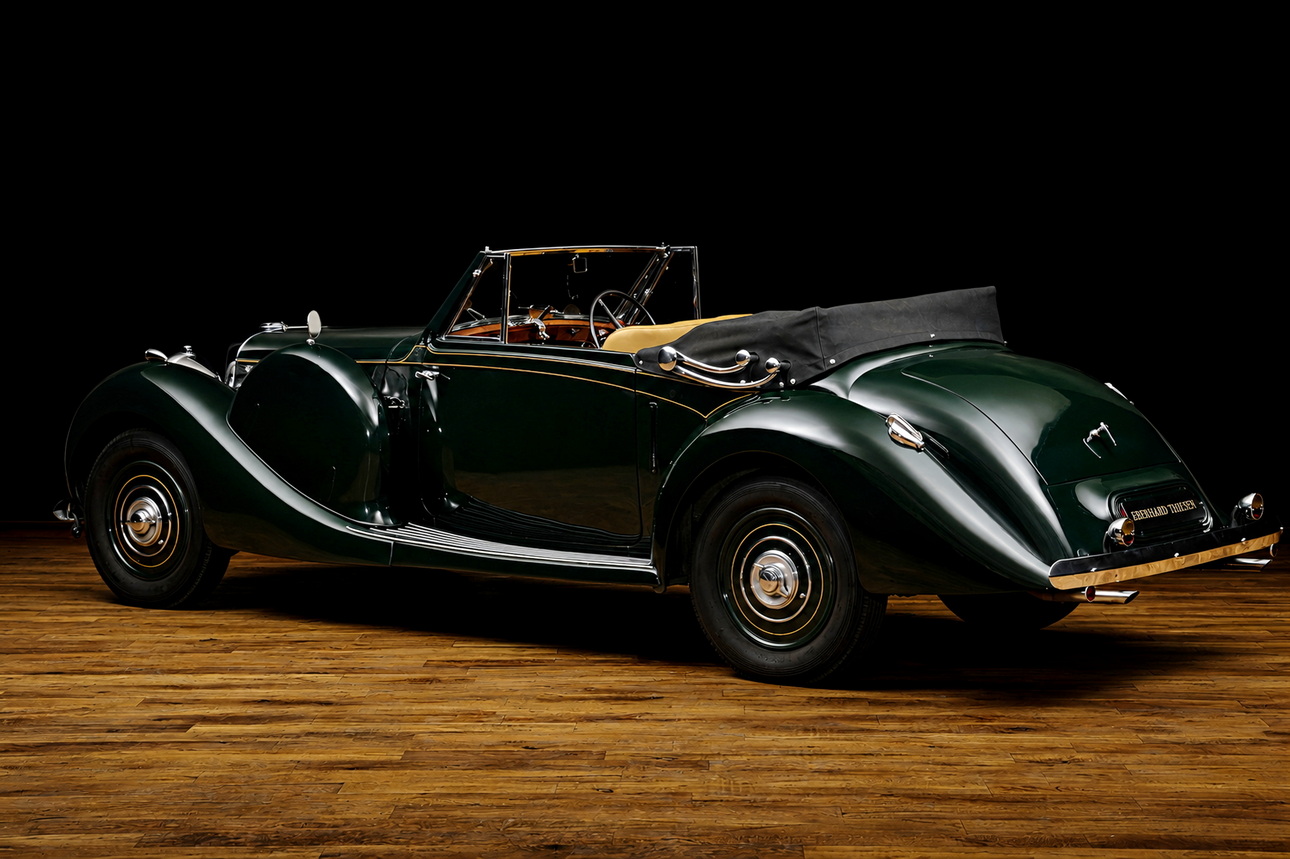
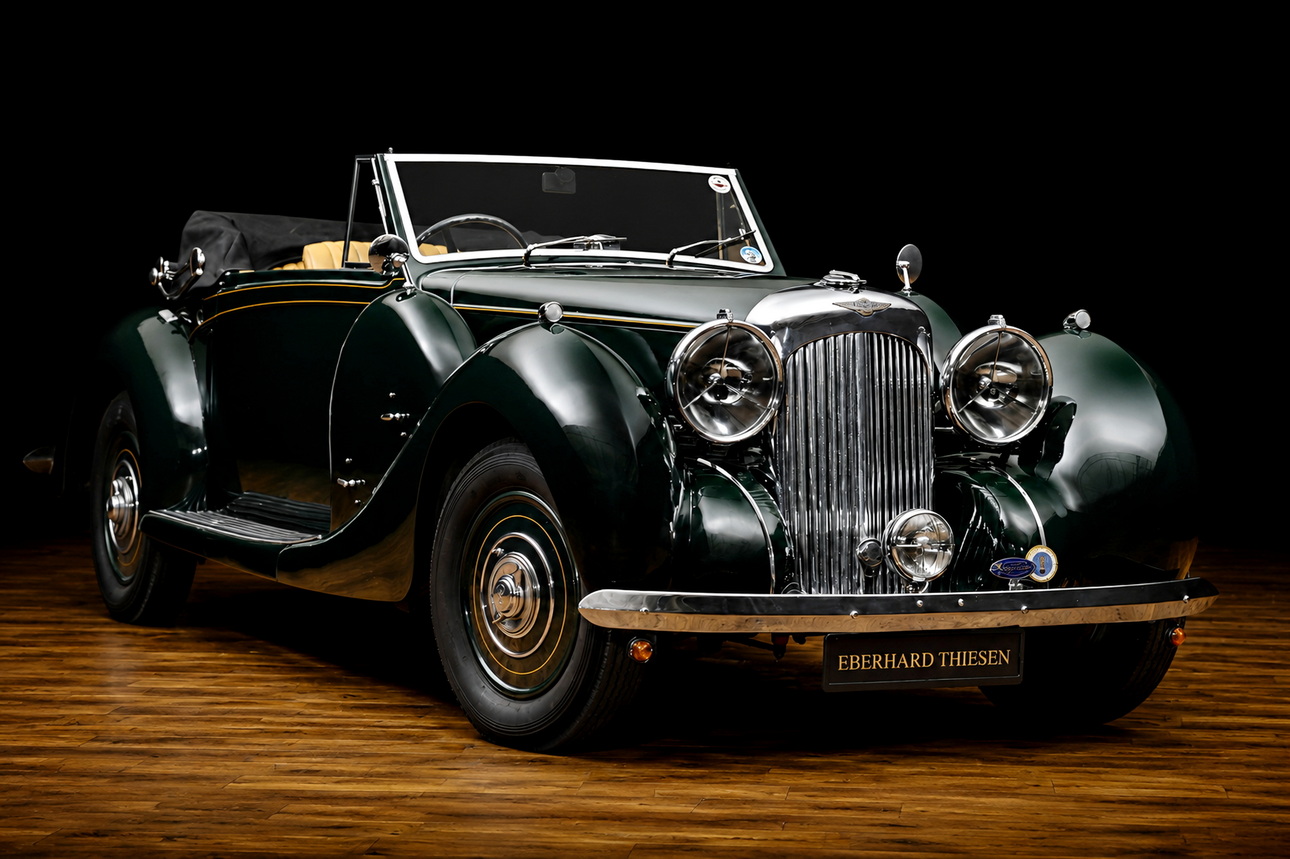
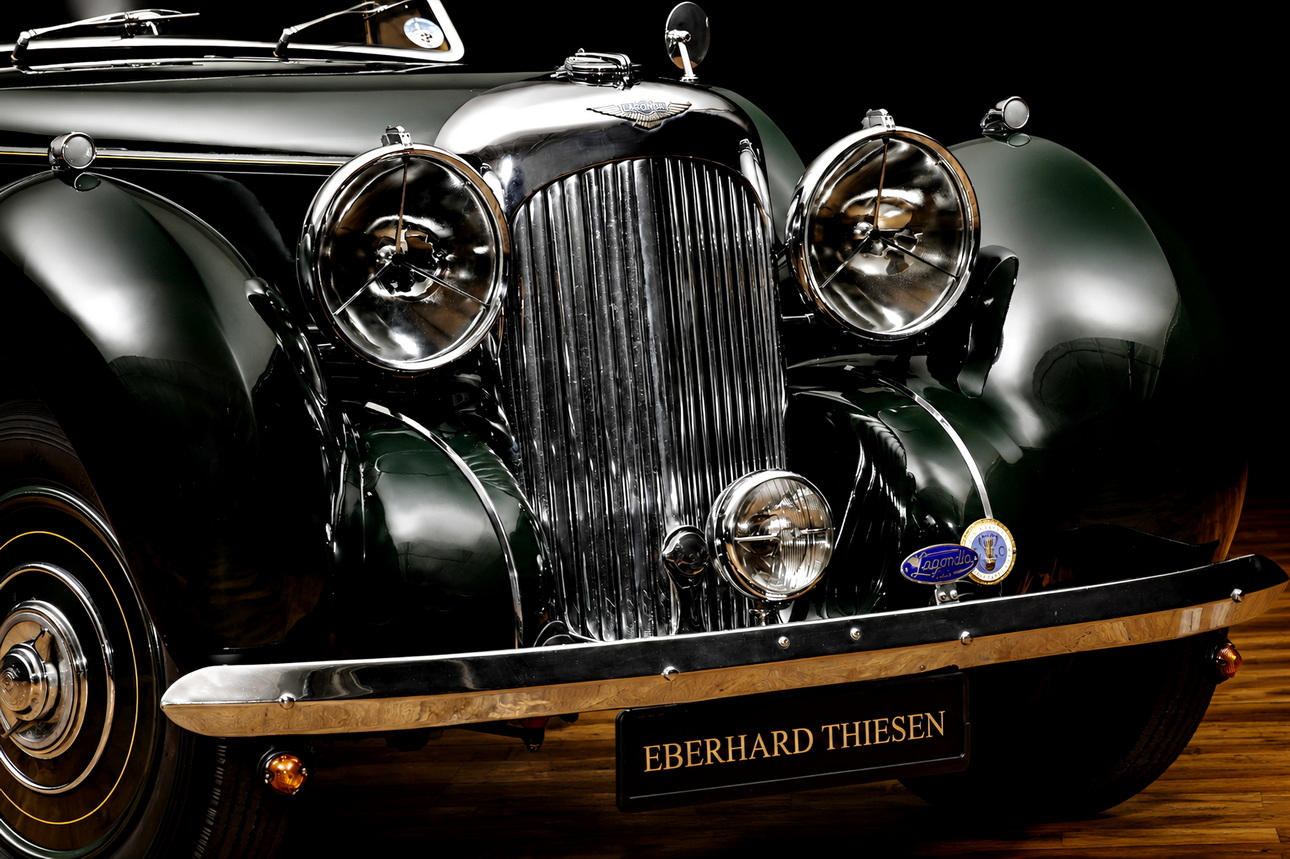
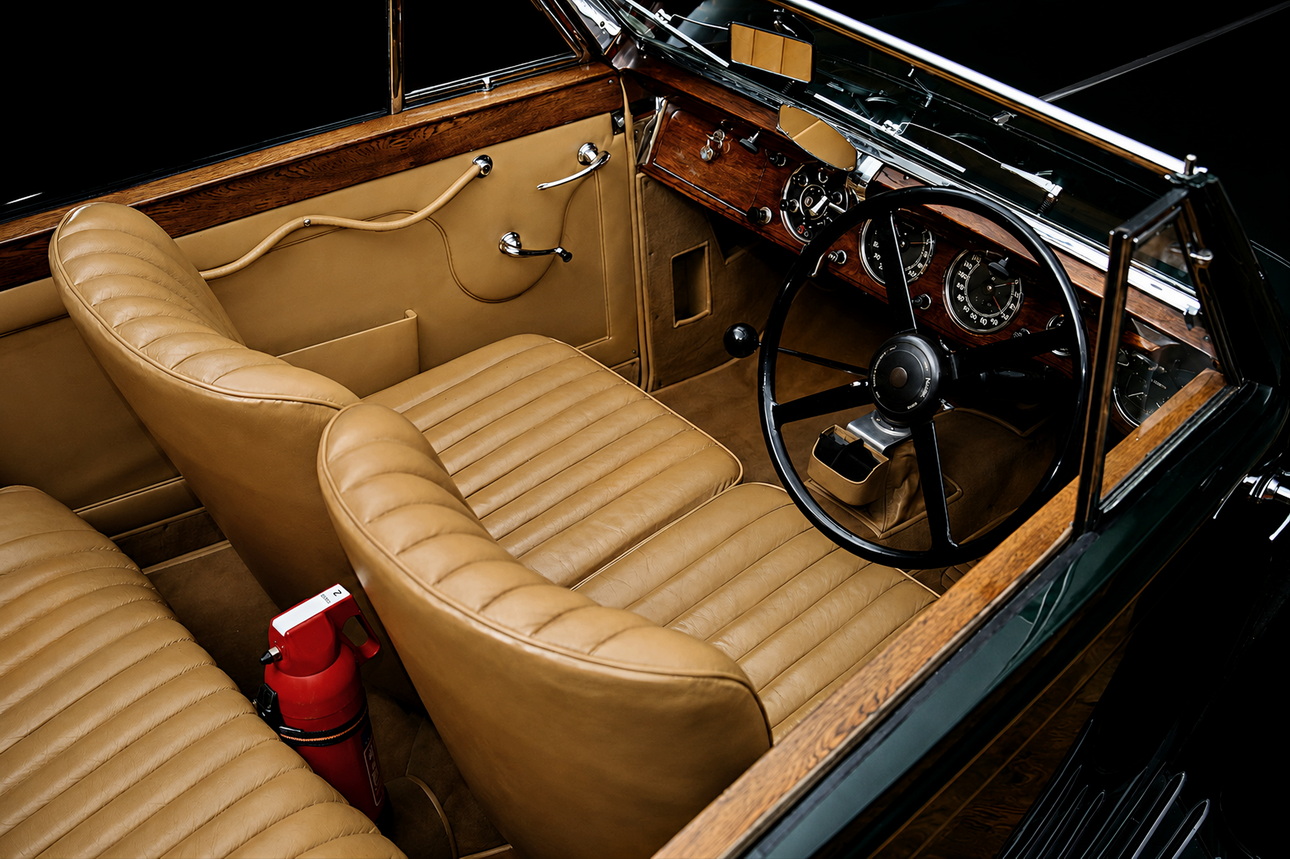
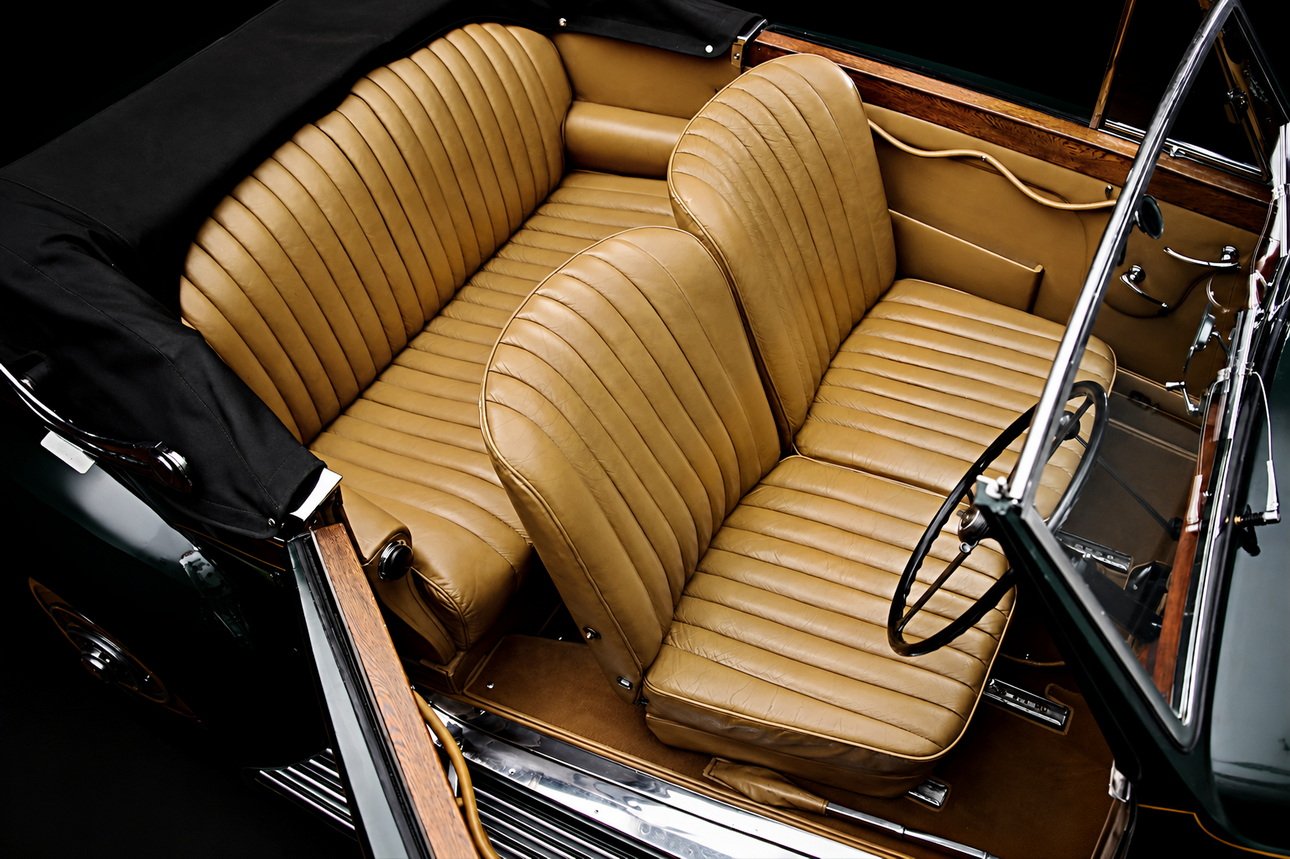
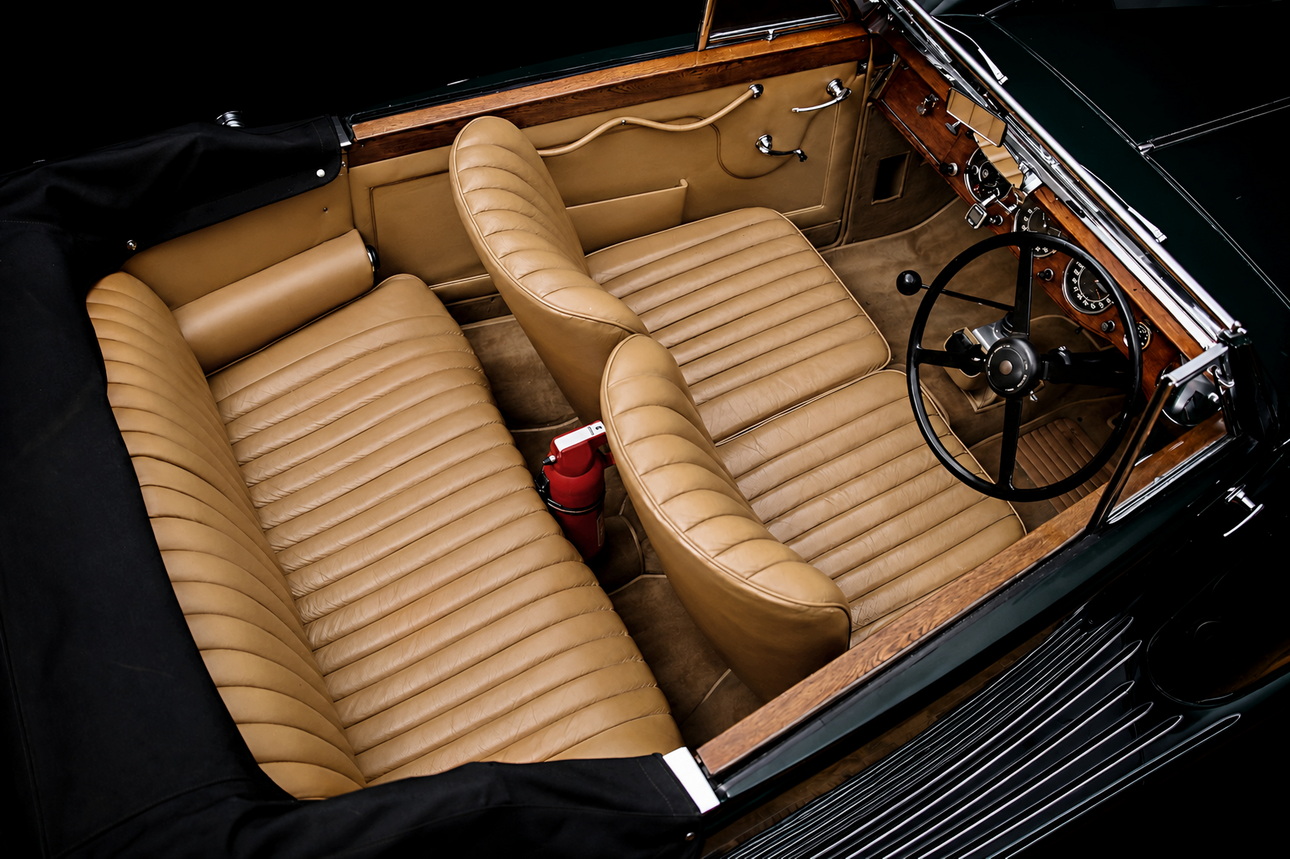
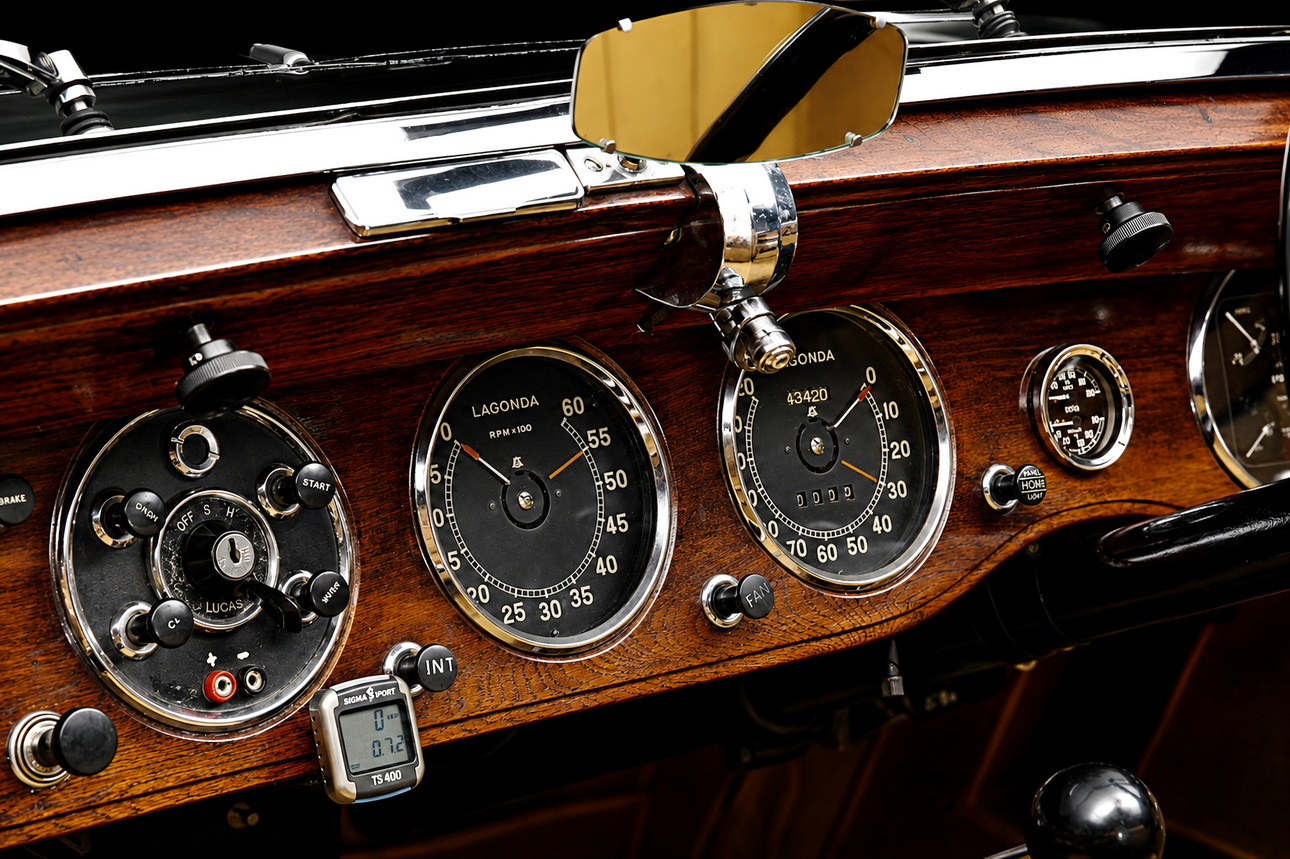
The Lagonda V12 Drophead Coupé ranks among the most fascinating British luxury automobiles of the late pre-war era. Combining a sophisticated twelve-cylinder engine developed under the direction of W. O. Bentley, elegant open factory coachwork, and exceptionally limited production, the V12 occupies a distinguished place in the history of the Lagonda marque. To this day, it is widely regarded as the pinnacle of the company's pre-war engineering achievements.
The extensive collection of surviving documentation allows the history of this particular automobile to be traced back to its original order on 17 May 1938 and its delivery to its first owner, L. Rose, on 15 July 1938. Historical records confirm that the car was originally finished in black with fine silver coachlines and a burgundy leather interior. Workshop and service records dating from its earliest years further underline the exceptional level of documentation that accompanies this remarkable automobile.
The Lagonda remained in Great Britain for the following decades before being exported to Rhodesia (now Zimbabwe) during the 1960s. There, it spent many years in the ownership of W. L. D. Player, who commissioned extensive restoration work. Following its return to Great Britain in 1982, the car was acquired in 2000 by its present owner, who devoted nearly twenty-five years to its careful preservation and regularly exercised it on international tours and Lagonda Club events. A meticulously maintained logbook, extensive maintenance records and comprehensive documentation of the technical work carried out throughout his ownership provide an exceptional record of this remarkably long period of stewardship.
Throughout this time, particular attention was paid to the car's mechanical reliability. The original engine has been retained, together with numerous other original components. At the same time, a number of carefully considered technical improvements were carried out, including the installation of twin electric fuel pumps, electronic ignition, and refinements to individual suspension and lubrication system components. According to the owner, these modifications were undertaken in such a manner that the car can, in principle, be returned to its original factory specification if desired.
The esteem in which this Lagonda is held within the international Lagonda community is reflected in a personal letter from the long-serving President of the Lagonda Club. In his correspondence, he praises the car's outstanding state of preservation, exceptional reliability and regular participation in international touring events, describing this V12 Drophead Coupé as one of the finest examples of Lagonda coachbuilding.
Today, this Lagonda V12 Drophead Coupé presents itself as an exceptionally authentic collector's automobile, accompanied by a documented ownership and maintenance history spanning more than eight decades. The combination of its original major components, conscientious mechanical care and remarkably comprehensive documentation makes this automobile a rare opportunity for collectors seeking one of the finest and best-documented examples of the legendary Lagonda V12.
Model History
Wilbur Gunn, the founder of Lagonda Motor Co. Ltd., had originally intended to become an opera singer. In 1898, the Ohio-born engineer travelled to London to further develop his vocal talents. Instead, he ultimately chose to pursue his remarkable engineering abilities and, just one year later, founded Lagonda. The company initially produced motorcycles and three-wheeled vehicles before introducing its first automobiles in 1909.
Several decades later, following glorious victories at Le Mans but a period of severe financial instability, Lagonda was rescued from insolvency by its new owner, Alan Good. Upon assuming control of the company in 1935, Good pursued an ambitious vision: within two years, the finest motor car in the world was to bear the Lagonda name. To achieve this goal, he assembled an exceptional engineering team from Rolls-Royce, led by none other than Walter Owen Bentley.
As part of this ambitious transformation, Lagonda shifted its focus entirely towards the luxury market. The culmination of this visionary approach was a spectacular new masterpiece, officially introduced in 1938: the Lagonda V12.
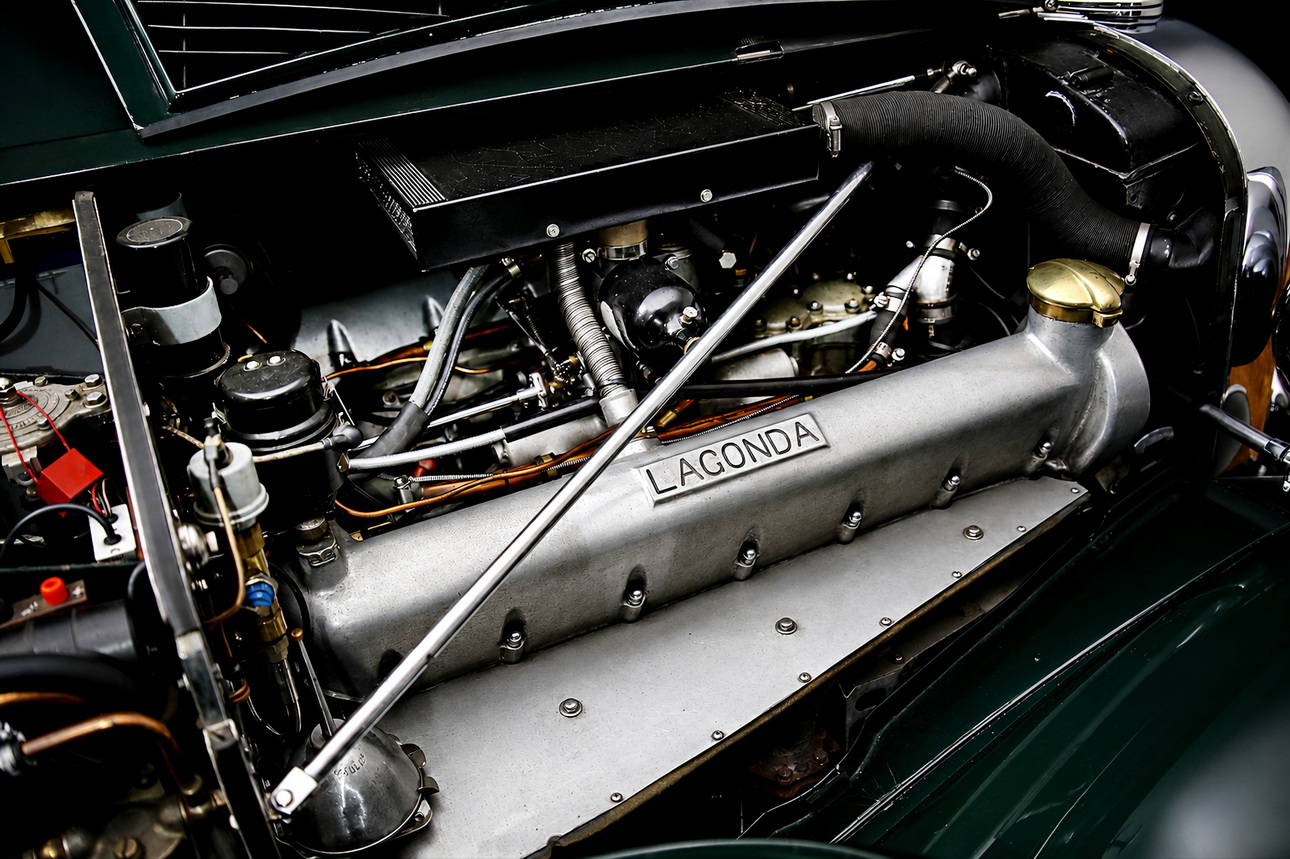
At the heart of the model lay one of the most sophisticated engines of its era, designed under the direction of Walter Owen Bentley. The advanced 4.5-litre V12 featured a single overhead camshaft for each cylinder bank and produced approximately 180 horsepower in its initial Sanction I specification. The later Sanction II version developed in excess of 200 horsepower. Combined with its remarkably smooth and refined operation, this powerful engine endowed the Lagonda with the effortless performance and composure of a true high-performance grand touring automobile of its day.
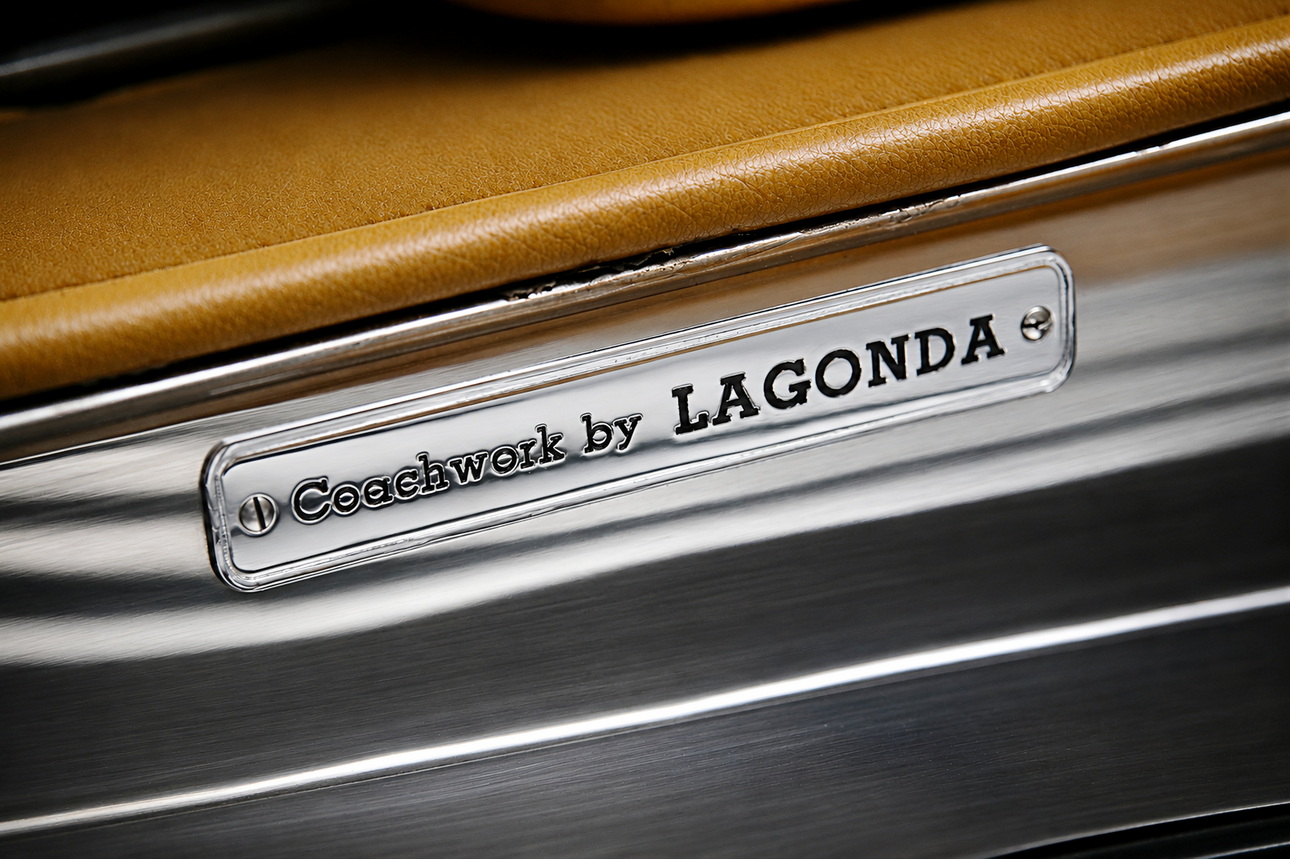
Among the various body styles offered, the Drophead Coupé (DHC) was one of the most coveted. As was customary at Lagonda, the factory supplied complete rolling chassis, allowing customers to commission coachwork according to their individual preferences. Consequently, the appearance of each Lagonda V12 varied depending on the chosen designer and coachbuilder. While many of the elegant factory bodies were designed by the talented young stylist Frank Feeley, discerning clients frequently commissioned bespoke coachwork from renowned independent coachbuilders.
Between 1938 and 1940, only around 189 Lagonda V12s were built, including approximately 150 Sanction I and 40 Sanction II examples. The combination of such limited production numbers and the engineering brilliance of Walter Owen Bentley has established the Lagonda V12 as one of the greatest masterpieces of the British pre-war motor industry and one of the most coveted classics of its generation.
This Automobile
The Lagonda V12 Drophead Coupé ranks among the most fascinating British luxury automobiles of the late pre-war era. Combining a sophisticated twelve-cylinder engine developed under the direction of W. O. Bentley, elegant open factory coachwork, and exceptionally limited production, the V12 occupies a distinguished place in the history of the Lagonda marque. To this day, it is widely regarded as the pinnacle of the company's pre-war engineering achievements.
The extensive collection of surviving documentation allows the history of this particular automobile to be traced back to its original order on 17 May 1938 and its delivery to its first owner, L. Rose, on 15 July 1938. Historical records confirm that the car was originally finished in black with fine silver coachlines and a burgundy leather interior. Workshop and service records dating from its earliest years further underline the exceptional level of documentation that accompanies this remarkable automobile.
The Lagonda remained in Great Britain for the following decades before being exported to Rhodesia (now Zimbabwe) during the 1960s. There, it spent many years in the ownership of W. L. D. Player, who commissioned extensive restoration work. Following its return to Great Britain in 1982, the car was acquired in 2000 by its present owner, who devoted nearly twenty-five years to its careful preservation and regularly exercised it on international tours and Lagonda Club events. A meticulously maintained logbook, extensive maintenance records and comprehensive documentation of the technical work carried out throughout his ownership provide an exceptional record of this remarkably long period of stewardship.
Throughout this time, particular attention was paid to the car's mechanical reliability. The original engine has been retained, together with numerous other original components. At the same time, a number of carefully considered technical improvements were carried out, including the installation of twin electric fuel pumps, electronic ignition, and refinements to individual suspension and lubrication system components. According to the owner, these modifications were undertaken in such a manner that the car can, in principle, be returned to its original factory specification if desired.
The esteem in which this Lagonda is held within the international Lagonda community is reflected in a personal letter from the long-serving President of the Lagonda Club. In his correspondence, he praises the car's outstanding state of preservation, exceptional reliability and regular participation in international touring events, describing this V12 Drophead Coupé as one of the finest examples of Lagonda coachbuilding.
Today, this Lagonda V12 Drophead Coupé presents itself as an exceptionally authentic collector's automobile, accompanied by a documented ownership and maintenance history spanning more than eight decades. The combination of its original major components, conscientious mechanical care and remarkably comprehensive documentation makes this automobile a rare opportunity for collectors seeking one of the finest and best-documented examples of the legendary Lagonda V12.
Model History
Wilbur Gunn, the founder of Lagonda Motor Co. Ltd., had originally intended to become an opera singer. In 1898, the Ohio-born engineer travelled to London to further develop his vocal talents. Instead, he ultimately chose to pursue his remarkable engineering abilities and, just one year later, founded Lagonda. The company initially produced motorcycles and three-wheeled vehicles before introducing its first automobiles in 1909.
Several decades later, following glorious victories at Le Mans but a period of severe financial instability, Lagonda was rescued from insolvency by its new owner, Alan Good. Upon assuming control of the company in 1935, Good pursued an ambitious vision: within two years, the finest motor car in the world was to bear the Lagonda name. To achieve this goal, he assembled an exceptional engineering team from Rolls-Royce, led by none other than Walter Owen Bentley.
As part of this ambitious transformation, Lagonda shifted its focus entirely towards the luxury market. The culmination of this visionary approach was a spectacular new masterpiece, officially introduced in 1938: the Lagonda V12.
At the heart of the model lay one of the most sophisticated engines of its era, designed under the direction of Walter Owen Bentley. The advanced 4.5-litre V12 featured a single overhead camshaft for each cylinder bank and produced approximately 180 horsepower in its initial Sanction I specification. The later Sanction II version developed in excess of 200 horsepower. Combined with its remarkably smooth and refined operation, this powerful engine endowed the Lagonda with the effortless performance and composure of a true high-performance grand touring automobile of its day.
Among the various body styles offered, the Drophead Coupé (DHC) was one of the most coveted. As was customary at Lagonda, the factory supplied complete rolling chassis, allowing customers to commission coachwork according to their individual preferences. Consequently, the appearance of each Lagonda V12 varied depending on the chosen designer and coachbuilder. While many of the elegant factory bodies were designed by the talented young stylist Frank Feeley, discerning clients frequently commissioned bespoke coachwork from renowned independent coachbuilders.
Between 1938 and 1940, only around 189 Lagonda V12s were built, including approximately 150 Sanction I and 40 Sanction II examples. The combination of such limited production numbers and the engineering brilliance of Walter Owen Bentley has established the Lagonda V12 as one of the greatest masterpieces of the British pre-war motor industry and one of the most coveted classics of its generation.