Mercedes Benz 500 K Spezial Roadster Rebuild

Highlights
Data & Facts
This Automobile
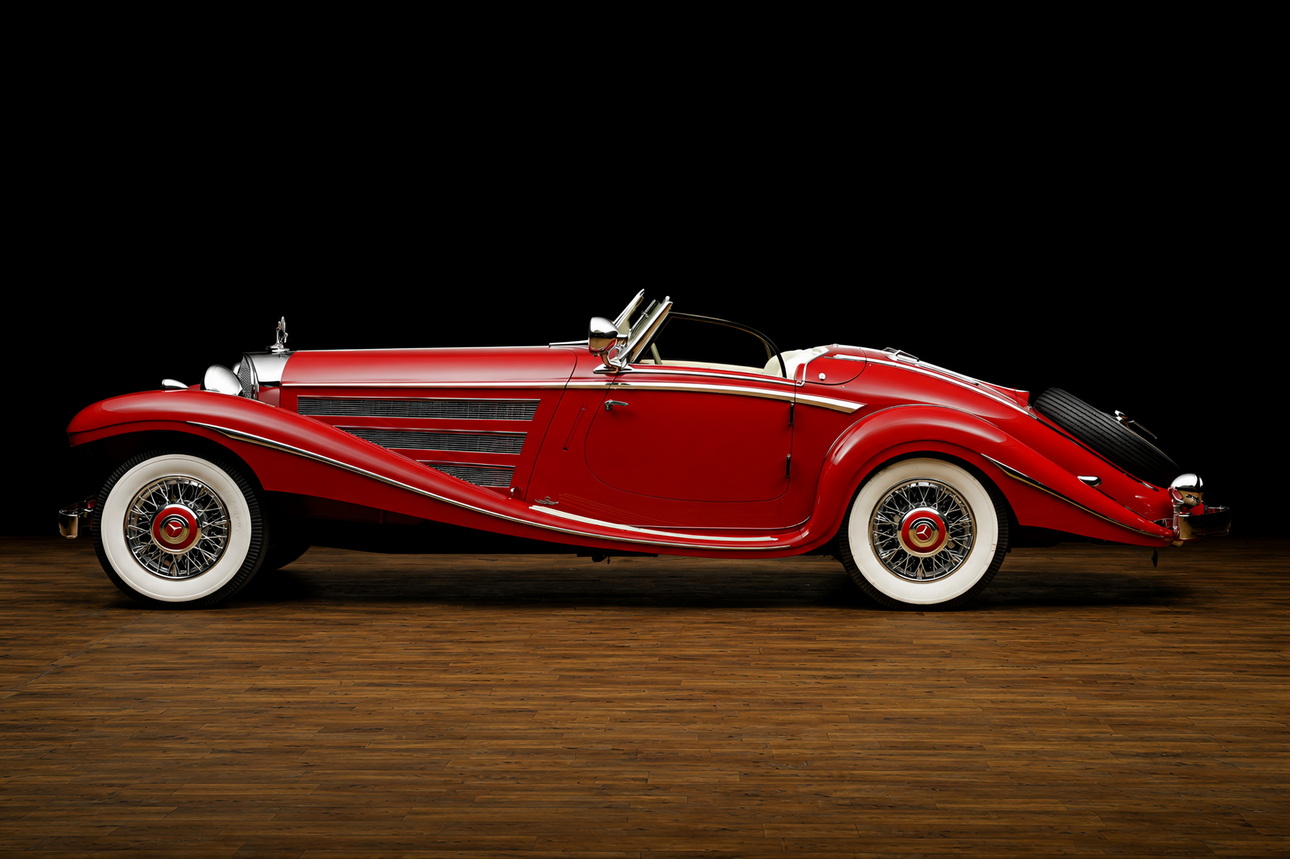
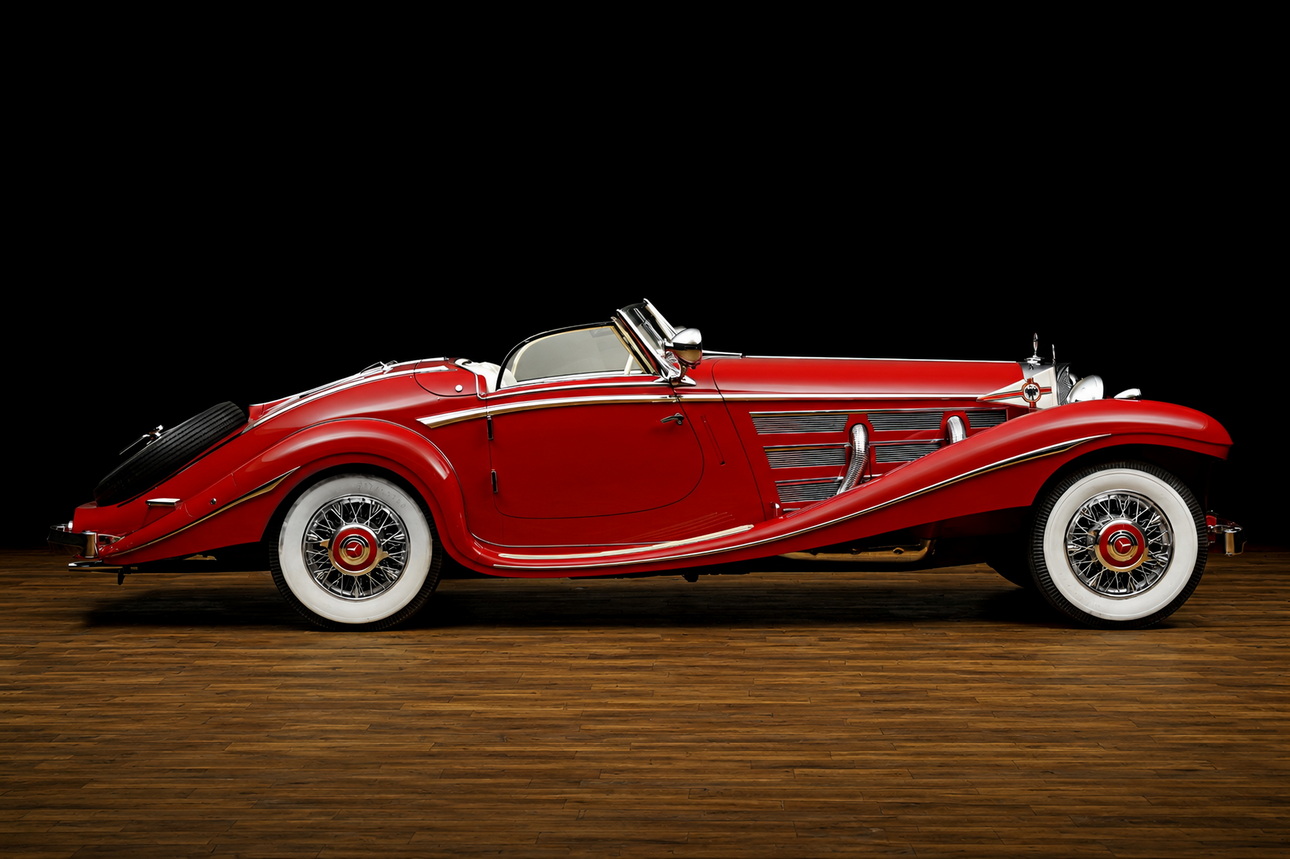
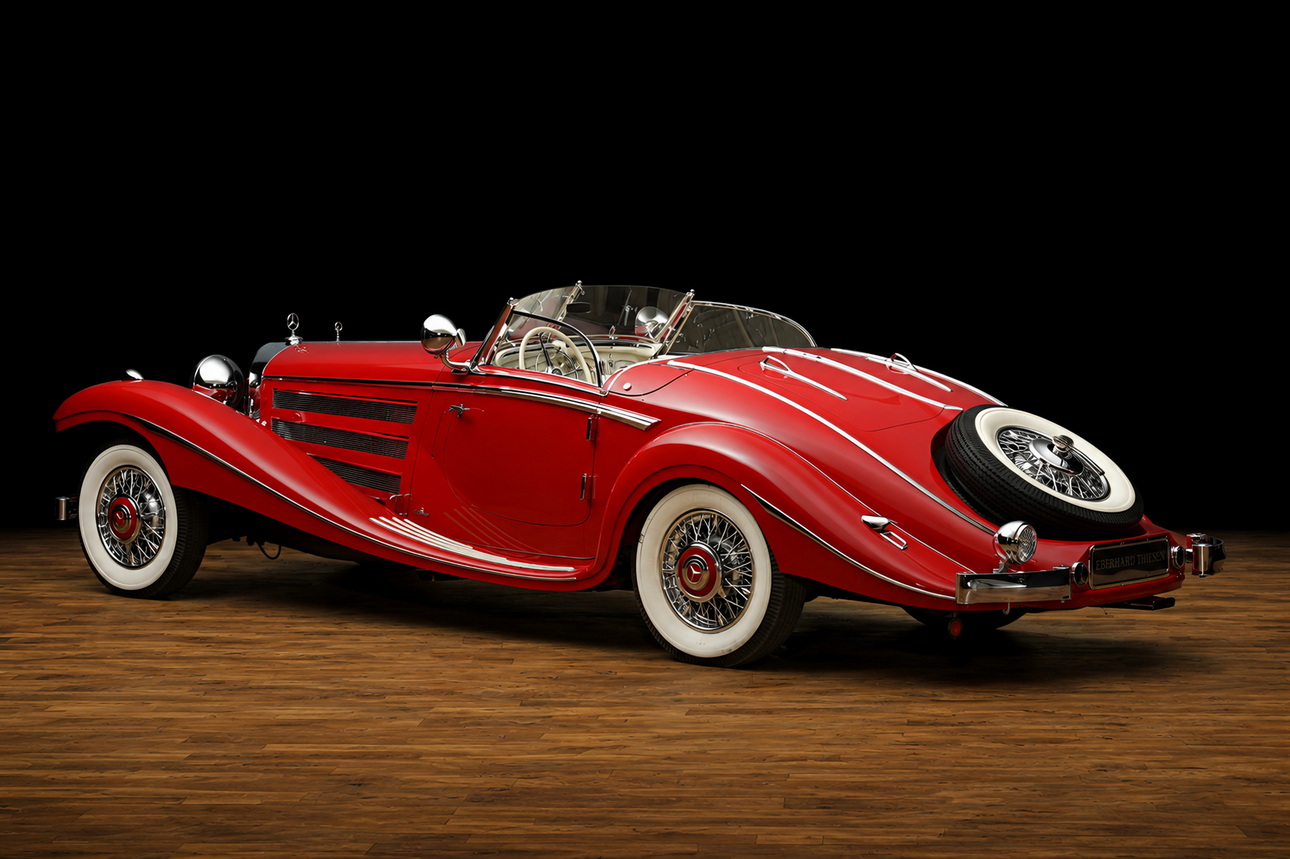
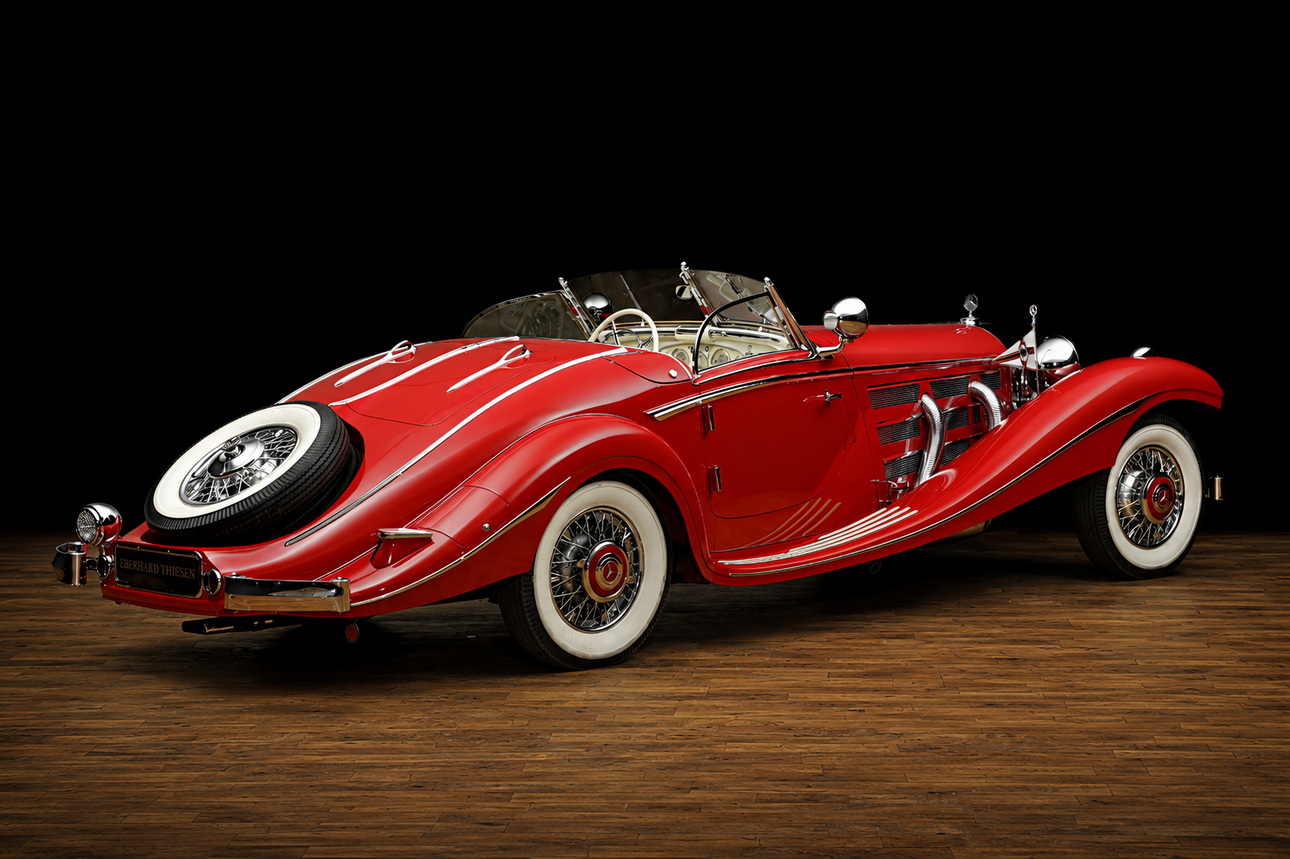
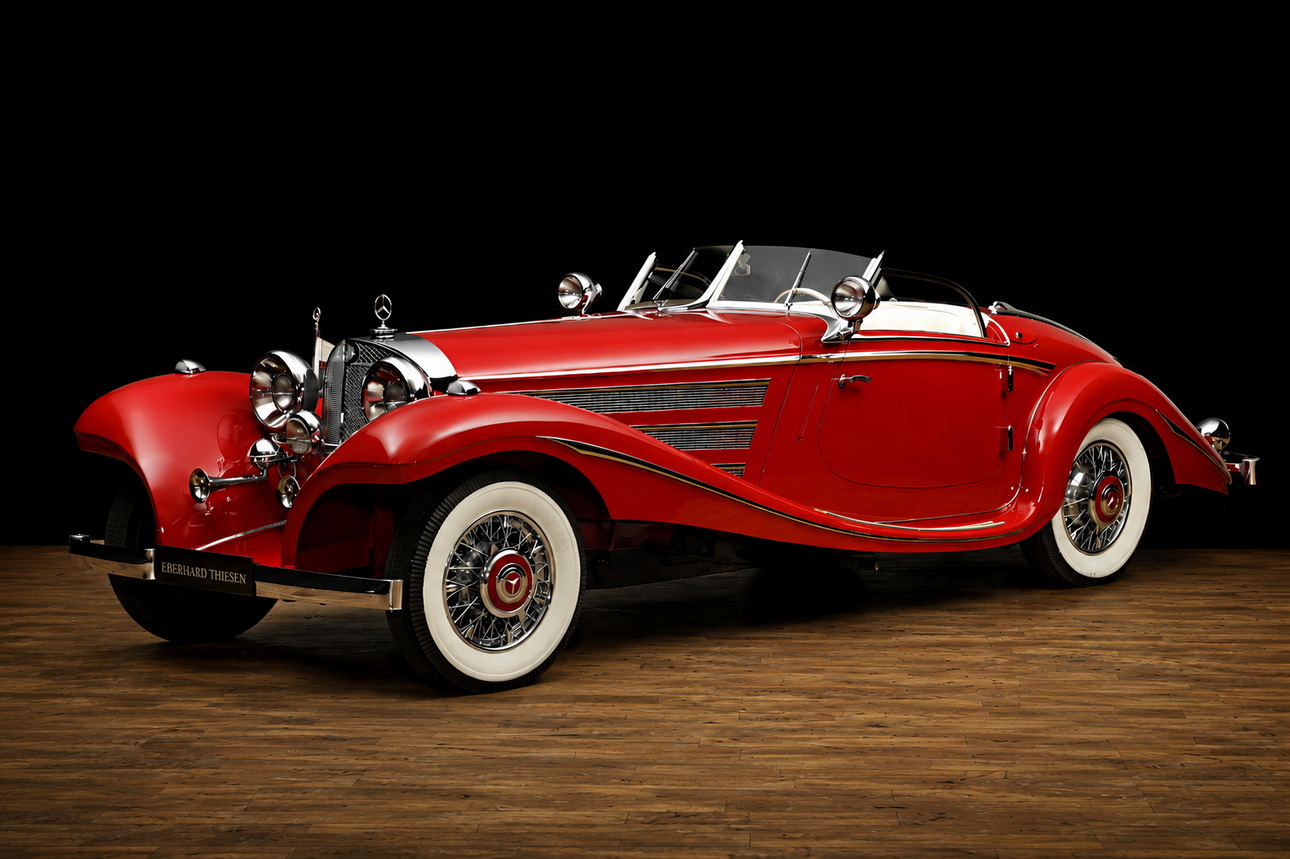
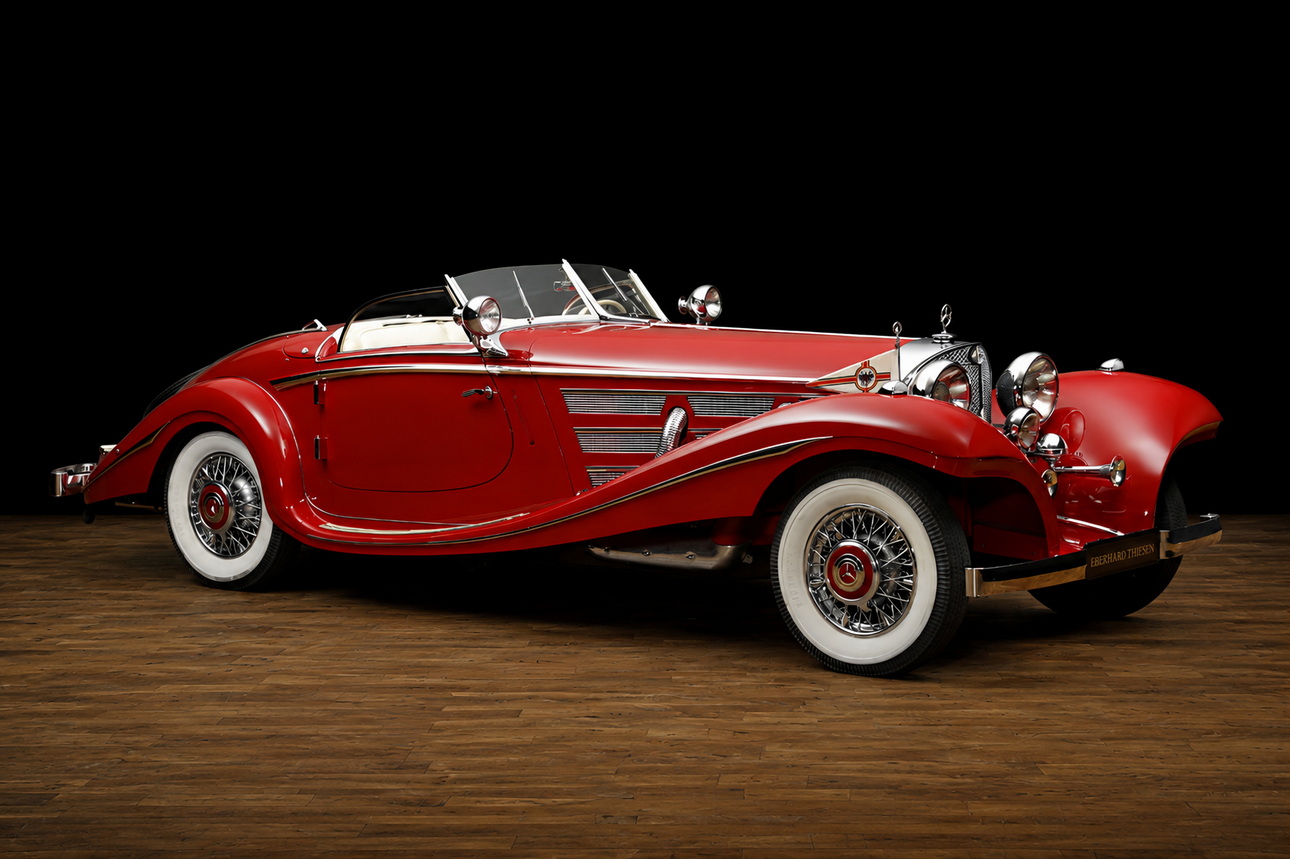
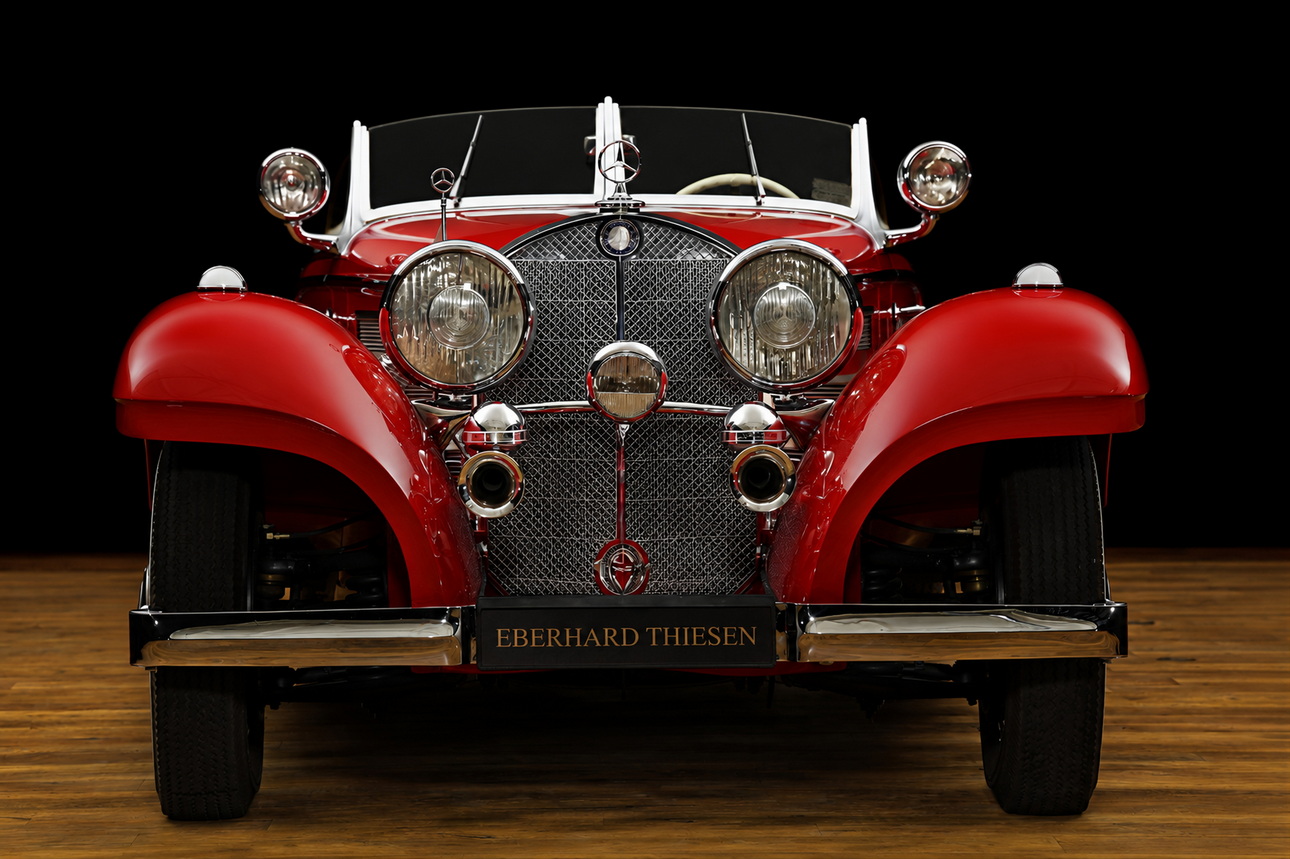
The Mercedes Benz Special Roadster Type 500/540K was the ultimate in German motor cars of the 1930s and represented German coachbuilding at its finest. It is probably the most attractive and valuable car design created in the pre-war era and is still considered unrivalled by connoisseurs and experts today.
According to the commission record, the chassis of this Mercedes-Benz 500 K was manufactured in late 1934 and fitted with a special roadster body the following year. It was then made available as a ‘works car’ to the well-known Mercedes works racing driver Manfred von Brauchitsch. Whether the chassis is in fact that of a Spezial Roadster attributed to the racing driver von Brauchitsch, we cannot confirm with certainty. According to the statement by the restorer, this is said to be the original chassis with the identity of the ‘von Brauchitsch’ example as described previously. We have received a written statement from him to that effect.
In the 1990s, the car – with its bodywork, which was no longer original but had been modified – was acquired by a German restoration expert in the USA. The car was then rebuilt to original specifications as a ‘typical’ Spezial Roadster for a German client.
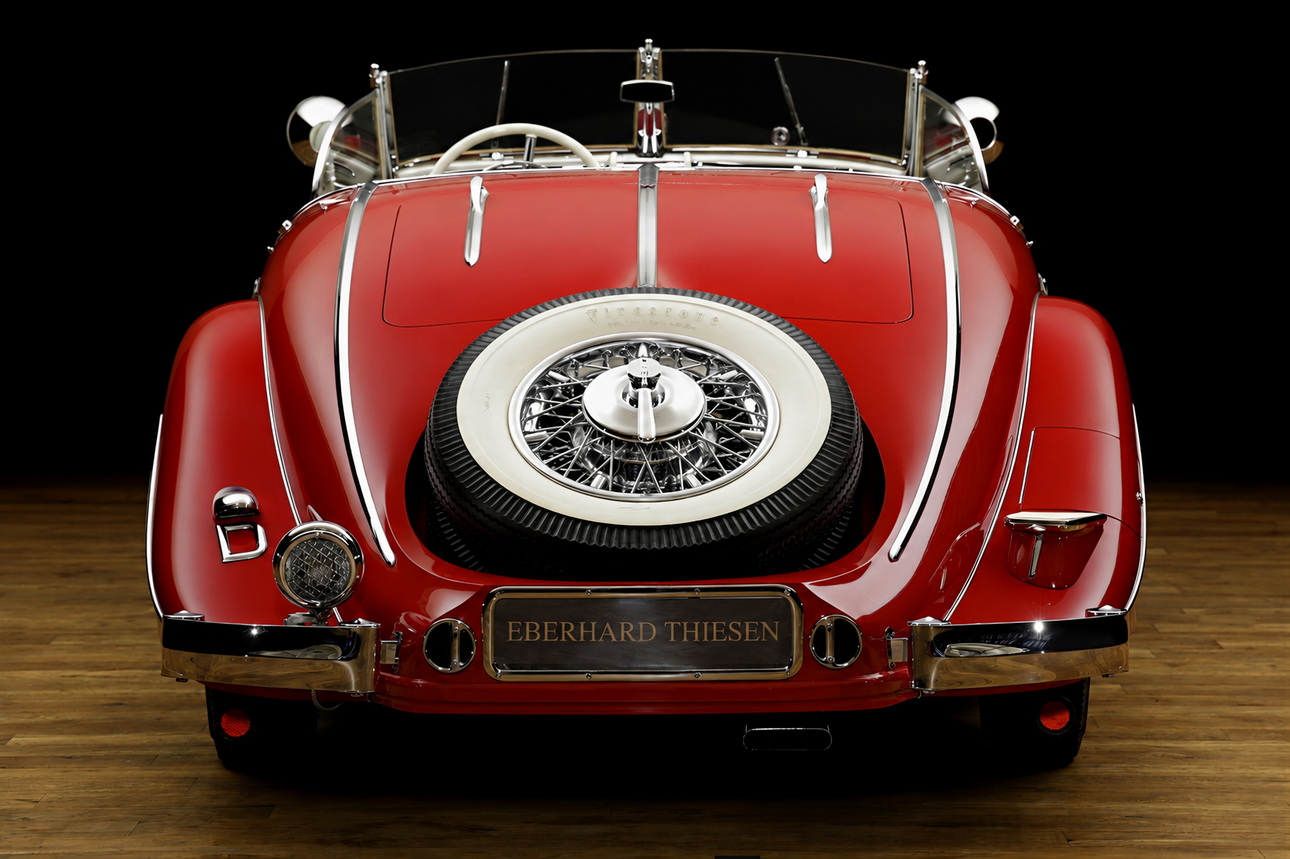
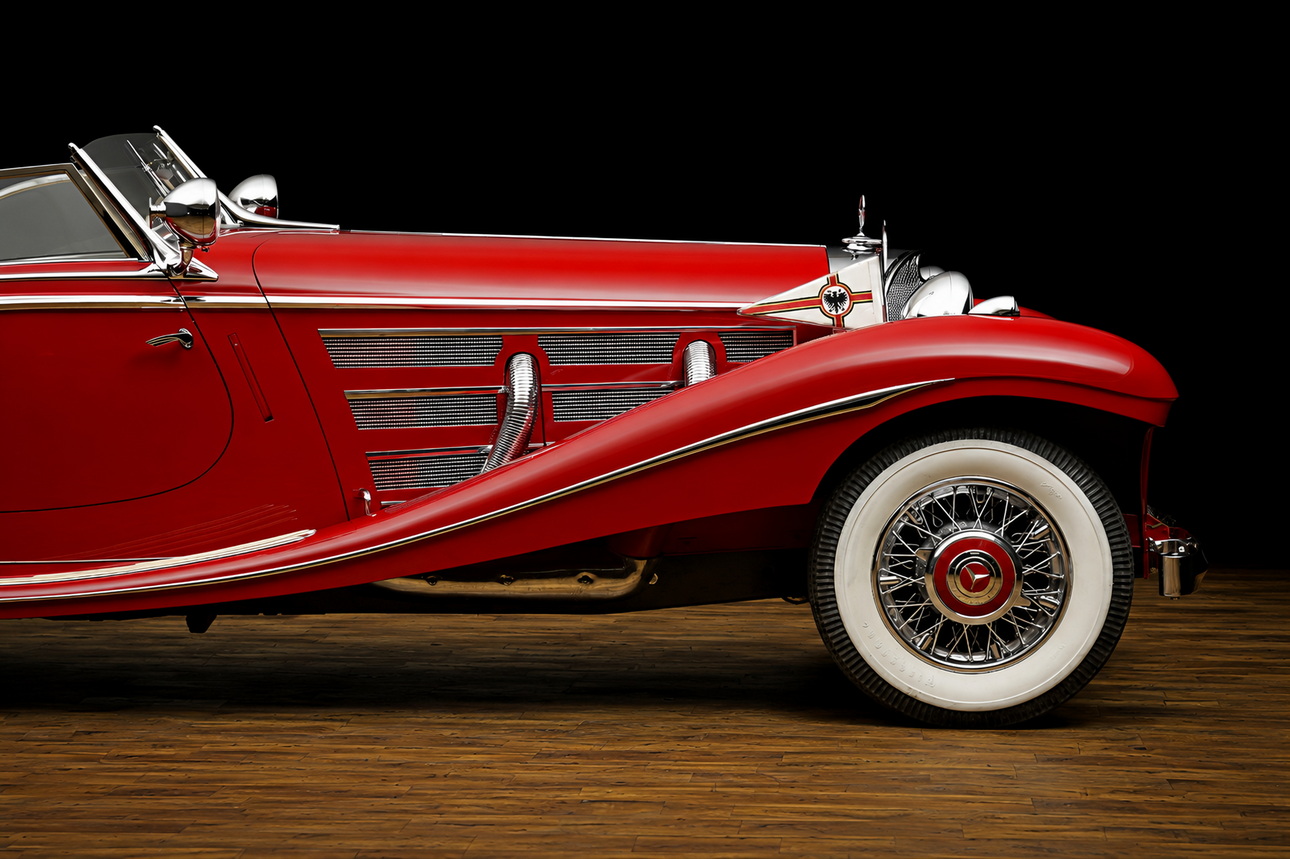
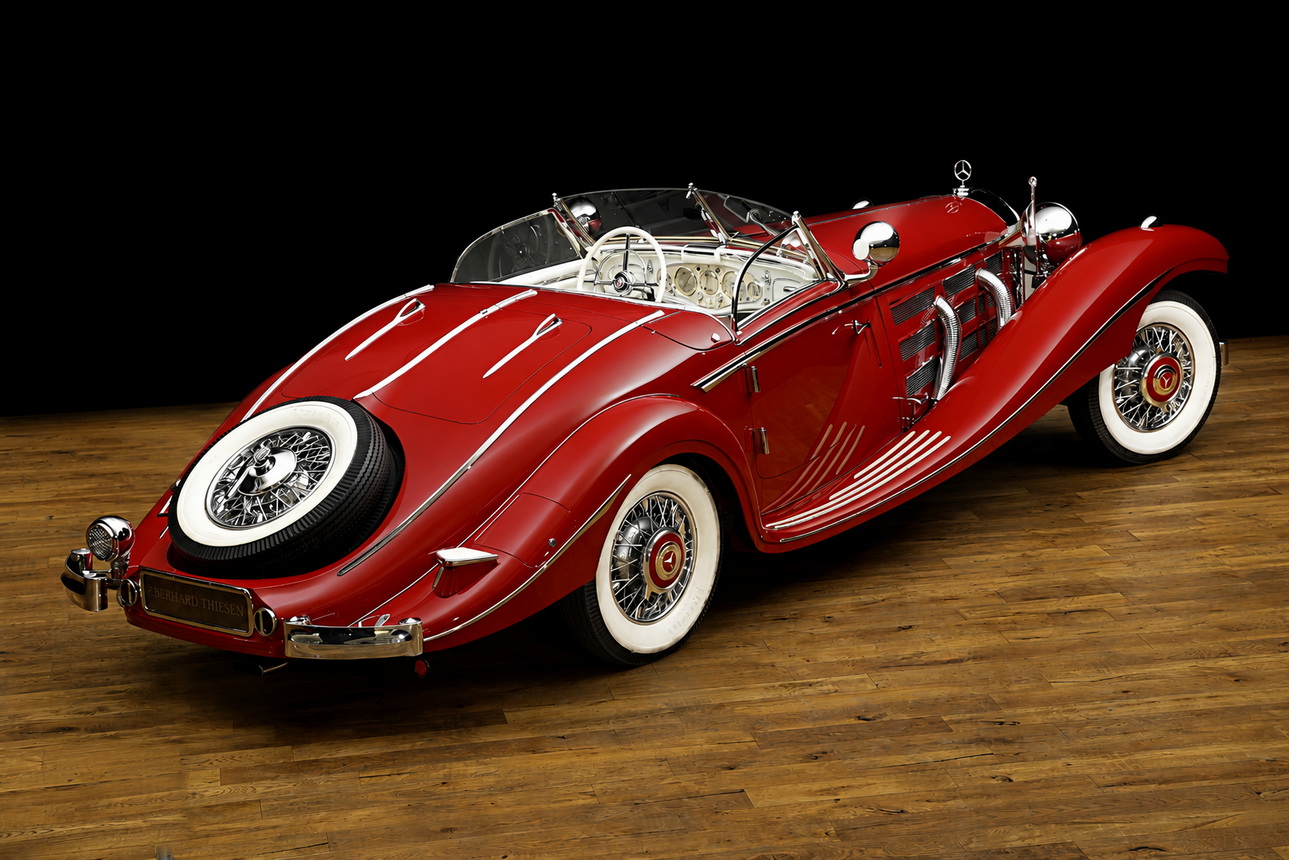
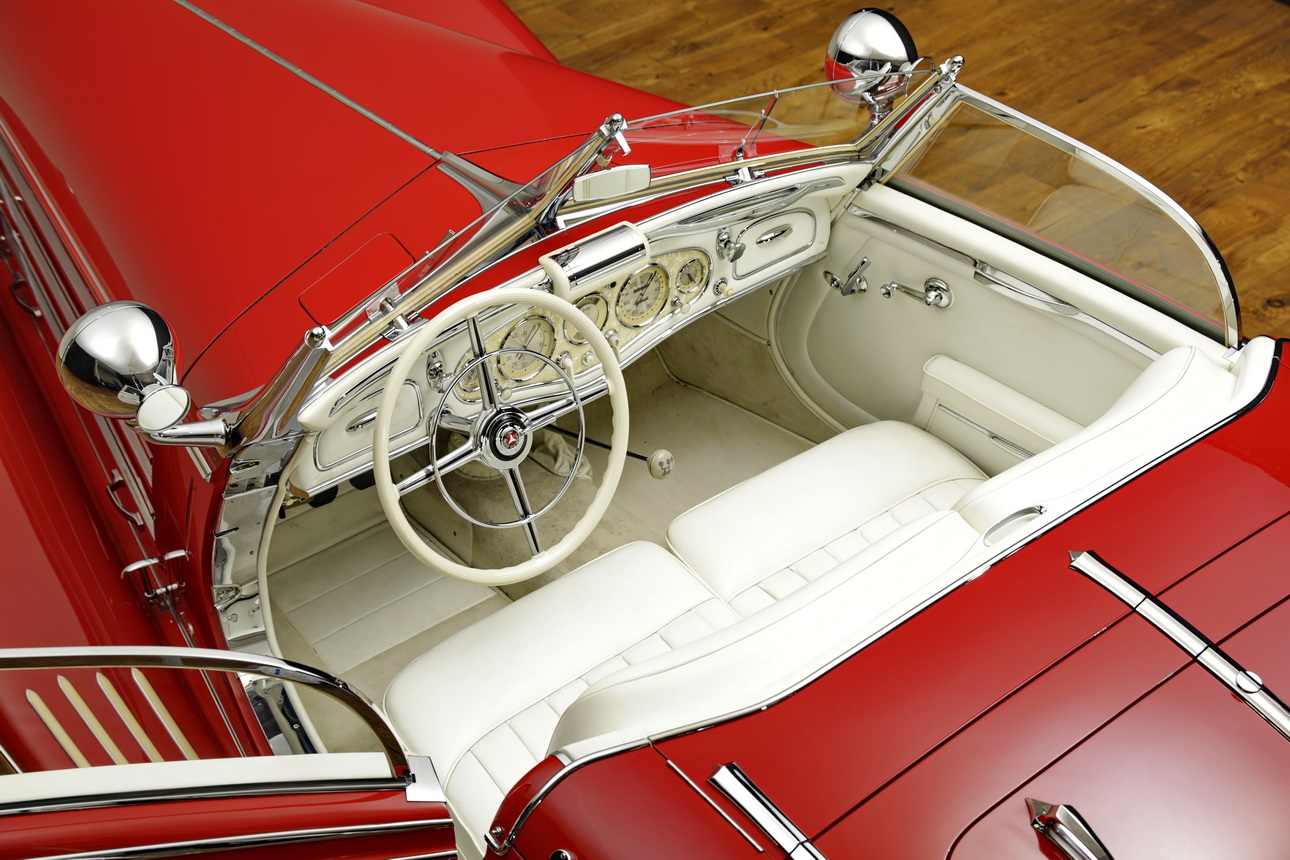
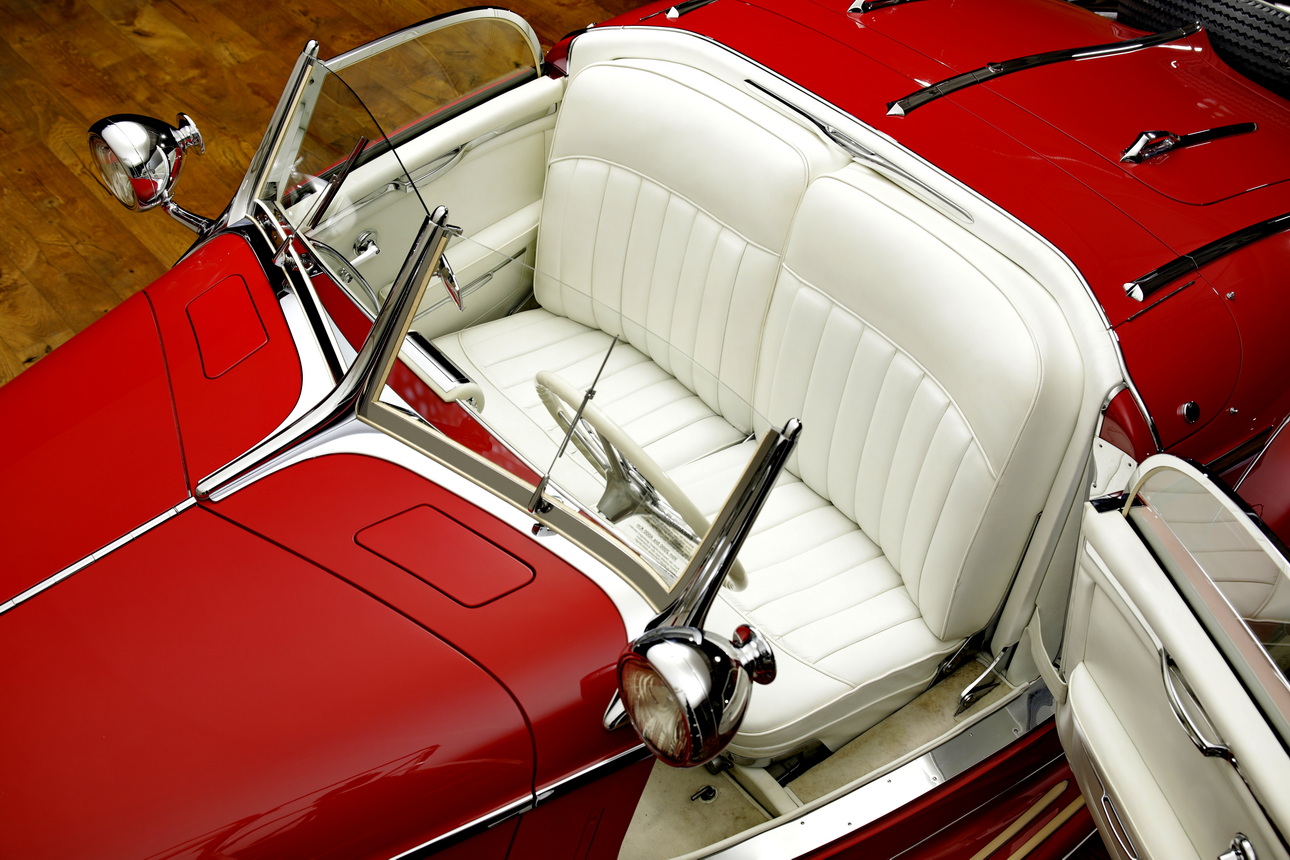
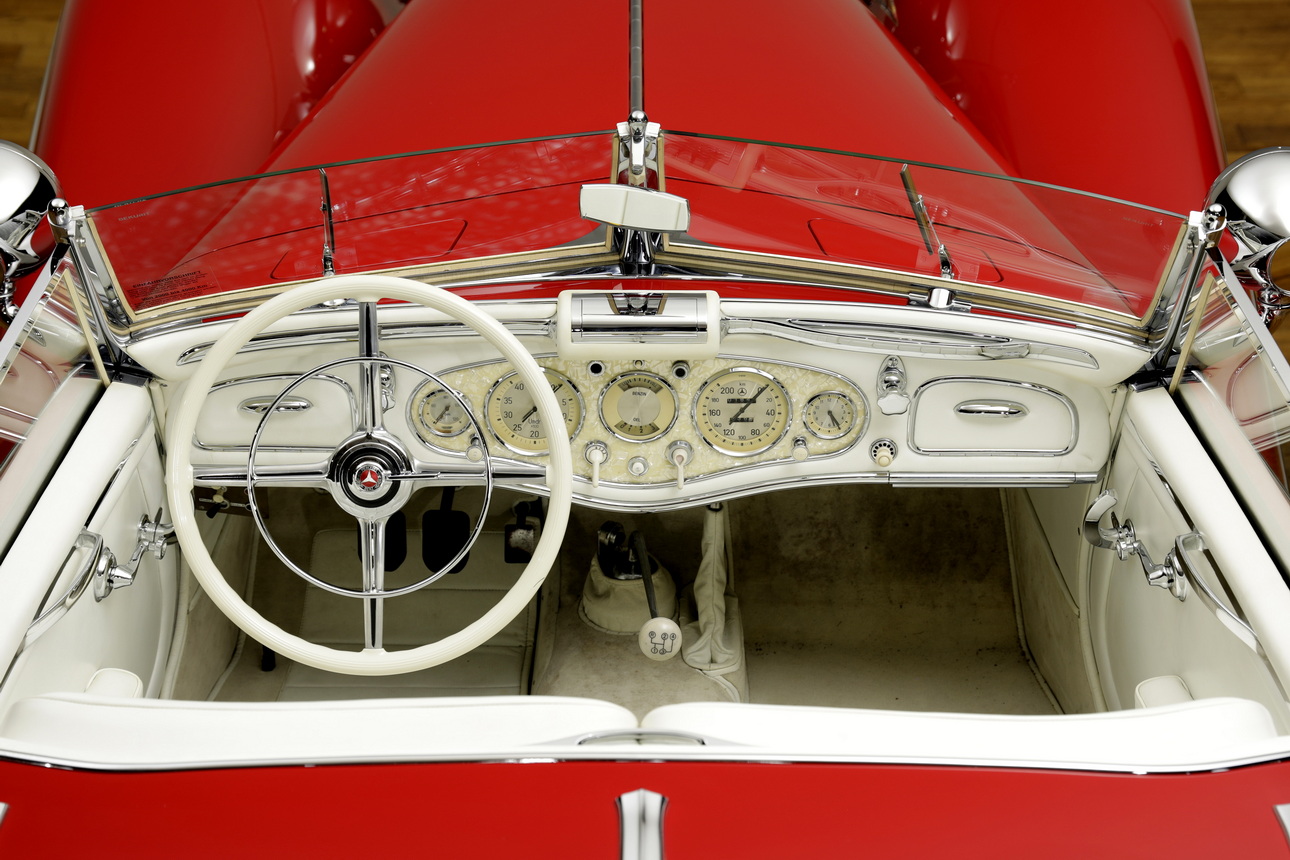
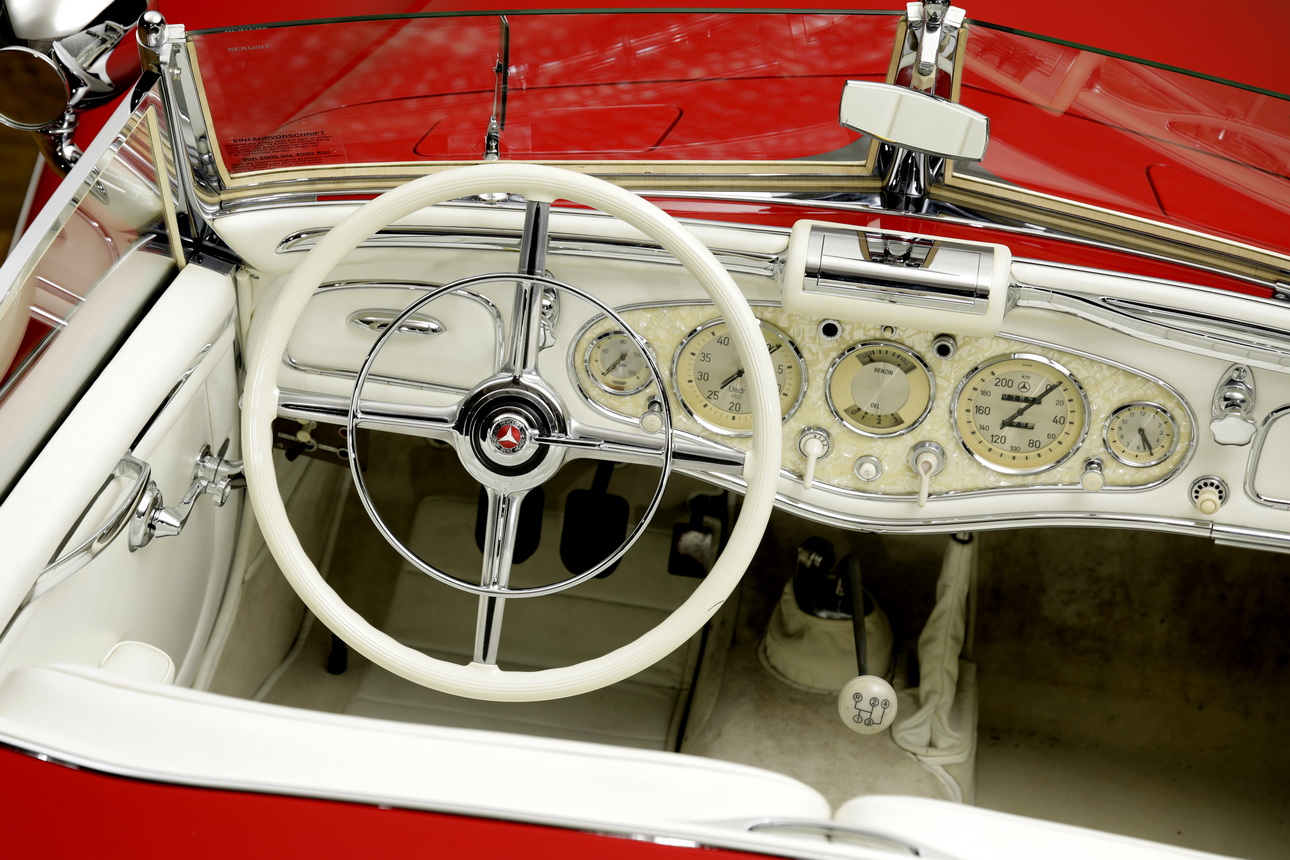
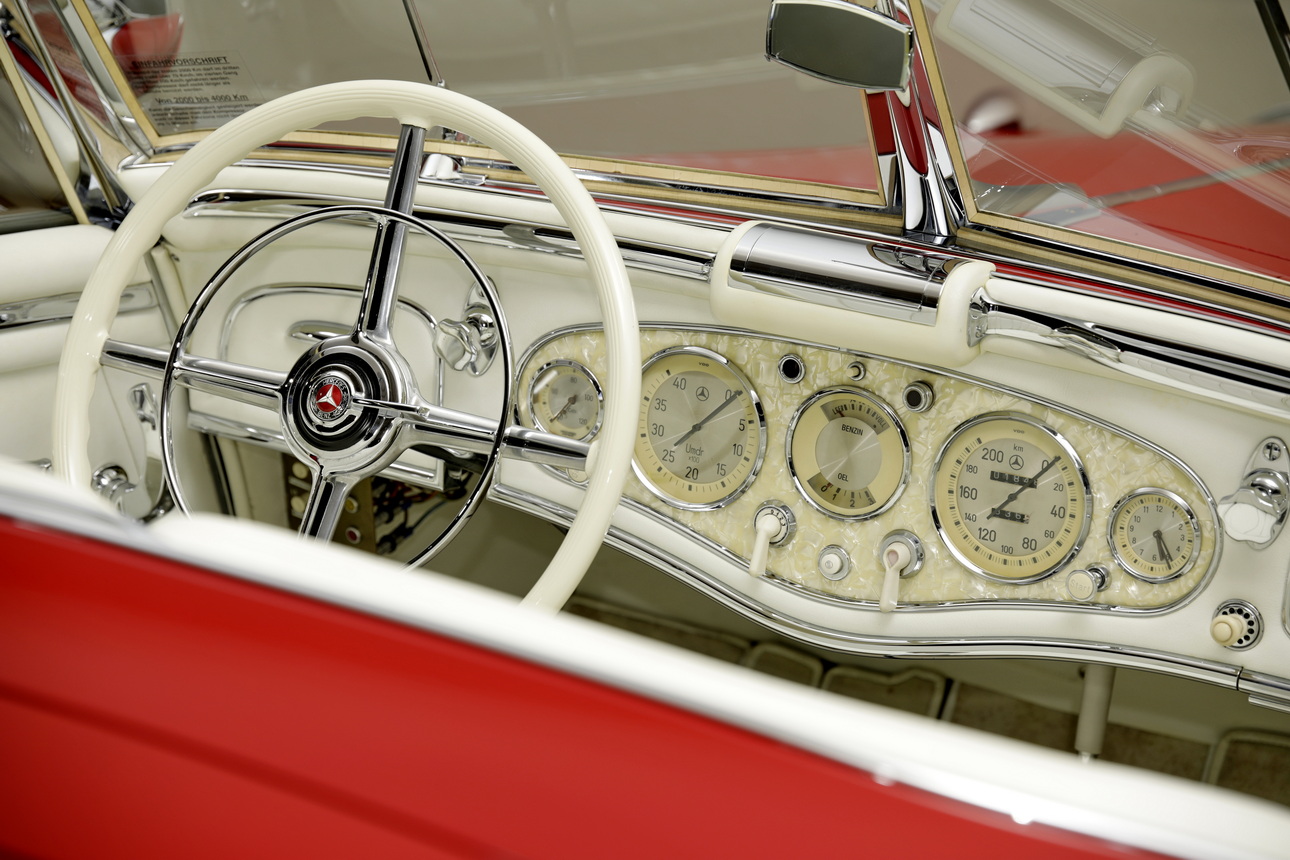
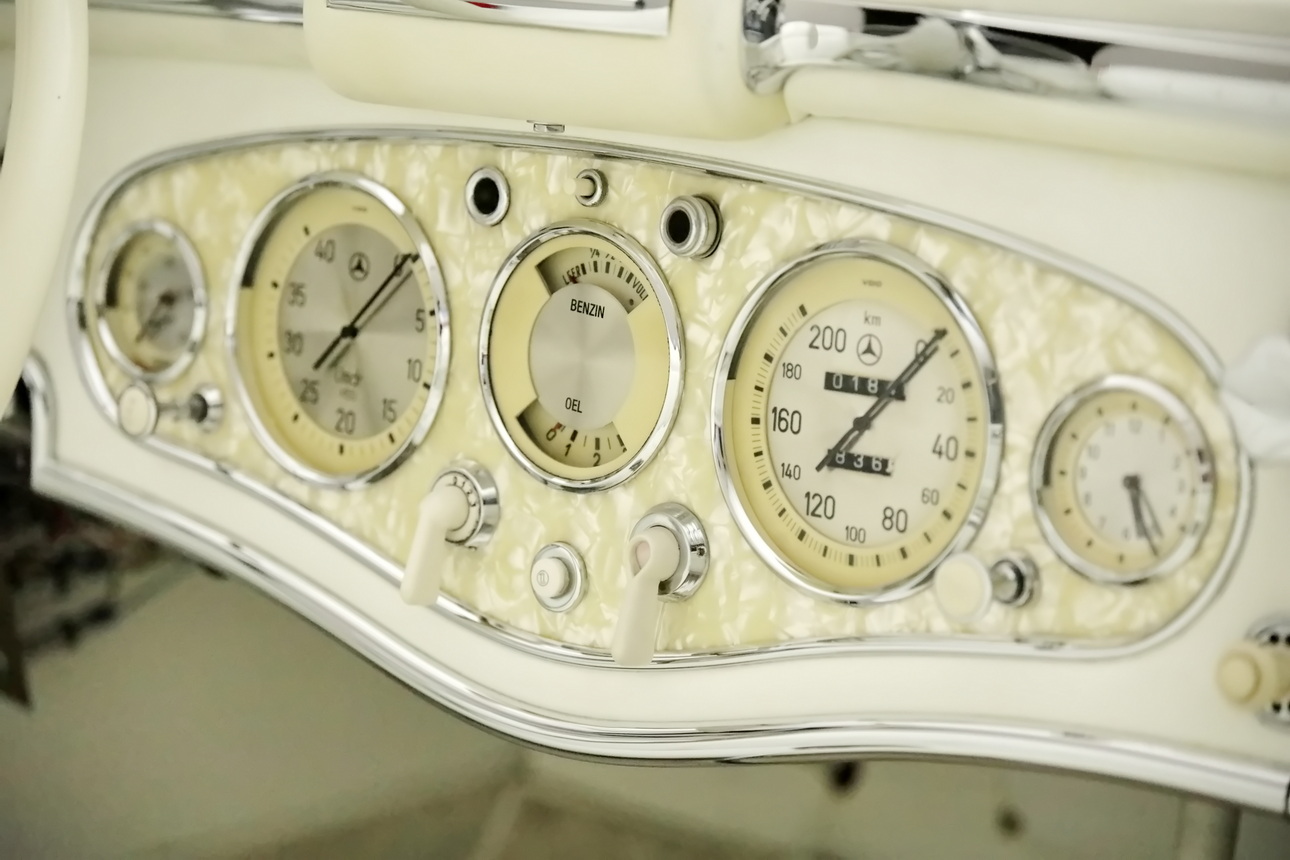
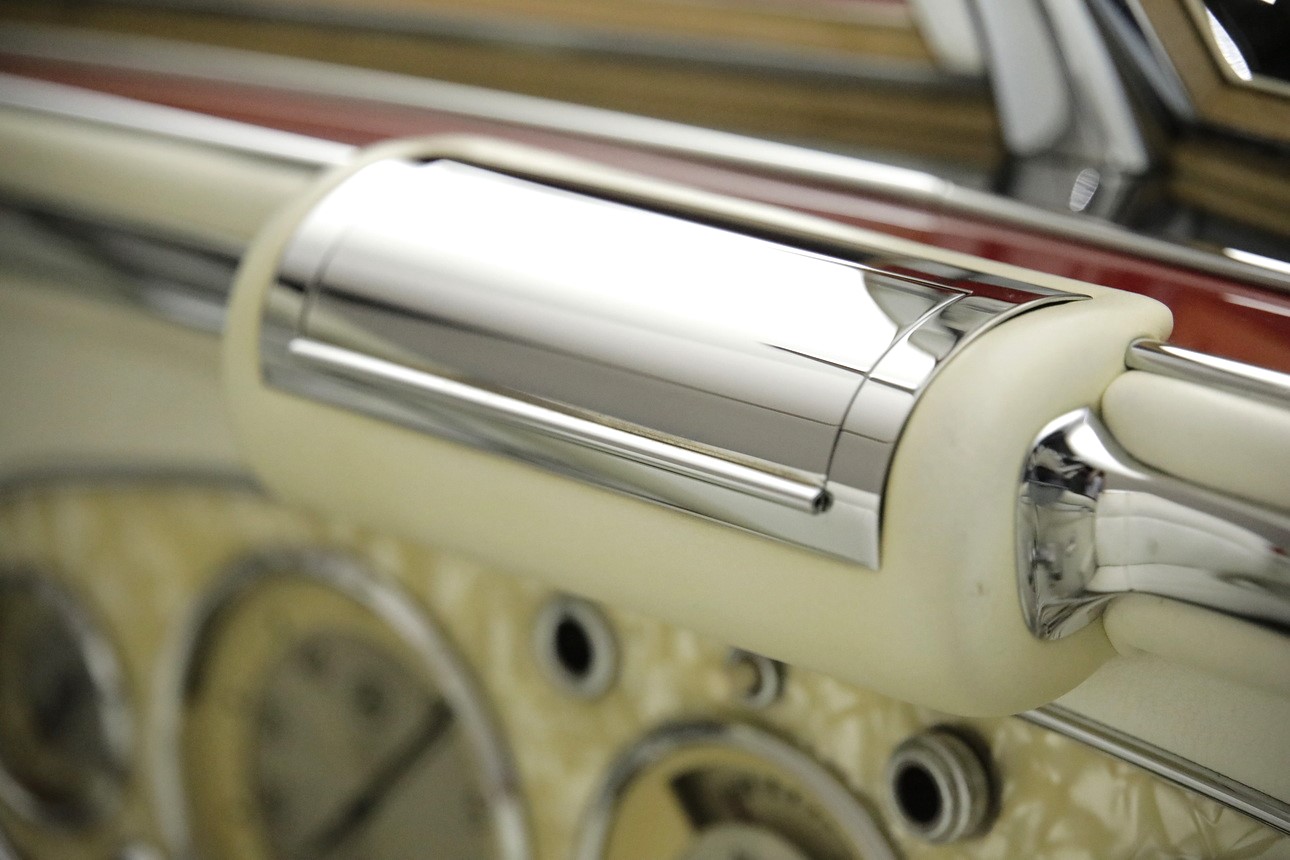
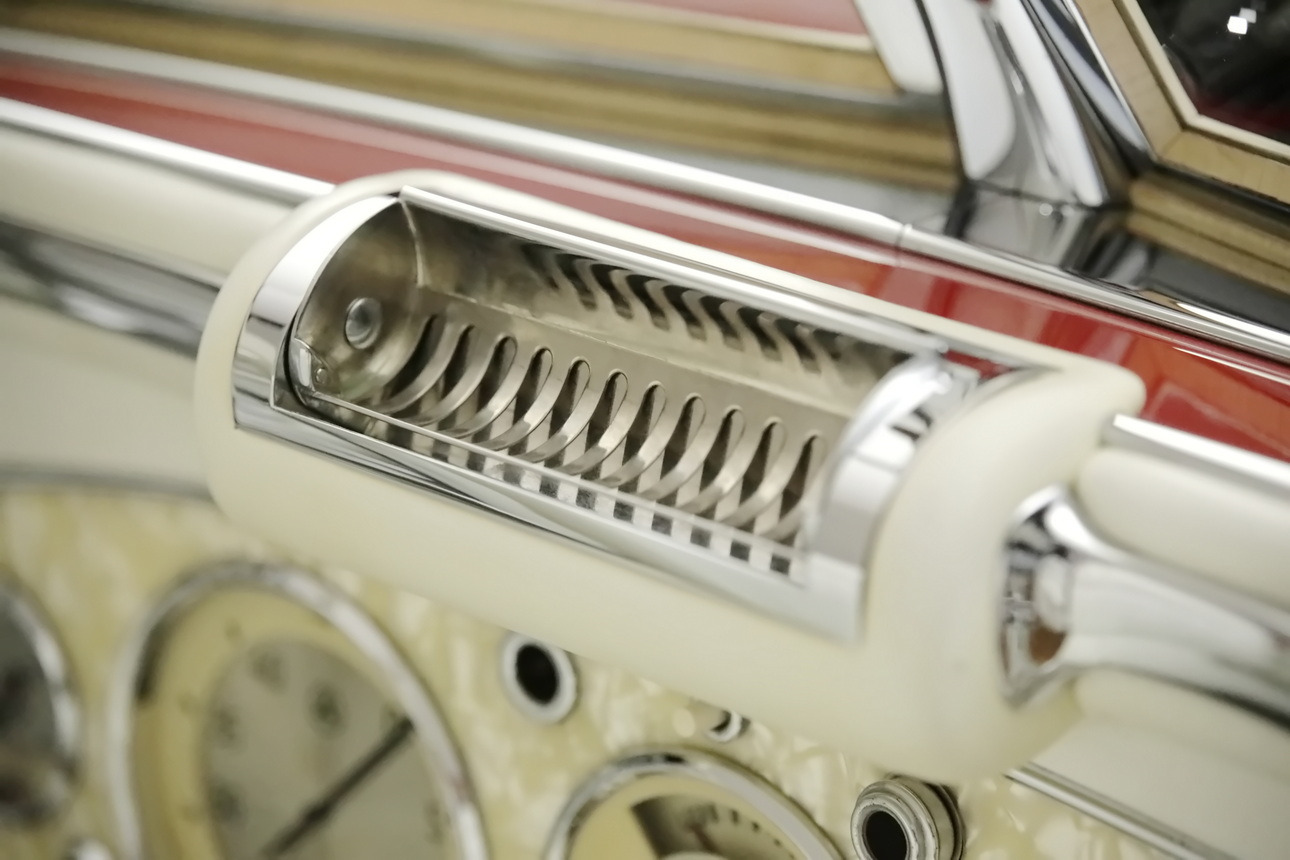
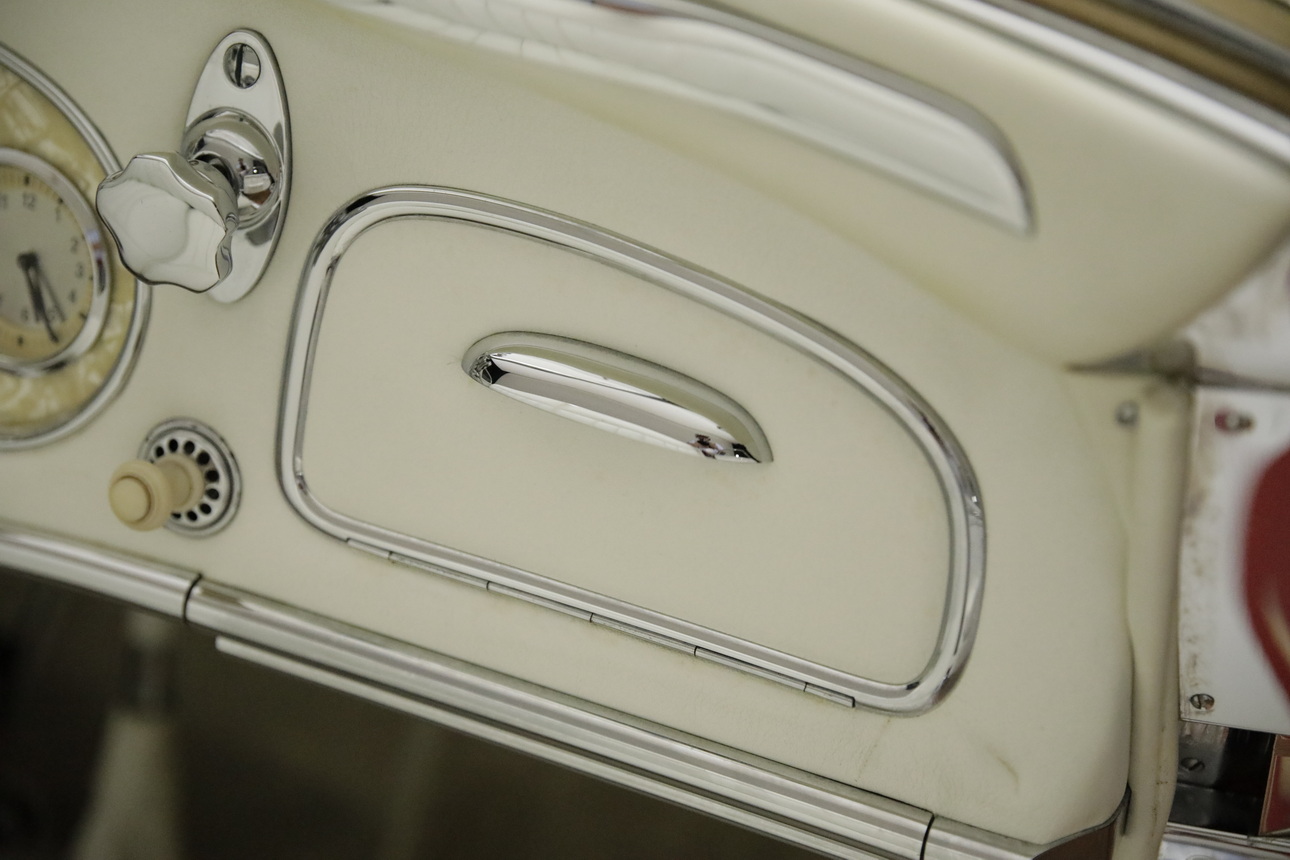
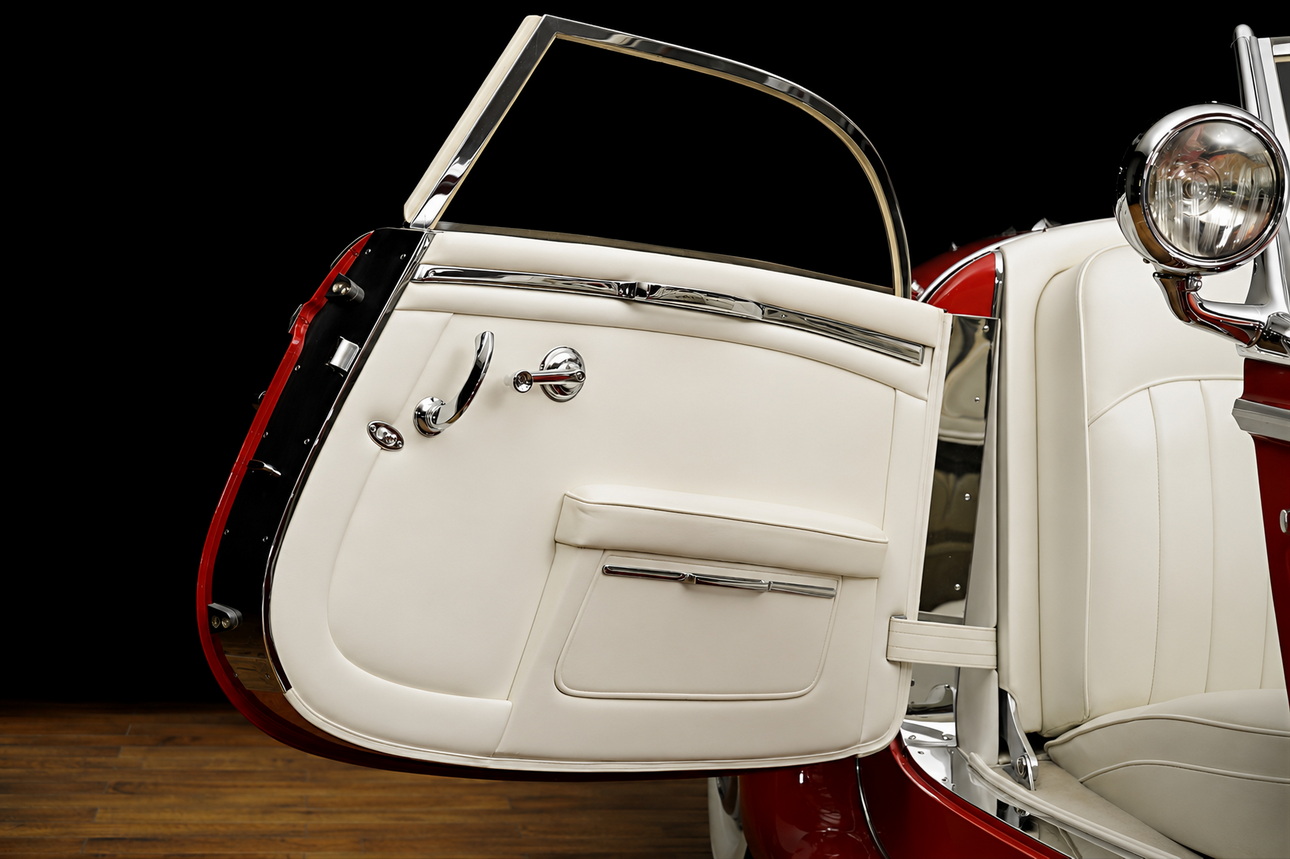
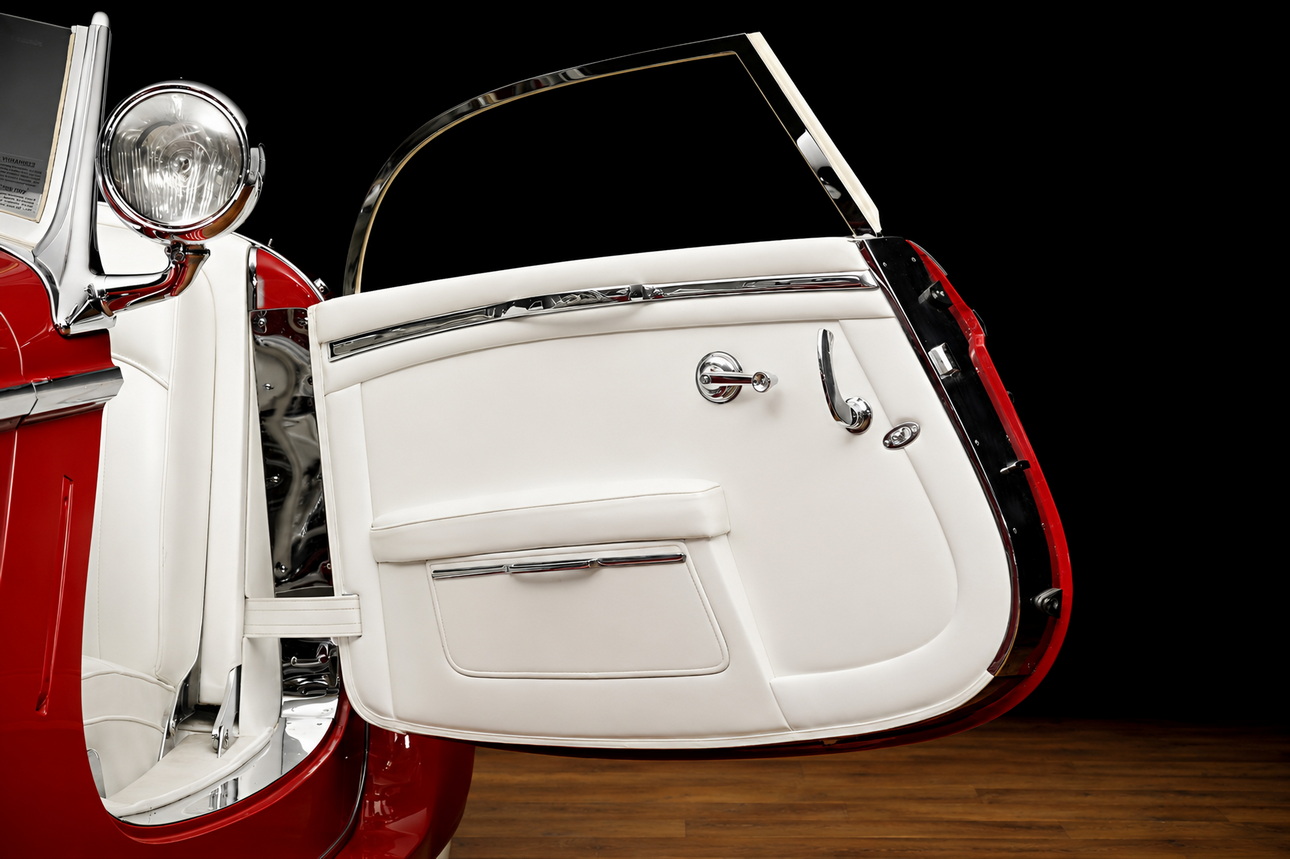
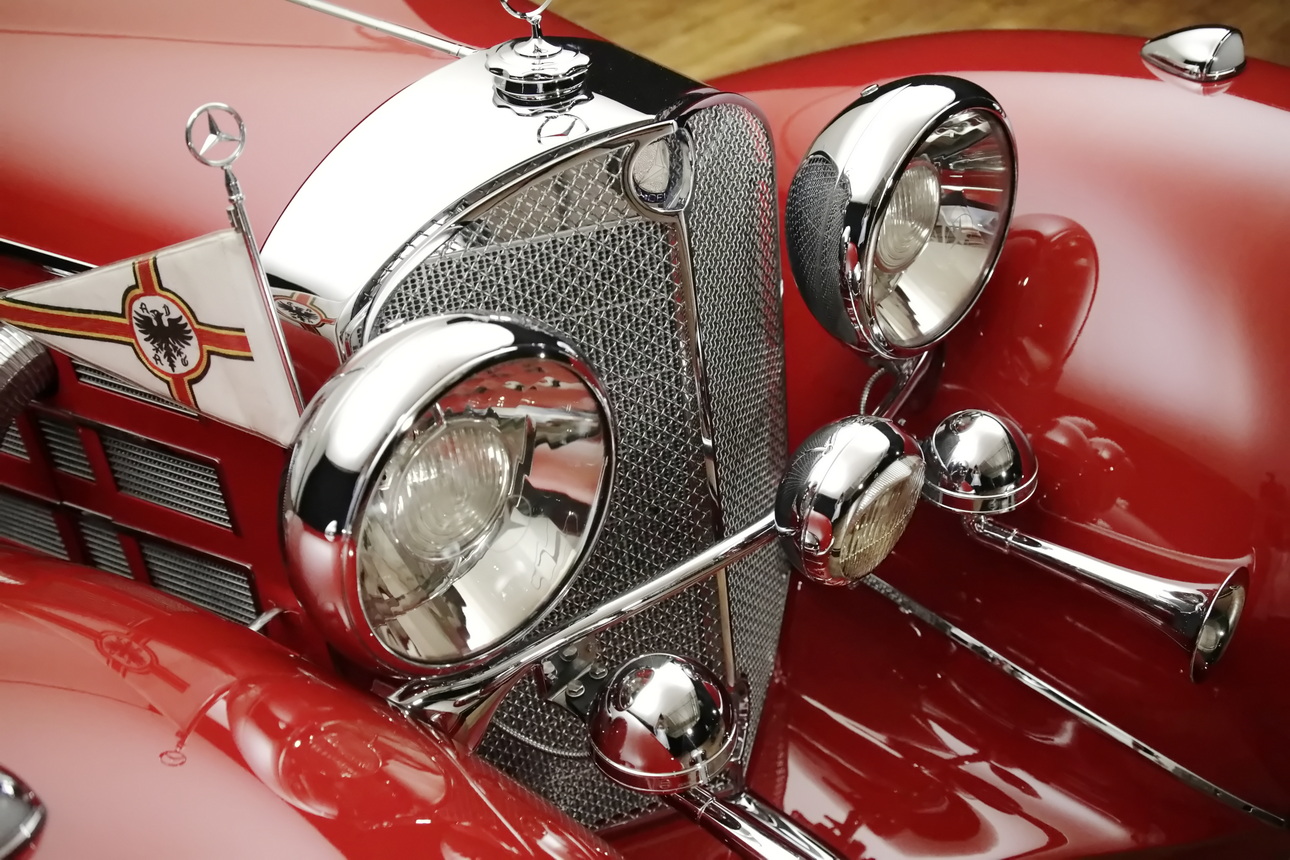
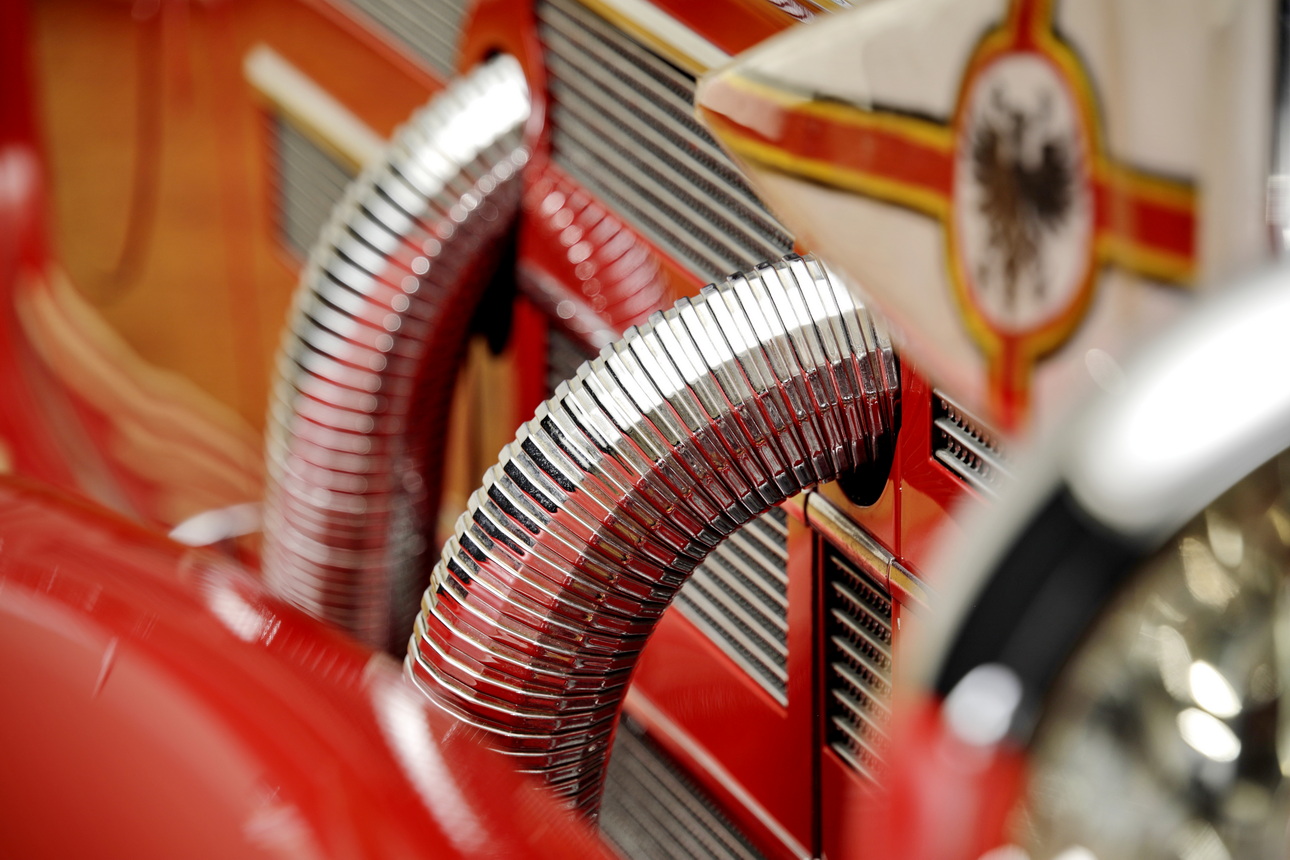
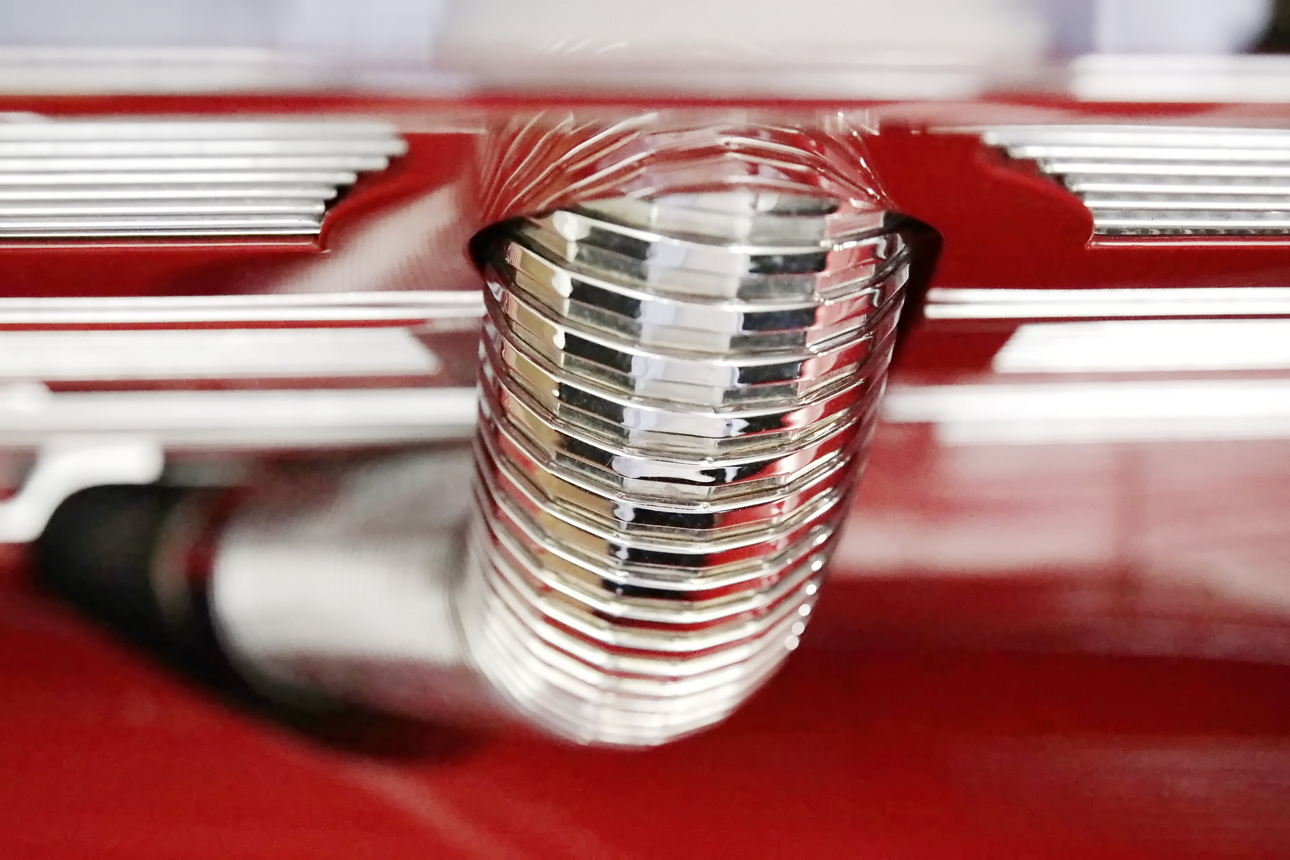
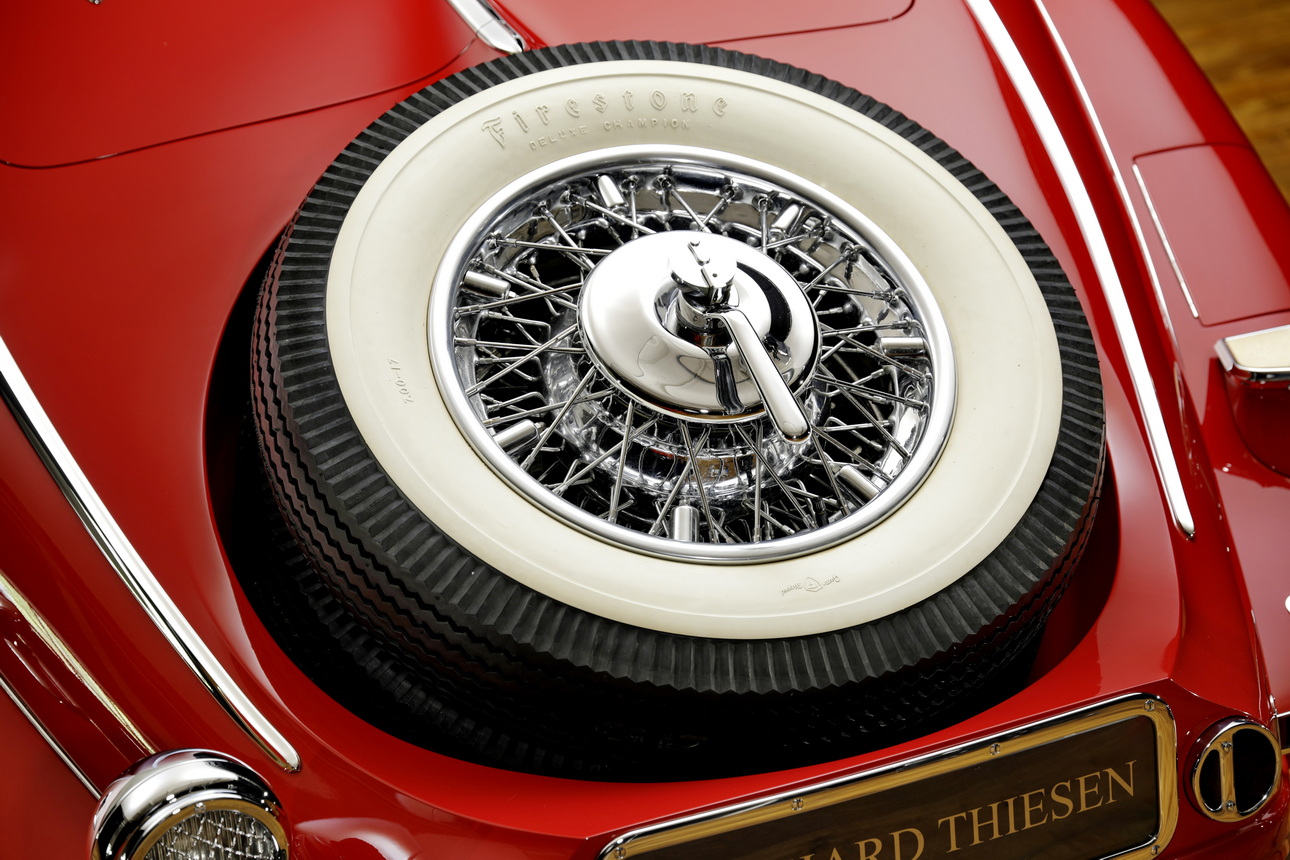
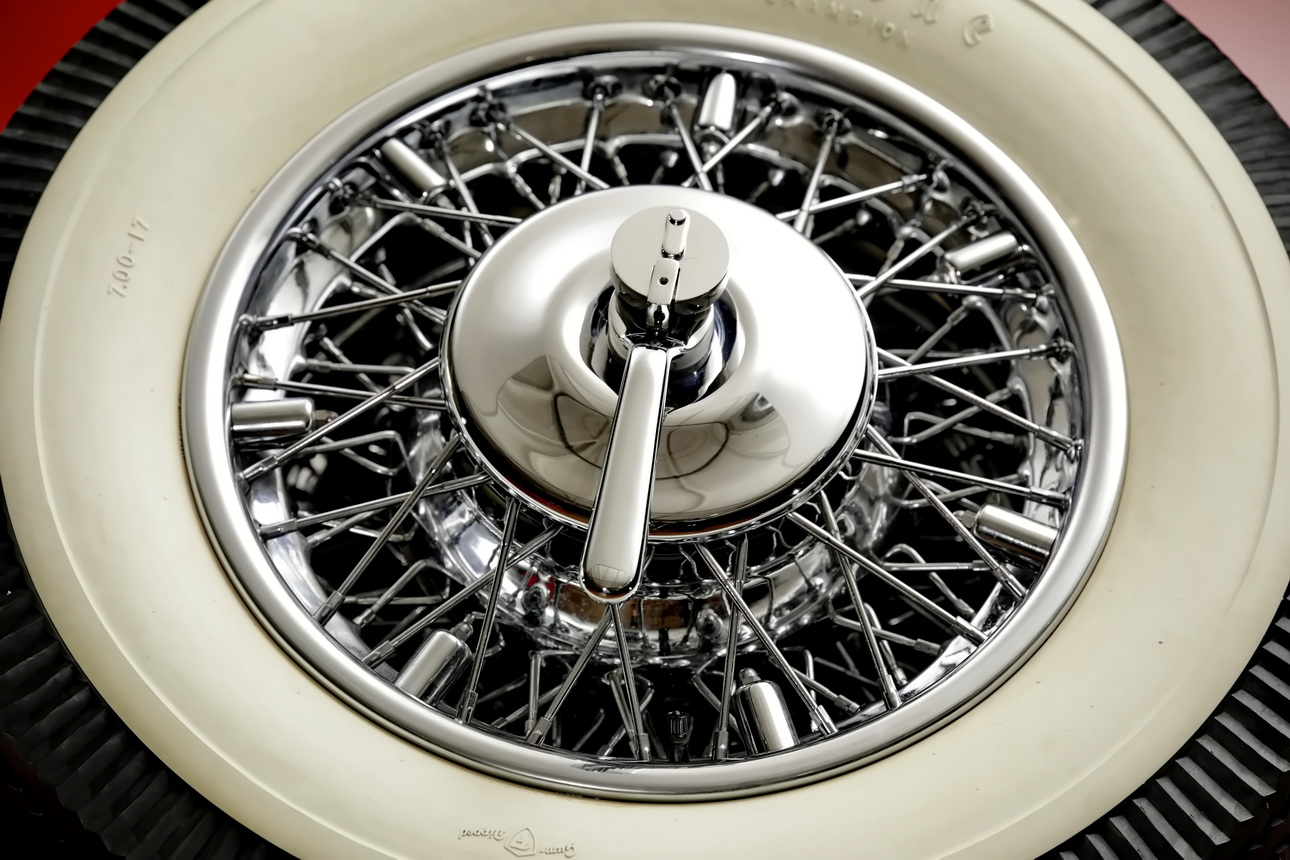
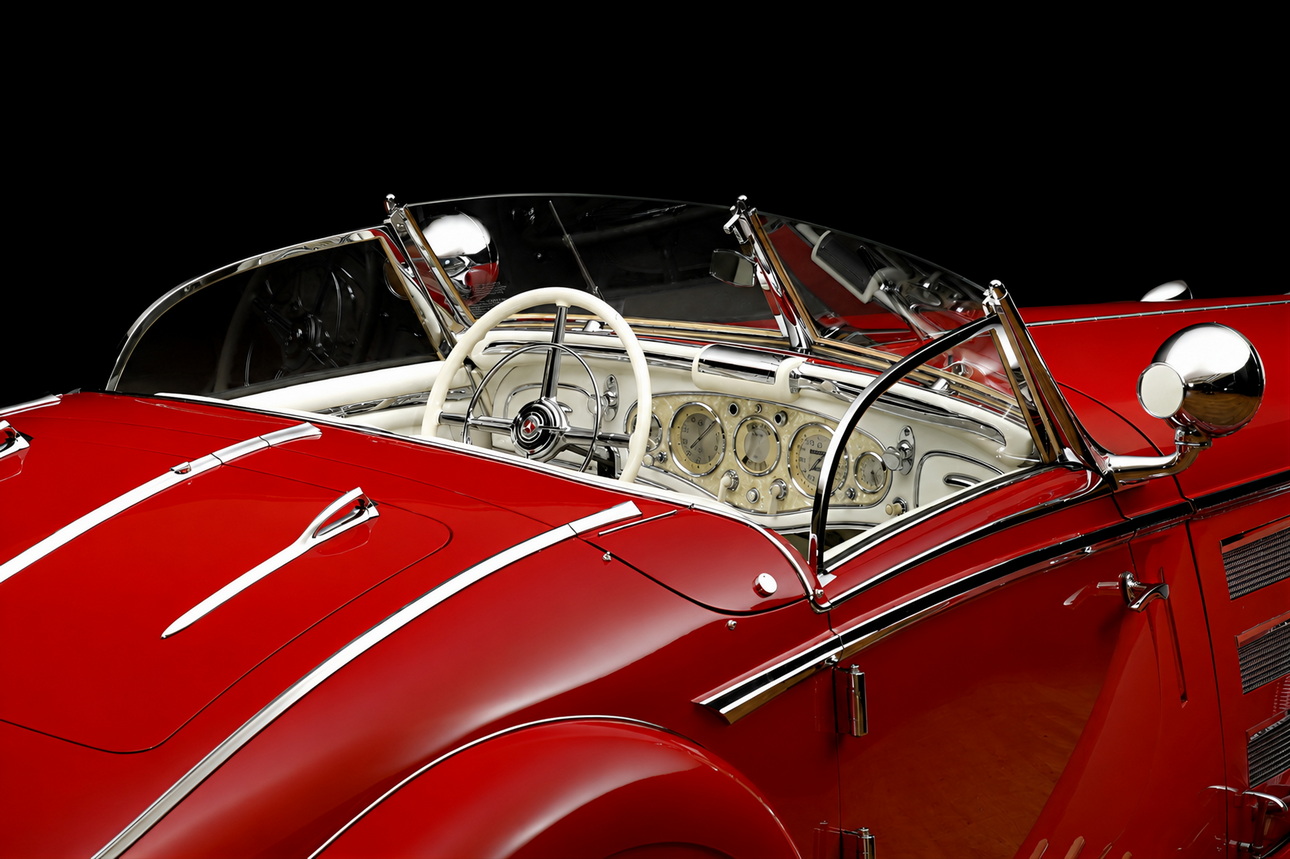
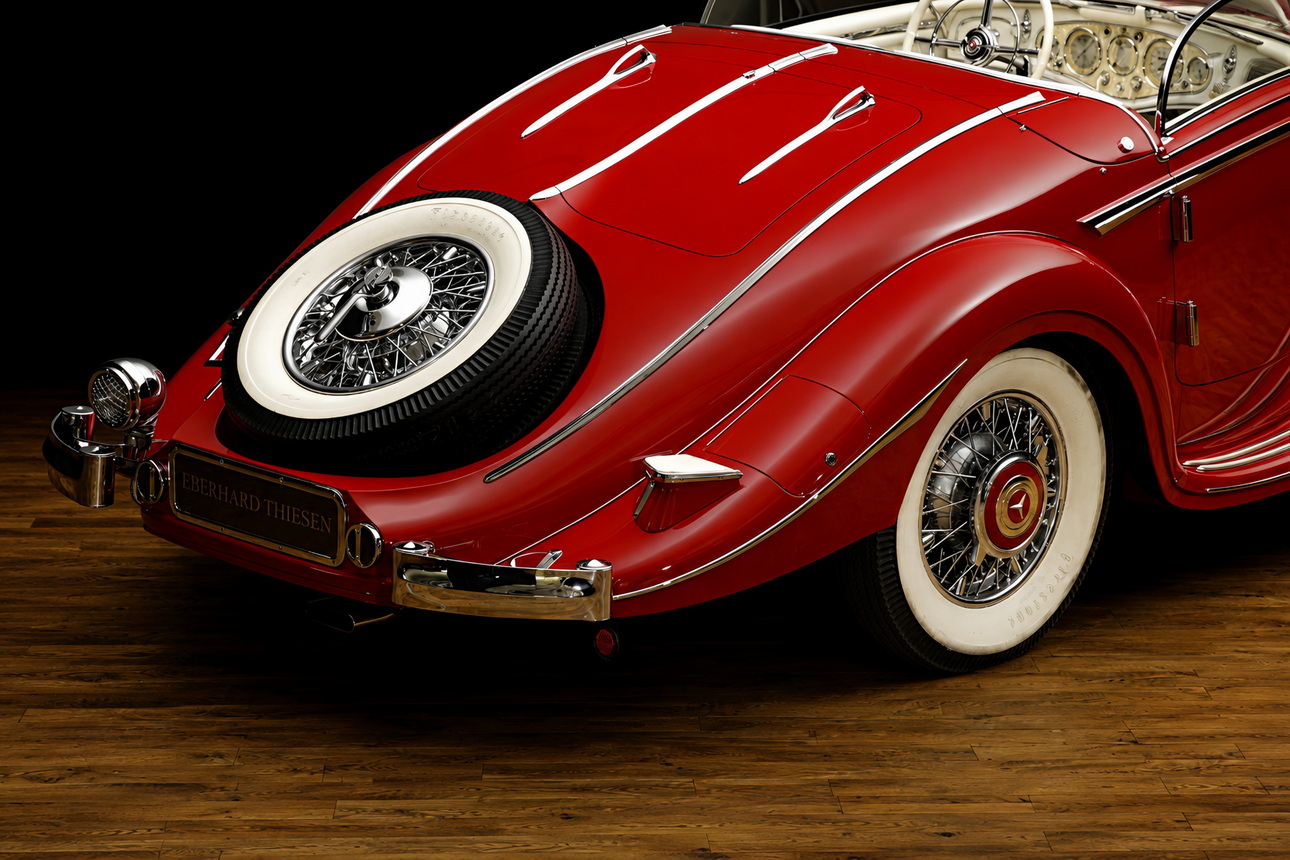
The bodywork and every detail have been rebuilt with the finest craftsmanship over several thousand working hours, resulting in a superbly executed finish with highest attention. The colour scheme – classic red with a white leather interior – provides the car a sophisticated, elegant appearance and a touch of Hollywood glamour. There are many subtle details to be rediscovered time and again. For example, the mother-of-pearl-trimmed instruments, the ashtray on the dashboard, or the chrome trim, which often serves a practical purpose in a playful way.
The ‘new’ bodywork was largely finished in 2001 to a very high level of perfection on the rolling chassis. The final assembly of the complete vehicle was carried out by a renowned specialist for supercharged Mercedes in Germany, who also overhauled the mechanical components (gearbox, steering, axles) as part of the process. The creation of the bodywork is documented with numerous photos, and a list of the work carried out for the car’s final completion is available.
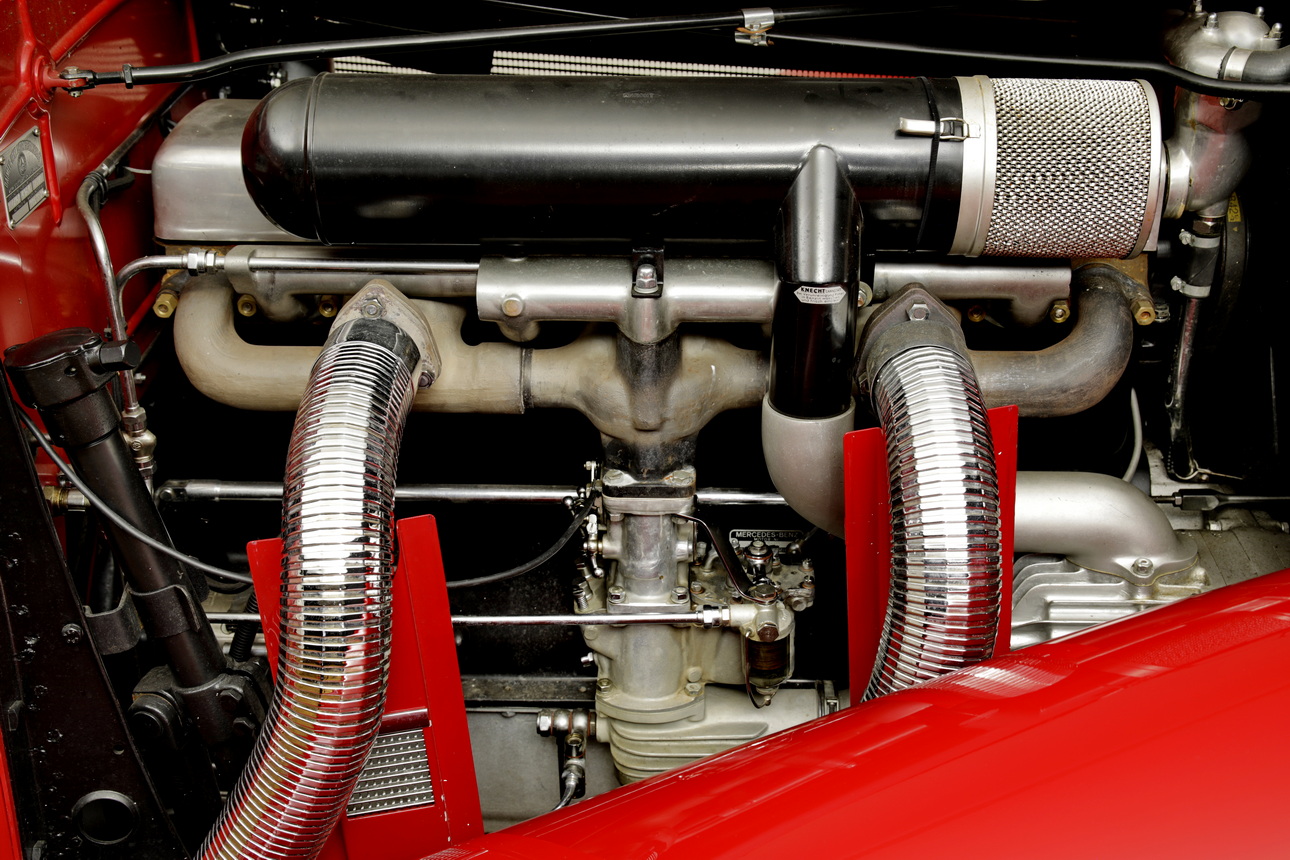
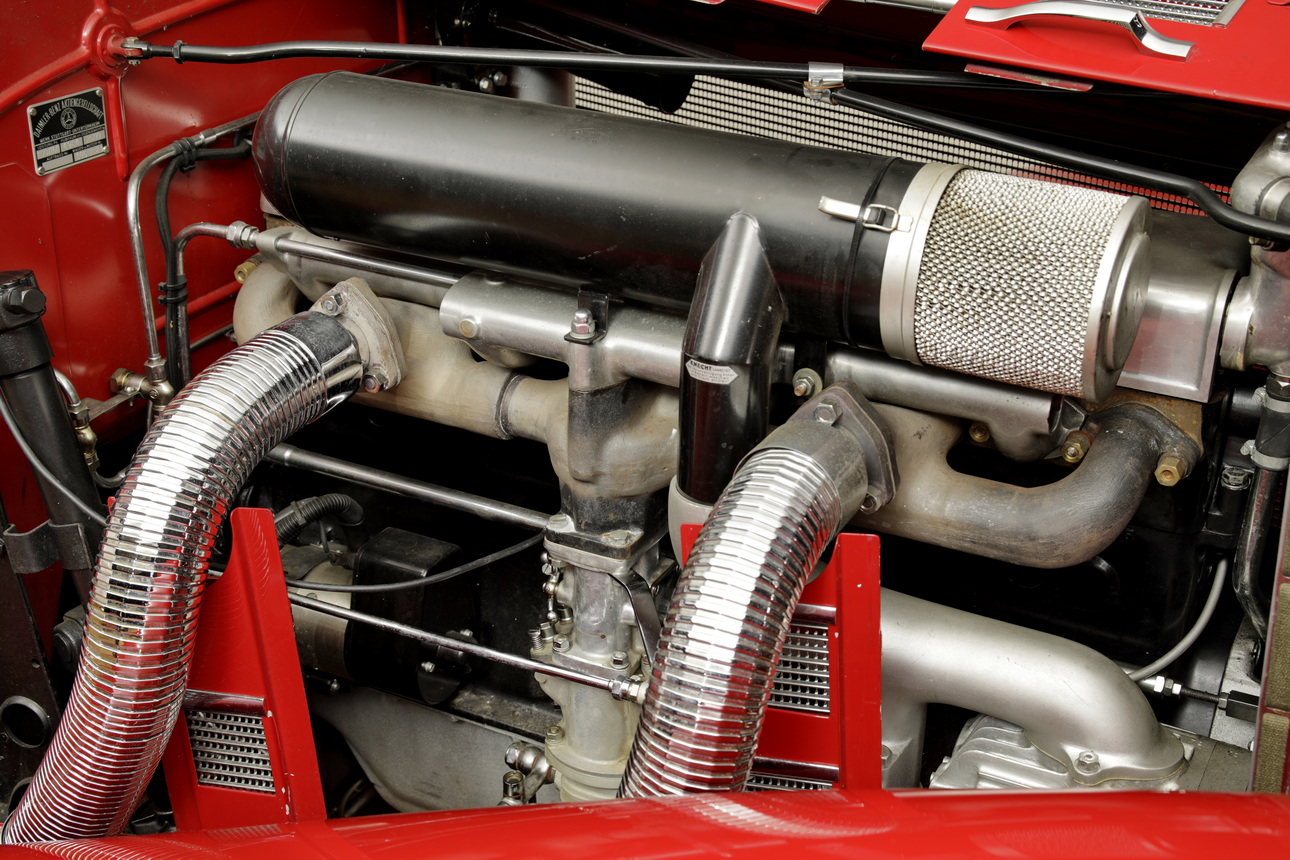
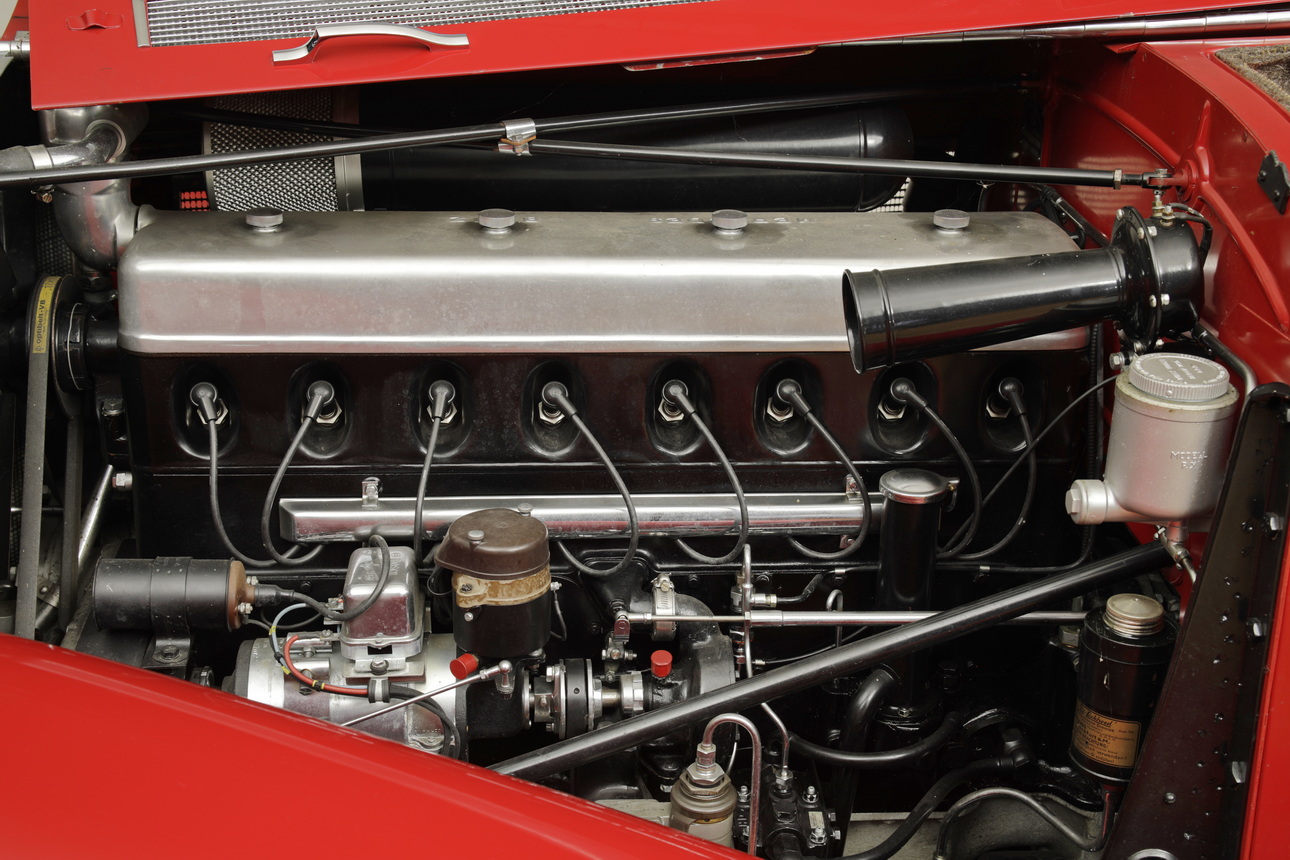
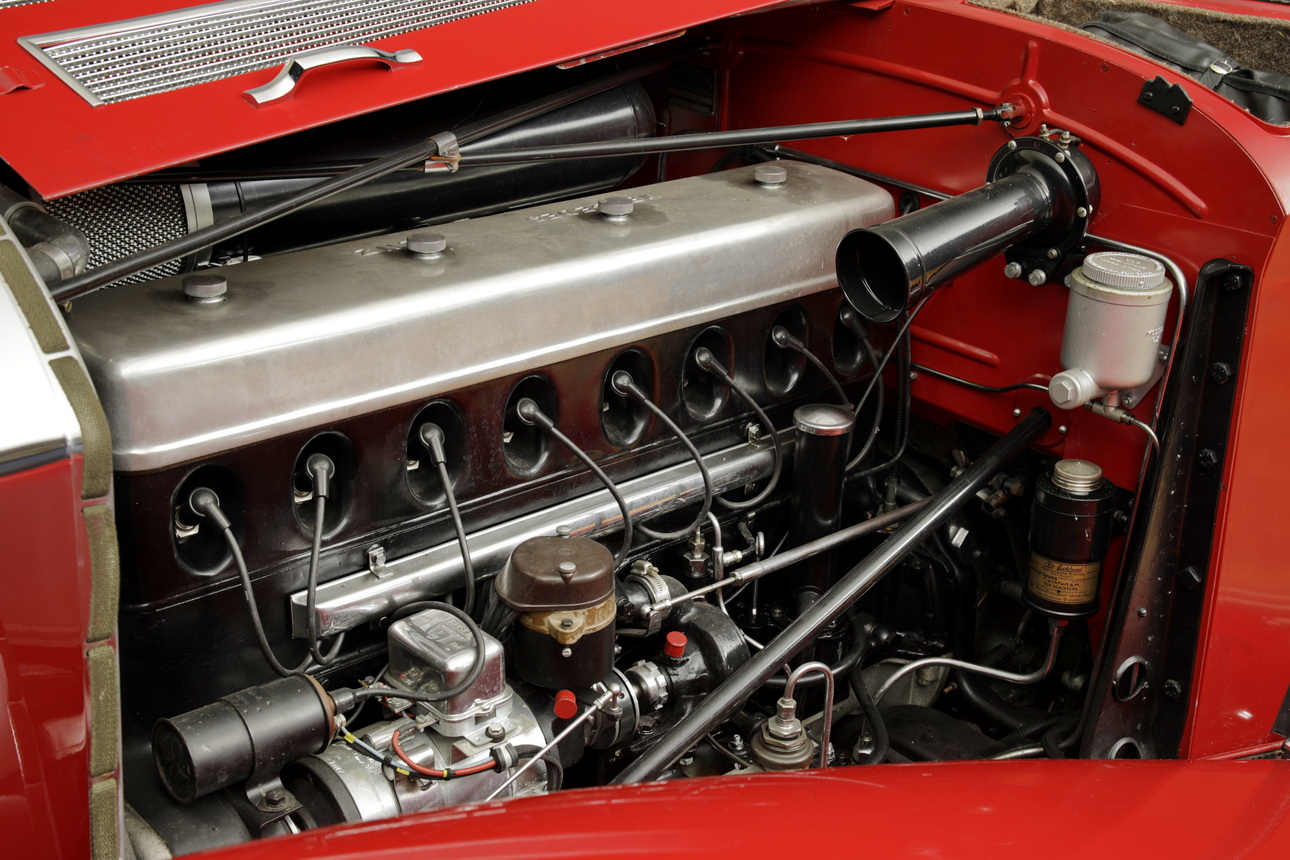
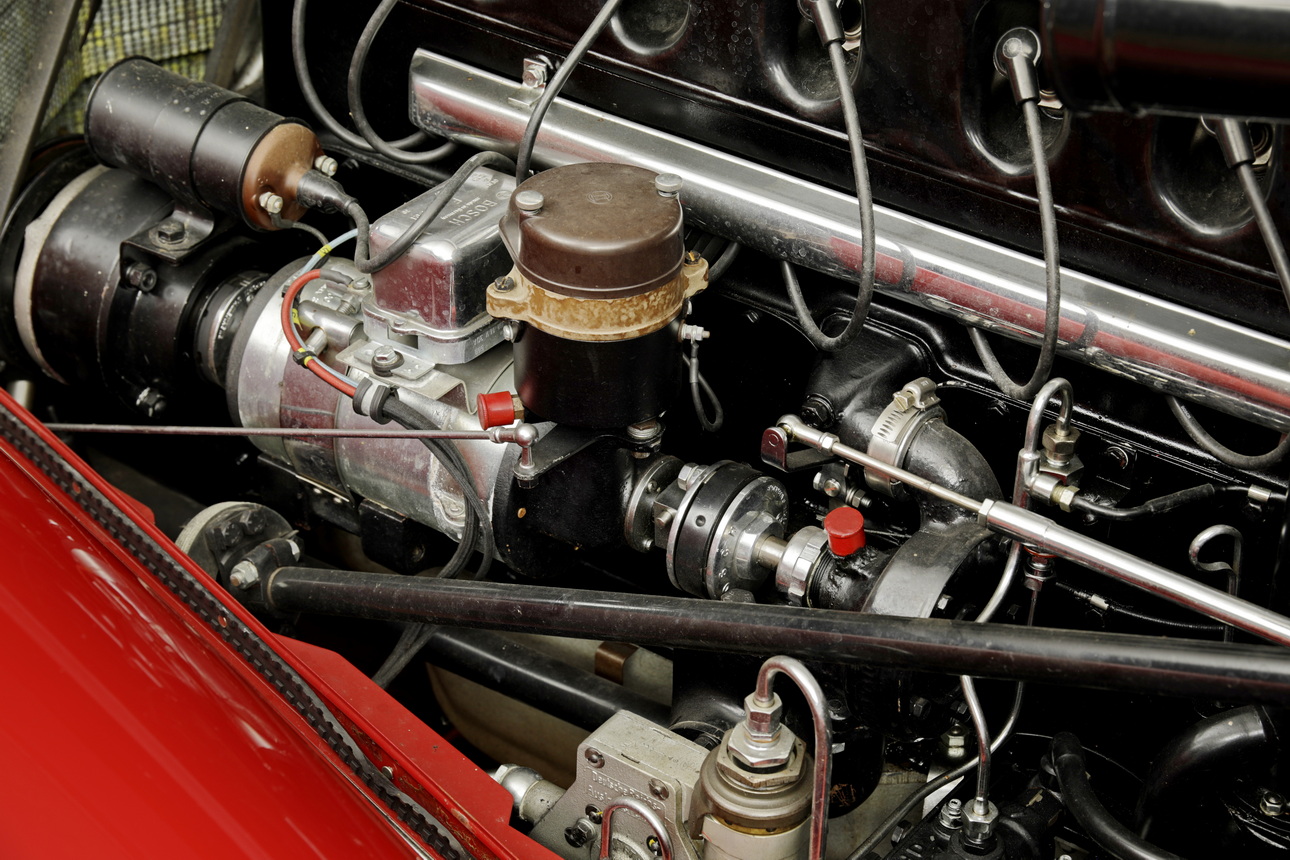
The engine is an original unit from the 500 K series, although it cannot be definitively matched to the original chassis. The chemical composition of the frame steel also corresponds, in terms of both quality and quantity, to the frame steels used by Daimler-Benz for supercharged vehicles of the 1930s. The geometric dimensions of the frame also comply with the original specification. Moreover, the front and rear axles are also original components from a Type 500 K (W29 series).
The person who originally commissioned the restoration owned the car until 2010. The Spezial Roadster was then sold to a Mercedes enthusiast in the Hamburg area, who has owned the car for the past 16 years alongside other top-class Mercedes classics. The vehicle is fully roadworthy and has been registered continuously since its completion in 2002 – with a registration for historic vehicles since 2010 – and has also passed its regular technical inspection every two years.
Here is a rare opportunity to acquire a very high-quality rebuild of a Spezial Roadster in excellent condition, complete with original technical components (rolling chassis). And all this at a comparatively attractive price – this first-class, road-ready car costs just a fraction of the price of an original Spezial Roadster. The admiration and recognition for such a unique design are priceless in any case !
Model History
Mercedes Benz's discerning clientele soon became dissatisfied with the performance of the 380 model (1933-1934), particularly because they had come to appreciate the large-volume and powerful models of the previous Mercedes "S" family (S, SS and SSK). In 1934, Mercedes quickly developed the subsequent 500 K (W29 series) from the 380, the official designation of which was initially "Type 500 with supercharger".
Its new engine with switchable Roots supercharger now had a displacement of 5 litres and the engine output was then 100 hp without and 160 hp with the supercharger. The achievable top speed was 160 kph. The modification of the engine was extensive and also required a new crankshaft. A high-speed gearbox with semi-automatic shifting was used for the 500 K transmission. The clutch did not need to be operated when shifting from third (direct) gear to high gear.
The 500 K made its debut at the International Automobile and Motorcycle Exhibition (IAMA) in Berlin in a spectacular version as a so-called "Autobahnkurier", which was designed in a "single special version" for high-speed distances.
The 500 K was available in seven body variants: in addition to the chassis, a 4-door saloon, still called the "Innenlenker" at the time, a 2-seater roadster with two emergency seats, the convertibles A, B and C and a 2-door open touring car. In autumn 1934, a very elegant “Special Roadster” was added to the 500 K range at the Paris Motor Show. Its price was 4,000 Reichsmarks more than the other variants. Moreover, it was also possible to order tailor-made one-off bodies based on a "rolling chassis"
Even if the quantities seem like series production, these vehicles were largely customised and handcrafted in a manufactory-like production process. With the bodies for the eight-cylinder cars, the Sindelfingen special coachbuilders achieved a generally well recognised level of beauty and quality of workmanship that could hardly be surpassed. In total, only 342 examples of the 500 K were manufactured from 1934 to 1936, thereof just 29 cars had a bodywork as Roadster and Special Roadster respectively.
This Automobile
The Mercedes Benz Special Roadster Type 500/540K was the ultimate in German motor cars of the 1930s and represented German coachbuilding at its finest. It is probably the most attractive and valuable car design created in the pre-war era and is still considered unrivalled by connoisseurs and experts today.
According to the commission record, the chassis of this Mercedes-Benz 500 K was manufactured in late 1934 and fitted with a special roadster body the following year. It was then made available as a ‘works car’ to the well-known Mercedes works racing driver Manfred von Brauchitsch. Whether the chassis is in fact that of a Spezial Roadster attributed to the racing driver von Brauchitsch, we cannot confirm with certainty. According to the statement by the restorer, this is said to be the original chassis with the identity of the ‘von Brauchitsch’ example as described previously. We have received a written statement from him to that effect.
In the 1990s, the car – with its bodywork, which was no longer original but had been modified – was acquired by a German restoration expert in the USA. The car was then rebuilt to original specifications as a ‘typical’ Spezial Roadster for a German client.
The bodywork and every detail have been rebuilt with the finest craftsmanship over several thousand working hours, resulting in a superbly executed finish with highest attention. The colour scheme – classic red with a white leather interior – provides the car a sophisticated, elegant appearance and a touch of Hollywood glamour. There are many subtle details to be rediscovered time and again. For example, the mother-of-pearl-trimmed instruments, the ashtray on the dashboard, or the chrome trim, which often serves a practical purpose in a playful way.
The ‘new’ bodywork was largely finished in 2001 to a very high level of perfection on the rolling chassis. The final assembly of the complete vehicle was carried out by a renowned specialist for supercharged Mercedes in Germany, who also overhauled the mechanical components (gearbox, steering, axles) as part of the process. The creation of the bodywork is documented with numerous photos, and a list of the work carried out for the car’s final completion is available.
The engine is an original unit from the 500 K series, although it cannot be definitively matched to the original chassis. The chemical composition of the frame steel also corresponds, in terms of both quality and quantity, to the frame steels used by Daimler-Benz for supercharged vehicles of the 1930s. The geometric dimensions of the frame also comply with the original specification. Moreover, the front and rear axles are also original components from a Type 500 K (W29 series).
The person who originally commissioned the restoration owned the car until 2010. The Spezial Roadster was then sold to a Mercedes enthusiast in the Hamburg area, who has owned the car for the past 16 years alongside other top-class Mercedes classics. The vehicle is fully roadworthy and has been registered continuously since its completion in 2002 – with a registration for historic vehicles since 2010 – and has also passed its regular technical inspection every two years.
Here is a rare opportunity to acquire a very high-quality rebuild of a Spezial Roadster in excellent condition, complete with original technical components (rolling chassis). And all this at a comparatively attractive price – this first-class, road-ready car costs just a fraction of the price of an original Spezial Roadster. The admiration and recognition for such a unique design are priceless in any case !
Model History
Mercedes Benz's discerning clientele soon became dissatisfied with the performance of the 380 model (1933-1934), particularly because they had come to appreciate the large-volume and powerful models of the previous Mercedes "S" family (S, SS and SSK). In 1934, Mercedes quickly developed the subsequent 500 K (W29 series) from the 380, the official designation of which was initially "Type 500 with supercharger".
Its new engine with switchable Roots supercharger now had a displacement of 5 litres and the engine output was then 100 hp without and 160 hp with the supercharger. The achievable top speed was 160 kph. The modification of the engine was extensive and also required a new crankshaft. A high-speed gearbox with semi-automatic shifting was used for the 500 K transmission. The clutch did not need to be operated when shifting from third (direct) gear to high gear.
The 500 K made its debut at the International Automobile and Motorcycle Exhibition (IAMA) in Berlin in a spectacular version as a so-called "Autobahnkurier", which was designed in a "single special version" for high-speed distances. The 500 K was available in seven body variants: in addition to the chassis, a 4-door saloon, still called the "Innenlenker" at the time, a 2-seater roadster with two emergency seats, the convertibles A, B and C and a 2-door open touring car. In autumn 1934, a very elegant “Special Roadster” was added to the 500 K range at the Paris Motor Show. Its price was 4,000 Reichsmarks more than the other variants. Moreover, it was also possible to order tailor-made one-off bodies based on a "rolling chassis".
Even if the quantities seem like series production, these vehicles were largely customised and handcrafted in a manufactory-like production process. With the bodies for the eight-cylinder cars, the Sindelfingen special coachbuilders achieved a generally well recognised level of beauty and quality of workmanship that could hardly be surpassed. In total, only 342 examples of the 500 K were manufactured from 1934 to 1936, thereof just 29 cars had a bodywork as Roadster and Special Roadster respectively.