Mercedes Benz 500 K Cabriolet A One-Off Coachwork

Highlights
Data & Facts
This Automobile
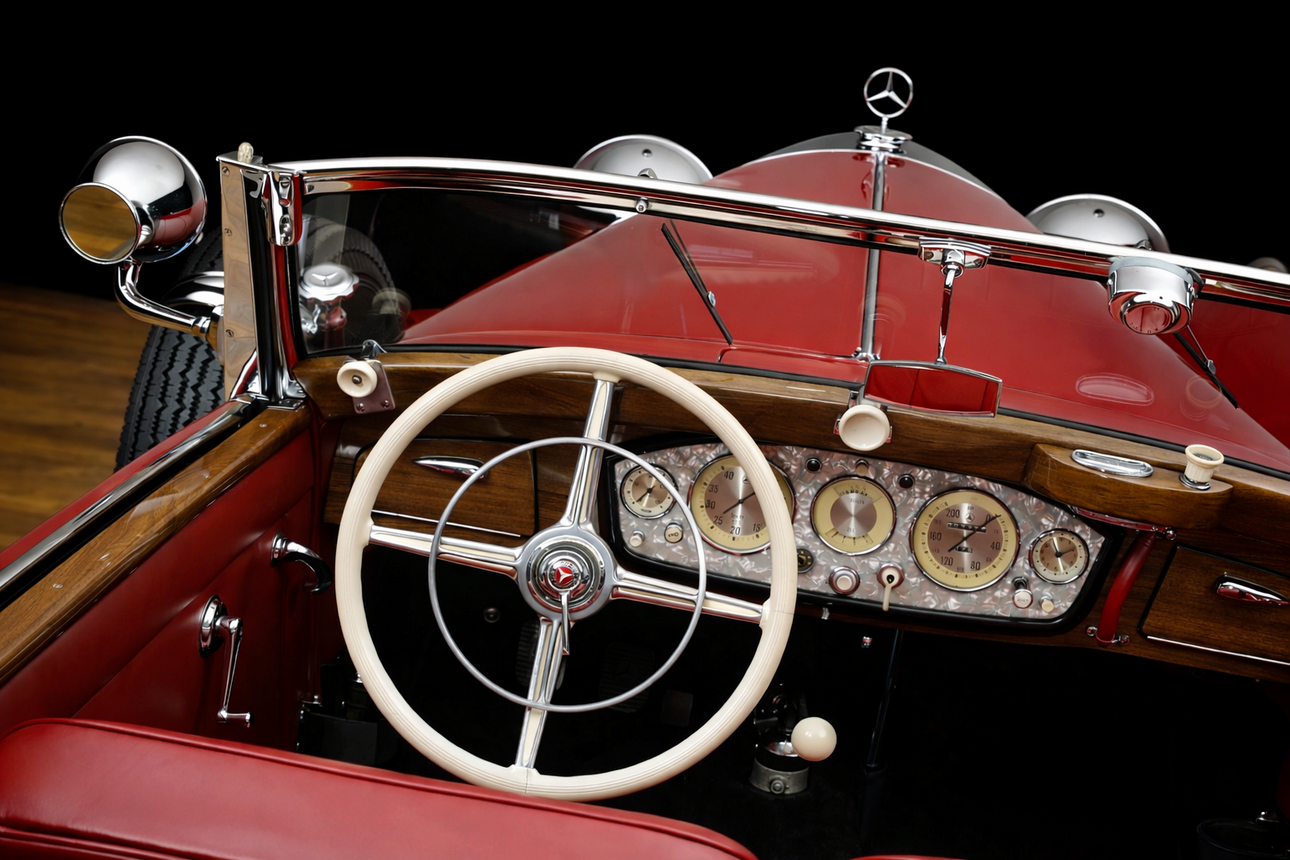
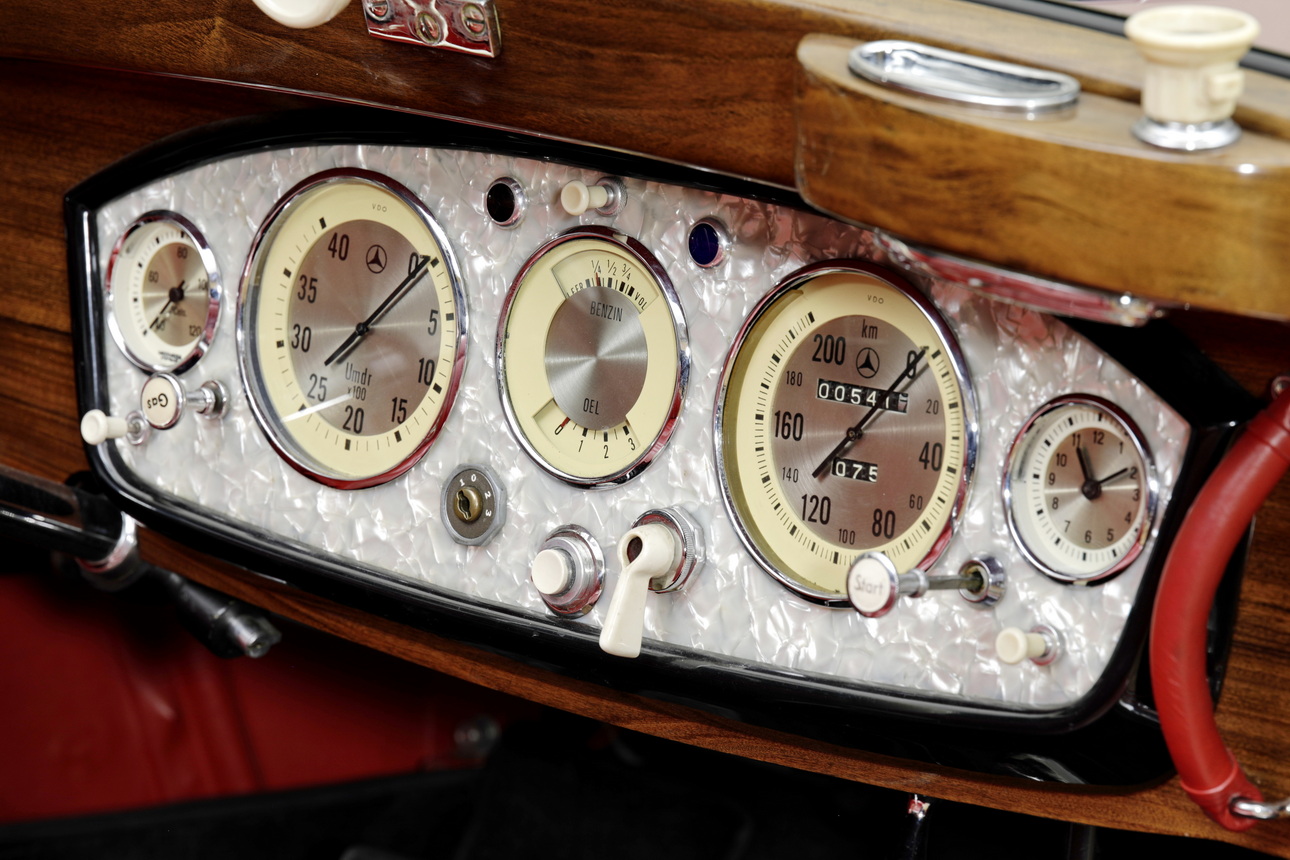
According to this extract from the commission book, this Mercedes Benz 500 K Cabriolet A was ordered on 10 September 1934 via the Mercedes Benz representative Carlo Saporiti in Milan, Italy. It was then completed and delivered in December 1934. It was a special ‘one-off’ version of the 500 K Cabriolet A with a beautiful design of the rear end, which is significantly more attractive and elegant than the standard design of the Cabriolet A model.
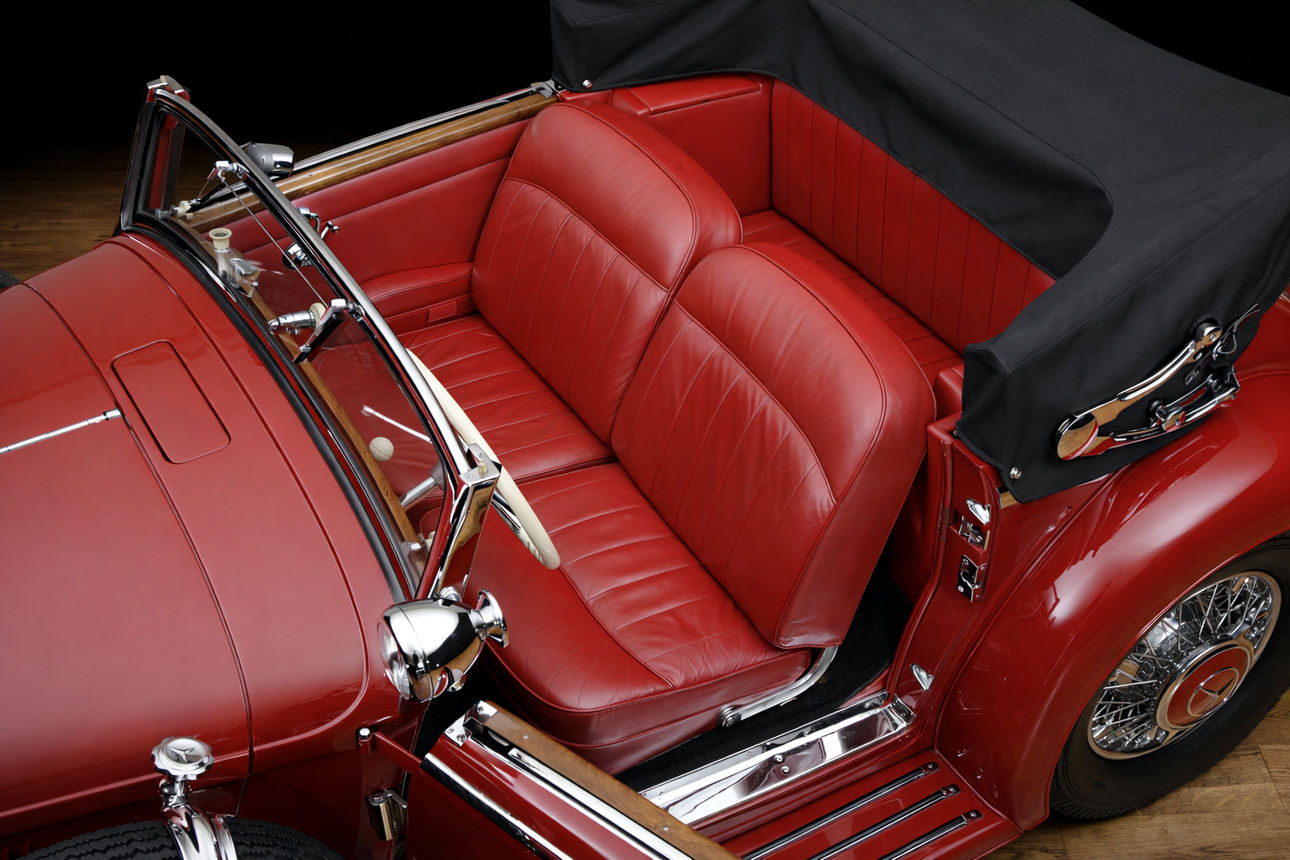
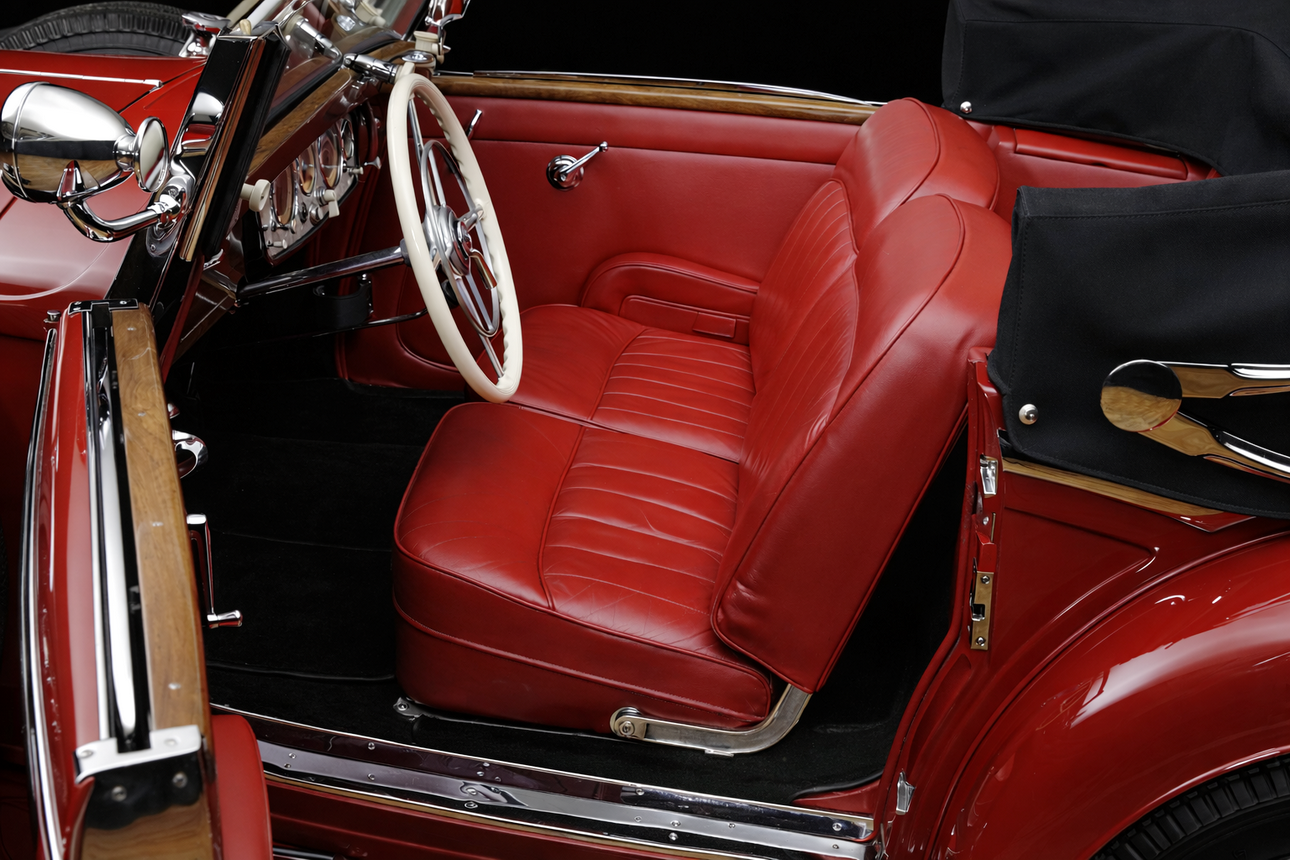
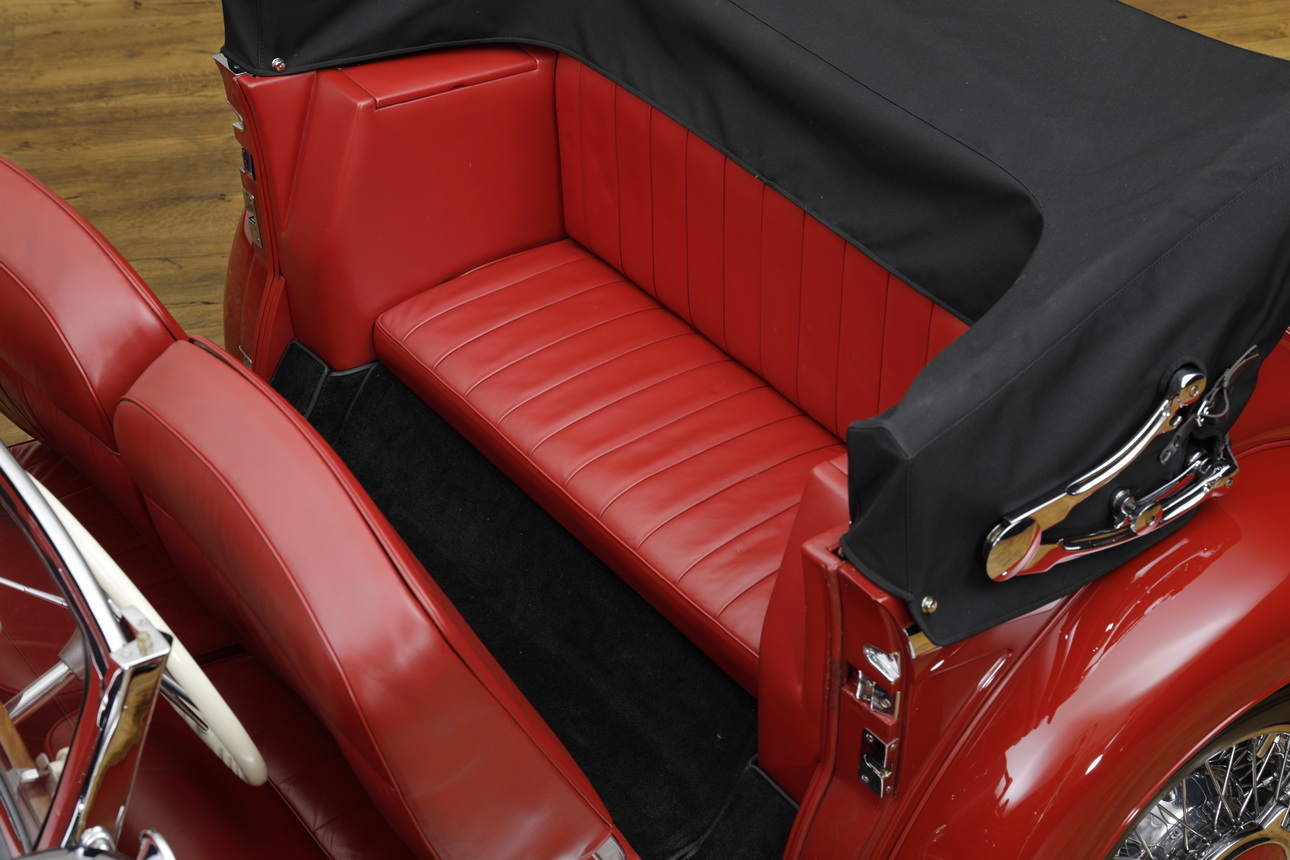
The initial delivery was made via Saporiti to a gentleman in Palermo (name known), where the car survived the Second World War and remained in his possession until around the end of the 1960s. The Cabriolet A then found its way to the USA, to a collector of supercharged Mercedes cars. He had the paintwork, leather interior and soft top renewed, but the technology remained largely untouched. In the 1980s, the car returned to Europe, to Austria, where it joined the automobile collection at Kremsegg Castle. In the course of this, various restoration work was also carried out. At the turn of the millennium, this special Cabriolet A moved to its penultimate owner (name known) in northern Italy, where it remained for another 20 years. In 2021, it was sold via EBERHARD THIESEN to its current owner in Germany.
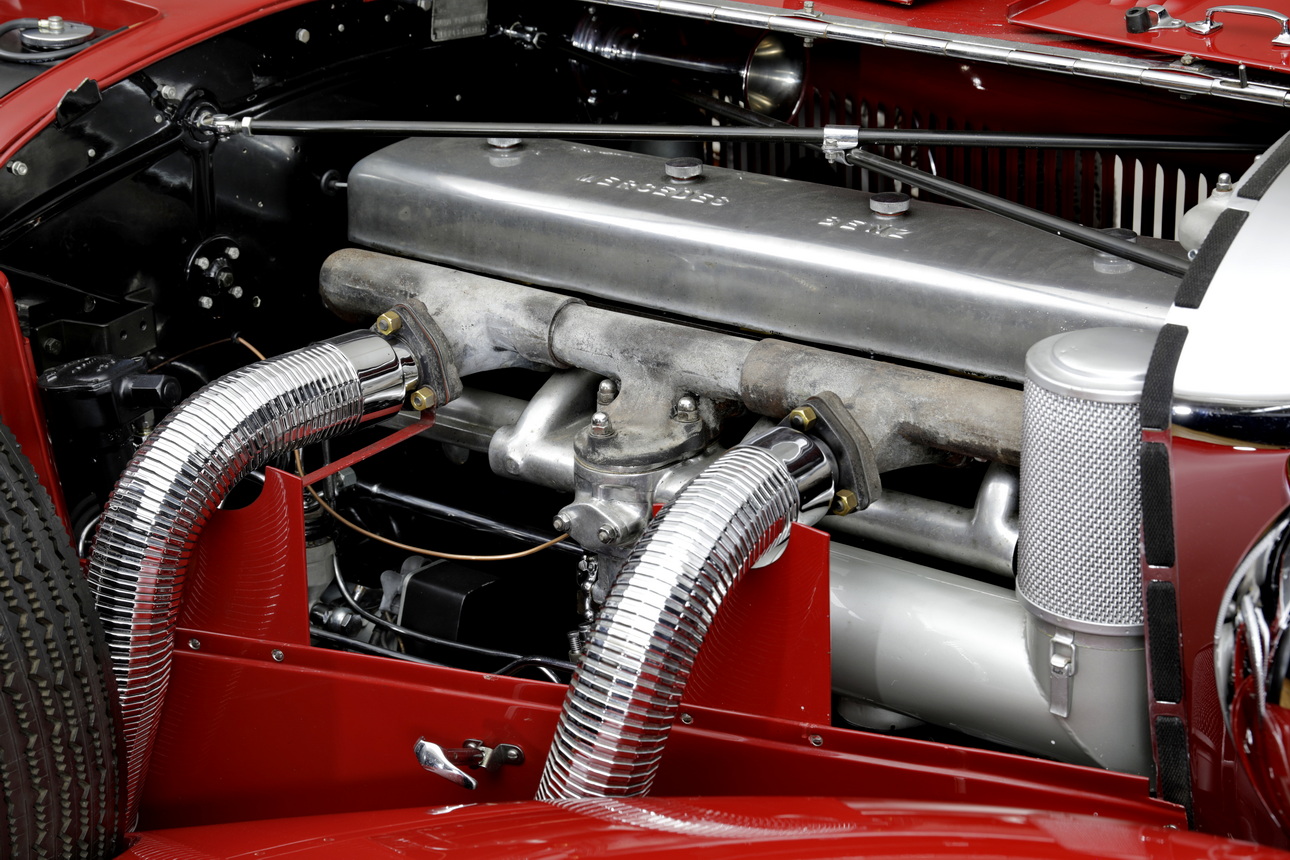
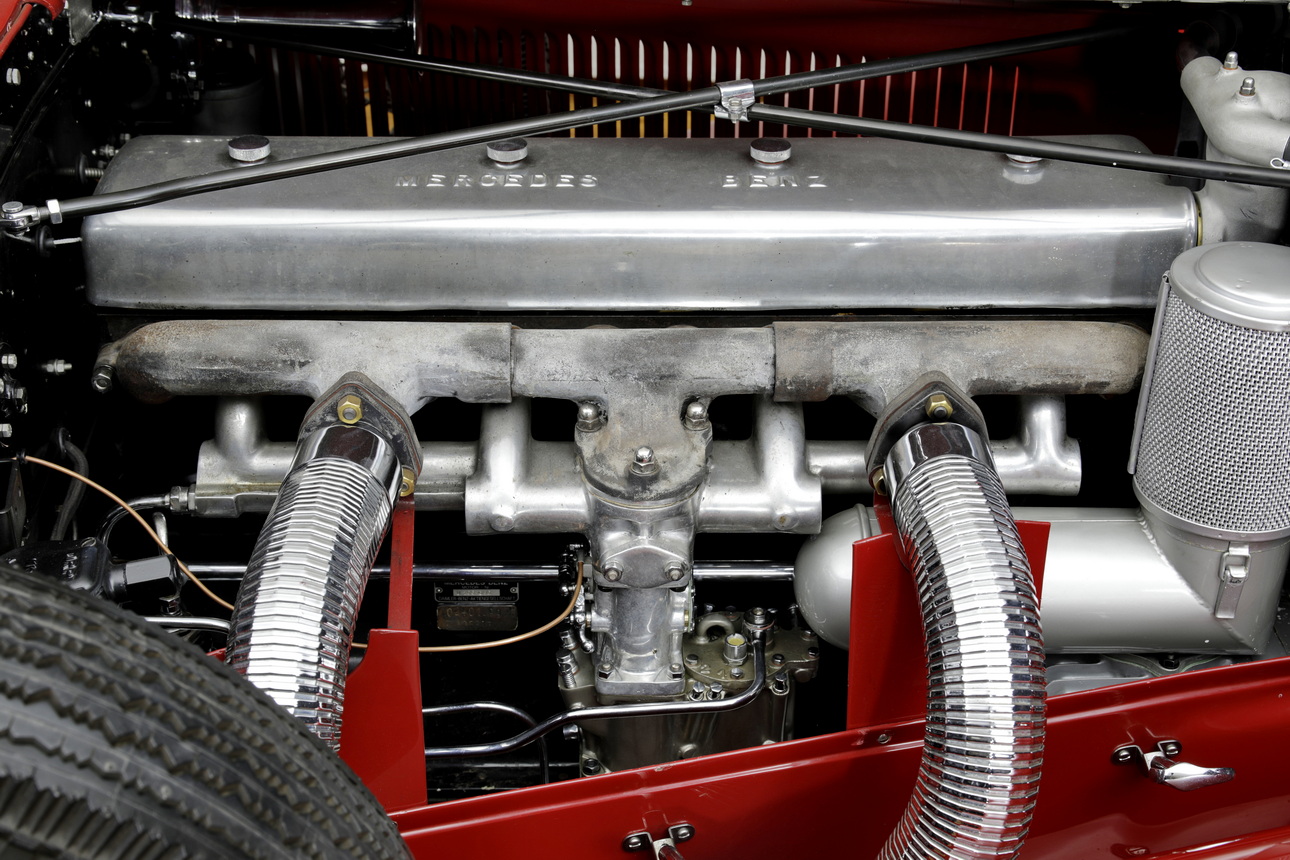
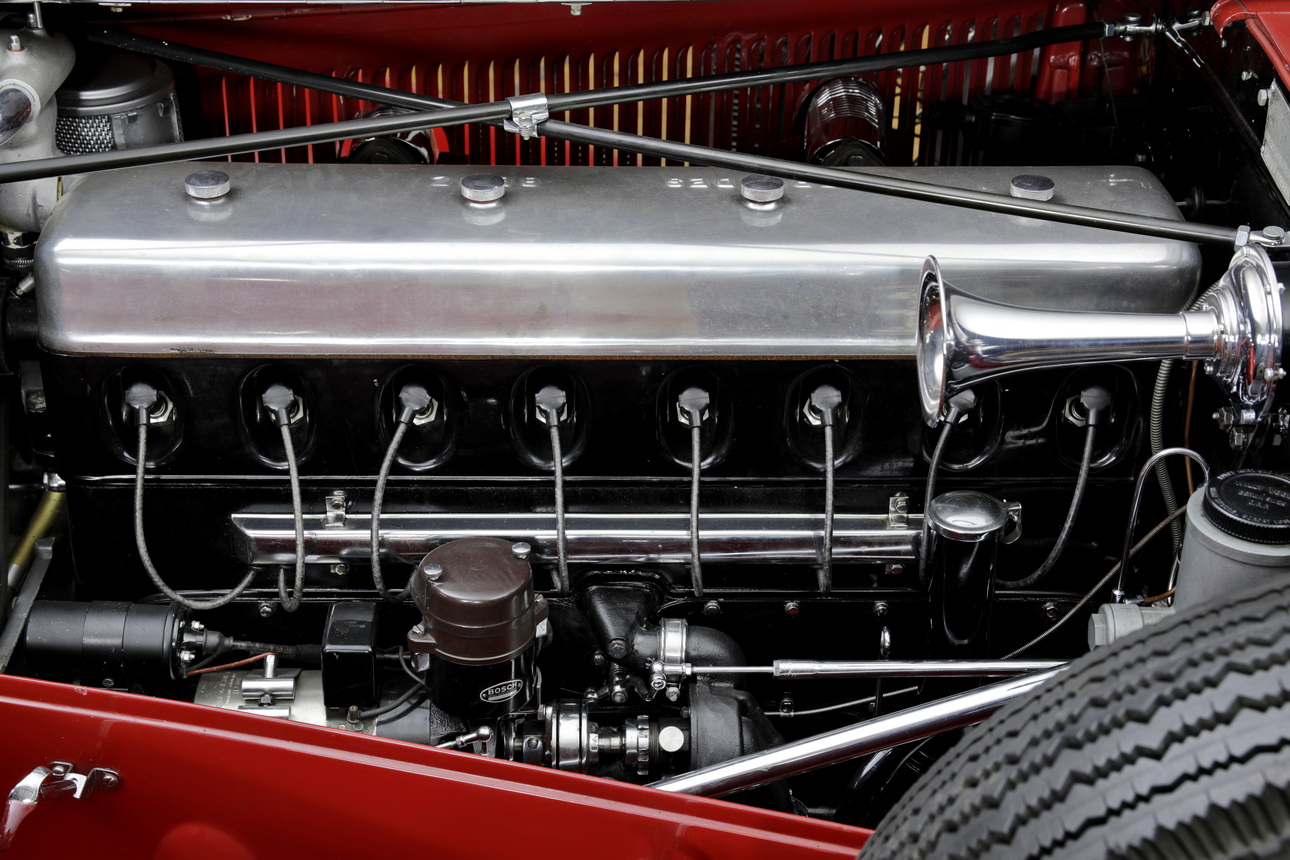
Over the past four years, this owner has had the technique of the Cabriolet A extensively overhauled, regardless of the cost. In the course of this, the engine was dismantled, the components checked and, where necessary, overhauled accordingly. The same applies to the supercharger and the engine attachments, including the radiator top.
In addition, the steering and brakes, including the brake pipes, were checked and professionally overhauled, and a new fuel tank was manufactured. In order to preserve the originality of the vehicle, the existing dual-flow exhaust system was converted back to the original single-flow system. This work was carried out by a well-known specialist for supercharged Mercedes cars. The total cost amounted to approximately EUR 180,000.
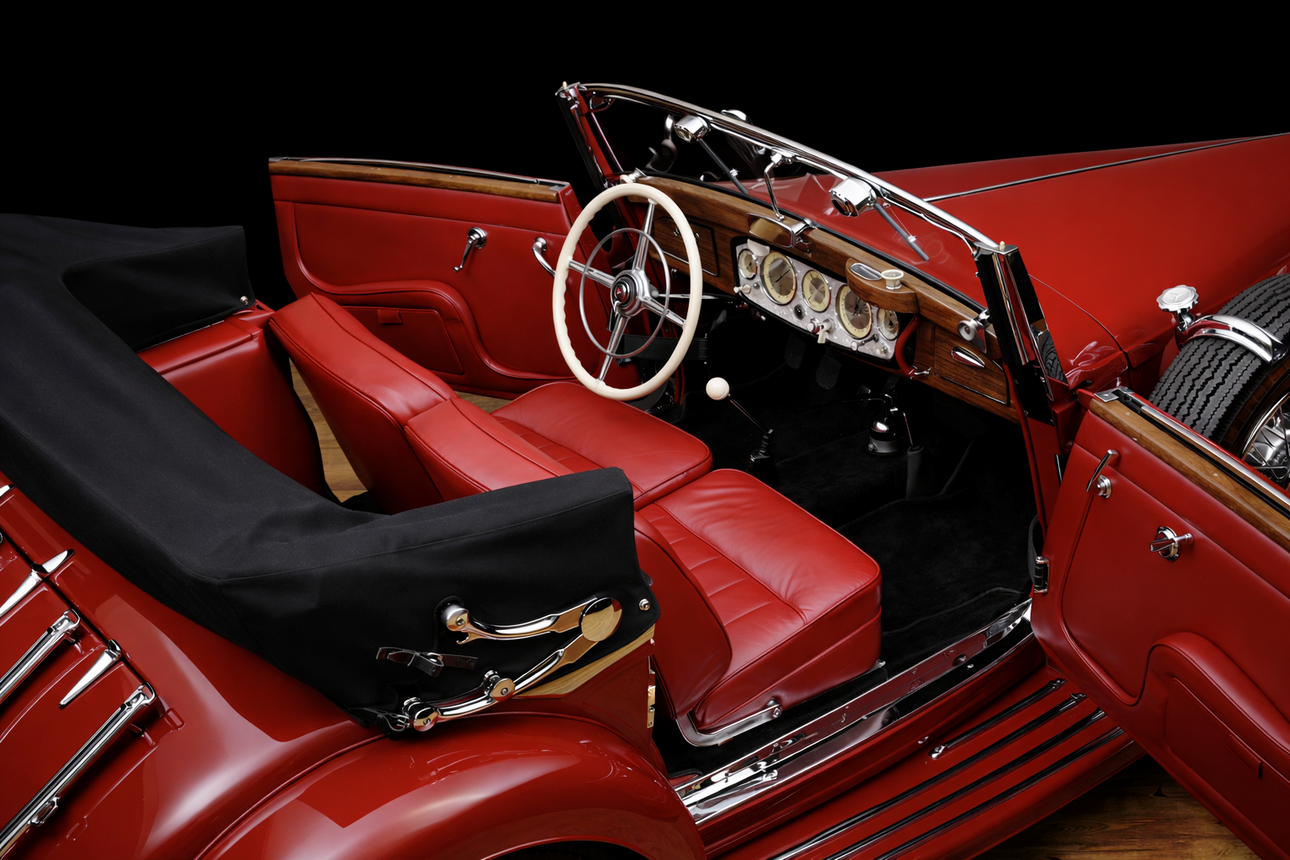
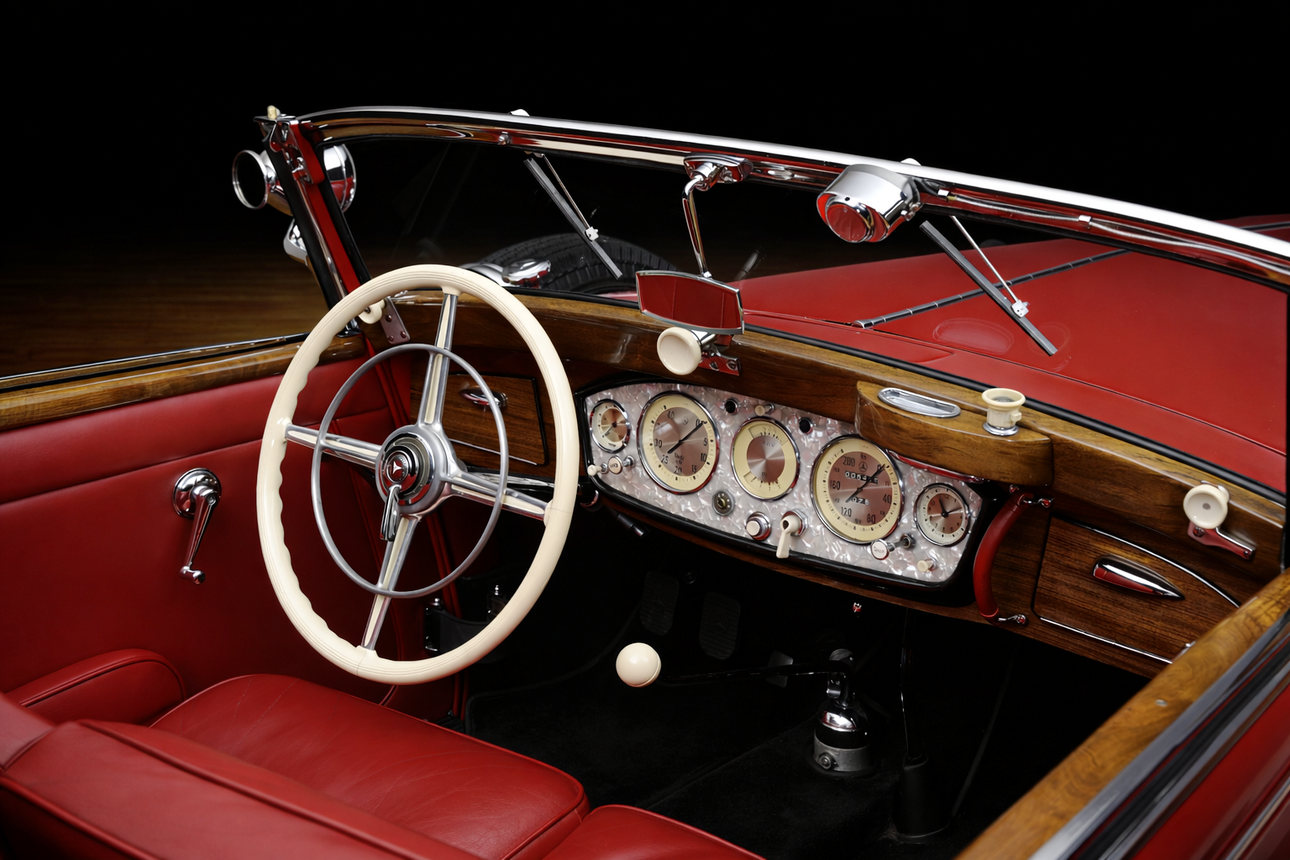
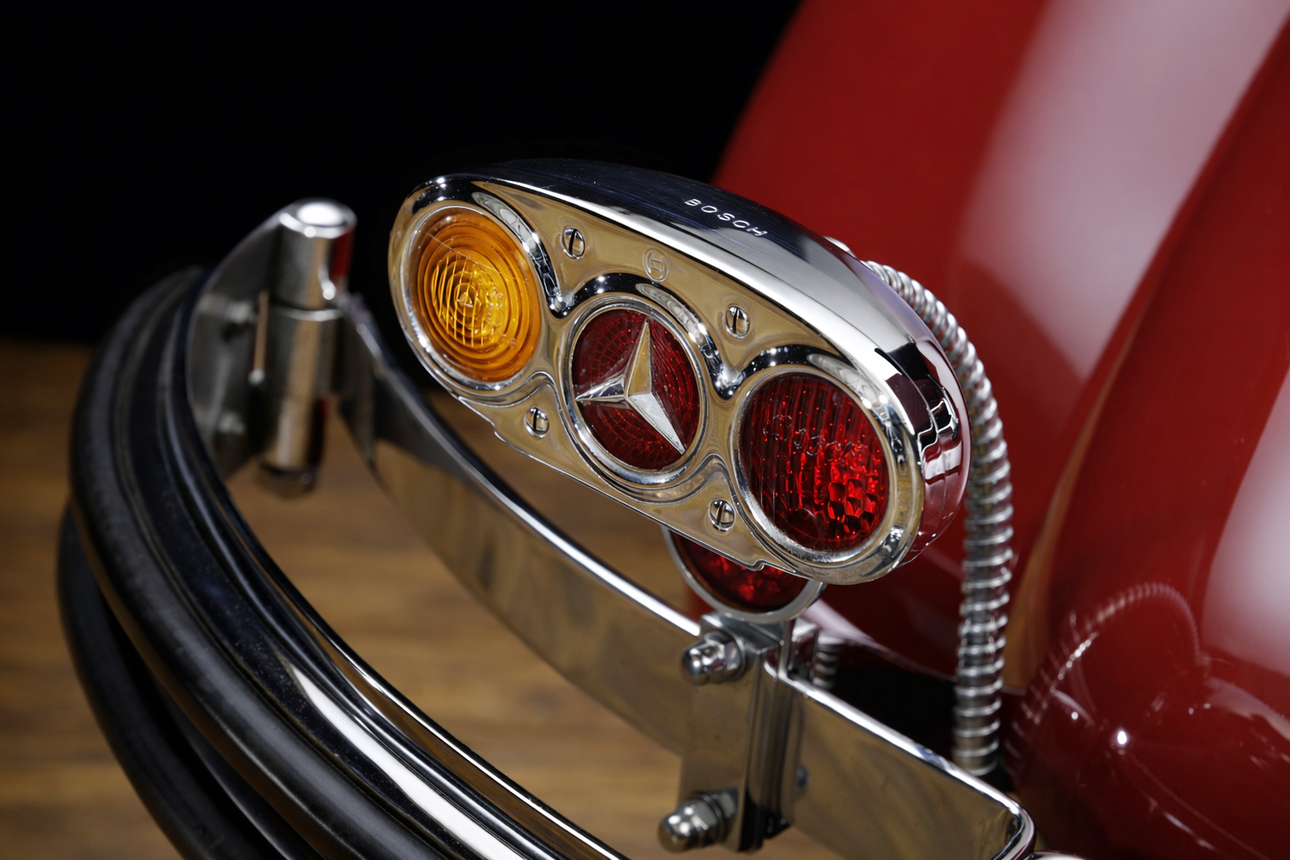
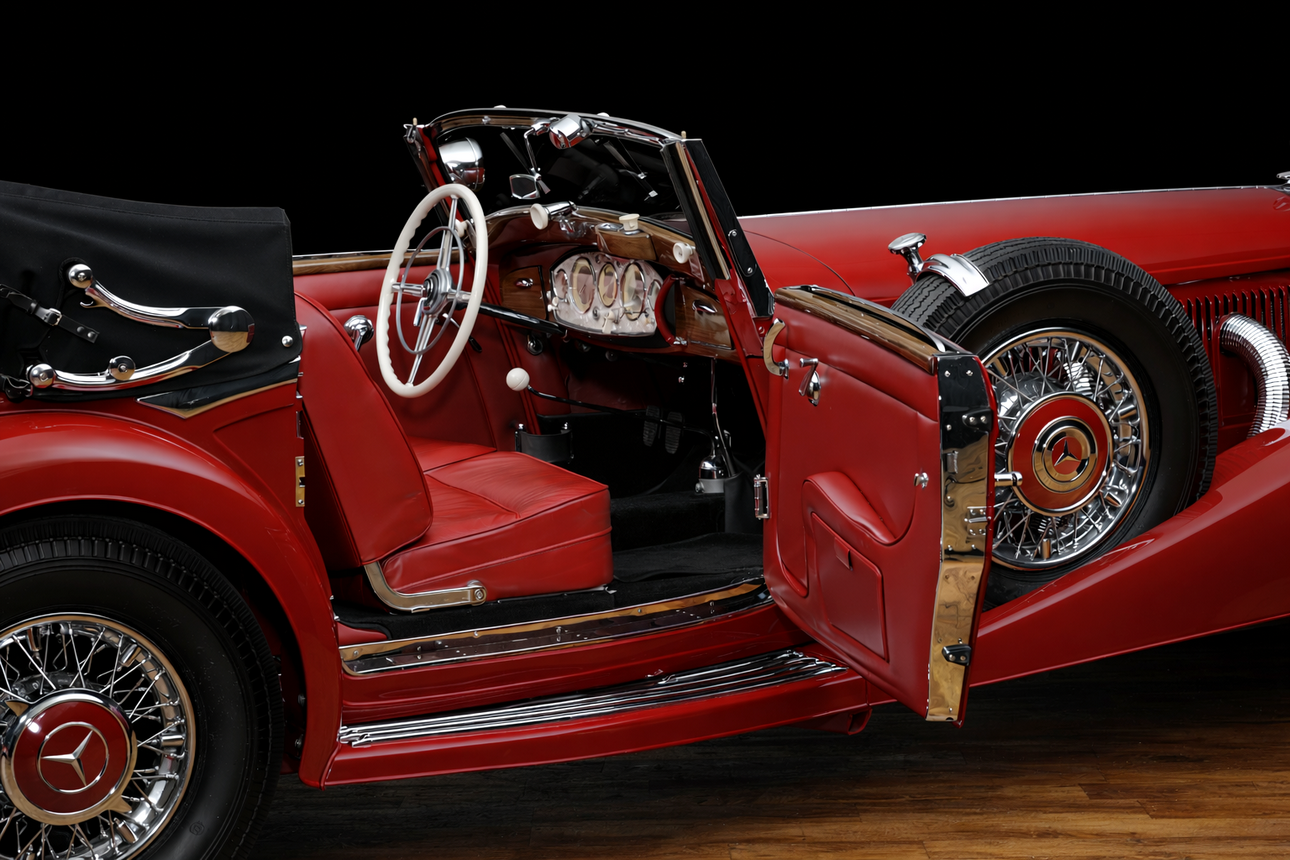
Moreover, the 500 K was fitted with new black carpet trim. Another attractive and valuable detail is the original headlight lenses from a 500 K, which the owner sourced himself, meaning that they are no reproductions. In this refurbished condition, the car was regularly driven by the owner over distances of 100 to 200 km. Thanks to these measures, the 500 K Cabriolet A is therefore in excellent condition.
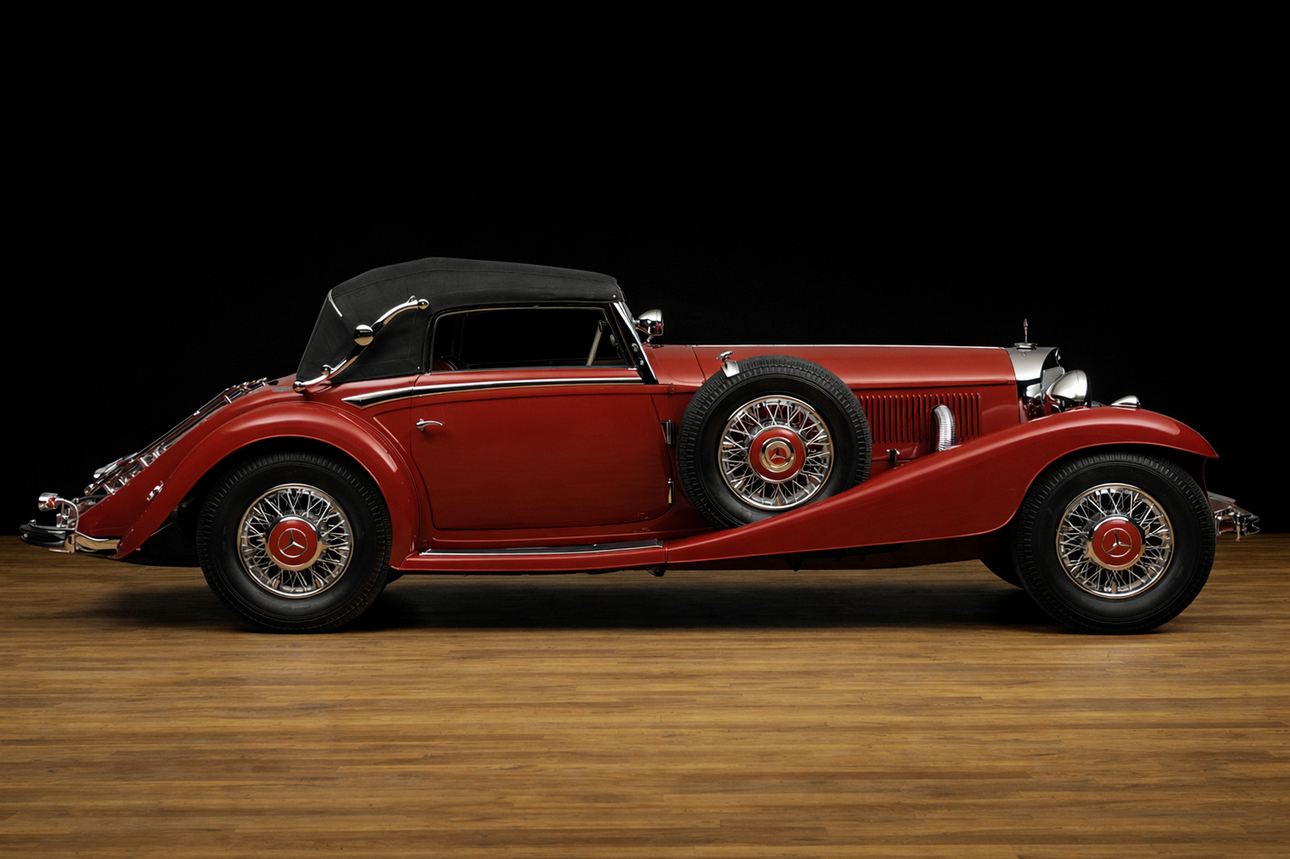
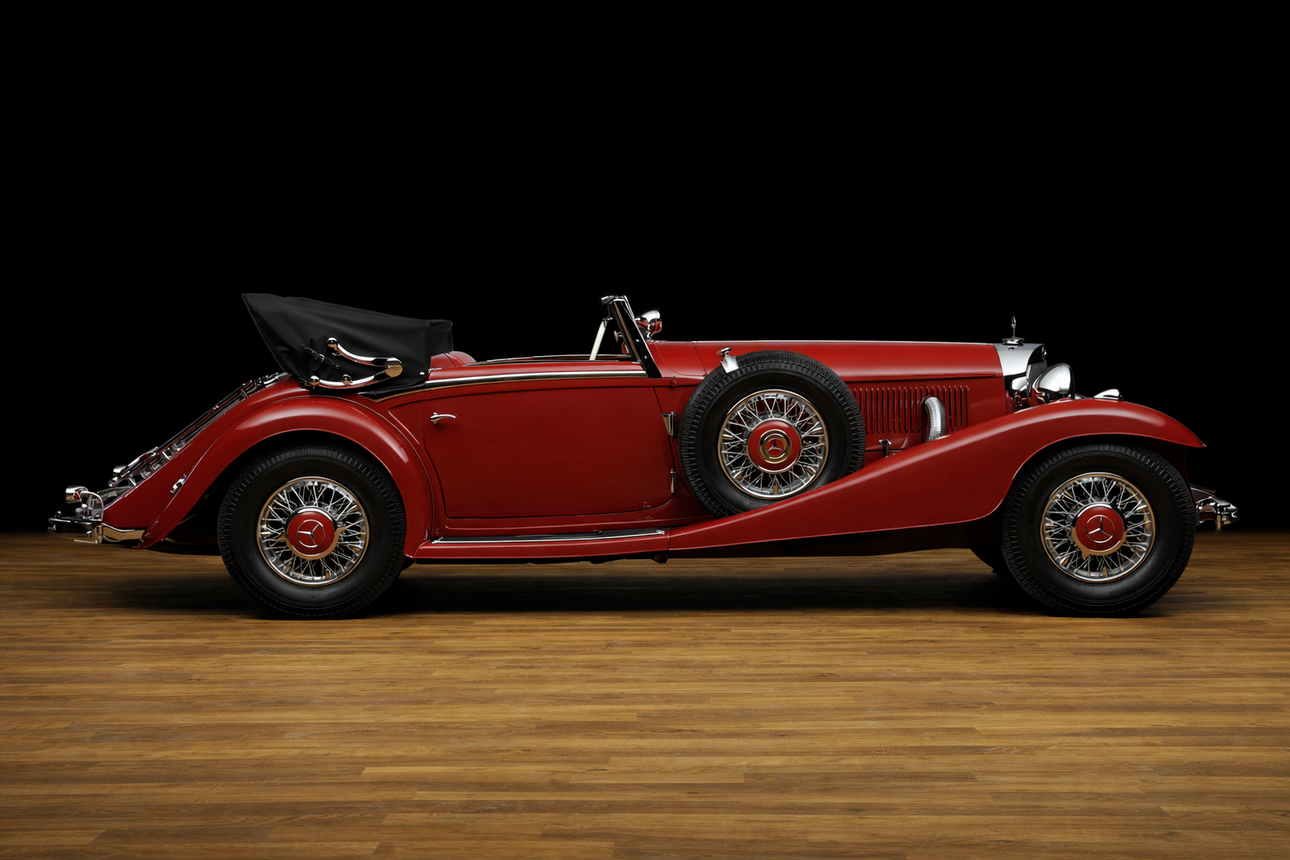
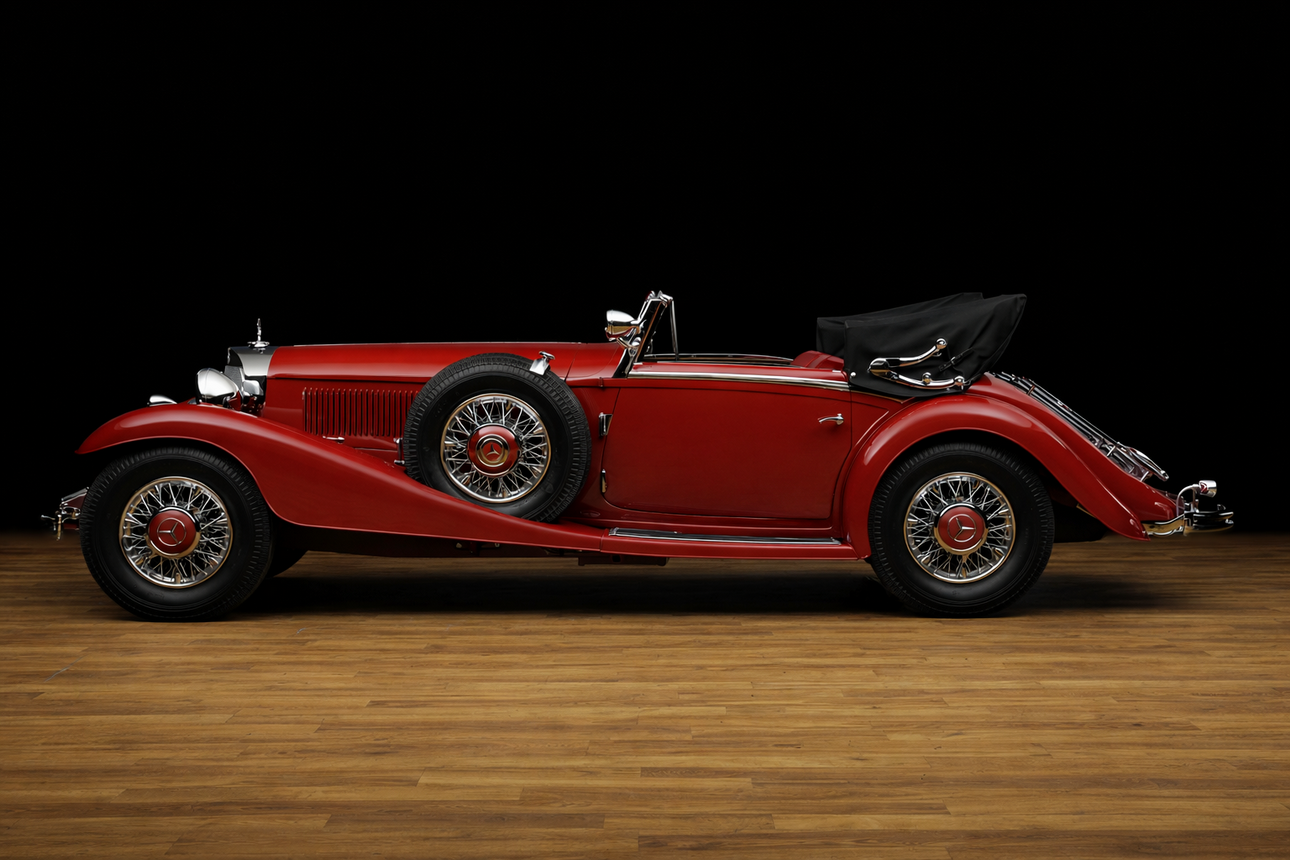
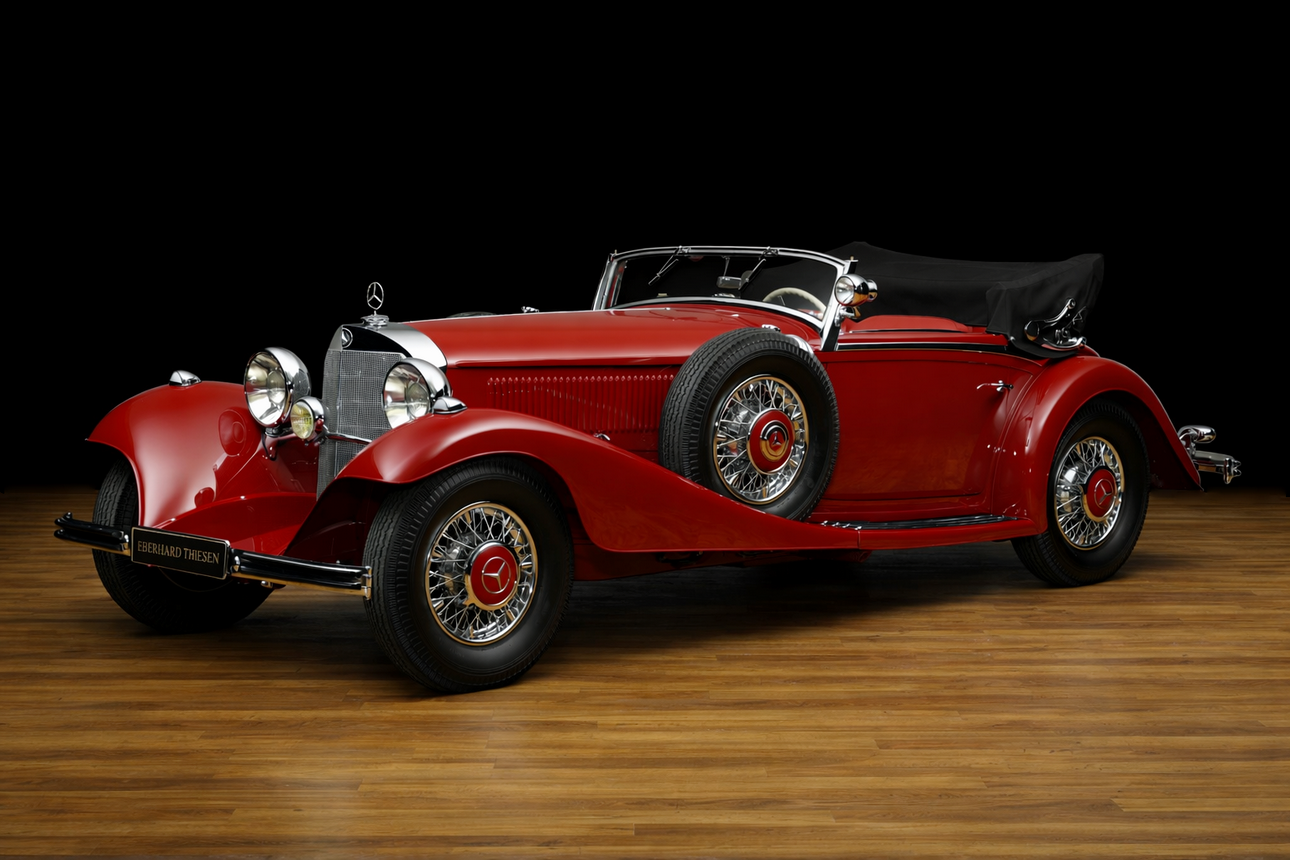
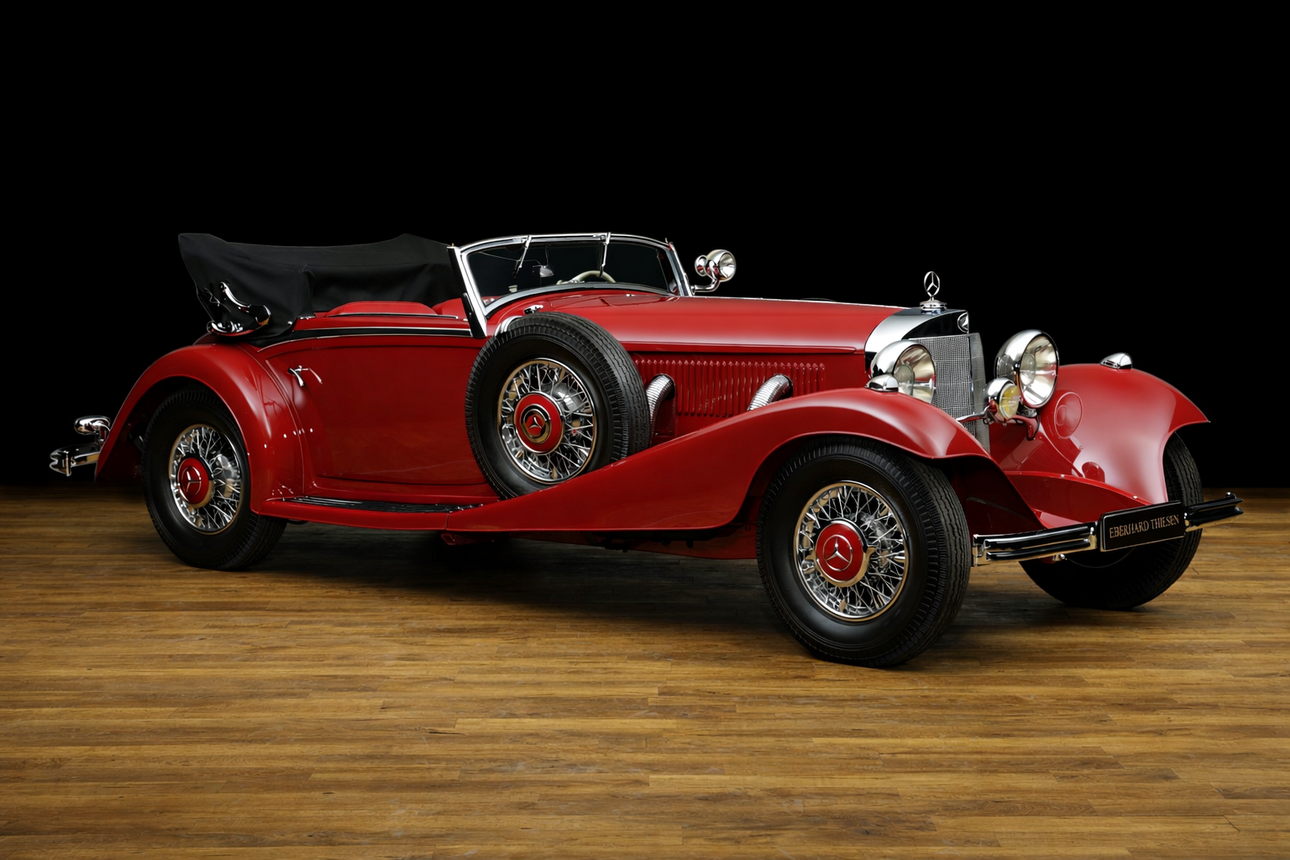
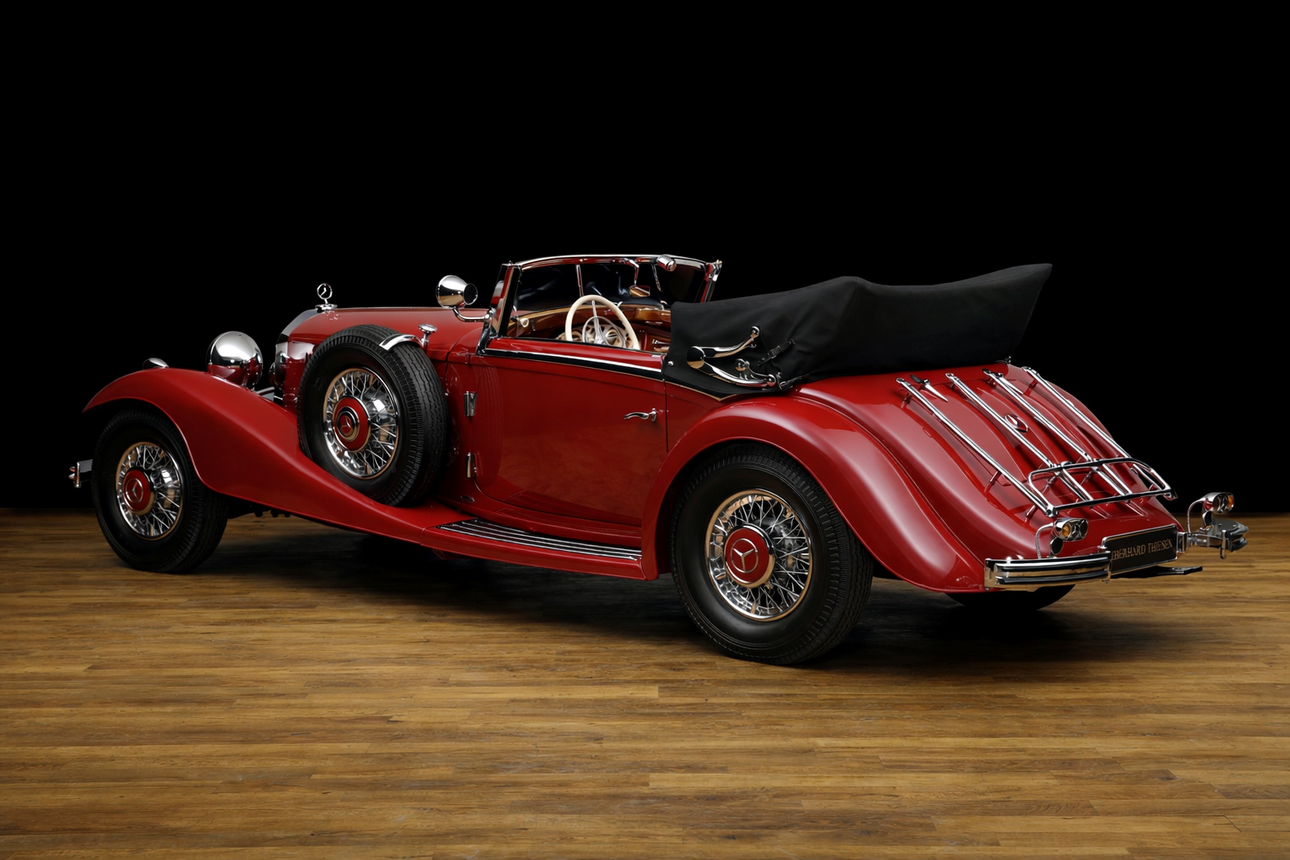
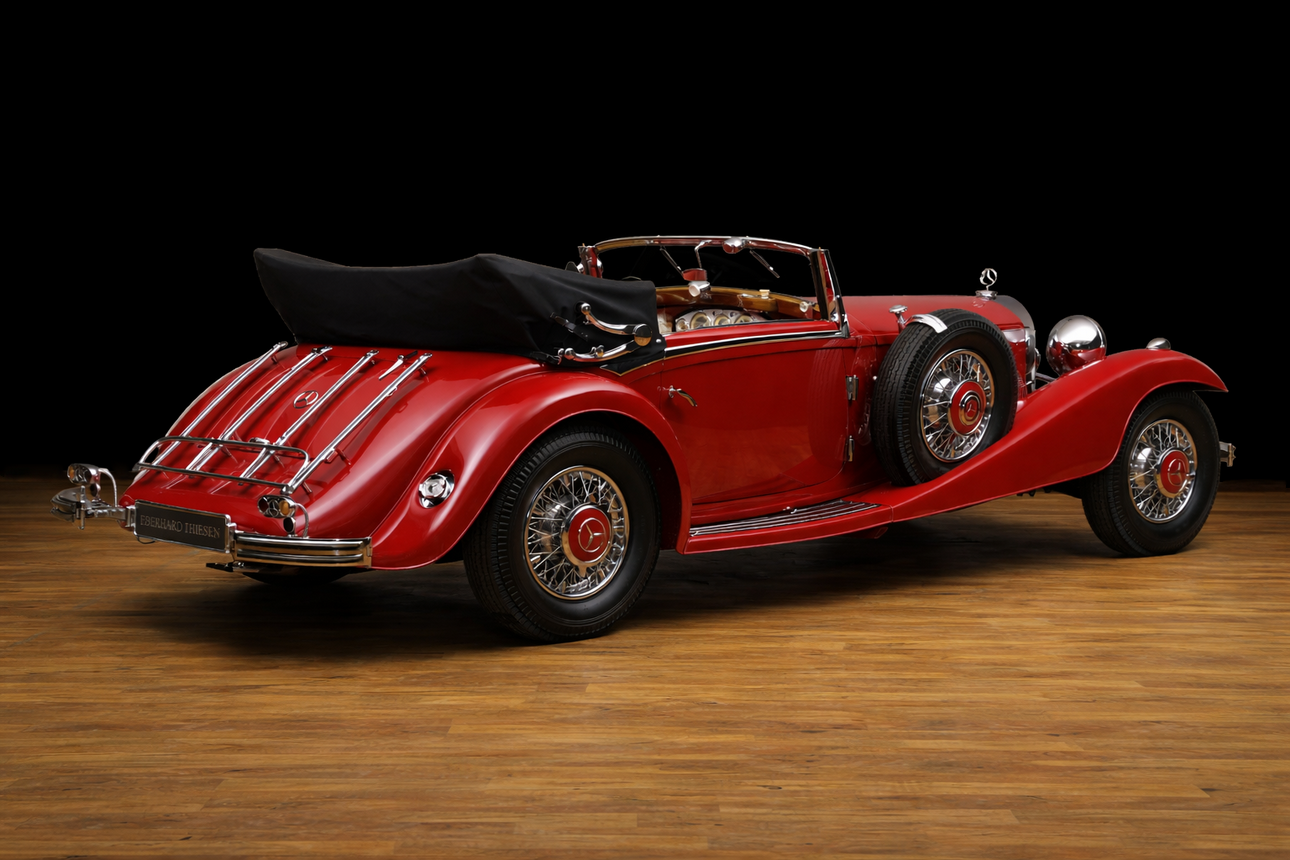
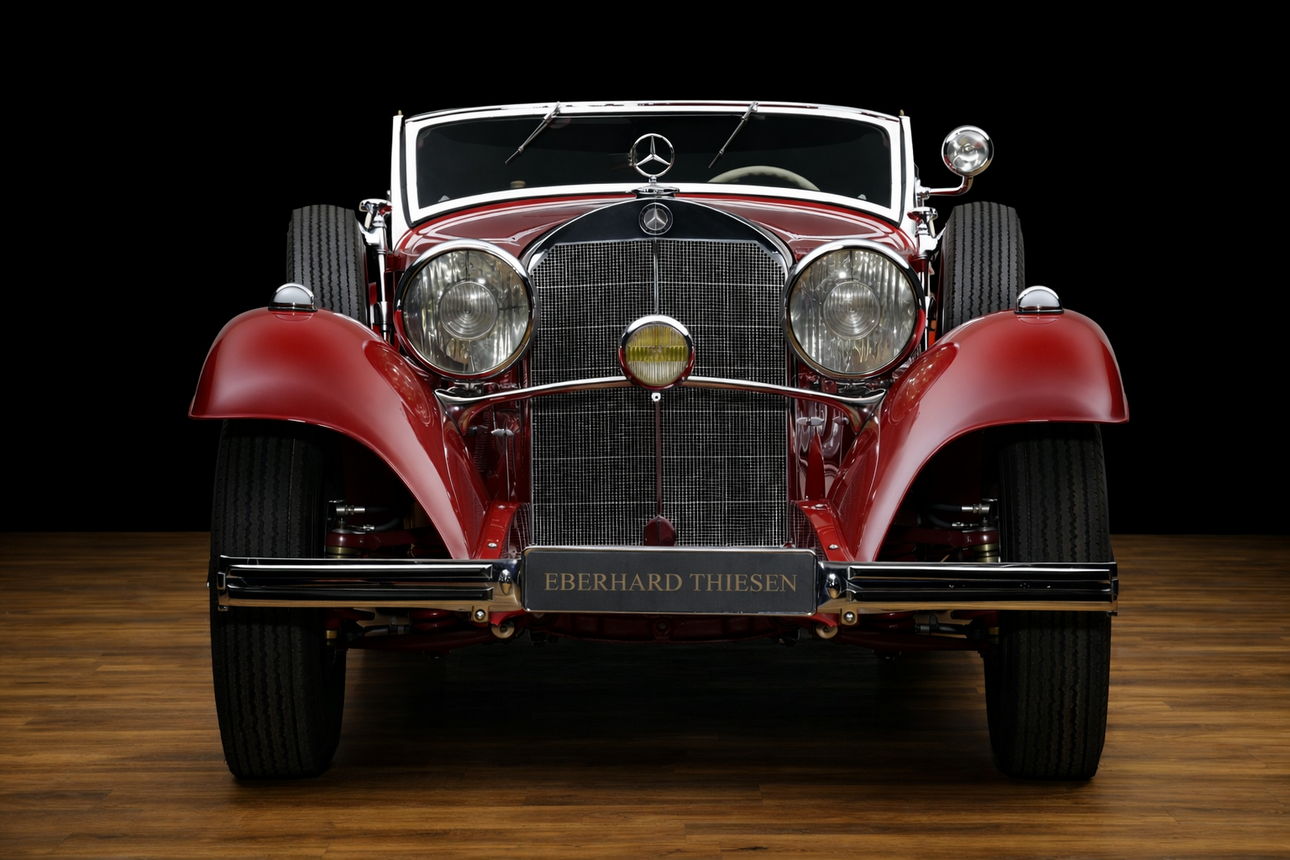
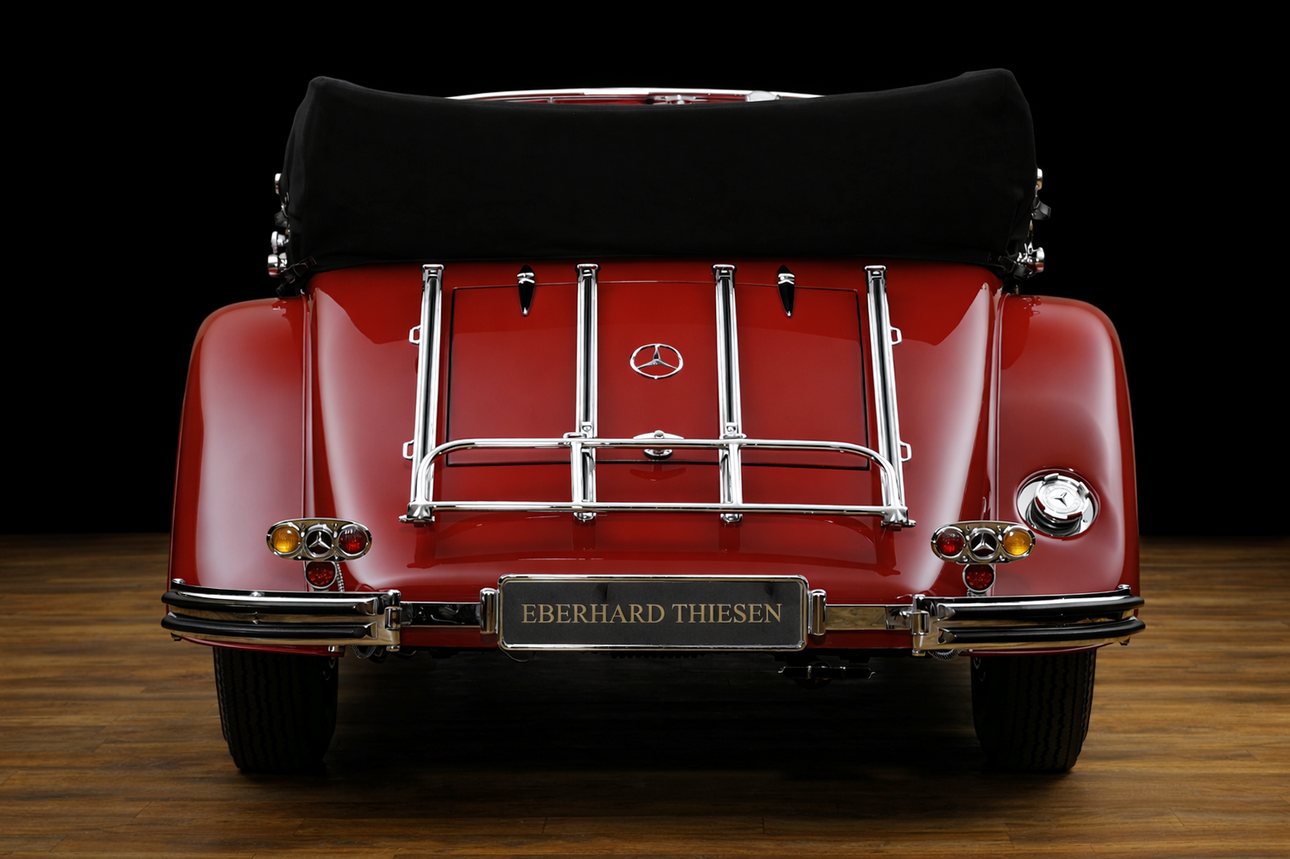
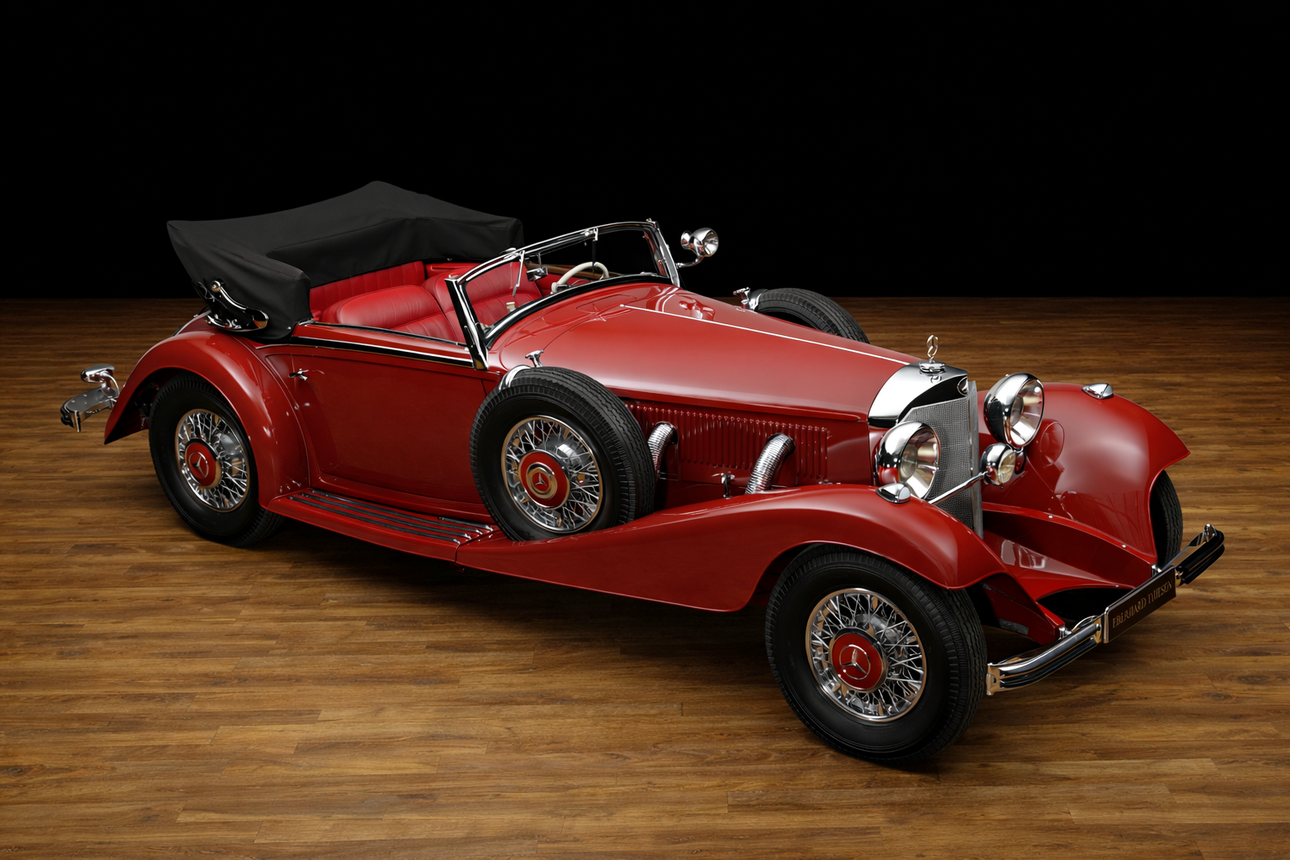
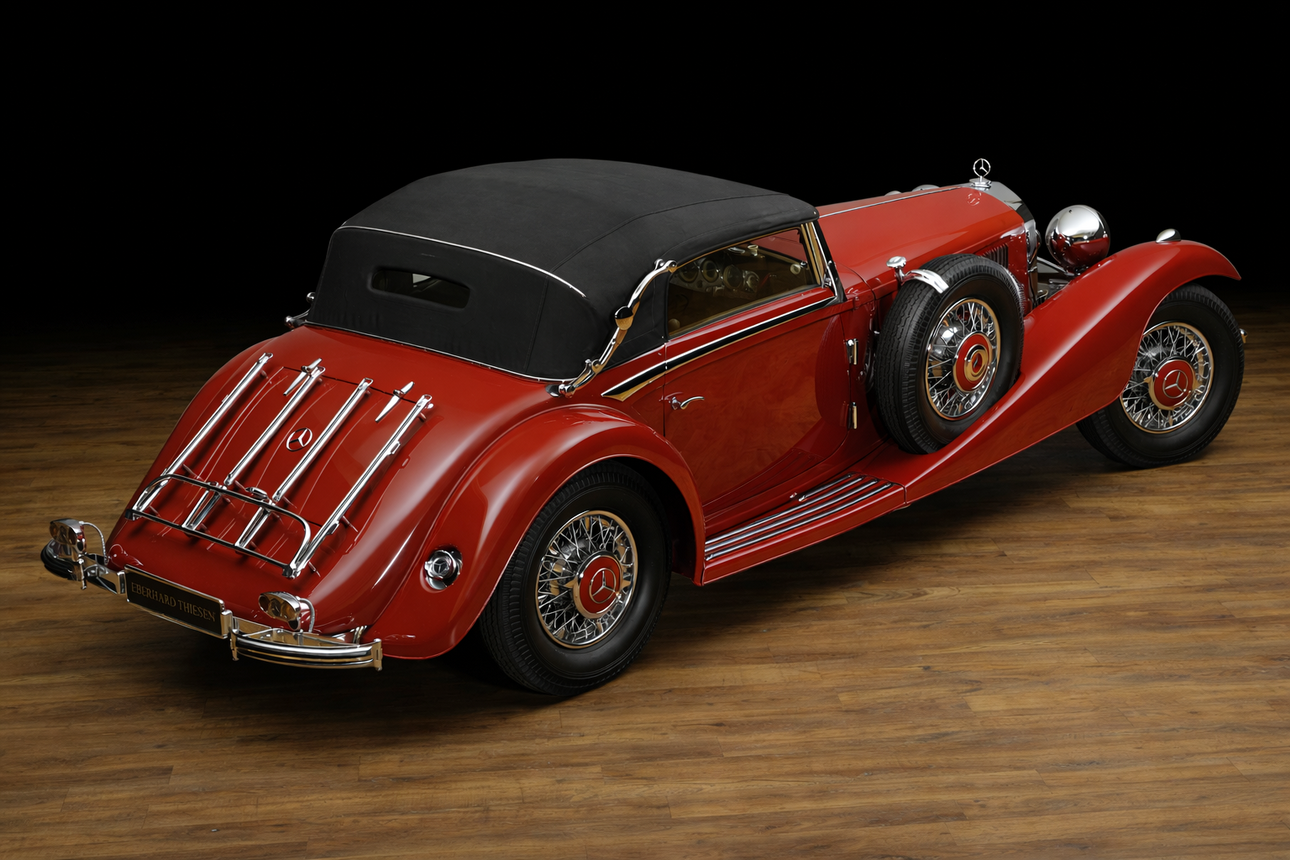
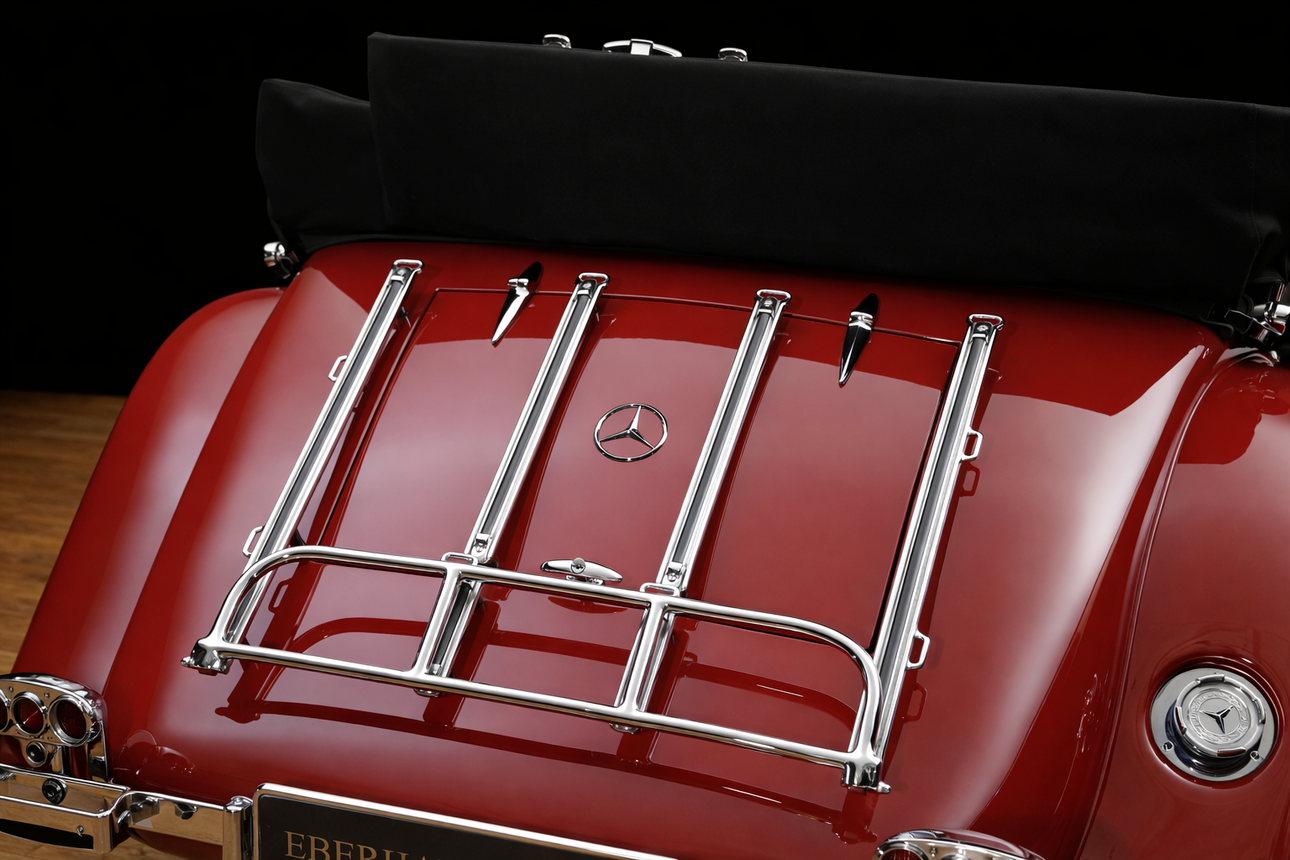
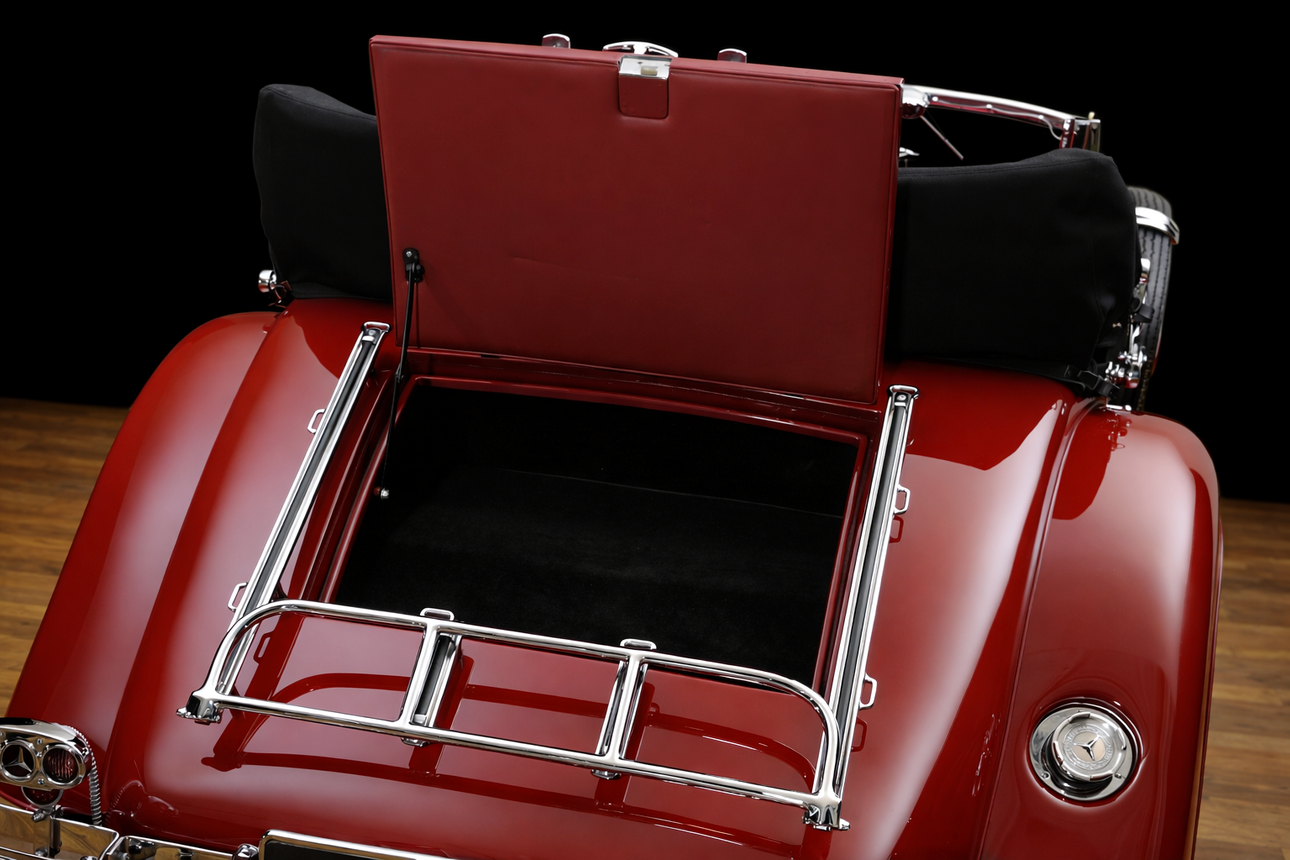
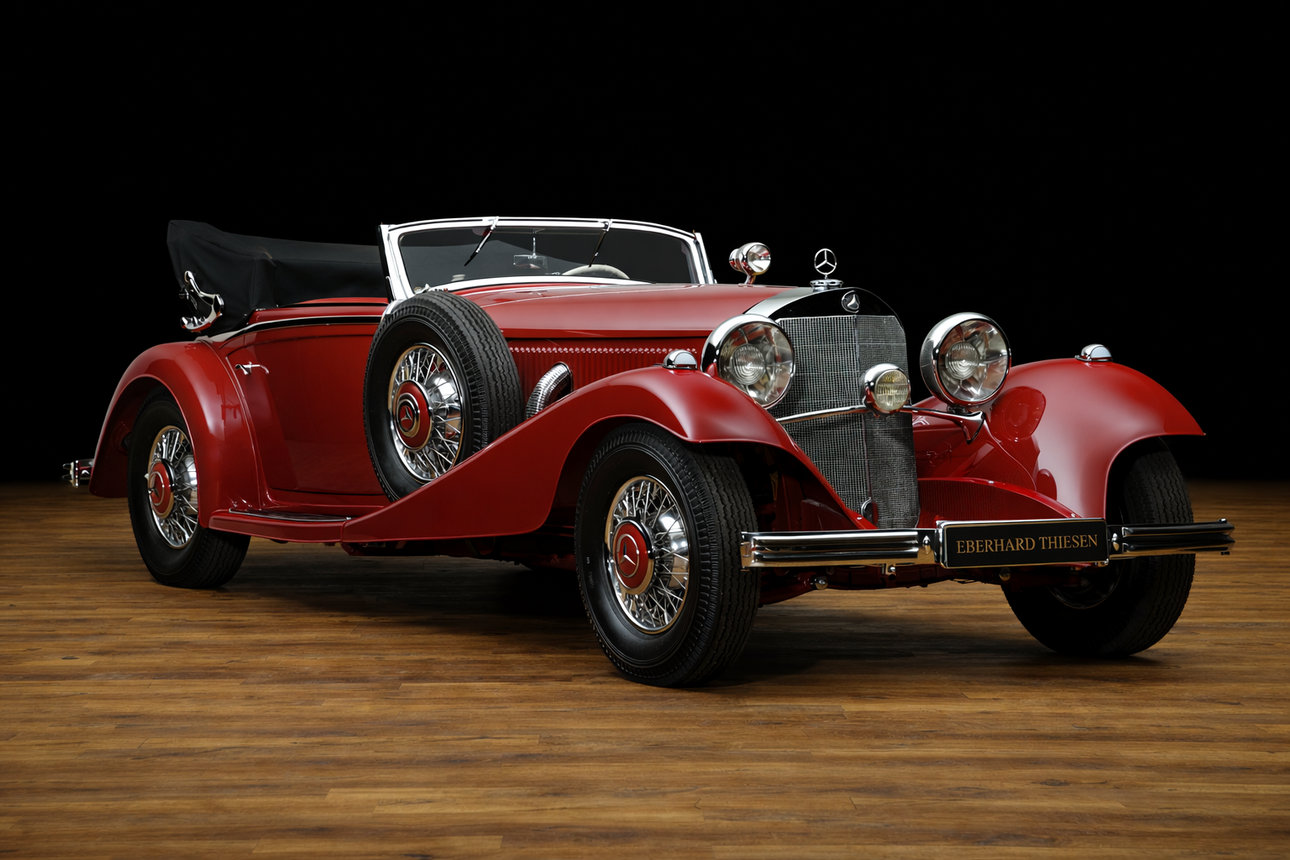
Connoisseurs of such supercharged models will recognise the special feature of the Sindelfingen factory bodywork. This example has an elegant, sloping rear with a luggage rack, which is significantly more attractive than the usual Cabriolet A design. This design, together with the long bonnet, the short passenger compartment, the low windows and the compact soft top (when closed), creates a particularly elegant yet sporty silhouette. This look is further emphasised by the rare chassis variant with a recessed engine, as it makes the front appear more graceful.
This special Cabriolet A is a great addition to any Mercedes compressor collection that already includes various models. We believe you can never have enough “stars” in your garage.
Model History
Mercedes Benz's discerning clientele soon became dissatisfied with the performance of the 380 model (1933-1934), particularly because they had come to appreciate the large-volume and powerful models of the previous Mercedes "S" family (S, SS and SSK). In 1934, Mercedes quickly developed the subsequent 500 K (W29 series) from the 380, the official designation of which was initially "Type 500 with supercharger".
Its new engine with switchable Roots supercharger now had a displacement of 5 litres and the engine output was then 100 hp without and 160 hp with the supercharger. The achievable top speed was 160 kph. The modification of the engine was extensive and also required a new crankshaft. A high-speed gearbox with semi-automatic shifting was used for the 500 K transmission. The clutch did not need to be operated when shifting from third (direct) gear to high gear.
The 500 K made its debut at the International Automobile and Motorcycle Exhibition (IAMA) in Berlin in a spectacular version as a so-called "Autobahnkurier", which was designed in a "single special version" for high speed distances.
The 500 K was available in seven body variants: in addition to the chassis, a 4-door saloon, still called the "Innenlenker" at the time, a 2-seater roadster with two emergency seats, the convertibles A, B and C and a 2-door open touring car. In autumn 1934, a very elegant “Special Roadster” was added to the 500 K range at the Paris Motor Show. Its price was 4,000 Reichsmarks more than the other variants. The Roadster, Special Roadster, Cabriolet A and Autobahn Kurier models were built on a chassis with a rearward-mounted engine, in which the radiator, engine-gearbox unit, steering gear and seats were set back a good 10 cm. Moreover, it was also possible to order tailor-made one-off bodies based on a "rolling chassis".
Even if the quantities seem like series production, these vehicles were largely customised and handcrafted in a manufactory-like production process. With the bodies for the eight-cylinder cars, the Sindelfingen special coachbuilders achieved a generally well recognised level of beauty and quality of workmanship that could hardly be surpassed. In total, only 342 units of the 500 K were produced from 1934 to 1936, before the displacement of the engine was enlarged again and the 540 K succeeded it.
This Automobile
According to this extract from the commission book, this Mercedes Benz 500 K Cabriolet A was ordered on 10 September 1934 via the Mercedes Benz representative Carlo Saporiti in Milan, Italy. It was then completed and delivered in December 1934. It was a special ‘one-off’ version of the 500 K Cabriolet A with a beautiful design of the rear end, which is significantly more attractive and elegant than the standard design of the Cabriolet A model.
The initial delivery was made via Saporiti to a gentleman in Palermo (name known), where the car survived the Second World War and remained in his possession until around the end of the 1960s. The Cabriolet A then found its way to the USA, to a collector of supercharged Mercedes cars. He had the paintwork, leather interior and soft top renewed, but the technology remained largely untouched. In the 1980s, the car returned to Europe, to Austria, where it joined the automobile collection at Kremsegg Castle. In the course of this, various restoration work was also carried out. At the turn of the millennium, this special Cabriolet A moved to its penultimate owner (name known) in northern Italy, where it remained for another 20 years. In 2021, it was sold via EBERHARD THIESEN to its current owner in Germany.
Over the past four years, this owner has had the technique of the Cabriolet A extensively overhauled, regardless of the cost. In the course of this, the engine was dismantled, the components checked and, where necessary, overhauled accordingly. The same applies to the supercharger and the engine attachments, including the radiator top. In addition, the steering and brakes, including the brake pipes, were checked and professionally overhauled, and a new fuel tank was manufactured. In order to preserve the originality of the vehicle, the existing dual-flow exhaust system was converted back to the original single-flow system. This work was carried out by a well-known specialist for supercharged Mercedes cars. The total cost amounted to approximately EUR 180,000.
Moreover, the 500 K was fitted with new black carpet trim. Another attractive and valuable detail is the original headlight lenses from a 500 K, which the owner sourced himself, meaning that they are no reproductions. In this refurbished condition, the car was regularly driven by the owner over distances of 100 to 200 km. Thanks to these measures, the 500 K Cabriolet A is therefore in excellent condition.
Connoisseurs of such supercharged models will recognise the special feature of the Sindelfingen factory bodywork. This example has an elegant, sloping rear with a luggage rack, which is significantly more attractive than the usual Cabriolet A design. This design, together with the long bonnet, the short passenger compartment, the low windows and the compact soft top (when closed), creates a particularly elegant yet sporty silhouette. This look is further emphasised by the rare chassis variant with a recessed engine, as it makes the front appear more graceful.
This special Cabriolet A is a great addition to any Mercedes compressor collection that already includes various models. We believe you can never have enough “stars” in your garage.
Model History
Mercedes Benz's discerning clientele soon became dissatisfied with the performance of the 380 model (1933-1934), particularly because they had come to appreciate the large-volume and powerful models of the previous Mercedes "S" family (S, SS and SSK). In 1934, Mercedes quickly developed the subsequent 500 K (W29 series) from the 380, the official designation of which was initially "Type 500 with supercharger".
Its new engine with switchable Roots supercharger now had a displacement of 5 litres and the engine output was then 100 hp without and 160 hp with the supercharger. The achievable top speed was 160 kph. The modification of the engine was extensive and also required a new crankshaft. A high-speed gearbox with semi-automatic shifting was used for the 500 K transmission. The clutch did not need to be operated when shifting from third (direct) gear to high gear.
The 500 K made its debut at the International Automobile and Motorcycle Exhibition (IAMA) in Berlin in a spectacular version as a so-called "Autobahnkurier", which was designed in a "single special version" for high speed distances. The 500 K was available in seven body variants: in addition to the chassis, a 4-door saloon, still called the "Innenlenker" at the time, a 2-seater roadster with two emergency seats, the convertibles A, B and C and a 2-door open touring car. In autumn 1934, a very elegant “Special Roadster” was added to the 500 K range at the Paris Motor Show. Its price was 4,000 Reichsmarks more than the other variants. The Roadster, Special Roadster, Cabriolet A and Autobahn Kurier models were built on a chassis with a rearward-mounted engine, in which the radiator, engine-gearbox unit, steering gear and seats were set back a good 10 cm. Moreover, it was also possible to order tailor-made one-off bodies based on a "rolling chassis".
Even if the quantities seem like series production, these vehicles were largely customised and handcrafted in a manufactory-like production process. With the bodies for the eight-cylinder cars, the Sindelfingen special coachbuilders achieved a generally well recognised level of beauty and quality of workmanship that could hardly be surpassed. In total, only 342 units of the 500 K were produced from 1934 to 1936, before the displacement of the engine was enlarged again and the 540 K succeeded it.