
Porsche 911 Carrera RS 2.7 Touring

Highlights
Data & Facts
This Automobile
Model History
The Porsche 911 was introduced in 1964 as the successor to the 356. It was then built for almost 10 years as the first generation – the so-called "F-Model" or "Urmodell" – with numerous modifications in various versions until it was replaced by the modified "G-Model" in 1973.
In October 1972, the today legendary Carrera RS 2.7 was presented at the Paris Motor Show. RS stands for “Rennsport” (racing) and this model was actually only intended for homologation in rally and motorsport with a required number of 500 units. Weight, engine, chassis and aerodynamics are intensively optimised for motorsport use. By the end of November, all 500 vehicles had been sold and Porsche decided to continue production.
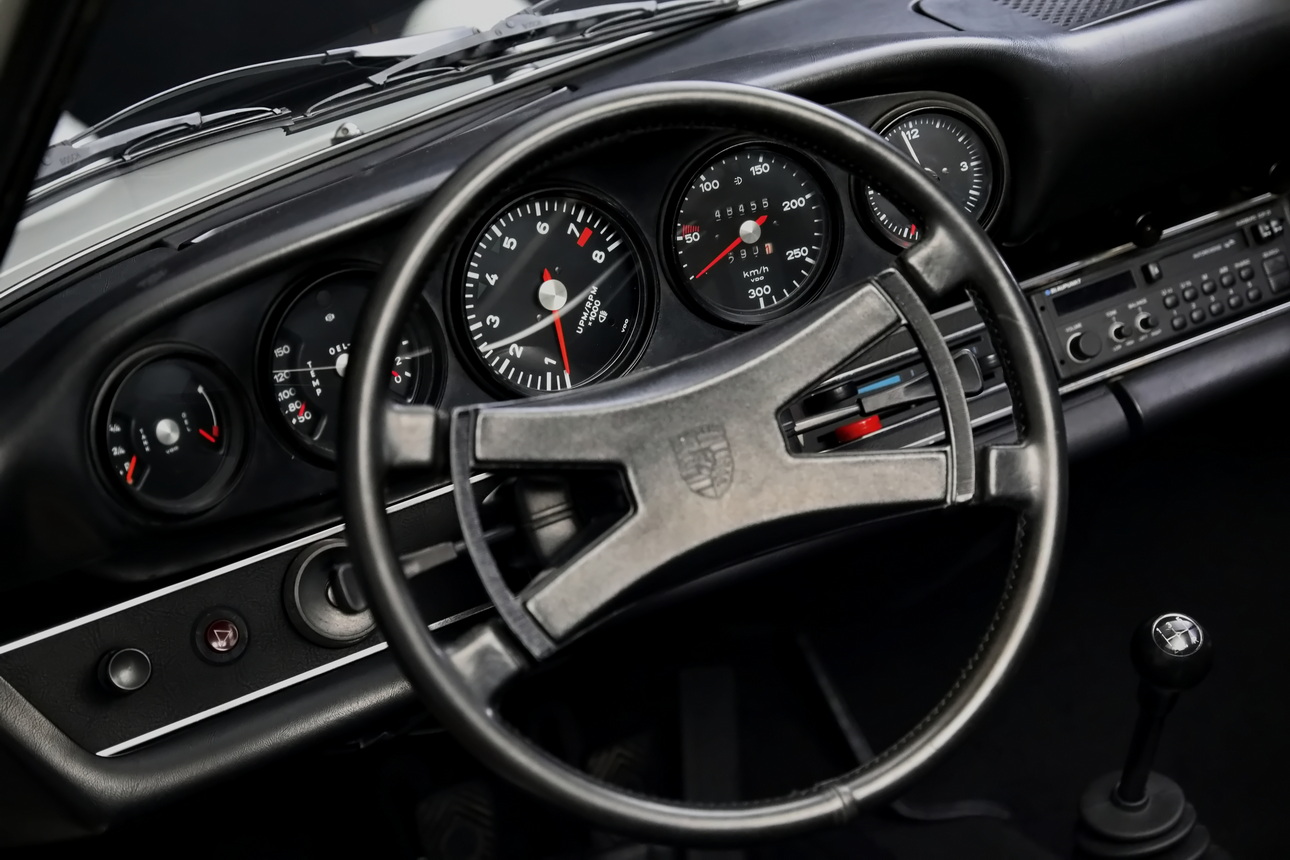
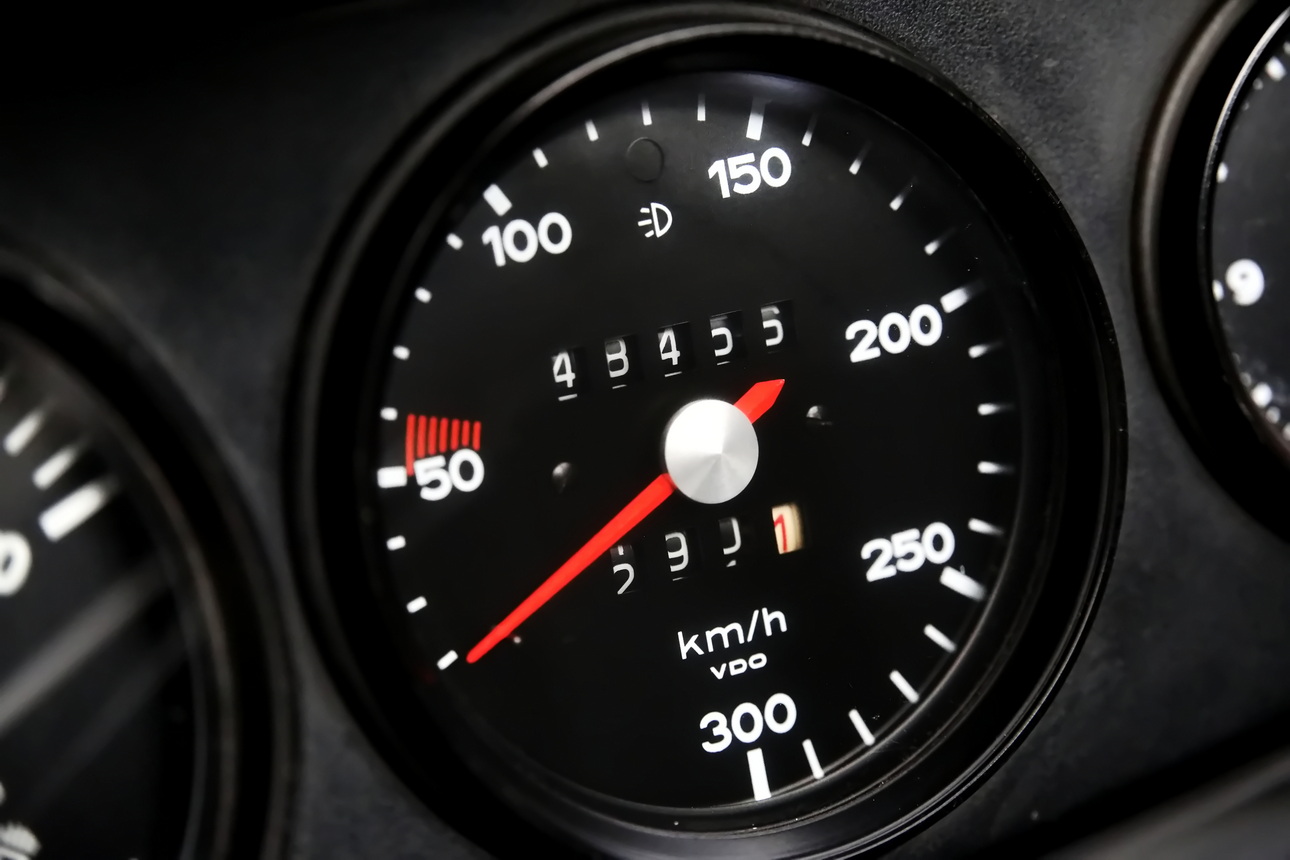
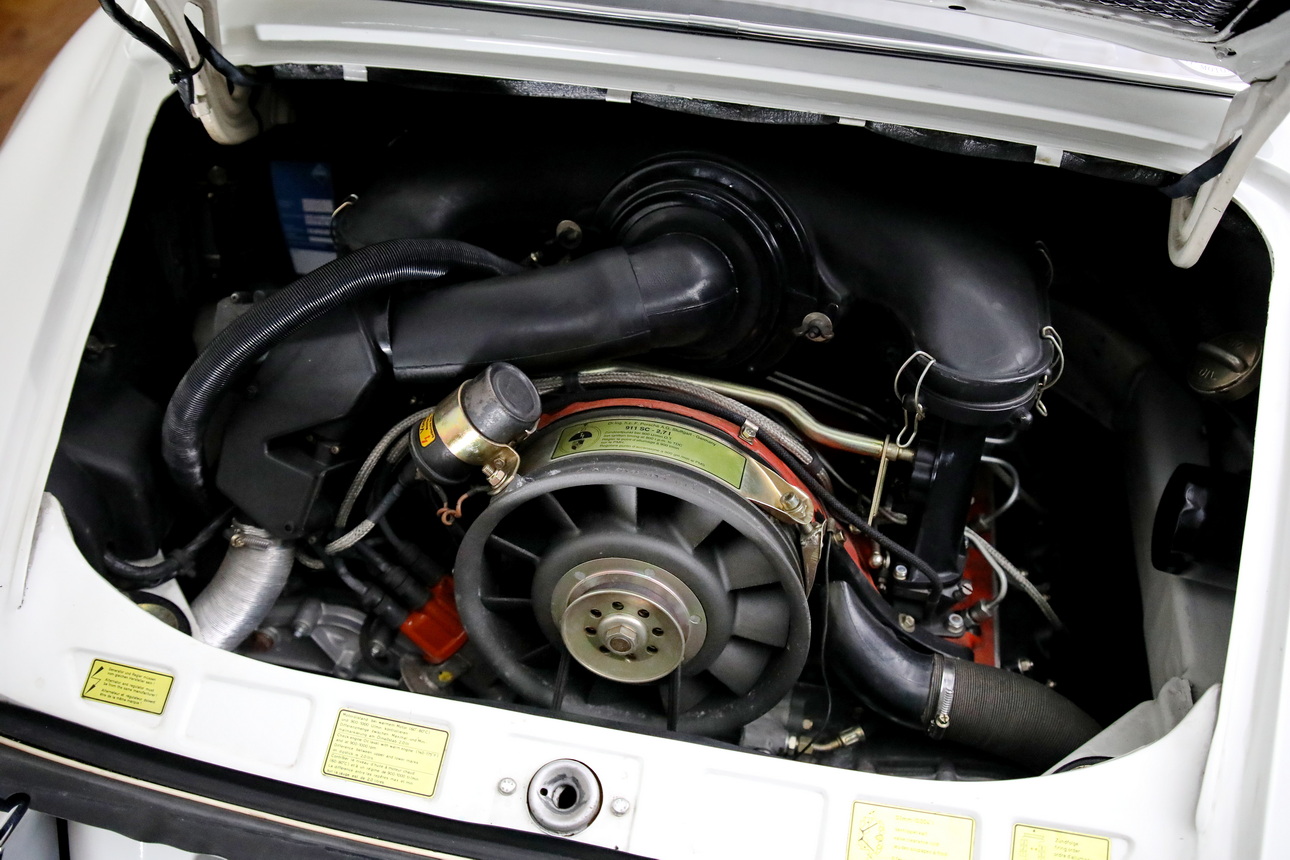
The air-cooled six-cylinder boxer engine with a displacement of 2.7 litres (engine type 911/83) had a mechanical double-row injection pump and produced 210 hp. It was the first 911 to be given the "Carrera" designation again, which had previously marked the most powerful 356 models. With a top speed of 245 km/h, the Carrera RS was the fastest German series car of its time and also the first road sports car in the world with a front and rear spoiler.
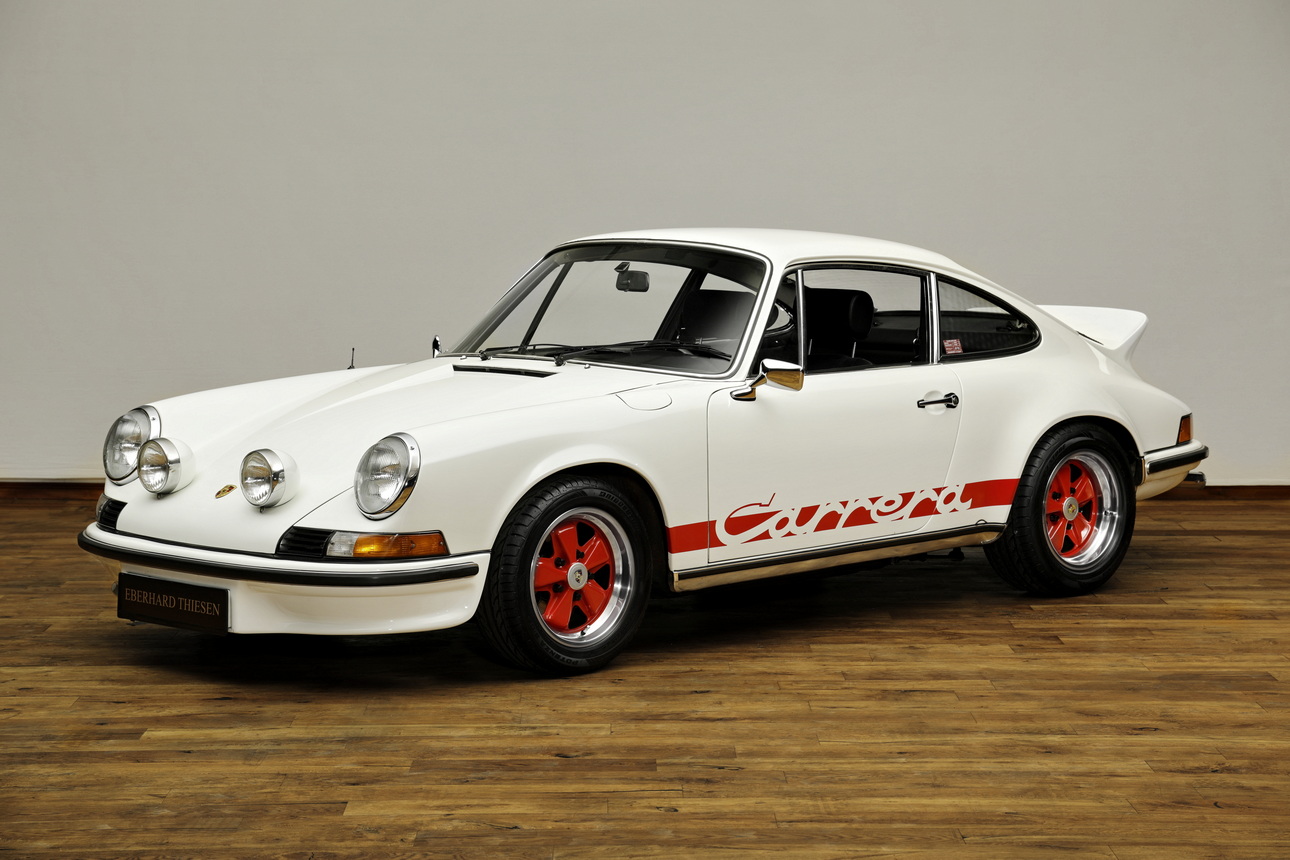
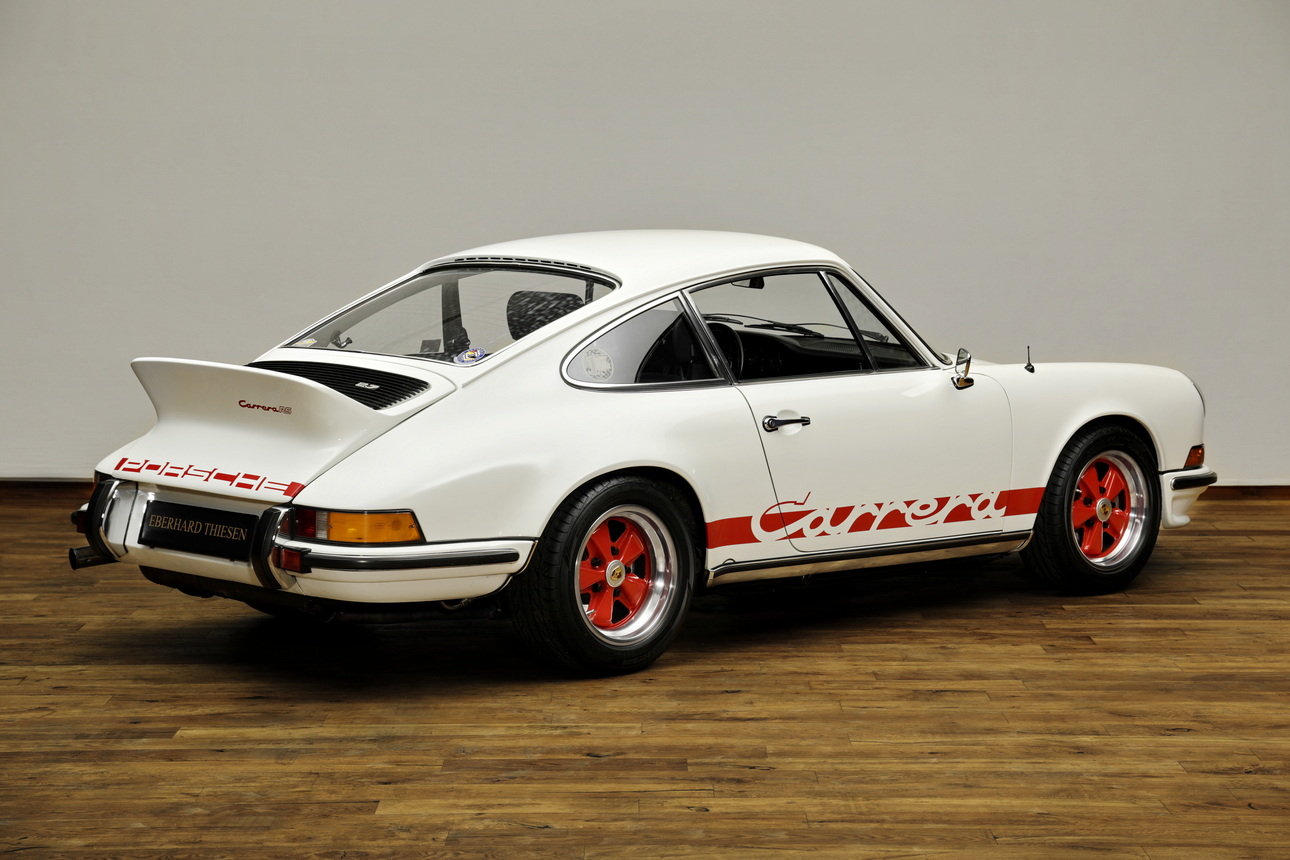
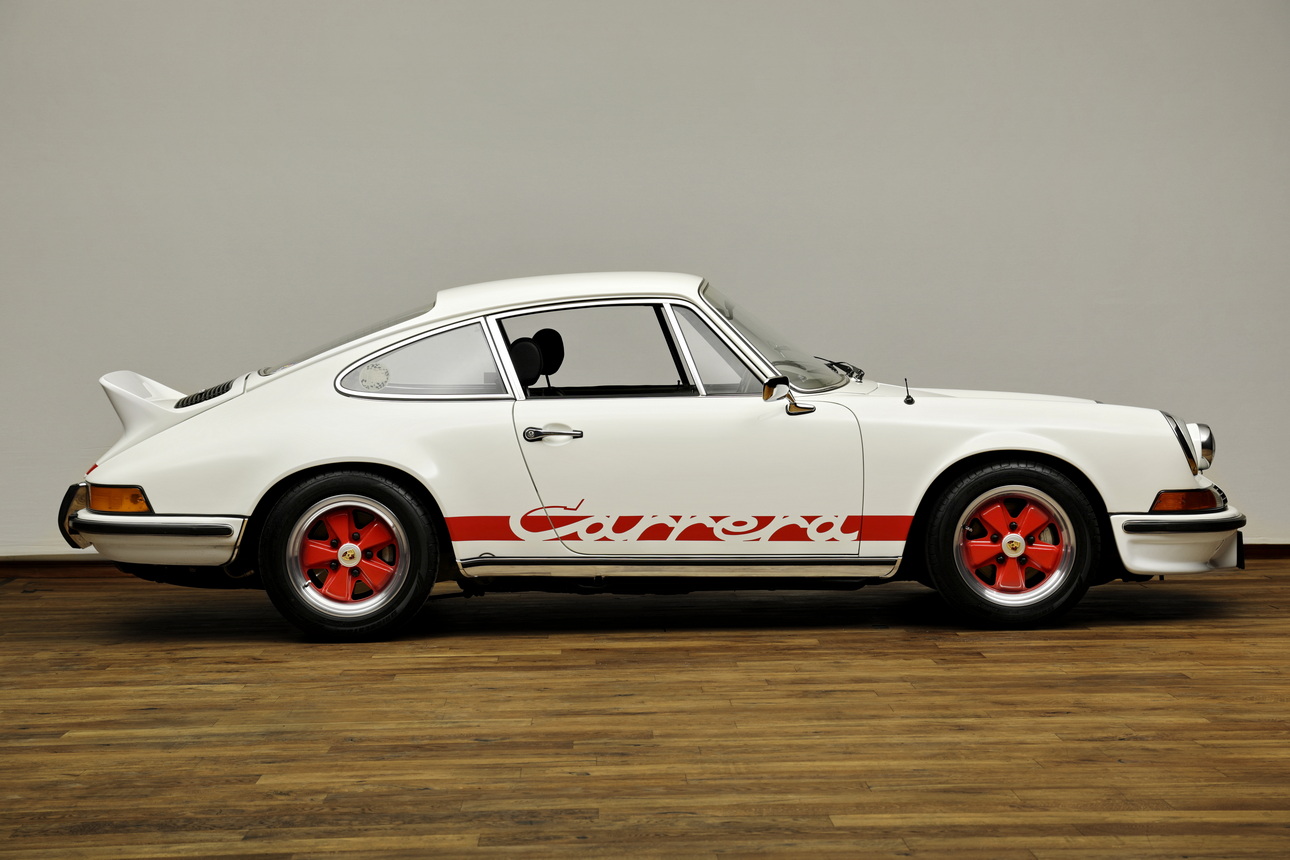
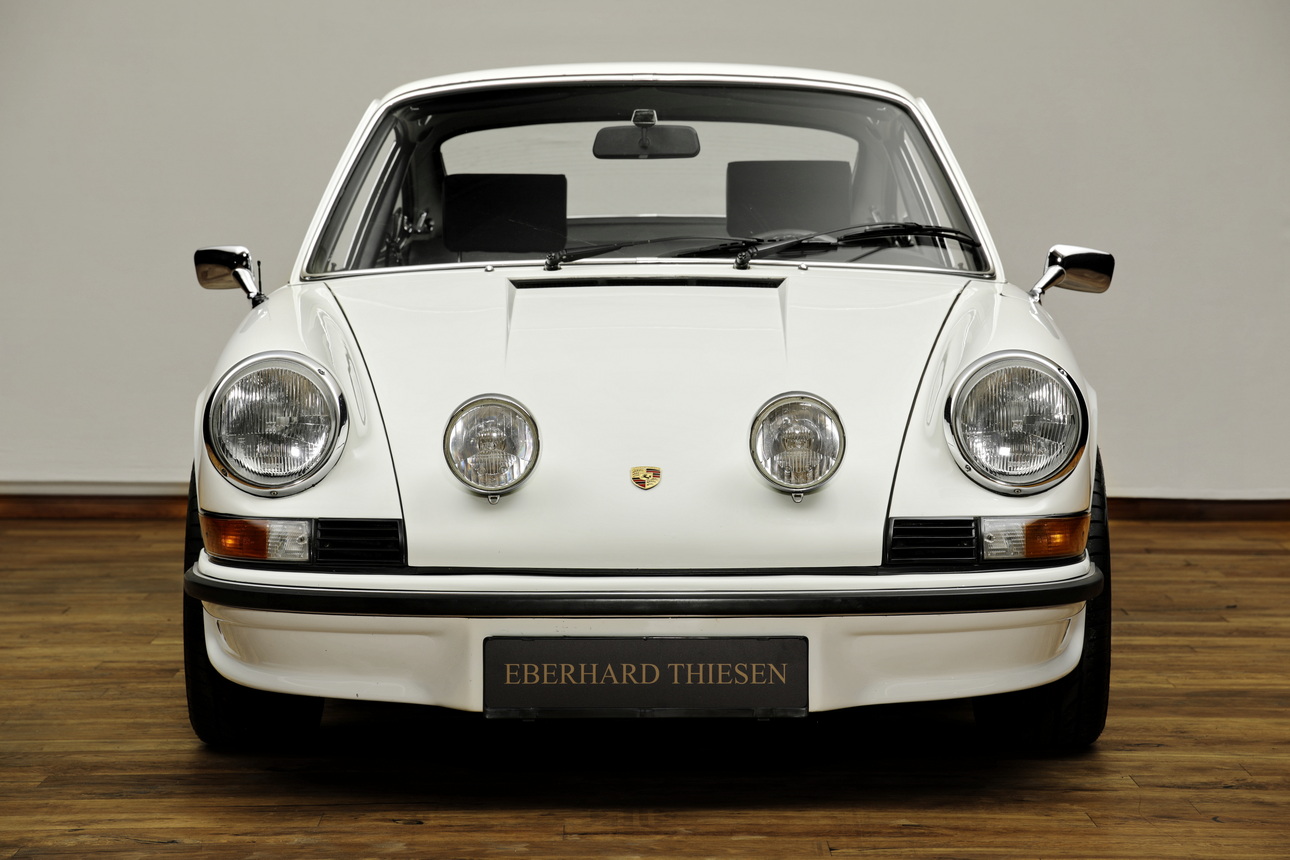
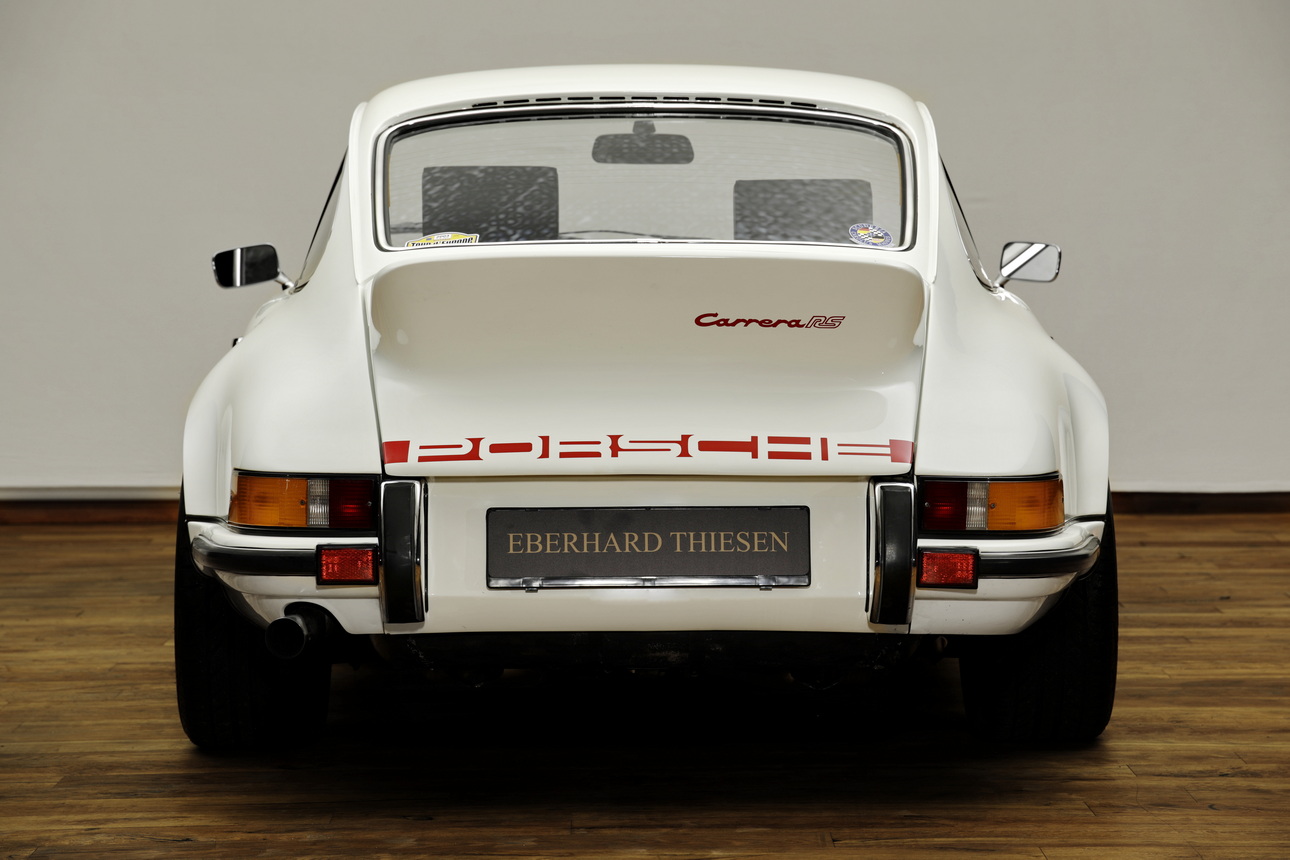
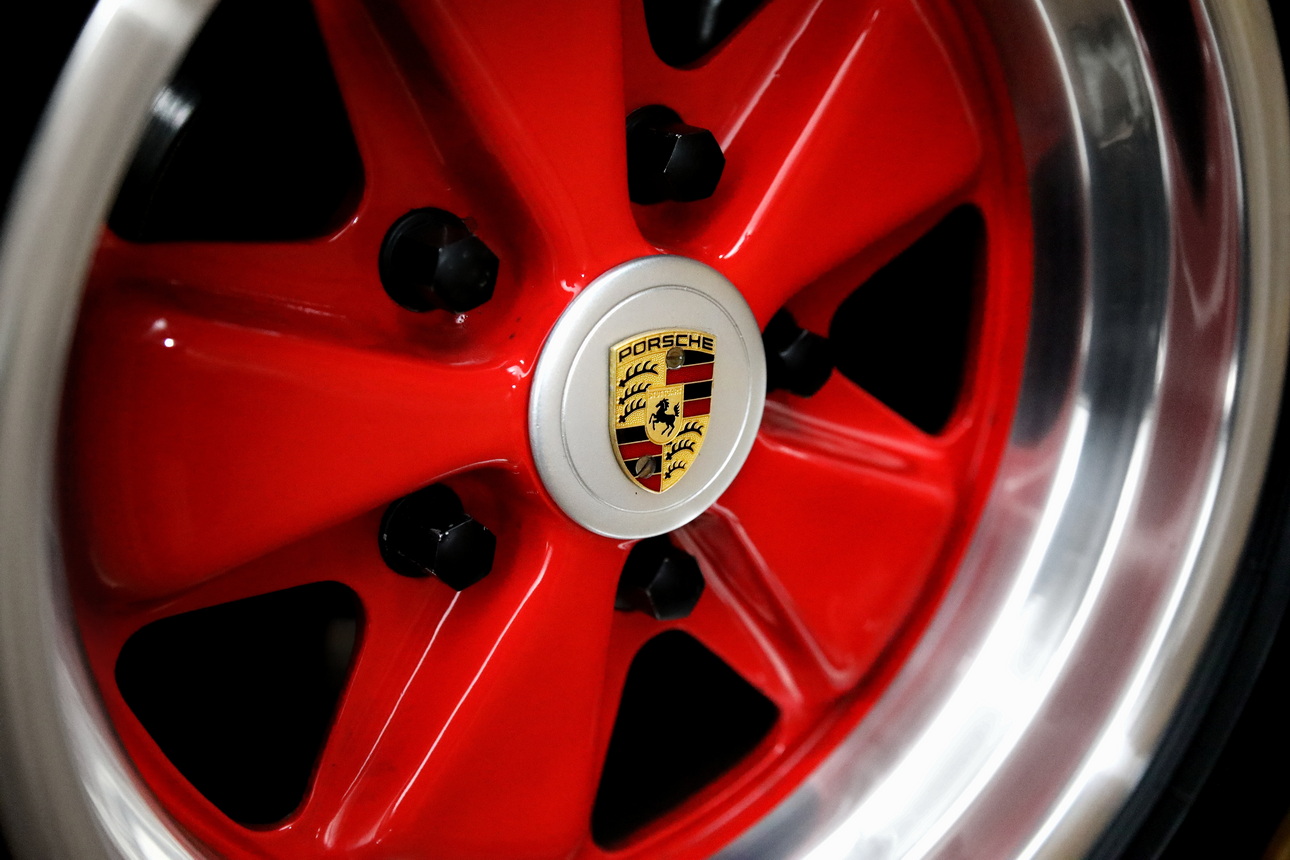
The distinctive rear wing, nicknamed the "duck-tail", significantly improved driving stability. The special front spoiler had an opening in the middle for an oil cooler. Differently wide wheels on the front and rear axles ensured higher cornering speeds and stronger braking performance. In the rear axle area, the body is 42 millimetres wider.
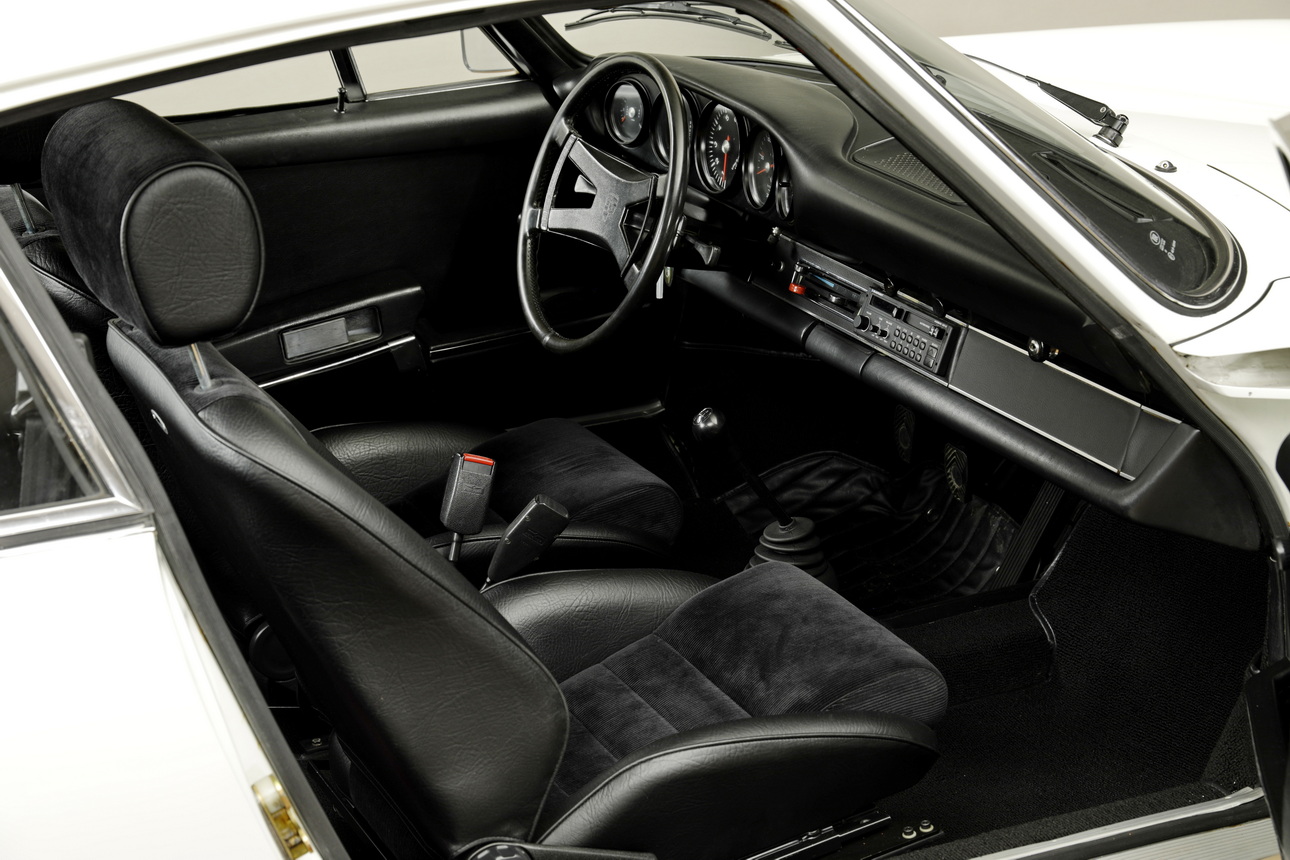
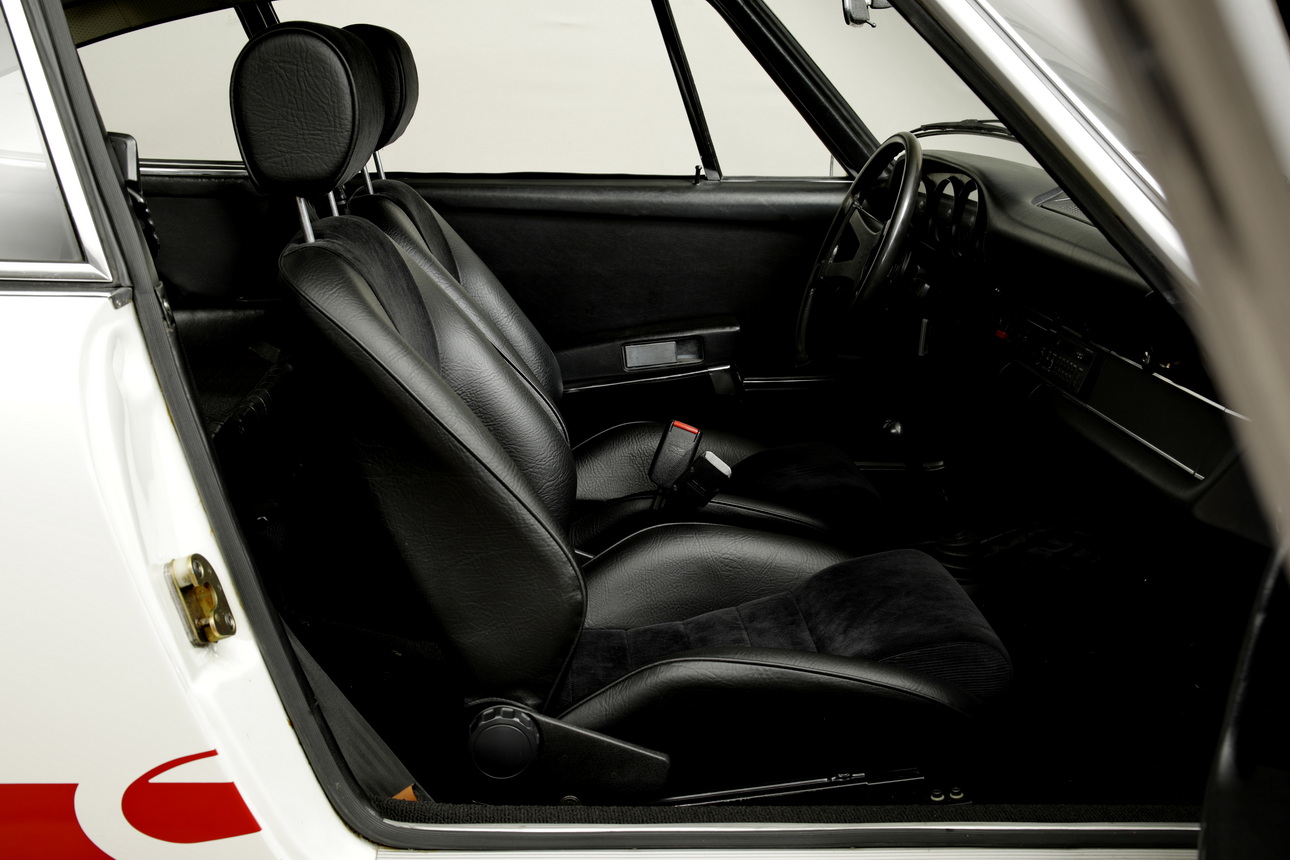
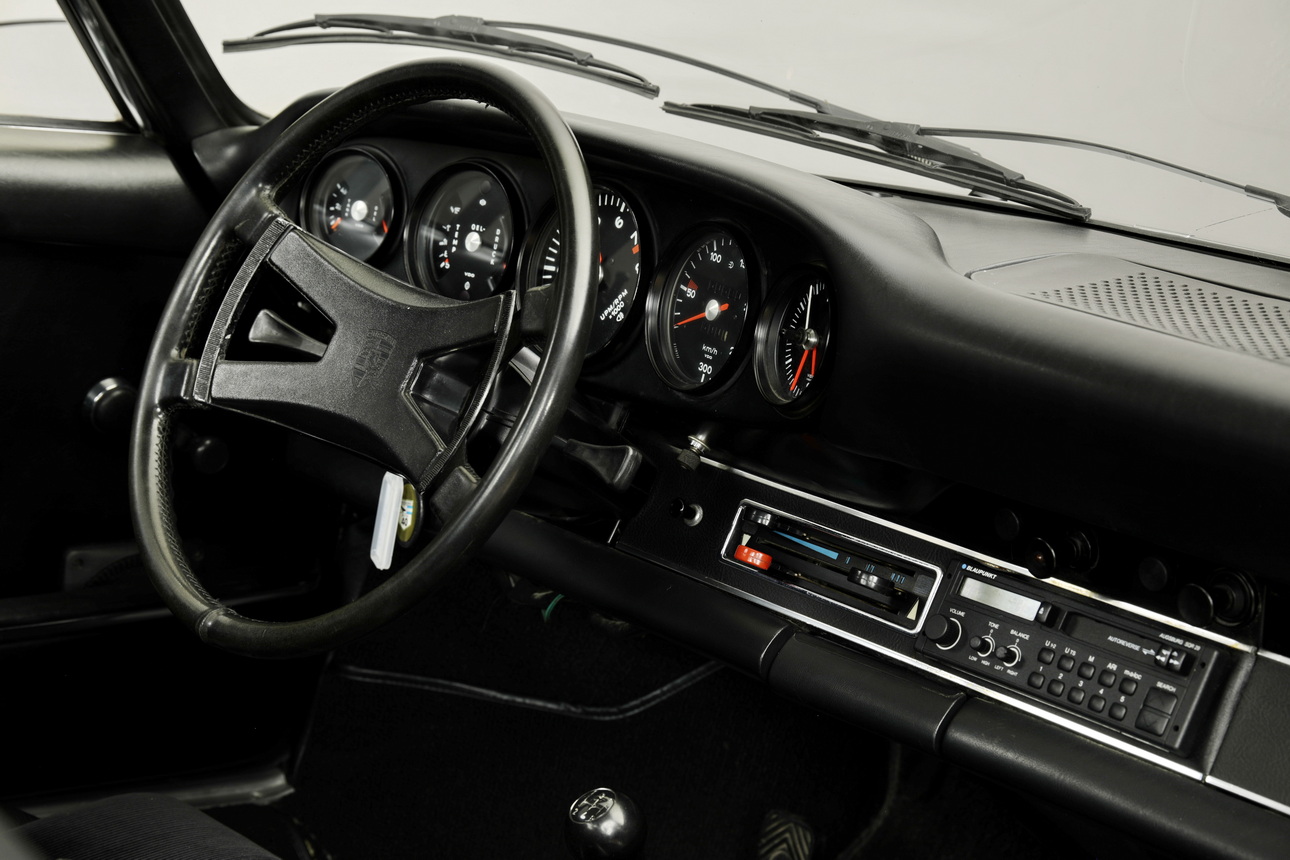
In order to reduce the weight for homologation, among other things, thin sheet metal, plastic parts and thin glass windows were used and insulation was dispensed with. The model was offered in two versions: "Sport" and "Touring". The latter offers some comfort, while the "Sport" model is even more consistently trimmed to lightweight construction: there are only two lightweight seat shells and, among other things, rear seats, floor carpets, coat hooks and the armrests of the doors are missing. Moreover, the rear bumper is made of plastic.
The Carrera RS 2.7 sold excellently far beyond its homologation requirement, so that in the end 1,580 examples were produced, of which 1,308 were Touring and 200 Sport versions. In the course of the thorough modification of the 911 in 1973 (so-called "G model"), there was then the Carrera as the top version, in which the engine of the 911 Carrera RS continued to live on until 1974.
This Automobile
Model History
The Porsche 911 was introduced in 1964 as the successor to the 356. It was then built for almost 10 years as the first generation – the so-called "F-Model" or "Urmodell" – with numerous modifications in various versions until it was replaced by the modified "G-Model" in 1973.
In October 1972, the today legendary Carrera RS 2.7 was presented at the Paris Motor Show. RS stands for “Rennsport” (racing) and this model was actually only intended for homologation in rally and motorsport with a required number of 500 units. Weight, engine, chassis and aerodynamics are intensively optimised for motorsport use. By the end of November, all 500 vehicles had been sold and Porsche decided to continue production.
The air-cooled six-cylinder boxer engine with a displacement of 2.7 litres (engine type 911/83) had a mechanical double-row injection pump and produced 210 hp. It was the first 911 to be given the "Carrera" designation again, which had previously marked the most powerful 356 models. With a top speed of 245 km/h, the Carrera RS was the fastest German series car of its time and also the first road sports car in the world with a front and rear spoiler.
The distinctive rear wing, nicknamed the "duck-tail", significantly improved driving stability. The special front spoiler had an opening in the middle for an oil cooler. Differently wide wheels on the front and rear axles ensured higher cornering speeds and stronger braking performance. In the rear axle area, the body is 42 millimetres wider.
In order to reduce the weight for homologation, among other things, thin sheet metal, plastic parts and thin glass windows were used and insulation was dispensed with. The model was offered in two versions: "Sport" and "Touring". The latter offers some comfort, while the "Sport" model is even more consistently trimmed to lightweight construction: there are only two lightweight seat shells and, among other things, rear seats, floor carpets, coat hooks and the armrests of the doors are missing. Moreover, the rear bumper is made of plastic.
The Carrera RS 2.7 sold excellently far beyond its homologation requirement, so that in the end 1,580 examples were produced, of which 1,308 were Touring and 200 Sport versions. In the course of the thorough modification of the 911 in 1973 (so-called "G model"), there was then the Carrera as the top version, in which the engine of the 911 Carrera RS continued to live on until 1974.